Hollywood has a short memory. An actor can dominate the box office for a decade and still find themselves on the wrong side of the industry’s attention almost overnight. A string of flops, a personal crisis, or simply drifting into a comfortable but creatively deadening niche is often all it takes for the phones to go quiet.
What separates the actors on this list from those who simply faded away is a willingness to take real risks, often at the cost of immediate financial security, and let the work do the talking all over again. These ten stories are worth paying attention to.
1. Matthew McConaughey: The Man Who Said No to $14.5 Million

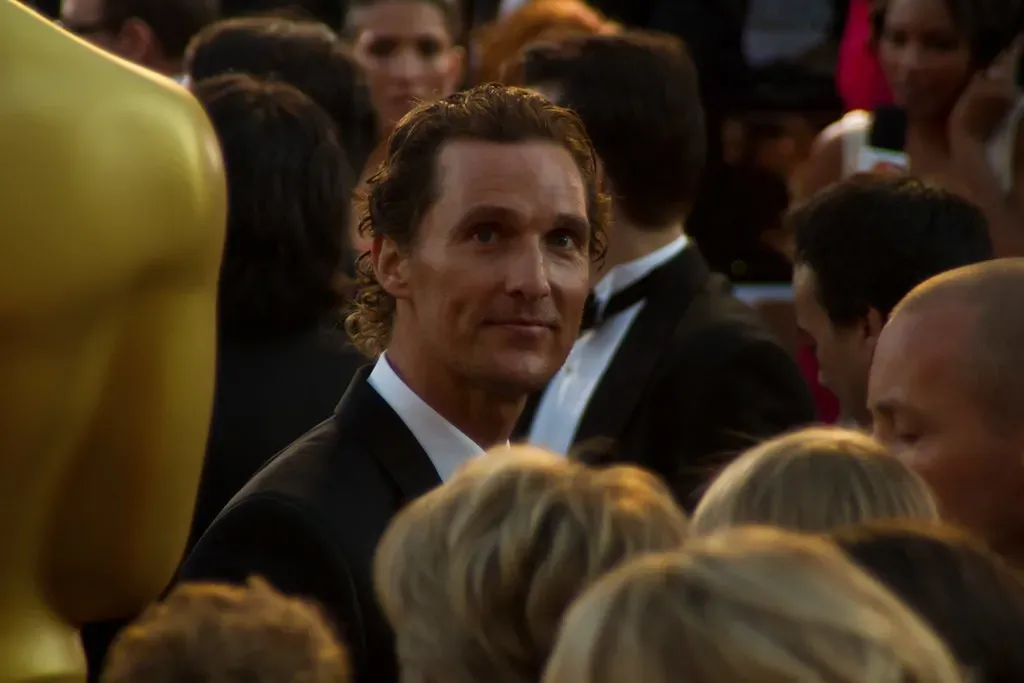
During the 2000s, McConaughey was typecast as a romantic comedy lead in films like The Wedding Planner, How to Lose a Guy in 10 Days, Failure to Launch, and Ghosts of Girlfriends Past. The roles paid well. They made him famous in a certain kind of way. They also typecast him as the charming, shirtless heartthrob, limiting his opportunities to showcase his broader acting talents.
McConaughey detailed the high-stakes gamble he took to reinvent his career, which included turning down a staggering $14.5 million payday for a single role. He took a two-year break, which he called an “unbranding phase,” explaining that his absence in Hollywood actually attracted calls for alternative dramatic roles. The peak of this cinematic rebirth arrived with Dallas Buyers Club, where his transformative, deeply human portrayal of Ron Woodroof earned him the Academy Award for Best Actor. There is even a term to describe this called the “McConaissance,” which was named after Matthew McConaughey, one of the actors who reinvented themselves in the new century.
2. Robert Downey Jr.: From Prison to Oscar Gold
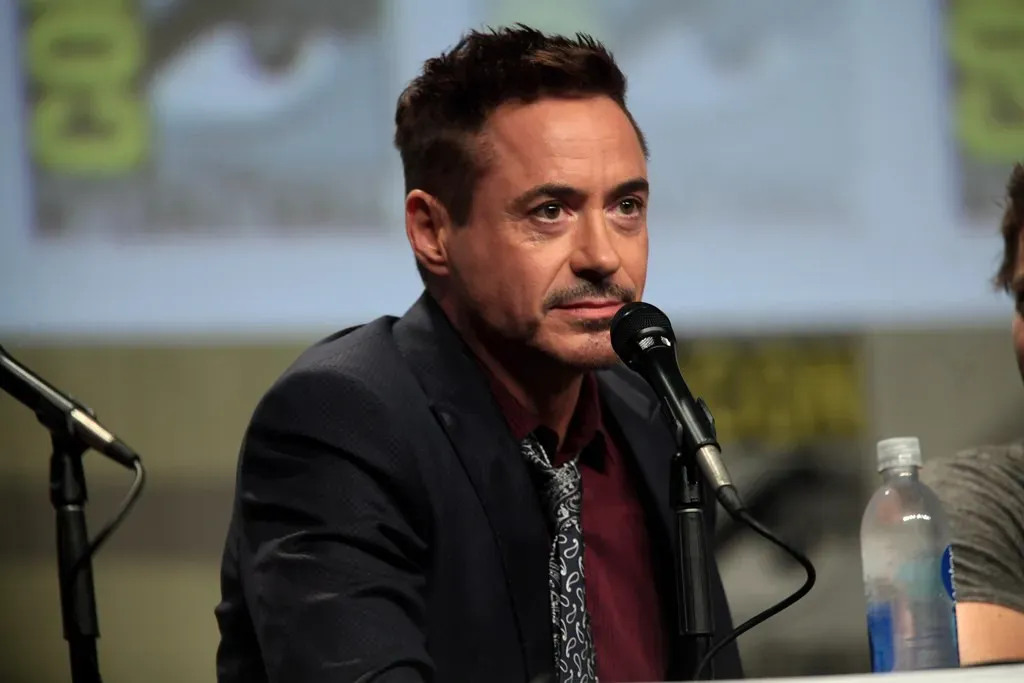
Downey’s first Academy Award nomination for Chaplin made him a Hollywood star, but his acting career became complicated by addiction-related setbacks starting in 1996. During a five-year period from 1996 to 2001, Downey was arrested several times on charges related to drug possession. He ended up serving 15 months in state prison in Corcoran, California, in 1999.
Since 2003, RDJ has been sober and become a more beloved public figure than ever. In 2008, he won the hearts and minds of filmgoers the world over with his portrayal of Tony Stark in Marvel’s Iron Man films. When Robert Downey Jr. heard his name announced at the 2024 Oscars on March 10, he was receiving more than a Best Supporting Actor honor for disappearing into the role of Lewis Strauss in Oppenheimer, which dominated the night with seven wins, including Best Picture. The role marked a significant departure from his well-known role as Tony Stark, allowing Downey to showcase the talent and versatility he has always had as an actor by stepping into the shoes of a complex and controversial historical figure.
3. Brendan Fraser: The Quietest, Most Emotional Comeback

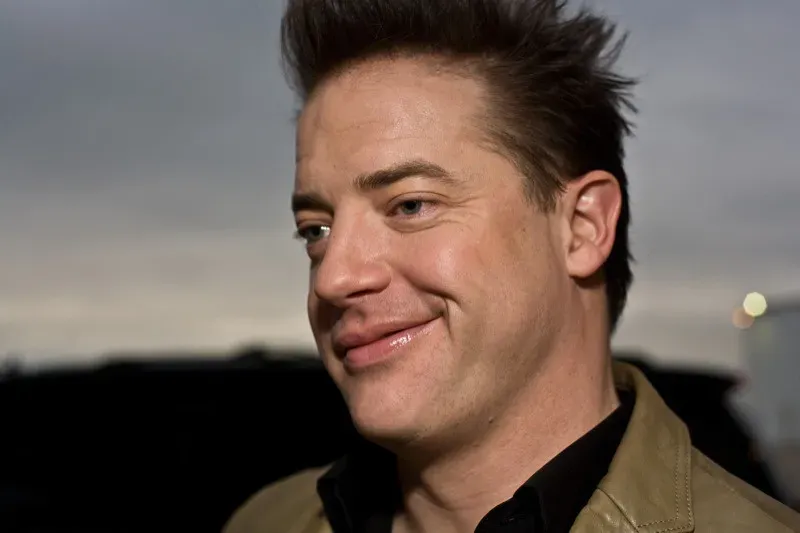
Brendan Fraser’s career decline was gradual but unmistakable. After dominating late-1990s box offices, a string of underperforming films, including Dudley Do-Right and Monkeybone, coincided with personal struggles and health issues that quietly removed him from Hollywood’s leading roles. Along with going through a depressive period, he went through a divorce, the death of his mother, and a few health issues.
Fraser rebuilt his reputation through smaller, emotionally demanding projects, culminating in The Whale (2022). The performance reframed him not as a nostalgic star, but as a serious dramatic actor. Winning the Academy Award for Best Actor turned what once looked like a career fade-out into one of the most complete reinventions in recent Hollywood history. He broadened his portfolio with character roles in No Sudden Move, a key supporting turn in Killers of the Flower Moon, and a sustained presence on television as Robotman in Doom Patrol, marking a move toward prestige drama and ensemble storytelling.
4. Ke Huy Quan: Nearly Three Decades in Exile

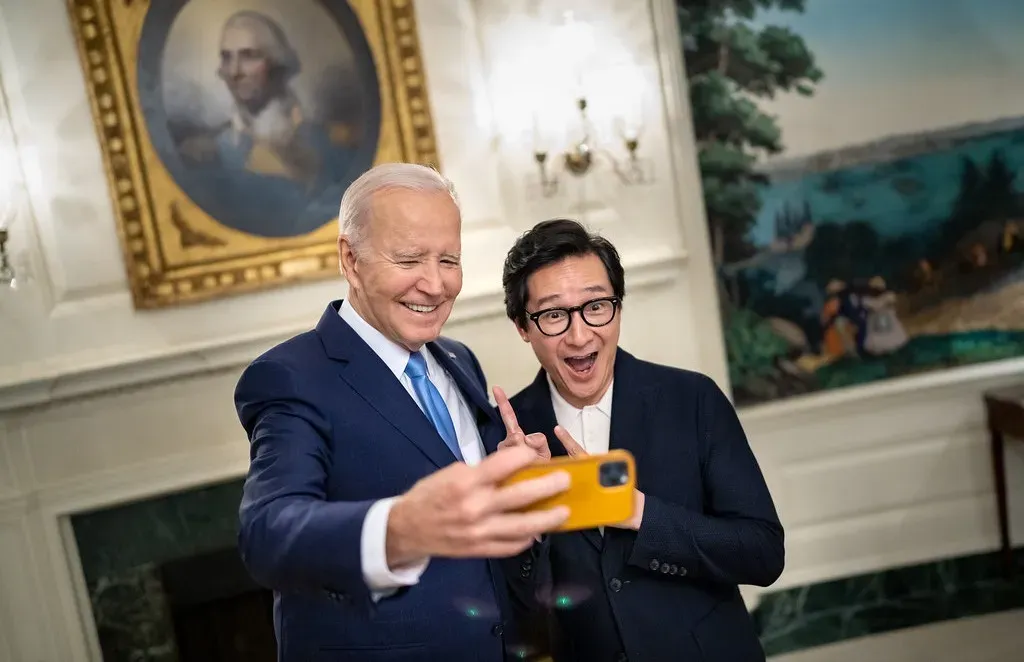
Ke Huy Quan is the most heartwarming story of an actor experiencing a career reinvention in Hollywood in the 21st century. He broke out as a child actor in the 1980s thanks to two specific roles, playing Short Round in Indiana Jones and the Temple of Doom and Data in The Goonies. He received critical praise for both of those roles, but the stereotypical nature of the performances meant that his brand of characters had a shelf life, and he was out of acting when he became an adult.
That all changed when a friend helped him get a chance to audition for a role in an Asian fantasy movie. That movie was Everything Everywhere All at Once (2022). Quan got the role of Waymond Wang, and he won the Best Supporting Actor Oscar for his performance. Quan then shifted into high-profile television, joining Loki as Ouroboros and appearing in American Born Chinese, leveraging both his performance background and his action design skill set to shape a new phase of his career.
5. Demi Moore: Reinvention Through Body Horror


Moore was at the peak of her stardom in the 1990s, starring in the likes of Ghost, A Few Good Men, and Indecent Proposal. Demi Moore was once at the top of her game in the 1980s and 1990s, but with several commercial and critical flops, including The Scarlet Letter and G.I. Jane, her career slowed down.
The Substance premiered at the 77th Cannes Film Festival on May 19, 2024, where it won Best Screenplay and was nominated for the Palme d’Or. Moore’s performance earned her a Golden Globe Award, Critics’ Choice Award, and Screen Actors Guild Award, as well as nominations for an Academy Award and BAFTA Award. Moore has since moved to television, starring in Taylor Sheridan’s Paramount+ drama Landman alongside Billy Bob Thornton and Jon Hamm. The performance proved, definitively, that she had always been capable of far more than Hollywood had been willing to ask of her.
Partner offer

6. Nicolas Cage: From Straight-to-Video to Cult Icon

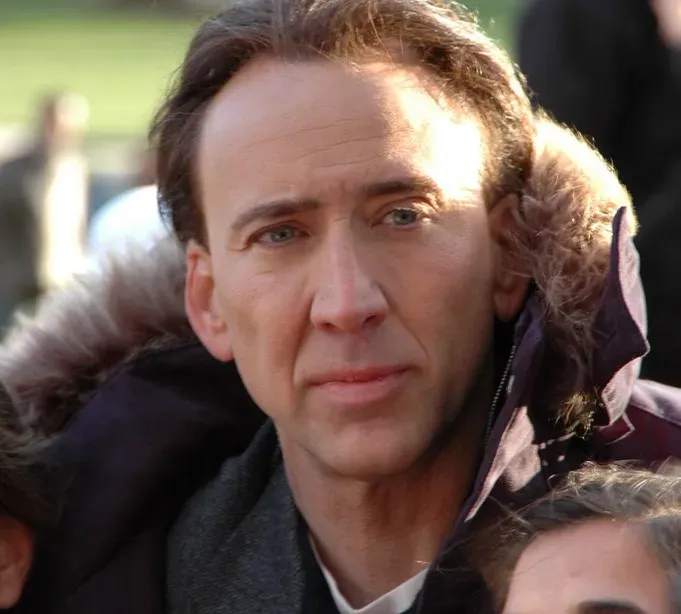
Nicolas Cage had early success that seemed hard to match, with an Oscar win for Leaving Las Vegas in 1995. He followed that up by becoming a Hollywood action movie leading man with fantastic performances in films like Face/Off and The Rock. His later movies dropped in quality, and by the 2000s, he was a straight-to-video star.
This all changed in the late 2010s when his smaller movies came from some great up-and-coming directors getting their foot in the door thanks to Cage’s contributions. This included Mandy (2018), Color Out of Space (2019), and Pig (2021), small independent movies that received high critical praise. Cage has now reinvented himself as a cult favorite actor whose appearance in movies guarantees something unique. With recent releases like The Unbearable Weight of Massive Talent (2022), Dream Scenario (2023), and Longlegs (2024), he has morphed into one of Hollywood’s most interesting actors.
7. Nicole Kidman: Auteur Choices Over Box Office Safety

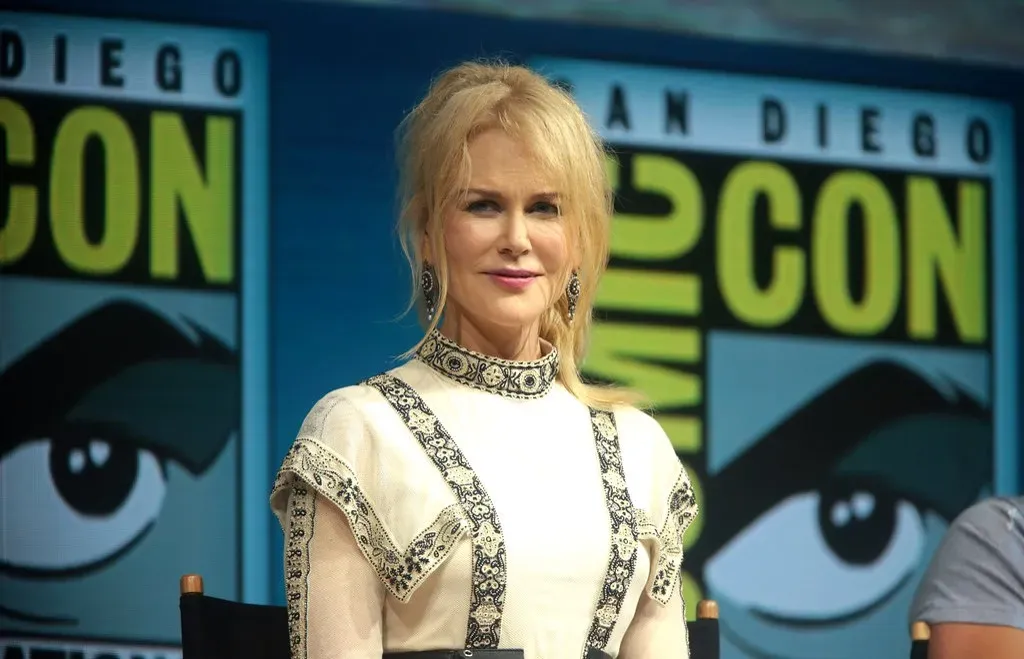
Nicole Kidman was a respected actress in the 1990s, with roles in movies like Far and Away and Eyes Wide Shut. However, her personal life overshadowed her movie career. That all changed when she took a huge chance and appeared in a musical and shocked audiences with not only her voice, but the impressive depth she gave her character in Moulin Rouge!
She starred in the horror movie The Others (2001) and then earned a Best Actress Oscar win for The Hours. For the rest of the century so far, she has done even more to reinvent herself, including roles on television in Big Little Lies and Nine Perfect Strangers, and another Oscar-worthy performance in 2024 with Babygirl. Kidman pivoted toward auteur-driven projects and television, embracing challenging roles. Her reinvention wasn’t about box office redemption, but about redefining success through artistic authority and longevity.
8. Ben Affleck: The Director Who Saved the Actor

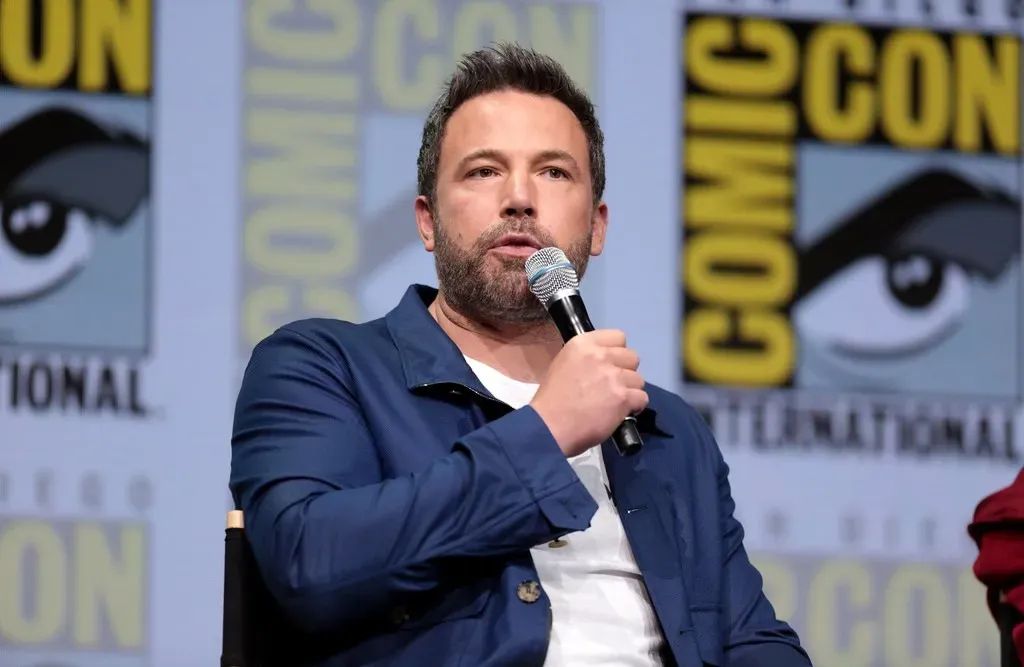
Few Hollywood collapses were as public as Ben Affleck’s fall in the early 2000s. A succession of critically dismissed films reduced one of the most promising actors of his generation to a punchline. The tabloid coverage of his personal life only deepened the hole he was in professionally.
Affleck’s reinvention came when he stepped away from being the face of a movie and moved behind the camera. Gone Baby Gone (2007) marked his directorial debut and signaled a shift toward grounded, character-driven storytelling. That pivot culminated in Argo (2012), a critical and commercial success that won the Academy Award for Best Picture and redefined Affleck not as a movie star, but as a filmmaker with authority and vision.
9. Mickey Rourke: Boxing, Scarring, and Starting Over

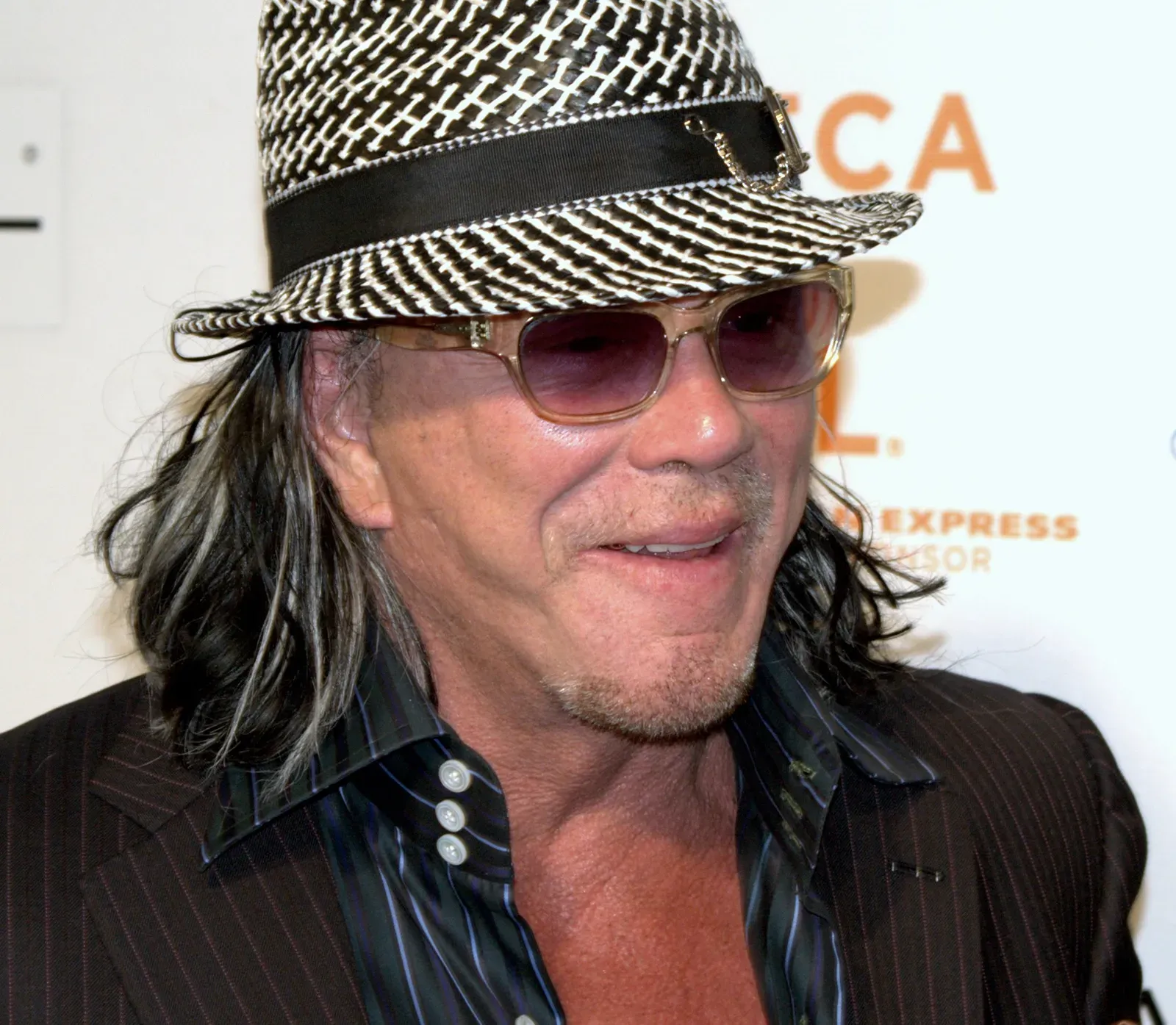
Mickey Rourke’s career is a testament to the power of reinvention and resilience. Rourke first gained fame in the 1980s with standout performances in films like Diner, Rumble Fish, and 9½ Weeks. His rugged good looks and intense screen presence made him a sought-after actor, and he was hailed as one of the most promising talents of his generation. However, Rourke’s career took a nosedive in the early 1990s. Disillusioned with Hollywood, he turned to professional boxing, a move that resulted in severe facial injuries and multiple surgeries. His boxing career, coupled with personal struggles, led to a significant decline in his acting prospects.
Mickey Rourke portrays Randy “The Ram” Robinson in The Wrestler, a broken athlete clinging to a fading spotlight. To achieve the necessary physical decay, Rourke insisted on using a professional wrestling technique during the climax, rejecting the safe alternative to maintain visceral authenticity. Unlike typical comeback vehicles that polish an actor’s image, the film weaponized Rourke’s real-life facial scarring and public fall from grace. The performance earned him a Golden Globe for Best Actor and an Academy Award nomination, proving that lived-in damage can be its own kind of credibility.
10. Jason Bateman: The Child Star Who Became a Multi-Hyphenate

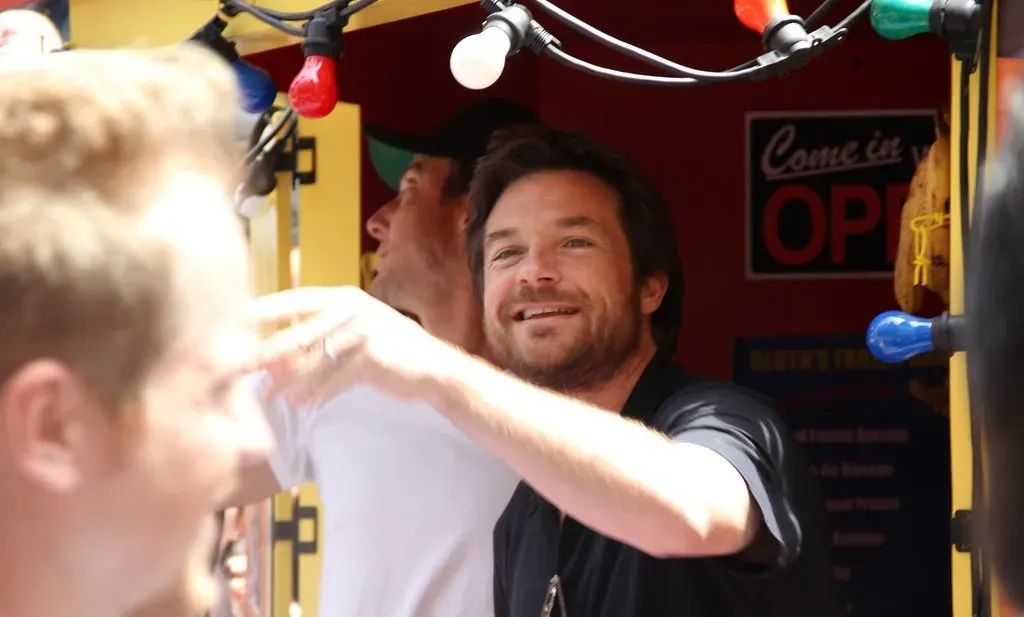
Bateman fell into obscurity for the better part of the 1990s, unable to make a graceful transition from teen star, including the box office flop that was Teen Wolf Too. For years, he existed in that uncomfortable middle space where industry contacts remember your name but nobody calls it. Then came the Bluth era of the early 2000s, when Bateman came back in a big way as the only sane member of the highly dysfunctional family on critically-acclaimed series Arrested Development. This role relaunched his career, which has since included roles in films like Juno, Up in the Air, and Horrible Bosses.
Bateman went on to star in and executive produce Ozark, winning a Primetime Emmy Award for directing, and expanded into feature directing with projects like Bad Words and The Family Fang, firmly retooling his career around multi-hyphenate leadership. What makes his arc particularly interesting is that he never chased prestige for its own sake. He simply kept doing the work, expanded what he was willing to try, and let the quality accumulate over time until the industry couldn’t look away.
What connects all ten of these stories isn’t luck or timing, though both play a role. It’s a willingness to stop protecting an image and start risking it. The actors who genuinely reinvent themselves tend to share one quality: they care more about the work than about what the industry currently thinks of them. Sometimes, that’s the only strategy that actually holds.
Partner offer
Planning a trip to Vegas?
Compare hotel rates and show tickets on VEGAS.com.