
We often imagine ancient civilizations as primitive compared to today’s urban landscapes. Living in mud huts, traveling by foot or animal, using rudimentary tools. That image gets shattered when you dig into the archaeology of some of history’s most remarkable cities. Many ancient urban centers possessed technologies and planning principles that wouldn’t become widespread again for centuries, or in some cases, millennia.
These weren’t just large settlements with impressive monuments. Some operated with cutting-edge infrastructure, while others pioneered democratic systems or engineering feats that modern scholars still struggle to fully comprehend. From sanitation systems that rival contemporary plumbing to water management on a staggering scale, these ancient metropolises were far more sophisticated than we typically give them credit for. So let’s take a closer look at ten cities that deserve recognition for being far ahead of their time.
Mohenjo-daro, Pakistan: The Birthplace of Urban Sanitation

Built around 2500 BCE, Mohenjo-daro was one of the largest settlements of the ancient Indus Valley Civilisation and featured something truly extraordinary for its era. This urban plan included the world’s first urban sanitation systems, complete with sophisticated drainage that put contemporaneous cities to shame. Over 700 wells are present at Mohenjo-daro, alongside drainage and bathing systems, a number unheard of in Egypt or Mesopotamia at the time. Sewage was disposed of through underground drains built with precisely laid bricks, and nearly every house had access to private bathing facilities connected to covered public drains.
Teotihuacan, Mexico: America’s First Grid-Planned Megacity
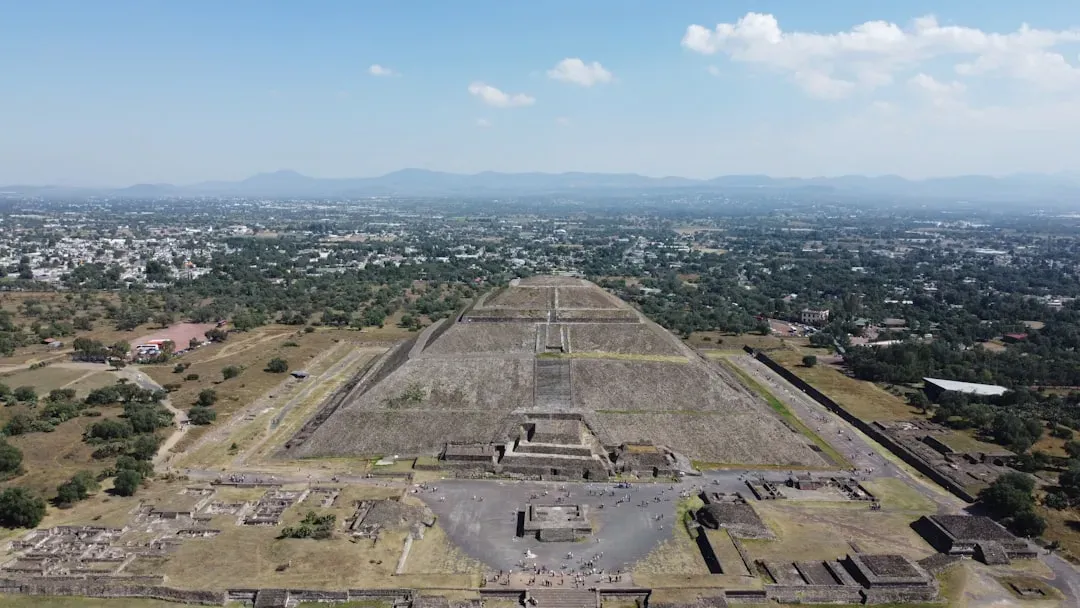
Let’s be real, when people think of ancient American cities, they usually picture Aztec temples. Teotihuacan predates the Aztecs by centuries and shows an ambition few could match. With 80,000 to 100,000 inhabitants living in an area of some 20 square km, Teotihuacan was one of the two most populous cities in Classic-period Mesoamerica, thriving between roughly 100 and 650 CE.
Virtually all structures in the city – residences and civic buildings – were oriented to the basic city grid, and all of the residential neighborhoods at Teotihuacan were carefully planned, a level of organization that was unprecedented. The majority of the urban area comprised residential apartment compounds, about 2,000 recognized compounds that would have housed twenty to one hundred individuals, resembling multi-family housing more than anything else. It wasn’t just big; it was brilliantly organized.
Rome, Italy: Aqueduct Masters of the Mediterranean
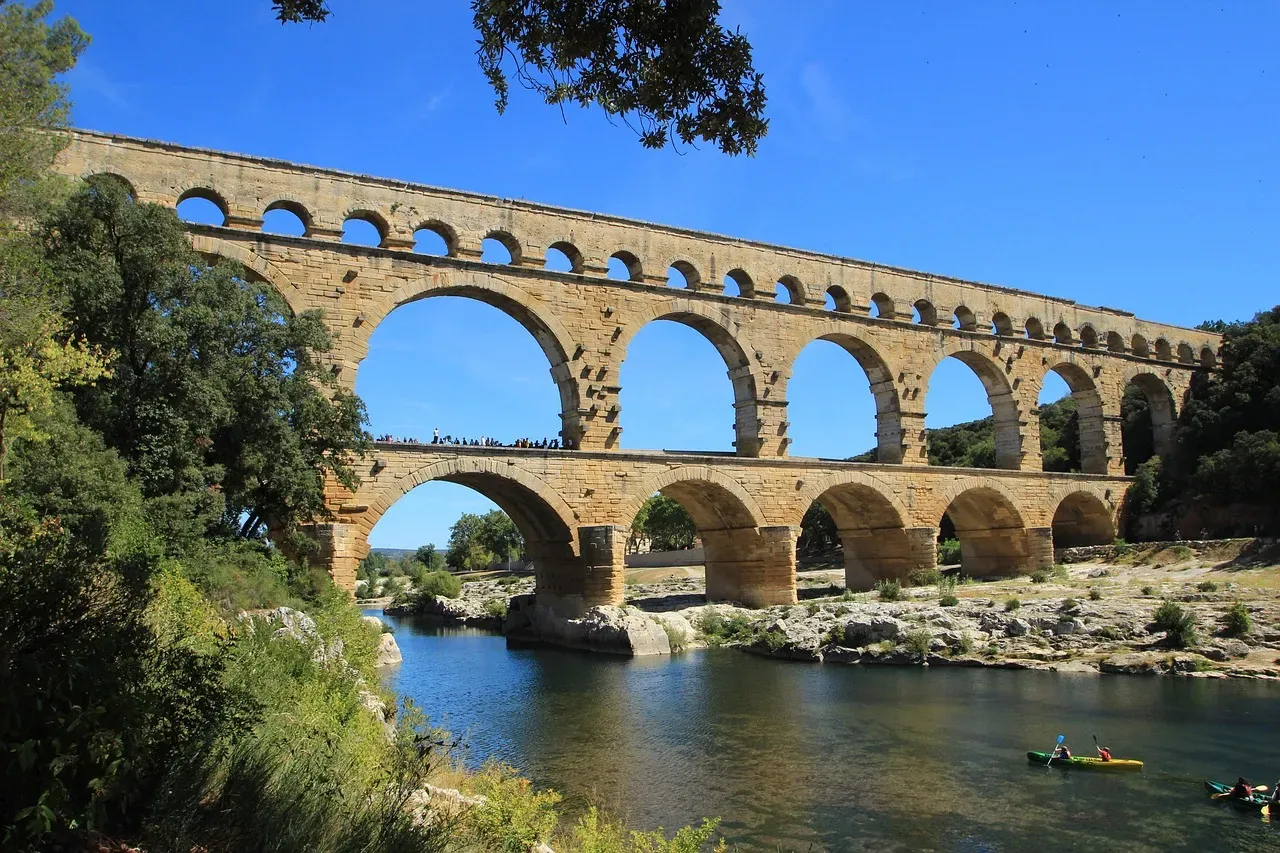
Over a little more than 500 years, 11 aqueducts were constructed to supply ancient Rome with water, creating an infrastructure system that became the envy of the ancient world. The capital in Rome alone had around 11 aqueduct systems supplying freshwater from sources as far as 92 kilometers away, and that water fed more than just drinking fountains. Aqueduct water supplied public baths, latrines, fountains, and private households; it also supported mining operations, milling, farms, and gardens.
Greek historian Dionysius of Halicarnassus ranked the aqueducts as one of “the three most magnificent works in Rome,” calling them a testament to the “greatness of the Roman empire” due to their usefulness and construction cost. Some still work today.
Angkor, Cambodia: Hydraulic Engineering on a Massive Scale
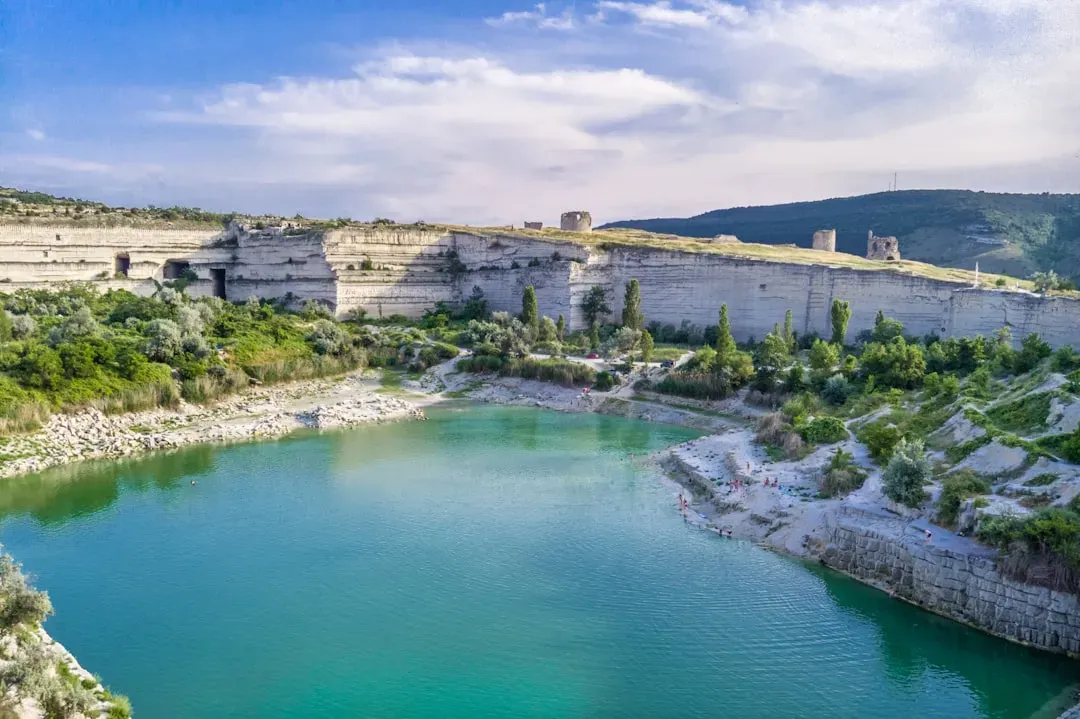
Here’s where things get wild. In the Phnom Kulen acquisition block to the north of central Angkor, lidar data revealed an entire, previously undocumented cityscape including highways and temples beneath the forest, corresponding to the 8th- to 9th-century city named Mahendraparvata, one of the first capitals of the Khmer Empire. By the 13th century, the low-density cityscape covered an area of about 1000 square kilometers, making it one of the most extensive preindustrial urban complexes ever.
What really stands out is the water system. Both Koh Ker and Phnom Kulen show evidence of Angkor-era hydraulic engineering on a scale comparable to that of Angkor itself, and two artificial reservoirs each covered around 15km2. Medieval settlements at Phnom Kulen and Koh Ker had extensive hydraulic engineering on a scale comparable to Angkor, showing a much wider reliance on water management systems to control flooding and ensure food security during droughts.
Alexandria, Egypt: The Ancient World’s Greatest Think Tank

The library itself was probably not built until the reign of Ptolemy II Philadelphus, though plans began earlier. Once established, it became unmatched. Estimates range from 40,000 to 400,000 scrolls at its height, with the highest estimates claiming 900,000 scrolls, an enormous collection that required vast storage. The library was part of a larger research institution called the Mouseion, which was dedicated to the Muses, effectively making it an ancient university campus.
Alexandria came to be regarded as the capital of knowledge and learning, in part because of the Great Library. Scholars from across the Mediterranean world gathered there. As a research institution, the library filled its stacks with new works in mathematics, astronomy, physics, natural sciences, and its empirical standards were applied in one of the first homes for serious textual criticism.
Çatalhöyük, Turkey: A Settlement Without Streets
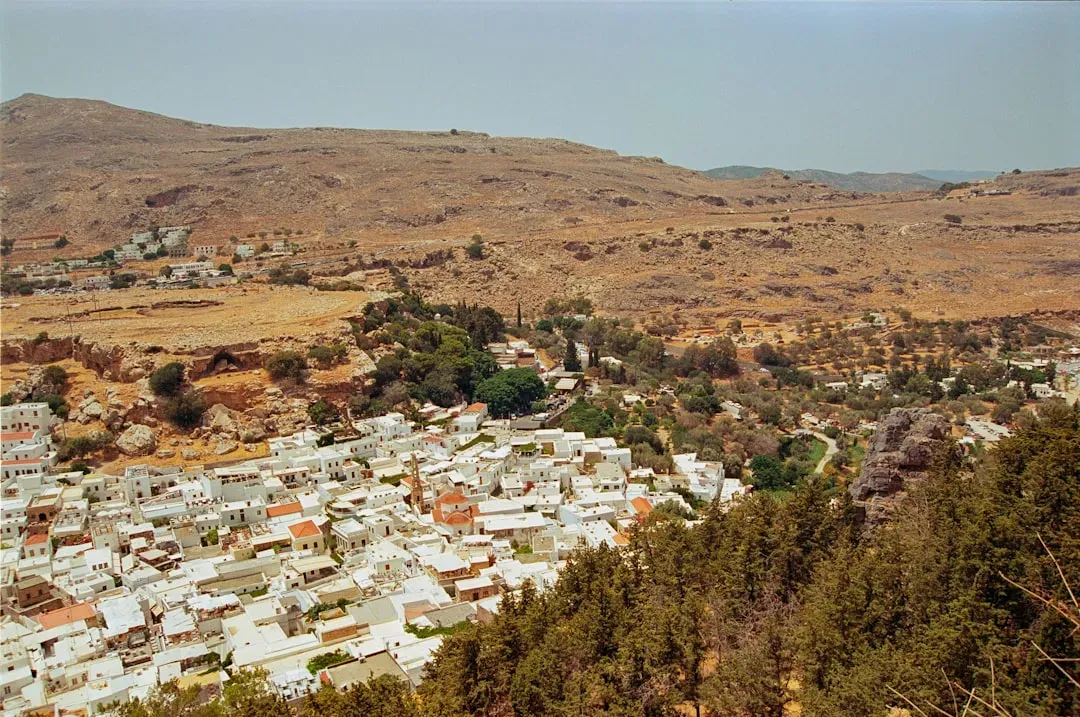
Çatalhöyük is strange by any standard, ancient or modern. Active from roughly 7500 to 5700 BCE, this Neolithic settlement in present-day Turkey had a unique urban design. People entered their homes through rooftops rather than through doorways at ground level, and the houses were built directly against each other without streets or alleys separating them. Archaeological evidence suggests this reflected an unusually egalitarian social structure with minimal hierarchy and no centralized authority.
The lack of monumental buildings or clear differences in house sizes points toward a community organized very differently from most ancient cities. According to UNESCO and studies published in the Anatolian Archaeology Journal, Çatalhöyük offers insight into early urban life where shared rooftop pathways replaced streets entirely, creating a tightly interconnected community.
Babylon, Iraq: Where Mathematics Still Echoes Today
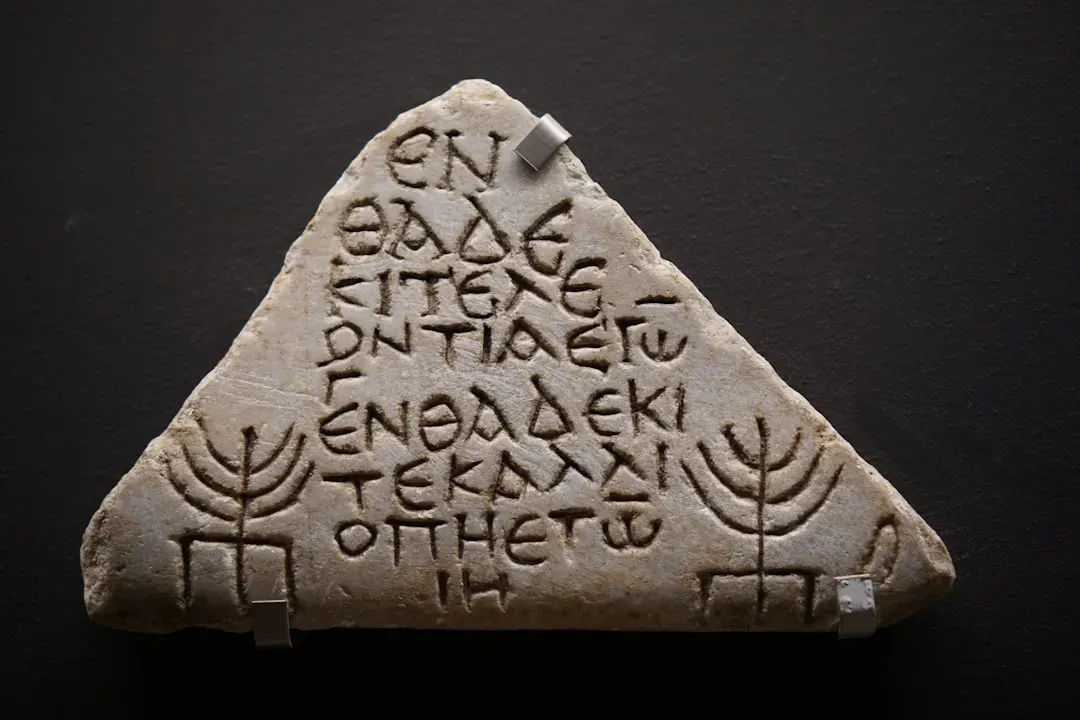
Most people know Babylon for its Hanging Gardens, but the real marvel was intellectual. Babylonian scholars developed a base-60 number system that we still use for measuring time and angles. According to research from the British Museum’s cuneiform tablet studies, this mathematical innovation emerged thousands of years ago and became foundational to astronomy and geometry.
The Babylonians didn’t stop at math. They made advances in algebra, developed early astronomical models, and kept detailed records of celestial movements. Their system of dividing hours into 60 minutes and minutes into 60 seconds remains globally standard. Think about that next time you check your watch.
Machu Picchu, Peru: Earthquake-Proof Architecture
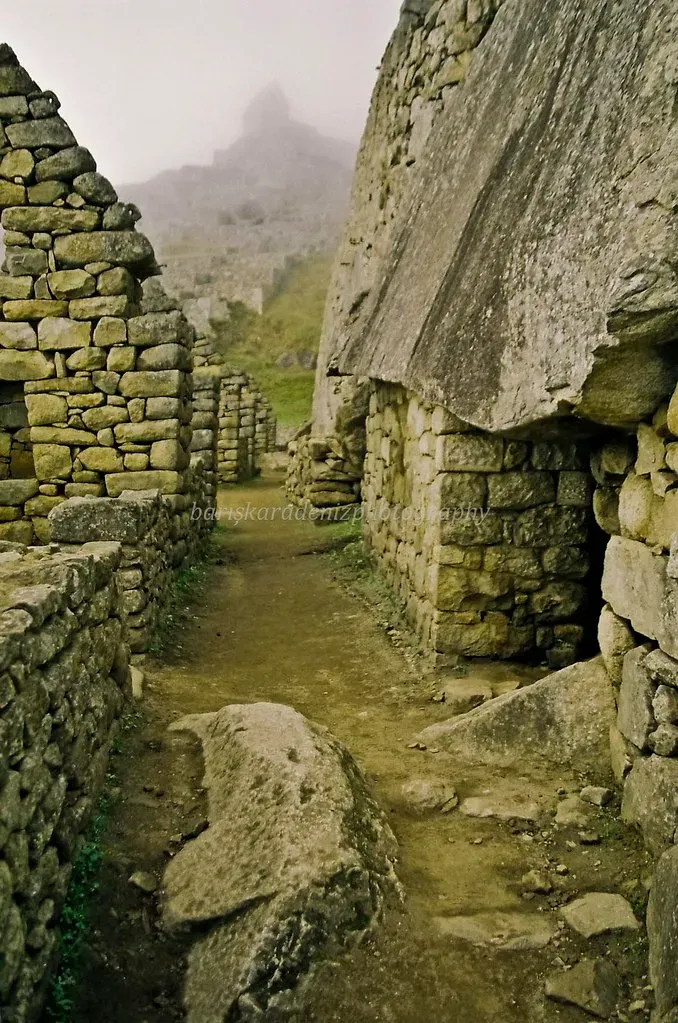
Perched high in the Andes Mountains, Machu Picchu was built by the Inca around 1450 CE. What makes it astonishing isn’t just its location but its construction. According to National Geographic and the Peruvian Ministry of Culture, Incan stonework at Machu Picchu is so precise that structures have withstood centuries of earthquakes without mortar. The stones were cut and fitted so tightly that not even a blade can slip between them.
This engineering feat required an intimate understanding of seismic activity and materials. The Inca used a technique called ashlar masonry, where stones are shaped to fit together perfectly. When earthquakes strike, the stones shift slightly and then settle back into place, a feature modern architects still study.
Athens, Greece: Democracy’s Training Ground
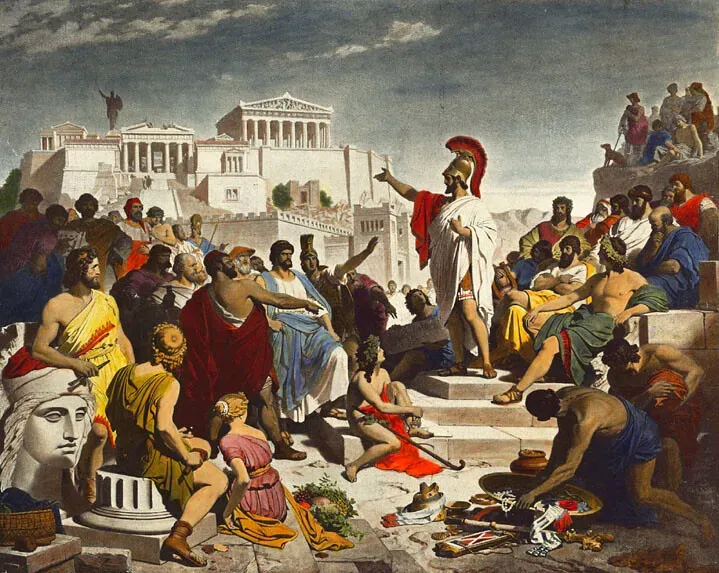
Classical Athens pioneered early democratic governance that still influences modern political systems. According to the Stanford Encyclopedia of Philosophy, Athens developed citizen assemblies and legal courts where eligible citizens could participate directly in decision-making. This wasn’t representative democracy as we know it today, but direct participation by thousands of citizens in the Ekklesia, or assembly.
The Athenian system included mechanisms like ostracism, trial by jury, and rotation of offices to prevent corruption and concentration of power. Though limited to free male citizens, excluding women, slaves, and foreigners, the structure itself was revolutionary. It laid the groundwork for concepts like rule of law and civic participation that define many modern governments.
Petra, Jordan: Masters of Desert Water Control

Petra’s Nabataeans engineered advanced rainwater harvesting systems, enabling large-scale urban life in an arid desert environment, according to UNESCO World Heritage Centre documentation. Carved into rose-red cliffs, Petra wasn’t just architecturally stunning; it was a triumph of hydraulic engineering. The Nabataeans controlled flash floods, collected and stored rainwater, and created an intricate network of channels, dams, and cisterns.
This system allowed a thriving city to exist in one of the harshest climates imaginable. Water was channeled from distant springs through ceramic pipes and rock-cut channels, then stored in massive underground cisterns. Petra’s water infrastructure supported not only its residents but also travelers and traders passing through this critical junction on ancient trade routes.
What strikes you most about these ancient cities? The plumbing, the planning, or the sheer ambition? It’s easy to assume progress moves in a straight line, but history shows otherwise. These civilizations built marvels that took centuries to match again. Did you expect that?