Words have power. Sometimes they whisper. Sometimes they roar. And every once in a while, they shake the foundations of society so hard that nothing stays the same. Throughout history, certain books have done exactly that – not just entertaining readers or sparking conversations, but fundamentally altering how we live, what we believe, and the laws that govern us.
These aren’t just bestsellers or critical darlings. They’re catalysts. They’ve ignited revolutions, dismantled unjust systems, and forced entire nations to confront uncomfortable truths. Some were written by activists, others by novelists who simply told a story. But all of them left an indelible mark on the world. Let’s explore the books that didn’t just capture the zeitgeist – they created it.
1. “Uncle Tom’s Cabin” by Harriet Beecher Stowe (1852)
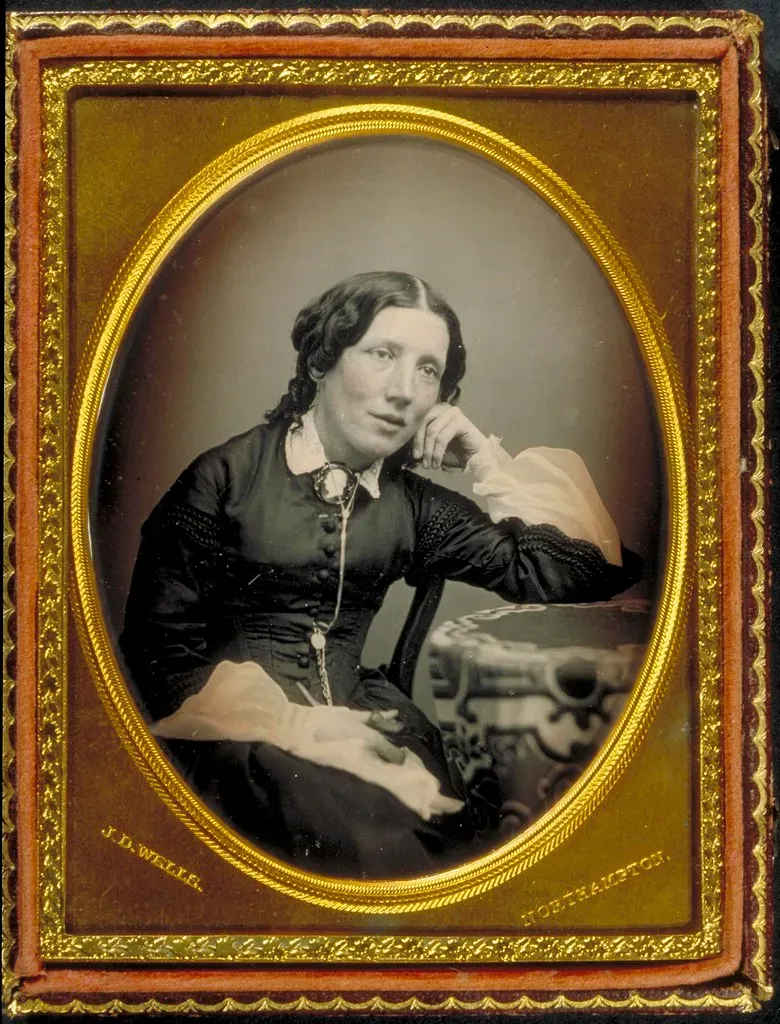
When Abraham Lincoln allegedly greeted Harriet Beecher Stowe with the words, “So you’re the little woman who wrote the book that started this great war,” he wasn’t exaggerating by much. This novel about the brutal realities of slavery became a cultural phenomenon almost overnight. Within a year of publication, it sold roughly 300,000 copies in the United States alone.
Stowe’s portrayal of enslaved people as fully human, capable of love, suffering, and dignity, was revolutionary for its time. The book personalized an abstract political debate. Suddenly, slavery wasn’t just an economic or states’ rights issue. It was about people like Tom, Eliza, and their families.
The novel galvanized the abolitionist movement in ways that dry political treatises never could. It made fence-sitters pick a side. Southern states banned it, which only amplified its impact. The emotional storytelling reached people who’d never attended an abolitionist rally or read a political pamphlet.
While it’s impossible to draw a straight line from one book to the Civil War, there’s no denying that “Uncle Tom’s Cabin” fundamentally shifted public opinion in the North. It turned abstract moral questions into visceral, human stories that people couldn’t ignore.
2. “The Jungle” by Upton Sinclair (1906)

Upton Sinclair wanted to win hearts for socialism. Instead, he turned stomachs and changed food safety laws forever. His novel exposed the horrifying conditions in Chicago’s meatpacking industry, and Americans were absolutely disgusted by what they read.
The descriptions of contaminated meat, diseased animals, and workers falling into rendering vats were so graphic that readers lost their appetite. Literally. Meat sales plummeted. President Theodore Roosevelt, initially skeptical, sent investigators to verify Sinclair’s claims. They confirmed everything.
Within months, Congress passed the Pure Food and Drug Act and the Meat Inspection Act of 1906. These were the first major federal regulations on food safety in American history. Sinclair later joked, “I aimed at the public’s heart, and by accident I hit it in the stomach.”
The book didn’t spark the socialist revolution Sinclair hoped for, but it did something arguably more lasting. It fundamentally changed how Americans thought about what they ate and the government’s role in protecting consumers. The FDA exists, in part, because of this novel.
3. “Silent Spring” by Rachel Carson (1962)
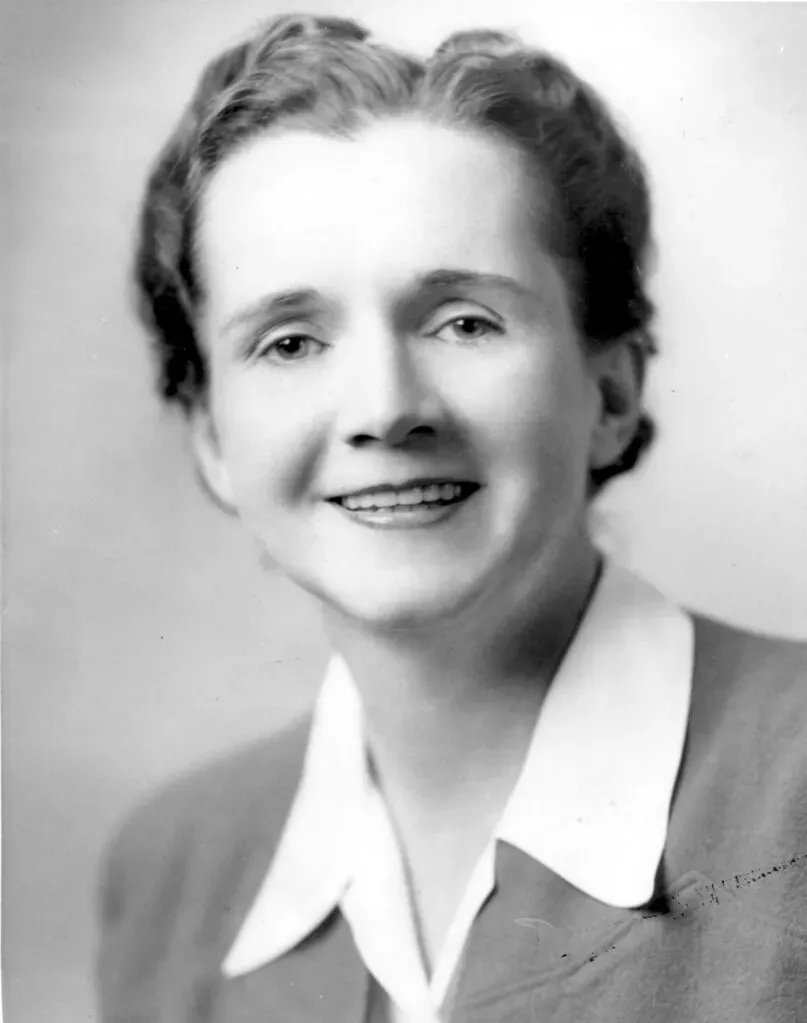
Before Rachel Carson, pesticides were progress. After her groundbreaking book, they became a symbol of humanity’s reckless disregard for nature. “Silent Spring” documented how chemicals like DDT were poisoning ecosystems, killing birds, and accumulating in the food chain with potentially catastrophic consequences.
The chemical industry went ballistic. They tried to discredit Carson, attacked her credentials, and spent millions on counter-campaigns. One company even produced a parody called “The Desolate Year” depicting a world overrun by insects without pesticides. But the public wasn’t buying it.
Carson’s meticulous research and evocative writing struck a chord. She didn’t just present data. She painted a picture of a world where spring arrived without birdsong, where the natural world fell silent under a chemical assault. President Kennedy ordered a special advisory committee to investigate her claims, and they largely validated her findings.
The book launched the modern environmental movement. It led to the creation of the Environmental Protection Agency in 1970 and the eventual ban of DDT in the United States. More importantly, it fundamentally changed how we think about our relationship with nature and the unintended consequences of technological “progress.”
4. “The Feminine Mystique” by Betty Friedan (1963)

Betty Friedan gave a name to “the problem that has no name” – the widespread dissatisfaction of educated women trapped in domestic roles. Her book articulated what countless women felt but couldn’t express: that the idealized 1950s housewife fantasy was suffocating and unfulfilling for many.
Friedan interviewed dozens of women and discovered a pattern. Despite living in comfortable homes with appliances and modern conveniences, many were deeply unhappy. They’d been told that marriage and motherhood would be enough, but it wasn’t. They felt empty, purposeless, and guilty for wanting more.
The book became a rallying cry for second-wave feminism. It challenged the notion that women’s fulfillment came solely through their husbands and children. Women began demanding access to higher education, professional careers, and equal opportunities. The National Organization for Women, which Friedan co-founded in 1966, grew directly from the conversations this book sparked.
Critics have pointed out the book’s limitations – it focused primarily on white, middle-class women and largely ignored the experiences of women of color and working-class women. Still, it fundamentally shifted the cultural conversation about women’s roles in society and helped pave the way for legislative changes in employment discrimination and reproductive rights.
5. “The Grapes of Wrath” by John Steinbeck (1939)
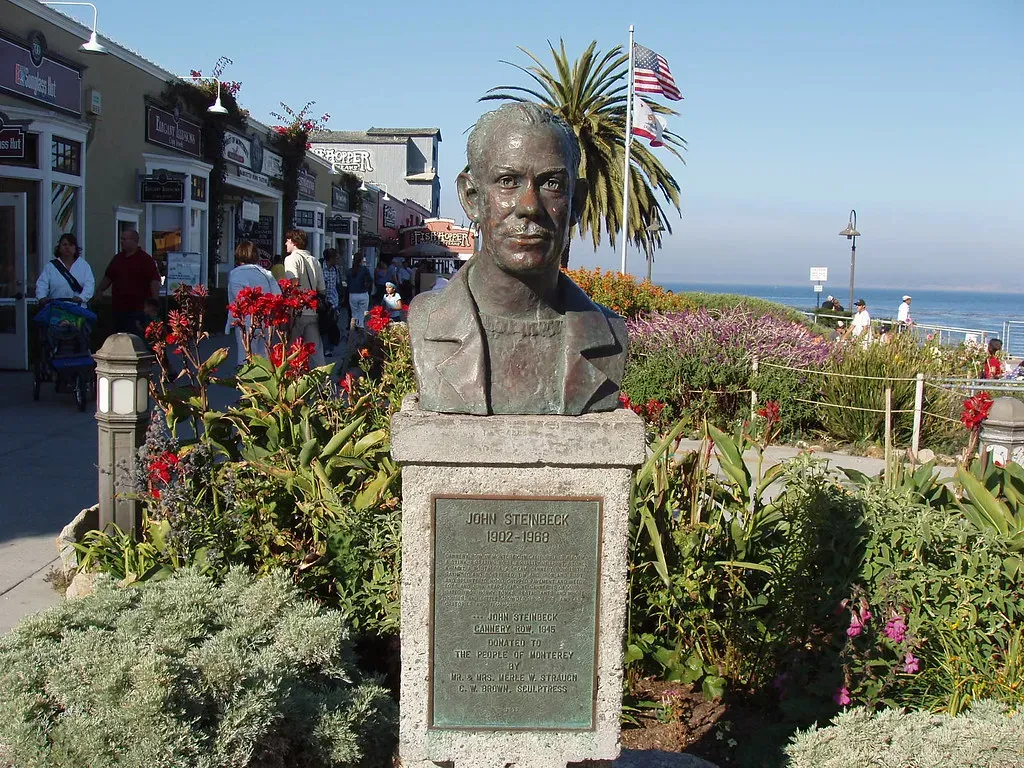
John Steinbeck’s epic novel about Dust Bowl refugees fleeing to California did more than win a Pulitzer Prize. It forced Americans to confront the human cost of economic catastrophe and environmental disaster. The Joad family’s desperate journey became the story of millions.
The book was controversial from day one. It was banned and burned in California’s agricultural counties, where wealthy landowners feared it would inspire labor organizing. They were right to worry. The novel exposed the brutal exploitation of migrant workers and the callous indifference of the powerful.
Eleanor Roosevelt championed the book and invited Steinbeck to discuss migrant labor conditions. Congressional hearings followed. The public outcry contributed to improved conditions in migrant camps and strengthened support for New Deal programs aimed at helping displaced farmers and workers.
Beyond immediate policy impacts, the novel shaped how Americans understood poverty and economic injustice. It humanized people who were often dismissed as lazy or undeserving. The Joads weren’t statistics. They were a family trying to survive against impossible odds, and readers couldn’t help but root for them.
6. “To Kill a Mockingbird” by Harper Lee (1960)
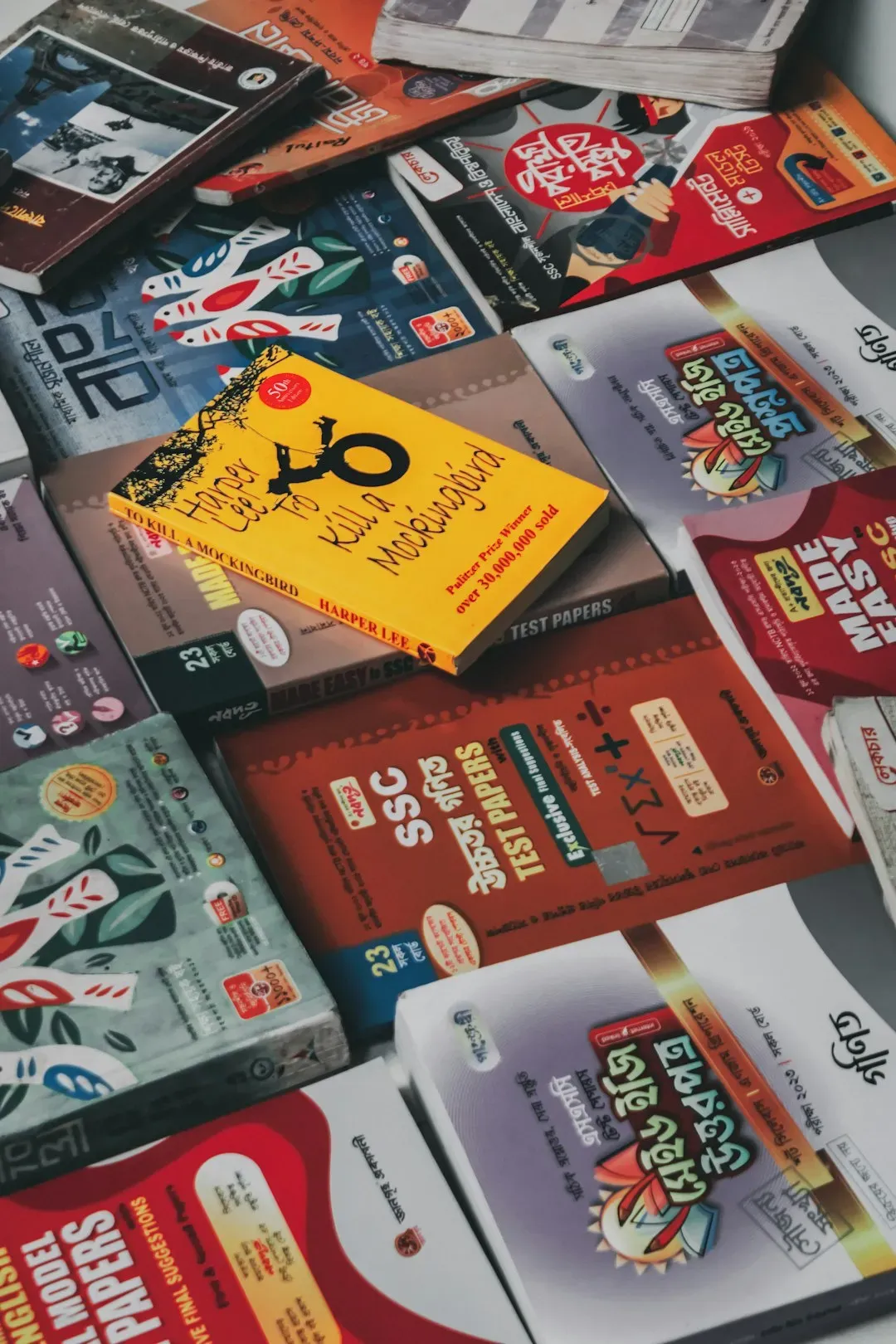
Harper Lee’s novel about racial injustice in the Deep South hit bookstores at exactly the right moment. Published as the Civil Rights Movement reached a critical juncture, it became required reading in schools across America and shaped how generations of young people thought about racism and justice.
Through Scout Finch’s eyes, readers experienced the trial of Tom Robinson, a Black man falsely accused of raping a white woman. Atticus Finch became the moral compass many Americans wished they had – a white Southerner willing to stand up for what’s right despite social pressure and personal risk.
The book didn’t change laws directly, but it changed minds. It made racism personal and immediate for white readers who might have otherwise remained comfortably ignorant. Students who read it in the 1960s and 70s grew up with a different understanding of justice and equality than their parents.
Some critics argue the book centers white saviorism and doesn’t give enough agency to Black characters. That’s a fair critique. But there’s no denying its massive cultural impact in making millions of Americans, especially young people, confront the ugliness of racial prejudice in a way that felt emotionally real.
7. “1984” by George Orwell (1949)

George Orwell’s dystopian masterpiece gave us the vocabulary to understand totalitarianism. Terms like “Big Brother,” “thoughtcrime,” “doublethink,” and “Newspeak” entered common usage because they described something real and terrifying that Orwell saw emerging in the mid-20th century.
The novel depicts a world where the government controls not just actions but thoughts. History is constantly rewritten. Truth is whatever the Party says it is. Privacy doesn’t exist. Love and loyalty belong to the state, not to individuals. It was a chilling warning about where unchecked power could lead.
Written in the shadow of Stalin’s Soviet Union and emerging Cold War tensions, the book became a touchstone for anti-authoritarian movements worldwide. Dissidents in communist countries read it in secret. Civil libertarians cited it when warning against government surveillance and propaganda.
Every time a government overreaches – whether through mass surveillance, propaganda, or suppression of dissent – people invoke Orwell. The book doesn’t just critique totalitarian regimes. It forces us to ask uncomfortable questions about our own societies and how easily freedom can erode when people aren’t paying attention.
8. “Common Sense” by Thomas Paine (1776)
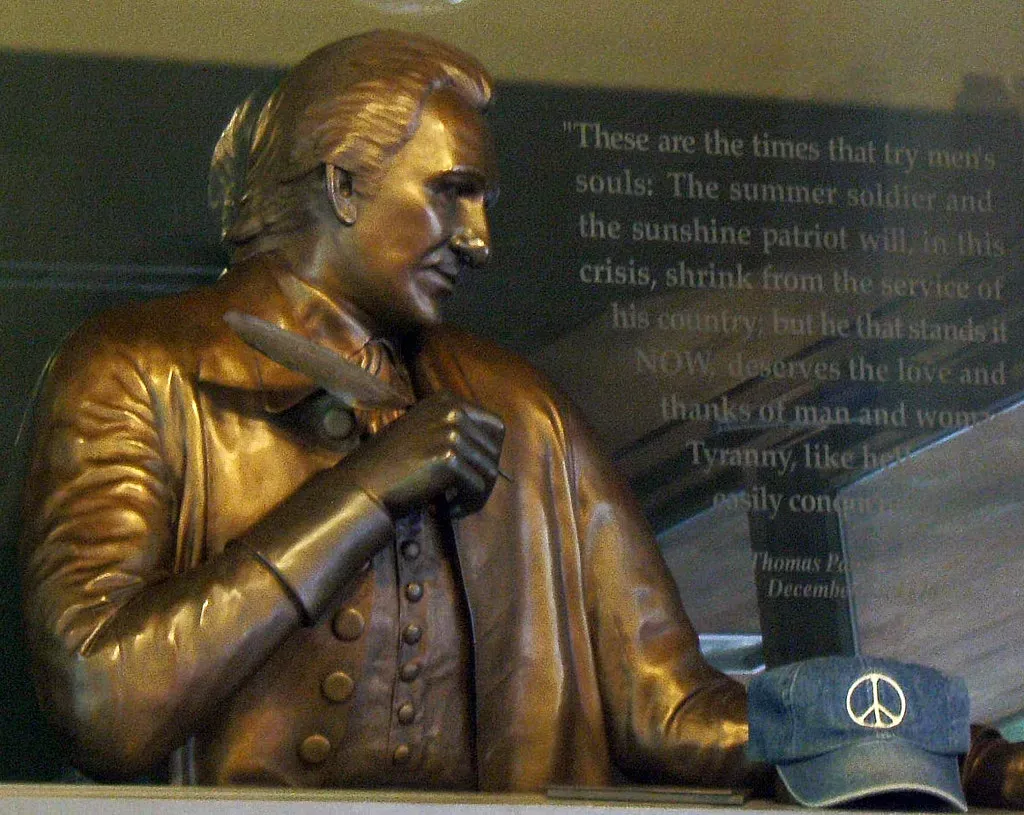
Before Thomas Paine wrote this pamphlet, American independence was a fringe idea supported by a small minority. Six months after publication, it was a revolutionary movement. “Common Sense” sold roughly half a million copies in a nation of only about two and a half million people. Nearly everyone either read it or heard it read aloud.
Paine’s genius was making complex political philosophy accessible. He didn’t write in the flowery, classical style of educated elites. He wrote plainly, passionately, and persuasively. He argued that monarchy was absurd, that British rule was oppressive, and that independence was not just desirable but inevitable and morally necessary.
The pamphlet shifted public opinion dramatically. Colonists who’d been on the fence suddenly saw independence as common sense (hence the title). It gave people the intellectual ammunition to justify rebellion and created a shared language for the revolutionary cause.
George Washington had it read to his troops. John Adams credited it with changing the tide of opinion. Without “Common Sense,” it’s hard to imagine the Declaration of Independence happening when it did, or with such widespread public support. Paine literally wrote a nation into existence.
9. “The Second Sex” by Simone de Beauvoir (1949)

Simone de Beauvoir’s philosophical examination of women’s oppression begins with one of the most quoted lines in feminist literature: “One is not born, but rather becomes, a woman.” That single sentence challenged centuries of thinking about gender as biological destiny rather than social construction.
The book was scandalous when published. The Vatican put it on the Index of Forbidden Books. Critics called it immoral and dangerous. But it resonated deeply with women who recognized their own experiences in de Beauvoir’s analysis of how society constructs femininity and uses it to subordinate women.
De Beauvoir argued that throughout history, men had been defined as the default human, while women were perpetually cast as “the Other” – defined primarily in relation to men rather than as autonomous individuals. This wasn’t natural or inevitable. It was the result of social, economic, and cultural forces that could be challenged and changed.
The book became foundational to second-wave feminism and continues to influence feminist thought today. It gave women a framework for understanding their oppression not as individual problems but as systematic issues rooted in how society is structured. That recognition was the first step toward demanding fundamental change.
10. “The Souls of Black Folk” by W.E.B. Du Bois (1903)
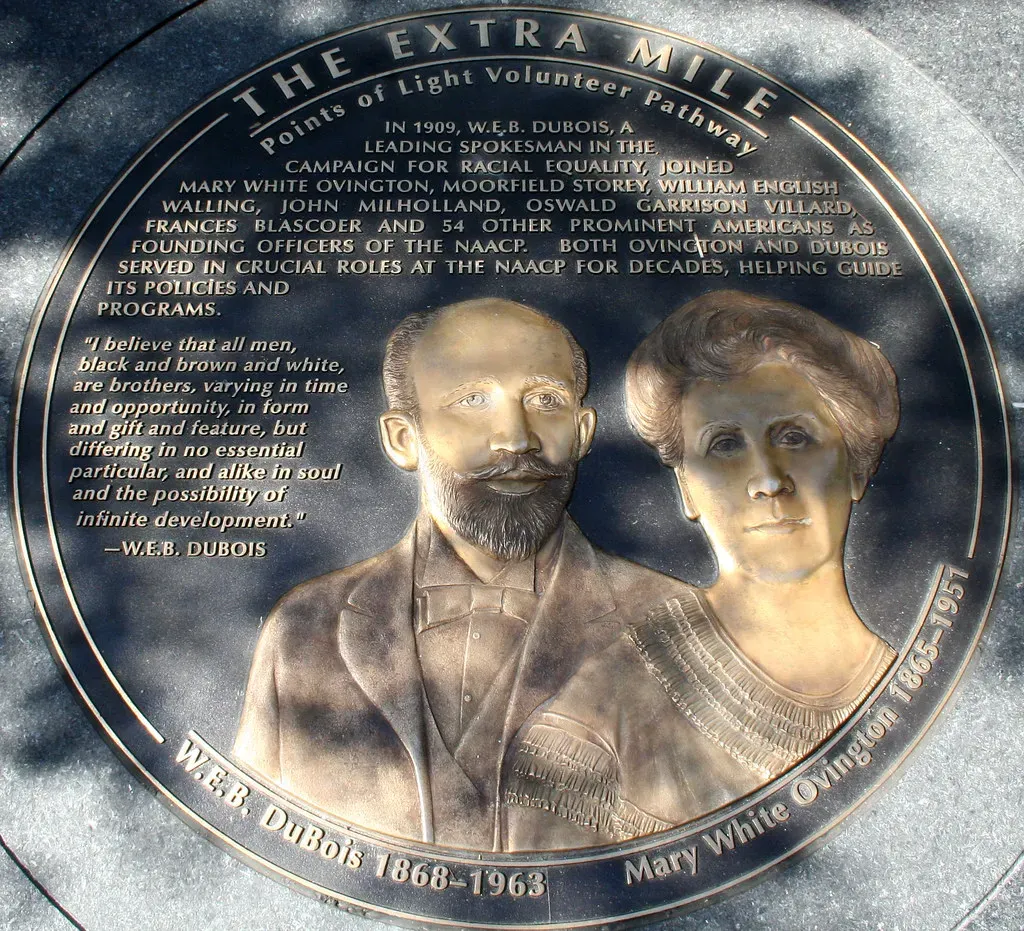
W.E.B. Du Bois introduced the concept of “double consciousness” – the experience of always seeing yourself through the eyes of a society that despises you. For Black Americans living in the Jim Crow South, this wasn’t abstract philosophy. It was daily reality. Du Bois gave voice to that experience with extraordinary eloquence and intellectual rigor.
The book challenged Booker T. Washington’s accommodationist approach to racial progress. While Washington advocated for vocational training and economic advancement without directly confronting segregation, Du Bois demanded full civil rights, higher education, and political power. This debate shaped Black political thought for generations.
Du Bois wrote for both white and Black audiences. For white readers, he explained the humanity, complexity, and aspirations of Black Americans in ways that contradicted racist stereotypes. For Black readers, he offered intellectual validation and a vision of liberation that went beyond mere survival.
The book influenced the formation of the NAACP, which Du Bois helped found in 1909, and laid intellectual groundwork for the Civil Rights Movement that would emerge decades later. His insistence that Black Americans deserved full equality, not gradual accommodation, became the movement’s guiding principle. Every person who’s ever challenged systemic racism owes something to Du Bois’s fierce, uncompromising vision.
Conclusion
These ten books prove that ideas, when expressed powerfully enough, can reshape reality. They didn’t just reflect their times. They fundamentally altered them. Some changed specific laws, others shifted entire cultural paradigms, and a few did both.
What makes a book transformative isn’t always clear when it’s first published. “Uncle Tom’s Cabin” was dismissed by some as sentimental propaganda. “Silent Spring” was attacked by the chemical industry. “The Feminine Mystique” was called dangerous and radical. Yet each survived its critics to become essential reading for understanding how we got here.
The power of these books lies not just in their ideas but in their ability to make those ideas feel urgent and personal. They turned abstract concepts into human stories that readers couldn’t ignore. They made people uncomfortable, angry, inspired, and motivated to act.
What books do you think belong on this list? What have you read that genuinely changed how you see the world? Tell us in the comments.