Ever picked up a book and felt that strange chill when fiction becomes reality? Some authors seem to possess an uncanny gift, peering through the veil of time to glimpse what most of us cannot. These aren’t fortune tellers with crystal balls. They’re writers who watched the world so carefully that they saw where it was headed, sometimes decades before the rest of us caught on.
What follows might unsettle you. These ten books didn’t just make lucky guesses about gadgets or trends. They foresaw the texture of our lives today, the way technology would reshape our relationships, the manner in which power would consolidate, and how we’d willingly trade freedom for comfort.
George Orwell’s 1984: The Surveillance State We Live In

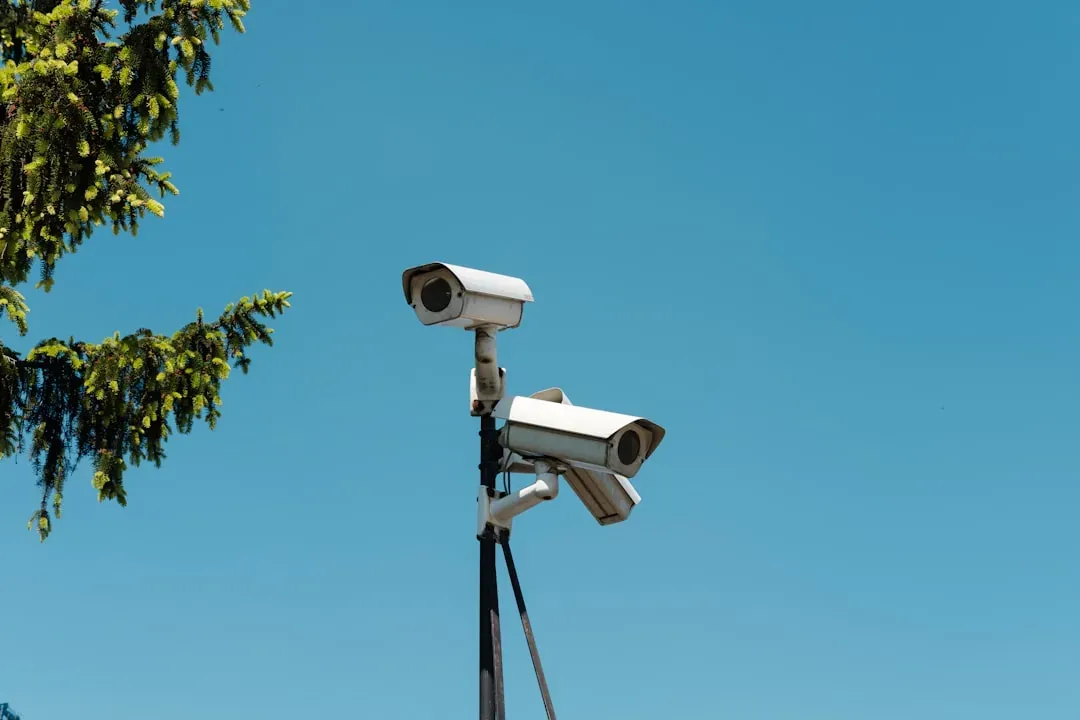
Written in 1949, Orwell’s 1984 introduced concepts like Big Brother, thought policing, and the manipulation of truth that have become disturbingly relevant in the modern digital age. Here’s the thing: when Orwell wrote about telescreens watching citizens in their homes, he couldn’t have imagined smartphones or Alexa devices. Yet he nailed the essential truth.
Today, CCTV cameras, online data tracking, and government monitoring of digital communications make Orwell’s warnings more relevant than ever. Think about it. We carry devices that track our location, record our conversations, and monitor our behavior. The difference? We paid for them ourselves. Orwell’s dystopia feels less like fiction and more like a documentary filmed fifty years too early.
Aldous Huxley’s Brave New World: Drugged and Distracted


One in eight Americans are on anti-depressants right now, a statistic that would have made Huxley nod knowingly. His 1932 novel imagined a future where people used a drug called soma to numb themselves to reality. This doesn’t include the large number of Americans on tranquilizers, anti-anxiety medications, or those who self-medicate with alcohol or increasingly legal marijuana; these drugs aren’t quite Soma, but they bear a striking resemblance in function and use.
Brave New World envisioned a society obsessed with pleasure, instant gratification, and genetic manipulation, describing a future where people are engineered for specific societal roles, entertained by mindless distractions, and kept complacent with a drug called soma. With the announcement that CRISPR gene-editing technology had been used on babies, this possibility seems closer than ever. Maybe Huxley understood that we wouldn’t need an authoritarian boot on our necks if we were comfortable enough.
Ray Bradbury’s Fahrenheit 451: Screen Addiction and Earbuds


Picture this: in 1953, Bradbury described people wearing small electronic devices in their ears, drowning out the world with constant audio. The seashells and thimble radios very much resemble the earbuds we use today. In 2021, 548 million headphones were sold worldwide, according to Statista, of which 55% were wireless; almost 70 years ago, when these devices did not yet exist, Ray Bradbury described wireless headphones quite accurately.
He predicted flat-screen SMART TVs with his interactive parlor walls, along with reality TV shows; he also predicted wireless earbuds with his Seashell radios and the use of robotics in the military and with police. The novel’s protagonist watches his wife, Mildred, obsessed with her wall screens, treating fictional characters as family. Sound familiar? Bradbury saw us coming from miles away, choosing screens over books, distraction over depth.
William Gibson’s Neuromancer: Cyberspace Before the Internet

Gibson coined the term cyberspace for widespread, interconnected digital technology in his short story Burning Chrome in 1982, and later popularized the concept in his acclaimed debut novel Neuromancer in 1984. Let that sink in. He invented the word for something that barely existed yet.
Developments anticipated by the novel include reality TV, nanomachines and virtual communities; it inspired early computer programmers in the creation of the Internet and impacted early computer culture. It remains the first and only novel to win all three of the Hugo Award, the Nebula Award for Best Novel, and the Philip K. Dick Award. Gibson created a blueprint for our digital future at a time when most people were still figuring out their VCRs.
John Brunner’s Stand on Zanzibar: The World of 2010

This one’s spooky. Brunner’s Stand on Zanzibar, set in 2010, depicted a time when population pressure led to widening social divisions and political extremism; despite the threat of terrorism, U.S. corporations like General Technics are booming thanks to a supercomputer; China is America’s new rival; Europe has united; Brunner also foresees affirmative action, genetic engineering, Viagra, Detroit’s collapse, satellite TV, in-flight video, gay marriage, laser printing, electric cars, the decriminalization of marijuana, and the decline of tobacco.
There is even a progressive president named Obomi; in a 2021 article regarding the prognostic ability of novelists, The Guardian pointed out that Stand on Zanzibar had also accurately predicted the fall of the Detroit auto industry. Brunner published this in 1968. The sheer volume of accurate predictions is staggering, almost unsettling in its precision.
E.M. Forster’s The Machine Stops: Video Calls in 1909

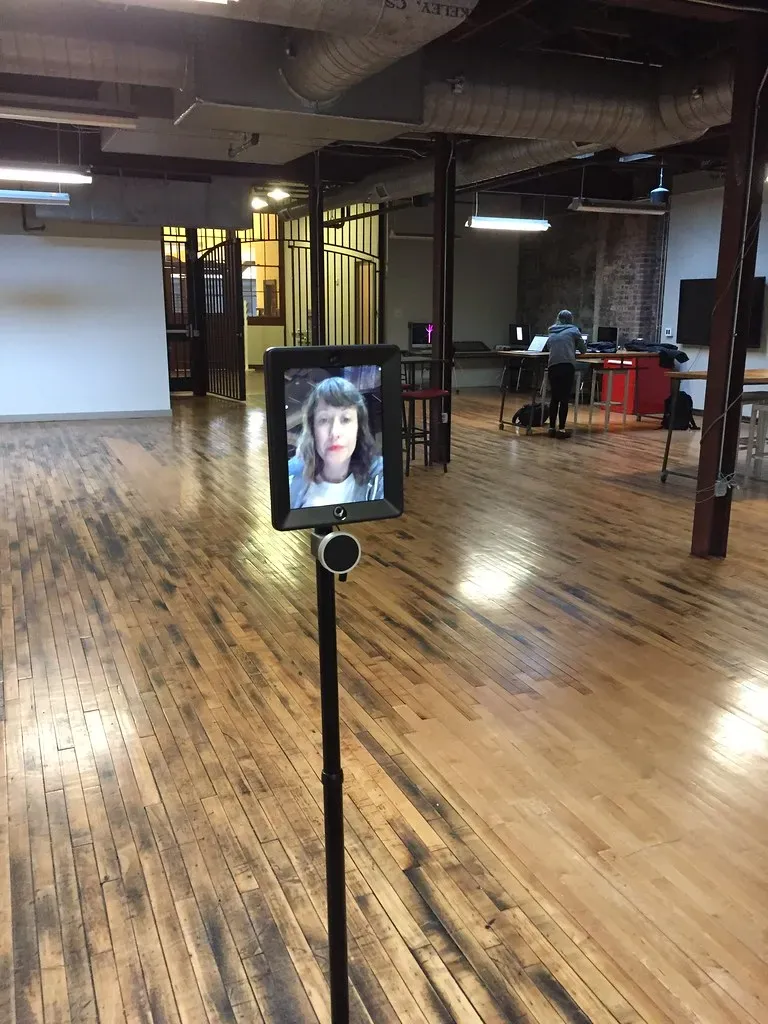
Will Gompertz, writing on the BBC website on 30 May 2020, observed that The Machine Stops is not simply prescient; it is a jaw-droppingly, gob-smackingly, breathtakingly accurate literary description of lockdown life in 2020. Forster wrote this in 1909. Nineteen oh nine. Forster was writing around thirty years before the first digital computer; TV and telephones were still in their infancy.
The story predicted computer interfaces and programs like Skype that would allow us to communicate with people across the globe without leaving our rooms; people live in isolation in chambers, where they can call up music and real-time video chatting at a click. A Buffer survey found that 20% of remote workers struggle with loneliness, proving Forster understood the dark side of technological convenience better than we did a century later.
Looking Backward by Edward Bellamy: Credit Cards in 1888


Edward Bellamy’s Looking Backward envisioned a future where credit cards and online shopping were commonplace; the novel’s depiction of a society using credit cards for purchases and home delivery mirrors modern e-commerce practices. This was published in 1888, when most transactions involved actual gold coins.
In 2021, the global e-commerce market reached 4.28 trillion dollars, demonstrating the accuracy of Bellamy’s predictions; as digital payments become increasingly common, Bellamy’s foresight into the future of commerce remains strikingly relevant. He imagined women as full members of the workforce, another radical notion for the late 1800s. Sometimes visionaries see further than anyone gives them credit for.
Yevgeny Zamyatin’s We: The Original Dystopian Blueprint

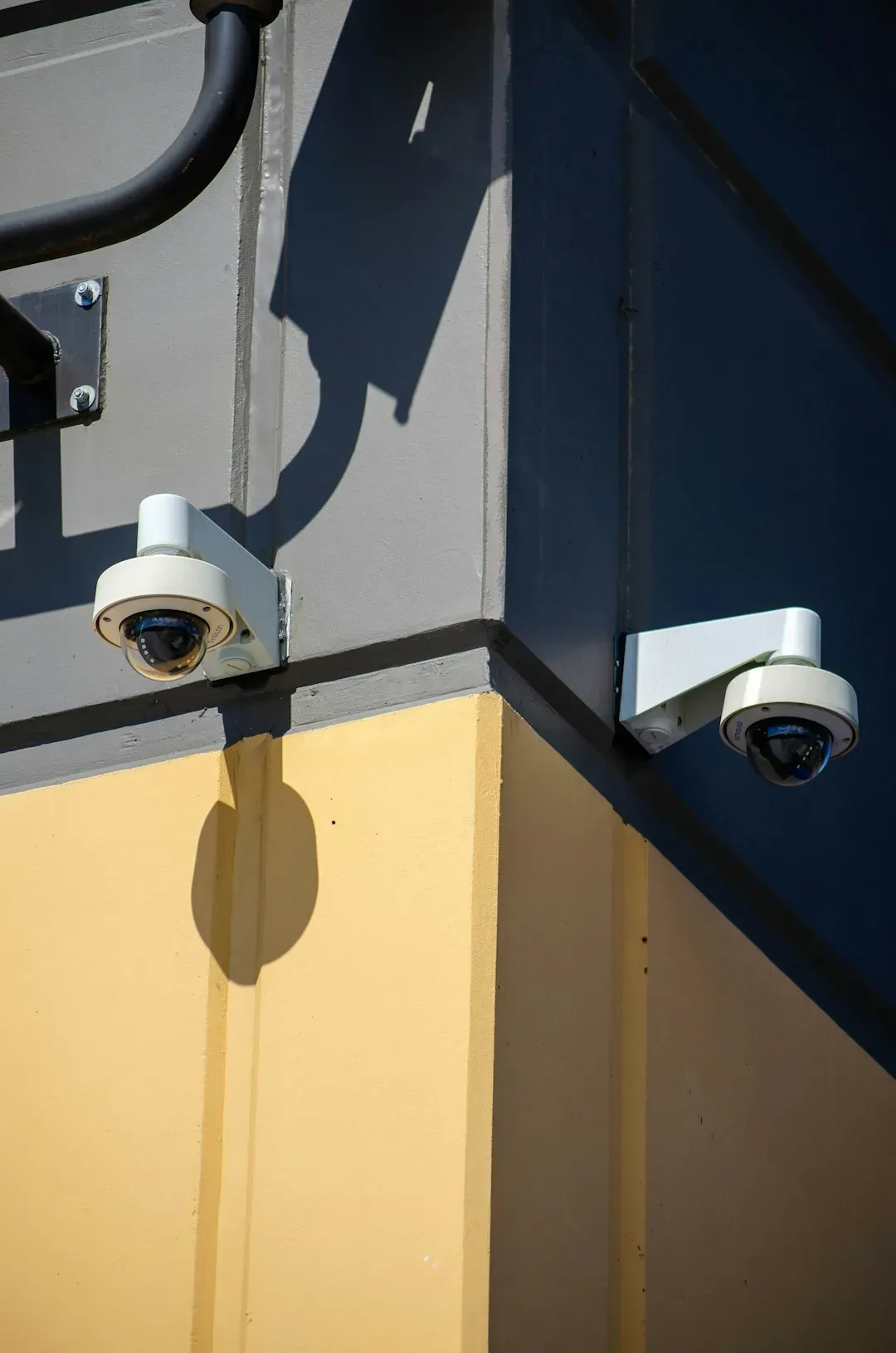
Zamyatin’s We depicts a dystopian world where the government controls every aspect of citizens’ lives, even their thoughts and emotions; the book foreshadowed the rise of totalitarian regimes in the 20th century and resonates today with concerns about surveillance, authoritarian governments, and the erosion of personal freedoms in many parts of the world. Written in 1924, it influenced Orwell’s 1984, which came twenty-five years later.
This Soviet-era novel inspired Orwell’s 1984 and predicted state control over individuals. Zamyatin lived under Soviet rule, so he had a front-row seat to totalitarianism’s birth. Today, authoritarian governments and surveillance states continue to emerge globally, with reports of increased governmental monitoring in countries like China. His warning echoes louder with each passing year.
Jules Verne’s From the Earth to the Moon: Predicting Apollo

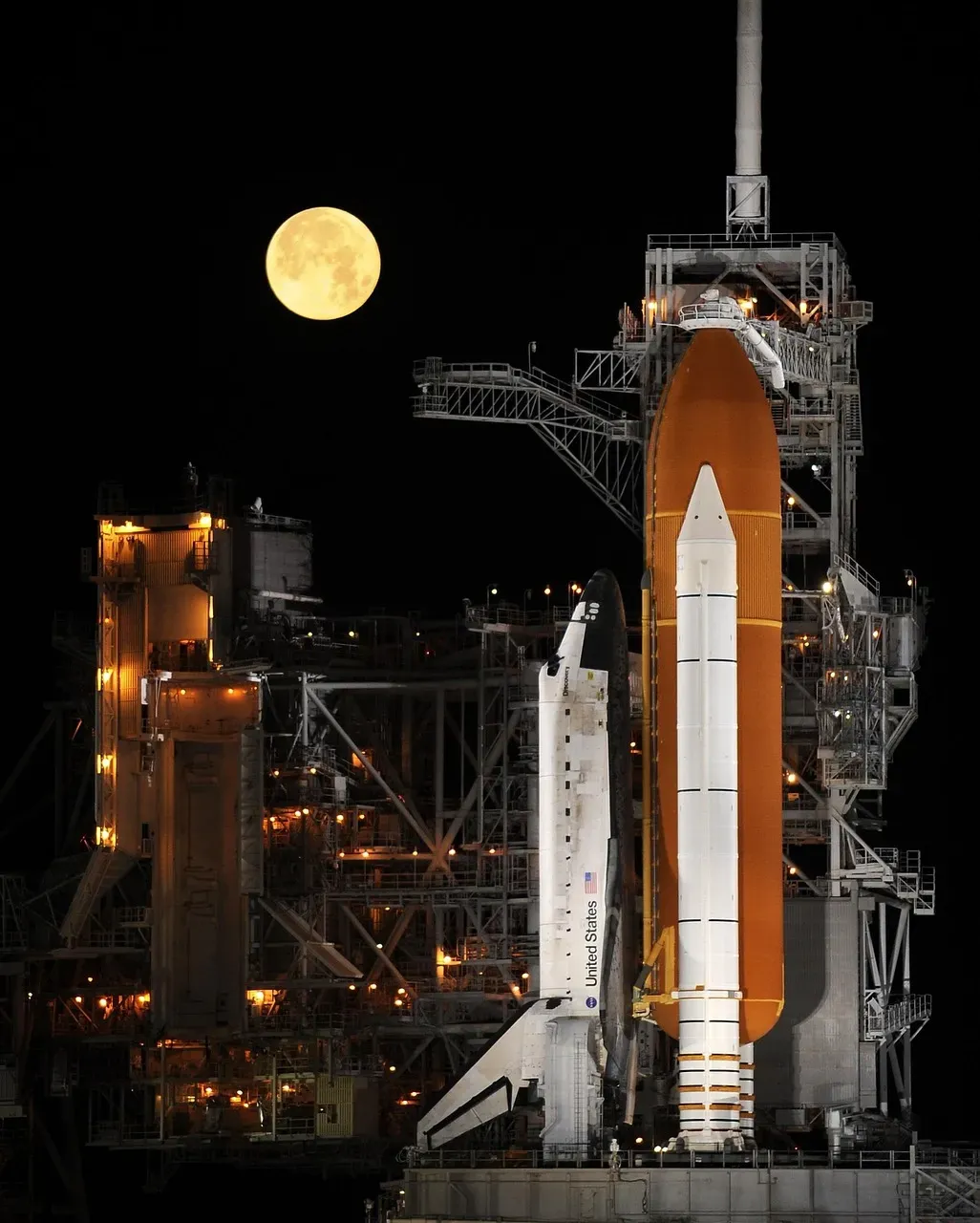
From the Earth to the Moon predicts the moon landing over 200 years before it happened; Verne’s story describes a crew of three men who are shot out of a gun to the moon, and the details, including the location and name of the launch, the dimensions of the ship, and several calculations Verne provides are incredibly accurate for the time it was written. The precision is what gets you.
Verne didn’t just say humans would go to the moon someday. He got specific. The launch location, the crew size, even the mathematical calculations aligned with the actual Apollo missions. One of the early pioneers of science fiction, Jules Verne made several astonishing technological predictions in his books that ultimately came true. Sometimes I wonder if NASA engineers used his book as a reference manual.
Arthur C. Clarke’s 2001 A Space Odyssey: Tablets and AI

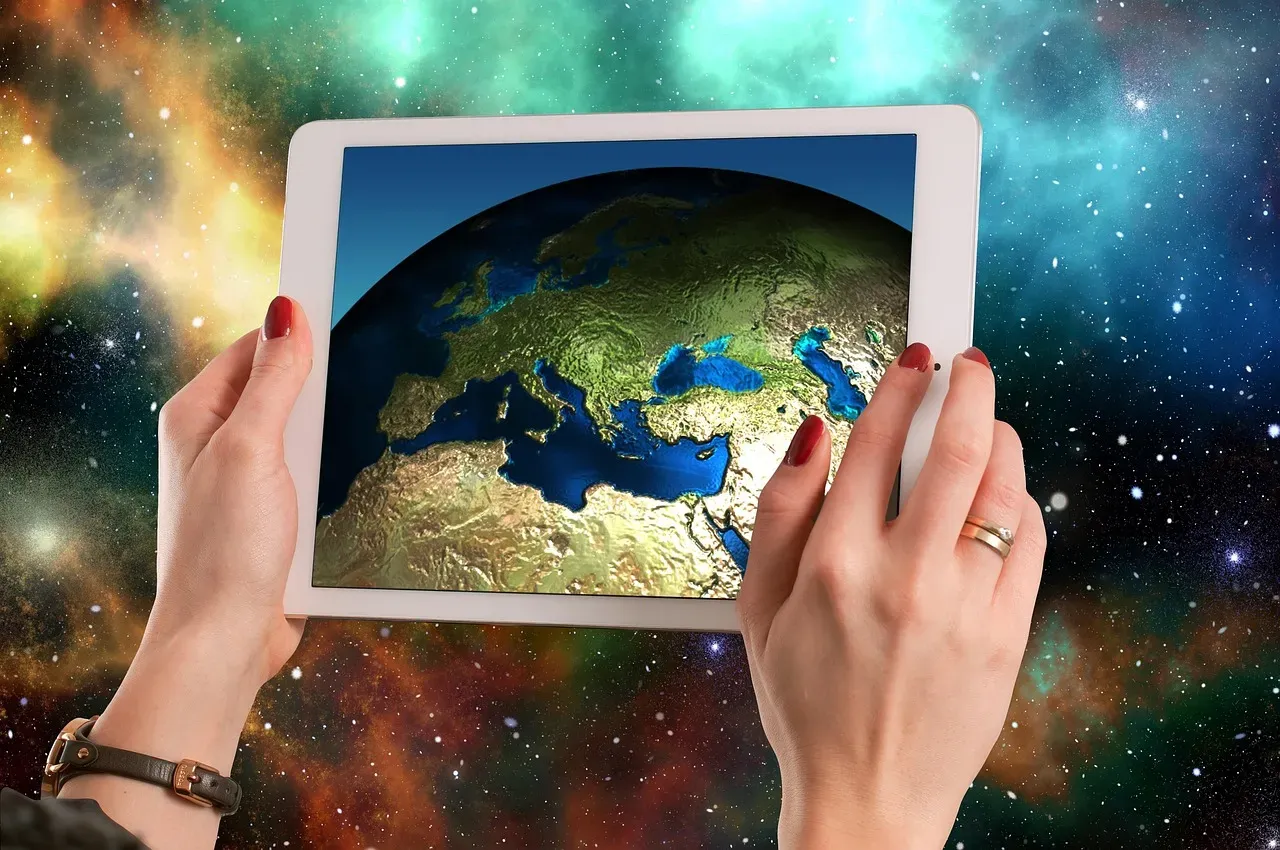
2001: A Space Odyssey shows one of its characters checking the news on a Newspad, a technology which predicted the tablet computers we use to check the news today; the Newspads used in the movie adaptation looks strikingly similar to Apple’s iPad; Samsung offered shots from the movie as proof that their Galaxy tablet didn’t violate Apple’s iPad patent in a lawsuit. That’s right. A fictional device from 1968 became evidence in a real patent case.
Clarke didn’t stop at tablets. His exploration of artificial intelligence through HAL 9000 raised questions about machine consciousness that we’re still grappling with today. The book is largely remembered for correctly predicting quite a bit of the technology we use today, including video chat, electric cars, solar power, and radar. Clarke combined scientific knowledge with wild imagination, creating blueprints for technologies that wouldn’t exist for decades.
These books share something profound. Their authors didn’t merely predict gadgets or technologies. They understood human nature, our impulses toward convenience and control, our willingness to sacrifice freedom for comfort. That’s harder to see coming than any invention. What would they write if they could see us now, scrolling endlessly, tracked constantly, connected yet isolated? Would they say they told us so, or would they be surprised we didn’t listen?