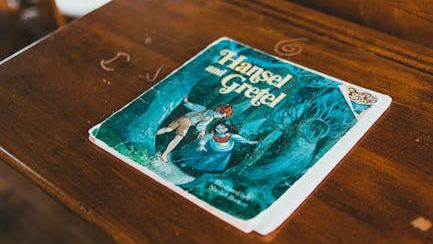
Think you know the stories you grew up with? The fairy tales and children’s books that shaped your imagination may be carrying a much darker secret than a bedtime story should. Long before Disney turned everything into a sparkly musical, these stories were raw, brutal, and frankly terrifying. The Brothers Grimm, for example, never set out to write fairy tales or bedtime stories. Their work started as a mission to anthologize German folklore for scholars, and the original folk tales had been told around the fire for centuries – but the audience was usually adults or older children.
Originating in European folk stories often designed as parables with a moral twist, these tales featured painful punishments, sadistic parents, and children being devoured by wild beasts – hardly the stuff of bedtime stories. So if you think you know how these stories really go, prepare to be seriously unsettled. Let’s dive in.
1. Snow White – Lungs, Livers, and Iron Shoes

Most people remember Snow White as a sweet tale of a princess poisoned by a jealous queen and saved by a prince’s kiss. The reality of the original story is far grimmer. In the early 19th-century version published by the German brothers Jakob and Wilhelm Grimm, the evil queen wants to devour Snow White’s lungs and liver. That’s not a villain giving a poisoned apple. That’s a villain ordering organ harvesting.
This Brothers Grimm tale also ends with the evil queen being invited to Snow White’s wedding, not knowing it’s her stepdaughter’s celebration. When she arrives, she’s forced to step into burning-hot iron shoes brought from the fireplace and dance until she dies. The wedding reception as execution. A detail no Disney animator has ever put on screen.
2. Cinderella – Mutilated Feet and Pecked-Out Eyes
The Cinderella we know is all glass slippers and pumpkin carriages. In the Brothers Grimm version, it gets considerably more gruesome. When the stepsisters get their chance to try on the missing shoe, they each cut off different parts of their feet to fit into the tiny slipper. The blood dripping from their shoes gives them away, and at the wedding, the magic doves reappear to peck out the evil sisters’ eyes.
It’s obvious the Grimm version is far more violent than the modern one towards the end, when the pigeons end up pecking out each of the stepsisters’ eyes, making them go blind – something you would never see in the Disney version because it’s made for a younger audience. Honestly, it reads less like a fairy tale and more like a courtroom sentence carried out by birds.
3. Sleeping Beauty – A Story of Assault and Cannibalism

The version we all know involves a sleeping princess, a castle of roses, and a romantic kiss. The earliest printed version is something else entirely. Written by Giambattista Basile and published in 1634, “Sun, Moon, and Talia” is an early printed version of “Sleeping Beauty.” In this Italian version, the king who finds the sleeping girl assaults her while she’s unconscious. She later gives birth while still asleep, and is only awoken because one of the children sucks out a splinter under her finger. The king later kills his wife to be with Talia.
In the story, the king’s jealous wife kidnaps the children and orders the cook to kill them and feed them to the king. The jealous queen also threatens to burn Talia to death, but the king has his wife burned instead. So to be clear – the original Sleeping Beauty features assault, attempted child murder, and a cannibalistic cook. A far cry from “happily ever after.”
4. The Little Mermaid – No Prince, No Happy Ending

Hans Christian Andersen’s original story of The Little Mermaid is one of the most tragic swaps in all of literary history. In the film version, Ariel makes a deal with Ursula the sea witch in exchange for her singing voice. In Andersen’s telling, the witch silences the little mermaid by cutting off her tongue. There is no musical number. There is no talking crab.
In Andersen’s original story, the newly-legged mermaid walks in excruciating pain with every step. If the prince married someone else, she would die and turn into sea foam. The prince married another. Unlike the darker and more cynical undertones revealed in other folklore, the original Little Mermaid tale shows the rewards that come from self-sacrifice, as she chooses to become sea foam rather than kill the man who has earned her unrequited love. Heartbreaking, really.
5. Hansel and Gretel – Inspired by Real Famine and Abandonment
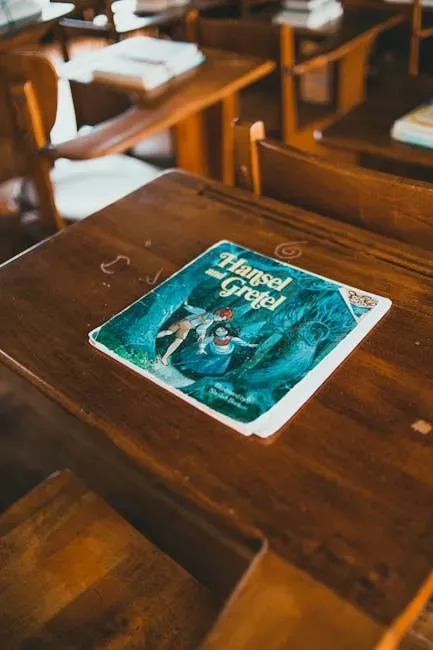
Here’s the thing about Hansel and Gretel – it always seemed a little dark even in the version kids know. The original, though, carries a haunting layer of historical truth. From 1314 to 1322, Europe experienced the Great Famine, which scholars estimate could have killed up to a quarter of the continent’s population. It was not unusual for some desperate parents to abandon their unwanted children in the woods, and according to some reports, even eat them.
While the siblings ultimately kill the witch by shoving her into her own oven, earlier versions of the tale had an even darker twist: instead of a witch, the antagonist was a devil who attempted to bleed the children on a sawhorse. In the tale, the children are intentionally abandoned in the forest by their own parents because the family cannot afford to feed them. This grim element reflects real historical fears during times of famine in medieval Europe, and the tale originally served as a warning about starvation and desperation.
6. Little Red Riding Hood – Cannibalism and No Rescue

Everyone knows the story: a girl in a red cape, a wolf in grandmother’s clothing, a heroic woodsman. What most people don’t know is that the woodsman was invented later to soften a far nastier tale. The moral of Charles Perrault’s Little Red Riding Hood is blunt: don’t trust strangers. In his version, there’s no heroic hunter bursting in to save the day. Little Red and her grandmother are simply devoured by the wolf. The dark ending serves as a cautionary tale about innocence and danger lurking in the world.
It gets worse. In early oral versions, the wolf usually leaves the grandmother’s blood and flesh for the girl to eat, who then unwittingly cannibalizes her grandmother. Furthermore, the wolf was known to ask the girl to take off her clothing and throw it into the fire. In some versions, the wolf eats the girl after she gets into bed with him, and the story ends there. I know it sounds almost impossible to believe that this became a cheerful children’s picture book staple.
7. Rapunzel – Pregnancy, Exile, and Blindness
Disney’s Tangled gave us a funny chameleon and a frying pan as a weapon. The original Brothers Grimm version of Rapunzel is considerably less charming. In the original version published in 1812, a prince impregnates the title character after the two spend many days together living in “joy and pleasure.” She eventually becomes pregnant, and when the sorceress discovers this, she casts Rapunzel into the wilderness and blinds the prince by throwing him into thorn bushes. The two are later reunited but only after enduring years of hardship.
The Grimms stripped the sex scenes from later versions of “Rapunzel” and “The Frog King,” but Rapunzel’s innocently asking why her dress was getting tight around her belly naively revealed to the witch her pregnancy and the prince’s visits. That single detail, removed in editing, tells you everything about how dramatically these stories were sanitized over time. In even more cynical versions, a pregnant Rapunzel is abandoned and forgotten by the prince who never had any intention of marrying her – presumably intended as a cautionary tale about the dangers of seduction.
8. Pinocchio – Originally Hanged for His Crimes
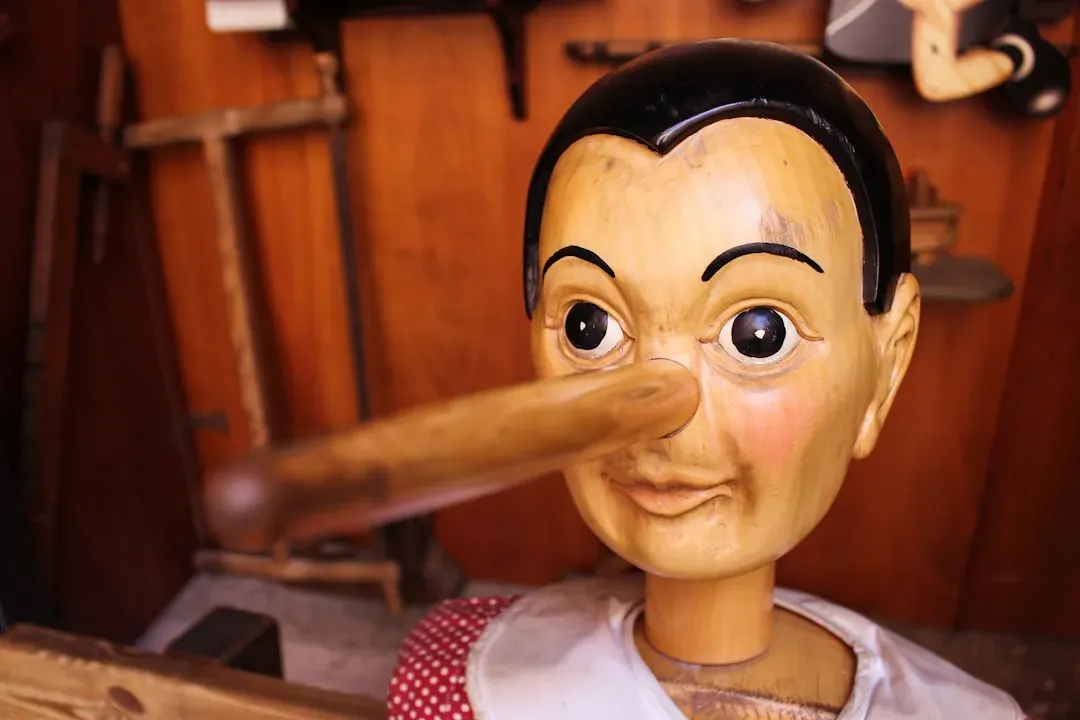
Carlo Collodi’s Pinocchio is not the cheerful, nose-growing puppet most readers picture. The original serialized story, published in an Italian newspaper starting in 1881, is something much darker. In the first version of Collodi’s Pinocchio, the puppet’s story ended very differently from the children’s book version. Pinocchio is hanged by the Fox and the Cat after refusing to give them his gold coins. Collodi later changed the ending after readers demanded a happier conclusion.
It originated as a newspaper serial, made up of short episodes almost all of which involve death, mutilation, or some grotesque betrayal. Pinocchio is a selfish little beast, aggressive and violent and constantly defying authority. Collodi originally intended for his story to end with the puppet hanging from a tree dying, seeing his work as a powerful morality tale for young readers. His editors had other ideas and forced him to write a happier ending. Essentially, a children’s classic only exists because editors refused to publish a story about a dead puppet.
9. The Pied Piper of Hamelin – All the Children Disappear Forever
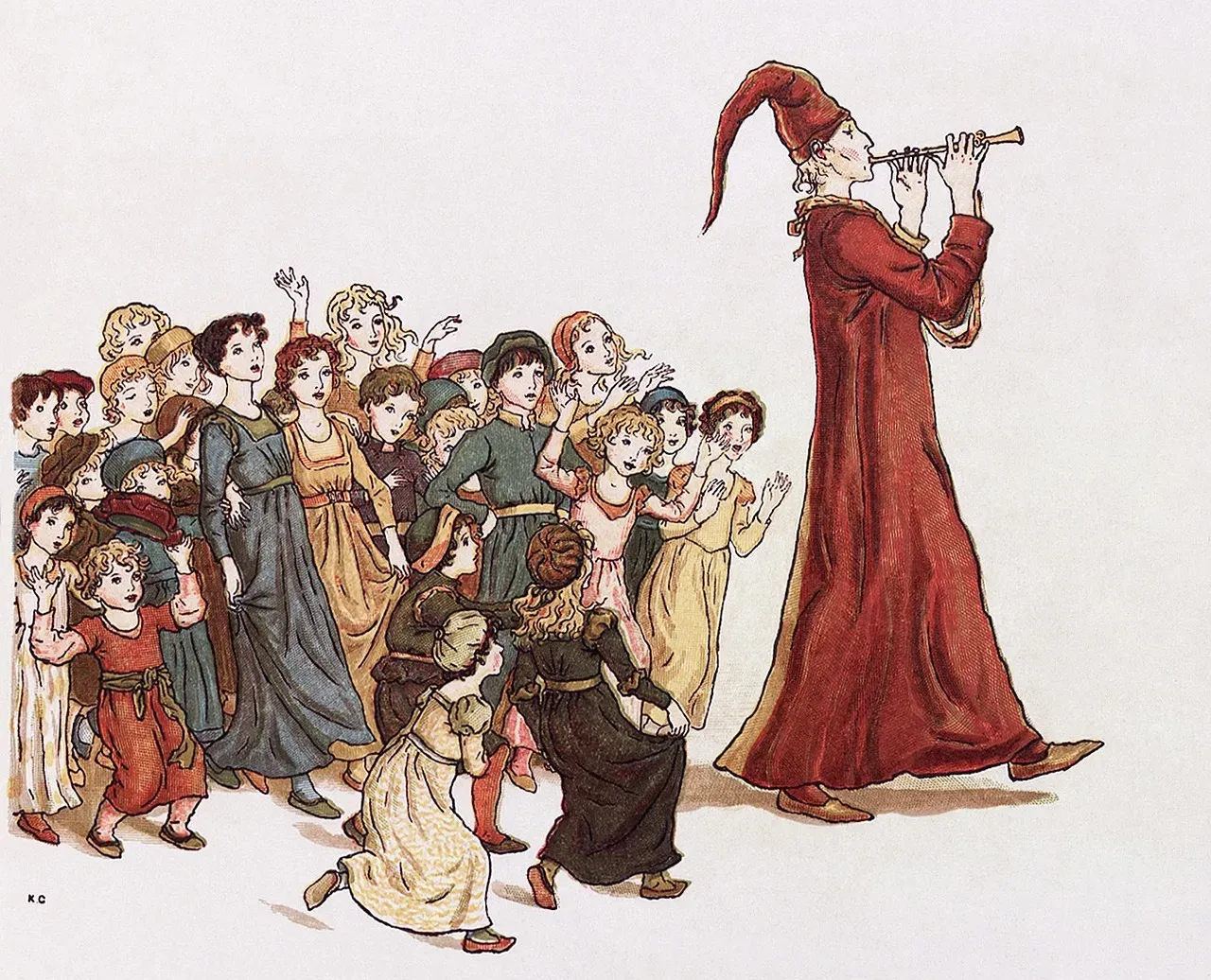
The Pied Piper is probably the most casually disturbing story on this entire list, partly because even the “modern” version is already pretty grim. The legend of the Pied Piper of Hamelin ends in tragedy. After the town refuses to pay him for removing its rat infestation, the Piper returns and plays his magical pipe again. This time he leads the town’s children away. In most versions, the children disappear forever.
Historians believe the story may have been inspired by a real historical tragedy in medieval Germany. What is even darker and scarier is that the Pied Piper may have been a real person in the 1300s who killed 130 children. In some earlier tellings, the endings are much darker – sometimes the Pied Piper drowns all the children too. A folktale rooted in what may be a real mass disappearance of children is not something you’d guess from the bouncy rhyming versions sold in children’s bookshops today.
10. The Juniper Tree – Murder, Cannibalism, and Millstone Justice
Out of all the stories on this list, the Grimm tale known as The Juniper Tree might be the single most disturbing. It’s also one of the least well-known, probably because no studio has dared touch it. In this Grimm story, a stepmother murders her stepson by slamming a chest lid on his neck, decapitating him. She then cooks his body into a stew and serves it to his unsuspecting father. The boy’s revenge is equally chilling: he’s reincarnated as a bird and drops a millstone on his stepmother’s head, killing her.
Many classic fairy tales were never intended to be cheerful bedtime stories. Instead, they were part of oral folklore used to teach harsh lessons about survival, morality, and danger. These stories warned listeners about threats such as strangers, betrayal, greed, and disobedience. Violence and frightening imagery helped ensure the lessons were remembered. The Juniper Tree is perhaps the purest expression of that philosophy – a story so brutal, so viscerally violent, that nobody reading it could possibly forget its lesson.
The gap between what these stories once were and what they became is staggering. Many children are familiar with classic fairy tales because of Disney adaptations. The first feature-length Disney film was Snow White and the Seven Dwarfs, released in 1938. Although some of the more violent aspects of the story had been edited out, it remained relatively sombre. Yet even that “sombre” version is nowhere near the original. As each generation passes on the stories, they evolve to reflect what society deems as an appropriate story to teach life lessons and morals. So every time these tales got gentler, something real and raw was quietly erased. Which version do you think tells the more honest truth about the world?