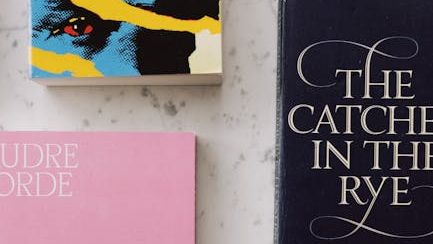
Most of us grow up reading the “definitive” versions of the classics. We assume those final pages, the ones we dog-eared, argued about in school, or quietly cried over, were always meant to be exactly that way. Here’s the thing, though: they almost never were. Behind some of the most celebrated endings in literary history, there are hidden drafts, burned manuscripts, pushy publishers, and authors who changed their minds at the very last minute.
The stories behind the stories are sometimes just as riveting as the books themselves. So if you thought you knew how these classics were supposed to end, prepare to be surprised. Let’s dive in.
1. Great Expectations by Charles Dickens
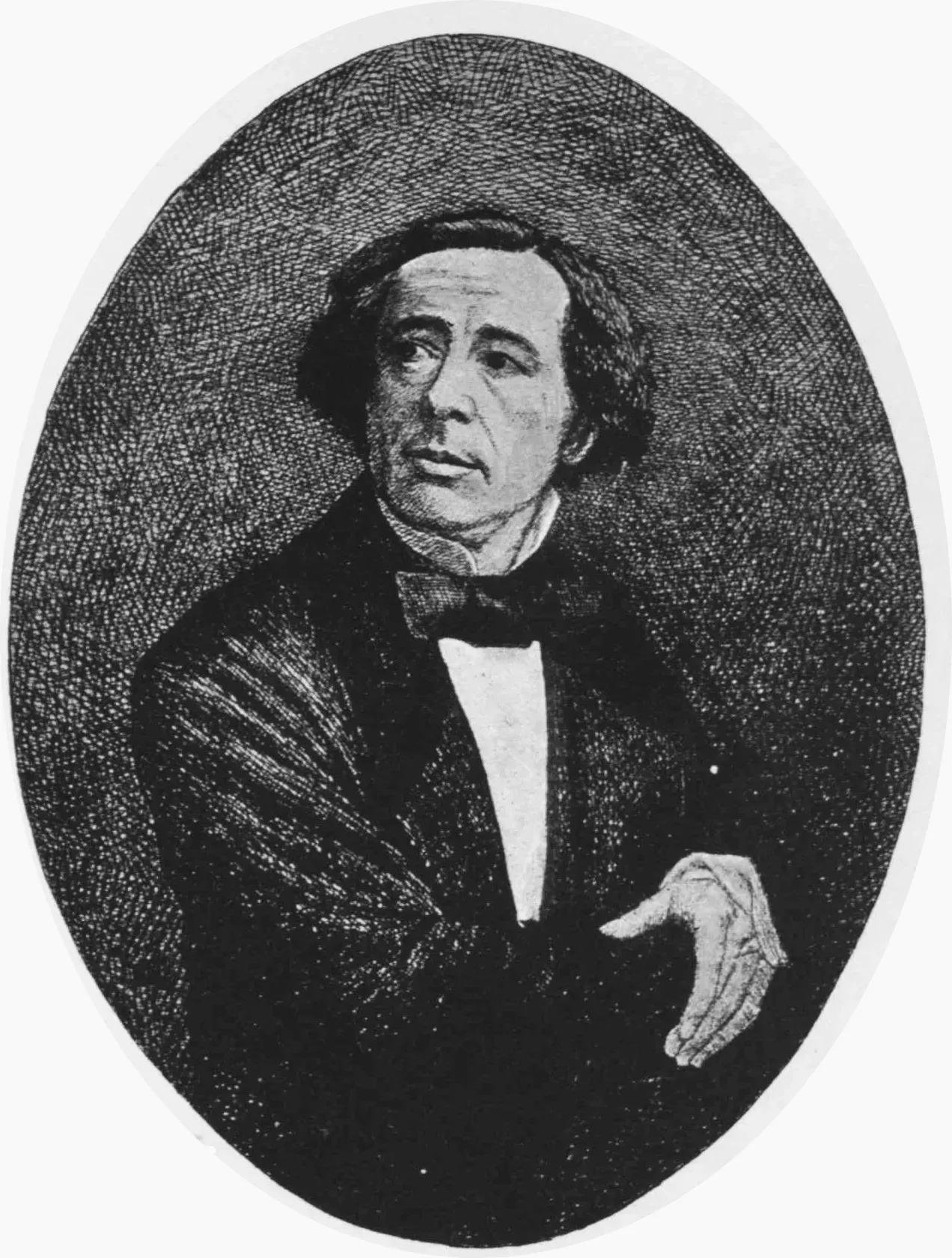
Dickens actually wrote three distinct endings to Great Expectations, with the second and third being identical except for the wording of the final sentence. That’s a level of indecision most of us know only from late-night menu browsing, but for Dickens, the stakes were considerably higher.
In Dickens’s original draft, Pip met Estella after she had already remarried. After some small talk and a stiff handshake, Pip leaves with the knowledge that they will never be together. It’s bleak, honest, and, honestly, kind of beautiful in its sadness. Bulwer-Lytton advised Dickens against this downbeat ending, and Dickens himself explained the change in a letter to Wilkie Collins, suggesting that Bulwer-Lytton had urged him, in the manner of a Hollywood producer, to give the public a more positive outcome.
Many critics prefer the original ending to the revised version because it is the ending that Dickens himself decided to write without consulting anyone. The debate between the two endings has never fully settled, and perhaps that’s exactly what makes this novel so enduringly fascinating.
2. A Farewell to Arms by Ernest Hemingway

If you ever want to feel better about your own indecisiveness, consider Hemingway and his war with his own endings. Hemingway struggled enormously with the ending of A Farewell to Arms. By his own count, he wrote 39 versions of it before he was satisfied. However, a 2012 edition of the book included no fewer than 47 alternate endings. Forty-seven. That’s not writer’s block. That’s an obsession.
The novel ends with the death of the nurse Catherine in childbirth. The writer apparently considered more upbeat and optimistic endings, including one in which both Catherine and the baby survive. Imagine how differently generations of readers might have felt walking away from that book.
Historians have since determined that Hemingway actually wrote 47 endings to the book, eight of which were placed on display at an exhibit about the author at the John F. Kennedy Presidential Library in Boston. A 2012 edition of the novel includes all of them, and while only the final few lines are altered between versions, the tone and implication of the ending is often completely transformed.
3. Little Women by Louisa May Alcott
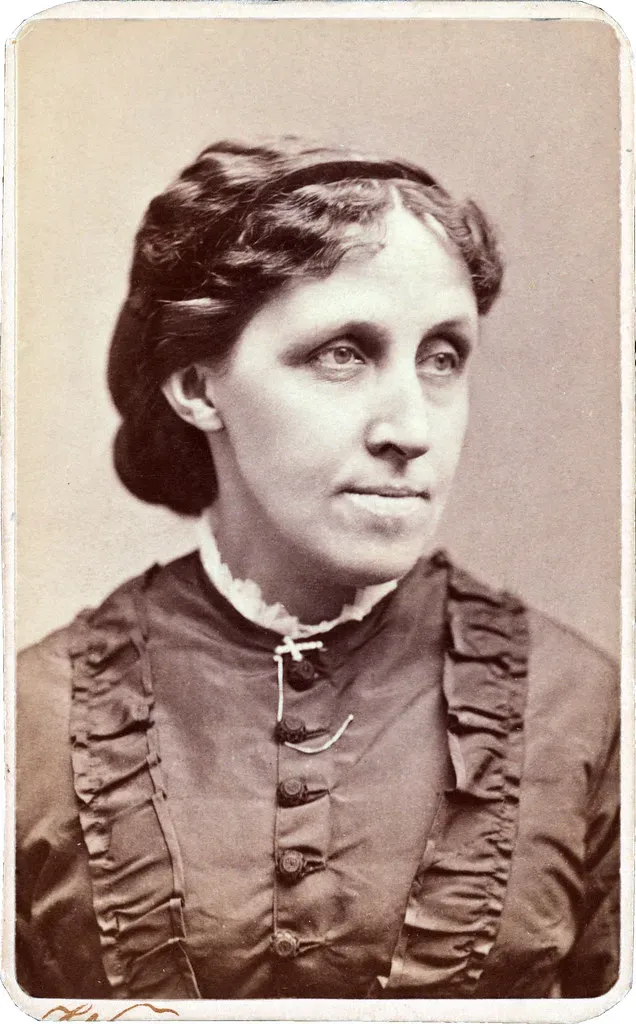
Here’s a piece of literary history that genuinely stings once you know it. Alcott was convinced that she needed to have Jo get married and have children in order to sell the book, but she never wanted that for her heroine. She wanted her to remain, as she herself called it, “a literary spinster,” but was talked out of it. So the ending millions of readers accepted as Alcott’s true vision was, in a real sense, a commercial compromise.
In the late 1860s, Alcott wrote to a friend: “Girls write to ask who the little women marry, as if that was the only end and aim of a woman’s life. I won’t marry Jo to Laurie to please any one.” Her original plan was to leave Jo single. However, her publisher insisted that Little Women would not sell if Jo remained unmarried.
Alcott was forced to acquiesce but found a way to make it far less palatable to her readers: Laurie marries younger sister Amy while Jo marries the older, more dour Friedrich Bhaer. She even wrote to her friend that she was making the ending intentionally unsatisfying. One author’s act of quiet rebellion, hidden in plain sight for over 150 years.
4. Dr. Jekyll and Mr. Hyde by Robert Louis Stevenson
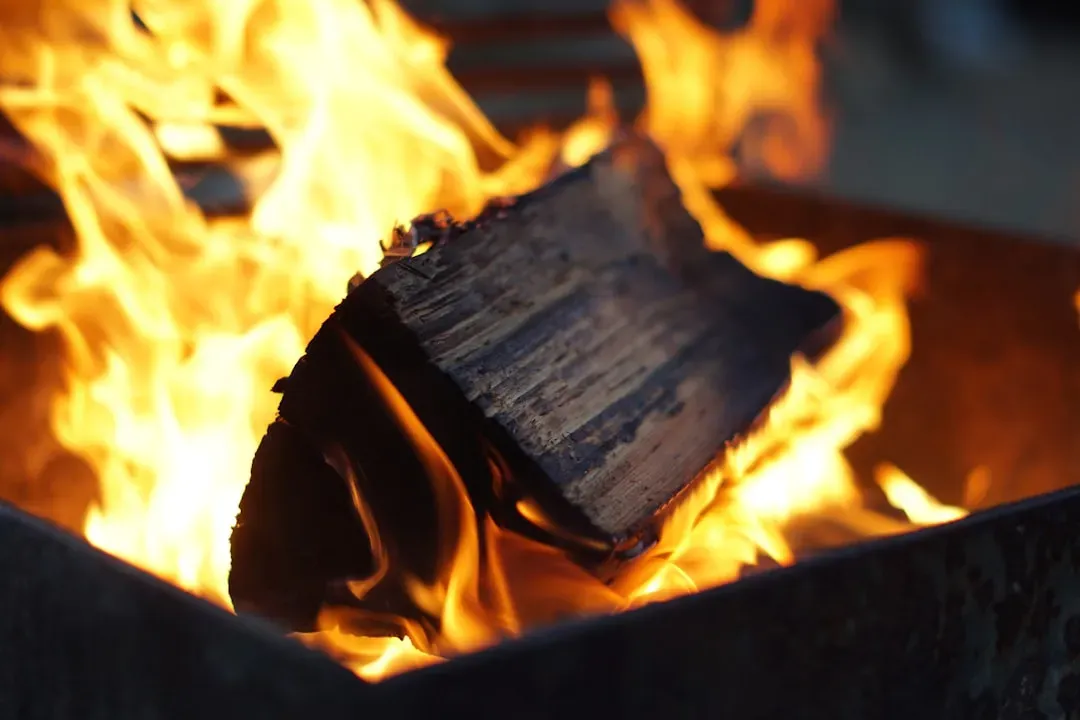
Few stories about alternate endings are as dramatic as the one surrounding Stevenson’s masterpiece. Stevenson’s wife, Fanny, reportedly read the first draft and was so dismayed by the ending that she burned the manuscript. Stevenson then rewrote the novel, giving it a darker, clearer moral conclusion. The version we know today, with its chilling sense of horror and moral reckoning, was shaped in direct response to this domestic critique.
The destruction of the original manuscript has become the stuff of literary legend, fueling speculation about what that first ending may have been. Stevenson’s willingness to start anew reflects both the influence of those closest to him and the importance of second chances in artistic creation.
Think about that for a second. The entire ending we know and shudder at came from a spouse’s dramatic intervention involving fire. It’s the kind of creative partnership most writing workshops don’t cover. What we lost in those ashes, nobody can truly say.
5. The Catcher in the Rye by J.D. Salinger
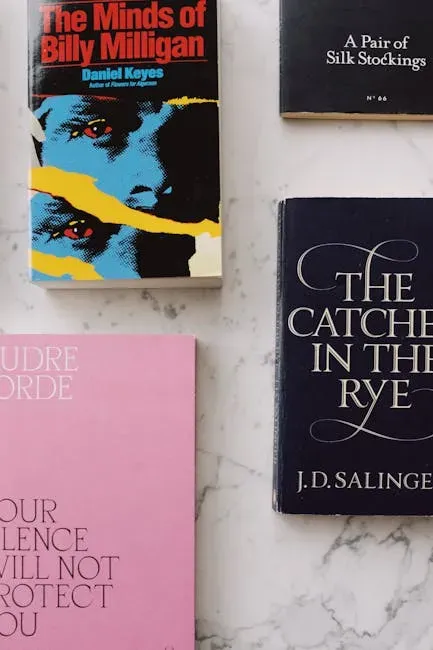
J.D. Salinger’s “The Catcher in the Rye” remains one of the most enigmatic novels of the twentieth century, particularly because of its ambiguous conclusion. What’s less known is that Salinger considered a radically different ending, one in which Holden Caulfield suffers a complete breakdown and is institutionalized. That’s far less open-ended than the version we know.
Reports from biographers and literary scholars suggest that Salinger wrestled with how much to reveal about Holden’s fate. In the end, he opted for an open-ended finish that has fueled endless debate among readers and critics. There’s also a version that considered Holden’s death, which would have given the novel an entirely different emotional register.
This decision leaves Holden’s future uncertain, mirroring the uncertainty that so many young people feel. The possibility of a more definitive ending shows how different the novel’s legacy could have been, and just how deliberate Salinger was in crafting his own brand of literary mystery. The ambiguity wasn’t an accident. It was a very deliberate choice.
6. 1984 by George Orwell
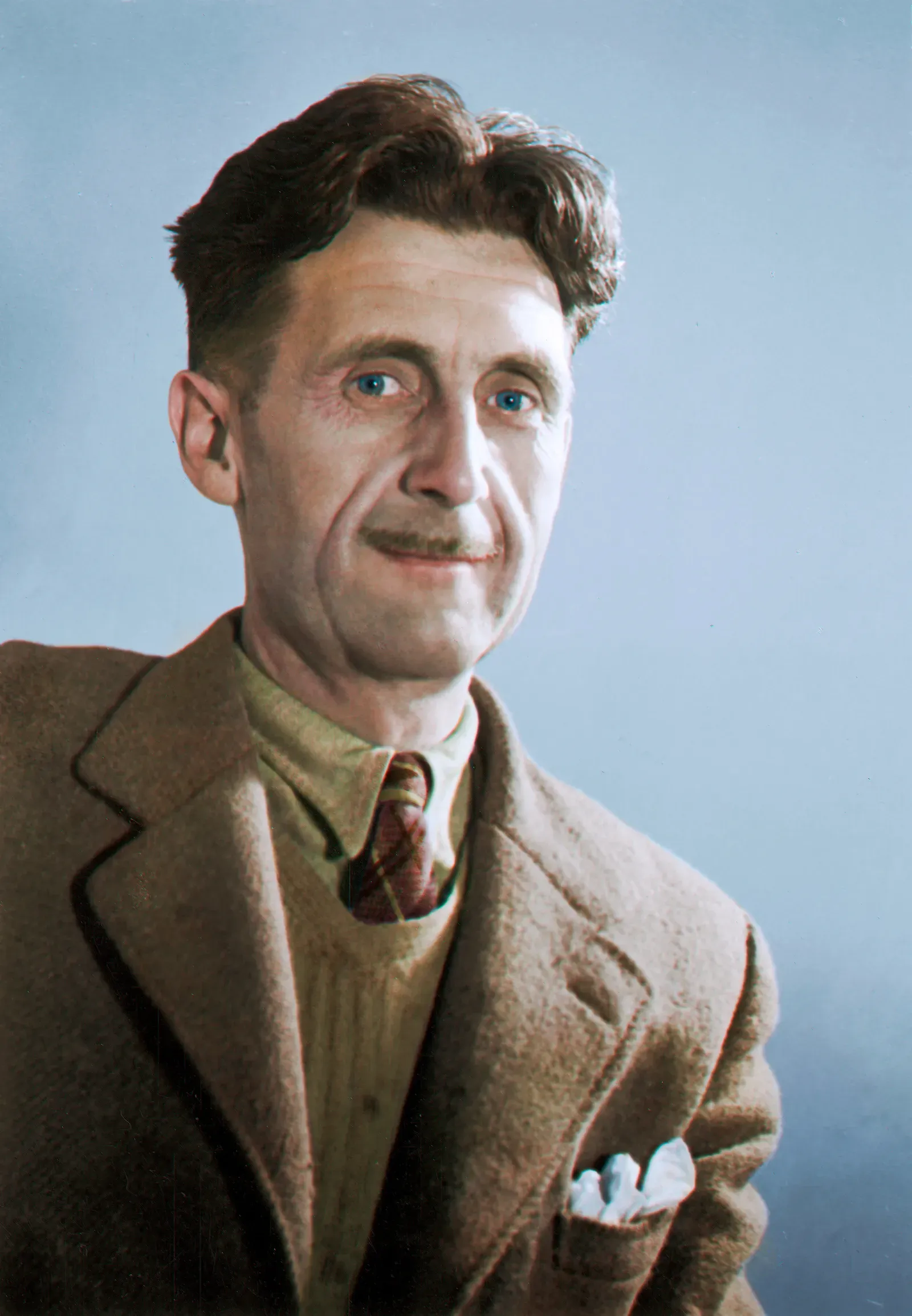
George Orwell’s dystopian vision is one of the bleakest ever committed to paper, and that bleakness was a fight he had to win. Orwell’s publisher suggested a less bleak ending where Winston Smith retains some hope for rebellion against the oppressive regime. However, Orwell firmly rejected this idea, opting instead for a chilling conclusion where Winston succumbs to the Party’s control, ultimately betraying his love for Julia.
It takes a certain courage to tell your publisher “no” when they’re asking for hope. Orwell understood that a hopeful Winston would have gutted the entire philosophical project of the novel. This decision underscores the novel’s themes of totalitarianism and the loss of individuality, making it a powerful commentary on the dangers of unchecked governmental power.
In retrospect, it’s almost impossible to imagine a version of 1984 where Winston holds onto his soul. The devastation of the real ending is precisely what burns it into your memory. Orwell was right. He usually was.
7. Of Mice and Men by John Steinbeck
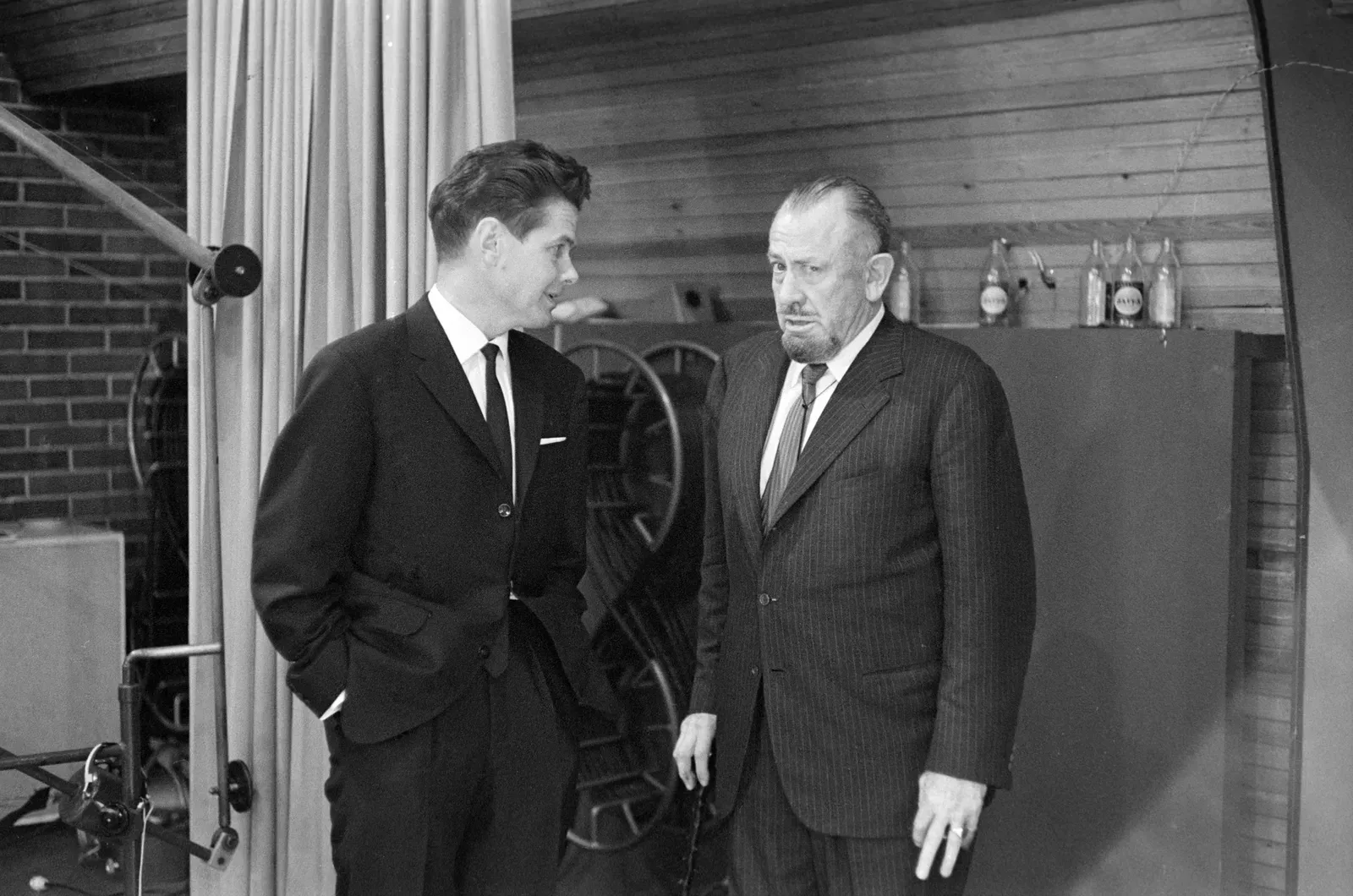
Steinbeck’s novella delivers one of the most gut-punching finales in American literature, but it almost went in a very different direction. Steinbeck initially considered an ending where George does not shoot Lennie. Instead, George would allow Lennie to be captured and institutionalized. This alternative ending would have shifted the narrative’s focus from the themes of friendship and sacrifice to a more ambiguous resolution.
The institutionalization ending, honestly, feels like the coward’s way out. It would have preserved Lennie physically while destroying everything the story built emotionally. Ultimately, Steinbeck chose the tragic yet poetic ending that resonates deeply with readers, emphasizing the harsh realities of life and the bonds of friendship.
The friendship between George and Lennie is the entire moral core of the book. Without that final act of terrible love, the story becomes something smaller, something merely sad rather than devastating. Steinbeck clearly understood that distinction, and every reader who has ever finished that novella in stunned silence is grateful he did.
8. Gone with the Wind by Margaret Mitchell
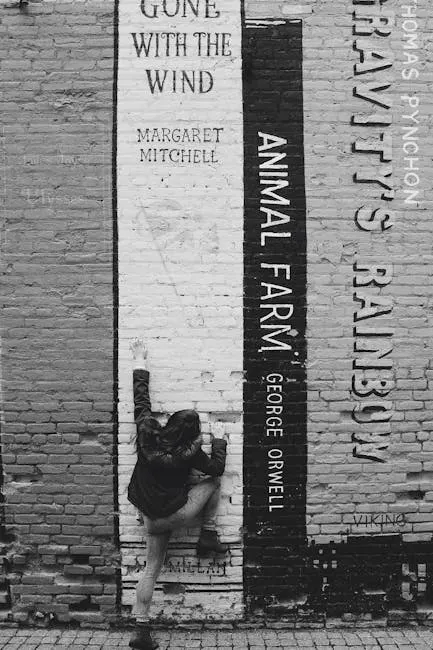
Few fictional farewells are as famous as Rhett Butler’s. But in an earlier draft, that door didn’t slam quite so definitively. In an earlier draft, Rhett Butler was supposed to return to Scarlett O’Hara, begging for another chance at their tumultuous relationship. That’s a completely different Rhett, one stripped of his defining swagger and self-possession.
This alternate ending would have dramatically shifted the emotional weight of the story, potentially undermining Scarlett’s character development and independence. The Scarlett we know doesn’t need Rhett to come crawling back. That’s what makes her compelling. She says “tomorrow is another day” and means it alone.
The version we have instead gives both characters a kind of dignity in their separation. Rhett refuses to play the broken man, and Scarlett refuses to break. A reunion ending would have been crowd-pleasing in the moment but would have dimmed the novel’s lasting power considerably. Mitchell made the right call.
9. Fahrenheit 451 by Ray Bradbury
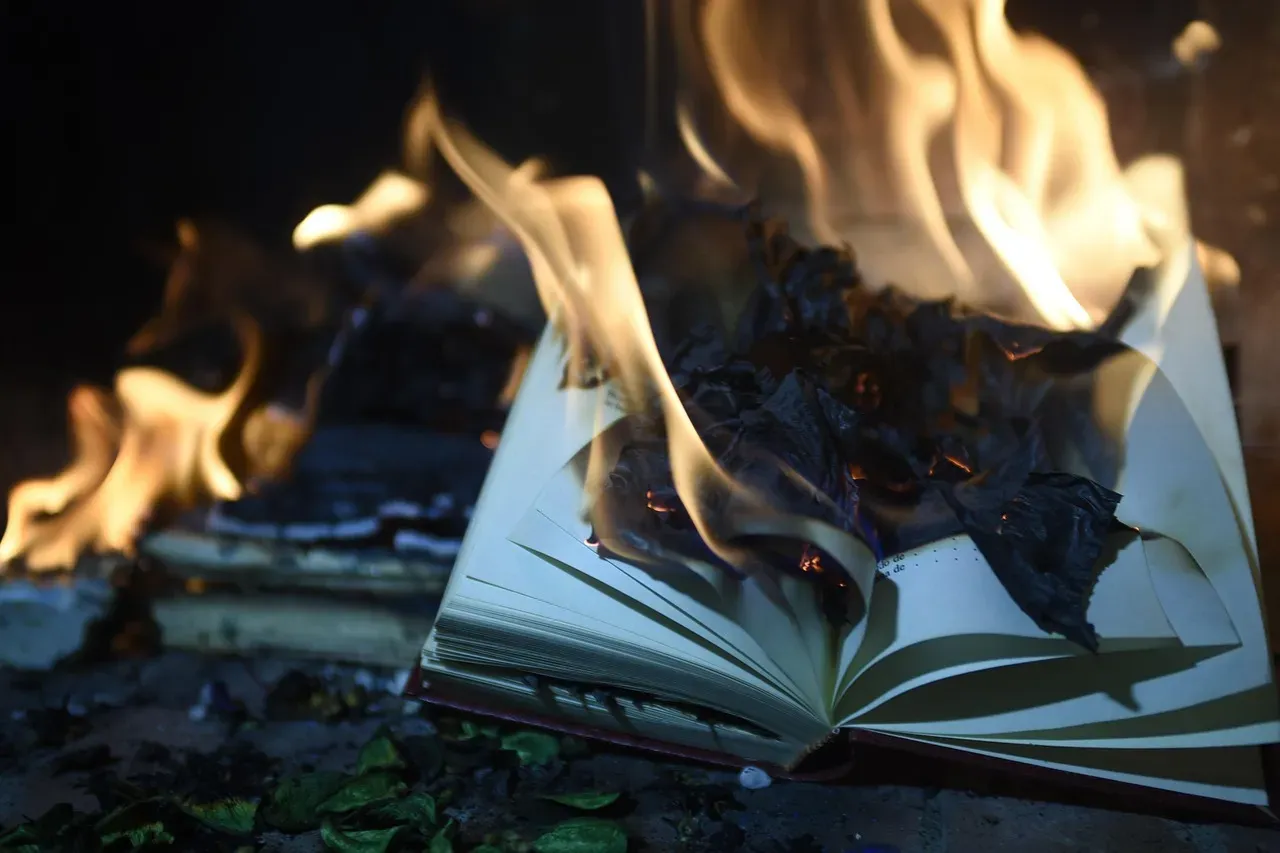
Ray Bradbury’s incendiary novel could have ended in actual fire, for everyone. In Ray Bradbury’s Fahrenheit 451, an earlier version featured a much darker ending where protagonist Guy Montag dies in a nuclear explosion. That’s a conclusion with absolutely no survivors and no seed of hope left for humanity.
This would have left the story on a grim note, devoid of hope for humanity’s future. However, Bradbury revised the ending to allow for a glimmer of hope, showcasing Montag’s journey towards enlightenment and the potential for rebuilding society after destruction. The pivot from total annihilation to cautious renewal changes everything about what the book is actually saying.
It’s worth sitting with that original concept for a moment. A story about a world that burns books, ending with the destruction of everything, including the reader’s last shred of optimism. There’s a brutal artistic logic to it. Still, the version Bradbury chose is the one that keeps readers coming back, because it still believes in something. Barely, but enough.
10. The Trial by Franz Kafka
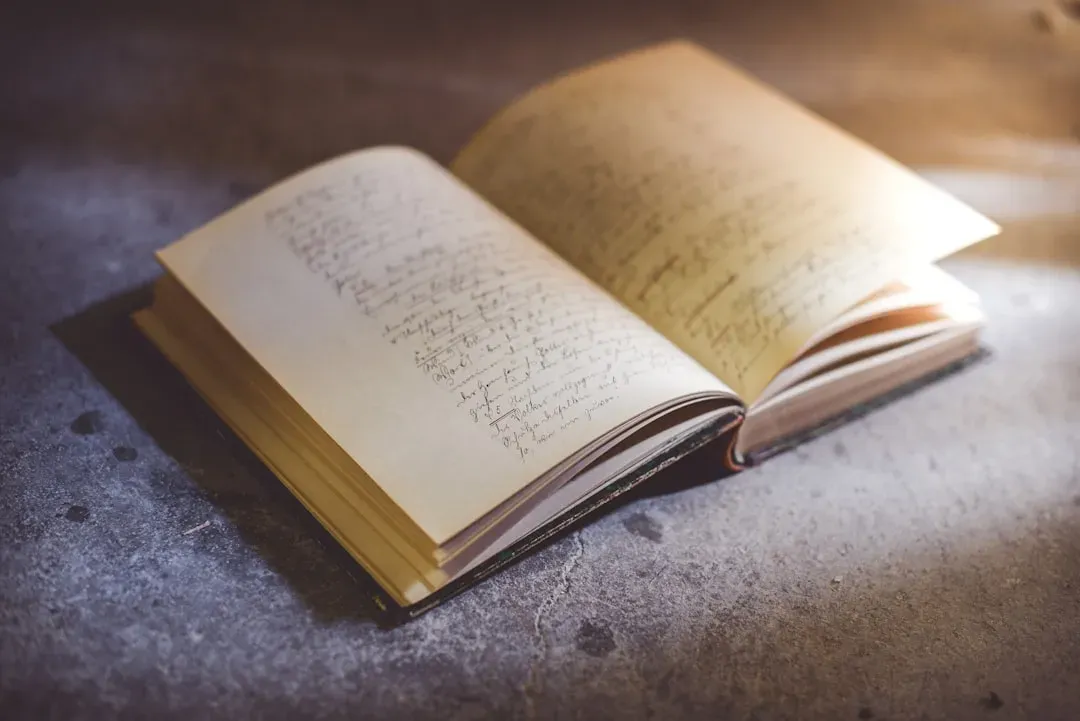
The situation surrounding Kafka’s The Trial is unique among this list, because the “alternate ending” here is really the question of whether the book should exist at all. Kafka, tormented by self-doubt, instructed his friend Max Brod to destroy the unfinished manuscript after his death. Brod defied these wishes and published the novel posthumously, leaving it with its famously unresolved, fragmented structure.
Scholars have debated what Kafka’s true ending might have been, had he finished the book and approved its publication. The version we have, with its abrupt and incomplete feel, has become an essential part of the novel’s character, mirroring the senselessness and chaos of the bureaucratic world Kafka sought to portray.
The story of its publication is as compelling as the narrative itself, offering a rare glimpse into the struggle between an author’s intent and the legacy others create for them. Kafka wanted silence. Brod gave him immortality instead. It’s the most profound editorial decision in twentieth-century literature, and we are all still living with its consequences. What do you think: did Brod do the right thing?