Ever finish reading a classic novel and wonder what might have been if the story had taken a different turn? Well, here’s something that might surprise you. Some of the most beloved books in literary history actually do have alternate endings, and many readers have no idea these different versions even exist. Authors sometimes bow to pressure from publishers, friends, or the demands of the market, changing the fates of characters we thought we knew inside and out.
These aren’t just minor tweaks to a sentence or two. We’re talking about completely different destinies for protagonists, relationships that never bloom or marriages that never happen, and endings that shift the entire meaning of a story. Let’s dive into the fascinating world of literary what-ifs and discover the endings that almost were.
Great Expectations by Charles Dickens
Charles Dickens initially envisioned a much sadder ending for Pip and Estella in Great Expectations, where they never reunite, but this bleak conclusion was altered thanks to the encouragement of his friend Edward Bulwer-Lytton, who urged him to provide a more hopeful resolution. The original ending had a heartbreaking finality to it. Pip meets Estella, but she has remarried after Drummle’s death, and thus there is no chance of a happy ending.
One of the most curious aspects of Great Expectations is the existence of alternative endings, whose relative merits and implications have been passionately debated by critics ever since the unused ending was published as a footnote in Forster’s 1870 biography of Dickens. Readers did not know there was an alternate ending until 1874, nearly 14 years after the novel’s initial publication. Today, many modern editions print both versions, letting readers choose which fate feels more authentic for these complicated characters.
A Farewell to Arms by Ernest Hemingway
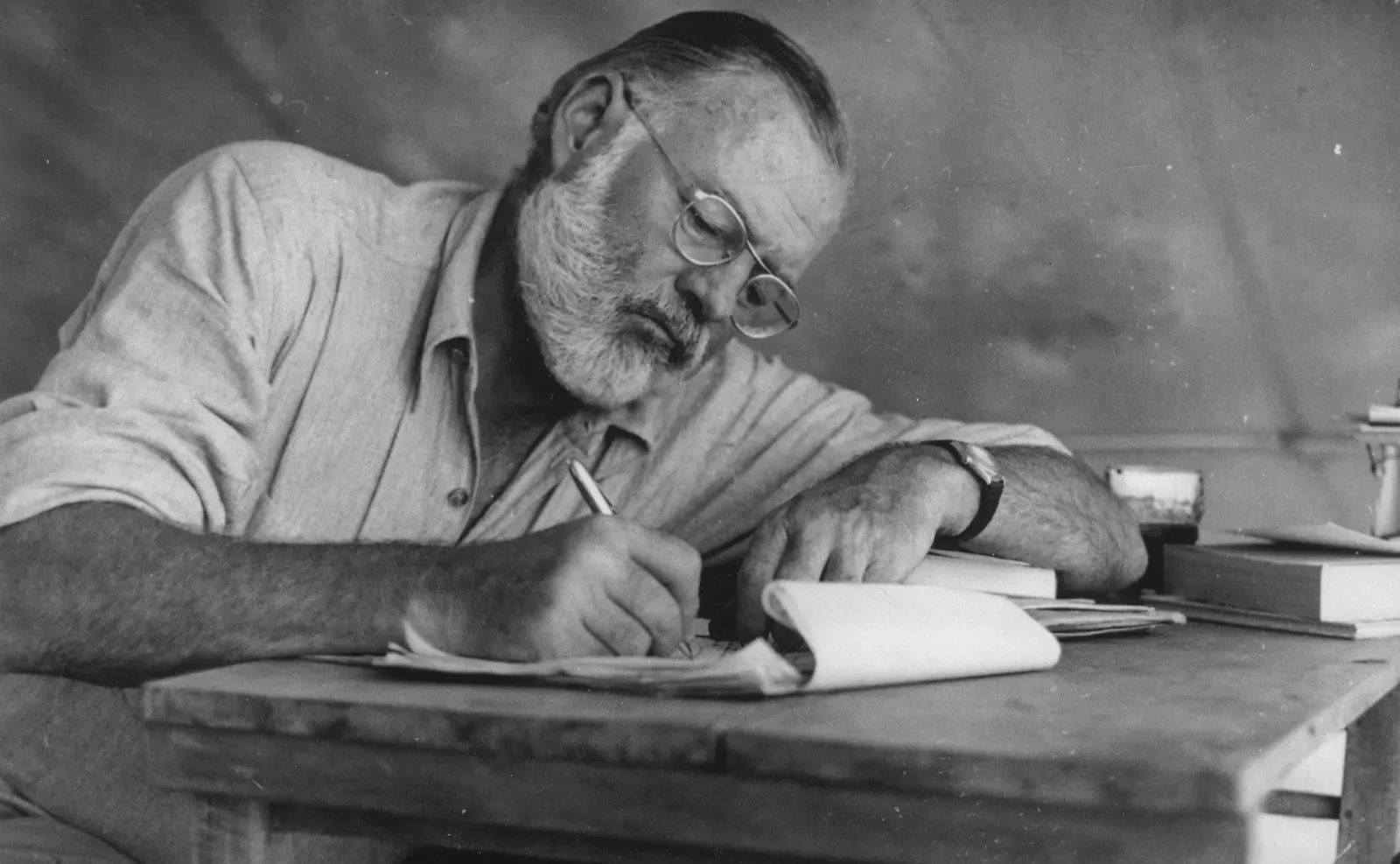
Here’s something that’ll blow your mind about Hemingway’s perfectionism. Hemingway wrote a staggering 39 alternative endings for A Farewell to Arms, according to his own accounts and later biographical research. Think about that for a second. Thirty-nine different ways to close one of the most devastating love stories in American literature.
These ranged from utterly tragic conclusions to ones that left room for a glimmer of hope, and some of these alternate versions have since been published, allowing readers to see the different emotional directions Hemingway considered. The author struggled intensely with how to authentically capture the chaos of war and the unpredictability of love. The published version remains stark and devastating, though knowing about the mountain of discarded endings adds a whole new layer to understanding his creative agony.
Little Women by Louisa May Alcott
This one hits different when you learn the truth. Louisa May Alcott wanted Jo March to remain a “literary spinster,” but she was convinced that she needed to have Jo get married and have children in order to sell the book. Alcott wrote to a friend in the late 1860s saying that girls write to ask who the little women marry, as if that was the only end and aim of a woman’s life, and declared she wouldn’t marry Jo to Laurie to please anyone.
Alcott was forced to acquiesce but found a way to make it far less palatable to her readers: Laurie marries younger sister Amy while Jo marries the older, more dour Friedrich Bhaer, and she even wrote to her friend that she was making the ending intentionally unsatisfying. Director Greta Gerwig’s 2019 film adaptation cleverly addressed this, presenting an ambiguous ending that honors what Alcott originally wanted for her heroine. The publisher’s demands in 1869 robbed us of seeing an independent, unmarried woman succeed on her own terms.
1984 by George Orwell
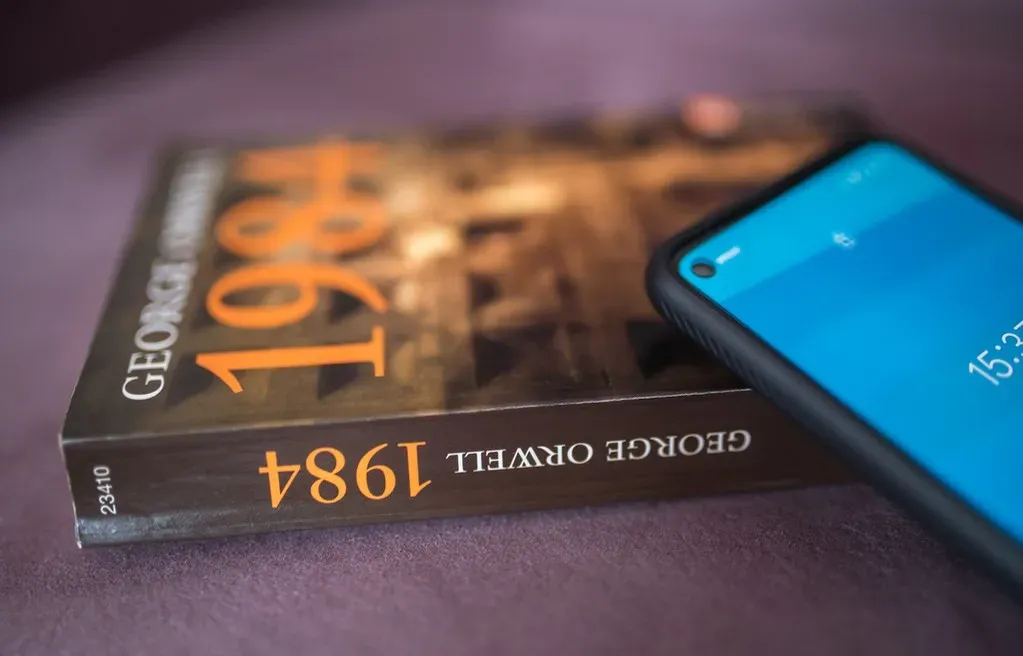
George Orwell’s dystopian masterpiece is known for its bleak, soul-crushing finale. Interestingly though, the ending we know wasn’t inevitable. Orwell’s publisher suggested a less bleak ending where Winston Smith retains some hope for rebellion against the oppressive regime, however Orwell firmly rejected this idea, opting instead for a chilling conclusion where Winston succumbs to the Party’s control.
The author understood that softening the blow would undermine everything he was trying to communicate about totalitarianism. This decision underscores the novel’s themes of totalitarianism and the loss of individuality, making it a powerful commentary on the dangers of unchecked governmental power. Orwell’s refusal to compromise his artistic vision gave us one of literature’s most haunting endings, even if it meant readers would close the book feeling utterly devastated.
Gone with the Wind by Margaret Mitchell
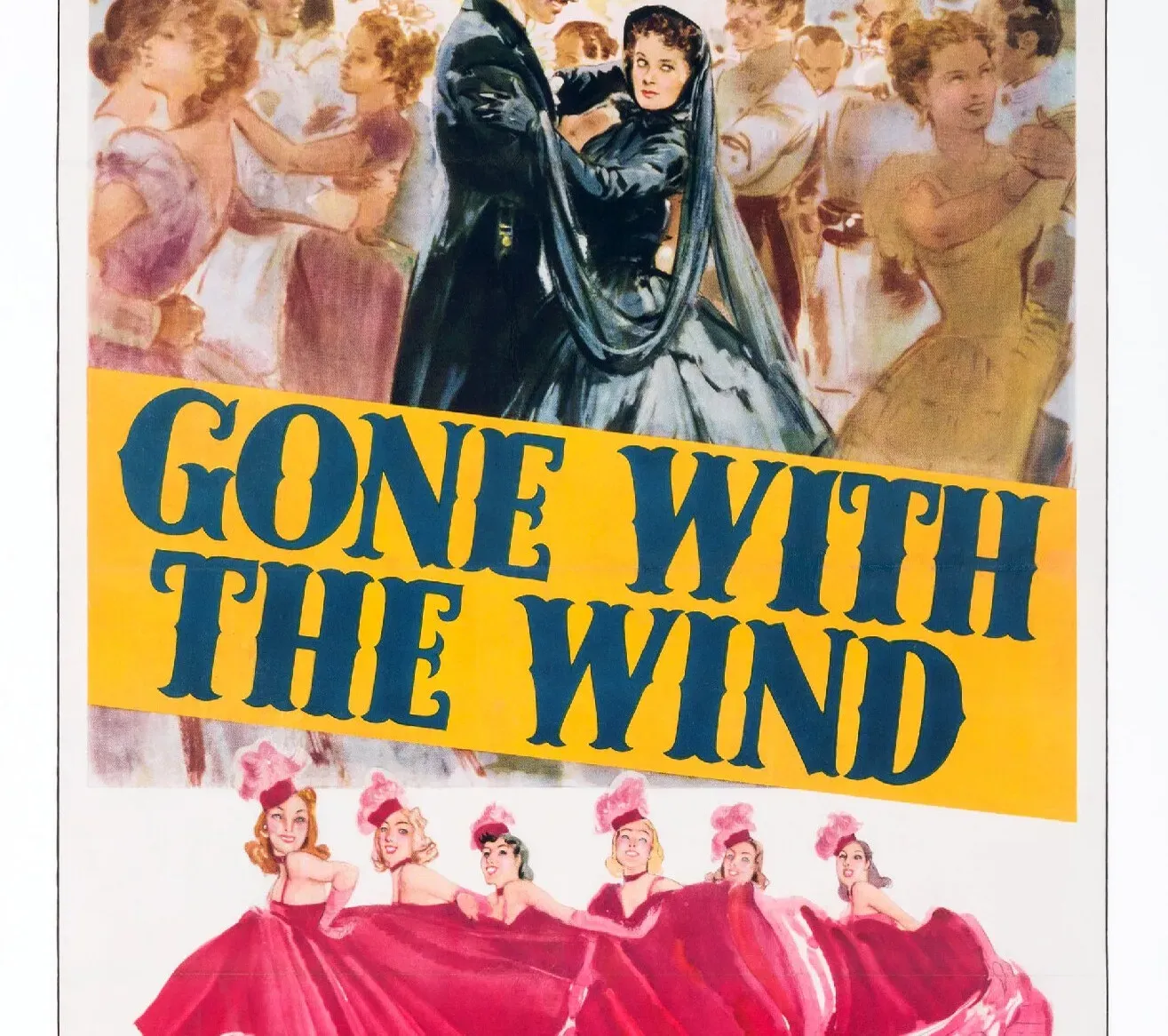
Margaret Mitchell’s Gone with the Wind features one of literature’s most famous lines, “Frankly, my dear, I don’t give a damn,” however in an earlier draft, Rhett Butler was supposed to return to Scarlett O’Hara, begging for another chance at their tumultuous relationship. Can you imagine? The defiant, proud Rhett Butler crawling back?
This alternate ending would have dramatically shifted the emotional weight of the story, potentially undermining Scarlett’s character development and independence, and ultimately Mitchell’s decision to have Rhett walk away solidified the novel’s themes of resilience and the harsh realities of love and loss. The ending we got, with Scarlett vowing to win him back tomorrow, leaves us with her indomitable spirit intact. A reconciliation would have been tidier, sure, yet far less true to who these characters really were.
Partner offer
The Picture of Dorian Gray by Oscar Wilde
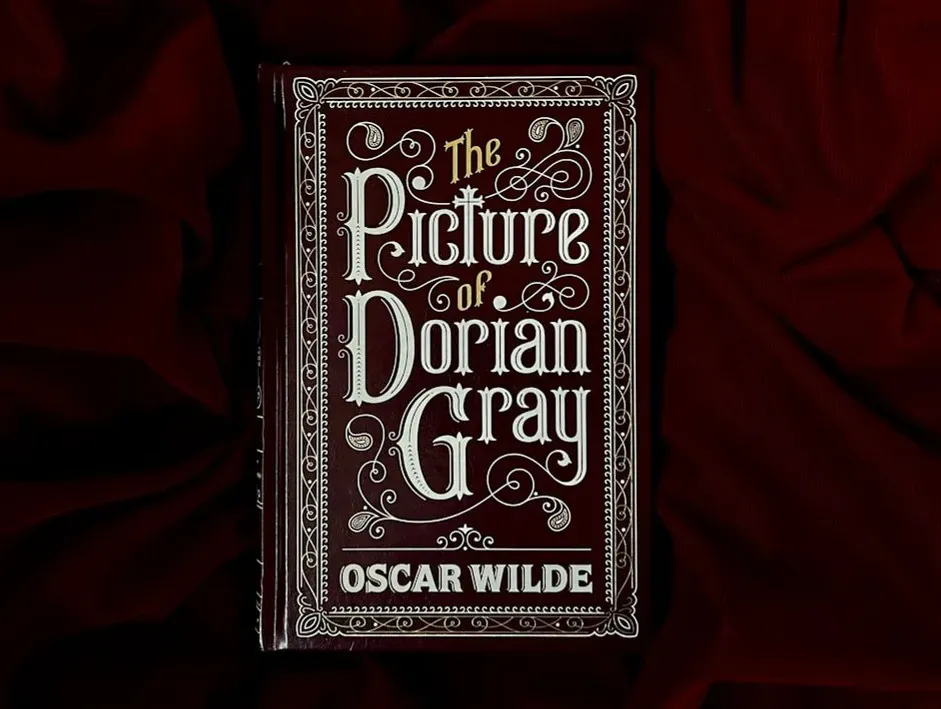
Oscar Wilde’s The Picture of Dorian Gray shocked Victorian society with its decadent themes and dark morality, and what many don’t know is that the first version Wilde submitted was heavily censored by editors before its 1890 publication, with passages exploring Dorian’s relationships and moral decline being cut, softening the book’s impact and changing its conclusion’s resonance.
Later, Wilde restored this material for subsequent editions, allowing the novel’s original, more explicit vision to shine through, and this restoration altered the tone and deepened the tragic nature of Dorian’s downfall, making the ending far more powerful. Wilde’s struggle with censorship highlights the eternal tension between societal norms and artistic expression. Comparing the sanitized version to the full text shows how editorial scissors can fundamentally reshape a story’s message and impact.
The Stand by Stephen King
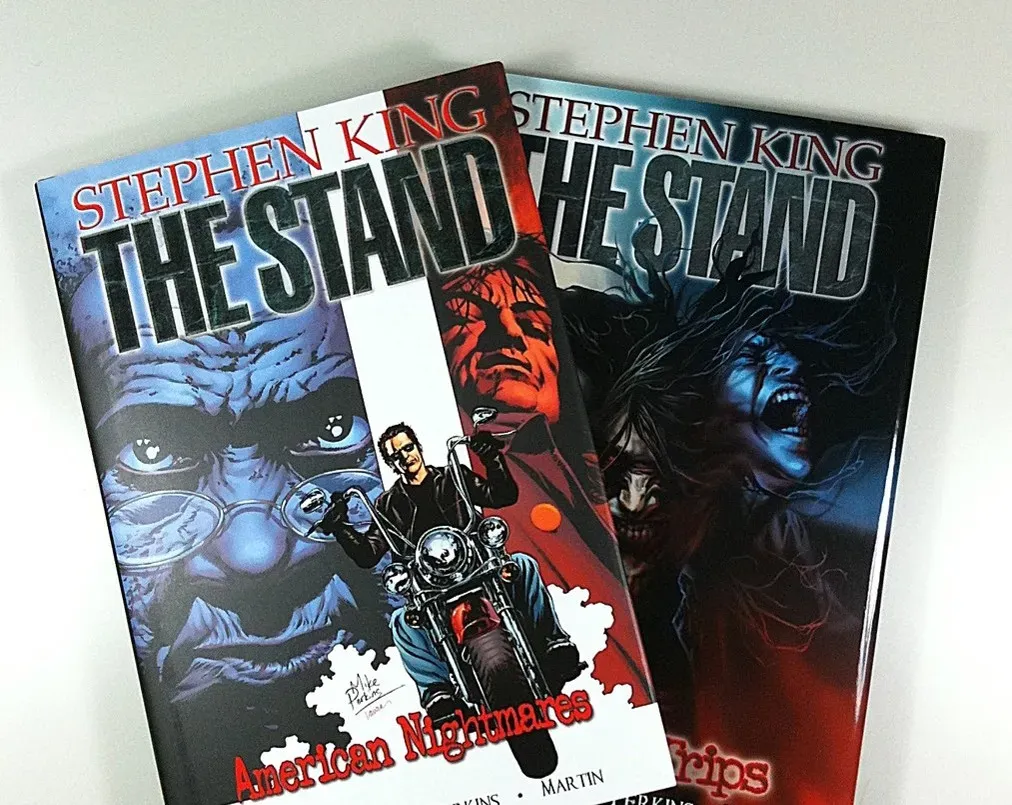
Stephen King’s epic post-apocalyptic novel has a complicated publication history. The original 1978 edition ended on an ambiguous, somewhat unsatisfying note. The original edition of the novel ends with Stu and Fran questioning whether the human race can learn from its mistakes, with the answer given in the last line being ambiguous: “I don’t know,” while the expanded edition contains a brief coda called “The Circle Closes” which leaves a darker impression.
Stephen King was famously unhappy with that original ending as it undermined Frannie’s importance and felt unsatisfactory, and the second ending came years later in 1990 when King released his unabridged version, adding 400 pages and a new ending. The 2020 CBS miniseries production features Stephen King’s son Owen King as a producer and writer, and a new ending written by Stephen King himself. King has essentially given us three different conclusions to ponder, each reflecting his evolving thoughts on humanity’s capacity for change.
The French Lieutenant’s Woman by John Fowles
John Fowles took the concept of alternate endings and made it part of his novel’s structure itself. Published in 1969, The French Lieutenant’s Woman deliberately presents readers with multiple possible conclusions, refusing to settle on just one truth. The book plays with Victorian storytelling conventions while simultaneously deconstructing them.
Fowles offers three different endings within the text, each providing a radically different fate for the protagonist Charles and his enigmatic love interest Sarah. One ending is conventionally Victorian and happy, another is bleaker and more realistic, and the third leaves everything unresolved. The author even addresses readers directly, discussing why he can’t definitively say which ending is “real.” It’s a postmodern experiment that forces us to confront our own expectations about how stories should conclude.
Pride and Prejudice by Jane Austen
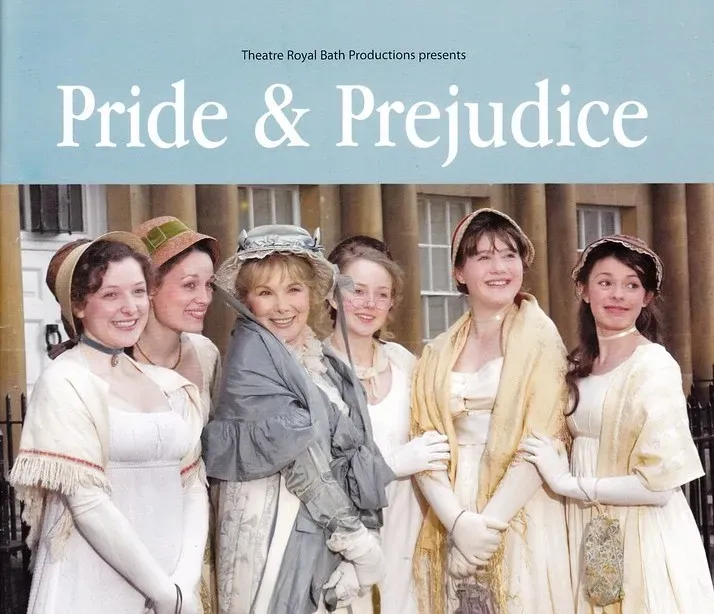
In the original draft of Pride and Prejudice, Jane Austen had a very different vision for Elizabeth Bennet’s fate, and instead of the iconic union with Mr. Darcy, Austen contemplated an ending where Elizabeth outright rejects Darcy, leaving readers with a sense of ambiguity. Can you imagine one of literature’s most beloved couples never getting together?
This alternative conclusion would have significantly altered the trajectory of one of literature’s most cherished romances, and fortunately Austen chose to rewrite the ending, allowing Elizabeth and Darcy to overcome their misunderstandings and societal pressures, ultimately leading to a happy resolution that solidified the novel’s status as a romantic classic and highlighted themes of personal growth and societal expectations. The ending Austen ultimately chose became the template for countless romance novels that followed.
The Trial by Franz Kafka
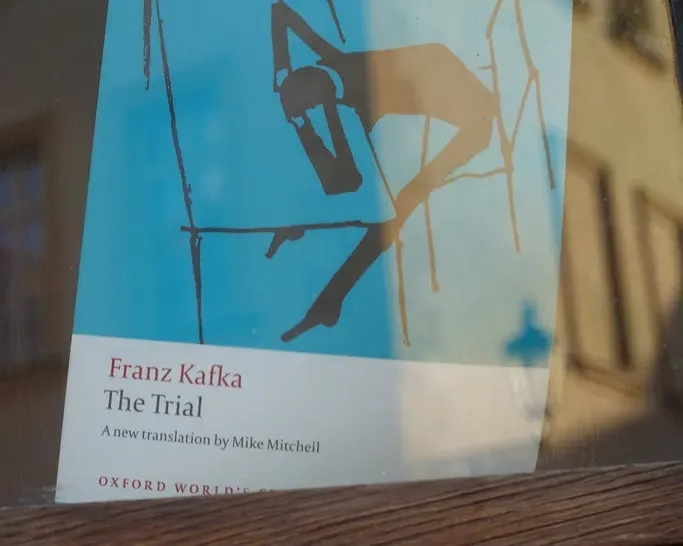
Scholars have debated what Kafka’s true ending might have been had he finished the book and approved its publication, as the version we have with its abrupt and incomplete feel has become an essential part of the novel’s character, mirroring the senselessness and chaos of the bureaucratic world Kafka sought to portray, and the story of its publication is as compelling as the narrative itself.
Kafka never finished The Trial before his death in 1924, and he actually asked his friend Max Brod to burn all his unpublished manuscripts. Brod refused and published them anyway. We’ll never know exactly how Kafka intended the nightmarish story of Josef K to conclude. The ending we have feels perfectly Kafkaesque in its incompleteness, though that uncertainty wasn’t entirely by design. It’s a case where the alternate ending is forever lost to history, leaving us with only speculation about what the author truly envisioned.
Conclusion
These alternate endings reveal something fascinating about the creative process and the forces that shape literature. Authors don’t work in isolation. They face pressure from publishers worried about sales, friends offering well-meaning advice, and their own evolving understanding of their characters and themes. Sometimes the ending that makes it to print isn’t the one the author originally imagined or even preferred.
What’s wild is that many of these alternate versions have been preserved, giving modern readers the rare opportunity to peek behind the curtain and see the roads not taken. It makes you wonder about all the other classic novels out there with lost or suppressed endings we’ll never get to read. Next time you finish a beloved book, maybe ask yourself: is this really how it was meant to end? You might be surprised by what you discover.
Partner offer
Planning a trip to Vegas?
Compare hotel rates and show tickets on VEGAS.com.