Nations rise and fall with surprising frequency. We often think of borders as permanent, but history shows us they’re anything more than temporary lines on a map. Some countries disappear through peaceful agreements, others through violent conquest or internal collapse.
The 20th century alone saw dozens of nations vanish completely. Their flags no longer fly. Their currencies became worthless overnight. Yet their stories remain fascinating windows into how the world transforms. Let’s explore ten countries that once existed but have now been erased from modern maps, each with its own unique tale of dissolution.
1. Yugoslavia – The Balkan Giant That Shattered
Yugoslavia once stood as a beacon of non-aligned politics during the Cold War. This federation of six republics seemed stable under Josip Broz Tito’s iron grip. He managed to keep ethnic tensions simmering rather than boiling over.
When Tito died in 1980, the glue holding Yugoslavia together began dissolving. Economic problems mounted throughout the 1980s. Different republics blamed each other for their troubles. Slovenia and Croatia declared independence in 1991, triggering brutal wars.
The bloodiest conflict erupted in Bosnia, where ethnic cleansing became a horrifying reality. By 2006, Yugoslavia had completely fragmented into seven separate nations. What was once a country of 23 million people spanning 98,000 square miles simply ceased to exist. The name Yugoslavia itself became a historical footnote.
2. Czechoslovakia – The Velvet Divorce
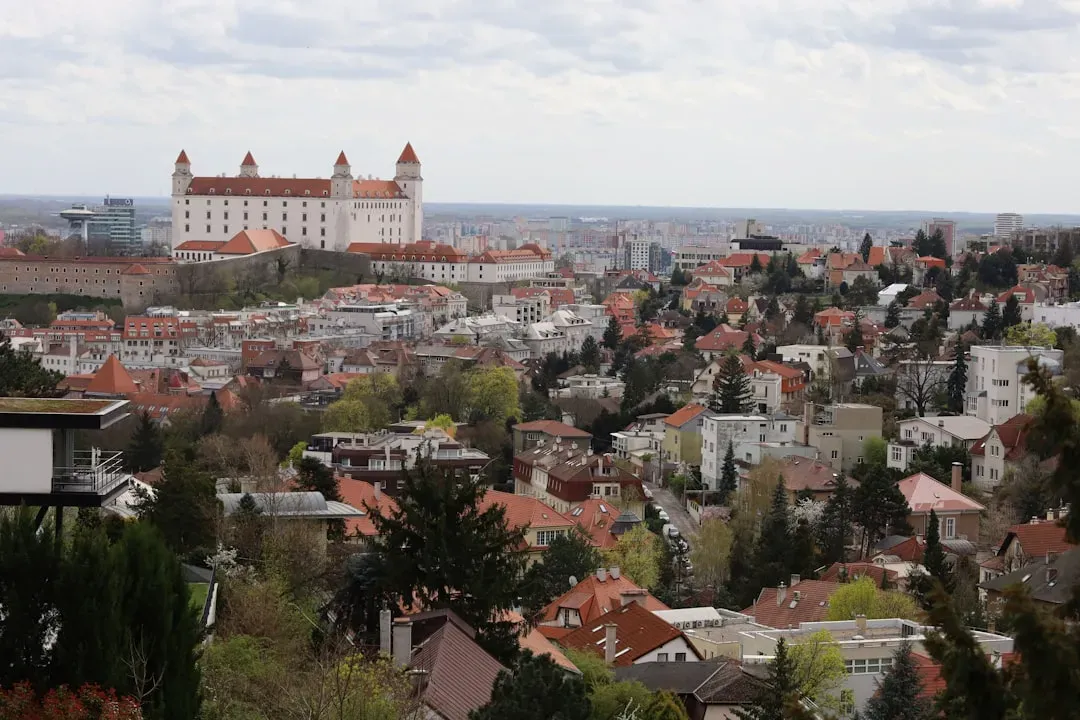
Not all dissolutions end in bloodshed. Czechoslovakia proved that nations can part ways peacefully. Created after World War I from the ruins of Austria-Hungary, it brought together Czechs and Slovaks under one banner.
The relationship always carried underlying tensions. Slovaks felt overshadowed by their Czech partners politically and economically. After the fall of communism in 1989, these grievances surfaced more openly.
Slovak politicians pushed for greater autonomy. By 1992, negotiations concluded that separation made more sense than continued federation. On January 1, 1993, Czechoslovakia split into the Czech Republic and Slovakia without firing a single shot. Citizens woke up in different countries. The Velvet Divorce, as it became known, remains one of history’s most civilized national breakups.
3. East Germany – When the Wall Came Down

East Germany existed as the ultimate Cold War creation. Born from Soviet occupation zones after World War II, it became the German Democratic Republic in 1949. Democracy remained purely cosmetic.
The Berlin Wall symbolized East Germany’s desperate need to keep its citizens from fleeing westward. Built in 1961, it stood as concrete proof that the socialist paradise needed barriers to prevent escape. Roughly 140 people died trying to cross it.
Mass protests in 1989 exposed the government’s weakness. When border guards opened the Berlin Wall on November 9, 1989, East Germany’s days were numbered. Less than a year later, on October 3, 1990, it merged with West Germany. Forty-one years of separate existence ended. The Deutsche Mark replaced the Ostmark, and 16 million East Germans became citizens of unified Germany overnight.
4. The Soviet Union – The Superpower That Imploded
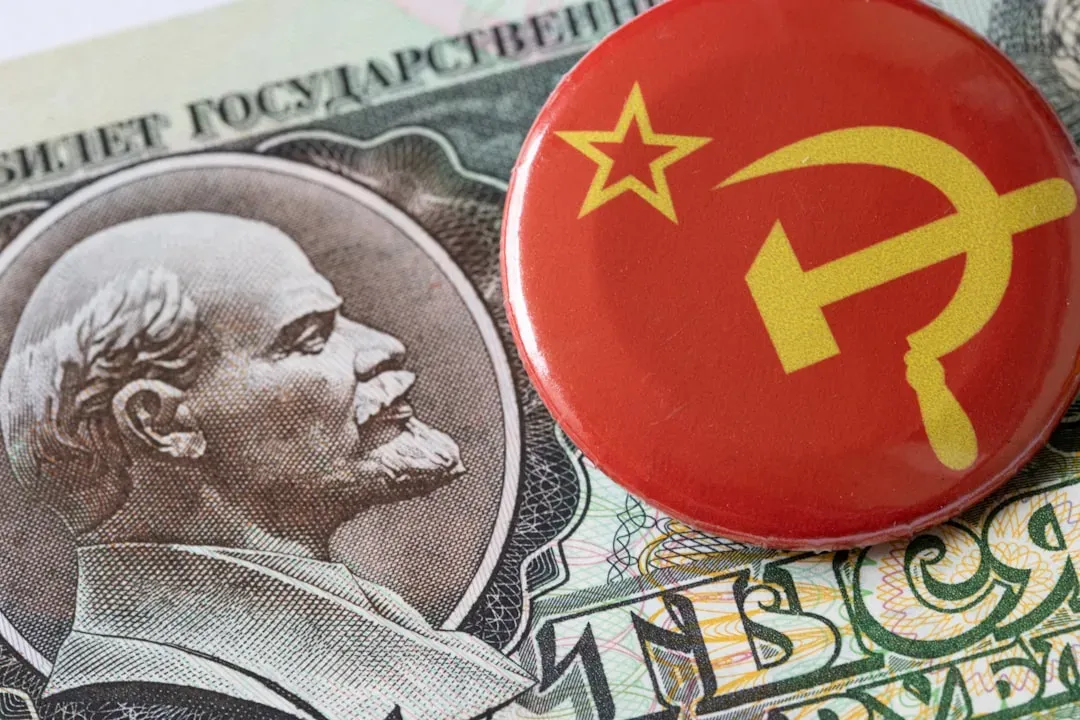
The Soviet Union dominated half the globe for most of the 20th century. This massive federation stretched across eleven time zones and included fifteen republics. It challenged American power and inspired communist movements worldwide.
Mikhail Gorbachev’s reforms inadvertently triggered the collapse. Glasnost and perestroika aimed to save the system but instead exposed its fundamental flaws. Baltic states demanded independence first. Other republics quickly followed.
A failed coup in August 1991 accelerated the disintegration. By December, even Russia’s Boris Yeltsin wanted out. On December 26, 1991, the Soviet flag lowered from the Kremlin for the final time. The world’s largest country simply vanished, replaced by fifteen independent nations. The geopolitical earthquake reshaped global politics entirely.
5. Tibet – Absorbed Into China’s Embrace

Tibet enjoyed de facto independence for much of the early 20th century. The Dalai Lama ruled this mountainous Buddhist kingdom with minimal interference from Beijing. China claimed sovereignty but lacked actual control.
Everything changed in 1950 when the People’s Liberation Army invaded. Tibet’s small, poorly equipped army stood no chance against Chinese forces. The young Dalai Lama signed the Seventeen Point Agreement in 1951 under extreme pressure.
A 1959 uprising gave China the excuse for complete takeover. The Dalai Lama fled to India, where he remains in exile. Tibet became fully integrated as an autonomous region of China, though “autonomous” proved largely meaningless. The old kingdom disappeared, replaced by Chinese administration and massive Han Chinese migration. Today, Tibet’s independence movement continues from abroad, but the country itself exists only in memory.
6. South Vietnam – The Republic That Lost

South Vietnam emerged from French colonial collapse in 1954. The Geneva Accords temporarily divided Vietnam at the 17th parallel. The South became a republic backed heavily by the United States.
For two decades, South Vietnam struggled against communist insurgency and North Vietnamese aggression. American involvement escalated dramatically in the 1960s. Billions of dollars and thousands of lives couldn’t stabilize the Saigon government.
When American forces withdrew in 1973, South Vietnam’s fate was sealed. North Vietnamese forces launched their final offensive in early 1975. Saigon fell on April 30, 1975, in chaotic scenes of helicopter evacuations from rooftops. South Vietnam ceased to exist, absorbed into the Socialist Republic of Vietnam. The war’s losers watched their country disappear completely.
7. The Ottoman Empire – Six Centuries Ended
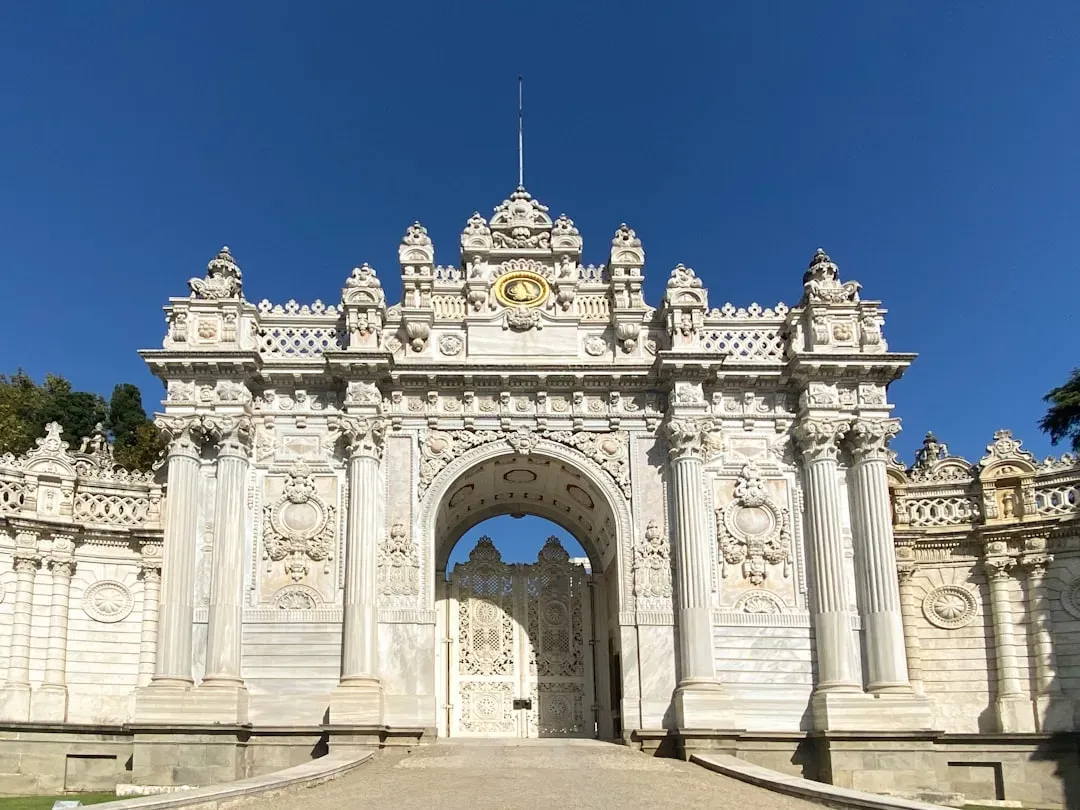
The Ottoman Empire once controlled vast territories across three continents. At its peak, it ruled from Vienna to Yemen, from Algeria to Baghdad. For centuries, it remained a dominant world power.
World War I proved catastrophic for the ailing empire. Siding with Germany and Austria-Hungary, the Ottomans faced defeats on multiple fronts. Arab provinces rebelled with British support. Military disasters mounted throughout the war.
The Treaty of Sèvres in 1920 carved up Ottoman territories among European powers. Mustafa Kemal Atatürk led Turkish resistance, eventually establishing the Republic of Turkey in 1923. The last sultan fled Istanbul aboard a British warship. Six hundred years of Ottoman history ended, replaced by a modern nation-state that controlled only a fraction of the former empire’s lands.
8. Sikkim – The Himalayan Kingdom Absorbed by India
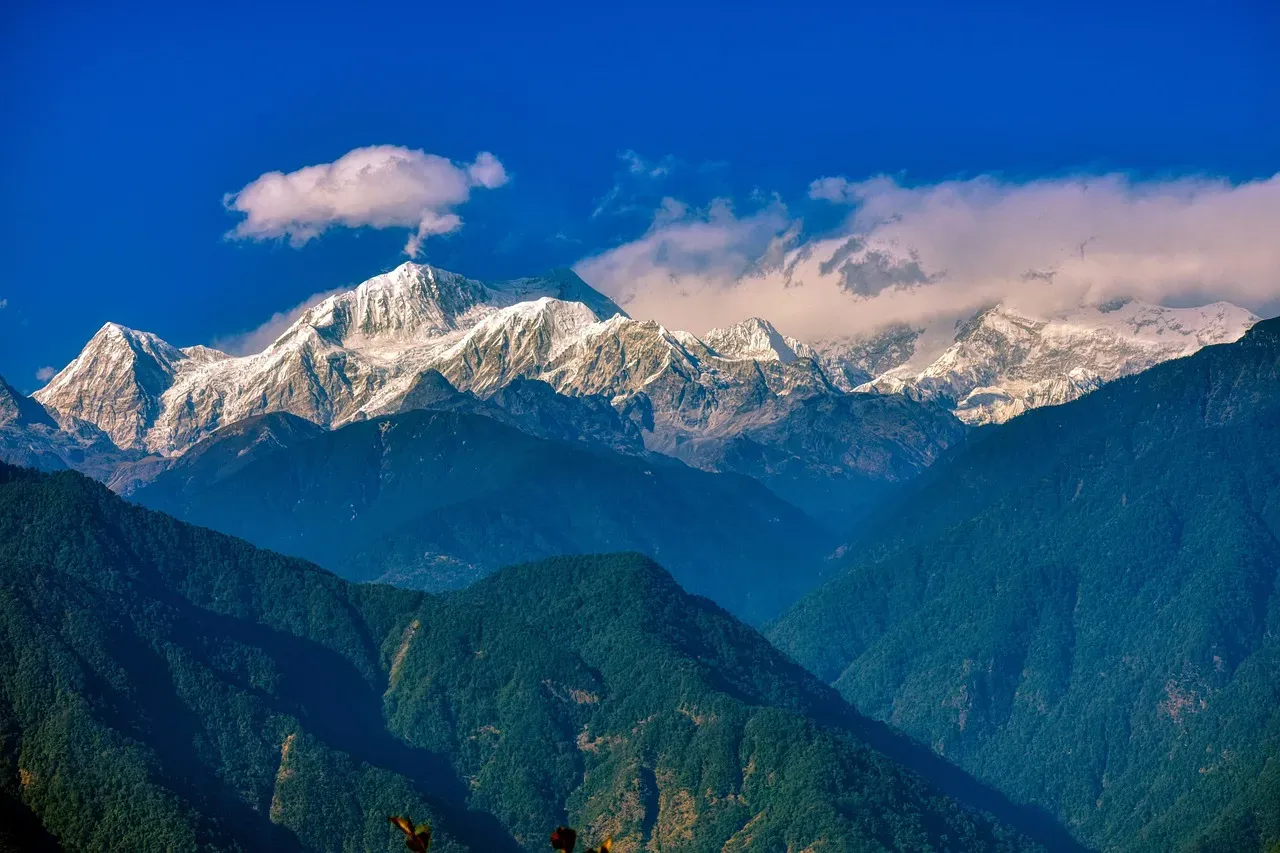
Sikkim maintained independence as a Buddhist monarchy tucked between Nepal, Bhutan, and Tibet. This tiny Himalayan kingdom signed a treaty with British India in 1861, establishing a protectorate relationship. After Indian independence in 1947, New Delhi inherited this arrangement.
India’s influence grew steadily more intrusive over decades. The monarchy’s power eroded as Indian advisors took control of key government functions. Ethnic Nepali immigrants eventually outnumbered native Sikkimese.
A 1975 referendum, held under questionable circumstances, showed overwhelming support for joining India. Some historians consider it essentially rigged. Sikkim became India’s 22nd state that same year. The last king, Palden Thondup Namgyal, watched his kingdom disappear into India’s federal structure. Today, Sikkim exists only as an Indian state, its independent history largely forgotten.
9. Gran Colombia – Bolivar’s Dream Shattered
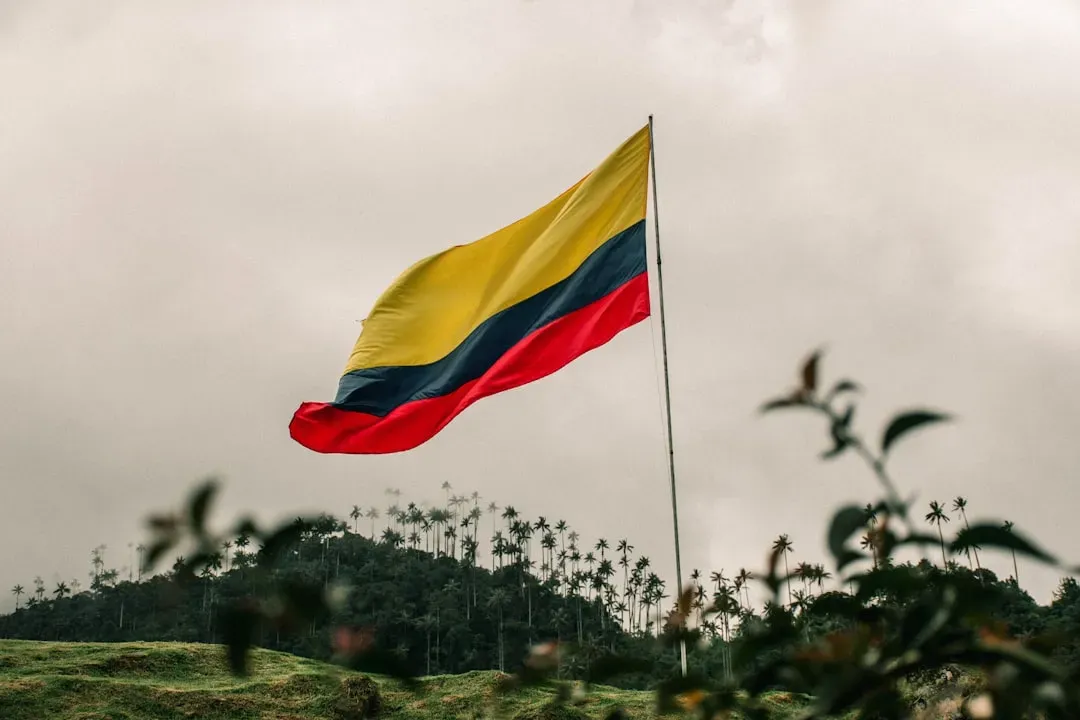
Simón Bolívar envisioned a united South America after defeating Spanish colonial rule. Gran Colombia represented his grandest achievement, unifying present-day Colombia, Venezuela, Ecuador, and Panama in 1819. The vision was inspiring but ultimately unstable.
Regional differences proved too strong for any central government to manage. Venezuela’s plains, Colombia’s mountains, and Ecuador’s coast had little in common beyond Spanish language. Transportation across such varied terrain remained nearly impossible with 19th-century technology.
Political rivalries erupted almost immediately. Venezuela seceded in 1829, followed by Ecuador in 1830. Bolívar himself died shortly after, his dream in ruins. By 1831, Gran Colombia had completely dissolved into separate nations. The grand federation lasted barely a decade. It remains one of history’s most ambitious but short-lived unification attempts.
10. Prussia – The Martial State That Built Germany
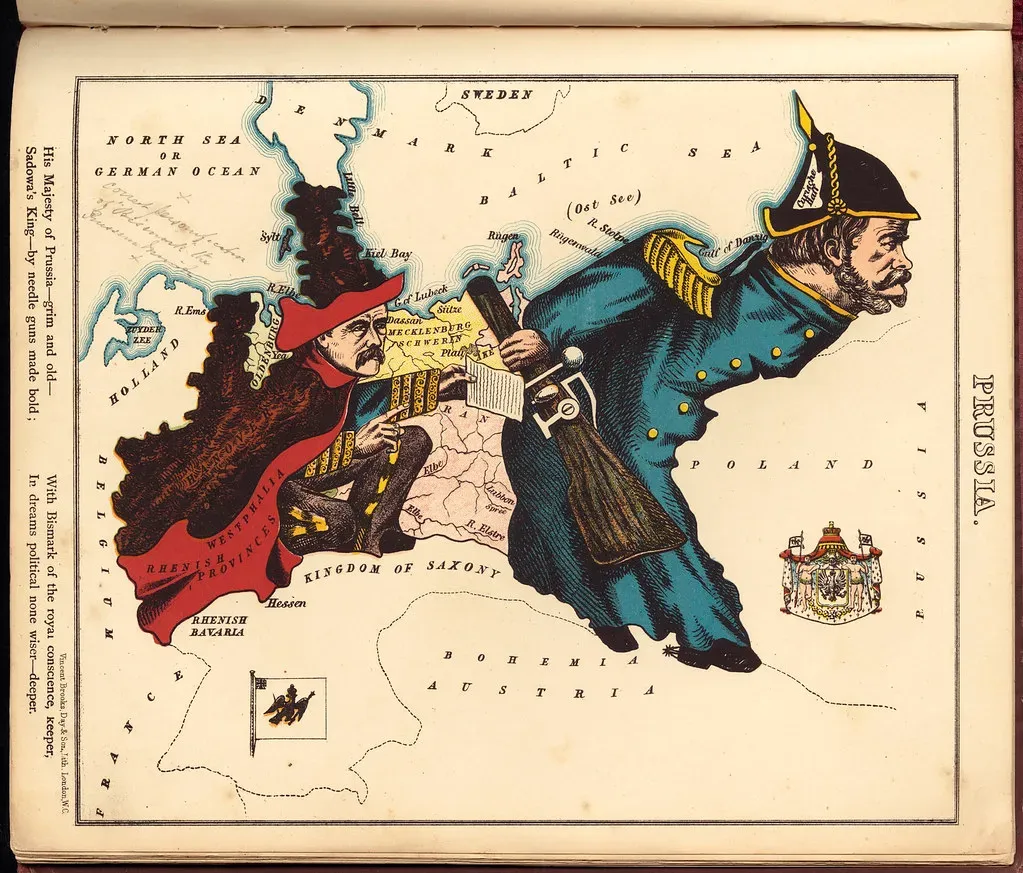
Prussia dominated German-speaking lands for centuries through military prowess and bureaucratic efficiency. This kingdom transformed from a marginal territory into Europe’s most formidable military power. Prussian discipline became legendary.
Otto von Bismarck used Prussian strength to forge the German Empire in 1871. Prussia essentially absorbed other German states while maintaining its distinct identity. It remained Germany’s largest and most influential component.
After World War II, the Allies decided Prussia was too militaristic to survive. In 1947, Control Council Law No. 46 formally abolished Prussia entirely. Its territories were divided between East Germany, West Germany, Poland, and the Soviet Union. The Prussian state disappeared after nearly 500 years of existence. Only its cultural legacy and historical memory remain, though even those fade with each passing generation.
Conclusion
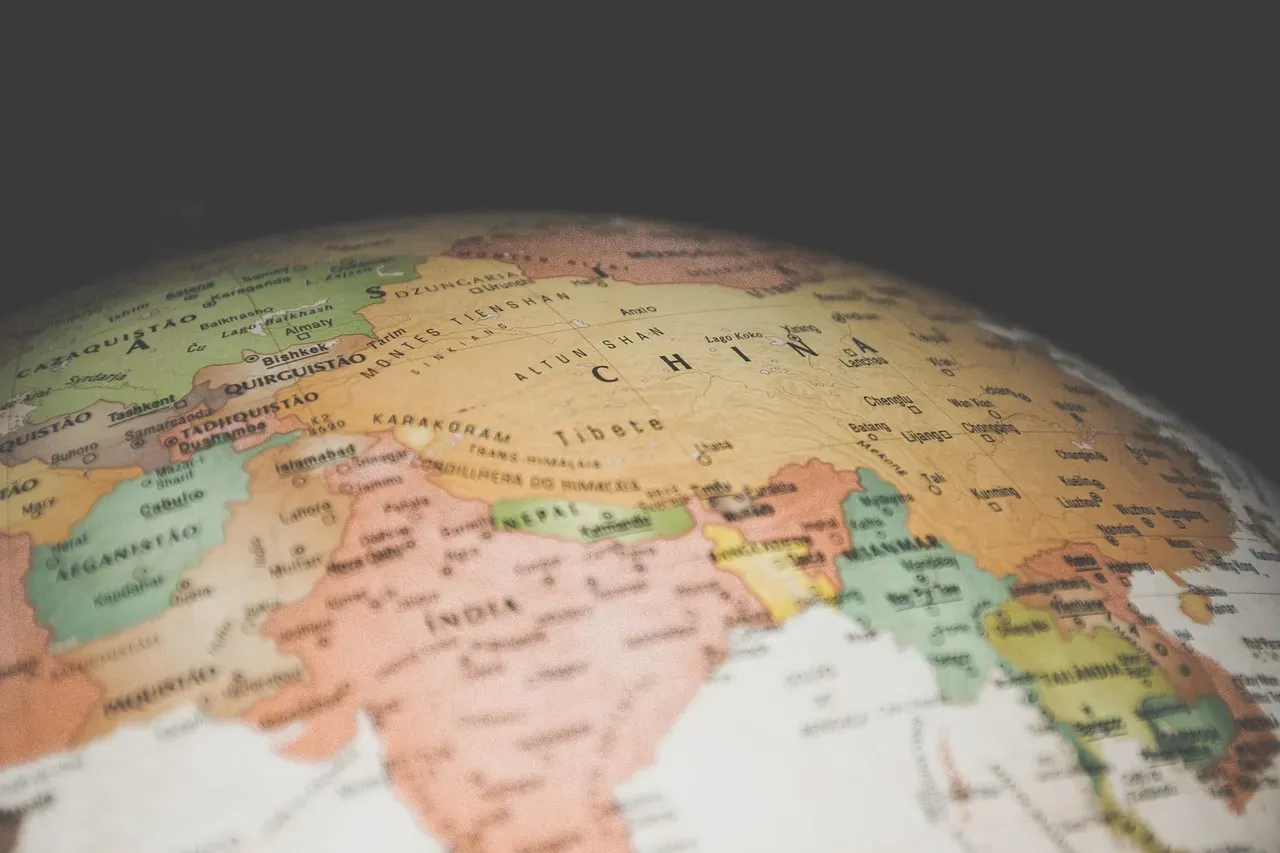
These vanished nations remind us that political borders remain surprisingly fluid. Countries we consider permanent today might not exist in fifty years. Economic collapse, military defeat, peaceful dissolution, or forced absorption can erase nations from maps.
Each disappeared country left its mark on history and culture. Their flags may no longer fly, but their stories continue shaping our modern world. Former citizens carry memories their grandchildren will barely recognize. What do you think about these lost countries? Did any surprise you? Tell us in the comments.