Let’s be real. Most of us wake up, follow the same routine, drive the same routes, eat the same lunch, and collapse into the same evening ritual. Day after day. It feels safe, predictable, maybe even comforting. Yet somewhere deep down, there’s this nagging feeling that life could be more than just the grind.
Here’s the thing though. Adventure doesn’t require a plane ticket to Bali or quitting your job to backpack through Europe. It’s way simpler than that. Small shifts in your daily patterns can inject excitement, novelty, and a sense of aliveness back into ordinary days. The research backs this up too. So let’s dive in.
Take a Different Route to Work
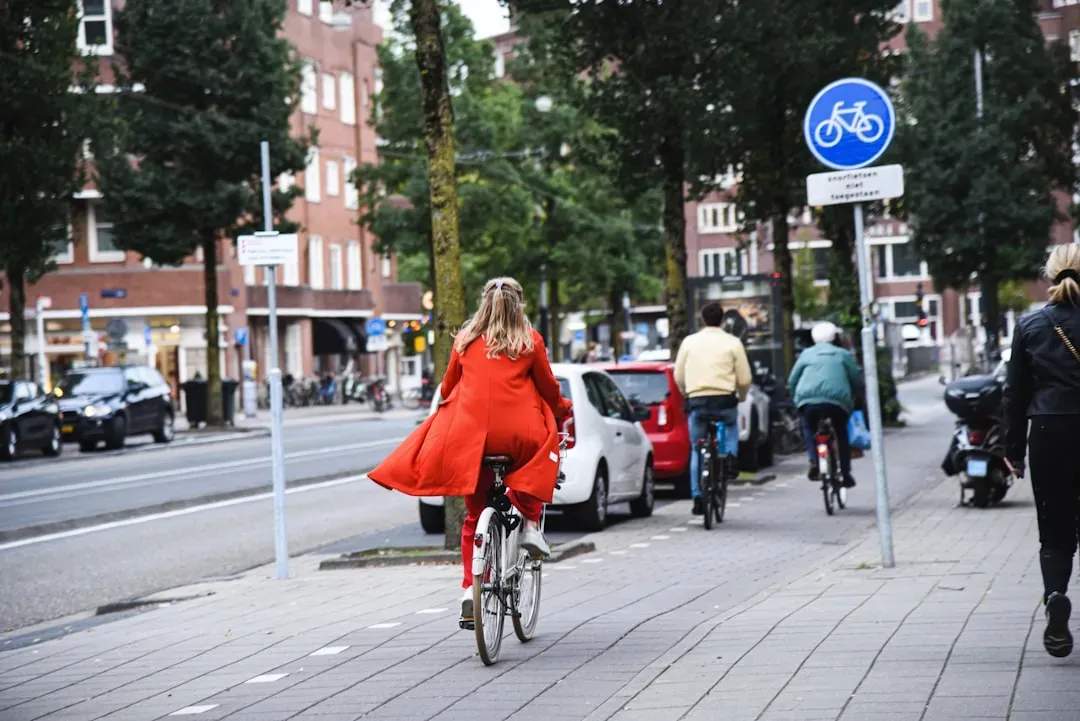
This one sounds almost too simple. You might even roll your eyes at it, honestly. Still, there’s solid science here. Even biking a different route to work can boost your creativity as your brain makes new connections by seeing and learning new things. When you break the autopilot mode, your brain wakes up.
Think about it. You probably know every traffic light, every pothole, every storefront on your usual commute. Your mind goes numb. Switching routes forces you to pay attention again. You notice things. A quirky mural. An interesting coffee shop you never knew existed. Maybe even a shortcut that saves you five minutes.
It might feel weird at first, like you’re wasting time or taking unnecessary risks. Yet this tiny act of rebellion against routine can shift your entire mindset for the day. Your morning becomes an exploration rather than a chore.
Say Yes to Something That Scares You a Little

Adventure offers an escape from the mundanity of everyday life, as well as an opportunity for self-enhancement. That’s the core of it. When you step outside your comfort zone, even slightly, you’re not just doing something different. You’re actively growing.
I’m not talking about BASE jumping here. Maybe it’s trying that improv class your friend keeps mentioning. Or speaking up in a meeting when you’d normally stay quiet. Perhaps it’s asking someone out for coffee. The point is to lean into the discomfort just enough to feel that flutter of nerves.
Embracing the fear that comes with challenging adventure situations has allowed some participants to feel empowered in their everyday lives. That empowerment doesn’t just vanish when the activity ends. It sticks with you, changing how you approach other challenges.
Spend Time in Nature, Even for Twenty Minutes
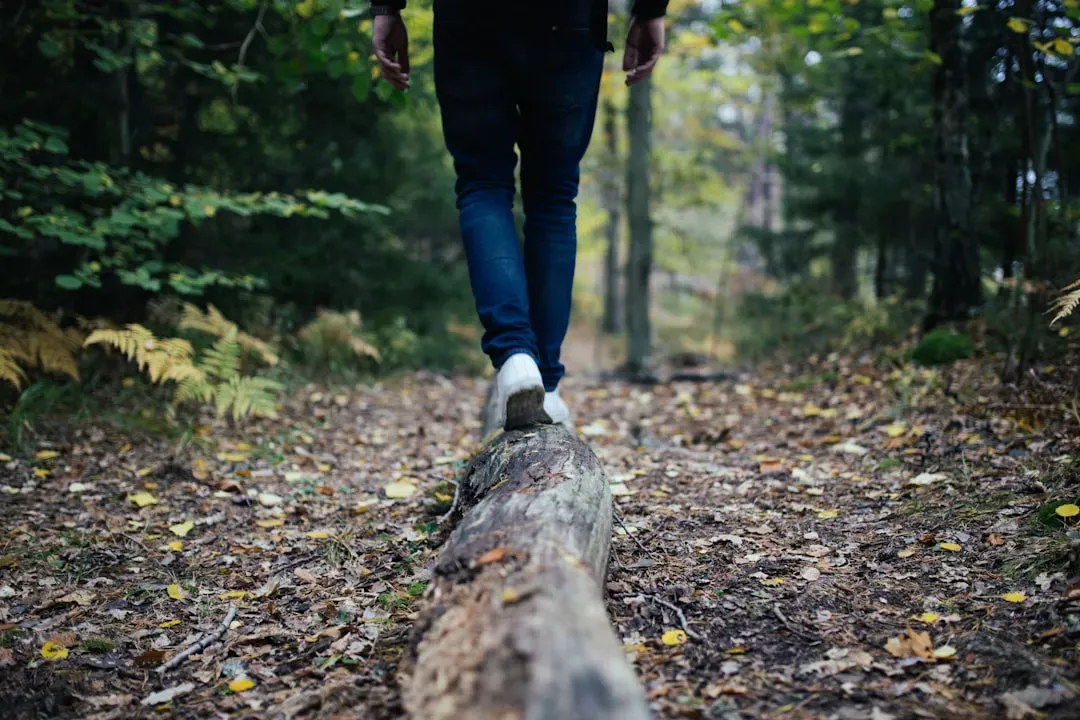
Nature is a cheat code for feeling alive again. Seriously. Spending at least 20 to 30 minutes immersed in a nature setting was associated with the biggest drop in cortisol levels, with additional stress-reduction benefit accruing more slowly after that time. Your body literally calms down.
As little as 10 minutes outdoors begins to lower our blood pressure and improve our mood and focus, according to 2020 research out of Cornell University. Ten minutes. That’s less time than you spend scrolling through social media before bed. You don’t need a mountain hike. A park bench works. A walk around the block counts.
There’s something almost magical about how the outdoors resets your brain. The air feels different. Sounds shift from mechanical hums to bird calls and rustling leaves. You remember that you’re part of something bigger than spreadsheets and email threads.
Try One New Thing Every Week
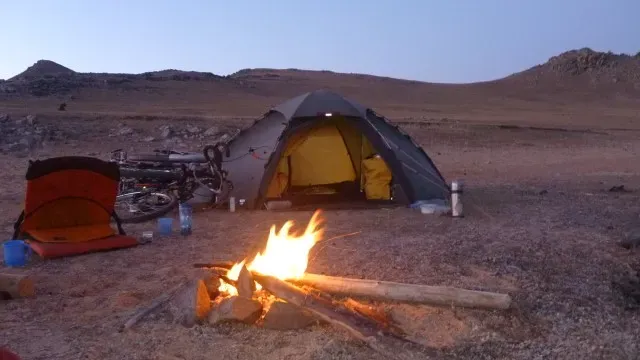
Novelty seeking is a tendency to approach new situations, putatively driven by the brain’s catecholaminergic system. Translation? Your brain is literally wired to crave new experiences. When you feed that craving, you’re working with your biology, not against it.
Pick something manageable. A new recipe. A podcast outside your usual genre. A workout class you’ve never tried. The newness itself is the point. Research published in Psychological Science shows that brain adaptability and creative thinking improve through new experiences, as your brain establishes new connections when you do new activities.
You might discover you hate half the things you try. That’s fine. The act of trying keeps your mind flexible and open. Plus, occasionally you stumble onto something you love, something that becomes a new passion you never knew you needed.
Break Your Screen Routine
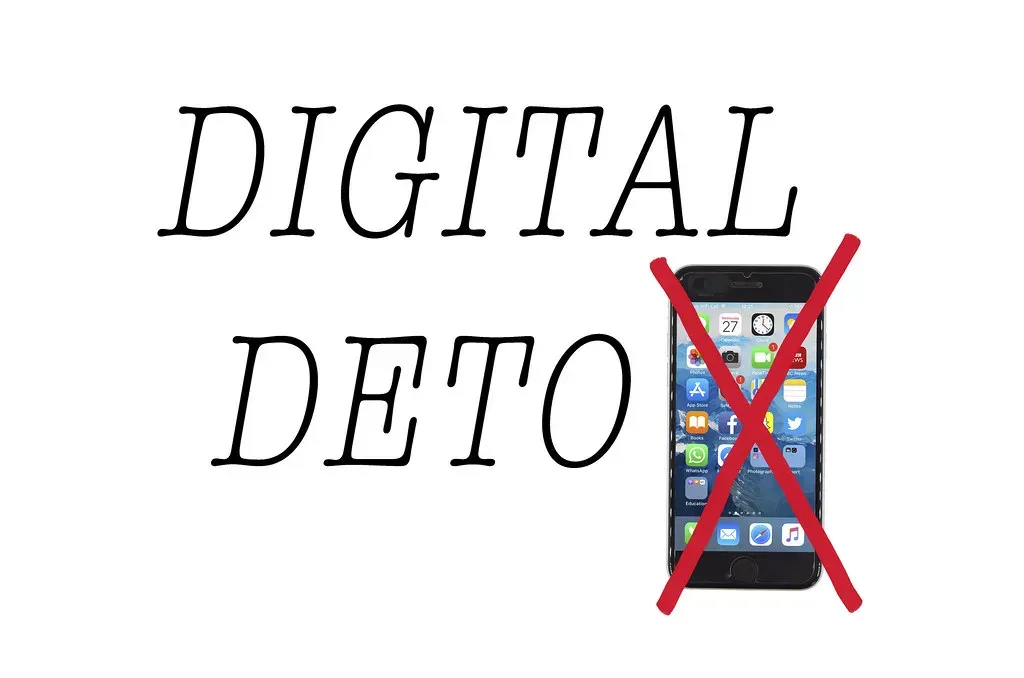
We spend hours every day staring at screens, following the same digital patterns. Check email. Scroll Instagram. Refresh news. Repeat. It numbs the mind faster than anything. When was the last time you felt truly present while doing that?
Here’s a wild idea. Leave your phone at home during a walk. Just for twenty minutes. It feels terrifying at first, like you’re missing out on something crucial. You’re not. What you’re missing is the constant distraction that keeps you from actually experiencing your surroundings.
Or try this: instead of watching TV after dinner, do literally anything else. Read a book. Draw something. Have an actual conversation. The adventure here is rediscovering what it feels like to engage with life directly, without a screen mediating every experience.
Talk to Strangers More Often
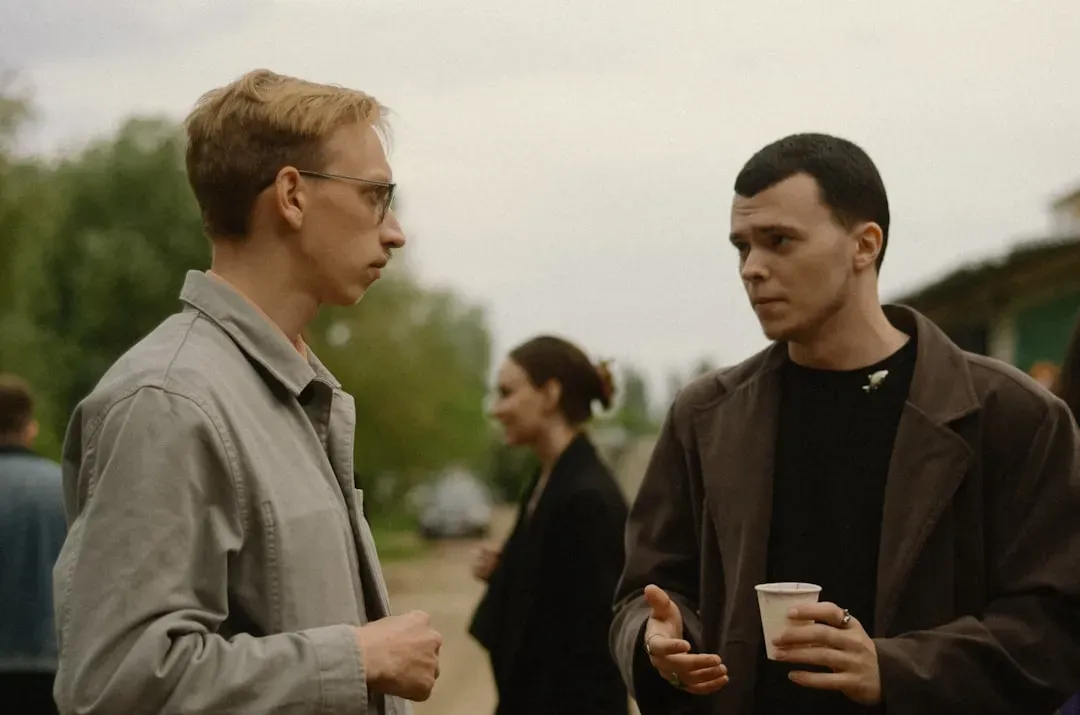
Remember when you were a kid and your parents told you not to talk to strangers? Solid safety advice back then. Somewhat limiting advice now. Obviously use common sense. Still, there’s something inherently adventurous about genuine human connection with someone new.
Strike up a conversation with the person next to you at the coffee shop. Ask your neighbor about their garden. Chat with the barista beyond just ordering your drink. These micro-interactions break the isolation bubble most of us live in.
You never know where these conversations might lead. Maybe nowhere. Maybe to a new friendship. Maybe to a job opportunity or an interesting recommendation. The unpredictability is the adventure. Plus, it reminds you that the world is full of interesting people with their own fascinating stories.
Schedule “Unscheduled” Time
This sounds contradictory. It’s not. Most of us pack our calendars so tight that spontaneity becomes impossible. When we break the routine, we force our minds to engage more consciously with our work, leading to enhanced creativity and better outcomes. The same applies to life outside work.
Block off a few hours each week with absolutely no plan. No agenda. No goals. Just open time. When that time arrives, do whatever feels right in that moment. Go somewhere you’ve been curious about. Try something random. Or do absolutely nothing.
The adventure lives in the uncertainty. You’re giving yourself permission to be spontaneous, to follow whims, to see where the day takes you without predetermined destinations. It’s weirdly liberating once you get over the initial discomfort of not having a plan.
Change Your Environment More Often

If you work from home or spend a lot of time in the same space, you’ve probably noticed how the walls start closing in. A change of scenery can already do the trick as different seats with different neighbors can shift your creative thinking. Your brain gets bored of the same visual input day after day.
Work from a café occasionally. Rearrange your furniture. Hang different art on your walls. Visit a library. These shifts might seem superficial, yet they genuinely impact how you think and feel. New environments stimulate new neural pathways.
Even something as basic as sitting in a different chair at home can make a difference. Your perspective literally changes. You notice details you’ve overlooked for months. The space feels fresh again, and so do you.
Practice Mindful Risk-Taking

The drive for exploration pushes us beyond the confines of familiarity, triggering a surge of dopamine in our brains as we anticipate new experiences. This neurochemical reward is what makes adventure feel so good. You can tap into this intentionally.
Start with low-stakes risks. Order something unusual at a restaurant. Wear that bold outfit you’ve been saving. Share an unconventional idea in a group discussion. The key is choosing risks where the downside is minimal but the potential upside includes growth, surprise, or delight.
Regular outdoor activity participation in national parks improved people’s mental health and positively impacted coping, resilience, and stress alleviation, according to 2024 research. The principle extends beyond outdoor activities. Any regular practice of mild risk-taking builds resilience and confidence that carries over into other areas of life.
Create Your Own Micro-Adventures
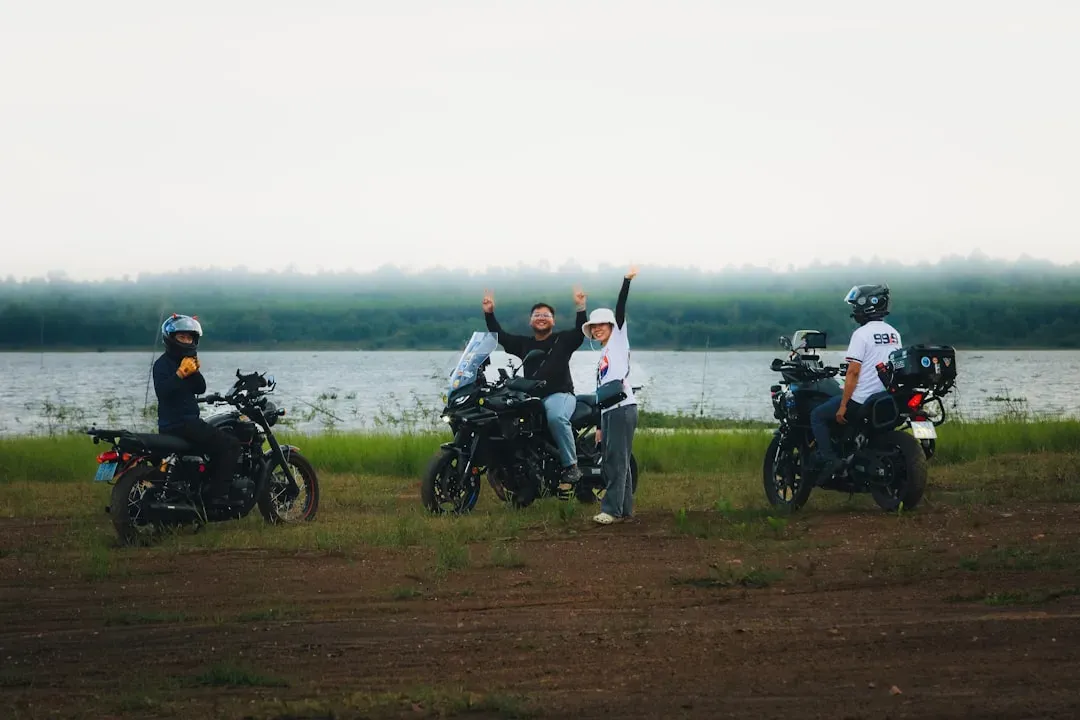
Not every adventure needs to be epic. Actually, most shouldn’t be. Research has shown spending 120 minutes a week in nature improves health and well-being. Two hours. That’s it. You could split that into several micro-adventures throughout the week.
Pack a lunch and eat it somewhere unusual. Take a different form of transportation for a day. Visit a neighborhood you’ve never explored. Attend a free community event you’d normally skip. These small expeditions add up, creating a life that feels more varied and textured.
The beauty of micro-adventures is their accessibility. You don’t need special equipment, tons of money, or even much time. You just need a willingness to step slightly outside your normal patterns and see what happens. That willingness is everything.
Conclusion
Adventure isn’t really about the activities themselves. It’s about the mindset shift that happens when you choose novelty over routine, curiosity over comfort, and engagement over autopilot. Adventure is not exclusive to having fun and thrill-seeking; it’s vital for building resilience, personal development, and living joyfully.
The good news? You don’t have to overhaul your entire life tomorrow. Start with one small change. See how it feels. Then try another. Before you know it, your ordinary life starts feeling extraordinary again, not because everything changed, but because you changed how you move through it.
Which of these will you try first? Maybe that’s the real adventure right there: deciding to begin.