


Ask anyone who grew up in those decades what autumn felt like, and the answers tend to arrive fast: scratchy costumes, cold hands, the smell of woodsmoke. Fall then was less planned and more improvised, built from whatever the neighborhood, the school, or the nearest farm happened to offer.
Many of these customs are still around, though often reshaped by safety rules, schedules, and screens. Here are ten that defined the season for kids and families in the 1970s and 1980s.
Apple Bobbing

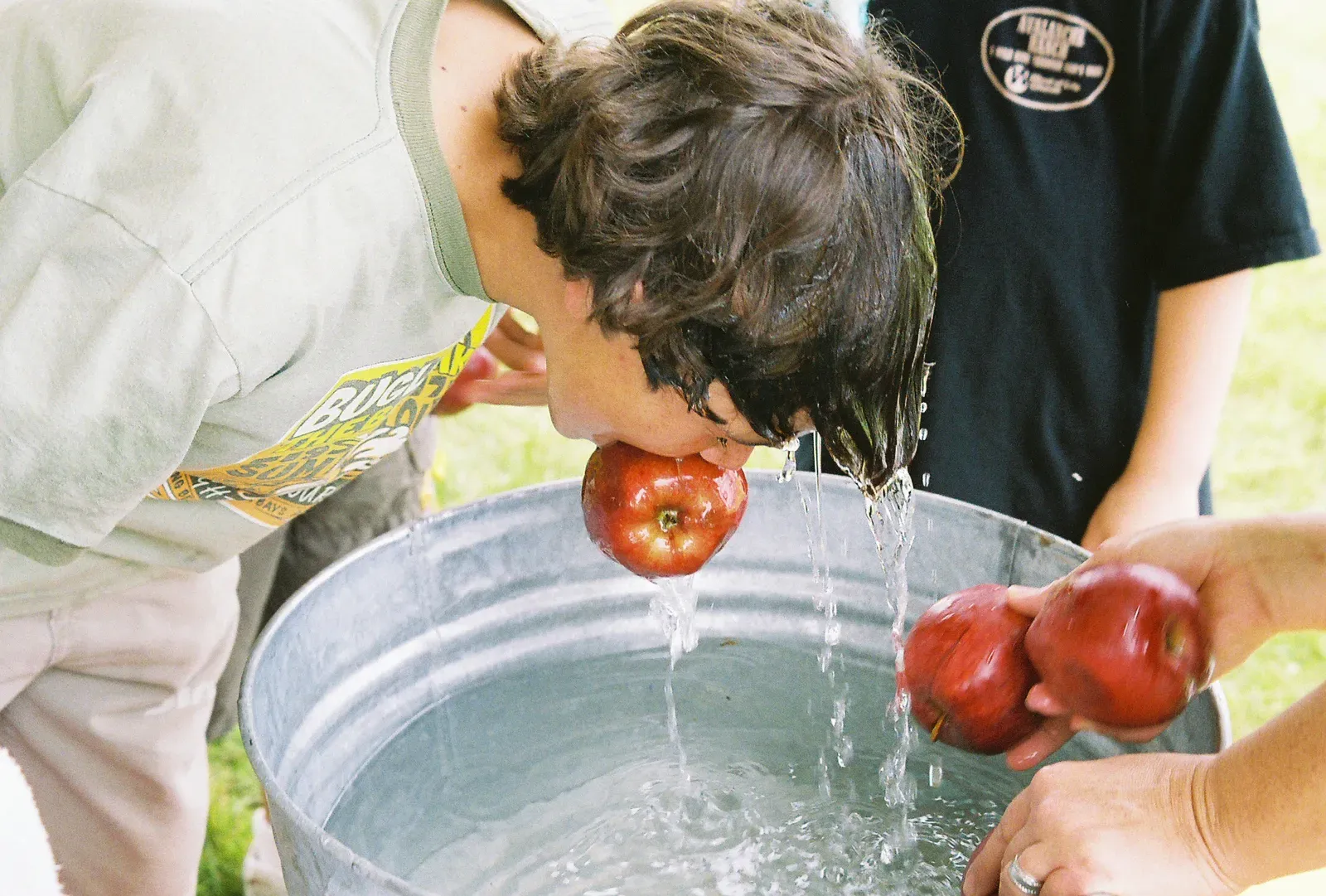
A tub of water, a pile of floating apples, and hands tucked firmly behind the back. That was the whole game, and it showed up at school parties, church socials, and Halloween gatherings alike. The goal was simple: catch an apple with your teeth, and try not to soak your sleeves.
The custom has old roots in Halloween folklore, often linked to British and Irish harvest games. By the 1970s it was a familiar party staple in America. Shared tubs have faded in many places over hygiene concerns, but the game hasn’t disappeared.
Hayrides

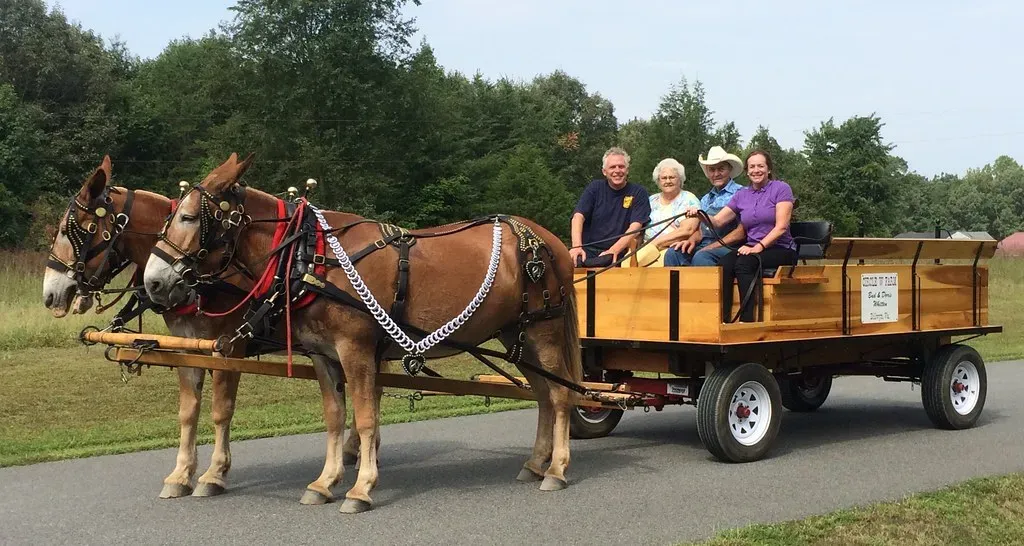
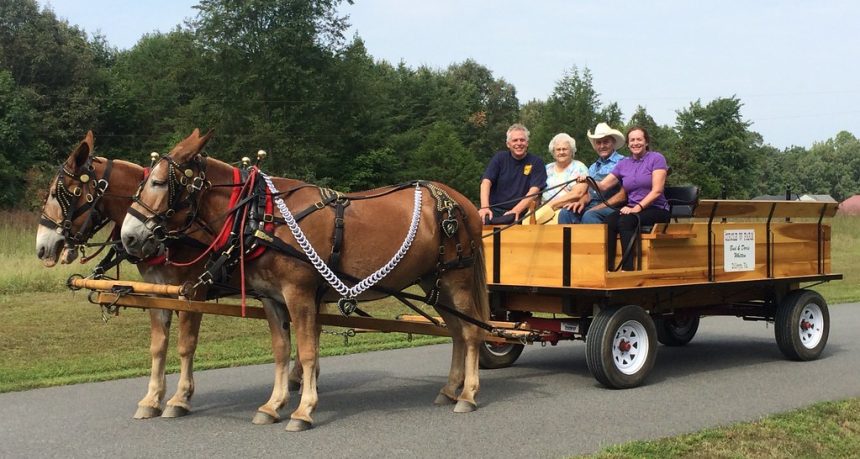
A tractor, a wagon stacked with straw bales, and a bumpy trip through a field. Hayrides were a fall outing for church groups, scout troops, and families, usually ending with cider or a bonfire. Nobody minded the itchy straw down their collar.
Farms offered them as a way to bring in visitors during harvest season, and many still do. The modern versions often come with more safety oversight, including rules about seating and driver training. The basic pleasure of a slow ride past golden fields hasn’t changed much.
Trick or Treating Around the Block

In those decades, kids often roamed their neighborhoods in small packs, sometimes with little adult supervision. Candy was handed out in handfuls, and homemade treats like popcorn balls and caramel apples were still fairly common. Pillowcases doubled as candy bags.
That began to shift in the 1980s, when widely publicized fears about tampered candy changed how parents thought about Halloween. Researchers who have examined the claims, including sociologist Joel Best, found no confirmed cases of strangers killing children with poisoned treats. Even so, the fear led many families toward sealed, store-bought candy.
Homemade Halloween Costumes

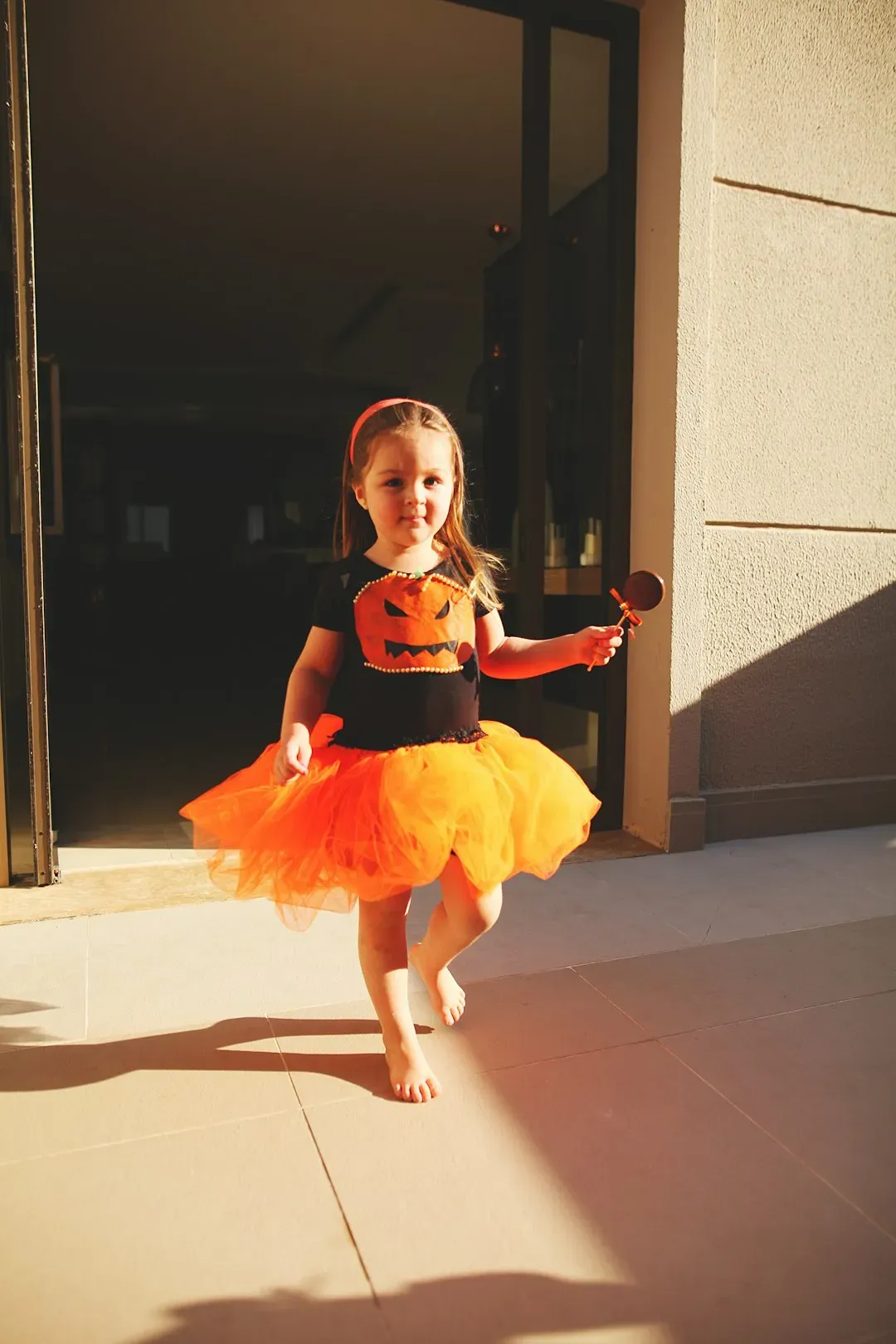
Many kids wore costumes pieced together from closet scraps, face paint, and cardboard. A bedsheet ghost or a hobo with a charcoal-smudged chin took almost no money at all. Store-bought options existed, but they were often thin plastic smocks with a mask held on by a stretchy string.
Licensed character costumes tied to popular movies and cartoons grew steadily through the 1980s. Still, plenty of families kept making their own, partly out of thrift and partly out of habit. The homemade look became a point of nostalgia later on.
Carving Jack-o’-Lanterns at the Kitchen Table
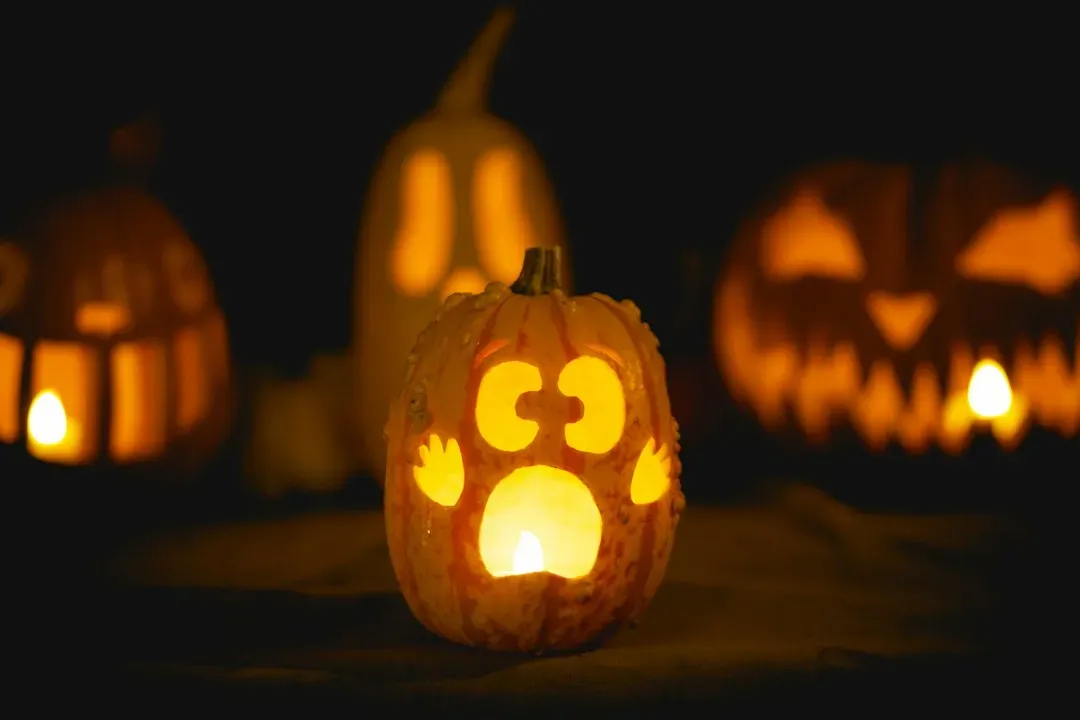
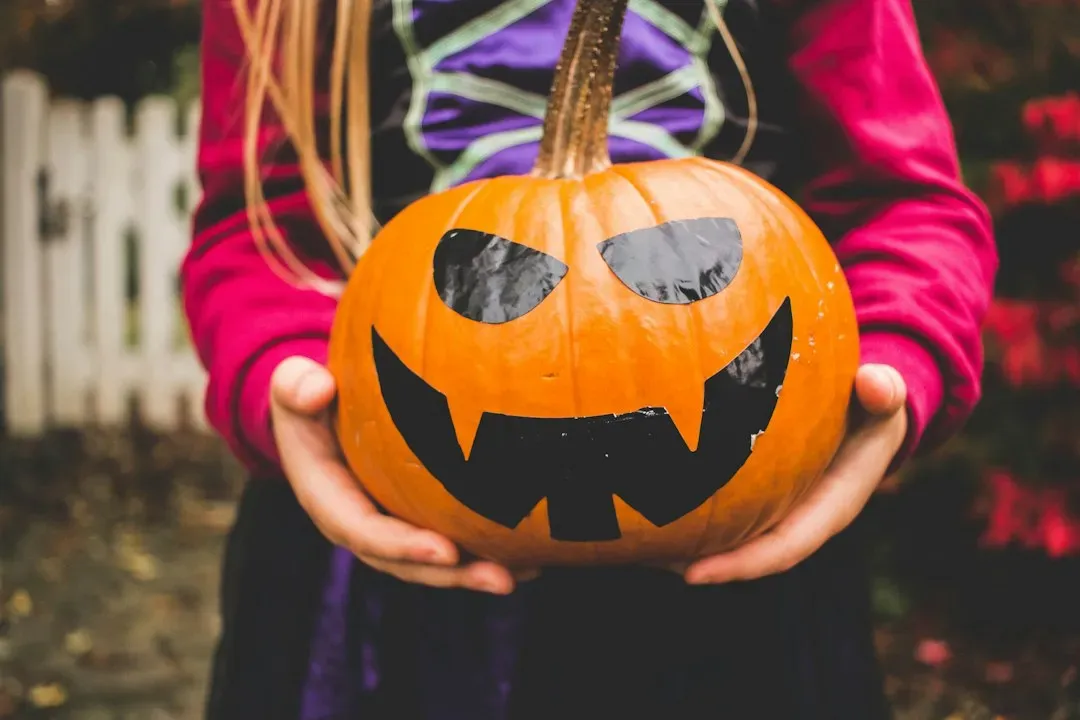
Newspaper spread across the table, a sharp kitchen knife, and a pumpkin that never quite had the face you’d planned. Carving was a family project, and the seeds usually ended up roasted with salt. Candles lit the finished lantern, since battery lights weren’t yet common.
Partner offer

Jack-o’-lanterns trace back to Irish and Scottish traditions of carving turnips, with pumpkins taking over in North America because they were plentiful and easier to hollow. The USDA reports pumpkins are among the major fall crops grown in the United States, with Illinois consistently ranking at the top for production. That abundance helped keep carving an easy, affordable ritual.
Raking and Jumping Into Leaf Piles

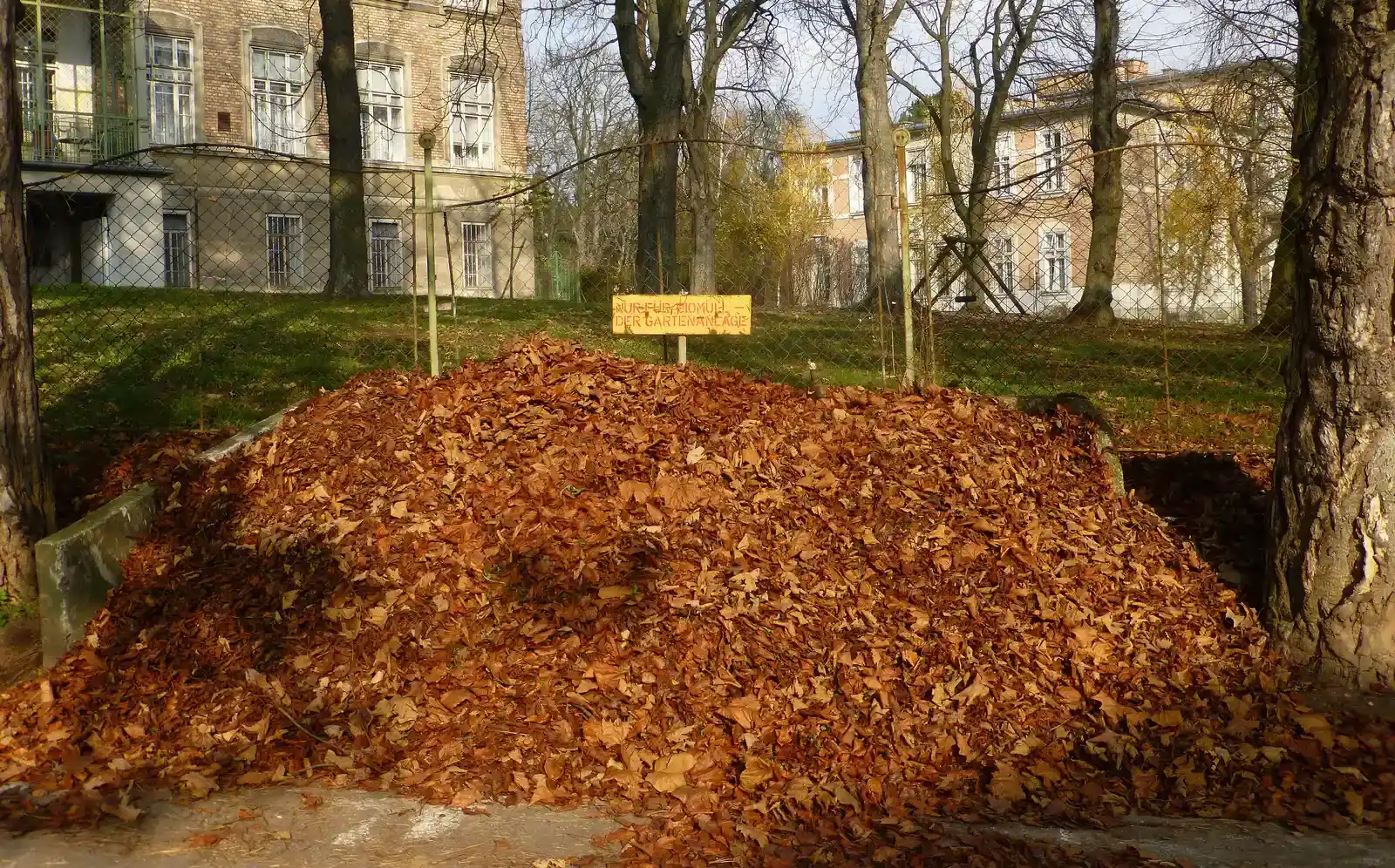
Raking was a chore, but the reward came right after. Kids dove into the biggest pile in the yard, scattering all the work in seconds. Parents sighed and started over.
Burning leaves at the curb was also still common in some places during these years. Many municipalities have since restricted open burning because of air quality and fire safety, and curbside pickup or mulching has replaced it. The leaf pile jump, thankfully, survived the rule changes.
Cider Mills and Doughnuts

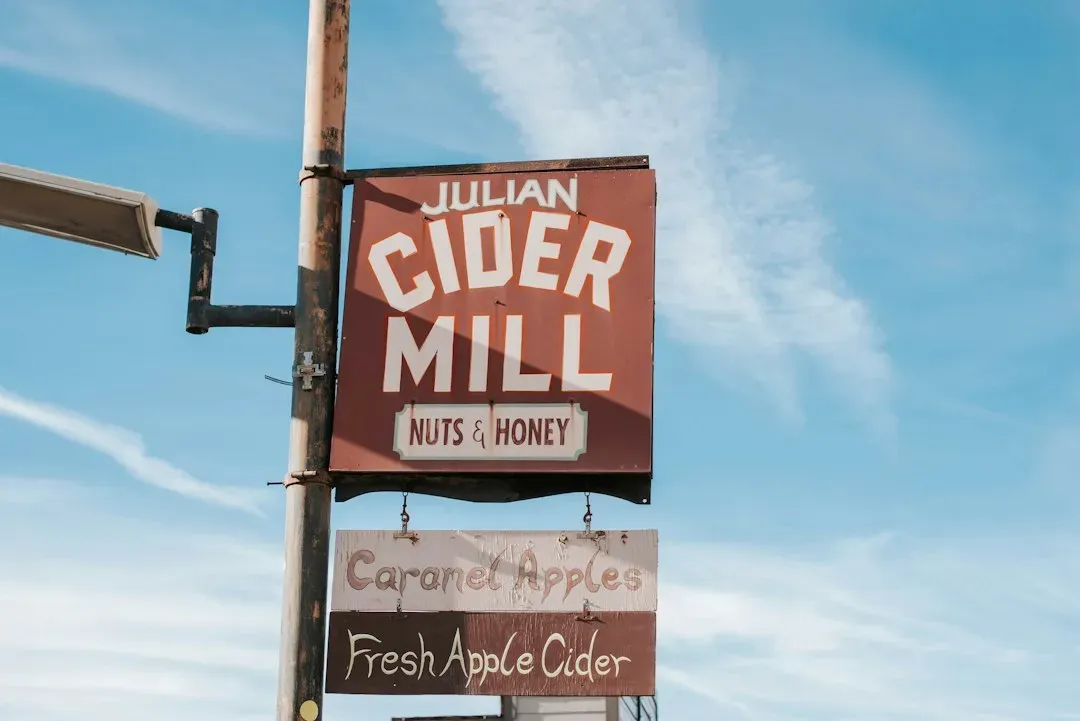
A trip to a local cider mill was a classic weekend outing, especially in the Midwest and Northeast. Families picked up fresh-pressed cider and warm cinnamon sugar doughnuts, often eaten in the car on the way home. The cider was cloudy and sweet, and it spoiled quickly if left alone.
Food safety rules changed the product in later years. After outbreaks linked to unpasteurized juice in the 1990s, the FDA introduced juice safety requirements, which pushed many producers toward pasteurization or other treatments. The mills and the doughnuts remain popular autumn stops today.
Friday Night High School Football

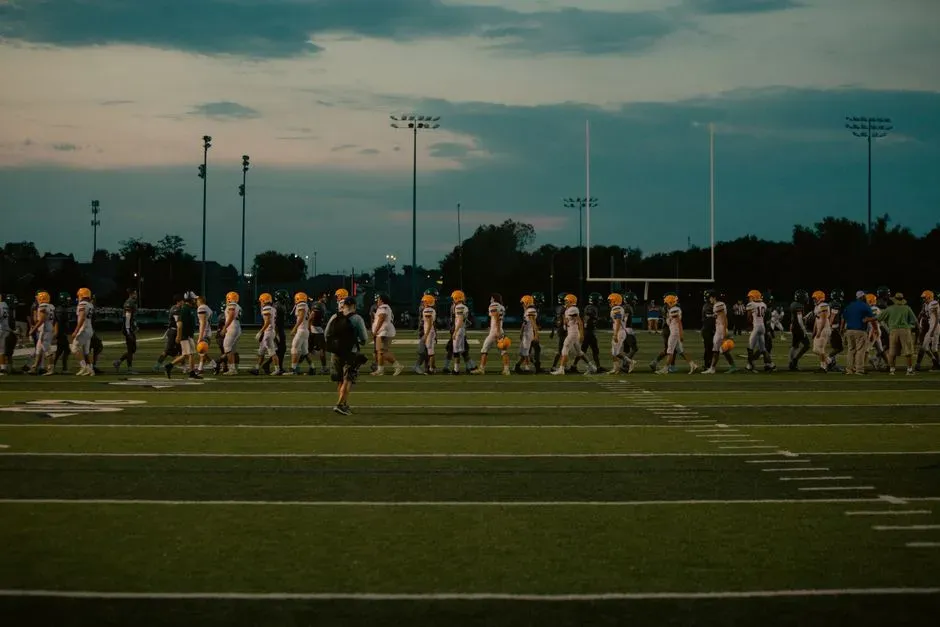
In many towns, fall meant bleachers, marching bands, and a thermos of hot chocolate. Games were a community event that drew families, alumni, and students who barely cared about the score. Homecoming week added parades, pep rallies, and a dance.
High school football remains the most popular boys’ sport in the United States by participation, according to the National Federation of State High School Associations. The social side has been remarkably durable. The setting felt like the center of town life for a few months each year.
Corn Mazes and Pumpkin Patches
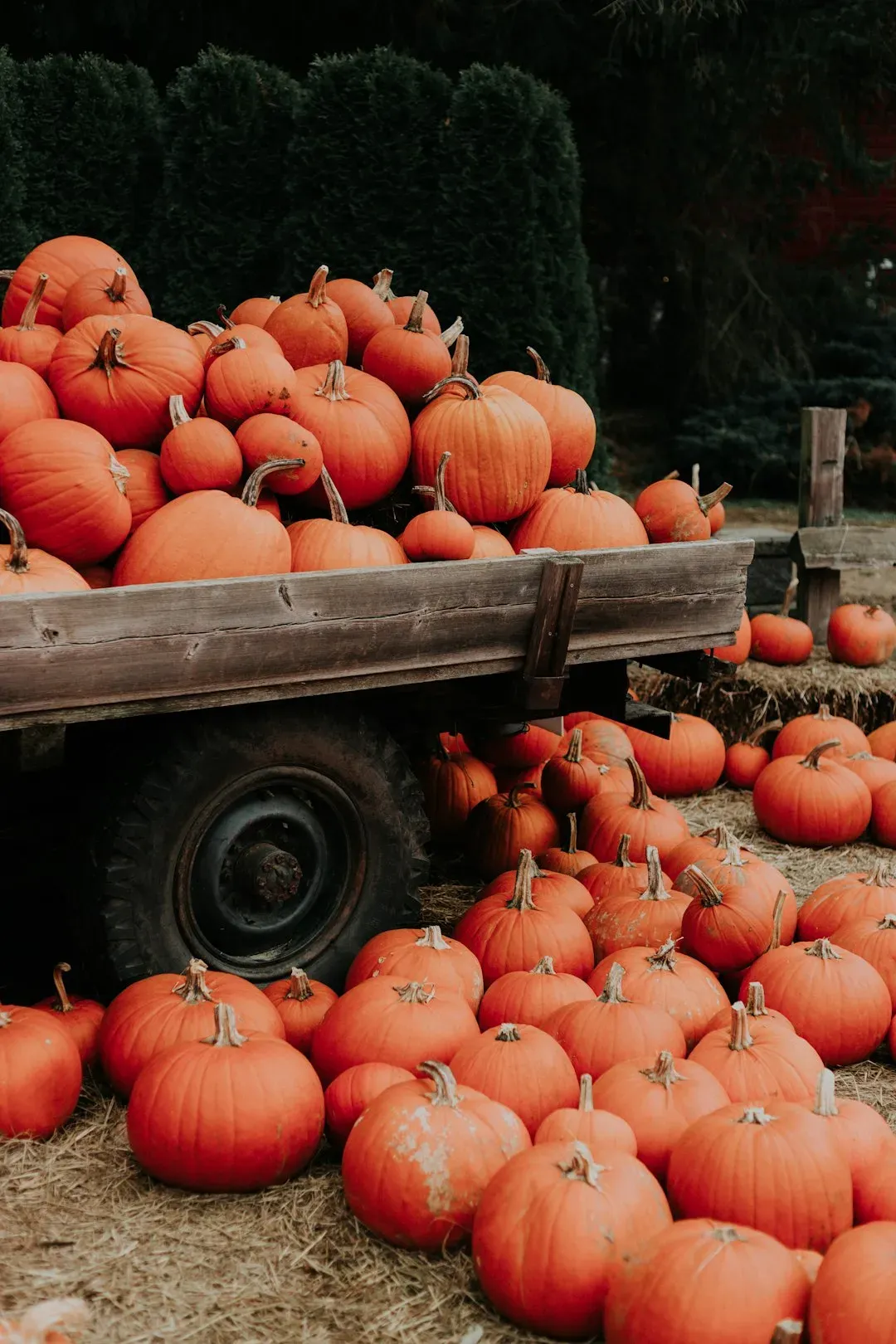
Pumpkin picking was already a seasonal habit in the 1970s and 1980s, with families walking fields to choose their own. Corn mazes arrived later in the United States, with the first widely noted designs appearing in the early 1990s. Farms in the earlier decades more often relied on hay bales, wagons, and simple scarecrow displays.
Over time, agritourism grew into a meaningful income source for many farms. The USDA Census of Agriculture has tracked growth in farms offering recreational and agritourism services. What started as a field and a few pumpkins has become a full fall business for many families.
Bonfires and Caramel Apples

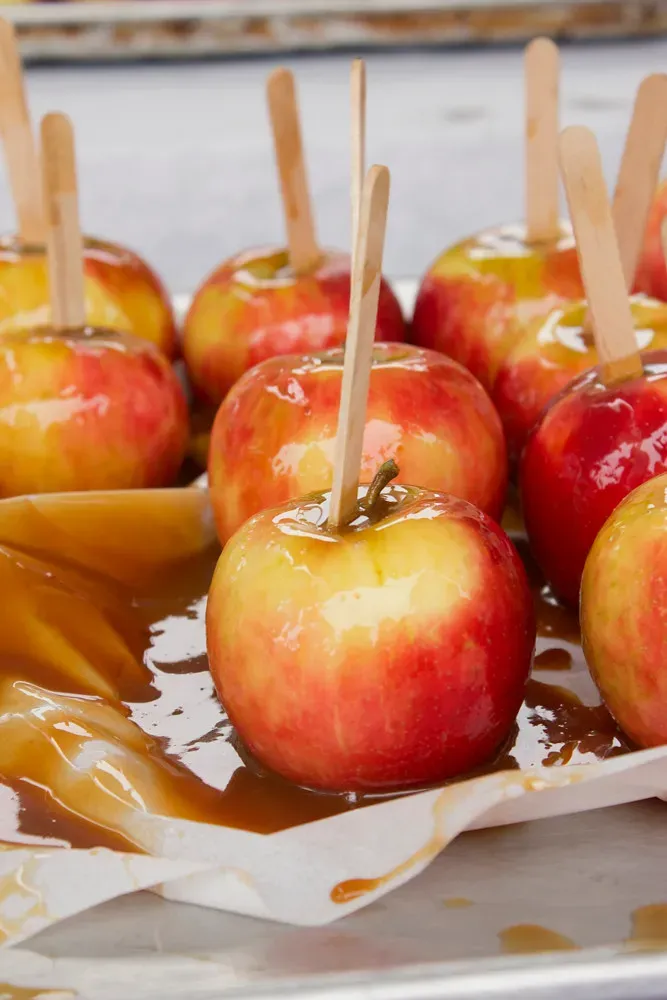
A backyard fire, a stick for marshmallows, and an evening cold enough to make everyone stand close. Bonfires were a regular part of fall nights, especially in rural areas and at football rallies. Caramel apples, whether homemade or bought, rounded out the treats.
Caramel apples are generally traced to the 1950s, when a Kraft employee is said to have experimented with leftover caramel and apples. By the 1970s and 1980s they were a standard fall sweet. Today, local fire rules often limit open burning, so many families check regulations before lighting anything.
Partner offer
Planning a trip to Vegas?
Compare hotel rates and show tickets on VEGAS.com.


