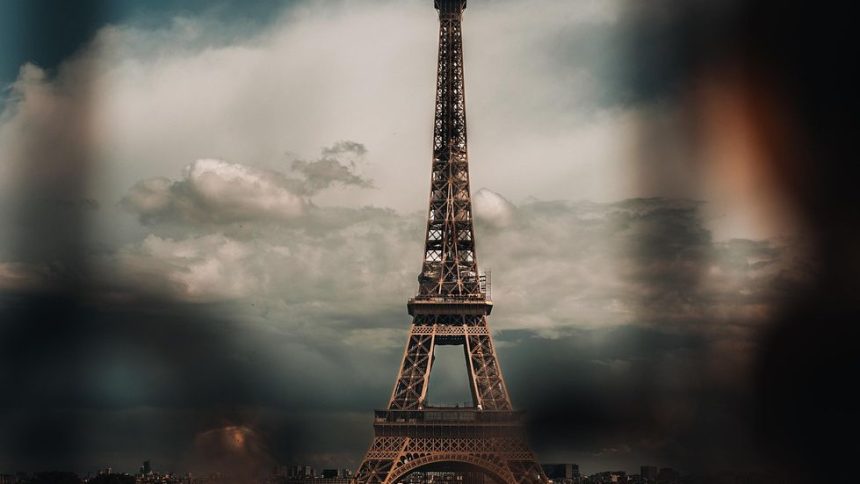
Some of the world’s most beloved structures have one thing in common that nobody talks about enough. They almost never happened. From furious petitions and financial collapse to wartime destruction and political sabotage, the road to iconic status was anything but smooth for these ten famous landmarks. The stories behind them are more dramatic, more human, and honestly more surprising than most people realize.
So let’s get started.
1. The Eiffel Tower, Paris: The “Monstrous” Iron Lady Nobody Wanted
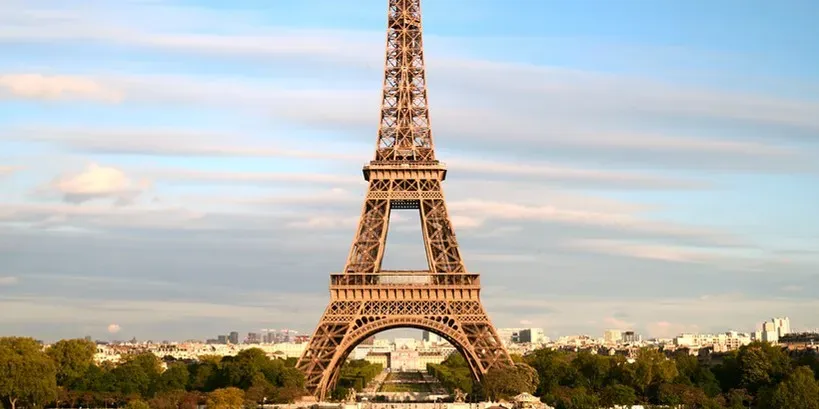
Here’s the thing about the Eiffel Tower. It is arguably the most recognizable structure on Earth today, yet before a single rivet was driven in, the most celebrated minds in France were publicly begging for it to be stopped. On February 14, 1887, the famous “Protest against the Tower of Monsieur Eiffel” was published in Le Temps newspaper, calling on those responsible for the Exhibition to put a stop to it. The letter was signed by major names in the artistic and literary world, including composer Charles Gounod, writers Guy de Maupassant and Alexandre Dumas (son), and poet François Coppée, as well as classical architects like Charles Garnier, who designed the Opéra Garnier.
Originally intended as a temporary installation, the Eiffel Tower’s creator only received a 20-year land-use permit for it. Since Eiffel footed roughly four-fifths of the tower’s construction costs, he was permitted to have the structure stand for 20 years in order to recoup his investment before it passed into the hands of the Parisian government. Demolition was genuinely on the table.
Determined to avoid the tower’s destruction, Gustave Eiffel went to great lengths to prove its scientific utility, including experiments in astronomy and physiology, but what would really save the tower in the end was its use as a radio antenna tower, first for military communications and then for permanent radiotelegraphy. The tower received two million visitors during the World’s Fair of 1889. Critics were silenced, and the rest, as they say, is history.
2. The Sydney Opera House: The Project That Was 29 Times Over Budget
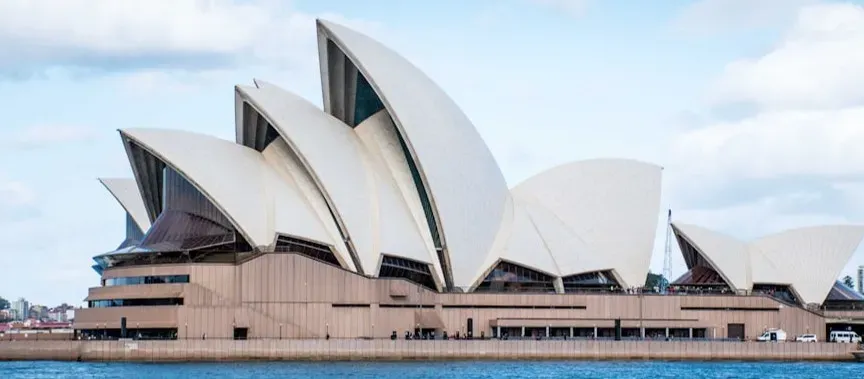
Honestly, when you learn the full story of the Sydney Opera House, it’s almost shocking that it was ever finished. The project was originally scheduled for four years, with a budget of AUS $7 million. It ended up taking 14 years to complete and cost AUS $102 million. The final project was delivered 10 years late and 29 times over budget.
This massive cost overrun created Australia’s biggest construction scandal and nearly led to project cancellation multiple times. Further problems emerged in 1966 as Utzon was forced to resign after the Ministry of Works stopped payment to him following the election of a new Liberal government in 1965. Utzon left in frustration, taking his designs and plans with him.
In 1961, Utzon had solved the seemingly “impossible” shell geometry by reconceptualizing the structures as segments of spheres rather than parabolic curves, a breakthrough that enabled prefabrication of 2,194 concrete segments, making the revolutionary design actually buildable. Today, the opera house brings in an estimated $775 million AUD to the economy in Australia each year through tourism and cultural events.
3. The Statue of Liberty, New York: When America Nearly Lost Its Greatest Symbol
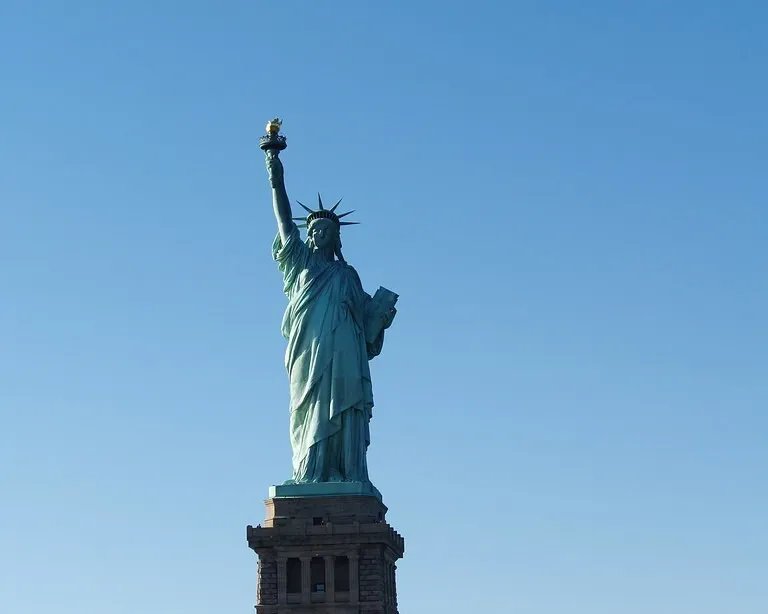
Most people assume the Statue of Liberty was a smooth and proud gift from France to the United States. Let’s be real, it was anything but. Even when the statue arrived in New York City nearly a decade after the planned deadline, the American Committee of the Statue of Liberty still hadn’t raised the roughly $250,000 to $300,000 necessary to build the pedestal. Grover Cleveland, the governor of New York, vetoed a bill to provide $50,000 for the project in 1884. An attempt the next year to have Congress provide $100,000 also failed. The New York committee, with only $3,000 in the bank, suspended work on the pedestal.
With the project in jeopardy, groups from other American cities, including Boston and Philadelphia, offered to pay the full cost of erecting the statue in return for relocating it. Just imagine Lady Liberty standing in Boston Harbor instead. On March 16, 1885, Joseph Pulitzer asked readers of his newspaper the New York World to send in donations for the pedestal.
By August 1885, more than 120,000 people had donated upward of $100,000, enough money to complete the pedestal. This could be considered America’s first-ever crowdfunding campaign, making Pulitzer’s World the first crowdfunding platform in history. The pedestal was completed in April 1886, and on October 28, 1886, President Grover Cleveland oversaw the dedication of the Statue of Liberty in front of thousands of spectators.
4. The Sagrada Família, Barcelona: A Cathedral Still Being Built After 140 Years
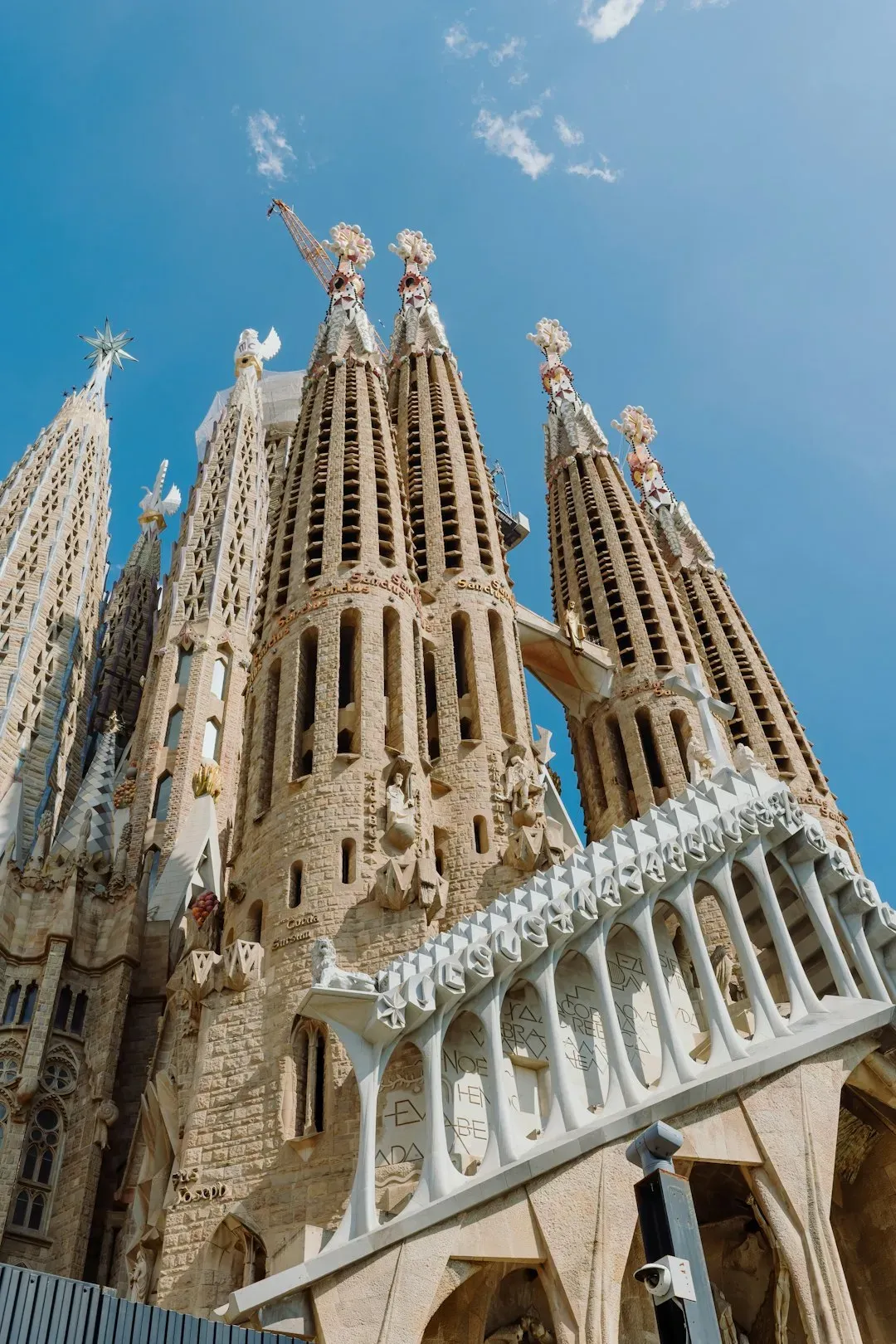
No landmark on this list has faced a more turbulent path than Antoni Gaudí’s extraordinary basilica in Barcelona. It has been under construction for nearly 150 years, making it the biggest unfinished church on Earth. Construction began in 1882 under Francisco de Paula del Villar, who envisioned a traditional Gothic Revival church. When he resigned the following year, Gaudí took over and steered the plans down a far more radical route.
In 1936, at the onset of the Spanish Civil War, members of the Iberian Anarchist Federation broke in and destroyed many of Gaudí’s plans and models, requiring 16 years to recreate his original vision. At the time of Gaudí’s death in 1926, barely a fourth of the basilica had been completed. The project survived on private donations alone, with no government funding to rely on.
On October 31, 2025, the Sagrada Família became the world’s tallest church after a part of its central tower was lifted into place and reached 162.91 meters, surpassing Ulm Minster at 161.53 meters. The tower is intended to reach 172 meters when completed, expected in 2026. After nearly a century and a half, completion is finally within sight.
5. The Washington Monument, USA: A Half-Finished Stump in a Cattle Field
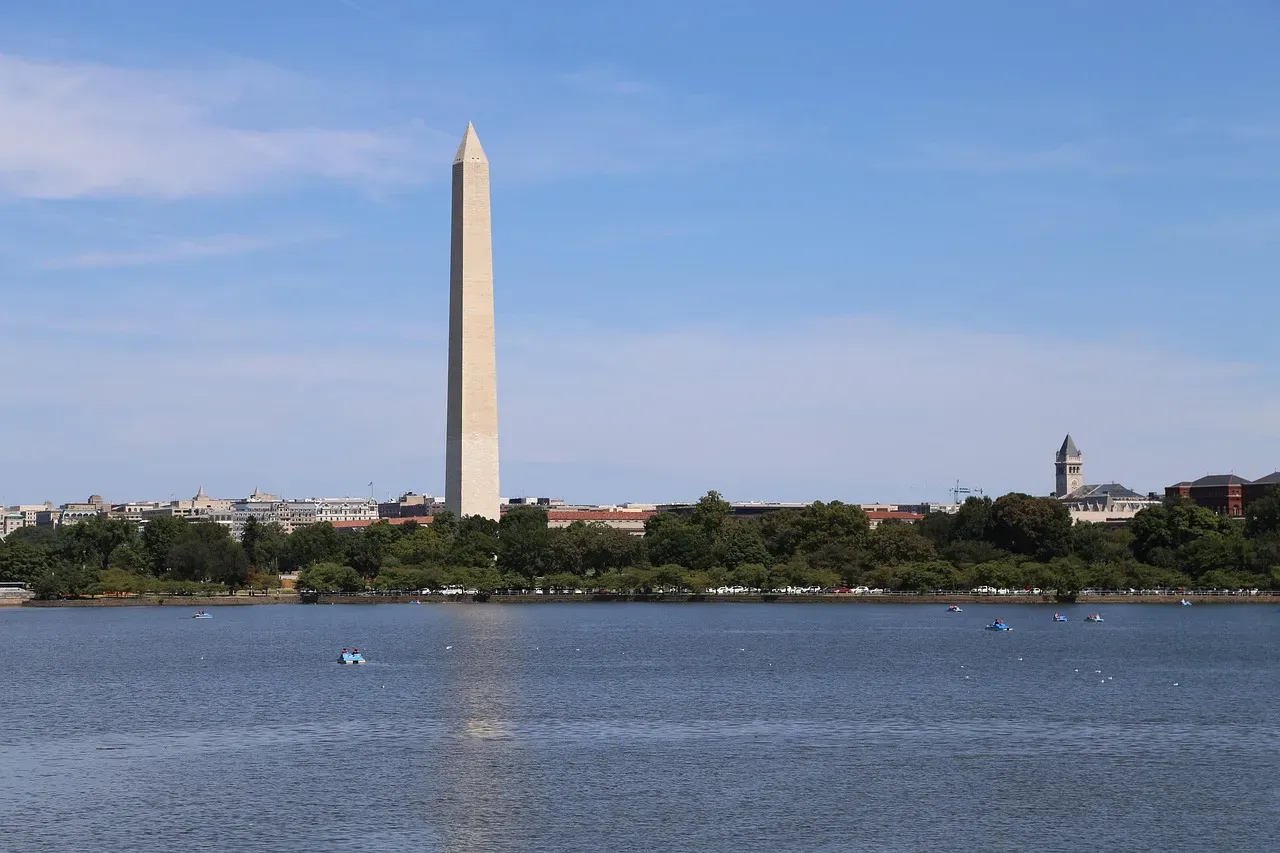
If you think construction controversies are a modern problem, the Washington Monument will quickly change your mind. It took nearly four decades to build the enormous monument in the mid-19th century, during which time it was occupied by a political fringe group, beset by controversy, and stalled by a lack of funds. At one point, the unfinished tower stood abandoned for years, with cattle grazing around its base.
The Know-Nothing political faction infiltrated the monument committee and essentially occupied the site from 1855 to 1858. The controversy, combined with the economic downturn caused by the American Civil War, essentially stopped construction. The obelisk remained a half-finished stump, and the land surrounding it became a cattle pasture during the war.
After the Civil War ended in 1865, the incomplete monument was decried as a national embarrassment. Party loyalists had reportedly broken into the Washington Monument site earlier, absconding with “the Pope’s Stone” and throwing it in the nearby Potomac River. It was never recovered, but the interior walls of the finished monument hold 193 of the commemorative stones, visible on the elevator descent from its top. Construction finally resumed in 1877 under the U.S. Army Corps of Engineers and the monument was completed in 1884.
6. Big Ben, London: Cracked Bells, Scandals, and a Clock Tower in Peril
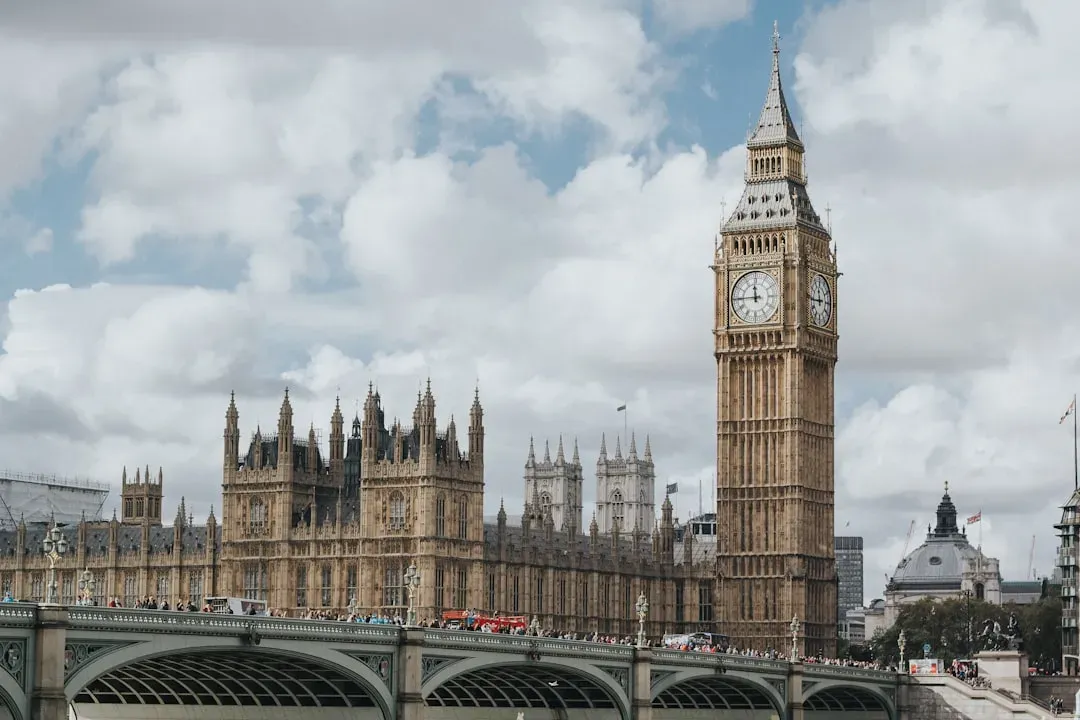
Big Ben feels eternal. A rock-solid symbol of British identity perched over the Thames since forever. The reality? Its construction was plagued by catastrophes from the very start. Big Ben’s story began in 1834 when the old Palace of Westminster was destroyed by fire, and a design competition was held to rebuild it, with Charles Barry’s Gothic Revival plan emerging as the winner. By 1856, after years filled with setbacks including labor disputes and material shortages due to issues sourcing high-quality stone, they finally installed the Great Bell weighing over thirteen tons.
Just two months after Big Ben first sounded in 1859, it was cracked by its heavy striker and taken out of commission for three years. The first Big Ben had already developed a crack of 1.2 meters during testing, and the bell’s manufacturer and the designer of the Great Clock clashed bitterly over who was responsible for the damage. A whole replacement bell had to be recast.
The tower’s foundations rest on a layer of gravel, below which is London Clay, and owing to this soft ground, the tower leans slightly to the north-west by roughly 230 mm over 55 meters of height. In the 1990s, thousands of tons of concrete were pumped into the ground underneath the tower to stabilize it during construction of the Westminster section of the Jubilee line of the London Underground. Even in recent decades, this giant nearly faced structural crisis.
7. The Sagrada Família’s Predecessor: How the Original Architect Walked Out Before It Began
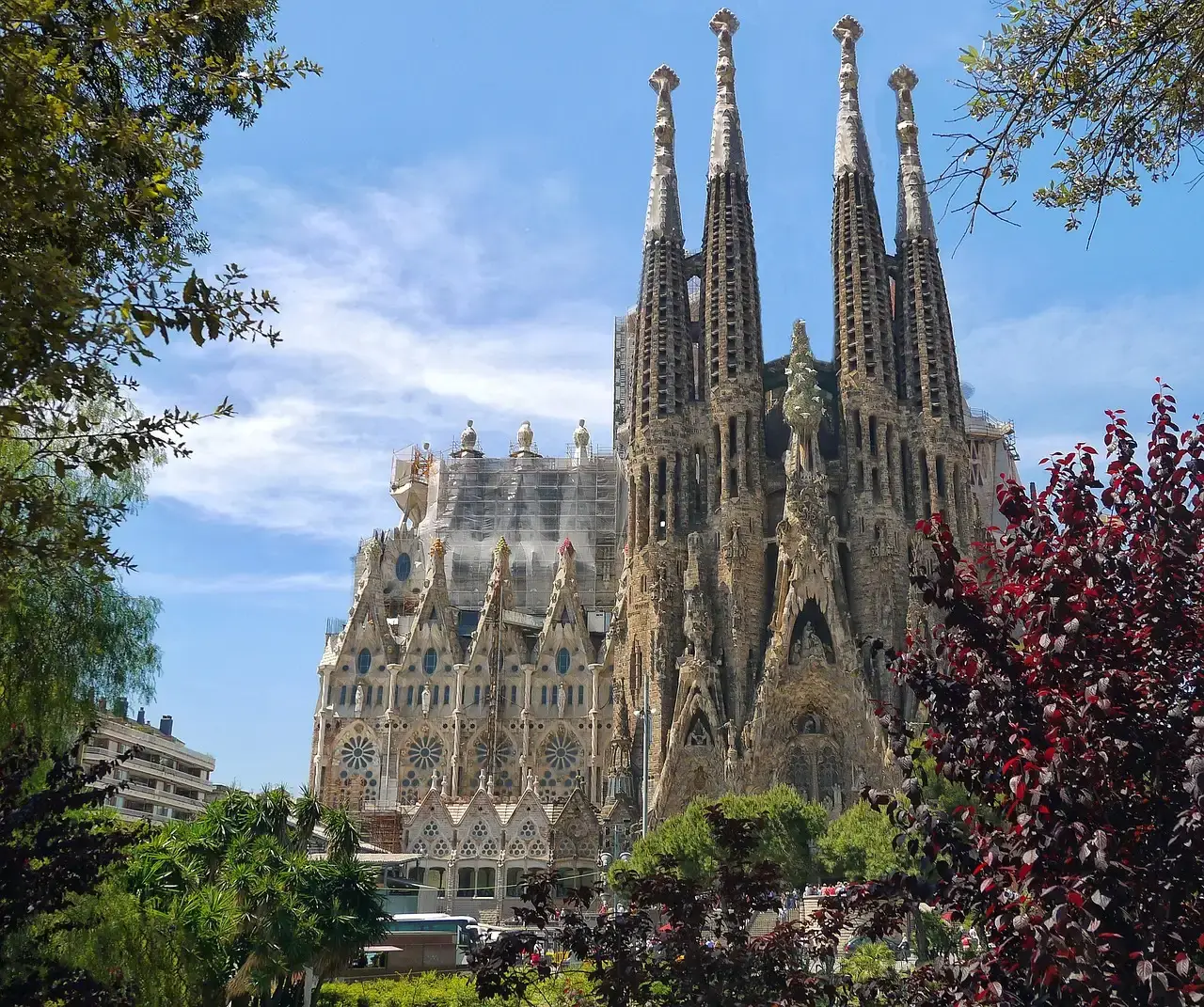
Wait, you already know Gaudí took over from someone else, but the drama of that first architect deserves its own moment. The Sagrada Família’s construction first began in March of 1882. The first architect was Don Francisco de Paula del Villar, but he quickly abandoned the project due to disagreements over the design, and Gaudí took over the following year. Without that early walkout, Gaudí’s radically nature-inspired vision might never have been applied to this site at all.
The Sagrada Família has been a topic of debate since its inception, as many took issue with the fact that the church was commissioned not by the official archdiocese but by a bookseller. Other concerns included how ongoing construction impacts local tourism, the quality of life for Barcelona residents, and the fact that it may overshadow Barcelona’s official cathedral.
The Sagrada Família’s unfinished state can be attributed to a combination of factors, including changes in design, funding challenges, and external events like the Spanish Civil War and the COVID-19 pandemic. Despite the challenges, it has been able to continue construction thanks to the efforts of the Sagrada Família Foundation, which has been raising money through donations and ticket sales. It’s a miracle it’s still standing, let alone almost done.
8. The Sydney Opera House Interior: When the Architect Vanished Mid-Project

I know we covered the Sydney Opera House budget scandal earlier, but the story of what happened to the interior deserves its own spotlight. It is genuinely one of the strangest chapters in architectural history. In March 1966, Utzon was offered a subordinate role as “design architect” under a panel of executive architects without any supervisory powers over the House’s construction. He rejected this, and left Australia, never to return.
At that point, new architects were appointed and significant changes were made with regard to the interior design, causing more delays. Critics also point out that there was no effective project manager at any stage, and that the Sydney Opera House Executive Committee, set up by the government to oversee the development, was made up primarily of political figures with little technical experience.
The layout of the interiors was changed, and the stage machinery, already designed and fitted inside the major hall, was pulled out and largely thrown away. Utzon was never to return to Australia, never to see the final result of his work that was recognized as an incredible feat of architecture. It’s hard not to feel the tragedy in that.
9. The Eiffel Tower’s Secret Rival: The Sun Tower That Almost Won
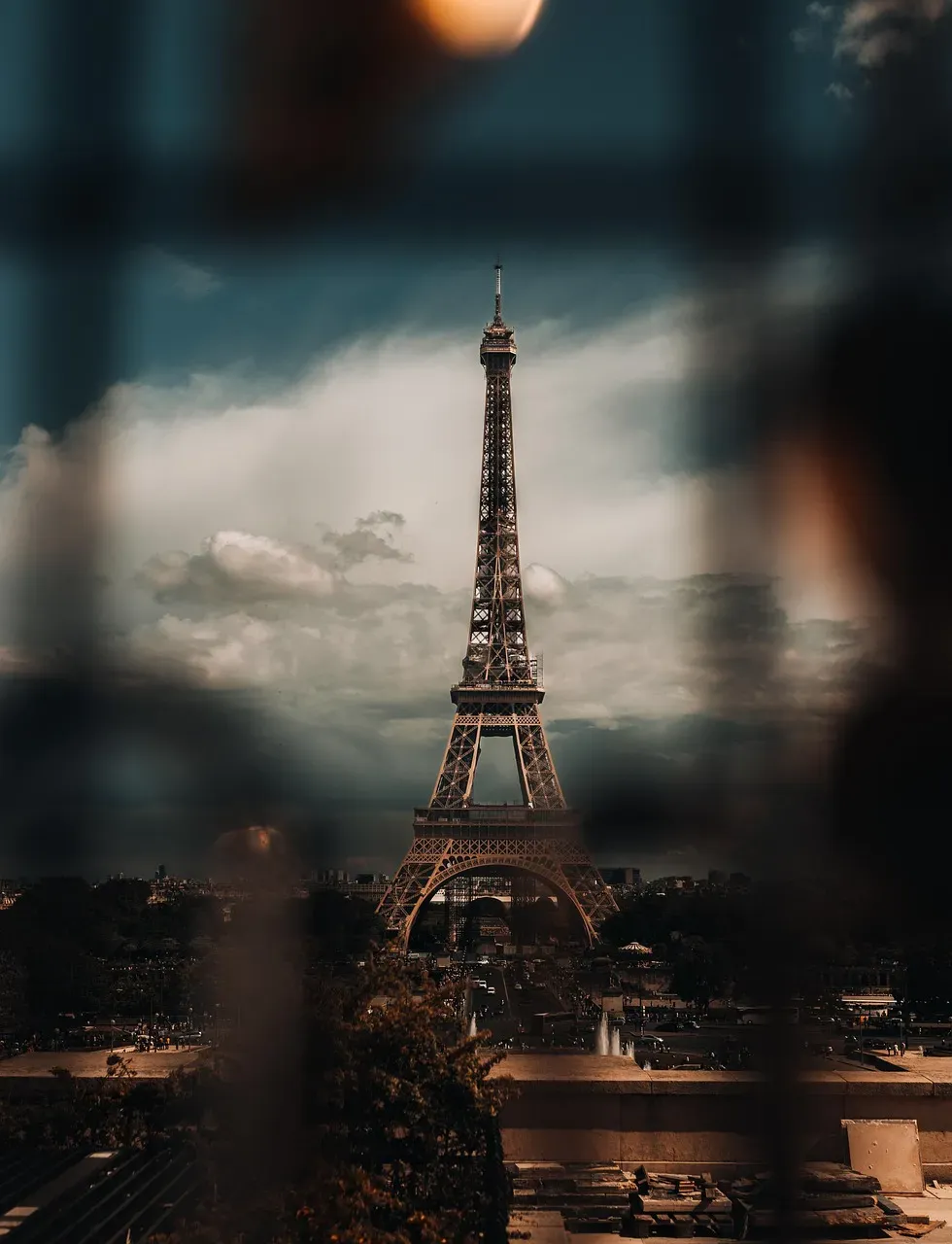
Here is a fact that almost nobody talks about. Before Gustave Eiffel’s iron tower was selected, there was another audacious proposal competing for the exact same spot. Jules Bourdais proposed a competing project for a monumental 1,200-foot tower, made out of granite and porphyry and topped with a powerful beacon, named the Sun Tower. The two projects were total opposites: stone versus iron, an architect versus an engineer, classic versus modern.
The battle occurred in the press, with Eiffel and Bourdais mobilizing their supporters. Given his reputation and support from the new Prime Minister, victory seemed easy for Bourdais. However, Gustave’s utilitarian and patriotic argument that the tower would provide essential services to science and national defence, coupled with his realistic timeframe and controlled cost, made him win the battle.
Think about it. Had Bourdais won that contest, Paris would be dominated by a massive stone lighthouse today, and the Eiffel Tower simply would not exist. Eiffel’s design for a steel lattice tower beat more than 700 other submissions received by the Centennial Exposition Committee. The world came incredibly close to a very different Paris skyline.
10. The Statue of Liberty’s Pedestal: Construction Halted for Five Months Due to Empty Funds
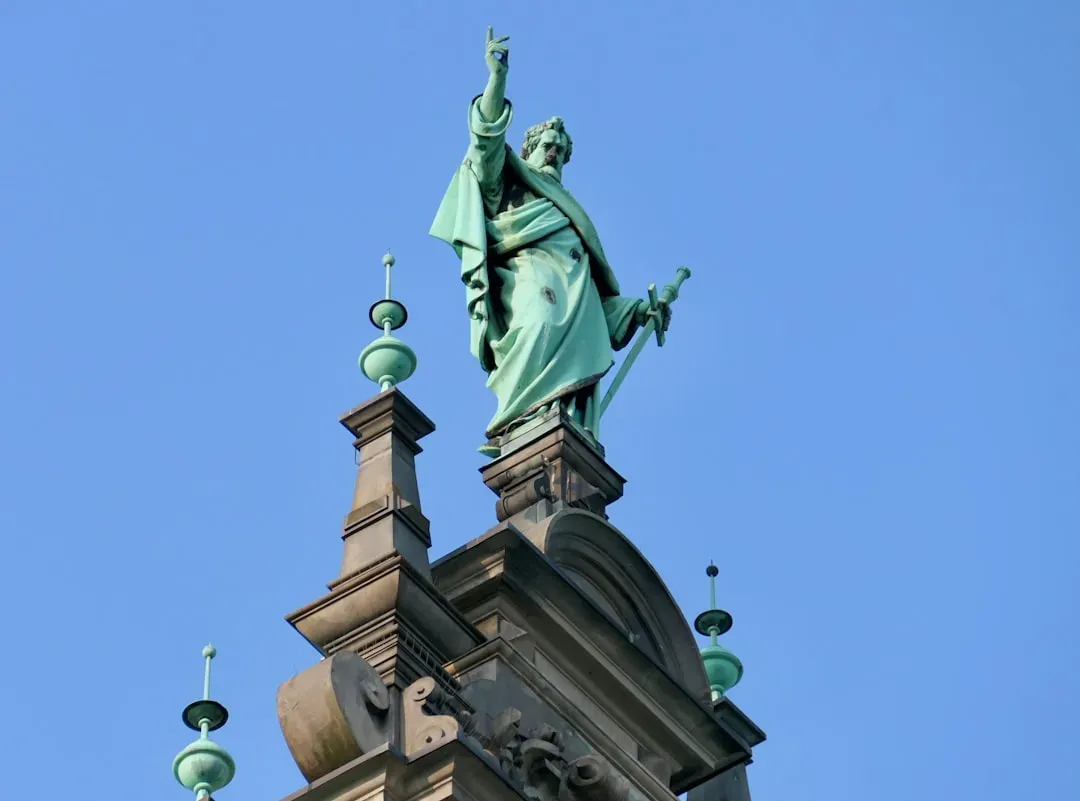
Even after the fundraising drama was resolved, the physical construction of the Statue of Liberty’s pedestal still ground to a halt. Construction of the pedestal was temporarily suspended for a five-month period in 1885 due to a lack of funds. The statue itself had already arrived in New York Harbor, sitting in pieces in crates, waiting for somewhere to stand.
For its trans-Atlantic voyage aboard the frigate Isère, the statue was reduced to 350 individual pieces and packed in 214 crates. The ship arrived in New York Harbor on June 17, 1885. While awaiting construction of its pedestal, the statue remained in pieces on what was then called Bedloe’s Island. It’s an almost surreal image to picture Lady Liberty just sitting there in boxes.
Instead of relying on failed attempts to obtain donations from millionaires, Pulitzer reached out to common people including recent immigrants and school children and was able to collect enough donations to complete the pedestal over a 21-week period. The Statue of Liberty campaign was unique due to how quickly the money was raised, the large number of small donors, and the fact that it was all conducted through one source: the newspaper. A gift from France, saved by the ordinary people of America.
Conclusion: The Thin Line Between Icon and Oblivion
Every one of these landmarks teetered on the edge of never existing at all. Political opposition, funding collapse, architectural walkouts, cracked bells, wartime destruction. The gap between a rusting stump in a cow pasture and one of the world’s most treasured monuments often came down to one determined person, one lucky breakthrough, or one last-ditch campaign. It’s a reminder that the things we take for granted were rarely inevitable.
Next time you look up at the Eiffel Tower or sail past the Statue of Liberty, remember: you’re looking at a triumph that very nearly didn’t happen. Which of these near-misses surprised you the most? Share your thoughts in the comments below.