Every year, millions of people pack their bags, grab their tickets, and head to music festivals full of excitement and anticipation. The stages, the crowds, the energy – it’s genuinely one of life’s great shared experiences. Yet underneath all that magic, there are real risks that most attendees simply never think about until something goes wrong.
Worldwide, nearly 70,000 people have suffered significant injury and 232 have died at approximately 300 outdoor music concerts over a single ten-year period – and that’s likely an undercount. Whether you’re a seasoned festival veteran or a first-timer, the tips below could genuinely be the difference between a story you laugh about later and one you’d rather forget. Let’s dive in.
1. Know Your Exits Before the Music Starts

Most people walk through the gates thinking about the lineup, not the layout. Honestly, that’s completely understandable. But here’s the thing – the few minutes you spend locating exits and first-aid tents when you arrive could save your life later.
Once you arrive at the festival, take a few minutes to locate essential areas like the first-aid tent, security posts, and exit points. Knowing where these are will help you react quickly if something goes wrong.
As one attendee who went to Boston Calling told Newsweek, “if I’m thinking about fire safety or concerns of something happening and needing to exit, it does feel a little worrisome to not have multiple places that are an apparent way to leave a big gathering.” That feeling is your gut telling you something important. Trust it early, not when panic is already setting in.
2. Understand Crowd Crush – It’s Not a Stampede

Most people hear the word “stampede” and picture people running in a panic. The reality at festivals is often far more silent and far more deadly. A crowd crush is something entirely different, and confusing the two can get you killed.
Crowd density is the primary factor in crowd collapses, not the overall size of the crowd. When densities reach 4 people per square meter, the situation becomes dangerous. At 6 or 7 people per square meter, the crowd behaves like a fluid, with shockwaves rippling through it. Even a minor disturbance can trigger a cascade of falling bodies, leading to a catastrophic collapse.
Between 1980 and 2022, there were an estimated 440 crowd surge incidents, which led to more than 13,700 deaths and 27,000 injuries. The 2021 Astroworld tragedy brought this into sharp focus: on November 5, 2021, a fatal crowd crush occurred during the Astroworld Festival in Houston. Eight people were pronounced dead on the day of the incident, and two more died in the hospital in the following days. The medical examiner’s office declared the cause of death to be compressive asphyxiation.
3. Position Yourself Smartly in a Crowd
Where you stand in a crowd matters enormously. It sounds trivial, like choosing a seat on a plane. But in a dense festival crowd, your position can determine whether you’re simply uncomfortable or genuinely trapped.
If you’re stuck in a stampede or a crowd crush, fold your arms toward your body like a boxer to keep yourself steady and safe from being pulled or caught. Try to keep some breathing space around your face. That’s because a lack of oxygen could cause you to faint or feel dizzy. Keep your feet firmly on the ground.
Steer clear from walls, railings, fences, or other solid or barricading objects. This is where crowd pressure tends to surge. I know it sounds counterintuitive – you’d think standing near the barrier makes you safer – but it’s exactly the opposite. Move toward open space whenever you feel the crowd tightening around you.
4. Never Underestimate Heat and Dehydration

Heat is the quiet killer at festivals. It doesn’t arrive dramatically. It creeps up on you while you’re dancing, distracted, possibly drinking – and then suddenly someone near you is collapsing, or it’s you who can’t remember where you parked or what day it is.
Dancing for long periods of time, especially in hot environments, is a major risk factor for dehydration and heat-related illness. Heat exhaustion can become life-threatening heatstroke if someone isn’t cooled off. In one incident at a U.S. rock festival, over 100 attendees were treated for heat illness and 27 were hospitalized due to a single day’s heat.
Preventing heatstroke comes down to keeping your body cool, but the solution isn’t to drink as much water as possible – over-hydrating can also be very dangerous. Your body has a delicate balance of electrolytes, chemicals that conduct electricity when dissolved in water. A good rule of thumb? Drink a little less than 1 liter of water per hour when you’re exerting yourself, even if you don’t feel thirsty.
5. Be Honest About Drug and Alcohol Risk
Let’s be real: this tip makes a lot of people roll their eyes. People are going to do what they’re going to do at festivals. But the data on drug-related harm at these events is genuinely alarming, and ignoring it doesn’t make it go away.
Drug toxicity was the most common primary cause of death at festivals, accounting for nearly half of all cases, followed by external injuries in the setting of drug use. Drug use among music festival attendees is disproportionately high compared with the general population. A recent survey of 2,305 participants at 23 festivals in Victoria reported that nearly half had recently used drugs.
Importantly, most deaths were unintentional and could potentially be prevented through the implementation of harm reduction strategies, including drug checking services. Never take drugs from a stranger, and test everything. While in an ideal world no one would take drugs, it’s important that those who choose to partake do it smartly. Drug test kits are easily available and can identify tainted drugs.
6. Watch Your Drinks – Spiking Is a Real Threat

Drink spiking is one of those risks that people hear about in the abstract and then completely forget about once they’re standing at the bar with a beer in hand. It happens far more than most people realize, and the consequences can be catastrophic.
Spiking is when someone puts alcohol or other drugs into a person’s drink or body without their knowledge or consent. Someone may be spiked by an individual who is trying to incapacitate them in order to commit a crime including sexual assault or robbery. The most common substance used to spike people is alcohol, but people can also be spiked with illegal or prescription drugs.
Festival attendees should remain wary about drink spiking because perpetrators target victims by adding drugs to their beverages, which can make them become unconscious or unable to resist. The practical tip here is simple: never leave your drink unattended, and never accept a drink from someone you don’t know well. It’s not rude. It’s just smart.
7. Protect Yourself Against Sexual Harassment and Assault

This is the tip that genuinely makes people uncomfortable to read – which is exactly why it needs to be said clearly. Sexual harassment at festivals is not a rare edge case. It is widespread and shockingly underreported.
Research has indicated that roughly one third of female visitors have experienced sexual harassment and around 8 percent have experienced sexual assault in a music event setting in the UK. In the USA, roughly 9 in 10 female attendees of music events reported experiencing sexual harassment. More generally, a significant proportion of women and roughly one fifth of male visitors experience unwanted behavior at music festivals in the UK; however, only 2 percent report these incidents to the authorities.
At numerous major festivals, officials have to handle numerous reports of sexual assault and harassment incidents. Predators execute their crimes against victims by using both dense crowds, alcohol intoxication, and isolated locations. Festivals are places to meet new people and make friends, but stay alert and try to avoid putting yourself in situations where you are alone in secluded locations with people you don’t know. Stay in groups when walking around at night and stick to well-lit paths.
8. Guard Your Valuables – Pickpockets Are Professionals
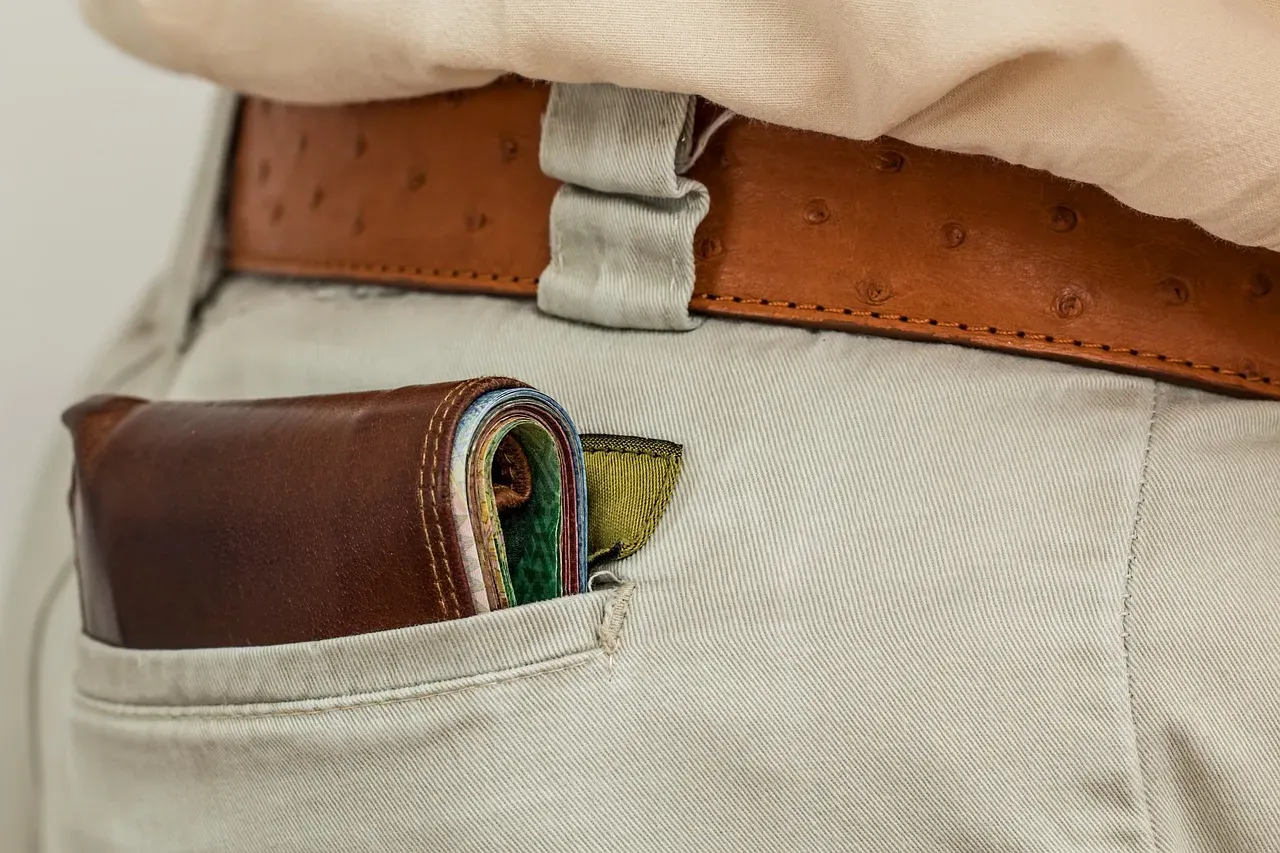
Festivals are paradise for pickpockets. Think about it from their perspective: tens of thousands of distracted, often intoxicated people, all pressed together, half of them with their phones hanging out of their back pockets. It’s almost too easy.
Statistics out of the UK, which hosts a number of notable music festivals, show that 1 in 500 festival-goers are the victim of crime, including a 1 in 640 chance of being pickpocketed. Music festivals are hotbeds of criminal activity, with attendees facing the prospect of falling victim to theft, drugs, violence, and sexual crimes.
Carry anti-theft bags with your wallet and phone placed in front pockets to protect your possessions, and minimize the display of valuable items. Think of it like traveling abroad – most people are careful with their belongings in an unfamiliar city, yet somehow drop that guard completely at a festival. Don’t be that person digging through the mud for a stolen phone at 2 a.m.
9. Have a Group Emergency Plan Before You Arrive
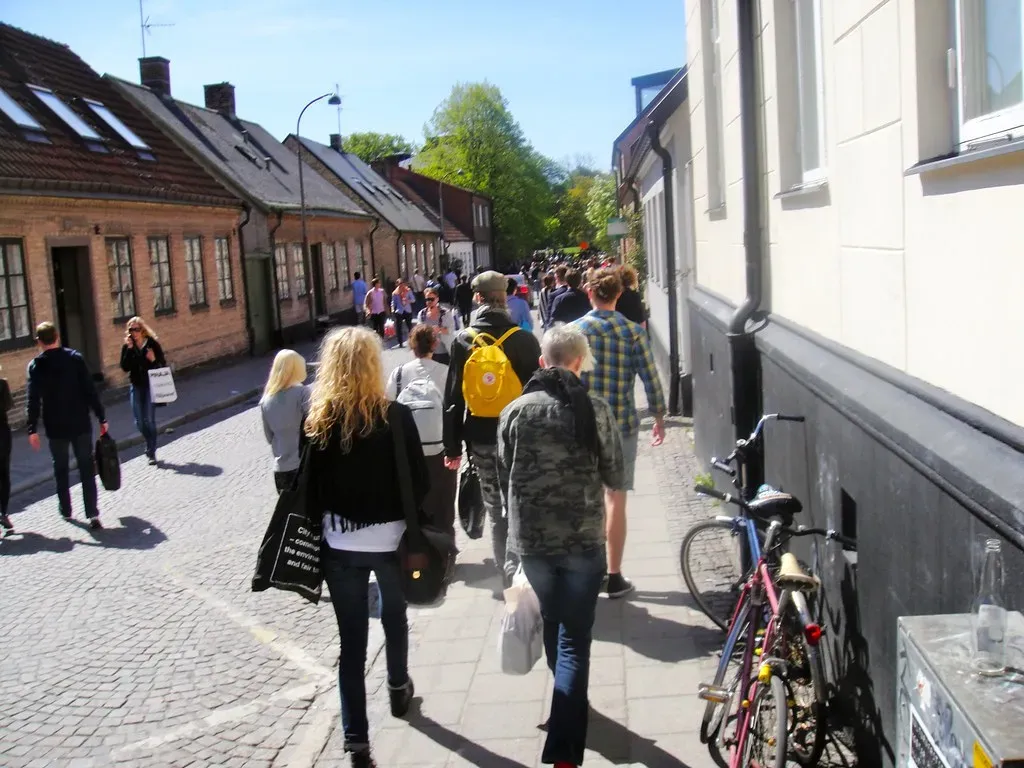
It’s amazing how many groups of friends show up to a festival with absolutely no plan for what to do if they get separated. Especially at huge, multi-stage events covering dozens of acres, losing your group can be genuinely distressing – and dangerous if someone in your group needs help.
It’s easy to become separated from your group in large crowds, especially at sprawling festival sites. Before the event, agree on a physical meeting point – not just “text me,” because phone service at large events is notoriously unreliable. Pick a landmark, a specific vendor stall, or a first-aid tent.
Music industry experts say there are not standard protocols, which leads to varying degrees of safety at each festival. That means you can’t always rely on the organizers to manage an emergency perfectly. Your group’s own internal plan may matter more than anything the venue provides. Keep a fully charged phone, carry a portable battery pack, and make sure everyone knows the plan before a single beer is consumed.
10. Don’t Ignore the Vehicles Around the Festival Site

This might be the most overlooked safety tip on this entire list. People obsess over what happens inside the festival grounds and completely forget that the roads and parking areas surrounding a big event can be genuinely dangerous – especially late at night when alcohol is a factor for everyone involved.
Don’t drive under the influence or hang out near roads. Many of the vehicle accidents that have occurred could have been avoided. No one should get behind the wheel while intoxicated, and pedestrians who are intoxicated should stay far away from moving vehicles.
Injuries and fatalities most often arise from stampedes, structural problems such as stage collapses, drunk driving, and other out-of-control crowd occurrences. The roads around a festival site after midnight, with exhausted and impaired drivers and pedestrians, are a recipe for tragedy. Plan your transport home before you go. Book it, arrange it, confirm it. Don’t improvise that particular part of your night.
A Final Thought Worth Remembering
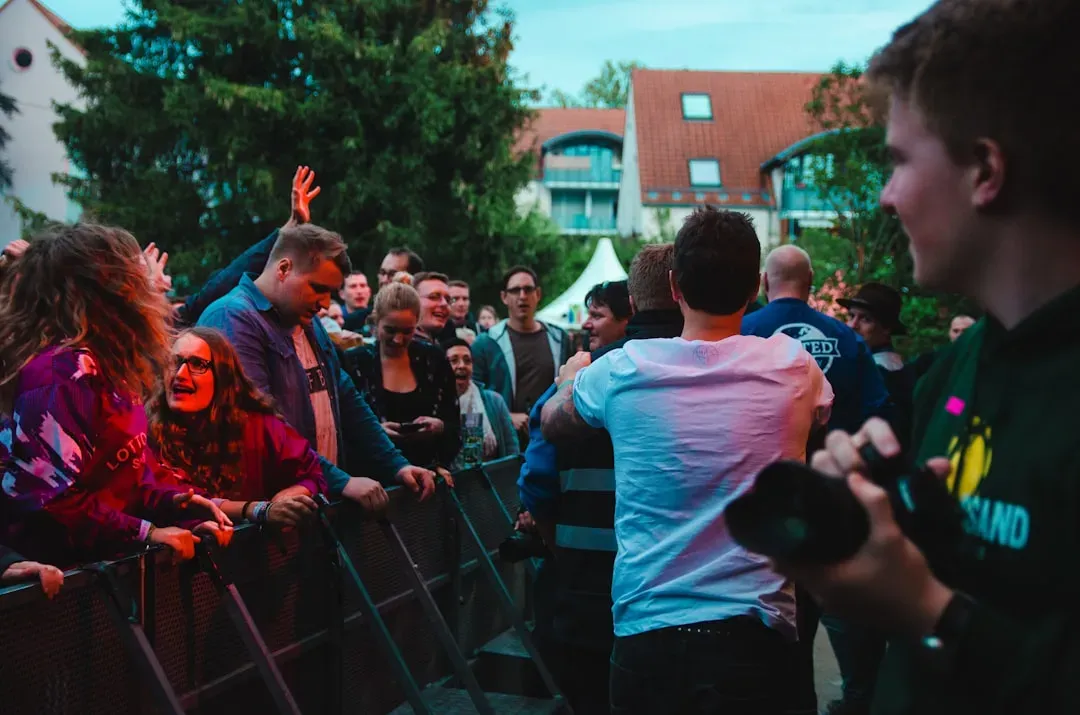
Festivals are genuinely one of the most joyful forms of communal human experience. The music, the strangers who become friends, the moments that stay with you for years – none of that disappears because you decided to be prepared. Preparation doesn’t kill the vibe. Avoidable tragedy does.
The sad reality is that most of the tips above are only learned after something goes wrong. A friend gets their wallet stolen. Someone collapses in the heat. A crowd surges and the panic is terrifying. These are not rare events – they happen at festivals across the world, every single season.
The good news? Every single one of the risks covered here is manageable with a bit of awareness and a few simple habits. Knowing your exits, staying hydrated, watching your drink, sticking with your group, and understanding how crowds behave can genuinely change outcomes. What would you have done differently at the last festival you attended?