



Box office numbers tell one story, and living rooms tell another. In the 1980s, cable channels like HBO, TBS, and USA filled their schedules with movies, and some films that stumbled in theaters found a second life there. Repeat airings, rental shelves, and word of mouth did the rest.
The ten films below all had disappointing or modest theatrical runs, based on widely reported figures. Each one went on to earn a loyal audience through endless replays. I’ve stuck to details that are well documented and left out anything I couldn’t stand behind.
The Thing (1982)

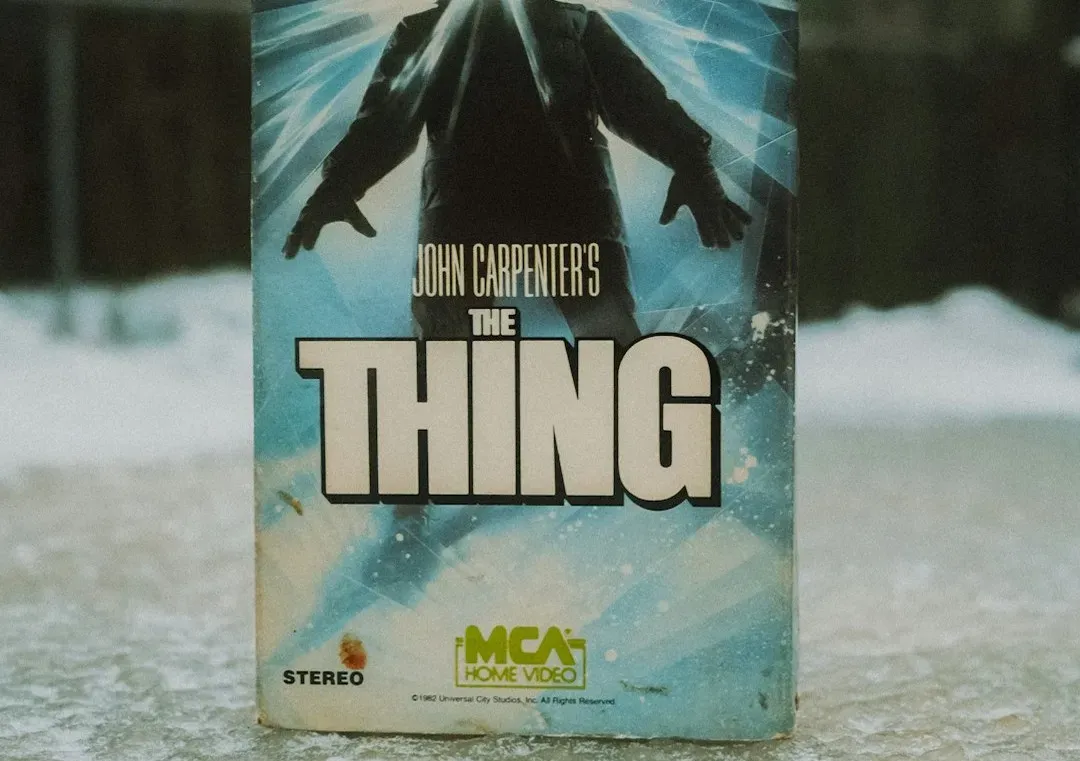
John Carpenter’s creature feature opened in June 1982, only a couple of weeks after E.T. The Extra-Terrestrial arrived and changed the mood of summer moviegoing. Critics were harsh on its graphic effects, and it earned roughly 19 million dollars in the United States against a budget reported at about 15 million.
Home video and cable gave it room to breathe. Over the following years it was reappraised, and it’s now regularly named among the best horror and science fiction films of its decade.
Blade Runner (1982)

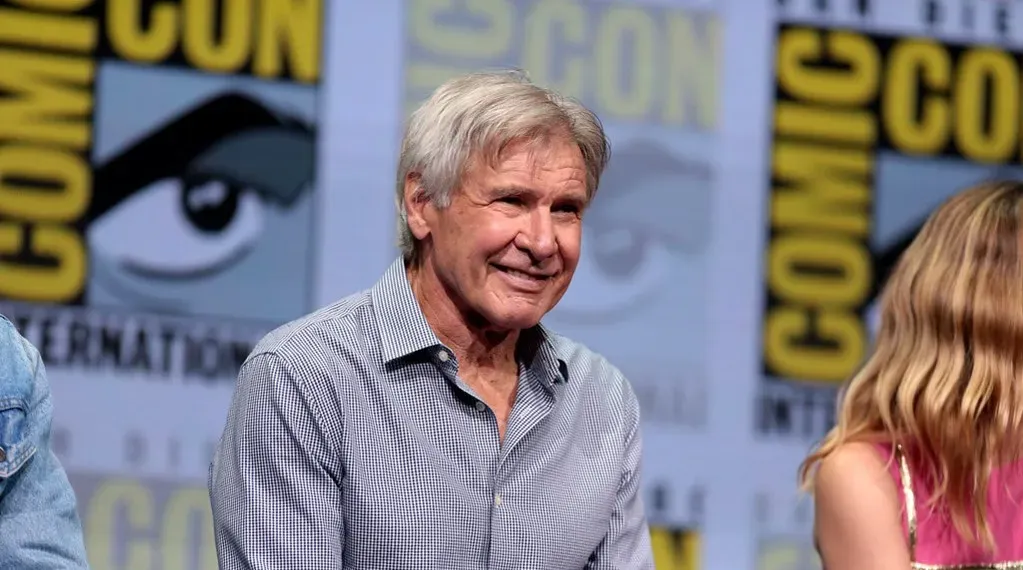
Ridley Scott’s futuristic noir was released the same month as The Thing and struggled as well. It reportedly made about 27 million dollars domestically on a budget of around 28 million. Reviews were mixed, and audiences expecting an action film were thrown off by its slow, moody pace.
Cable and video revivals helped build its cult status. Alternate cuts later followed, including the Final Cut in 2007, and a sequel arrived in 2017.
Better Off Dead (1985)

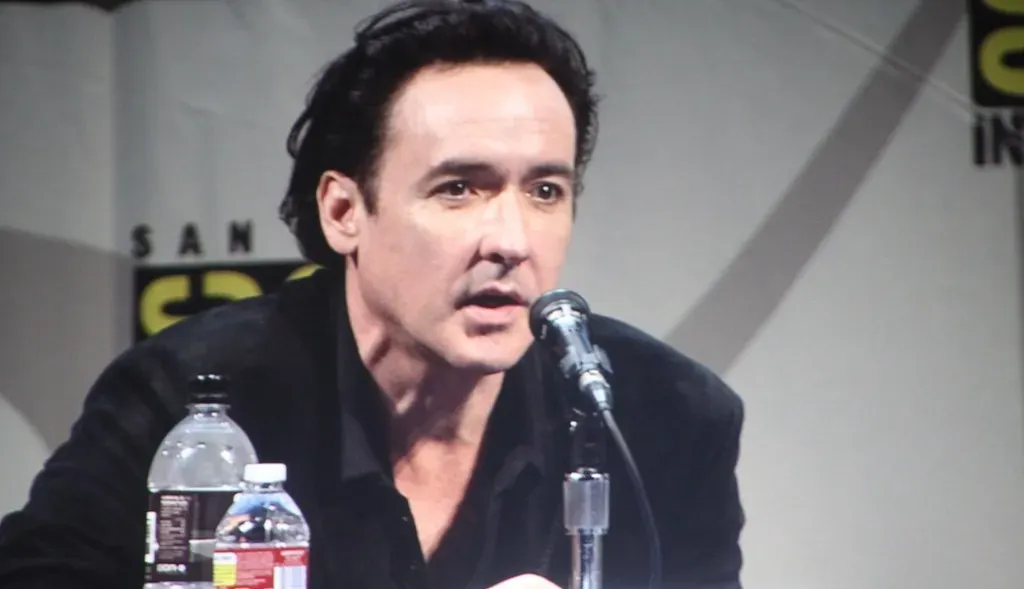
This dark teen comedy starring John Cusack had a small theatrical release and made only a few million dollars. Its surreal gags, like the animated hamburger sequence, didn’t catch on with mainstream critics at the time.
Cable airings and video rentals turned its jokes into shared quotes among a generation of viewers. Writer and director Savage Steve Holland has long been associated with it, and it remains a staple of 1980s nostalgia lineups.
Real Genius (1985)


Val Kilmer led this campus comedy about gifted students building a laser. It earned about 13 million dollars in the United States, which was considered a modest result. Reviews were generally positive, yet it never became a big hit on release.
It found a wider fan base through cable and home video. The popcorn scene and Kilmer’s performance are what many people recall first.
Labyrinth (1986)


Jim Henson’s fantasy, featuring David Bowie as the Goblin King, was a box office disappointment. It reportedly earned around 12 million dollars in the United States against a budget of roughly 25 million. Henson was said to be deeply affected by the cool reception.
Partner offer

Repeated cable showings and video releases changed its standing over time. Today it’s a widely loved family favorite with a devoted following, and it has returned to theaters for anniversary screenings.
Big Trouble in Little China (1986)

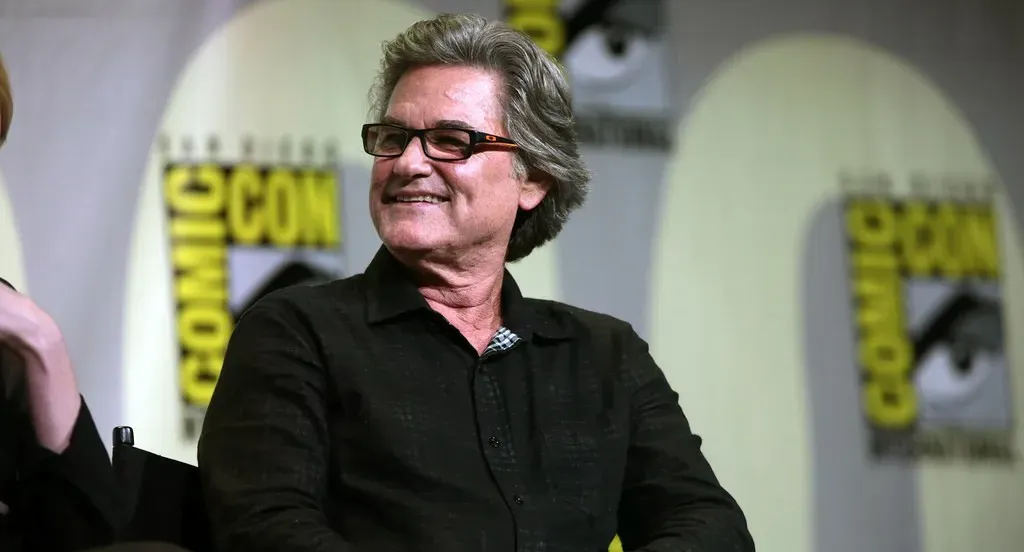
Another Carpenter film made this list, and it also arrived in a crowded summer. It earned about 11 million dollars domestically, well below its reported budget of roughly 25 million. Its mix of martial arts, comedy, and fantasy confused some audiences.
Cable and rentals built it a following that has lasted for decades. Kurt Russell’s bumbling hero is now seen as a clever twist on the action lead.
The Princess Bride (1987)


Rob Reiner’s fairy tale adventure earned roughly 30 million dollars in the United States. That was respectable but not spectacular, and the studio struggled to market a film that blended romance, comedy, and swordplay.
Video rentals and television airings gradually made it one of the most quoted films of its era. It was added to the National Film Registry in 2016, which speaks to how far its reputation has traveled.
Willow (1988)

George Lucas developed this fantasy epic, directed by Ron Howard. It earned about 57 million dollars in the United States, which was lower than expected for such a large production. Reviews were mixed, though its effects work drew attention.
Later cable runs made it a familiar fantasy staple for many viewers. Disney+ released a follow-up series in 2022, a sign that the original still had a lasting audience.
Used Cars (1980)


Robert Zemeckis directed this sharp satire with Kurt Russell as a fast-talking salesman. It did modest business in theaters, earning around 11 million dollars domestically. Its raunchy, cynical humor wasn’t an easy sell at the time.
Cable television gave it a steady afterlife, and it later became a favorite among comedy fans. It also looks like an early sign of the style Zemeckis would bring to Back to the Future.
Streets of Fire (1984)


Walter Hill called this film a rock and roll fable, and audiences largely stayed away. It earned only a little over 8 million dollars in the United States against a budget reported at about 14 million.
Its music videos style and neon visuals suited the cable era perfectly. Frequent airings helped it become a cult favorite, especially among fans of 1980s soundtracks.
Partner offer
Planning a trip to Vegas?
Compare hotel rates and show tickets on VEGAS.com.


