Sometimes the most celebrated cinema wasn’t appreciated when it first hit theaters. These movies faced harsh critics, empty seats, or terrible timing, yet they’ve somehow clawed their way into the pantheon of greatness. Let’s be real, box office numbers don’t always tell the full story. Today, some of the films we consider untouchable masterpieces were once dismissed as disasters. What changed? Home video, cultural shifts, and the simple passage of time allowed audiences to see what they’d missed.
The Shawshank Redemption: A Title No One Could Remember

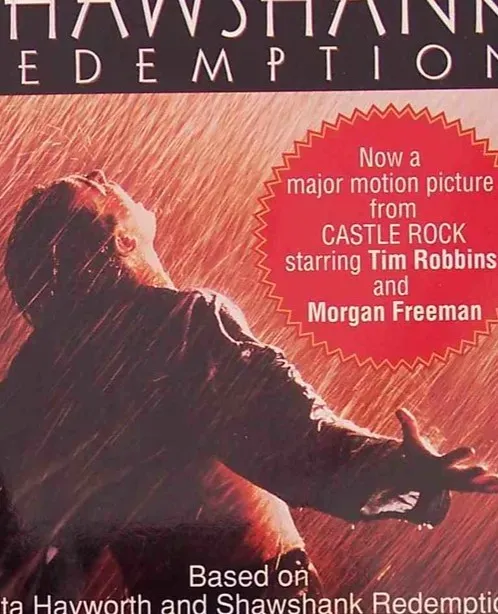
The Shawshank Redemption earned only 16 million dollars during its initial theatrical run, which sounds almost impossible today. Against a budget of 25 million dollars, it was initially considered a box office bomb, failing to recoup its costs. Morgan Freeman blamed the confusing title, recalling that friends couldn’t remember to call it anything other than “Shank, Sham, Shim? Something like that.” The film also had the distinct misfortune of having its wide release the same weekend as Pulp Fiction, which dominated the conversation. After receiving seven Oscar nominations in 1995, it became the top rented film of that year. Television broadcasts cemented its legacy, and now it sits atop IMDb’s list as the highest-rated film of all time.
Blade Runner: Too Moody for the E.T. Era


Ridley Scott’s Blade Runner earned 26 million dollars in its summer run in 1982, not enough to get it into the summer’s top 10. The film initially underperformed in North American theaters and polarized critics; some praised its thematic complexity and visuals, while others critiqued its slow pacing and lack of action. Think about it: this was June 1982, and Steven Spielberg’s E.T. the Extra-Terrestrial opened on June 11 and dominated the box office. Audiences wanted something warm and hopeful, not a rain-soaked dystopia where Harrison Ford hunts androids in existential despair. Blade Runner was adopted as a cult film, and as more information about the film’s troubled production made its way out, film fans started to see the value in the movie. In 1993, it was selected for preservation in the National Film Registry by the Library of Congress.
The Thing: Critics Called It Instant Junk

John Carpenter’s The Thing, released in 1982, had a budget of 15 million dollars and earned a total box office draw of around 20 million dollars, making it far from a smash hit. The New York Times condemned it as “instant junk,” while Cinemafantastique infamously asked whether The Thing was the worst movie ever made. Roger Ebert wasn’t much kinder, writing “The Thing is a great barf-bag movie, all right, but is it any good? I found it disappointing. It’s basically just a geek show”. In a 1999 interview, Carpenter said audiences rejected The Thing for its nihilistic, depressing viewpoint at a time when the United States was in the midst of a recession, and it was competing against the critically and commercially successful E.T. Home video completely changed its fate, allowing viewers to appreciate Rob Bottin’s groundbreaking practical effects and the film’s suffocating paranoia.
It’s a Wonderful Life: The Christmas Classic That Nearly Vanished

Here’s the thing about this one. The film recorded a loss of 525,000 dollars at the box office for RKO. With its inflated budget and saccharine tale touting old-timey values, it made only an estimated 3.3 million dollars against a 3.7 million dollar budget. World War II had just ended, and audiences were celebrating and in a happy mood, but the film has an upbeat ending only after you suffer quite a bit before you get there. Frank Capra’s career was essentially finished after this. The miracle? In 1974, the movie entered the public domain after the film’s copyright holder simply forgot to file for a renewal, meaning TV stations everywhere could play It’s a Wonderful Life without having to pay a cent. Suddenly it was everywhere during the holidays, and a forgotten flop became the ultimate Christmas tradition.
Citizen Kane: Welles’ Masterpiece That Nobody Saw

Orson Welles’ tragic drama about the rise and fall of a newspaper mogul impressed critics but failed to make back its budget during its initial release. The film had a budget of 839,727 dollars and has earned 1.6 million dollars only after re-releases. Honestly, it’s wild to think that what many consider the greatest film ever made was a commercial disaster. It was a decade later through re-appraisal by the French film press that resurrected Citizen Kane into public consciousness. Today, film schools treat it like scripture. The innovative cinematography, the non-linear storytelling, and Welles’ ambitious vision were simply ahead of their time.
Fight Club: DVDs Turned a Dud Into a Phenomenon


The movie had a rough start when it was released in theaters, as the studio wasn’t sure how to market it, so the ads leaned on dark humor and slick visuals without really explaining what the movie was about, and critics were split. Fight Club became a huge hit when it came out on DVD, and the disc became a must-own item, helped by its packed special features and the strong home-video market of the time. I remember everyone at school suddenly quoting it. Fox sold over 6 million copies in the first few years, turning it into a generation-defining film. The film’s sharp critique of consumer culture and masculinity didn’t land with 1999 audiences, yet it became required viewing for a generation coming of age in the early 2000s.
The Big Lebowski: The Dude Abides, Eventually


The Coen Brothers’ The Big Lebowski cost around 15 million dollars and earned just over 18 million dollars in theaters. Not great. While now regarded as one of the Coen Brothers’ most iconic films, The Big Lebowski did not seem like an instant classic when it was first released in 1998, as many critics misunderstood the film’s humor. Yet somehow this rambling comedy about a slacker mistaken for a millionaire found its people. Fans latched onto The Dude’s laid-back philosophy, and now it’s celebrated with yearly “Lebowski Fests” and remains endlessly quotable. The film’s absurdist humor and oddball characters took time to sink in, but once they did, it became one of the most beloved cult classics ever made.
Donnie Darko: Planes, Time Travel, and Terrible Timing

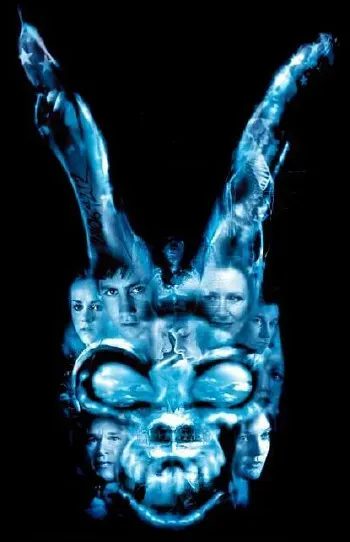
Released right after 9/11, Donnie Darko made under 1 million dollars in theaters, as the plane crash imagery scared off distributors. Talk about awful luck. The film’s dark, mind-bending story about a troubled teenager and time travel was too much for traumatized audiences in late 2001. Yet on DVD, it sold more than 10 million copies, making it one of the biggest cult turnarounds ever. College dorms everywhere became obsessed with dissecting its cryptic ending and philosophical themes. What started as a catastrophic box office failure became a defining film for an entire generation of indie cinema lovers.
The Rocky Horror Picture Show: From Canceled Premiere to Midnight Madness

Bad reviews and poorly attended early screenings in August 1975 nearly doomed The Rocky Horror Picture Show to the dumps, and in fact a New York City premiere on Halloween night was canceled, but the film found a second life in midnight screenings. When Rocky Horror first hit theaters, it flopped as critics hated it, and box office receipts were dismal. The campy musical horror comedy starring Tim Curry as Dr. Frank N. Furter was too weird, too sexual, and too unconventional for mainstream 1975 audiences. Yet midnight screenings transformed it into an interactive experience where fans dressed up, shouted callbacks, and danced in the aisles. It became the definition of a cult phenomenon.
The Iron Giant: Animation That Arrived at the Wrong Moment


Warner Bros. came in with an insane 70 million dollar budget in hopes of taking a piece of the animation pie with the help of director Brad Bird and rushed the film out for a summer release with barely any marketing, so naturally, The Iron Giant flopped despite rave reviews and Warner Bros. Animation would essentially shut down four years later. Multiple events conspired against its success, with its botched and limited marketing campaign being a knee-jerk reaction from Warner Bros. following the failure of their 1998 animated picture, Quest for Camelot, and its perceived thematic discussion about gun control and violence also deterred certain viewers. The Iron Giant was showered with praise and awards, cleaning up at the Annies and even getting a Hugo nomination and ranks as an all-timer now. This Cold War fable about a boy and his robot deserved so much better than what it got in 1999.
What do all these films teach us? Sometimes greatness needs time to breathe. Studios obsess over opening weekends, but the real measure of a film isn’t how much money it makes in three days. It’s whether people are still talking about it, watching it, and caring about it decades later. Did any of these surprise you?