Music has a way of slipping through our fingers. One moment a band is everywhere, their songs blasting from every radio station and club in Vegas, and the next they’ve vanished into the shadows of obscurity. But here’s the thing: just because a band isn’t dominating the charts anymore doesn’t mean their music lost its magic. Some of these groups created sounds so distinctive, so ahead of their time, that they still resonate today.
I think we’ve all been guilty of forgetting about bands that once meant something to us. Life gets busy, new artists emerge, and suddenly those albums gathering dust in our collections feel like relics from another era. Yet there’s something special about rediscovering forgotten music. It’s like finding money in an old jacket pocket, except better because these sonic treasures can transport you back while somehow feeling fresh all over again.
The Verve Pipe
Most people remember “The Freshmen” from 1996, that haunting ballad about regret and lost innocence that dominated alternative rock radio. What they don’t remember is that The Verve Pipe had an entire catalog of emotionally raw, intelligent rock that went largely ignored after their brief moment in the spotlight.
Their album “Villains” showcased a band capable of far more than one-hit wonder status. Tracks like “Cup of Tea” and “Hero” demonstrated lyrical sophistication and musical craftsmanship that deserved more attention. The band blended melodic sensibility with genuine emotional depth, creating songs that felt personal without becoming self-indulgent.
They never achieved the commercial success their talent warranted. Radio moved on, trends shifted, and The Verve Pipe became a footnote in late 90s alternative rock history. Still, their music holds up remarkably well today.
Spacehog

These British glam rockers burst onto the scene in 1996 with “In the Meantime,” a swaggering, psychedelic track that sounded like David Bowie crashed into a rave. The song became an MTV staple, its quirky video and infectious bassline making it impossible to ignore.
But Spacehog was more than just that one track. Their debut album “Resident Alien” was a cosmic journey through glam rock, space rock, and power pop that felt simultaneously retro and futuristic. Songs like “Cruel to Be Kind” and “Space Is the Place” showcased a band unafraid to be theatrical and ambitious.
The music industry never quite knew what to do with them. Too weird for mainstream rock, too polished for the grunge crowd, Spacehog existed in a strange limbo. Their subsequent albums failed to capture mainstream attention, and they faded from view.
Their fearless approach to blending genres and their commitment to sonic experimentation makes them worth revisiting. They were doing things in the late 90s that wouldn’t become fashionable for another decade.
Fastball

Everyone knows “The Way,” that bittersweet pop-rock masterpiece about an elderly couple who disappeared on a road trip. It’s one of those perfect songs that somehow captures both joy and melancholy in three and a half minutes. What people forget is that Fastball had serious songwriting chops beyond that single.
Their album “All the Pain Money Can Buy” featured consistently strong tracks that blended power pop, alternative rock, and classic songcraft. “Fire Escape” and “Out of My Head” proved they weren’t just lucky with one song. These guys could write hooks that burrowed into your brain and stayed there.
The band continued releasing solid albums throughout the 2000s, but radio had moved on to other sounds. They became one of those acts that critics respected but the general public forgot about almost immediately after their hit faded from rotation.
Failure

Here’s a band that influenced countless alternative and progressive rock acts despite never achieving commercial success themselves. Failure created dense, atmospheric space rock that felt heavy without being metal, experimental without being inaccessible. Their sound was massive and intricate.
Albums like “Fantastic Planet” from 1996 showcased a band operating on a different wavelength than their contemporaries. Ken Andrews’ production work created layers upon layers of guitar textures, while the rhythm section provided a foundation that was both solid and surprisingly groovy. Songs could be crushingly heavy one moment and ethereal the next.
Tool, Deftones, and numerous other successful bands have cited Failure as a major influence. Yet during their initial run, they remained a cult act, playing smaller venues while bands they influenced packed arenas. They reunited in 2014 and released new music that proved they’d lost none of their creative edge.
Local H
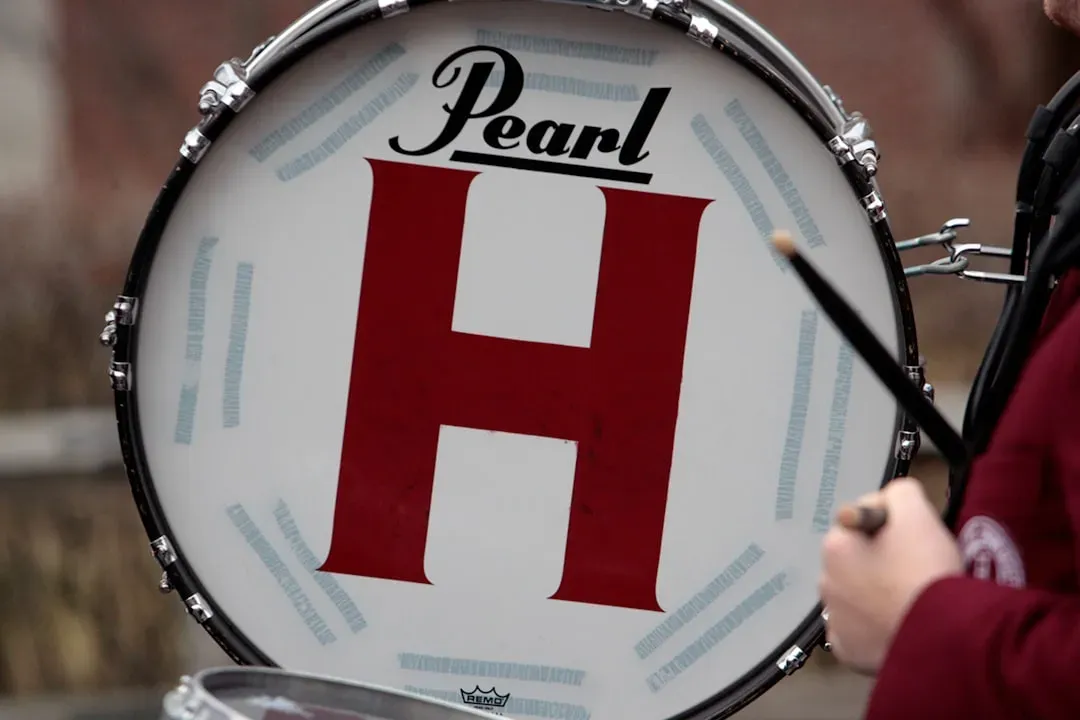
This two-piece rock band from Illinois created a sound so full and aggressive that audiences often couldn’t believe it came from just a guitarist and drummer. Scott Lucas played bass through a separate amp while singing and playing guitar, creating a wall of sound that rivaled full four-piece bands.
“Bound for the Floor” became a radio hit in 1996, its cynical lyrics about fame and sellouts resonating with the alternative rock crowd. But Local H had depth beyond that single. Albums like “As Good as Dead” and “Pack Up the Cats” showed a band willing to take risks and evolve their sound.
They’ve continued releasing albums for nearly three decades, maintaining artistic integrity while operating largely under the mainstream radar. Their refusal to compromise or chase trends is admirable, even if it meant never recapturing commercial success.
Stabbing Westward
Industrial rock had its moment in the late 90s, and Stabbing Westward rode that wave with dark, brooding anthems about pain, betrayal, and emotional turmoil. Their music was the soundtrack to countless late-night drives through Vegas, all neon lights and existential angst.
“Save Yourself” and “What Do I Have to Do?” were genuine hits that combined electronic elements with heavy guitars and Christopher Hall’s tortured vocals. The band captured a specific kind of emotional rawness that connected with fans dealing with their own struggles.
When industrial rock fell out of fashion, Stabbing Westward became a casualty of changing tastes. They broke up in 2002, their later albums having failed to match their earlier commercial success. But recently they’ve reunited, reminding people why their particular brand of darkness once resonated so powerfully.
Their music feels less dated than you might expect. The emotional honesty at the core of their songs transcends the industrial production that once defined them.
Primitive Radio Gods
One-hit wonders often get dismissed, but sometimes that one hit is so distinctive it deserves recognition. “Standing Outside a Broken Phone Booth with Money in My Hand” was unlike anything else on radio in 1996. The track sampled a B.B. King vocal, layered it over trip-hop beats, and created something genuinely unique.
The rest of their album “Rocket” maintained that experimental spirit, blending electronic elements with rock in ways that felt fresh and unpredictable. Chris O’Connor’s production work showed ambition and creativity that suggested a longer career was possible.
Unfortunately, the music industry couldn’t figure out how to market them beyond that single. Were they electronic? Alternative rock? Trip-hop? The confusion meant their follow-up work got lost. But “Rocket” remains a fascinating artifact of 90s experimentation.
Course of Nature

This post-grunge band from Los Angeles had all the ingredients for mainstream success in the early 2000s. Powerful vocals, heavy guitars, radio-friendly hooks. Their self-titled debut album produced a minor hit with “Caught in the Sun,” a track that received decent rock radio play.
Mark Wilkerson’s vocal range and the band’s ability to balance aggression with melody made them stand out in a crowded field. Songs like “Wall of Shame” and “It’s Not Over” showcased genuine emotion and musical skill. They weren’t just following a formula.
But timing is everything in music, and Course of Nature arrived just as rock radio was shifting away from the post-grunge sound. Their sophomore album got delayed, momentum stalled, and they eventually disbanded. They’re a prime example of a quality band that simply got caught in the wrong moment.
Tonic
Before you say anything, yes, “If You Could Only See” was massive in 1997. But Tonic was far more than that one power ballad. Emerson Hart’s songwriting evolved considerably over their career, incorporating folk, blues, and Americana influences into their alternative rock foundation.
Albums like “Sugar” and “Head on Straight” demonstrated a band willing to experiment and mature beyond their initial sound. Hart’s voice had a distinctive quality that could convey vulnerability and strength simultaneously. The musicianship was consistently solid without being flashy.
They never recaptured the commercial heights of their debut single, which meant most people stopped paying attention. But their later work revealed a band more interested in artistic growth than chasing radio success. That kind of integrity deserves recognition.
The Nixons

This Texas quartet emerged from the same scene that produced Toadies and Tripping Daisy, but somehow The Nixons got left behind in the history books. Their 1997 album “Foma” produced the hit “Sister,” a driving alternative rock track that got significant radio play.
The rest of their catalog mixed grunge influences with Southern rock elements, creating a sound that felt both heavy and melodic. Zac Maloy’s vocals had grit and emotion, while the band’s rhythm section provided a powerful foundation. Songs like “Smile” and “Baton Rouge” showed range and depth.
They faced the classic problem of being stuck between eras. Too late for the initial grunge wave, too early for the post-grunge revival, The Nixons existed in a weird gap. Their music deserved more attention than it received, and holds up better than many of their more successful contemporaries.
Conclusion

These ten bands represent just a fraction of the talented artists who slipped through the cracks of music history. They created meaningful work, connected with audiences, and then vanished from collective memory for reasons that had little to do with quality. Some arrived at the wrong time, others were poorly marketed, and a few simply got unlucky.
Rediscovering forgotten music is like archaeological work. You dig through the rubble of what was once popular and occasionally find treasures that deserve preservation. These bands deserve that second chance, that new audience willing to listen without the baggage of when and why they disappeared.
What about you? Did any of these bands surprise you, or do you have your own forgotten favorites that deserve recognition? Drop your thoughts in the comments and let’s keep this conversation going.