Wicked Part One: When Broadway Magic Hits the Big Screen


The two-part feature film adaptation of Wicked hit theaters in November 2024, bringing Gregory Maguire’s 1995 novel to life with Cynthia Erivo and Ariana Grande in the starring roles. The film grossed over $1.4 billion worldwide, cementing its place as one of the most successful book adaptations in recent memory. Honestly, the casting alone made this one worth the price of admission.
One of the biggest theatrical moments of 2024, the film based on the stage musical was itself adapted from Maguire’s novel. What makes this particularly fascinating is how a book became a Broadway sensation before transforming into a cinematic blockbuster. The layered journey from page to stage to screen demonstrates how powerful stories can evolve across different mediums while maintaining their emotional core.
It Ends With Us: Romance Meets Box Office Gold

When the romantic drama film It Ends with Us hit theaters in August 2024, it made headlines for generating big box office numbers and juicy behind-the-scenes gossip. Author Colleen Hoover, a self-publishing pioneer who won a 2016 Goodreads Choice Award for the original novel, saw continued success with the adaptation. Blake Lively starred in the lead role, and despite the controversy swirling around production, audiences showed up in droves.
Based on Hoover’s own parents’ relationship, the book tackles themes of emotional abuse and domestic violence. The film’s commercial success proved that difficult subject matter handled with care can resonate deeply with moviegoers. After the box office successful adaptation, Universal nabbed Hoover’s bestseller for another adaptation.
The Hunger Games Universe: Expanding a Legacy


The Hunger Games movies defined a whole genre, and for good reason, with Jennifer Lawrence’s portrayal of Katniss Everdeen making her one of the most memorable protagonists of a generation. The franchise generated $2.968 billion worldwide, demonstrating the consistent profitability of literary properties. Let’s be real, these films changed young adult adaptations forever.
After the success of the first Hunger Games prequel The Ballad of Songbirds and Snakes as both a novel in 2020 and movie in 2023, a novel called Sunrise on the Reaping will tell the backstory of Haymitch Abernathy’s Hunger Games, with the book released on March 18, 2025, less than two years before the planned film release date. The franchise that refuses to die keeps finding new stories to tell, and fans are here for it.
Little Women: Greta Gerwig’s Masterclass

Before the Barbie movie, Greta Gerwig brought us the incredible 2019 adaptation of Little Women, a film destined for greatness based on the casting alone, giving us Saoirse Ronan as the headstrong Jo, Florence Pugh as Amy, and Timothée Chalamet as Laurie. This wasn’t just another retelling of a classic novel. Gerwig found something fresh in Louisa May Alcott’s story, restructuring the narrative in a way that honored the source material while making it feel urgently contemporary.
The nonlinear storytelling approach divided some viewers initially, yet most critics and audiences recognized the genius at work. There are so many moments from the movie that moved fans everywhere, but a highlight is definitely Jo’s monologue about women. That scene alone justified the entire adaptation.
Dune: Denis Villeneuve Succeeds Where Others Failed

Based on Frank Herbert’s epic and influential novel, Denis Villeneuve’s Dune is the third adaptation to the screen, and arguably the most successful. Before Villeneuve’s massively successful version came along, Frank Herbert’s Dune had already been adapted for the big screen in 1984 by David Lynch, but this adaptation clearly knew it was dealing with something enormous and still decided to move forward without the planning that scale required. The Lynch version became infamous for its confusing execution.
The story never carries the necessary weight on screen in the earlier version, key relationships are rushed, important concepts are left underdeveloped, and Paul’s character arc feels mechanical rather than earned as Dune fails because it tries to translate complexity at full speed, and complexity doesn’t survive that approach, with even the director ending up unhappy with the final result. Villeneuve learned from those mistakes, taking his time across two epic films to properly adapt Herbert’s dense masterwork.
Eragon: A Cautionary Tale

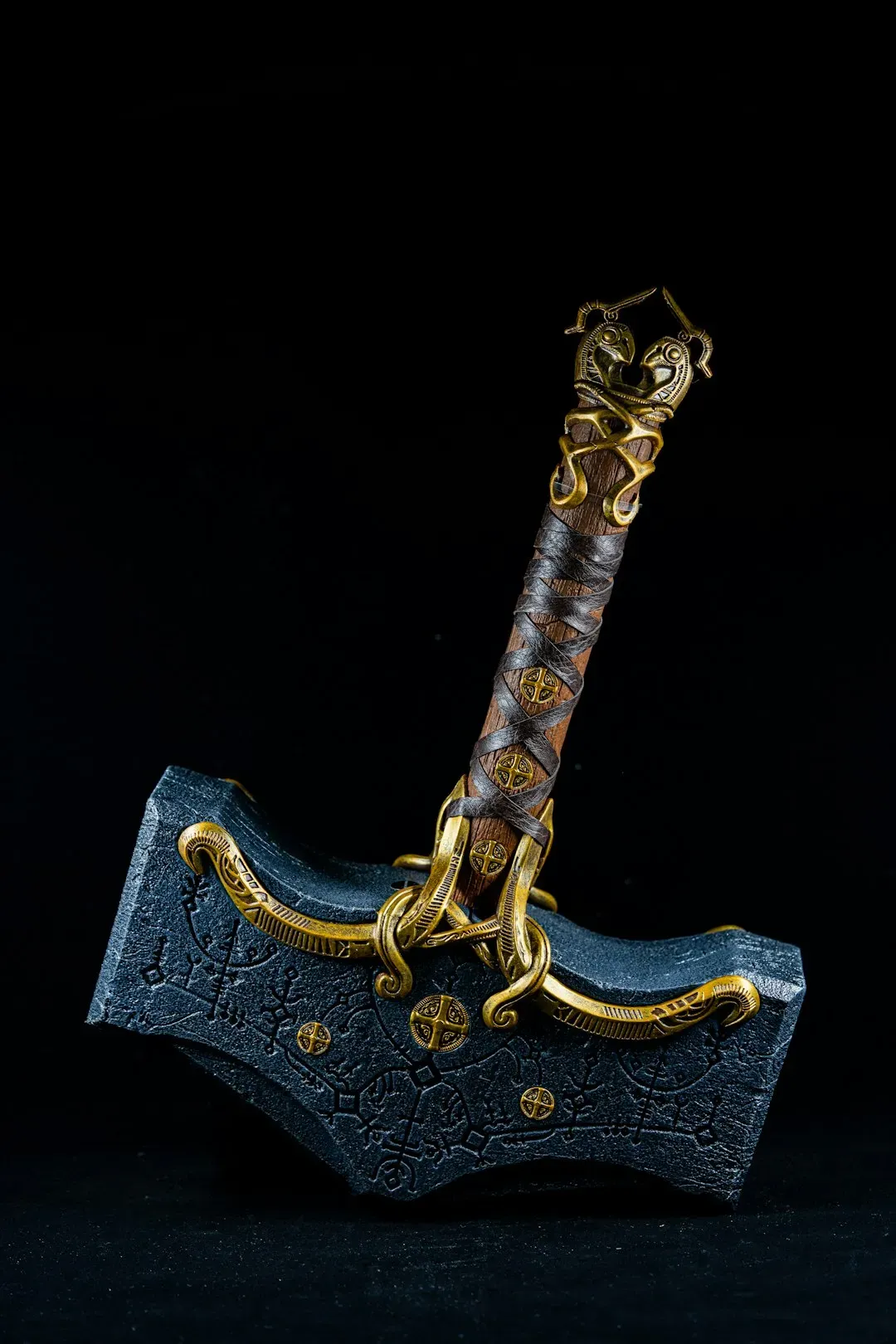
Out of all the book-to-movie adaptations out there, Eragon easily sits near the very top of the worst offenders as it’s not just a bad adaptation but feels like it was made without any real understanding of why Christopher Paolini’s book series is so beloved. The movie treats it like a quick cash grab with the plot rushed to an extreme, key characters cut entirely, and what should be a meaningful coming-of-age journey reduced to a string of events with zero emotional payoff as everything happens too fast for the audience to care or feel any of the weight the original story carries.
Readers called Eragon such a disappointment, with the only good part of the movie being the casting of Braum and Galbatorix. This adaptation demonstrates how studios sometimes greenlight projects without understanding what made the source material connect with readers in the first place. The result was a box office disaster that killed any hope of sequels.
Percy Jackson: Lost Potential

The adaptation of the Percy Jackson book series by Rick Riordan was received by many as a possible successor to the famed Harry Potter film franchise as the books had a seasoned fan following and featured exciting parallels to Harry Potter that made them a ripe source for film series treatment, with studios even managing to snap up Chris Columbus, director of two Harry Potter movies, to helm the first Percy Jackson movie. The pieces were all in place for something magical.
Despite enjoying moderate box office success, the movies were a major disappointment to fans as major changes made to the plot removed many of the dynamics that made the books so excellent in the first place, including the aging up of the central characters which had a significant impact on character relationships and revealing Luke as the villain early on in the first movie. Fans of the original series regard the film versions of The Lightning Thief and The Sea of Monsters as two of the worst examples of book to movie adaptations, mainly because of the magnitude of the changes made to the story.
The Perfect Couple: Netflix Murder Mystery Success

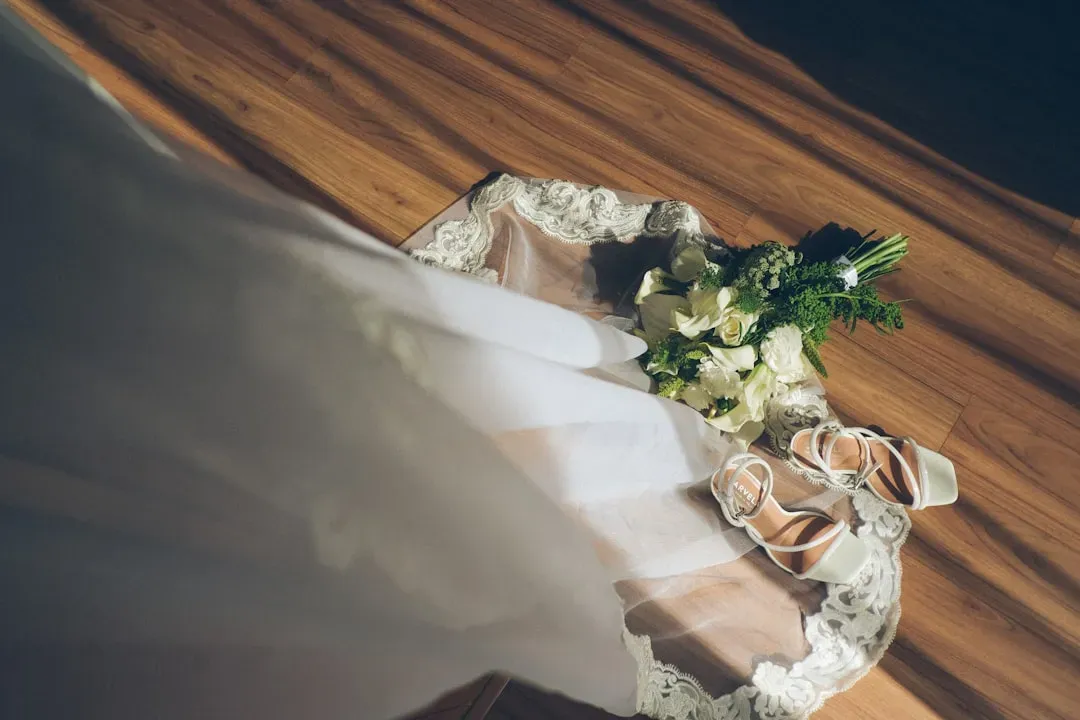
After The Perfect Couple wrapped up its murder-mystery story at the end of its six episodes, the show became Netflix’s most popular shows in the second half of 2024. Elin Hilderbrand’s hit Nantucket murder mystery got the Netflix treatment in a miniseries starring Nicole Kidman, with the story following the wealthy Winbury family as they prepare for a wedding, only for the maid of honor to turn up dead on the morning of the big day.
The show struck that perfect balance between escapist luxury and genuine suspense. Hilderbrand told Town & Country she wasn’t bothered by any changes the show made to her story, noting that the book exists and people can go buy the book and read it as that’s an experience. That refreshing attitude from the author probably contributed to the adaptation’s success.
World War Z: When Hollywood Misses the Point

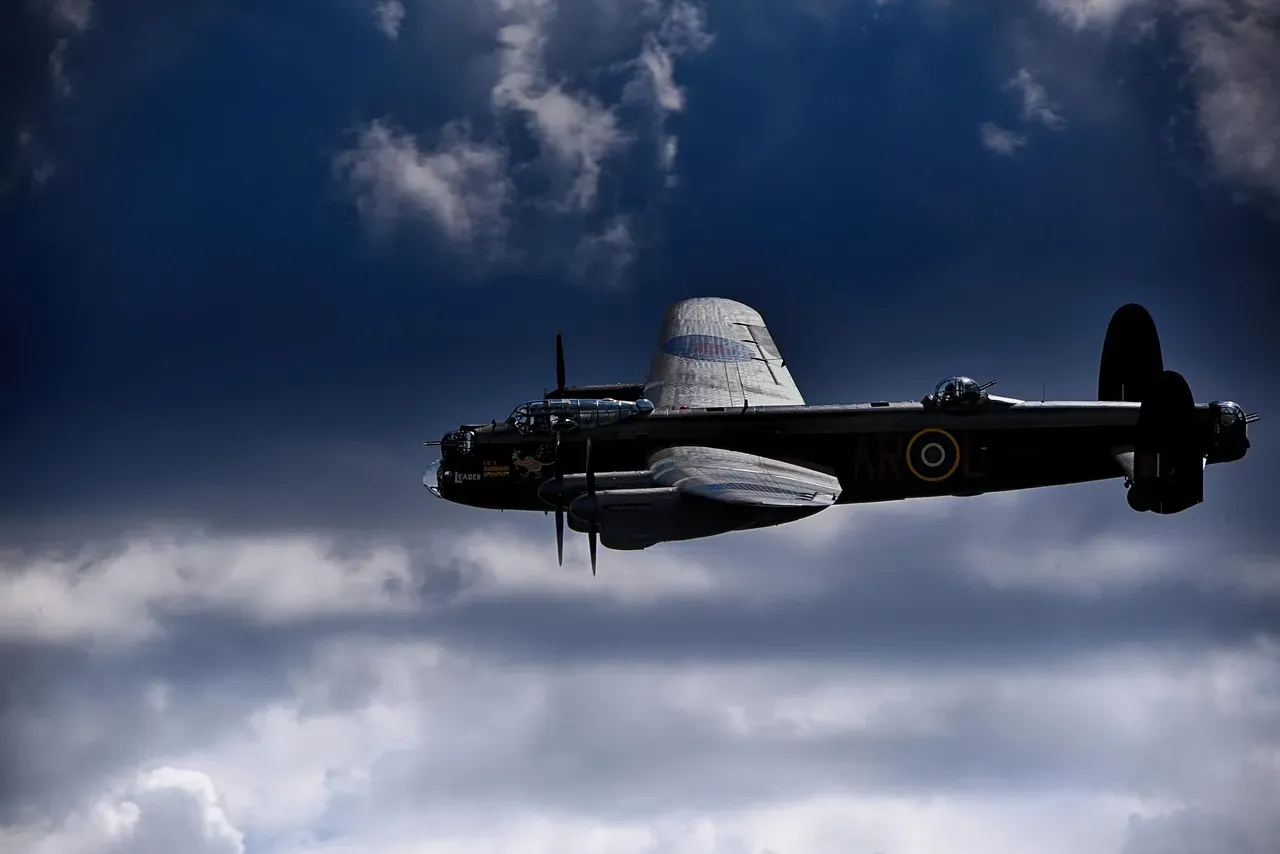
What many people don’t realize is that the film World War Z was adapted from Max Brooks’ novel and yes, it works well as a fast-paced action movie, but the problem is that it barely resembles the original story. The book is structured as a collection of testimonies from around the world showing how different countries responded to the zombie apocalypse, but the film throws all of that out to focus on a single, savior-like protagonist, something the book very intentionally avoids.
It’s easy to understand why that choice was made in the context of mainstream cinema as Hollywood wants a clear arc, a hero, a villain, a central conflict, and a resolution, but on the page the idea is to highlight collective chaos rather than individual heroism, so when talking about strong adaptations, World War Z stands out as one of the worst examples. The film succeeded financially but betrayed everything that made the book unique.
The Hobbit Trilogy: Stretching Thin
The Lord of the Rings saga is one of the most successful franchises of all time, so it was only a matter of time before the studio looked for ways to expand that universe with The Hobbit by J.R.R. Tolkien eventually receiving its own adaptation, but unlike its predecessor this one didn’t quite work and the problem started with a decision that was flawed from the very beginning.
Warner Brothers split the 310-page novel into a three-part trilogy, overstuffing the relatively simple original plot with additional characters and plotlines, with these choices leaving a sour taste that hasn’t aged well in the mouths of many long-term Tolkien fans who hold the book close to their hearts. What should have been one excellent film became three bloated movies filled with unnecessary subplots and CGI overkill.