Ever wonder what the world will look like just a few months from now? Technology moves fast, almost uncomfortably fast sometimes, which means the gadgets that sound like pure science fiction today could be sitting on store shelves before the year ends. We’re not talking about distant dreams or concept videos that never materialize. We’re talking about tech that already exists in prototype form or early production runs, poised to hit the consumer market hard.
Some of these devices solve real problems while others simply change the way we interact with the world around us. From glasses that project entire screens into thin air to vacuum cleaners that can finally tackle your stairs, these innovations aren’t just cool. They’re practical, weird, and in some cases, a little unsettling. Let’s take a closer look at the gadgets that might just redefine your daily routine before 2027 rolls around.
AR Glasses That Actually Work

Smart AR glasses like the XREAL 1S deliver exceptional display quality with a price tag of $449, offering accessible entry into augmented reality. These aren’t clunky headsets that make you look like a cyborg. They resemble slightly bulky sunglasses that can project a massive virtual screen from any USB-C device.
The technology has matured beyond early-adopter curiosity into genuinely useful tools that are finally ready for mainstream adoption. Google officially named XREAL a lead hardware partner for the Android XR ecosystem through a multi-year partnership extension, signaling that major tech companies see a real future here. You can work on a virtual monitor the size of a theater screen while sitting on a park bench or binge entire shows during a flight without annoying your neighbor.
The XREAL One Pro glasses represent the state of the art as of mid-2025, with shipping beginning from China and wider availability expected soon. Honestly, it’s hard to ignore how quickly this tech evolved from gimmick to genuine utility.
Robot Vacuums That Climb Stairs

At CES 2026, Roborock showcased the Saros Rover, an autonomous vacuum that doesn’t just avoid stairs but actively climbs and cleans them, representing a true industry breakthrough. Let that sink in for a moment. Your robot vacuum might soon handle the one place it’s always been completely useless.
The Saros Rover uses wheels mounted on robotic legs that can raise or lower the robot with impressive agility, and it can climb stairs while cleaning them as it goes. Dreame also introduced the Cyber X prototype at CES 2026, a robot vacuum with legs that can autonomously navigate multi-story environments. These aren’t just concepts either; companies are demonstrating live functionality on actual staircases.
Sure, they’re still prototypes without firm release dates. Yet Roborock has given us a glimpse into a future where even the most inconvenient corners of home maintenance are handled quietly, autonomously, and intelligently. The era of dragging a vacuum upstairs might be closer to extinction than you think.
AI-Powered Household Robots
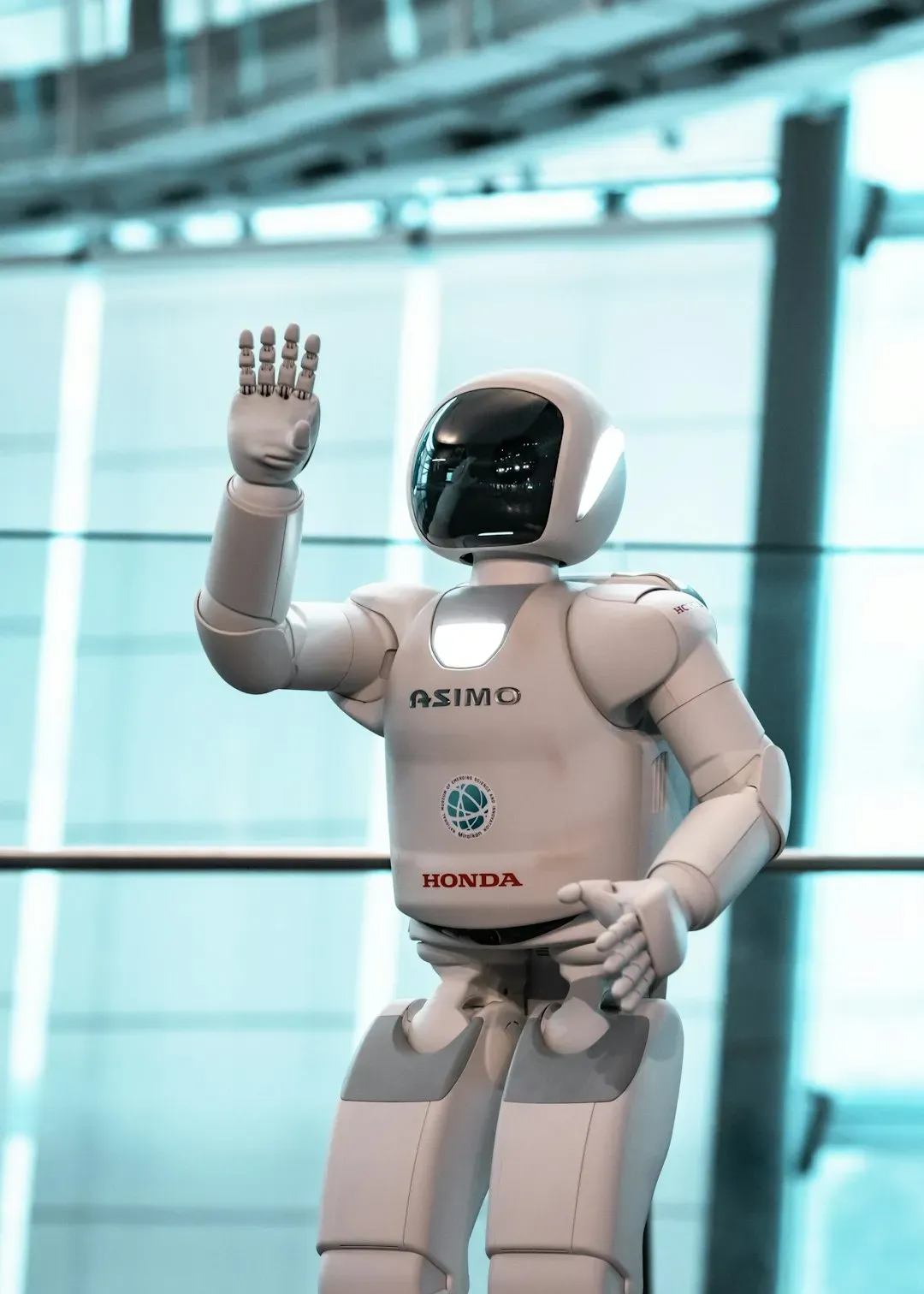
LG’s CLOiD robot, showcased at CES 2026, represents the company’s Zero Labor Home vision where the AI-powered robot retrieves milk from refrigerators, places croissants in ovens, initiates laundry cycles, and folds garments after drying. This isn’t a floor cleaner with a cute face. It’s a humanoid assistant with articulated arms and individually actuated fingers designed to perform actual household chores.
CES 2026 marked a clear break from the past, with humanoid robots not just posing for cameras but actually working, with companies showcasing robots already shipping, deployed, or scheduled for real-world rollout in 2026. The year 2026 has kicked off the era of accessible AI robots actually doing manual labor at home, moving beyond passive smart home devices that merely adjust thermostats.
Let’s be real, these robots are still slow and not exactly flawless. In demonstrations, LG’s CLOiD took about 30 seconds just to fold a rectangular towel that was already laid out by a presenter. Still, the fact that major appliance brands are investing this heavily suggests they believe the market is ready.
Wearables That Monitor Your Health in Real Time
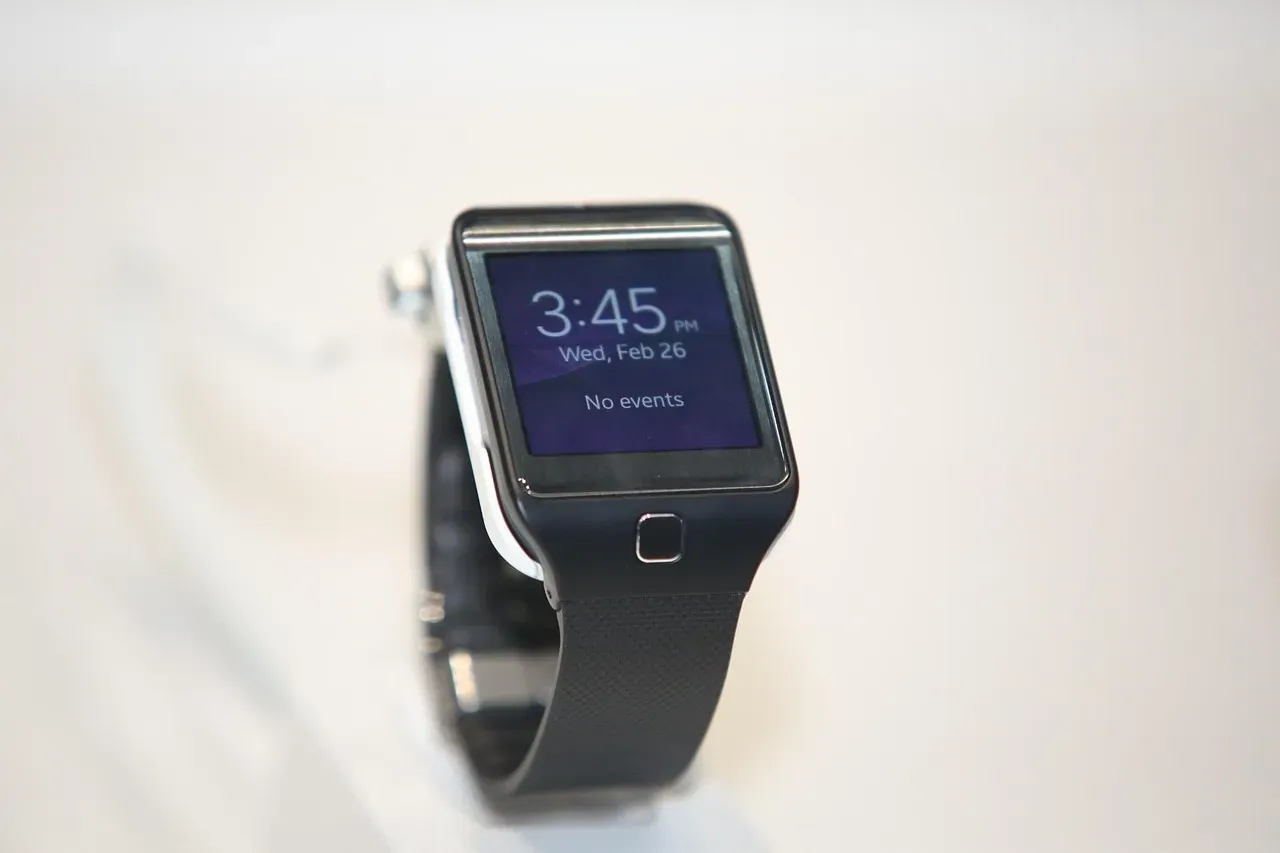
Fitness trackers and smartwatches have been around for years, but advanced health-focused wearables with sophisticated biosensing capabilities are evolving into something much more serious. These devices can now track metrics far beyond steps and heart rate, offering insights into blood oxygen levels, sleep quality, stress indicators, and even early signs of illness.
The push toward personalized health data is accelerating as consumers become more health-conscious and as aging populations seek tools to maintain independence. Companies are embedding more sensors into smaller, more comfortable form factors. Expect to see wearables that can detect irregular heartbeats, monitor glucose levels noninvasively, or even alert you to potential health issues before you feel symptoms.
This isn’t just about tracking your morning run anymore. It’s about preventive care and giving people the power to understand their bodies in ways that were previously confined to clinical settings. As sensor technology gets cheaper and more accurate, mainstream adoption feels inevitable.
Foldable Phones Finally Go Mainstream
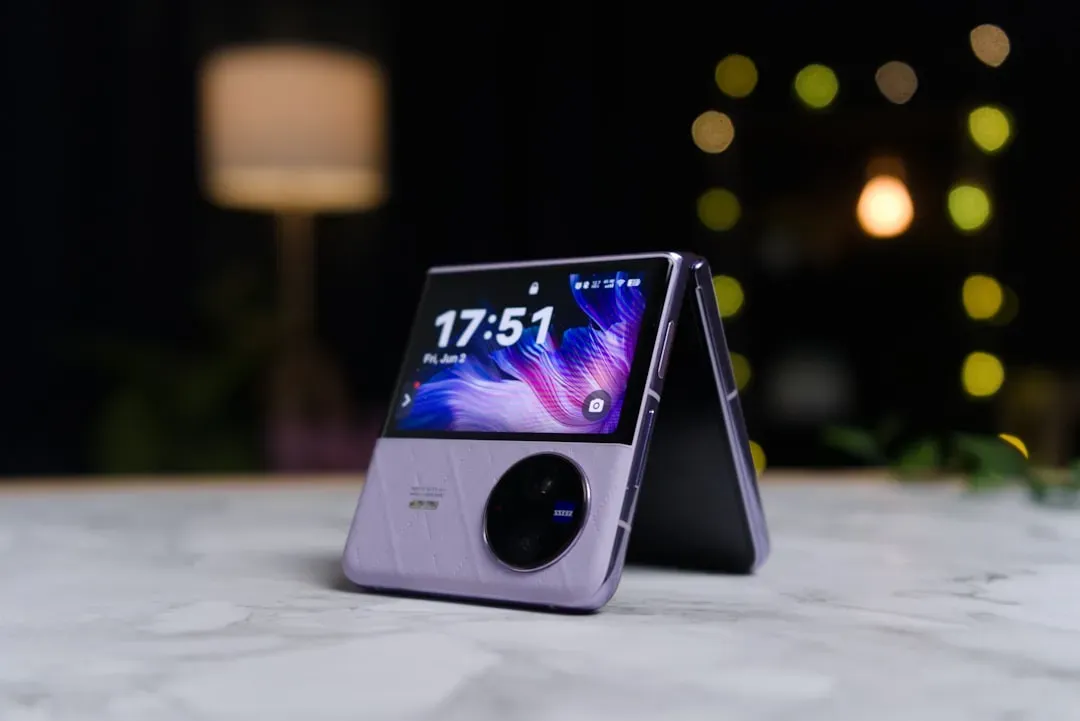
Market analyst Omdia forecasts foldable smartphone shipments to grow by a staggering 50% year-over-year in 2026, with anticipated added competition and more affordable flip-shaped devices set to reignite foldable growth. IDC’s forecast shows an explosive 30% year-over-year growth specifically in 2026, marking a seismic shift from niche gadget to mainstream necessity.
Foldable devices in 2026 see price drops to around $999 due to competitive Chinese OEM offerings, making them far more accessible than the premium models that dominated early years. The foldables category is expected to grow at a CAGR of 17% through 2029, compared with less than 1% for the traditional smartphone segment, showing that this isn’t a flash in the pan.
Improved durability, less visible creases, and better software optimization are finally addressing the issues that kept people skeptical. Samsung is kicking off 2026 with the Galaxy Z Trifold, introducing tri-fold innovation to mainstream global consumers. Between Samsung’s push and Apple’s rumored entry into the foldable market, the category is about to explode.
AI Translation Earbuds for Seamless Communication

Devices like the Timekettle WT2 Edge earbuds offer voice translation in 40 languages and 93 accents, allowing two people to have natural, real-time conversations without language barriers. The best models available in 2025, such as the Soundcore AeroFit 2 AI, offer a seamless combination of real-time translation accuracy, exceptional all-day comfort, and robust battery life.
The AI-powered software translates speech in real time with a natural-sounding voice, and machine learning ensures translations become more accurate the more you use the earbuds, making them increasingly popular with travelers, international workers, and people in multicultural settings. Some models even support offline translation for basic languages, meaning you don’t always need an internet connection.
Think about the implications. Business meetings across continents become easier. Traveling in foreign countries gets less stressful. Even making friends with someone who speaks a different language suddenly feels accessible. Translation earbuds have transformed from a fascinating novelty into a reliable, powerful, and essential tool for breaking down language barriers. This tech is ready, affordable, and waiting for people to realize just how useful it really is.
Smart Home Systems That Actually Talk to Each Other
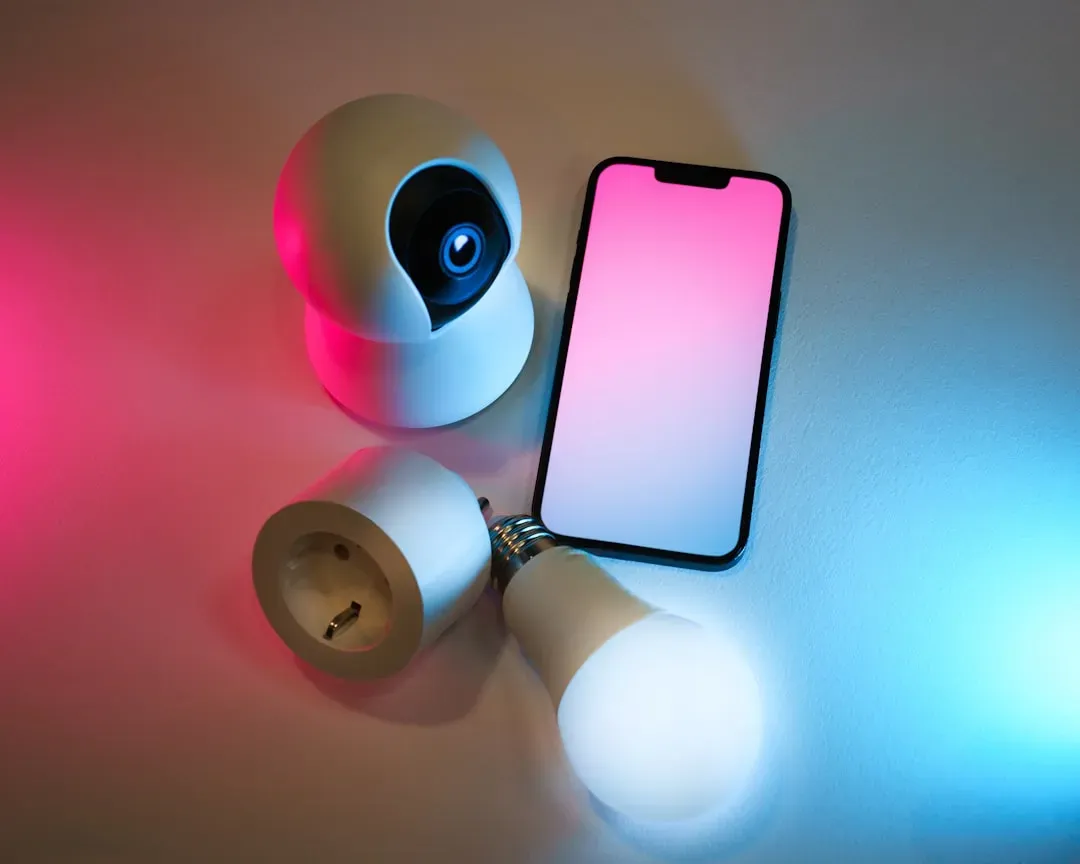
Smart home devices have been around for a while, but they’ve often felt like isolated islands that don’t play well together. That’s changing rapidly. The proliferation of connected devices, from interactive mirrors to advanced controllers and appliances that respond to AI assistants, is creating ecosystems where your entire home can function as a single, intelligent unit.
Refrigerators that track expiration dates and suggest recipes. Thermostats that learn your schedule and adjust temperatures before you even think about it. Lighting systems that sync with your circadian rhythm to improve sleep. The pieces have been available for years, but now they’re finally integrating smoothly into cohesive systems that feel less like managing a dozen apps and more like living in a genuinely smart home.
The key difference is interoperability and AI-driven automation. Instead of you telling your home what to do, your home learns your habits and anticipates your needs. As more manufacturers adopt common standards and AI becomes better at understanding context, intelligent homes will shift from luxury novelty to practical convenience for a much wider audience.
Companion Robots and Social AI
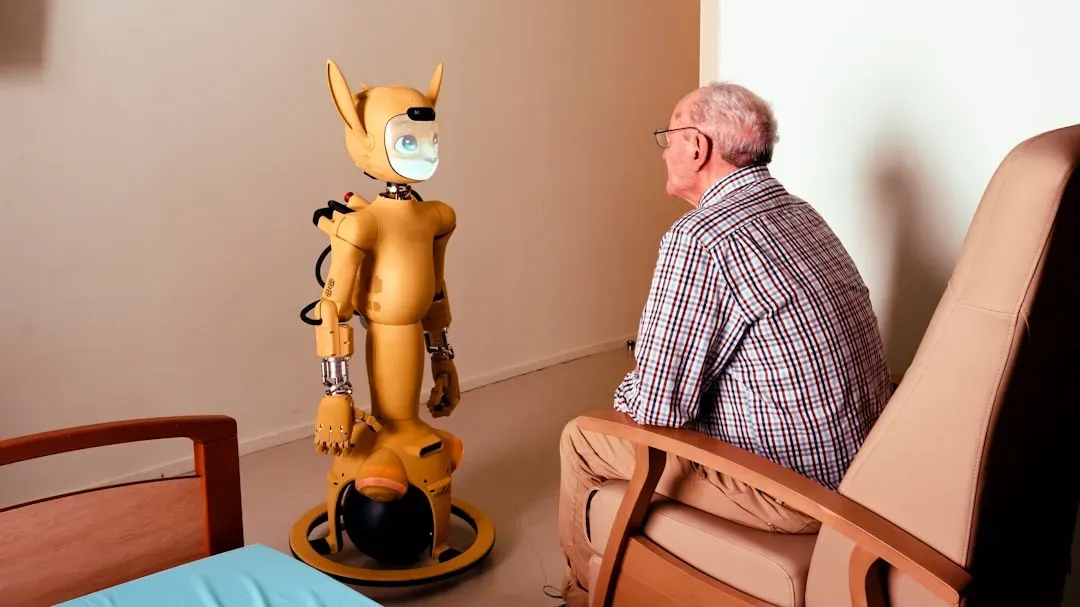
CES 2026 showcased humanoid robots built for real work, marking a clear break from the past, with companies presenting robots already deployed or scheduled for rollout in 2026 for factories, homes, and hospitals. Yet beyond work-focused robots, consumer robots designed for social interaction or entertainment are gaining traction.
AI companion pets and social robots were prominently featured at CES 2026, indicating that robot companions might gain mainstream interest. These aren’t toys exactly; they’re designed to provide companionship, emotional support, or simply entertainment. Think robotic pets that respond to touch and voice, or tabletop robots that can hold simple conversations and learn your preferences over time.
For elderly individuals living alone or people seeking low-maintenance companionship, these devices fill a niche that’s surprisingly underserved. They might seem odd at first, almost unsettling in their attempt to mimic life. Yet as the technology improves and the stigma fades, social robots could become as common as having a smart speaker in your living room.
Portable Holographic Displays

Holographic display technology is still early, but portable holographic devices are being developed to offer entirely new ways to interact with media and productivity tools. These displays project three-dimensional images into the air, allowing you to manipulate data, watch content, or collaborate on projects without being tethered to a flat screen.
While bulky holographic setups have existed in research labs and corporate settings for years, the push toward portable consumer versions is accelerating. Imagine presenting a business pitch where charts and models float in midair, or playing games where the action unfolds in three dimensions right on your desk. The technology is still refining issues like brightness, resolution, and cost, but its presence on future tech lists suggests mainstream emergence is closer than many realize.
Holographic displays represent a fundamental shift in how we think about screens. As prototypes shrink and improve, expect to see early adopters experimenting with portable holographic tech for everything from entertainment to professional applications. It’s the kind of leap that feels science fiction until suddenly it’s sitting on a store shelf.
The Convergence Moment

Here’s the thing about all these gadgets: they’re not arriving in isolation. AR glasses work better when paired with AI translation earbuds. Household robots integrate with smart home systems. Foldable phones become even more useful when they can project holograms or interface seamlessly with wearable health monitors. We’re approaching a convergence moment where these technologies start to amplify each other.
The end of 2026 might not see every home equipped with stair-climbing vacuums and humanoid assistants. Adoption takes time, money, and trust. Yet the groundwork is laid, the prototypes are functional, and the major players are investing billions. The gadgets on this list aren’t distant fantasies. They’re imminent realities, ready to reshape how we live, work, and communicate.
So, are you ready for the future to show up at your doorstep? What do you think about it? Tell us in the comments.