Think about the music pumping through your headphones right now. Where did it actually come from? Every beat, every guitar riff, every lyrical flourish can trace its roots back to specific places where musicians gathered, rebelled, and created something entirely new. These weren’t just cities with good acoustics. They were cultural cauldrons where economic hardship, social change, and raw creativity collided to birth the sounds that still move us today.
New Orleans: The Birthplace of Jazz
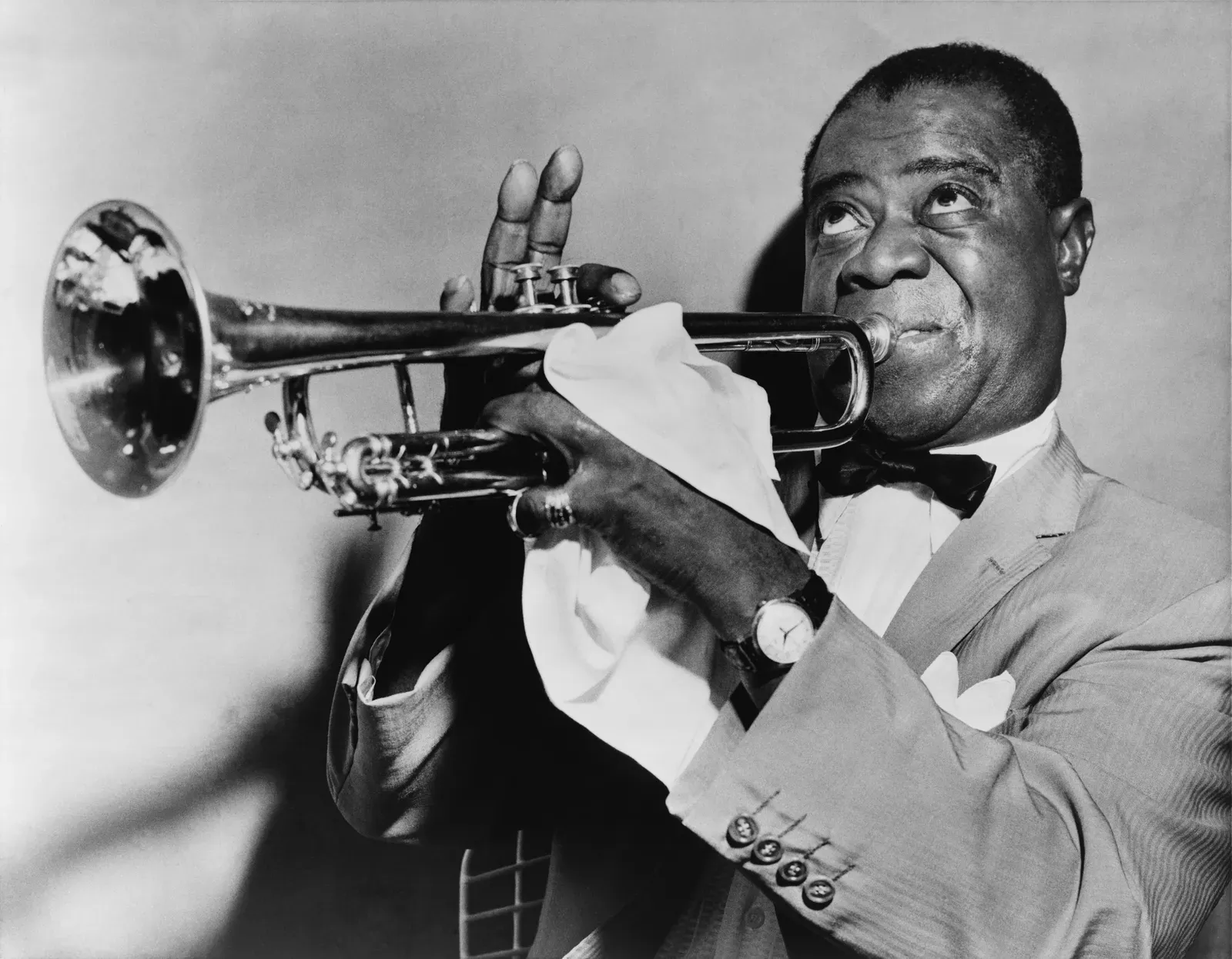
New Orleans holds the undisputed title as the birthplace of jazz, with African musical traditions tracing back to Congo Square in 1835, where enslaved people congregated to play music and dance. The city’s unique position as a melting pot of cultures created something magical. Jazz emerged from a blend of African syncopation and polyrhythms, European advanced harmony and four-note chords, blues music’s “blue notes,” and a new interpretation of quarter notes known as swing.
Most music historians believe New Orleans jazz reached its famous form between the 1890s and mid 1910s, with cornetist Buddy Bolden considered by many to be the first prominent jazz musician. Many consider the 1920s the height of New Orleans-style jazz, when the music was widely recorded and creative flood gates opened with legends like Louis Armstrong.
Detroit: The Motown Sound
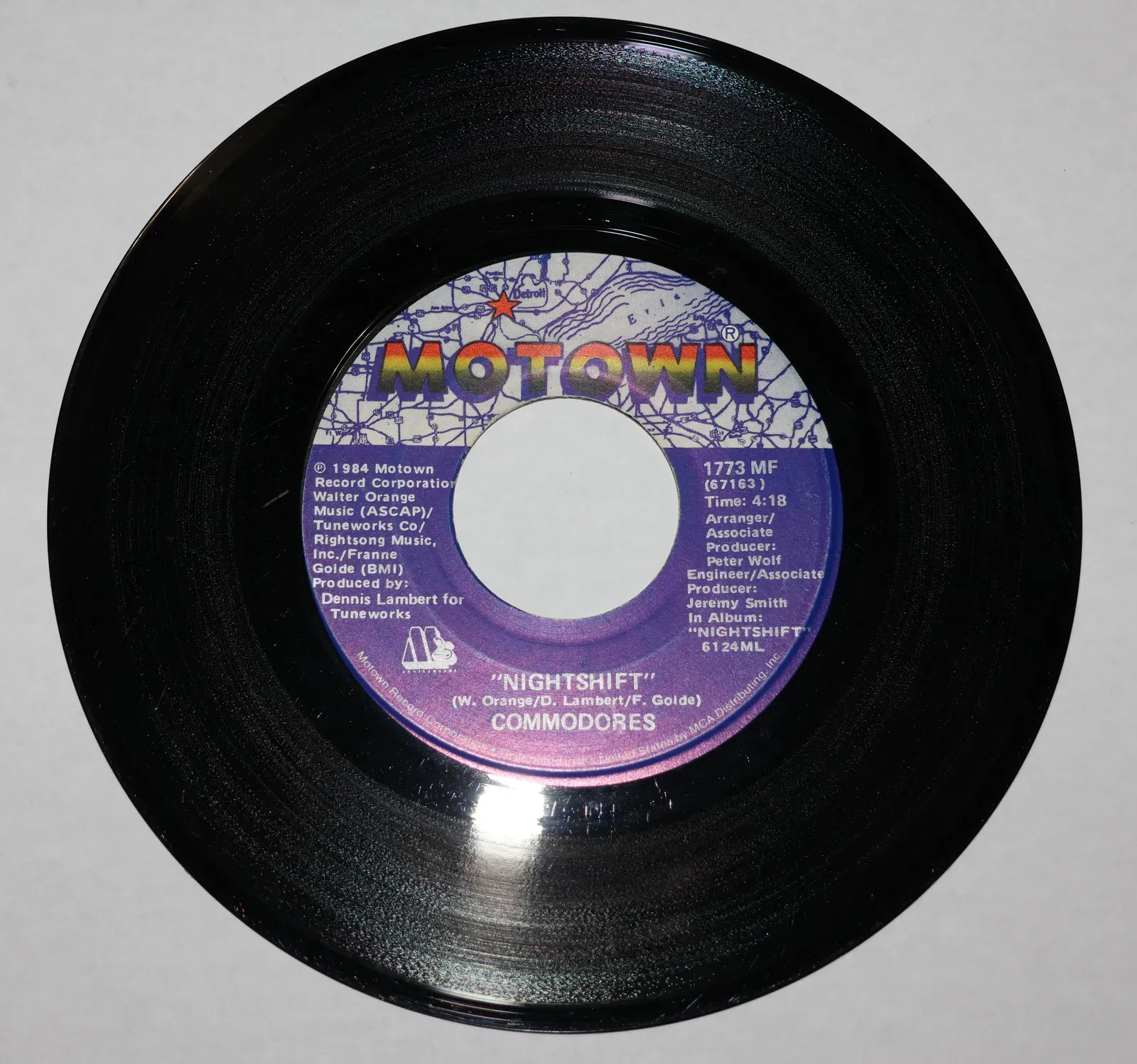
Berry Gordy, Jr. founded Tamla Records in January 1959 with an $800 loan from his family, later purchasing property on Detroit’s Grand Boulevard that became known as Hitsville U.S.A., and officially incorporated Motown Records in 1960. This wasn’t just another record label. From 1961 to 1971, Motown produced 110 top ten hits from artists including Stevie Wonder, The Supremes, Marvin Gaye, and The Four Tops, specializing in the Motown Sound with its signature backbeat.
What made Motown genuinely revolutionary was its timing and intent. The music had enormous success in crossing over to White audiences and is credited with breaking down barriers with music, as many Motown acts were popular with both Black and White audiences and found worldwide success. Motown’s origins were part of a larger creative movement in 1960s Detroit sparked by the industrial boom and powered by Black music traditions that incoming residents brought up from Southern states.
1960s Liverpool: The British Invasion
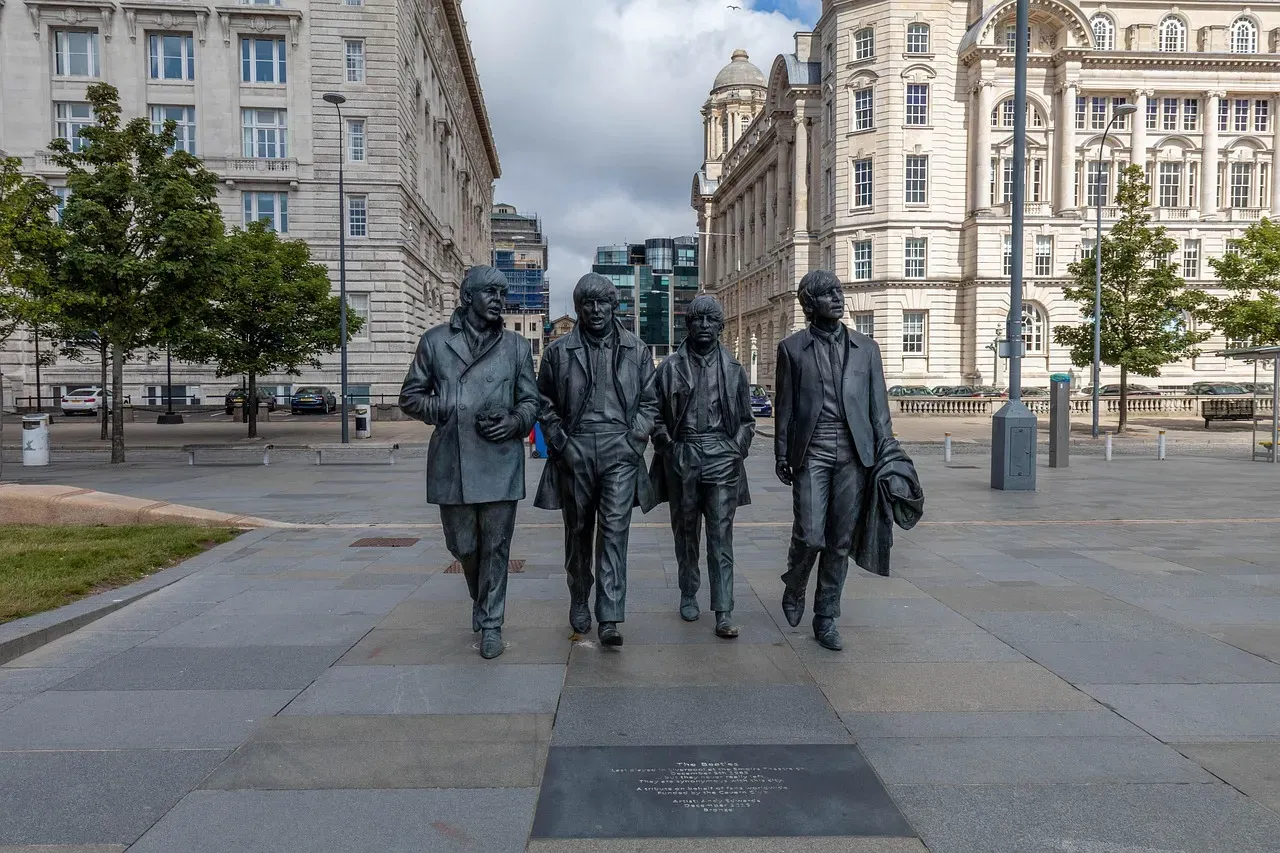
The Beatles’ triumphant arrival in New York City on February 7, 1964, opened America’s doors to British musical talent in what became known as the second British Invasion. Liverpool became ground zero for this movement. Liverpool became the first hotbed of the so-called beat boom, launching Merseybeat and bands like the Searchers, Gerry and the Pacemakers, and Billy J. Kramer and the Dakotas.
Here’s the thing that many people don’t realize. In 1940 the Nazis bombed Liverpool every other day as part of the Blitz, because most war supplies from the United States entered Great Britain through Liverpool docks, and when the Beatles were in elementary school much of the city was still in ruins with food rationing continuing until 1954. By early 1964, the Beatles achieved unprecedented levels of critical and commercial success, becoming a leading force in Britain’s cultural resurgence and ushering in the British Invasion of the United States pop market.
1970s New York: CBGB and Punk Rock
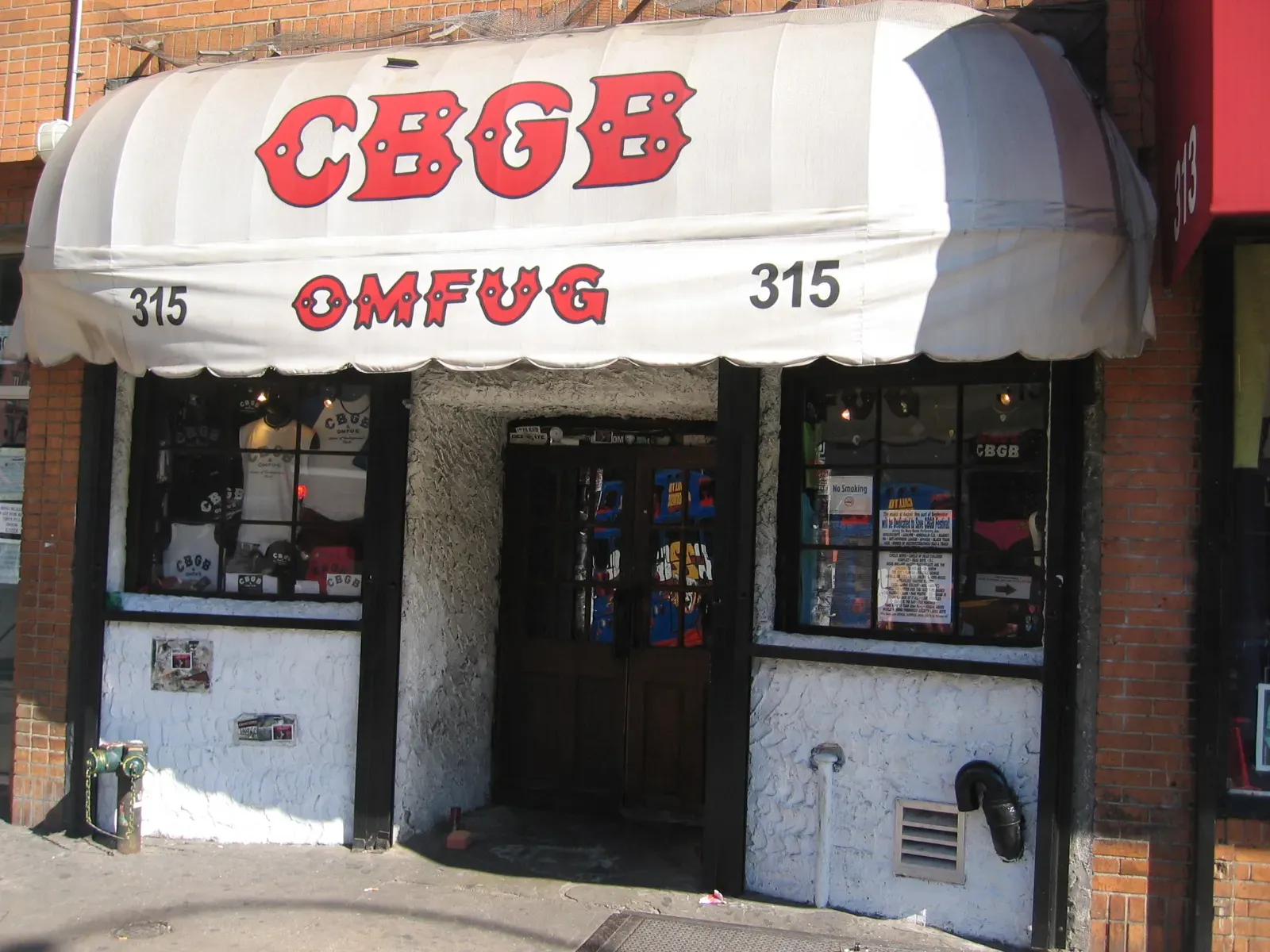
CBGB was founded in 1973 at 315 Bowery in a former nineteenth-century saloon, and the legendary music venue fostered new genres of American music including punk and art rock that defined downtown Manhattan culture in the 1970s. Honestly, it’s hard to overstate how important this grimy little club became. The letters CBGB stood for Country, Bluegrass, Blues, but CBGB emerged as a famed venue for punk rock and new wave bands including Ramones, Television, Patti Smith Group, Blondie, and Talking Heads.
February 1975 brought the first CBGB appearance of Patti Smith, and in summer 1975 CBGB attracted Britain’s Melody Maker when Kristal staged a Festival of the Top 40 Unrecorded New York Rock Bands featuring Television, the Ramones, and Mink DeVille. After 33 years hosting an estimated 50,000 bands, CBGB closed its doors with a final concert by Patti Smith on October 15, 2006.
1970s Bronx: Hip-Hop’s Birthplace
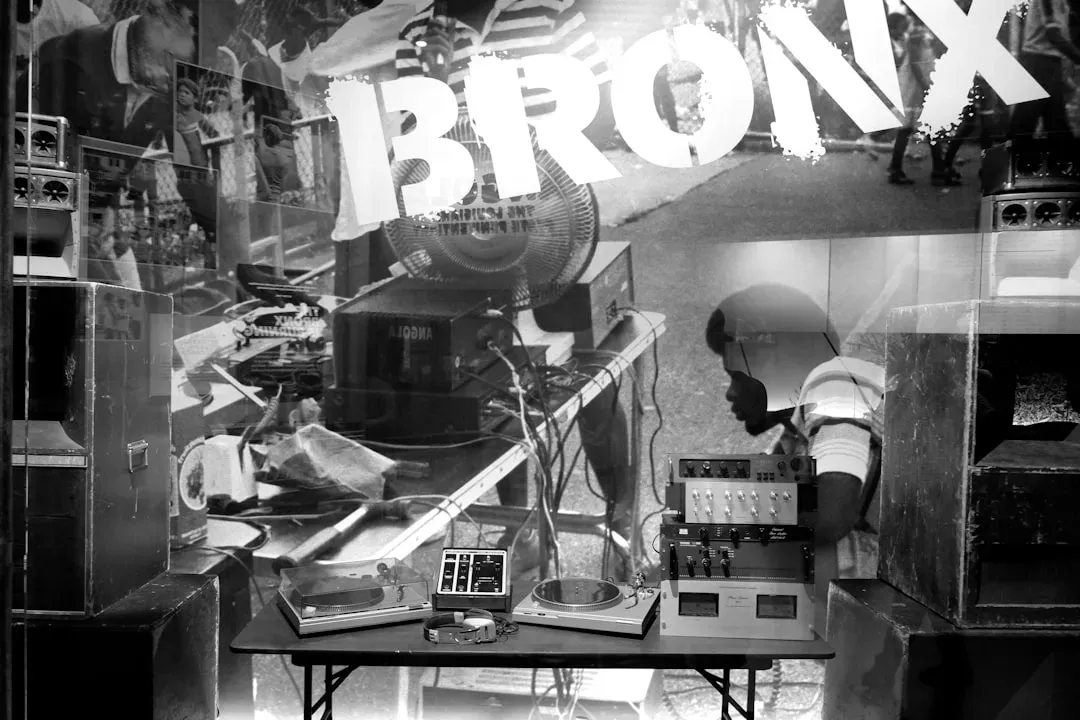
The Bronx is widely recognized as the birthplace of hip-hop, where in the 1970s DJs like Kool Herc and Grandmaster Flash pioneered the genre, creating a cultural movement that would go global. The scene started with something beautifully simple. Hip-hop started with block parties where DJs would spin records and MCs would rhyme over the beats.
The genre got its start at neighborhood block parties when DJs such as Kool Herc began isolating percussion breaks in funk and R&B songs, and from the late 1970s to about 1984 New York was the only city with a major hip-hop scene. In 2017 hip-hop became the most popular genre of music in America surpassing rock, and Kendrick Lamar’s album Damn became the first work of music outside of classical or jazz to win the Pulitzer Prize for Music.
1950s Memphis: Sun Studio and Rock & Roll
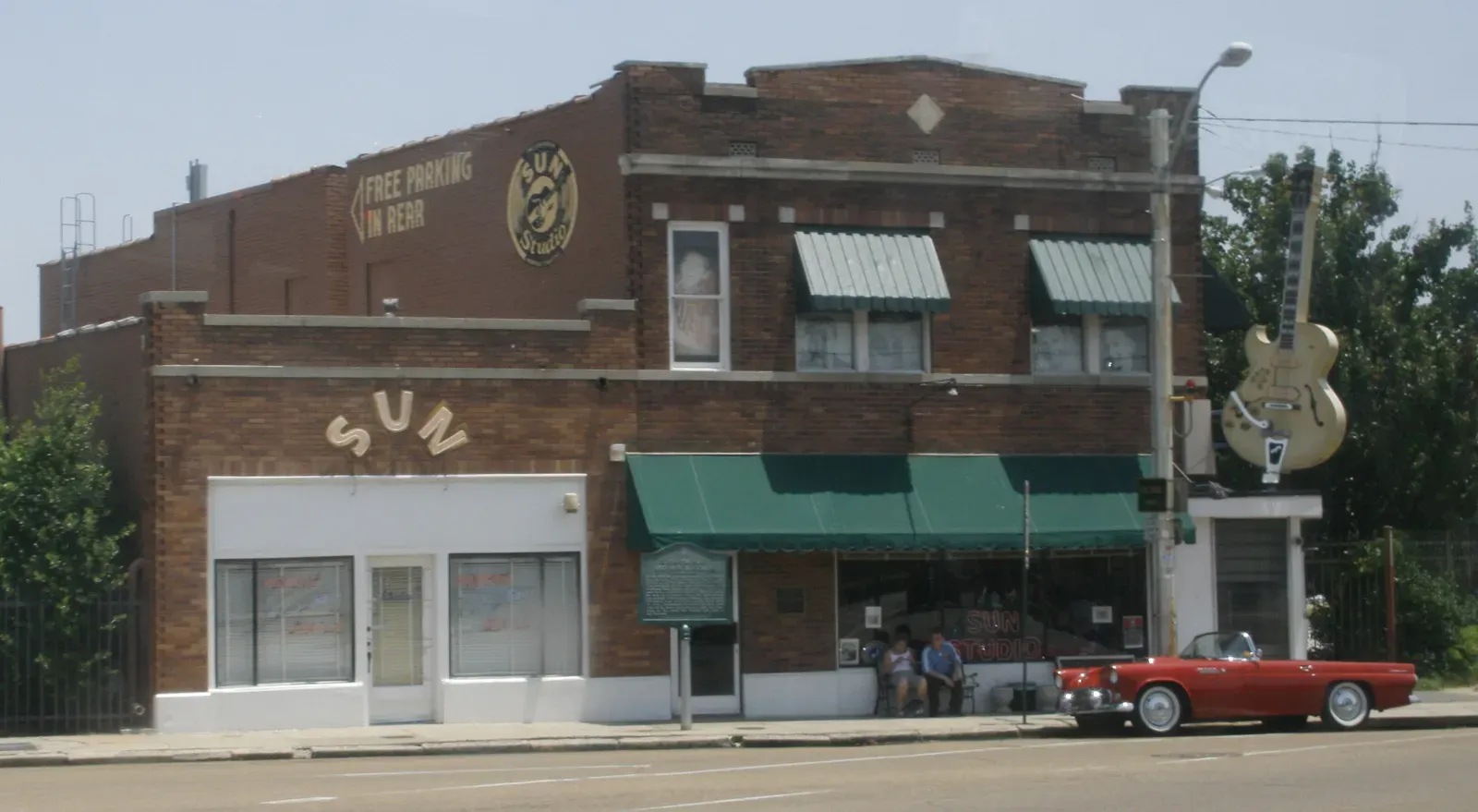
Memphis was home to Sun Records where Elvis Presley first recorded blending blues with rock ‘n’ roll, while Stax Records became synonymous with soul music nurturing talents like Otis Redding. Memphis became a genuine crossroads of American music. The unique Memphis sound drew from gospel, blues, and country, creating a genre that resonated with audiences worldwide.
The city’s influence extended far beyond one or two studios. B.B. King, another Memphis legend, brought the blues to new heights. What really set Memphis apart was how seamlessly it blended these different traditions into something entirely fresh.
1930s Kansas City: Swing and Bebop Jazz
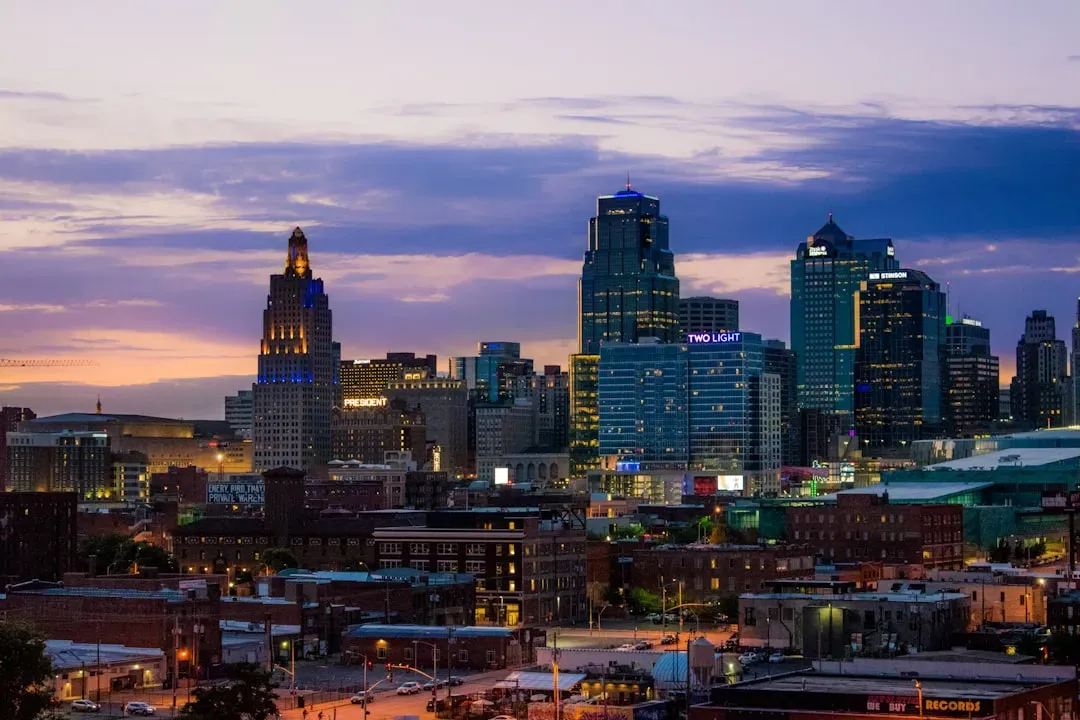
Kansas City was a major hub for big-band swing and early bebop jazz, with Count Basie and Charlie Parker among notable figures who called this city home. The nightclub scene there was something special. The city’s nightclubs provided a fertile ground for musicians to experiment and refine their craft.
New York’s jazz scene was home of bebop which evolved over many years and reached its full identity in the mid-1940s, with Charlie Parker, Dizzy Gillespie, and Thelonious Monk among major innovators of the style. Still, Kansas City’s relaxed atmosphere allowed for the kind of musical exploration that made bebop possible.
Kingston, Jamaica: Reggae’s Roots

Kingston, Jamaica is the birthplace of reggae, with Bob Marley becoming a reggae legend and ambassador for the genre, spreading its message of peace and love. The city’s musical identity ran deep. Dancehall with its energetic beats and catchy hooks also found a home in Kingston, and the city’s vibrant music scene is a melting pot of African, Caribbean, and indigenous influences.
Reggae became more than just music. It transformed into a vehicle for social commentary, spiritual reflection, and political resistance that resonated far beyond Jamaica’s shores.
1970s New York: Disco and Studio 54
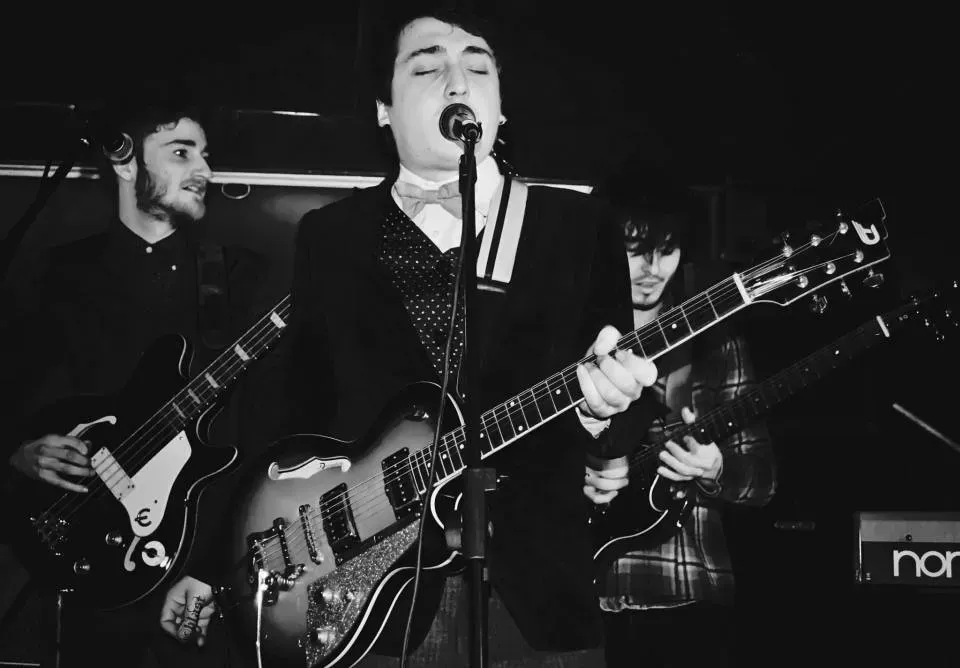
Disco came out of New York in the 1970s, and by the end of the decade it was everywhere, with the movie Saturday Night Fever central in spreading the disco craze. The club scene in New York during this era was transformative. Contemporary popular music was influenced by club music that came from the United States to England around 1987-88, with disco reinventing itself as house music from the Warehouse in Chicago, and house parties and raves becoming gatherings of large crowds for dancing during weekend nights.
Disco gets a bad rap sometimes, but it genuinely revolutionized how people experienced music in social spaces. The production techniques, the emphasis on rhythm and groove, the sheer joy of it all had lasting effects.
1960s San Francisco: Psychedelic Rock
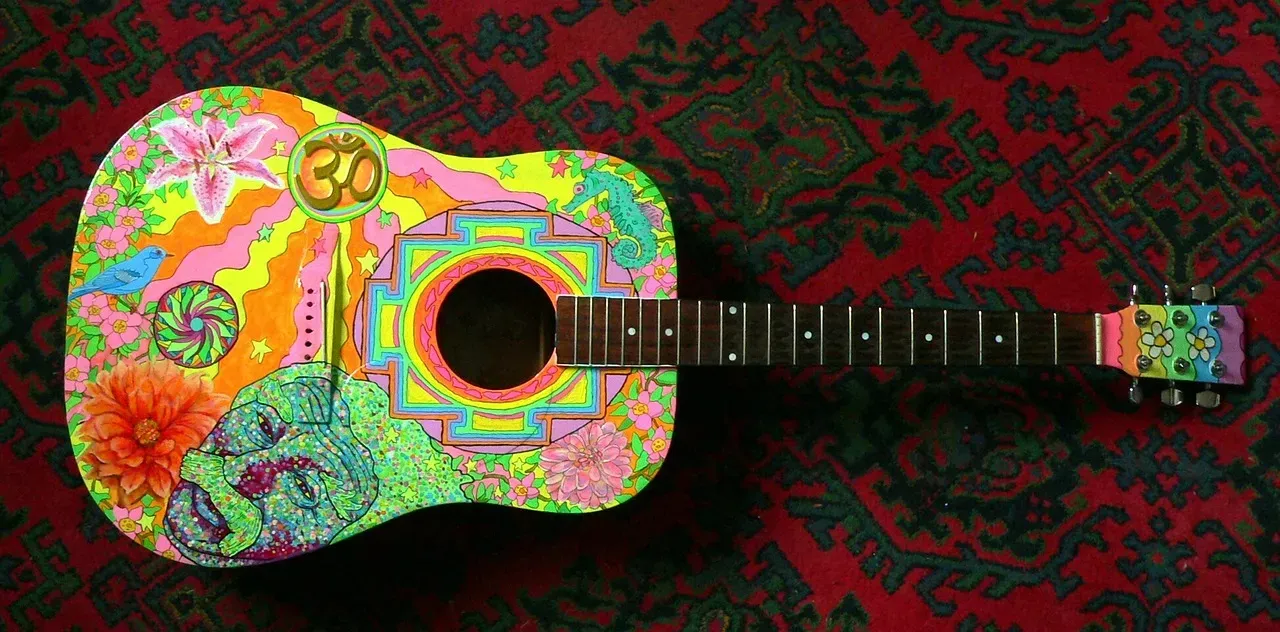
Psychedelic Music represents a wide assortment of popular music styles influenced by a subculture using psychedelic drugs in the 1960s, as San Francisco began experiencing an emerging music scene comprising coffee houses and folk clubs with independent radio stations catering to nearby Berkeley students and free thinkers. The counterculture movement found its soundtrack here.
While drug use among blues and jazz musicians had existed, in the early 1960s the use of cannabis, LSD, mescaline and peyote began growing among rock musicians as well. The Haight-Ashbury district became synonymous with experimentation, both musical and otherwise, creating a sound that pushed boundaries and challenged conventions.
These ten scenes didn’t just produce hit songs. They fundamentally altered how we think about music, culture, and community. From Congo Square to CBGB, from Motown’s Hitsville to Liverpool’s Cavern Club, these places proved that geography matters. When creative people gather in the right place at the right time, with the right combination of struggle, inspiration, and opportunity, they can change the world. What music scene do you think deserves recognition? The beauty of musical history is that new chapters are still being written.