We love a good story. Humans always have. The problem is, we also love a simple story – and history, as it turns out, is anything but simple. For centuries, myths have dressed themselves up as facts, slipped into classrooms, and made themselves comfortable in the public imagination. Some were born from bad translations. Others from political propaganda. A few were invented by novelists and cartoonists who had absolutely no obligation to tell the truth.
The wild thing? Many of these myths are still treated as common knowledge in 2026. Teachers pass them on, movies cement them, and most of us never think to question them. So let’s take a closer look. Some of what you’re about to read may genuinely surprise you. Let’s dive in.
1. Napoleon Was Unusually Short
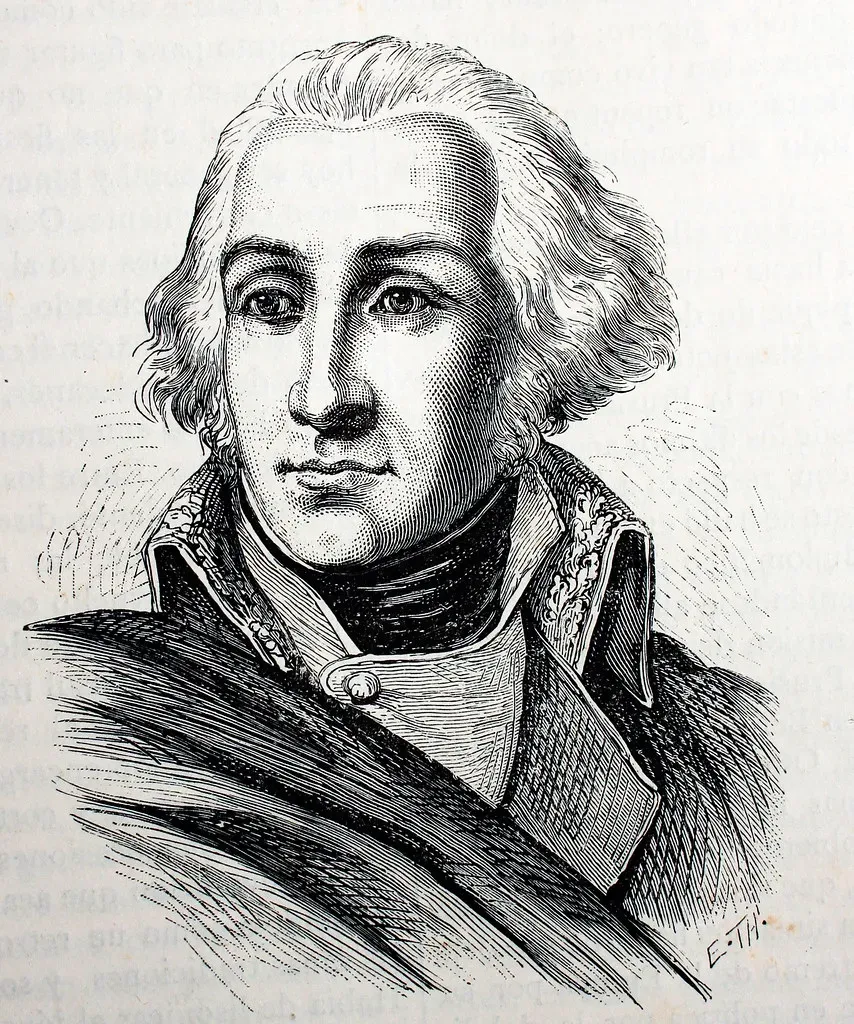
Let’s start with arguably the most famous physical myth in all of history. Mention Napoleon Bonaparte at a dinner party and someone will almost certainly make a joke about his height. It’s practically a reflex at this point. Honest opinion? That reflex is built entirely on British wartime propaganda.
It was influential British cartoonist James Gillray who caricatured Napoleon as a short, belligerent, pompous figure. “Little Boney” actually measured five feet and seven inches – slightly above average for his era. According to pre-metric system French measures, he appeared to be 5 feet 2 inches tall. The French “pouce” of the time was 2.7 cm, while the Imperial inch was shorter at 2.54 cm – a difference that created massive confusion across borders.
Historians also point out that Napoleon was often seen in public in the presence of Old Guard grenadiers, who were required to be physically large and who wore uniforms that may have made the emperor look slight in comparison. In other words, even his choice of bodyguards worked against his reputation. These images had lasting cultural impact and contributed to the idea that Napoleon was physically small and emotionally insecure – making this one of the first widespread uses of visual propaganda to define a public figure’s image internationally.
2. The Egyptian Pyramids Were Built by Slaves
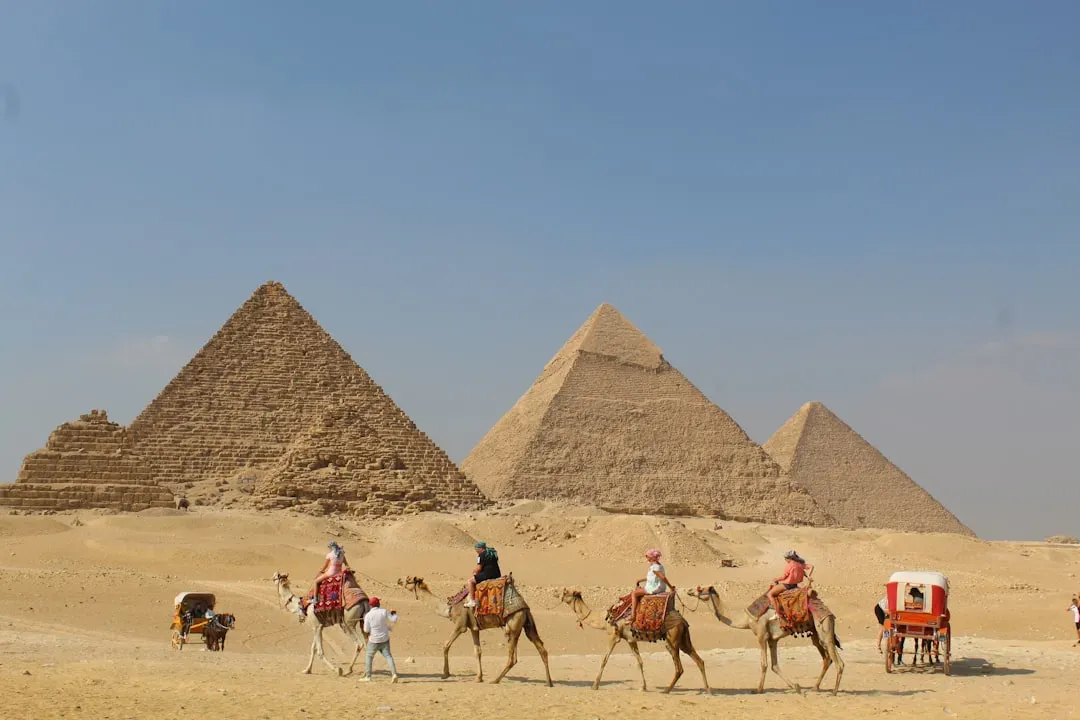
This one is particularly persistent, probably because Hollywood has hammered it into our brains for decades. The Greek historian Herodotus seems to have been the first to suggest this was the case. Herodotus has sometimes been called the “father of history” – other times, the “father of lies.” He visited Egypt long after the pyramids were complete, and his account, it turns out, was wildly inaccurate.
Contrary to popular belief, it wasn’t slaves who built the pyramids. We know this because archaeologists have located the remains of a purpose-built village for the thousands of workers who built the famous Giza pyramids, nearly 4,500 years ago. Inside the rubble of the workers’ site, they found evidence for large barracks where as many as 1,600 or more workers could have slept together, and archaeologists also uncovered extensive remains from the many meals they ate, including abundant bread and huge quantities of meat, like cattle, goat, sheep and fish.
The men who built the last remaining wonder of the ancient world ate meat regularly and worked in three-month shifts. It took 10,000 workers more than 30 years to build a single pyramid – a tenth of the work force of 100,000 that Herodotus wrote of. There is now a consensus among Egyptologists that the Great Pyramids were not built by slaves.
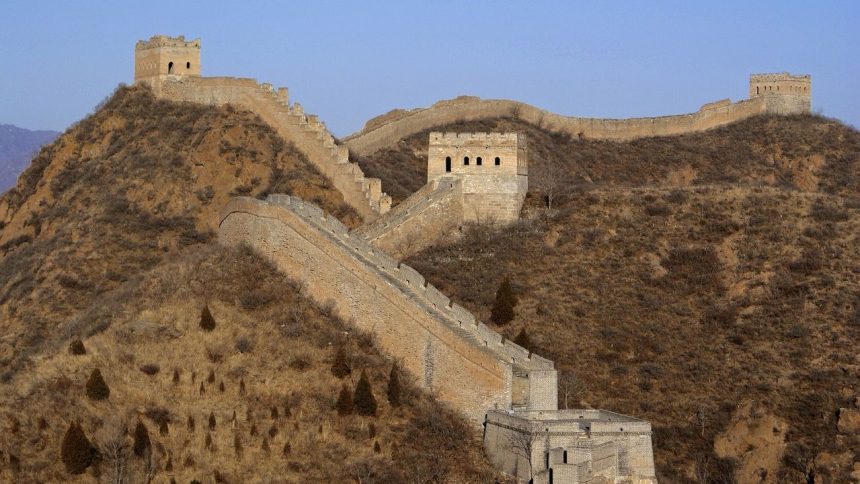
3. The Great Wall of China Is Visible from Space

This is the one that gets recited with an almost religious certainty, especially to school children. I remember hearing it as a kid and thinking it was one of the most impressive facts ever. Turns out it is completely false.
It is next to impossible to see the Great Wall with the naked eye from low-Earth orbit. Even with a fairly hefty camera lens, it’s still challenging to tell if you’re looking at the Great Wall or not. The logic behind the myth is understandable – the wall is incredibly long – but length alone does not equal visibility from hundreds of miles above. Think of it like trying to spot a strand of hair from the top of a skyscraper.
In 2003, a Chinese astronaut shattered the myth by confirming that the Great Wall of China wasn’t actually visible from space. In contrast, the lights of large cities, major roadways, bridges, and airports can be seen from space. There are a couple of reasons this pseudo-fact is so far-flung. For one, its history dates back to well before the Space Age, so no one knew enough to nip it in the bud straight off.
4. Salem Witches Were Burned at the Stake
![4. Salem Witches Were Burned at the Stake (William A. Crafts (1876) Pioneers in the settlement of America: from Florida in 1510 to California in 1849[1], Pioneers in the settlement of America: from Florida in 1510 to California in 1849. edition, Boston: Published by Samuel Walker and Company, Public domain)](https://nvmwebsites-budwg5g9avh3epea.z03.azurefd.net/lasvegasnews/36923c0b3bacec6ca9fbc0de8171f531.webp)
Halloween decorations, horror movies, the word “witch hunt” itself – they all conjure the same image: screaming women engulfed in flames at Salem. It’s a powerful image. It is also completely historically inaccurate.
Despite popular imagery, those convicted of witchcraft in Salem were not burned at the stake. Nineteen people were executed, all by hanging, not burning. Only one man, Giles Corey, was pressed to death by heavy stones after refusing to enter a plea. The burning myth, it seems, crossed the Atlantic and got mixed up in the American imagination.
The image of witches being burned alive in America comes from European witch trials, particularly in Germany and Switzerland. This is in accordance with New England Law, which still followed English law at the time, stating that the penalty for witchcraft was hanging, not burning. The real Salem story is horrifying enough without embellishment. Twenty people were killed, hundreds imprisoned, and communities were torn apart by hysteria and fear.
5. Marie Antoinette Said “Let Them Eat Cake”
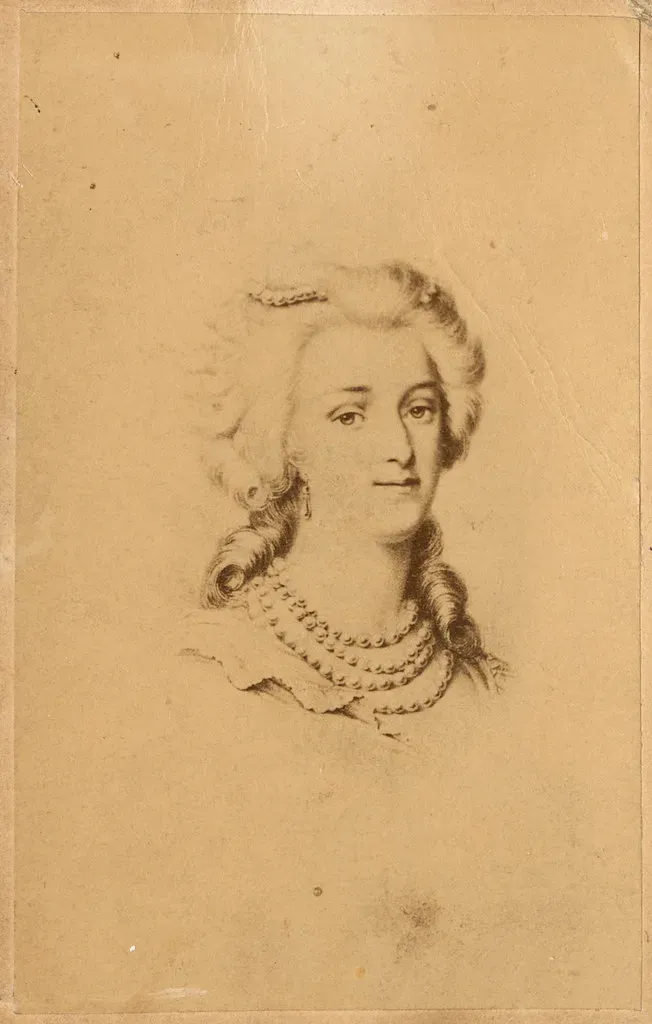
Few historical quotes have done more reputational damage than this one. It paints a picture of a callous, out-of-touch queen sneering at the starving masses. There’s just one problem: she almost certainly never said it.
The phrase first appears in the autobiography of the influential political philosopher Jean-Jacques Rousseau, who attributes the words to “une grande princesse,” meaning “a great princess.” But the fact that Rousseau wrote this part of his biography in 1765, when Marie Antoinette was just nine years old, makes her an unlikely candidate for the princess in question.
The phrase “Qu’ils mangent de la brioche” appears in Jean-Jacques Rousseau’s Confessions, written when Marie Antoinette was only nine years old. There is no contemporary record of her saying anything similar. The phrase was likely attributed to Marie Antoinette as revolutionary propaganda to paint her as callous and out of touch. History, in this case, was weaponized. The quote stuck precisely because it was useful – not because it was true.
6. Columbus Proved the Earth Was Round
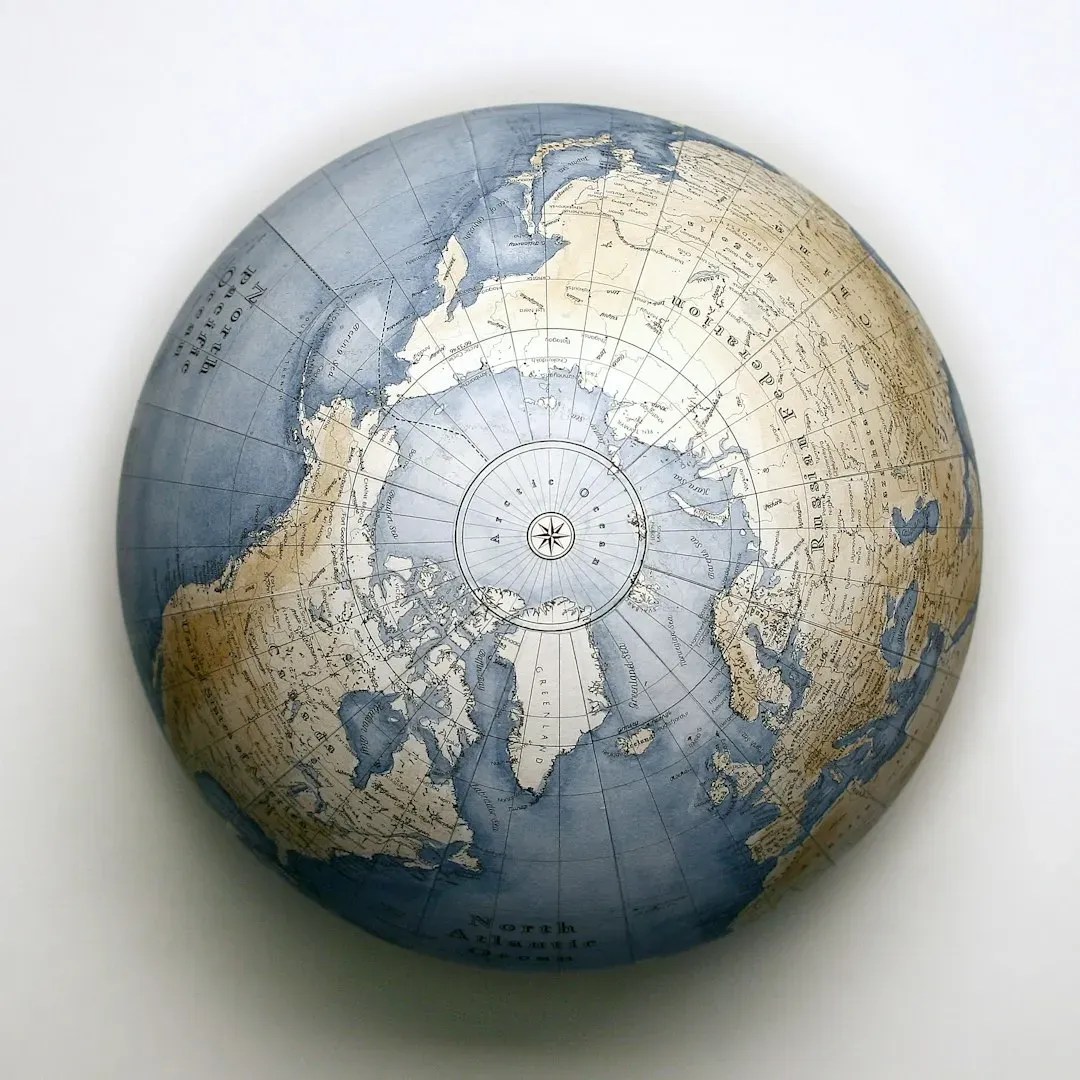
Here is another myth that flatters one man while insulting every educated person who lived before him. The story goes: Christopher Columbus was a brave pioneer who set sail to prove the Earth was not flat, while frightened, ignorant Europeans trembled onshore. It makes for great drama. It also happens to be fiction.
In the words of historian Jeffrey Burton Russell, “no educated person in the history of Western civilisation from the 3rd century BC onwards believed that the Earth was flat.” The ancient Greeks had already worked this out. In the middle of the third century BC, Aristotle declared with certainty that the Earth was, in fact, spherical.
The most prevailing part of this myth is that Columbus had set out to prove the Earth was round. It’s true that Columbus was trying to reach East Asia, but he was solely seeking a new trade route. Washington Irving’s 1828 biography of Columbus actually popularized the flat-earth story. It stuck because it fits a narrative of progress – ignorance conquered by bold vision – but the real debate was much more technical.
7. George Washington Had Wooden Teeth

George Washington and wooden teeth go together in American folklore like apple pie and the Fourth of July. It’s one of those harmless-sounding “facts” that gets repeated so often that questioning it almost feels unpatriotic. Still, it’s completely wrong.
It turns out the nation’s first president wasn’t rocking a pair of wooden chompers. The historians at the Washington Library say that while George Washington did suffer from dental problems, his dentures were composed of ivory, gold, lead, and even other human teeth – but never any wood.
Washington’s dentures were constructed from a variety of materials, including ivory from hippopotamus, walrus, and elephant, gold, lead, and human teeth purchased from donors. This misconception likely arose from their stained appearance, resembling wood. Washington suffered terribly from tooth decay his entire life, losing nearly all of his teeth before becoming president. The real story of his dental pain is far more sobering than the wooden teeth legend ever was.
8. Vikings Wore Horned Helmets

Close your eyes and picture a Viking. The horned helmet is practically non-negotiable, isn’t it? You’ll find it on sports team logos, Halloween costumes, and countless movies. It is, however, a complete fabrication with no archaeological support whatsoever.
Despite the iconic depictions of Vikings wearing horned helmets, there is no historical evidence to support this image. The concept of horned helmets originated from artistic interpretations in the 19th century and has been perpetuated in popular culture. In reality, Viking helmets were likely simpler and designed for practicality and protection in battle.
Think about it from a purely practical standpoint: if you’re swinging a sword in close combat, the last thing you want are two large protrusions sticking out of your head, catching on everything around you. The one well-preserved Viking helmet ever found – the Gjermundbu helmet from Norway – has no horns at all. It’s a simple iron cap. The horned image was essentially invented by Romantic-era artists in the 1800s, and it has never let go.
9. Albert Einstein Failed Math as a Student
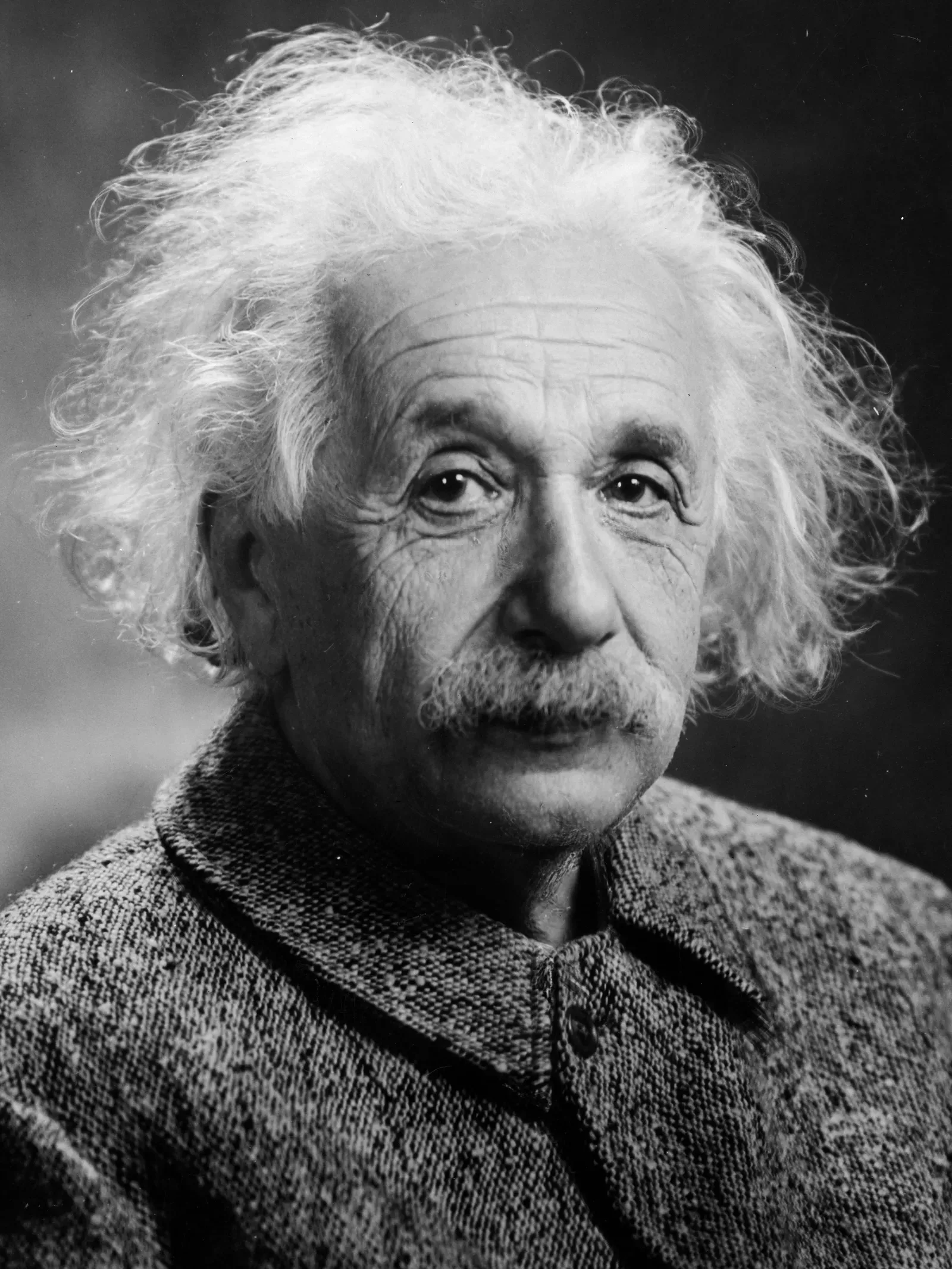
This myth has a weirdly comforting appeal. If even Einstein struggled with math, then maybe we’re all okay. It’s the kind of story that gets shared at motivational talks and printed on inspirational posters. The problem? It did not happen.
Albert Einstein did fine in math, but he did flunk the entrance exam to the Zurich Polytechnic Institute on his first try at age 16. The exam was given in French, which Einstein wasn’t fluent in, and records show he passed the math section but failed the language, botany, and zoology sections.
The idea that Albert Einstein struggled with mathematics is a myth that undermines his genius. In truth, Einstein was a math prodigy, excelling in the subject from a young age. By his early teens, he had already mastered calculus, a foundation for his later groundbreaking work in physics. The myth comes from a misunderstanding about grading systems – not actual academic performance. The irony of using one of history’s greatest minds as a symbol of academic struggle is almost too much to bear.
10. The Aztecs Thought Cortés Was a God
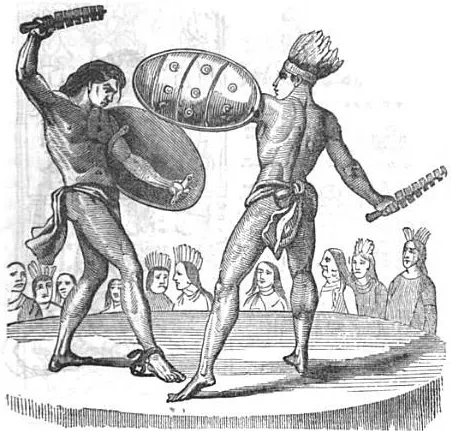
This is perhaps the most politically loaded myth on this list. The story says that when Spanish conquistador Hernán Cortés arrived in Mexico in 1519, the Aztec emperor Montezuma and his people believed he was a returning deity – specifically the god Quetzalcoatl. It has been used for centuries to explain why a relatively small group of Spaniards could conquer a vast, sophisticated empire. Here’s the thing, though: it is not supported by the evidence.
When Cortés arrived in Mexico in November 1519, a popular myth claims the Aztec emperor Montezuma and his people thought he was a god. In reality, this was first claimed in 1552 by Francisco López de Gómara, who was chaplain and secretary to the then-retired Cortés. It is widely accepted that those claims were made to justify the conquest and mistreatment of the Aztec people. Cortés himself never mentioned being perceived as a “white god” in any of his letters from that time.
The Aztecs were highly sophisticated and had a complex understanding of gods and prophecy, but they treated Cortés and his men as powerful outsiders rather than actual deities. Historians think Montezuma’s cautious diplomacy was likely a political strategy to protect his city and assess the threat. This notion was cooked up by Franciscan friars in the late 1500s and is absent even from most Spanish sources. In other words, the “they thought we were gods” narrative was a convenient story for the victors – not a documented historical reality.
The Bigger Picture
Here’s what’s genuinely fascinating about all of this. These myths were not always born from stupidity or laziness. Some started as political tools, others from misread measurements, and a few from writers simply trying to tell a more exciting story. After reading about historical myths, it becomes apparent that history is always changing and evolving. Hypotheses are constantly being put forward, challenged, and then either incorporated into historical narratives or tossed out.
The real lesson here is not just that these ten “facts” are wrong. It is that our relationship with history is far more fragile and malleable than most people realize. What we “know” is often what we have been told repeatedly, not what the evidence actually shows. That’s a humbling thought worth sitting with.
So next time someone confidently drops one of these myths at a dinner table, you’ll know exactly what to say. Which of these surprised you the most? Drop your thoughts in the comments below.