Napoleon Was a Short, Angry Little Man
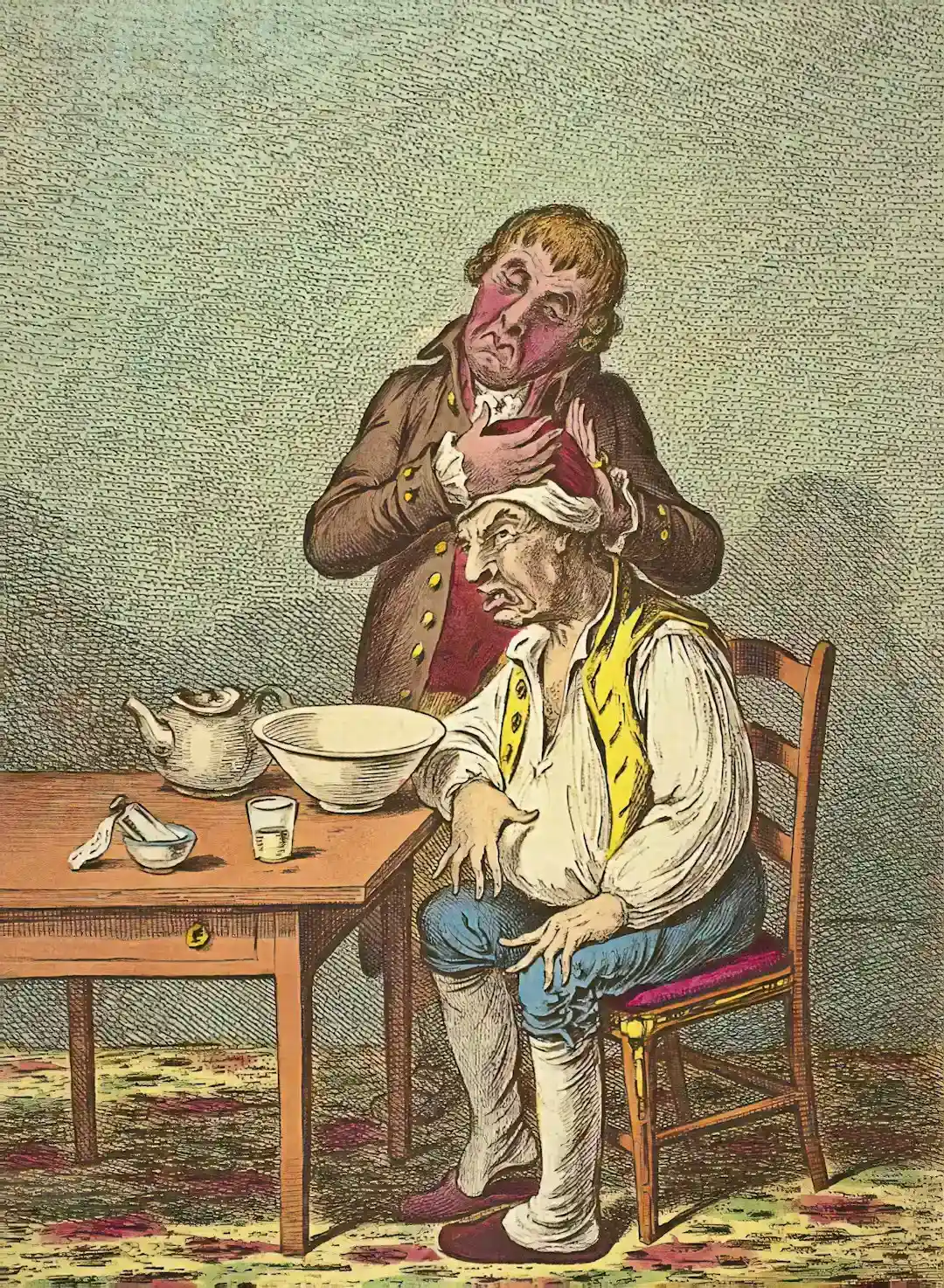
Napoleon actually stood around five feet, six and a half inches tall, which was average height for French men in his era. The confusion stems from differences between French and British measurement systems at the time, with the French inch being longer than the British version. British cartoonist James Gillray helped spread the image of “Little Boney” through political cartoons that mocked Napoleon by depicting him as diminutive. The myth stuck so well that we even named a psychological condition after him, though the man himself was perfectly average in stature.
Vikings Wore Horned Helmets Into Battle
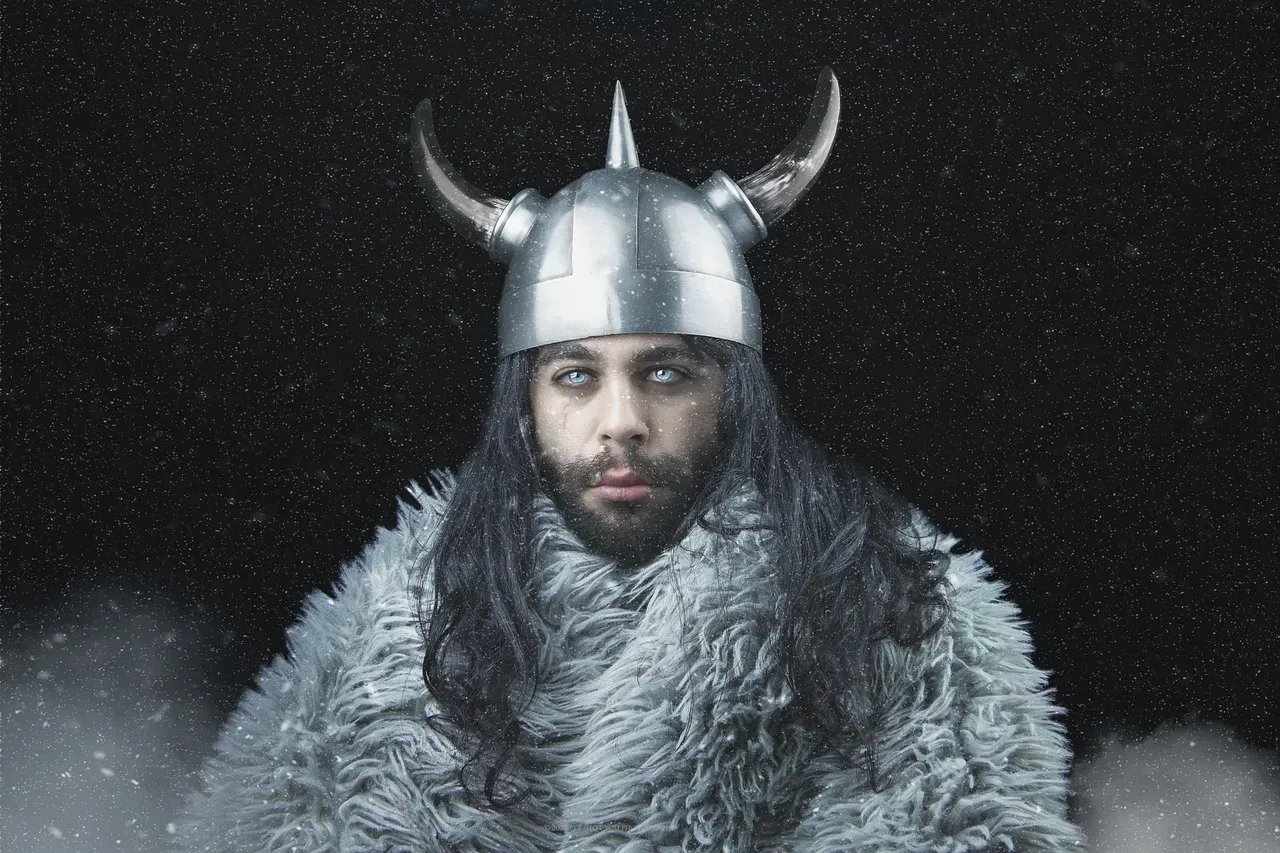
Only one complete Viking helmet has ever been discovered, found at Gjermundbu in Norway, and it has no horns. Despite years of searching, archaeologists have yet to uncover a Viking era helmet embellished with horns. So where did this image come from? The horned helmets first appeared in the 1876 rendition of Richard Wagner’s opera cycle, where costume designer Carl Emil Doepler borrowed the idea from Native American buffalo headdresses. The striking visual caught on immediately and never went away, even though it has absolutely no basis in history.
The Great Wall of China Is Visible From Space
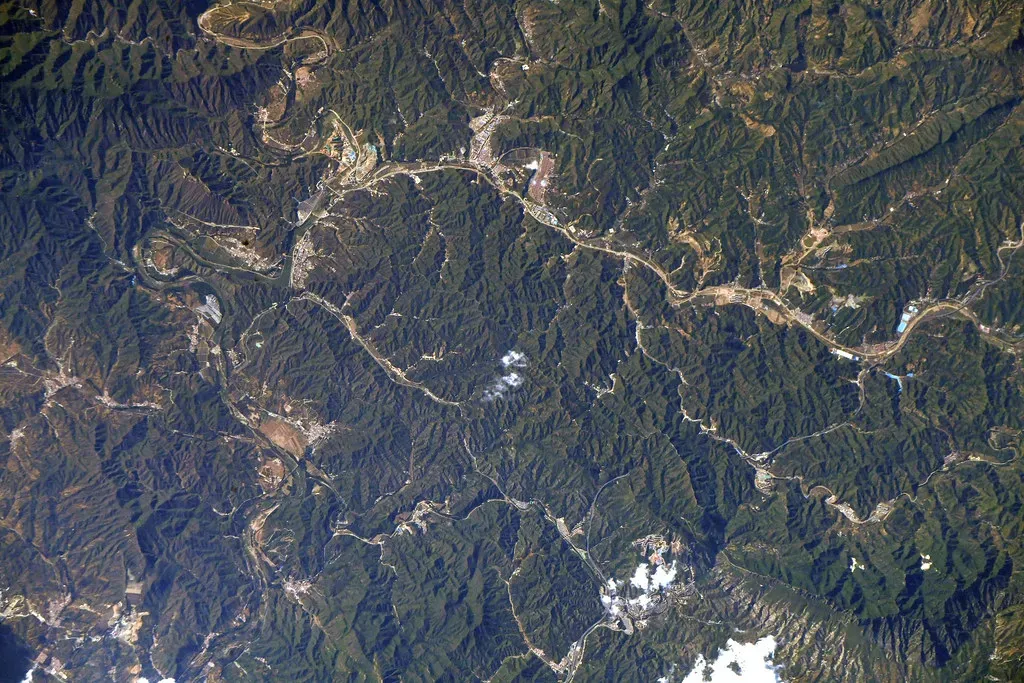
The wall is not visible from the moon, and is difficult or impossible to see from Earth orbit without high-powered lenses. Chinese astronaut Yang Liwei, who orbited Earth 14 times in October 2003, confirmed this when he stated he did not see the Great Wall. At the distance of the moon, the Great Wall would appear as a line one ten-thousandth of an arcminute thick, roughly the equivalent of seeing a human hair from a kilometer away with unaided eyes. Even from low Earth orbit, the wall blends into the surrounding landscape and requires specialized equipment to photograph.
Medieval People Thought the Earth Was Flat
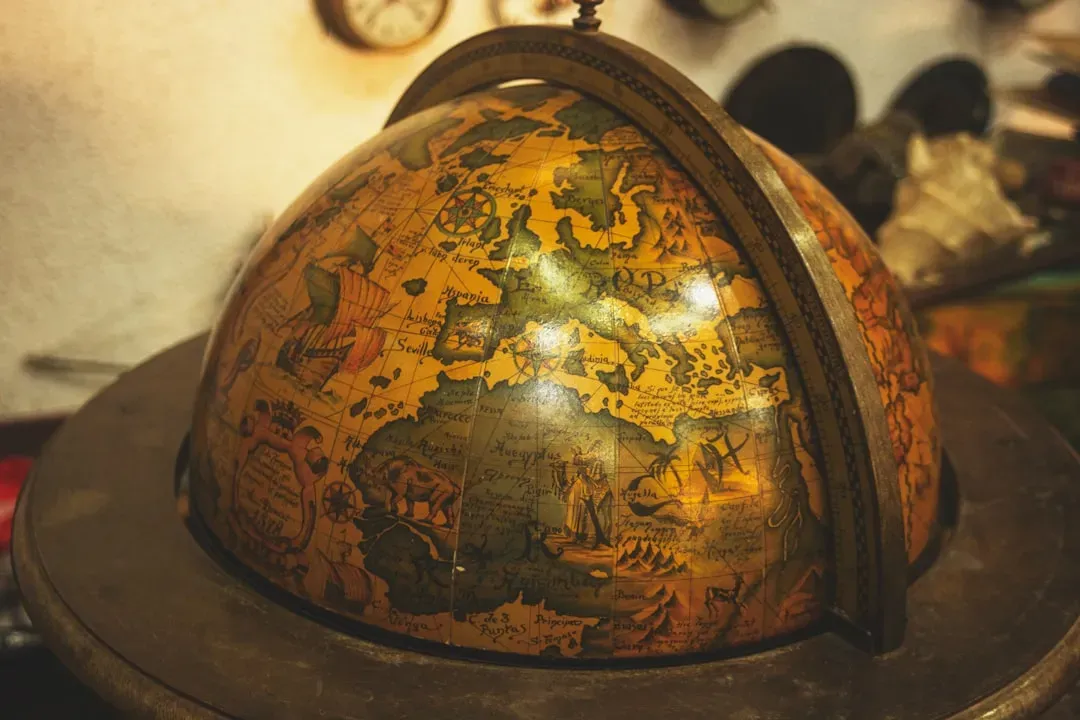
Historians of science David Lindberg and Ronald Numbers point out that there was scarcely a Christian scholar of the Middle Ages who did not acknowledge Earth’s sphericity and even know its approximate circumference. Greek knowledge of sphericity never faded, and all major medieval scholars accepted the Earth’s roundness as an established fact of cosmology. Historian Jeffrey Burton Russell says the flat Earth error flourished most between 1870 and 1920, and had to do with the ideological setting created by struggles over biological evolution. The myth was weaponized by 19th century writers to discredit the medieval Church and paint science as being at war with religion.
Marie Antoinette Said Let Them Eat Cake
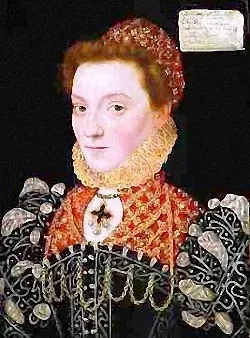
There is no evidence that Marie Antoinette ever uttered this phrase, and the quote can actually be traced back to Jean-Jacques Rousseau’s Confessions in 1765, when Antoinette was nine years old and had never been to France. The phrase was not attributed to her until half a century after her death. Lady Antonia Fraser, author of a biography of the French queen, s the quote would have been highly uncharacteristic of Marie Antoinette, an intelligent woman who donated generously to charitable causes. The quote became powerful propaganda, but it was never hers to begin with.
Gladiators Always Fought to the Death
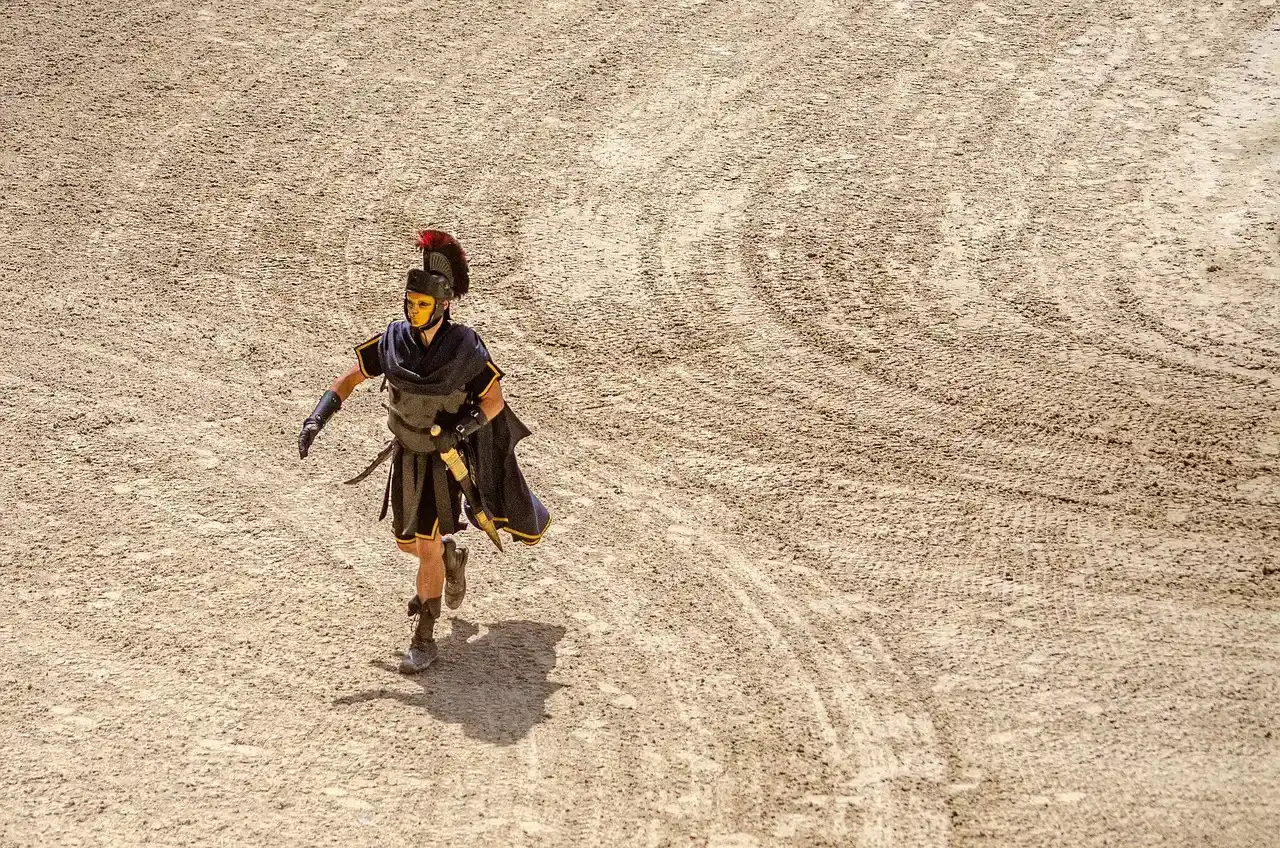
Roman gladiators were valuable investments, not disposable slaves. They received extensive training, medical care, and special diets to keep them in peak condition. Most gladiatorial matches ended when one fighter surrendered or was too injured to continue, not in death. Studies of gladiator remains show that many survived multiple fights and lived into middle age. The thumbs down signal we associate with execution orders is itself another myth from Hollywood, not ancient Rome. These warriors were expensive celebrities, and killing them off constantly would have been terrible business.
Slaves Built the Egyptian Pyramids
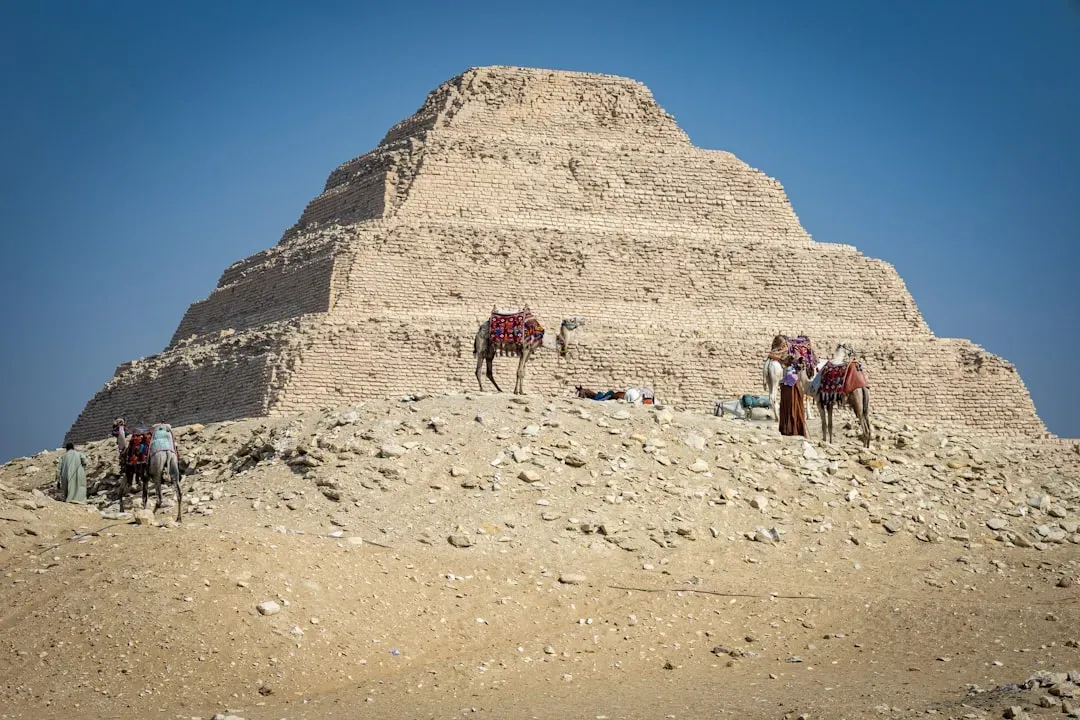
Archaeological discoveries since the 1990s have completely overturned this long held belief. Researchers found evidence of workers’ villages near the pyramid sites, complete with bakeries, breweries, and medical facilities. Tomb inscriptions revealed that skilled laborers were paid for their work and received proper burials, something that would never have been granted to slaves. These workers rotated in shifts, received rations of bread and beer, and were organized into crews with names that showed pride in their work. The pyramid builders were respected craftsmen, not enslaved masses.
Columbus Proved the Earth Was Round

By 1492, educated Europeans had already accepted for centuries that Earth was spherical. Columbus faced opposition not because people feared sailing off the edge of a flat planet, but because they correctly calculated that Asia was far too distant to reach by sailing west with the provisions available. Columbus had drastically underestimated Earth’s circumference. He got lucky that an entire continent nobody expected sat between Europe and Asia. His contemporaries weren’t ignorant, they were right about the actual distances involved, and Columbus was wrong.
Spartans Lived Only for War
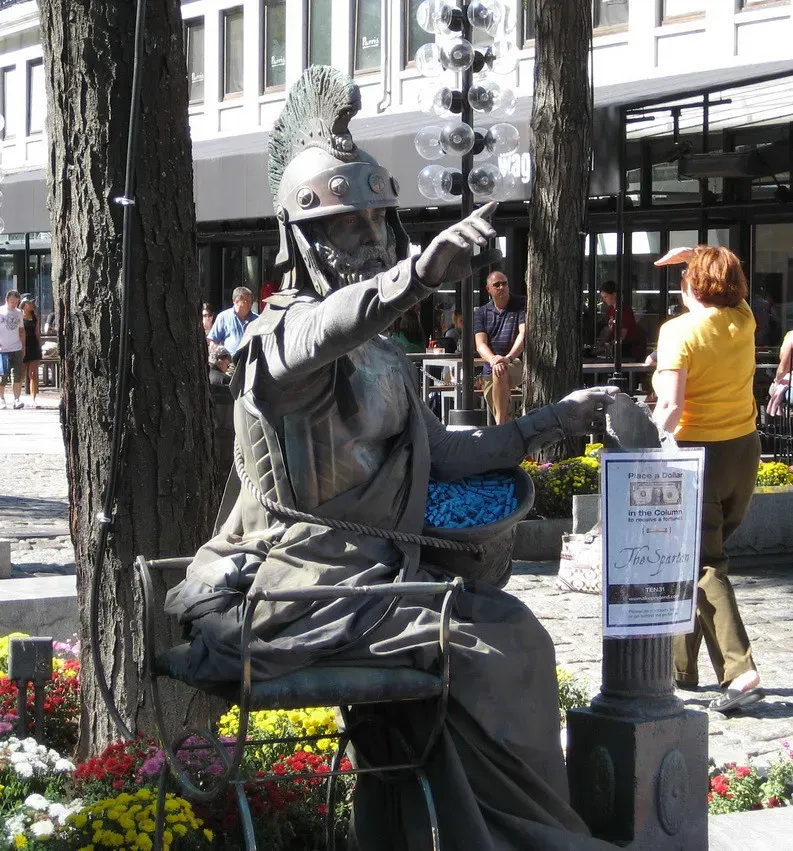
Sparta’s reputation as a brutally militaristic society has been exaggerated by later writers who weren’t there. Modern archaeological evidence shows Spartans engaged in religious festivals, produced art and poetry, and participated in trade and diplomacy like other Greek city states. They valued education and philosophy alongside military training. Spartan women enjoyed more rights and freedoms than women in most other Greek societies. The image of Spartans as one dimensional killing machines comes more from propaganda and later romanticized accounts than from the complex reality of their culture.