The Little Emperor Who Wasn’t So Little

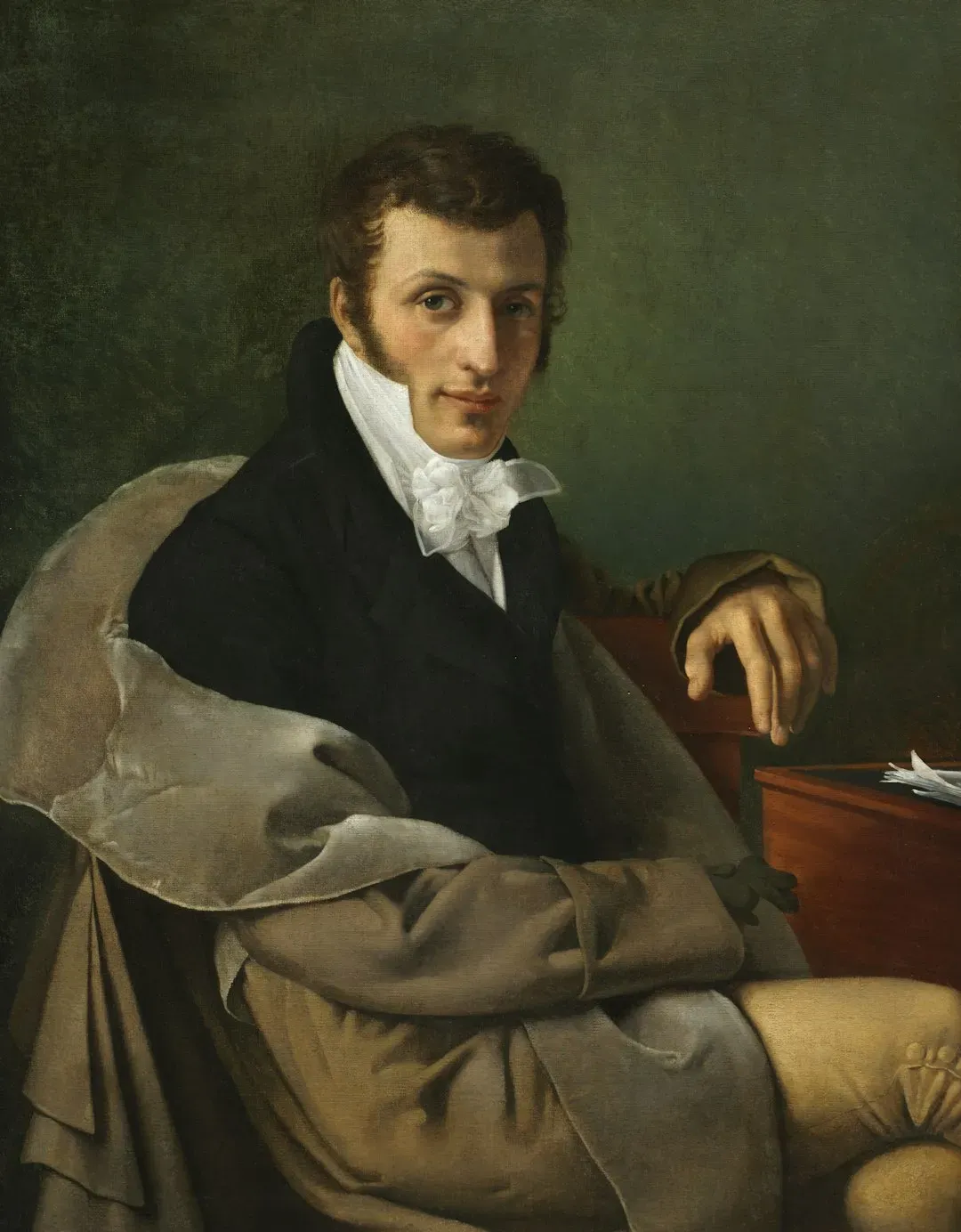
Napoleon Bonaparte stands in our minds as a short, angry man compensating for his stature through military conquest. Yet this image couldn’t be further from the truth. The French emperor was probably closer to five feet six or five feet seven inches, which was typical in the 19th century when most Frenchmen stood between five feet two and five feet six inches tall.
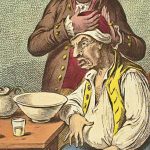
Upon Napoleon’s death in 1821, his height was recorded as five feet two inches in French measurement, but the 19th-century French inch measured 2.71 cm rather than 2.54 cm, creating a lasting misunderstanding. British cartoonists like James Gillray seized upon this confusion, routinely depicting Napoleon as diminutive to mock him during the Napoleonic Wars.
The myth persists partly because Napoleon surrounded himself with his Imperial Guard, elite soldiers selected specifically for their height. Standing next to men over six feet tall made the average-height emperor appear shorter than he actually was. It’s hard to say for sure, but sometimes a good caricature sticks better than documented facts.
Vikings Never Wore Those Iconic Horns

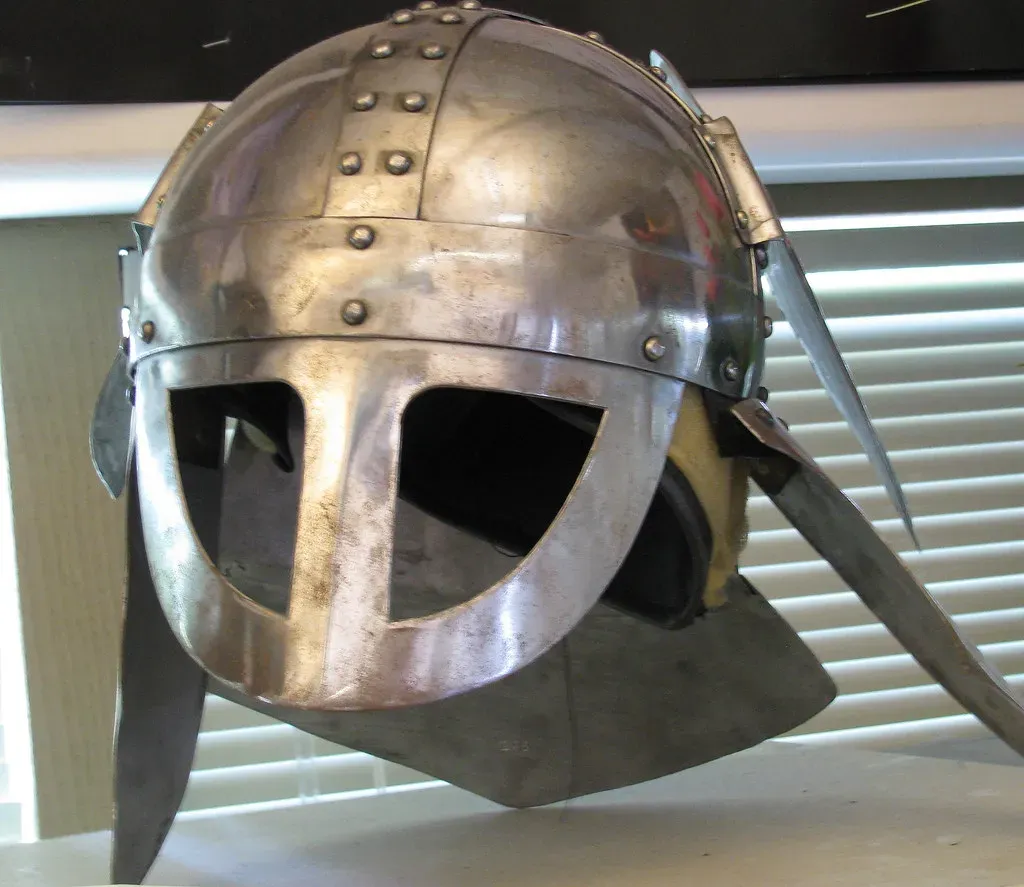
Despite years of archaeological searching, researchers have yet to uncover a single Viking-era helmet embellished with horns, and in fact only one complete helmet that can definitively be called Viking has turned up. The famous horned look we associate with Norse warriors never existed in actual Viking culture.
The first time we see Vikings wearing horned helmets is in the inaugural production of Wagner’s Ring Cycle at Bayreuth in 1876, when creative director Carl Doepler chose to adorn the helmets with horns. Before this production, Viking helmets had wings instead, while horned helmets belonged to depictions of barbarians from earlier periods.
Honestly, horns would have been terribly impractical in battle. They’d get caught in tree branches, stuck in shields, or grabbed by enemies during close combat. The only preserved helmet from the Viking Age was found in the Norwegian warrior’s burial at Gjermundbu, north of Oslo, together with the only complete suit of chain mail from the period, and it has no horns.
The Great Wall’s Invisibility From Space

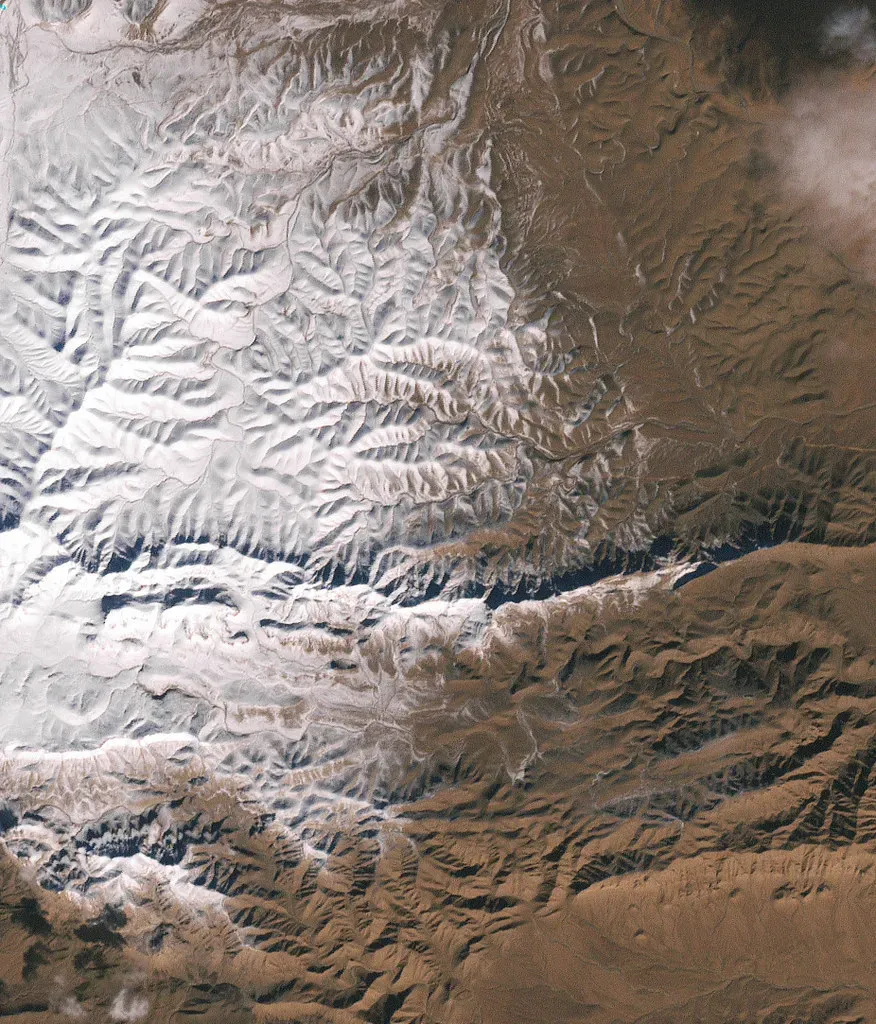
For decades, people d the Great Wall of China was the only manmade structure visible from space with the naked eye. NASA has confirmed that despite myths to the contrary, the wall isn’t visible from the moon and is difficult or impossible to see from Earth orbit without high-powered lenses.
Yang Liwei, China’s first astronaut aboard the Shenzhou V spacecraft in 2003, gave a definite answer of no to reporters after returning to the ground, clarifying that when the spacecraft rose to an altitude of over 30 kilometers above the ground, the Great Wall could no longer be observed with the naked eye. The wall’s width averages only four to five meters, roughly equivalent to a one-lane road.
Canadian astronaut Chris Hadfield confirmed via Twitter that the Great Wall of China is not visible from orbit with the naked eye because it’s too narrow and follows the natural contours and colours of the landscape. Let’s be real, if the Great Wall were visible, so would highways, the Pyramids of Giza, and probably your neighborhood airport runway.
Medieval Scholars Knew Earth Was Round

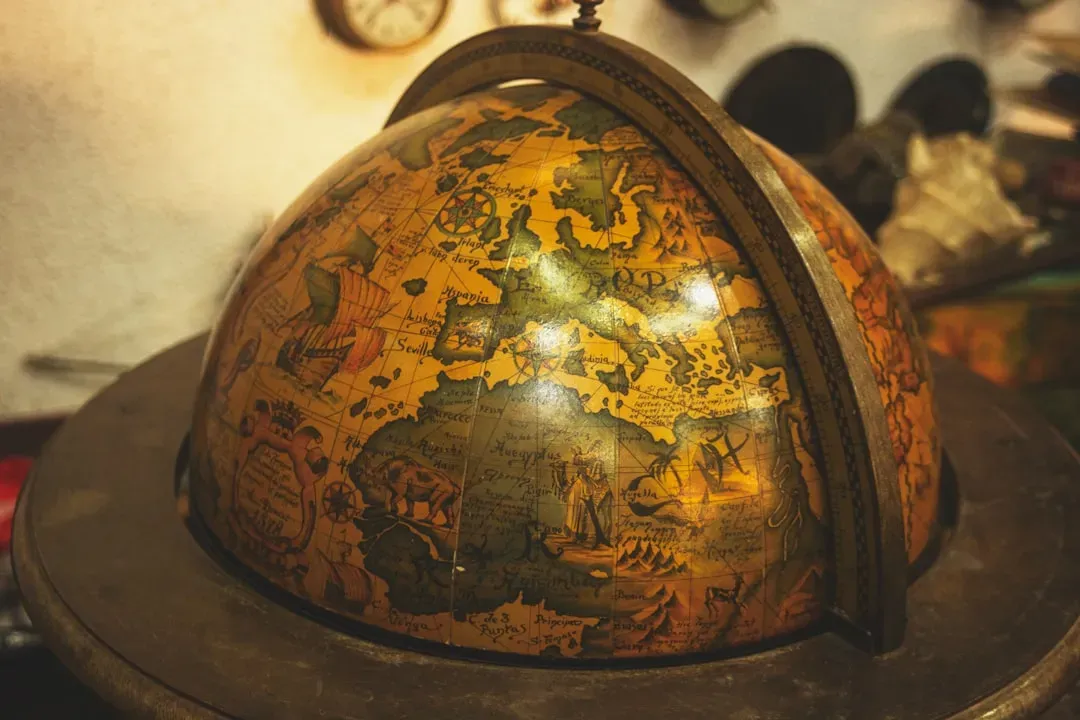
Historians of science David Lindberg and Ronald Numbers point out that there was scarcely a Christian scholar of the Middle Ages who did not acknowledge Earth’s sphericity and even know its approximate circumference. The educated class understood perfectly well they lived on a sphere, not a pancake.
Historian Jeffrey Burton Russell says the flat-Earth error flourished most between 1870 and 1920 and had to do with the ideological setting created by struggles over biological evolution. Writers used the false medieval flat-Earth belief to mock religious opponents of Darwinism, suggesting they were as ignorant as those alleged Medieval Christians who supposedly thought Earth was flat.
Ancient Greeks had established Earth’s spherical shape centuries before the Middle Ages. Medieval theologians like Thomas Aquinas employed these Greek arguments, and Dante’s Divine Comedy explicitly describes a spherical Earth with gravity pointing toward its center. The myth tells us more about 19th-century propaganda than medieval geography.
Marie Antoinette’s Fictional Cake


Although the phrase is conventionally attributed to Marie Antoinette, there is no evidence that she ever uttered it, and the phrase can actually be traced back to Jean-Jacques Rousseau’s Confessions in 1765, 24 years prior to the French Revolution when Antoinette was nine years old and had never been to France, and it was not attributed to Antoinette until decades after her death.
Rousseau wrote about an unnamed great princess who suggested peasants eat brioche when told they had no bread. The philosopher may have been referring to Marie-Thérèse, wife of Louis XIV who lived roughly one hundred years before Marie Antoinette became queen. Similar stories appeared throughout Europe, including 16th-century German tales.
Marie Antoinette actually donated generously to charitable causes and established homes for unwed mothers. During France’s 1787 famine, she reportedly sold the royal family’s flatware to buy grain for poorer families. The quote stuck because revolutionaries needed a symbol of aristocratic indifference, and Marie Antoinette fit the bill perfectly.
Gladiators Usually Survived the Arena

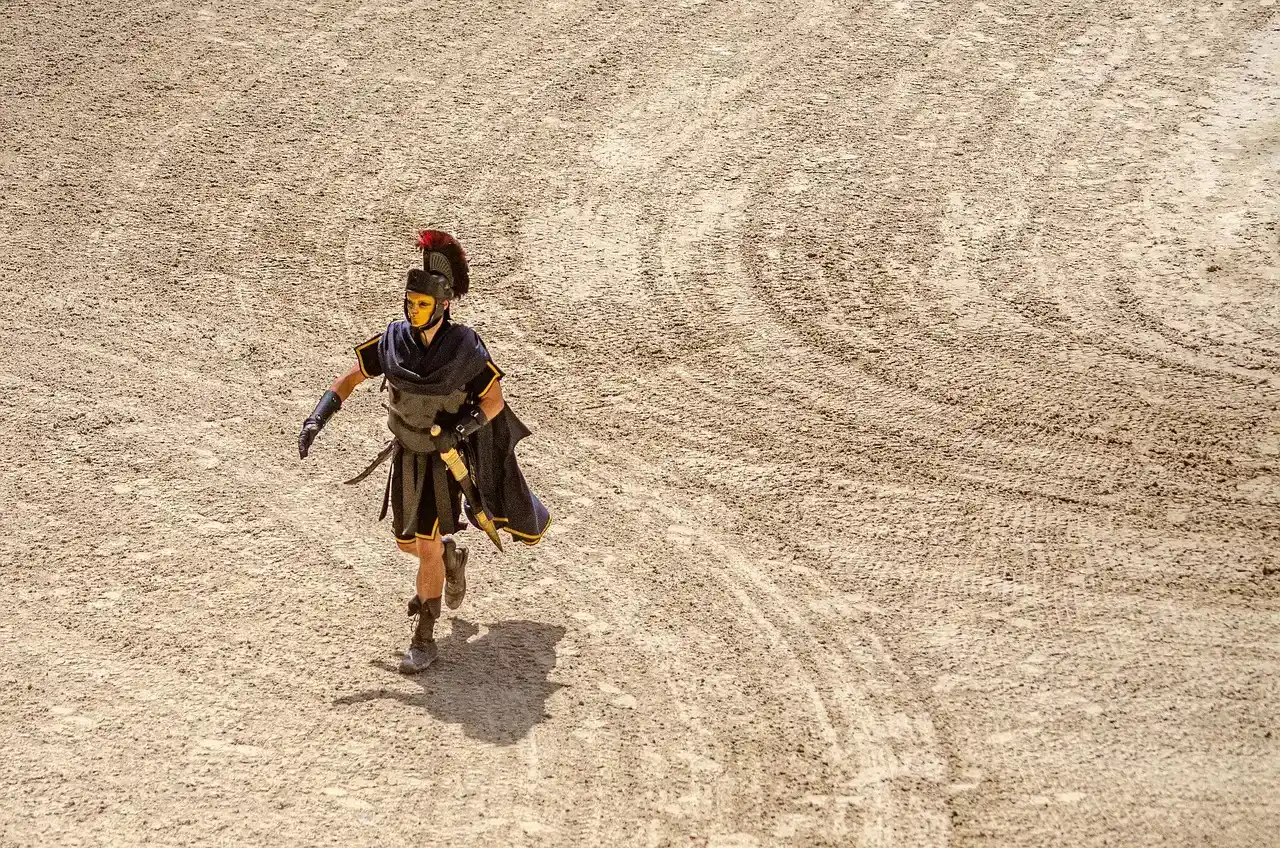
Hollywood loves showing gladiators fighting to the death in Roman arenas, but actual gladiatorial combat rarely ended in fatalities. Gladiators represented expensive investments for their owners, requiring years of training, specialized diets, and medical care. Killing them routinely made no economic sense.
Partner offer

Most fights ended when one combatant surrendered by raising a finger or dropping his weapon. The crowd and presiding official would then decide the loser’s fate, and death sentences were relatively uncommon. Studies of gladiator cemeteries reveal that while injuries were frequent, many fighters lived into middle age with healed wounds.
Professional gladiators were more like modern wrestlers or boxers than doomed prisoners. They had fan followings, endorsement deals with olive oil merchants, and groupies. Some even became wealthy celebrities. The occasional execution did happen, particularly with condemned criminals, but trained gladiators were too valuable to waste.
Pyramids Built by Paid Workers, Not Slaves
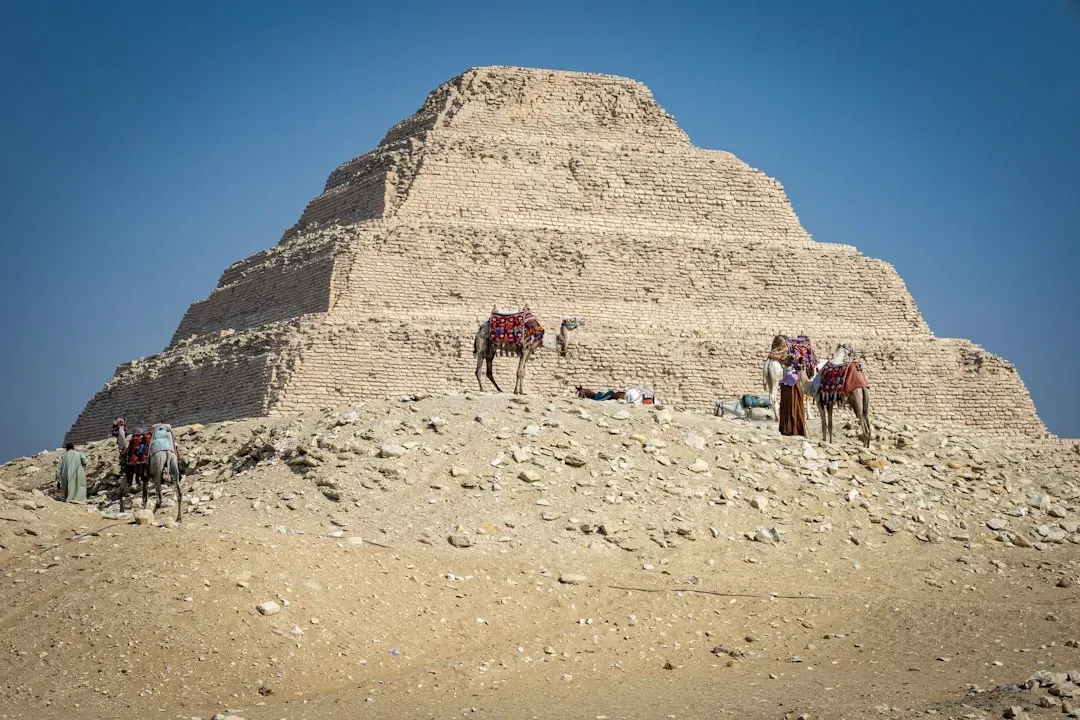
Archaeological discoveries since the 1990s have completely overturned the popular image of Hebrew slaves building Egypt’s pyramids under whips and chains. Excavations near the Giza pyramids revealed workers’ villages with evidence of medical care, beer rations, and honorable burials.
The laborers were paid Egyptian citizens who lived in purpose-built towns near the construction sites. Tomb inscriptions show workers received food, including meat, which was relatively expensive in ancient Egypt. They also had access to medical treatment for work-related injuries, and those who died on the job received proper burials near the pyramids they helped build.
The workforce likely rotated seasonally, with farmers working on pyramid construction during the Nile’s flood season when agricultural work was impossible. This system allowed Egypt to mobilize large numbers of workers while maintaining agricultural production. Some workers even left graffiti inside the pyramids, marking their teams’ contributions with evident pride.
Columbus Didn’t Discover a Round Earth

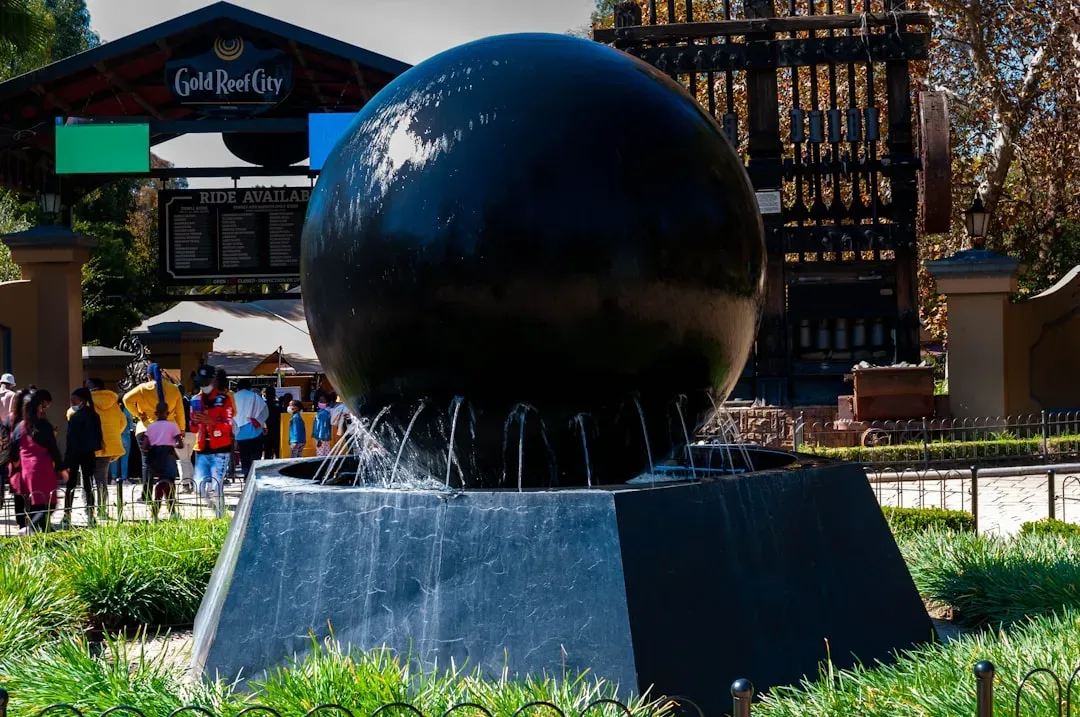
By 1492, educated Europeans already knew Earth was spherical. Columbus’s voyage wasn’t controversial because people feared sailing off the edge, but because experts correctly calculated he had drastically underestimated Earth’s circumference. He thought Asia was roughly where the Americas actually sit.
Spanish scholars at the University of Salamanca opposed Columbus’s expedition not because they d in a flat Earth, but because their calculations suggested he would run out of supplies before reaching Asia. They were absolutely right. Columbus only survived because an unexpected continent happened to be exactly where his flawed math placed Asia.
The flat-Earth Columbus myth emerged primarily from Washington Irving’s 1828 biography, which invented dramatic scenes of Columbus defending Earth’s roundness before skeptical clergy. Irving’s fictional account proved irresistible to 19th-century writers who used it to portray religious authorities as anti-scientific. Academic consensus confirms medieval scholars universally accepted a spherical Earth.
Sparta Had More Than Just Warriors

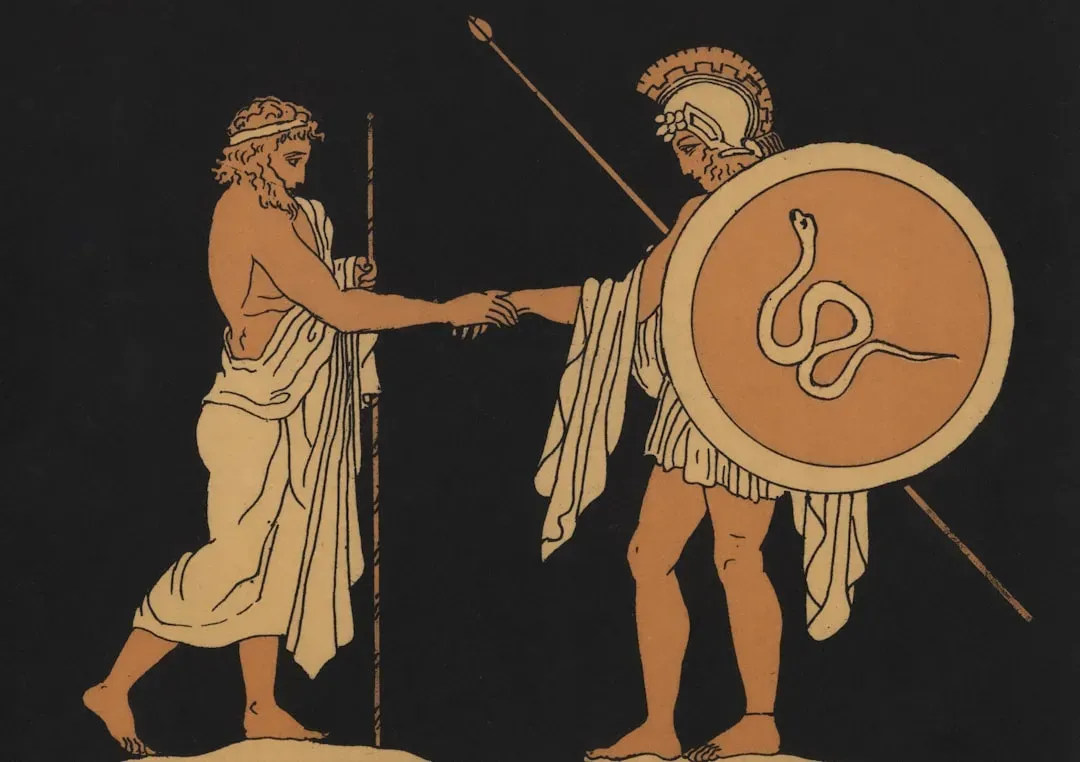
Popular culture presents Sparta as a society of brutal warriors living in constant warfare, training from childhood to fight and die gloriously. While Spartan military prowess was real, modern historians note that this reputation was heavily exaggerated by later Greek and Roman writers who found Spartan militarism romantically appealing.
Archaeological evidence reveals periods of significant cultural, religious, and artistic life in Sparta. Spartans produced pottery, sculpture, and poetry. They held religious festivals, conducted trade, and maintained diplomatic relationships. Daily life involved farming, political discussions, and family activities beyond weapons training.
The famous agoge training system was harsh, but Spartans didn’t spend every waking moment at war. Long stretches of Spartan history were relatively peaceful, with military campaigns happening intermittently rather than continuously. Sparta’s feared reputation often won battles before they started, allowing the state to achieve political goals through intimidation rather than constant fighting.
Salem Trials Had Complex Causes

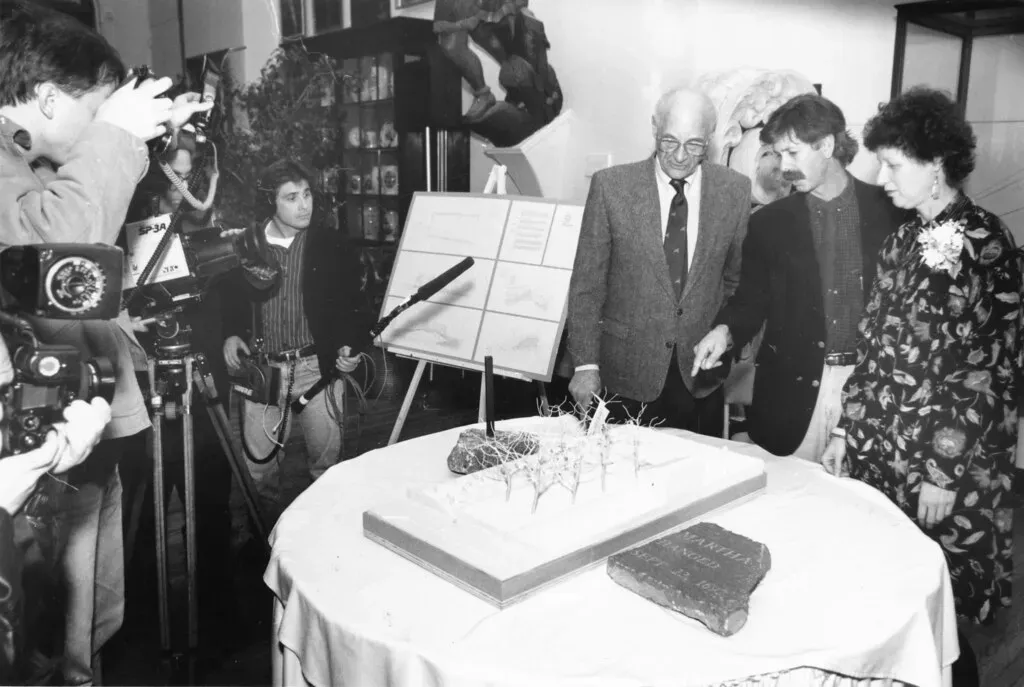
The Salem witch trials are often dismissed as simple mass hysteria or collective madness that swept through Massachusetts in 1692. Recent historical research reveals far more complex causes involving political instability, property disputes, religious extremism, and social tensions.
Salem Village was experiencing serious conflicts over land ownership, church leadership, and political authority. Accusers and accused often fell on opposite sides of these disputes. Many accusations targeted people who held disputed property or belonged to rival factions within the community’s power structure.
The trials occurred during a period of extreme uncertainty for Massachusetts colonists. Their colonial charter had been revoked, leaving legal authority unclear. Recent wars with Native Americans had created trauma and displaced populations. Smallpox epidemics ravaged the region. 21st-century scholarship emphasizes these systemic causes rather than attributing events solely to irrational panic or ergot poisoning theories.
Separating historical truth from compelling fiction requires effort. These ten myths persist because they’re memorable, dramatic, and emotionally satisfying in ways that complex reality rarely matches. Still, isn’t it more fascinating to discover that Napoleon was average height, Vikings were practical warriors, and Marie Antoinette never uttered her most famous words? The real stories challenge us to think more carefully about how myths become accepted as facts. What other historical “facts” might we be getting wrong?
Partner offer
Planning a trip to Vegas?
Compare hotel rates and show tickets on VEGAS.com.