Have you ever walked out of a theater thinking a movie ended perfectly, only to discover later that the filmmakers almost went in a completely different direction? Sometimes the ending you love was never supposed to exist. Studios, test audiences, and even directors themselves have second thoughts, and those decisions can transform a film from forgettable to legendary. These ten movies all faced that exact crossroads, and the choices made in those final moments changed cinema history.
Fatal Attraction

The original ending had Alex Forrest taking her own life by cutting her throat while listening to Madame Butterfly, then framing Dan for her murder, but test audiences hated it. Joseph Farrell, who handled the test screenings for Paramount Pictures, suggested the studio shoot a new ending. Director Adrian Lyne initially refused to change the ending until Paramount offered him an additional $1.5 million salary. The bathroom confrontation we know today, where Beth shoots Alex in a final jump scare moment, was filmed as a reshoot against the wishes of most of the cast and crew.
Blade Runner

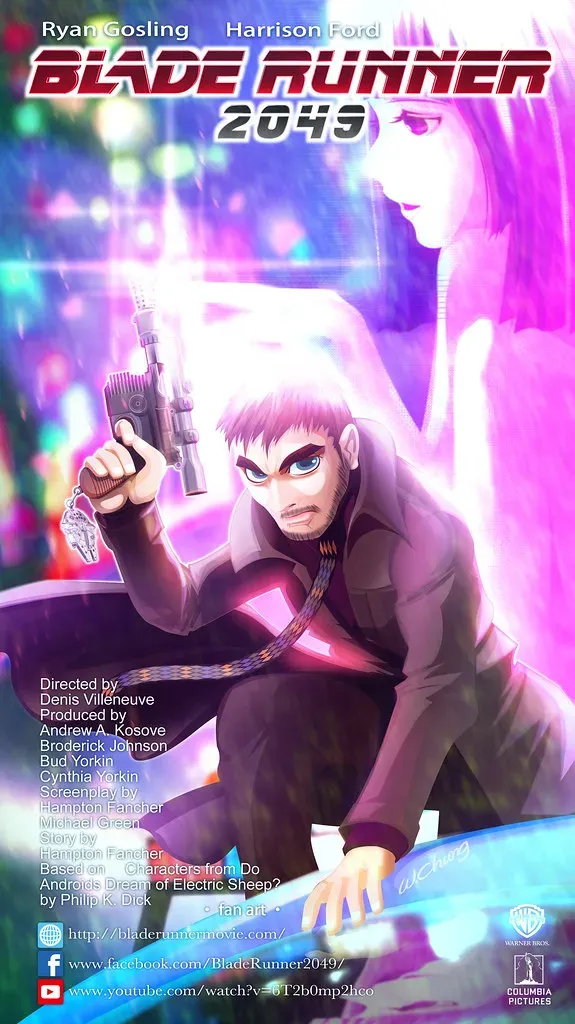
Ridley Scott’s dystopian masterpiece underwent several transformations before audiences saw it. The theatrical version included a voiceover narration and a more optimistic conclusion that studio executives at Warner Bros. mandated, believing audiences needed clarity. Scott fought against these changes, and years later, he got his revenge. The Director’s Cut removed the narration and restored his darker vision, proving that sometimes the filmmaker’s instinct deserves the final word.
Pretty Woman


Here’s something wild: the romantic comedy that made Julia Roberts a star was originally conceived as something far grimmer. Screenwriter J.F. Lawton’s original script was titled $3,000 and centered on a much darker story where Edward abandons Vivian on Hollywood Boulevard rather than rescuing her with flowers and a limo. Disney’s production team transformed it into the fairy tale ending we recognize, but that original script would have left audiences with a very different feeling about love and class in America.
I Am Legend

The creatures weren’t mindless monsters in the alternate ending, and that changes everything. Francis Lawrence’s alternate version revealed the creatures were sentient beings, dramatically shifting the film’s moral message. This ending, which showed the infected as protective and intelligent rather than purely destructive, was later restored and acknowledged by Warner Bros. as canon for potential sequels. The theatrical cut made Will Smith’s character a hero, while the alternate version made him realize he was the villain in someone else’s story.
Get Out

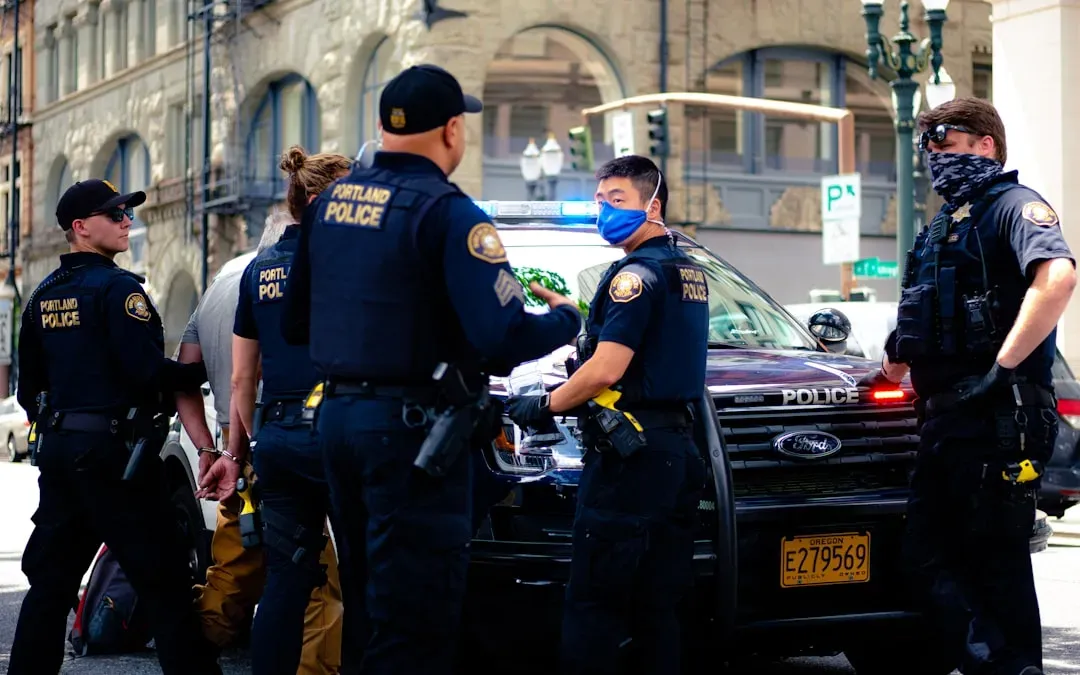
Jordan Peele’s original ending had Chris arrested by police for killing Rose, with his friend Rod visiting him in jail, an ending Peele intended to reflect the realities of racism. Producer Sean McKittrick recalled that when they tested the movie with the original ending at test screenings, audiences were absolutely loving it, and then it felt like they punched everybody in the gut, with the air being sucked out of the room. By the time production had begun, several high-profile police shootings of Black people had made discussion more urgent, and Peele decided both Chris and audiences deserved a moment of triumph rather than despair.
Partner offer

The Shining

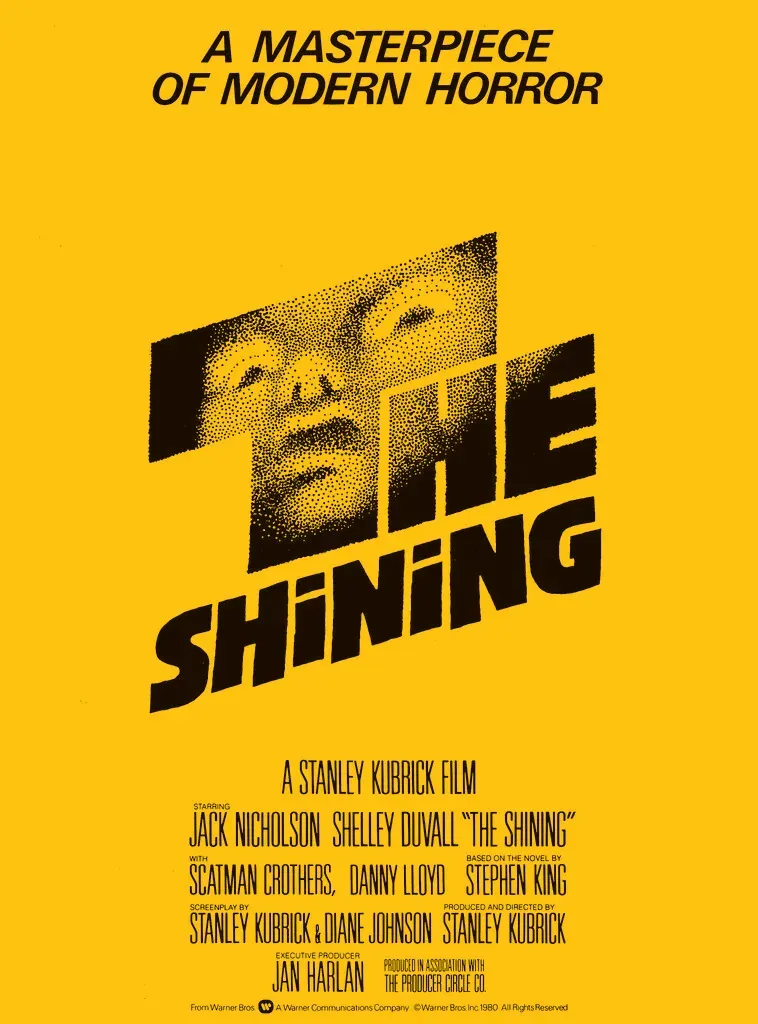
Stanley Kubrick was notorious for his obsessive perfectionism, and even after The Shining hit theaters in 1980, he wasn’t finished tinkering. According to film historians and Kubrick estate records, the director removed a hospital epilogue scene just days after the film’s release. The scene showed Wendy recovering in a hospital and being told that no trace of supernatural activity was found at the Overlook Hotel. Kubrick believed this ending weakened the film’s haunting ambiguity, so he personally ordered projectionists to cut the footage from prints, making it one of the rarest post-release edits in cinema history.
Titanic

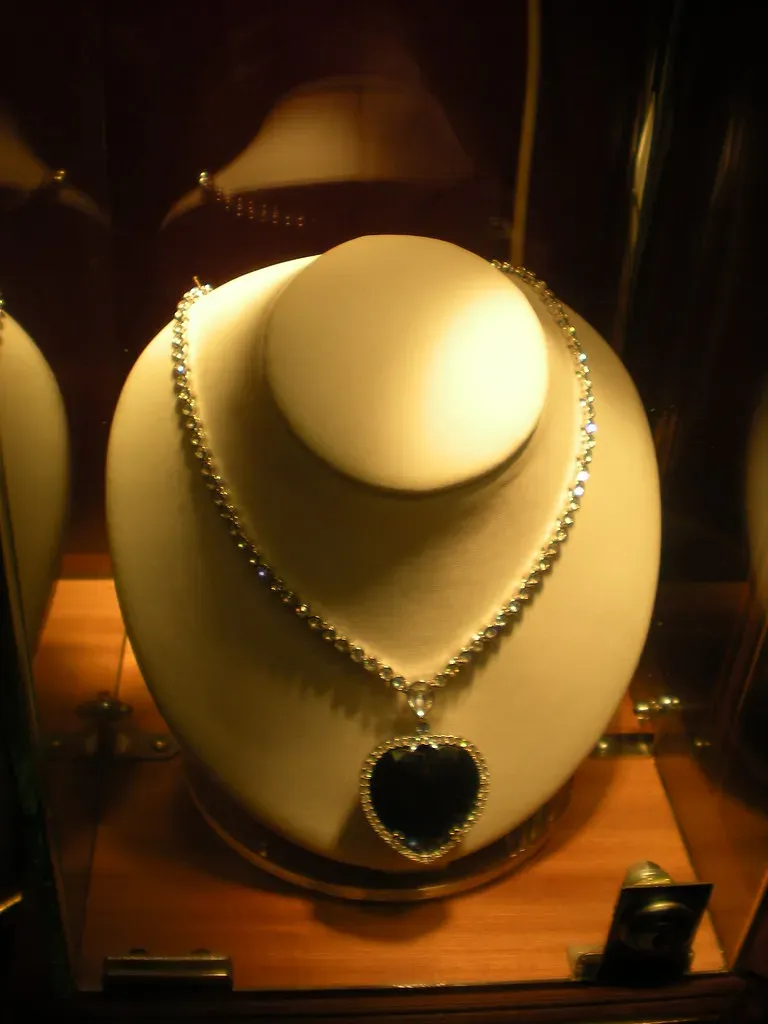
James Cameron filmed an alternate ending that nearly made the final cut, and honestly, it’s a bit cringeworthy. The scene showed elderly Rose on the research vessel with Brock Lovett and his crew, holding the Heart of the Ocean diamond while they watched. Cameron himself later admitted in interviews and DVD commentary that the ending was too heavy-handed and on the nose. The theatrical version wisely keeps Rose’s final moments private, allowing her to drop the diamond into the ocean alone, which gives the scene far more emotional weight and dignity.
Return of the Jedi

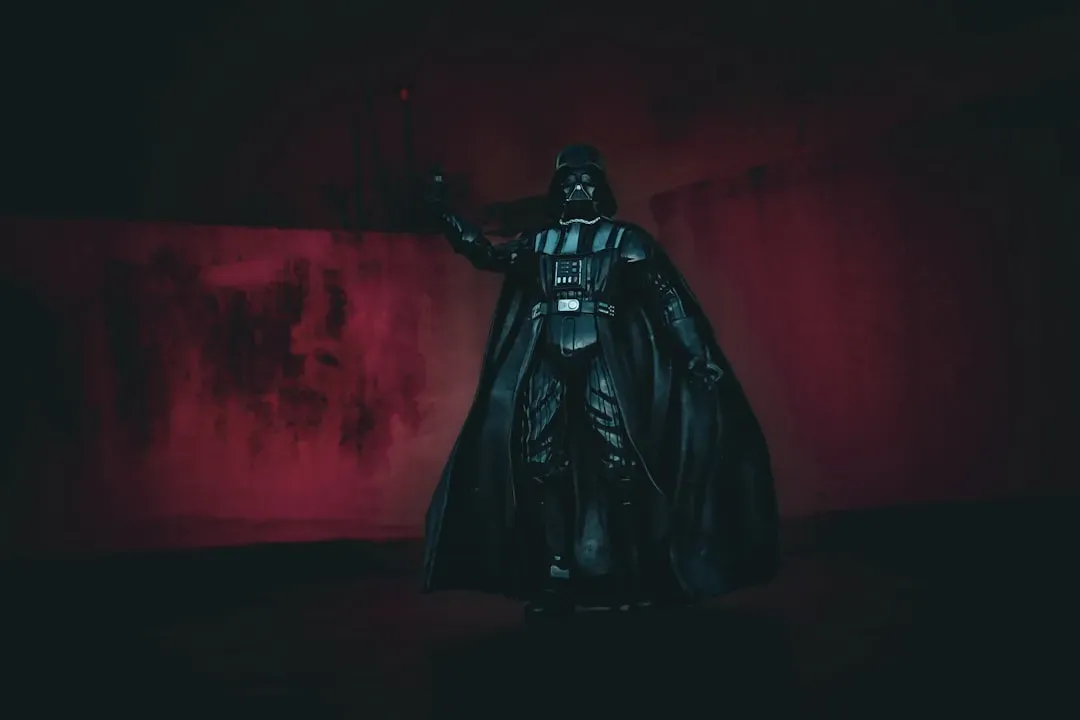
George Lucas toyed with an ending so dark it would have shattered Star Wars fans worldwide. Lucasfilm script archives reveal early drafts where Luke Skywalker succumbed to the dark side and essentially became the new Darth Vader after defeating the Emperor. Lucas ultimately decided that the saga needed a more hopeful conclusion, but imagine how different the entire franchise would feel if Luke had put on that black helmet and taken his father’s place as the Empire’s enforcer.
Clerks
Kevin Smith has talked extensively in Q&A sessions about how his micro-budget debut nearly ended with Dante getting shot and killed during a robbery. According to Miramax records and Smith’s own accounts, he removed the death scene after receiving feedback and facing budget limitations. The scene would have undercut the entire slacker comedy vibe with a jarring dose of tragedy. Keeping Dante alive allowed Smith to eventually bring the characters back for sequels, and it left audiences with a far less nihilistic taste in their mouths.
The Bourne Identity

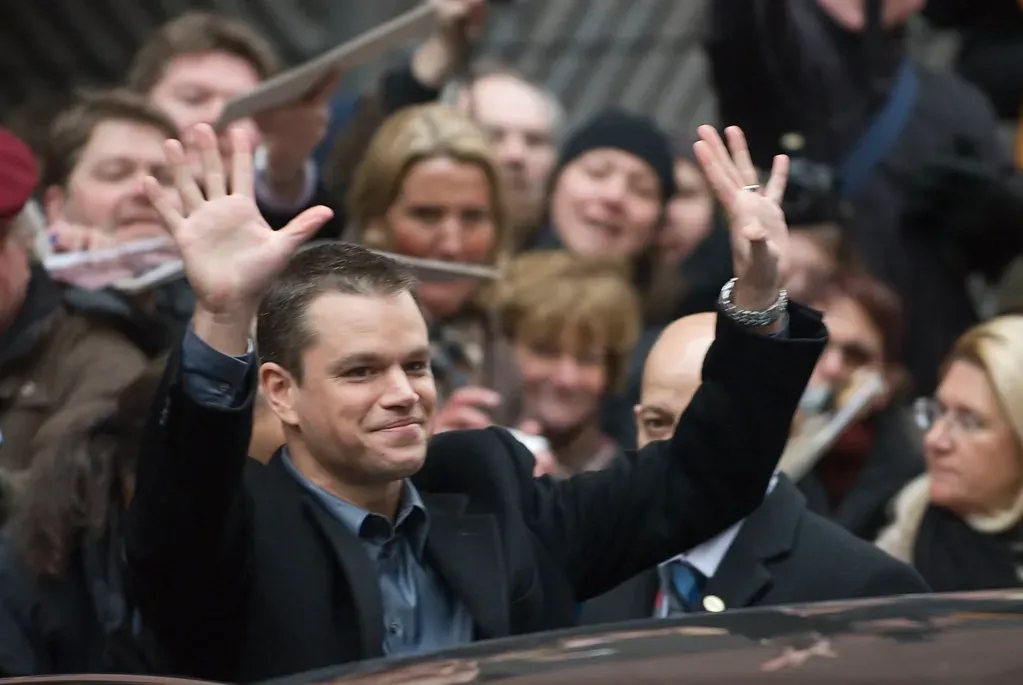
Test screenings saved Matt Damon’s Jason Bourne from a bleak fate. Universal Pictures production notes indicate that the original conclusion was far more pessimistic about Bourne’s future, with little hope for redemption or peace. After audiences responded poorly, the studio opted for a softer, more hopeful ending that allowed Bourne and Marie to reunite. That choice set the tone for the entire franchise, transforming what could have been a one-off thriller into a multi-film saga built on the idea that even a broken weapon can reclaim his humanity.
Movies are collaborative beasts, shaped by dozens of voices and instincts. These ten films remind us that the version we love could have been completely different with one executive decision or one bad test screening. Sometimes the alternate ending would have been better, sometimes worse. What’s certain is that these choices define how we remember these stories. Did any of these surprise you? What would you have chosen?
Partner offer
Planning a trip to Vegas?
Compare hotel rates and show tickets on VEGAS.com.