History has a nasty habit of forgetting. While we celebrate the great men of science, countless brilliant women have been quietly written out of the story. Their discoveries were stolen, their names left off publications, their contributions erased by the very people they worked alongside. Some faced double barriers as both women and minorities, fighting prejudice on multiple fronts while making revolutionary breakthroughs.
Let’s be real here, the term for this systematic erasure even has a name now. Science historian Margaret Rossiter coined the phrase “the Matilda Effect” to acknowledge women’s systematic under-recognition. It’s hard to say for sure, but this pattern runs deeper than most people realize. The stories that follow aren’t just about forgotten footnotes. These are pioneers whose work literally changed the world.
Rosalind Franklin: The Woman Who Actually Discovered DNA’s Structure
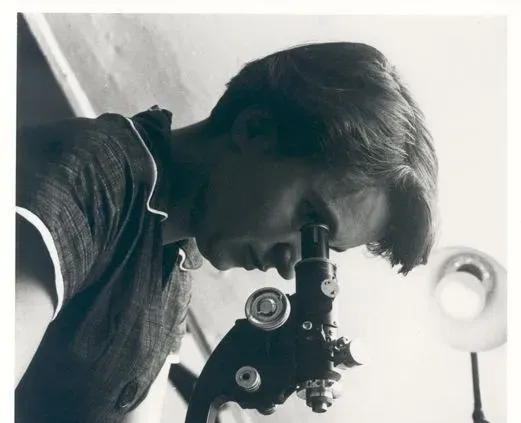
The discovery of the structure of DNA in 1953 was made possible by Dr Rosalind Franklin’s X-ray diffraction work at King’s. Her famous Photograph 51 showed the helical structure clearly. Unknown to Franklin, Watson and Crick saw some of her unpublished data, including the beautiful “photo 51,” shown to Watson by Wilkins. This X-ray diffraction picture of a DNA molecule was Watson’s inspiration (the pattern was clearly a helix). Using Franklin’s photograph and their own data, Watson and Crick created their famous DNA model.
The real kicker? Franklin did not fail to grasp the structure of DNA. She was an equal contributor to solving it. Recent research from 2023 using previously unstudied documents shows that Franklin would have been represented as an equal member of a quartet who solved the double helix, one half of the team that articulated the scientific question, took important early steps towards a solution, provided crucial data and verified the result. It required the experience and experimental skills of Franklin to obtain high-quality X-ray diffractograms that contained the definitive information that Watson and Crick needed to propose their famous DNA model. She died at age 37 from ovarian cancer in 1958, before the Nobel Prize was awarded to Watson, Crick, and Wilkins in 1962.
Lise Meitner: Robbed of the Nobel Prize for Nuclear Fission
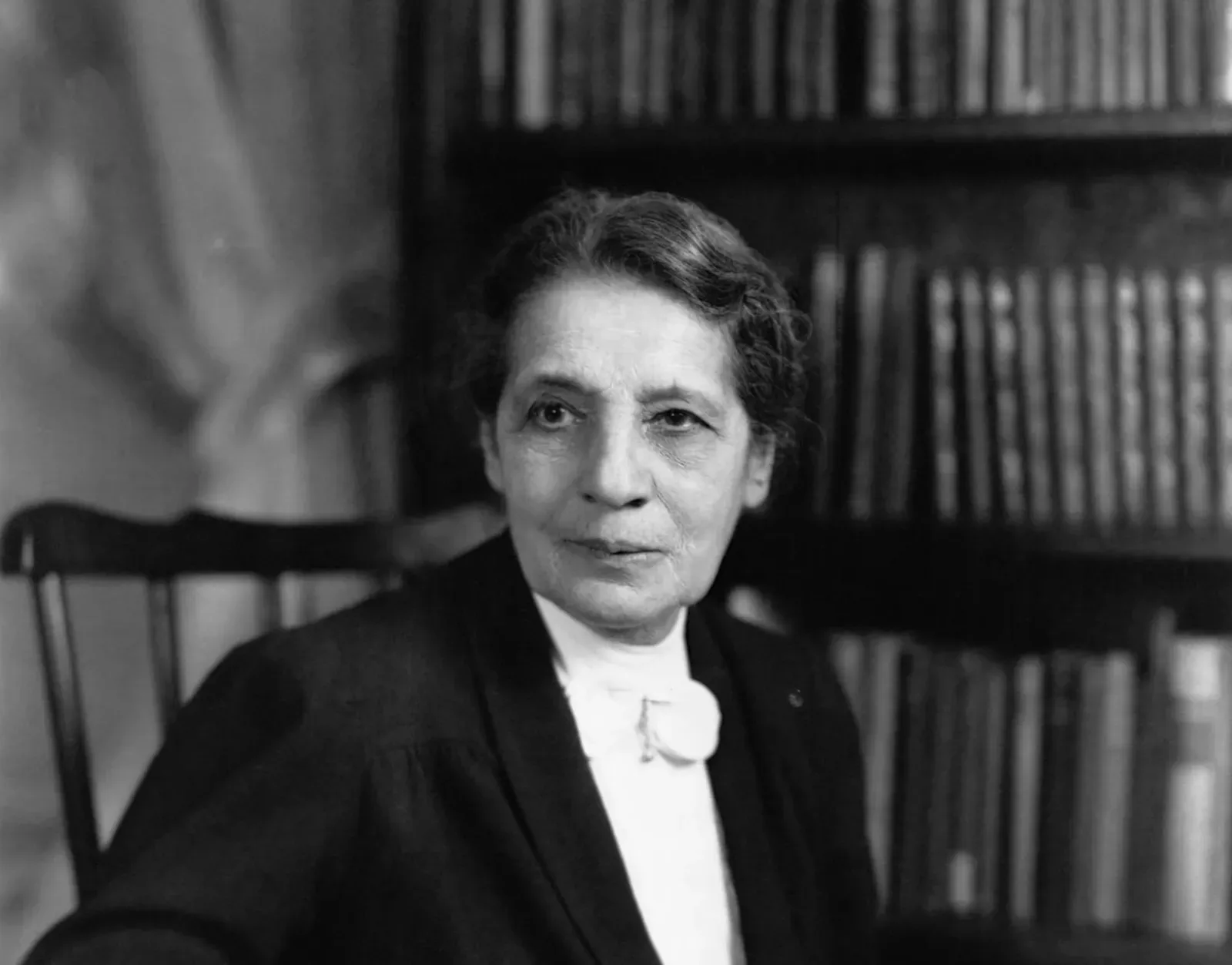
Lise Meitner was an Austrian and Swedish nuclear physicist who was instrumental in the discovery of nuclear fission. Working alongside chemist Otto Hahn, she fled Nazi Germany in 1938 because she was Jewish. From exile in Sweden, she continued corresponding with Hahn about their uranium research. In a letter to Nature in February 1939, physicist Lise Meitner, with the assistance of her young nephew Otto Frisch, provided a physical explanation of how nuclear fission could happen. It was a massive leap forward in nuclear physics, but today Lise Meitner remains obscure and largely forgotten.
The Nobel Committee awarded the 1944 Nobel Prize in Chemistry “for the discovery of the fission of heavy nuclei” to Hahn alone. Paradoxically, the word “fission” never appeared in Hahn’s original publication, as Meitner had been the first to coin the term in the letter published afterward. According to the Nobel Prize archive, she was nominated 19 times for Nobel Prize in Chemistry between 1924 and 1948, and 30 times for Nobel Prize in Physics between 1937 and 1967. Despite never receiving the Nobel, element 109 was named meitnerium in her honor in 1997, making her the first woman to be exclusively honored this way. Critics claim it represents one of the worst examples of blatant racism and sexism by the Nobel committee.
Katherine Johnson: NASA’s Hidden Mathematical Genius
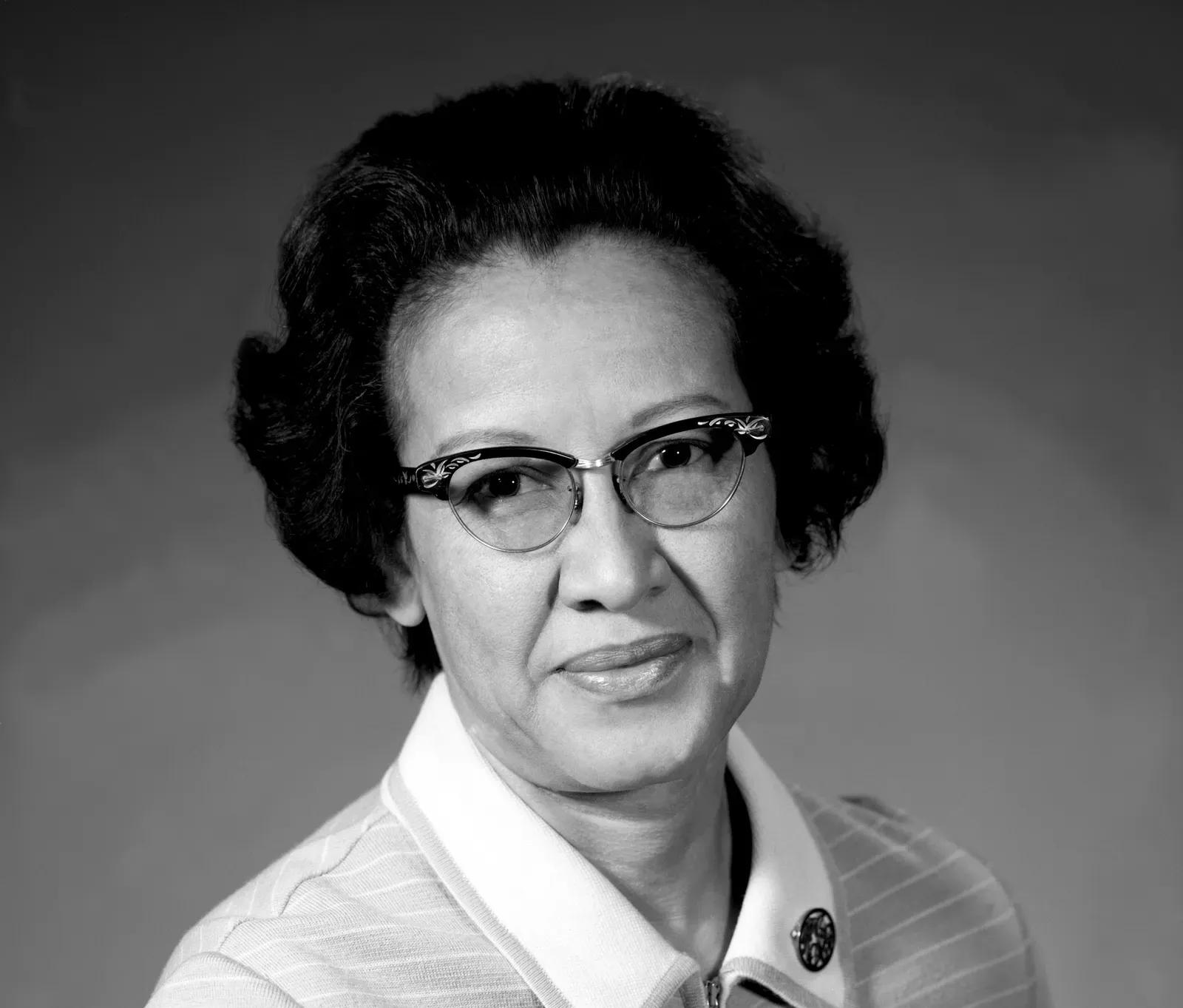
Katherine Johnson was an American human computer whose calculations of orbital mechanics as a NASA employee were critical to the success of the first and subsequent U.S. crewed spaceflights. During her 33-year career at NASA, she earned a reputation for mastering complex manual calculations and helped pioneer the use of computers to perform tasks previously requiring humans. Born in 1918 in West Virginia, she graduated from college at 18 with degrees in mathematics and French.
Working in the segregated West Area Computing section, Johnson faced racism and sexism daily. The complexity of the orbital flight had required the construction of a worldwide communications network. The computers had been programmed with the orbital equations. As a part of the preflight checklist, Glenn asked engineers to “get the girl” – Johnson – to run the same numbers through the same equations that had been programmed into the computer, but by hand. Margot Lee Shetterly wrote that Glenn considered Johnson’s calculations part of his preflight checklist. “So the astronaut who became a hero looked to this black woman in the still-segregated South at the time as one of the key parts of making sure his mission would be a success.”
Johnson remained largely unknown until the 2016 book and film Hidden Figures brought her story to light. She received the Presidential Medal of Freedom in 2015 and died in 2020 at age 101.
Chien-Shiung Wu: The First Lady of Physics Nobody Remembers
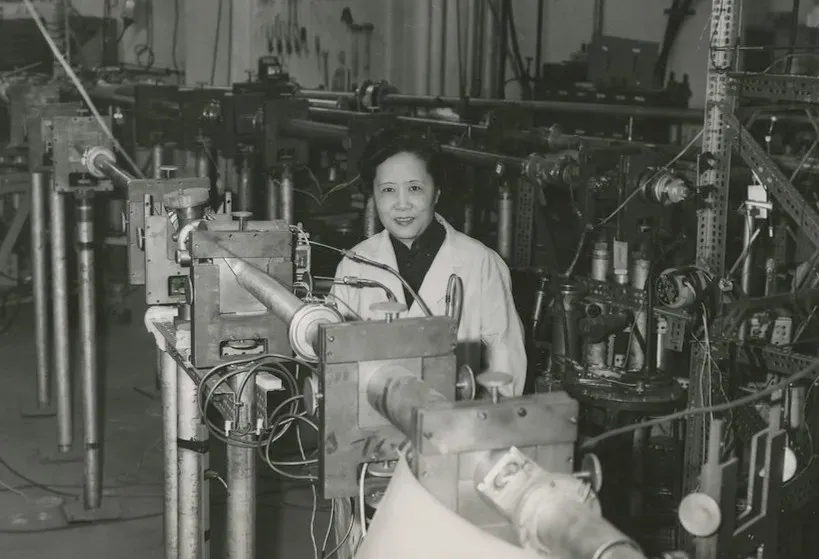
Chien-Shiung Wu was a Chinese-American particle and experimental physicist. Wu worked on the Manhattan Project, where she helped develop the process for separating uranium into uranium-235 and uranium-238 isotopes by gaseous diffusion. She is best known for conducting the Wu experiment, which proved that parity is not conserved. This discovery resulted in her colleagues Tsung-Dao Lee and Chen-Ning Yang winning the 1957 Nobel Prize in Physics. Wu herself received nothing.
Her experiment was groundbreaking. Wu’s experiments, which utilized radioactive cobalt at near absolute zero temperatures, proved that identical nuclear particles do not always act alike. At a Princeton lecture hall in 1957, when she presented her findings to titans like J. Robert Oppenheimer, there was dead silence for two minutes, followed by thunderous applause and a standing ovation. Professor Isidor Rabi called Wu one who had made greater contributions to science than Marie Curie.
Her crucial contribution to particle physics was, however, ignored by the Nobel Prize committee when it awarded the 1957 Nobel Prize in Physics. Wu became the first woman to receive a Wolf Prize in Physics in 1978, and spent her retirement encouraging young women to pursue science.
Nettie Stevens: The Geneticist Who Discovered Sex Chromosomes
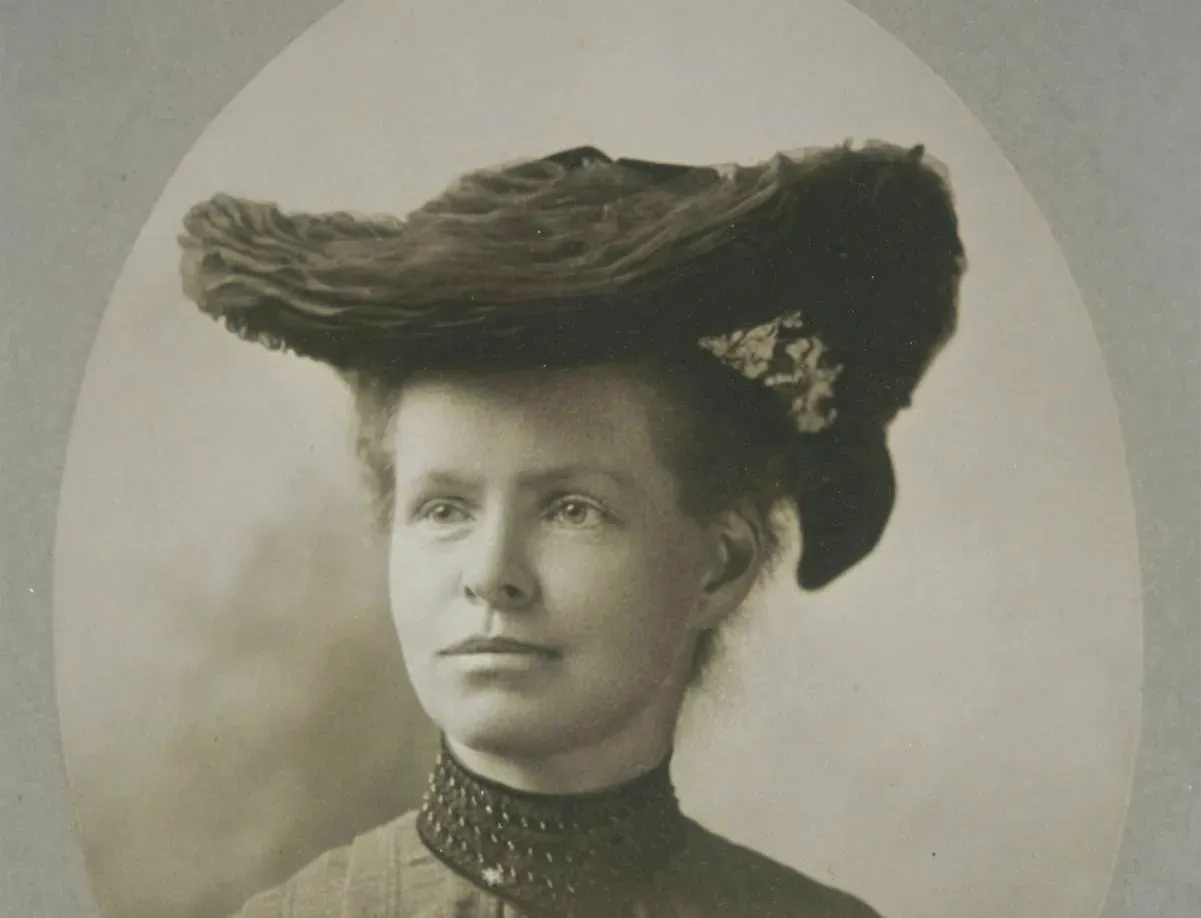
By working on mealworms, Nettie Stevens was able to deduce that the males produced sperm with X and Y chromosomes – the sex chromosomes – and that females produced reproductive cells with only X chromosomes. This was evidence supporting the theory that sex determination is directed by an organism’s genetics. A fellow researcher, named Edmund Wilson, is said to have done similar work, but came to the same conclusion later than Stevens did.
Despite reaching her breakthrough first, Stevens became another victim of erasure. Stevens fell victim to the Matilda Effect – the repression or denial of the contributions of female researchers to science. Thomas Hunt Morgan, a prominent geneticist at the time, is often credited with discovering the genetic basis for sex determination. Her groundbreaking work was overshadowed by male colleagues who received the credit. Stevens died in 1912, never receiving full recognition for her revolutionary discovery that fundamentally shaped our understanding of genetics and inheritance.
Esther Lederberg: Pioneer in Bacterial Genetics
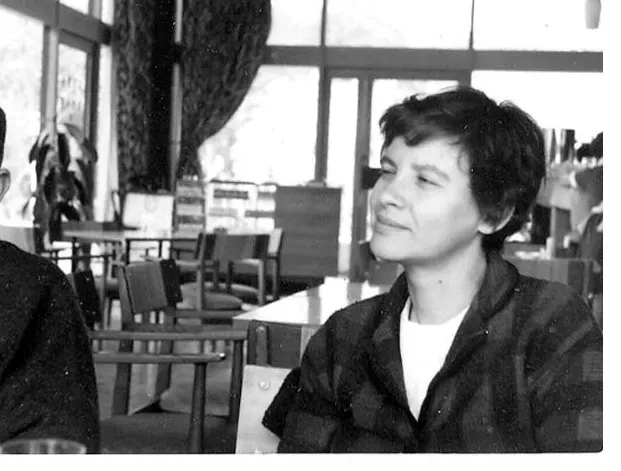
Born in 1922 in the Bronx, Esther Lederberg would grow up to lay the groundwork for future discoveries on genetic inheritance in bacteria, gene regulation, and genetic recombination. A microbiologist, she is perhaps best known for discovering a virus that infects bacteria – called the lambda bacteriophage – in 1951. She also developed replica plating alongside her husband Joshua Lederberg, a technique that revolutionized the study of antibiotics and bacterial genetics.
Joshua Lederberg received the Nobel Prize in 1958 for work on bacterial genetics. Esther’s contributions were fundamental to his research, yet her name was conspicuously absent from the prize. Throughout her career, she battled the assumption that she was merely her husband’s assistant rather than a pioneering scientist in her own right. After their divorce, her professional recognition diminished even further, showing how women’s scientific contributions were often viewed through the lens of their relationships with male colleagues rather than on their own merit.
Marthe Gautier: Discoverer of the Down Syndrome Chromosome
Gautier, who died at the age of 96 in 2022, discovered that people with Down’s syndrome had an extra chromosome in 1958. But when she was unable to identify the exact chromosome with her lower-power microscope, she “naively” lent her slides to geneticist Jerome Lejeune. She was then “shocked” to see the discovery of the extra chromosome 21 published in research six months later, with Lejeune’s name first and hers second – and her name misspelled.
Lejeune became famous worldwide as the discoverer of trisomy 21, receiving numerous awards and honors. Gautier watched in disbelief as her crucial contribution was minimized. It was not until 1994 that the ethics committee of France’s INSERM medical research institute said Lejeune was unlikely to have played the “dominant” role in the discovery. By then, decades had passed and Lejeune had built an entire career on work that originated from Gautier’s research and her microscope slides.
Cecilia Payne-Gaposchkin: The Woman Who Discovered What Stars Are Made Of
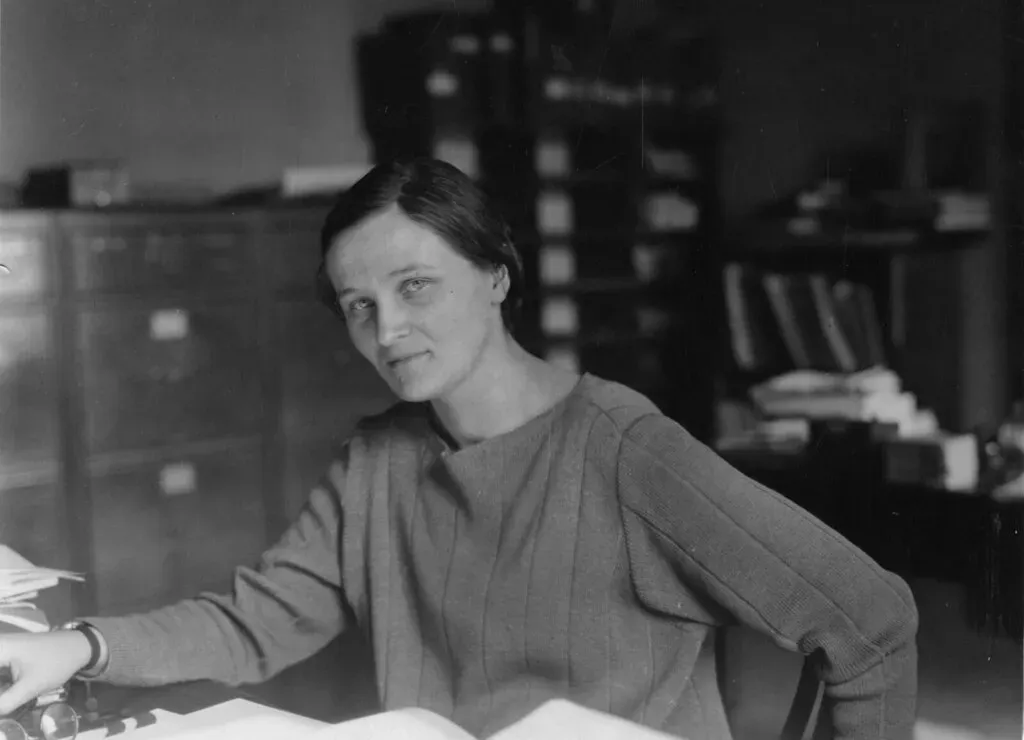
Cecilia Payne-Gaposchkin looked at the night sky to deduce the composition of its stars. In 1925, her doctoral thesis proposed that stars are primarily composed of hydrogen and helium, contradicting the accepted belief that stars had the same composition as Earth. Her thesis has been called the most brilliant PhD thesis ever written in astronomy.
Initially, astronomer Henry Norris Russell convinced her to downplay her findings because they contradicted established beliefs. Years later, Russell published the same conclusions under his own name, receiving credit for the discovery. Payne-Gaposchkin struggled for years to gain proper recognition, working as a technical assistant at Harvard Observatory while male colleagues with lesser qualifications held professorships. She wasn’t given a full professorship until 1956, decades after her groundbreaking work. Her story shows how even revolutionary discoveries could be dismissed when they came from a woman.
Jocelyn Bell Burnell: The Astrophysicist Who Found Pulsars
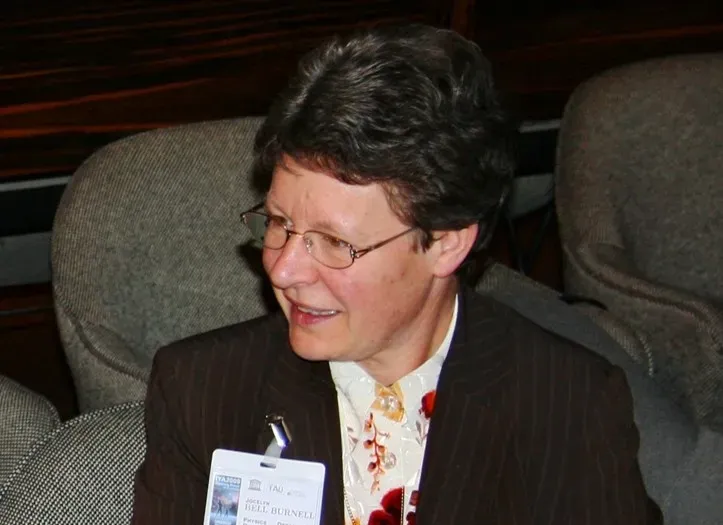
While still a graduate student in 1967, Jocelyn Bell Burnell discovered the first radio pulsars, rapidly spinning neutron stars that emit regular pulses of radio waves. Her observations revolutionized astrophysics. In 1974, the Nobel Prize in Physics was awarded for the discovery of pulsars. It went to her thesis advisor Antony Hewish and astronomer Martin Ryle. Bell Burnell was excluded entirely.
She has since become quite “protective” of women in academia. Some individual schools may give them support, but Bell Burnell wants a systemic approach to boost the numbers of female researchers. She’s spoken openly about the Nobel snub, maintaining grace while acknowledging the injustice. In 2018, she was awarded a Special Breakthrough Prize in Fundamental Physics worth three million dollars, which she donated entirely to help underrepresented students become physics researchers. Her generosity stands in stark contrast to how she was treated, and her advocacy continues to push for systemic change in how women scientists are recognized.
Ruby Payne-Scott: Pioneer of Radio Astronomy
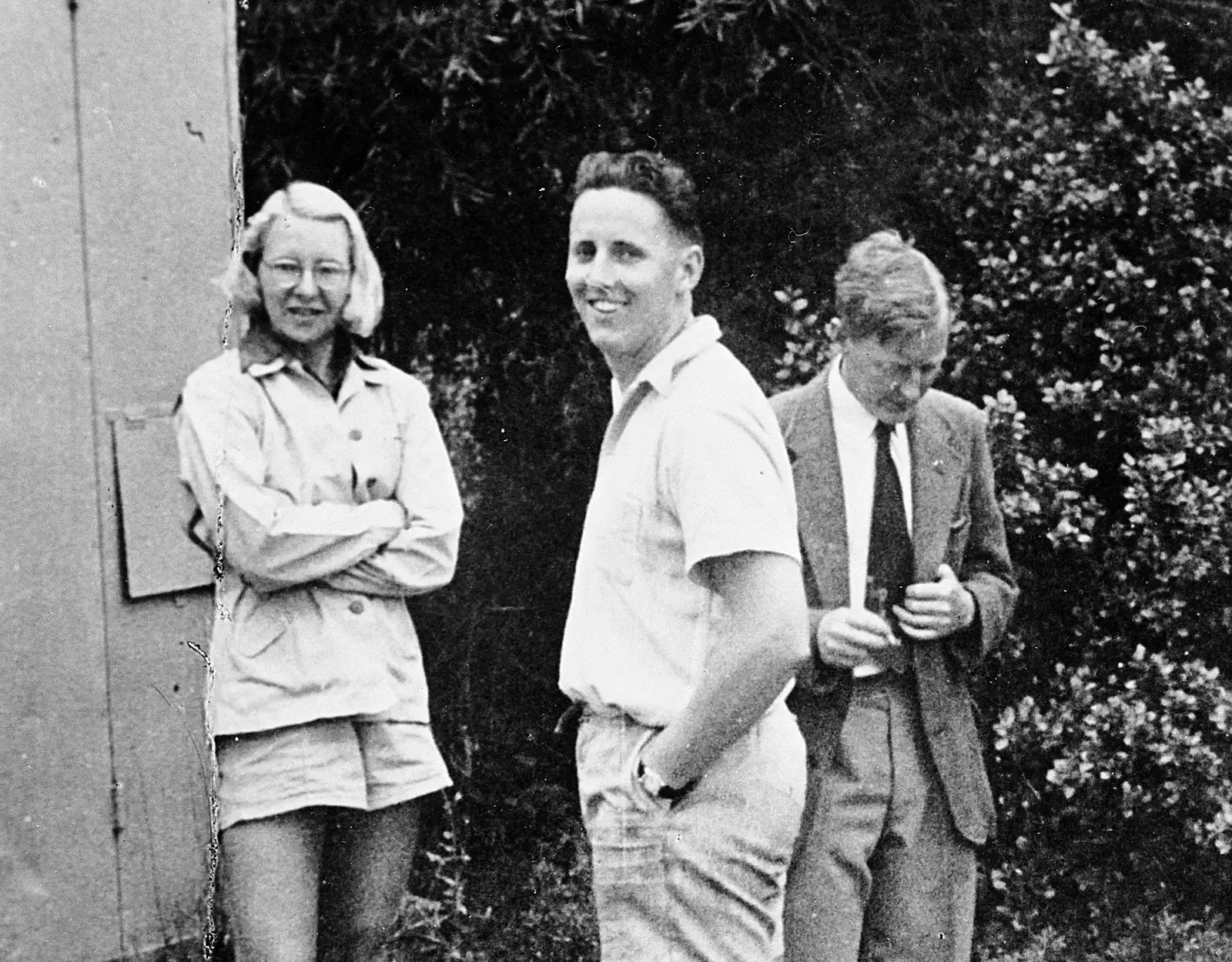
The brilliant Australian physicist Ruby Payne-Scott was expected to step down after she got married. She was a pioneer in radio astronomy and radar technology during World War II, making critical advances in the field. Her work involved detecting and analyzing solar radio emissions, laying groundwork for modern radio astronomy.
Payne-Scott kept her marriage secret for years because Australian public service rules at the time required women to resign upon marriage. When her marriage was eventually discovered, she was forced to leave her position despite her extraordinary contributions. She worked in secret, hiding her marital status to continue doing the science she loved. Her story highlights how institutional sexism didn’t just minimize women’s contributions after the fact – it actively prevented them from making those contributions in the first place. Her pioneering research in radio astronomy went largely unrecognized for decades.
The Harvard Computers: Women Who Mapped the Universe
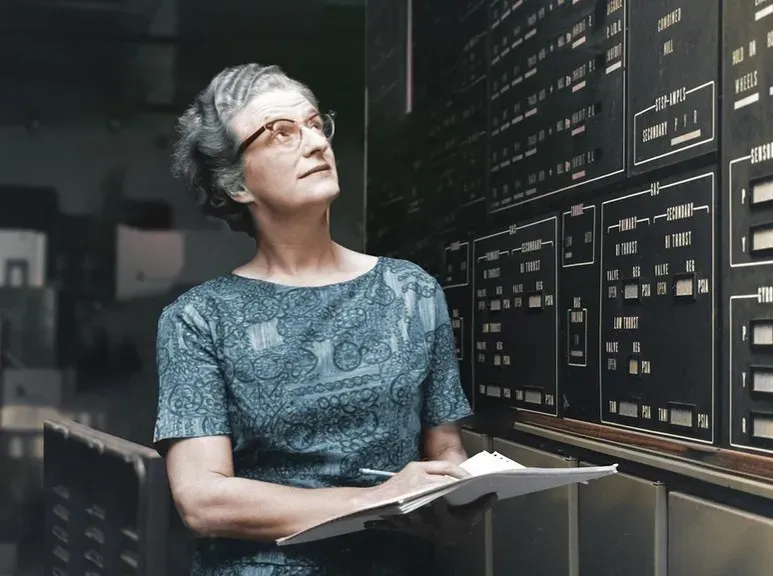
The Harvard Computers – a 19th century group of women who mapped the stars with pinpoint precision at the Harvard College Observatory – were viewed as nothing more than glorified data crunchers. They were even known as Pickering’s Harem, after the director who hired them. These women performed complex astronomical calculations that male astronomers relied upon for their research, yet received little credit or compensation.
Among them were women like Williamina Fleming, Annie Jump Cannon, and Henrietta Swan Leavitt, who made discoveries that fundamentally advanced astronomy. Leavitt’s work on variable stars became crucial for measuring cosmic distances. A 2013 paper reported that both men and women judged research papers by men to be stronger than those by women, and both men and women showed preference for the male authors as possible future collaborators. The Harvard Computers showed extraordinary scientific talent while being paid a fraction of what male astronomers earned and being dismissed as mere assistants rather than the brilliant scientists they were.
These stories matter because they’re still happening. When we erase women from science history, we tell the next generation that their contributions don’t count. The Matilda Effect isn’t just about the past – it’s a warning about the present.
Each of these women fought against systems designed to keep them silent. They persevered despite being overlooked, stolen from, and written out of their own discoveries. Their legacy isn’t just in their scientific breakthroughs, but in proving that genius has no gender. What other brilliant minds are we still forgetting? How many more stories remain buried in the footnotes of history, waiting to be told?