There’s something magical about a live performance that captures lightning in a bottle. You know the ones – where everything aligns perfectly and history shifts right there on stage. These aren’t just concerts people talk about for a few weeks. They’re the moments that redefined what music could be, what audiences expected, and how artists approached their craft going forward.
What makes a performance truly legendary isn’t always technical perfection. Sometimes it’s raw energy, cultural timing, or pure audacity that nobody saw coming. The shows on this list didn’t just entertain crowds. They shattered boundaries, sparked movements, and left permanent marks on the music industry. Let’s dive into ten performances that literally changed everything.
Elvis Presley on The Ed Sullivan Show, 1956

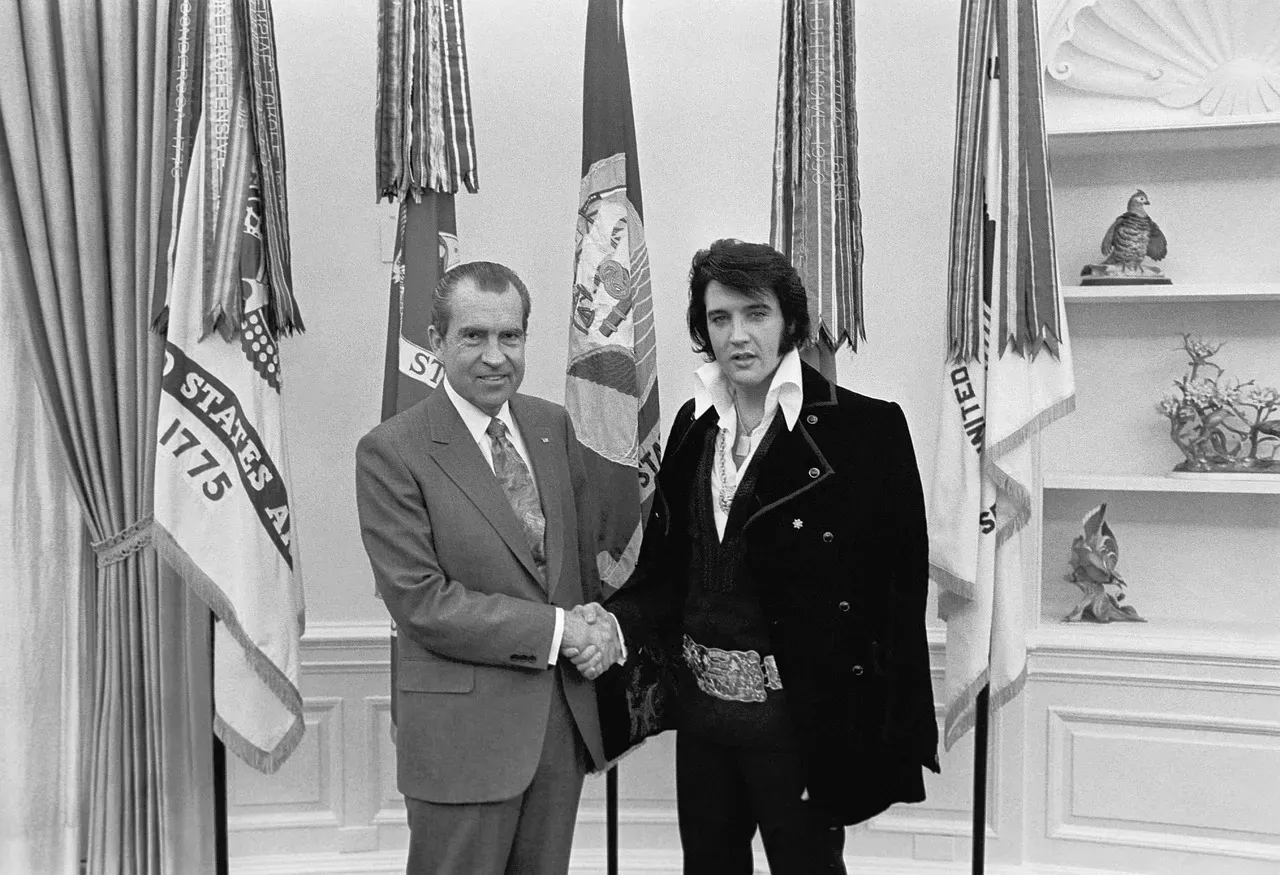
When Elvis stepped onto that stage, American television had never seen anything like it. His hip movements were so controversial that CBS cameras famously shot him only from the waist up during his third appearance. But the damage was already done, in the best possible way. Parents were horrified. Teenagers were electrified.
This wasn’t just a TV appearance – it was the moment rock and roll became undeniable mainstream force. Over 60 million viewers tuned in, roughly 82 percent of the television audience at that time. Elvis proved that youth culture had buying power and influence that couldn’t be ignored. Every rock star who came after owes something to those three appearances.
The show fundamentally changed how music was marketed and consumed. Record labels suddenly realized television could make or break an artist overnight. Elvis became a household name, and the entire entertainment industry shifted to accommodate this new phenomenon of the teen idol.
What strikes me most is how genuinely shocking it was at the time. Today we can barely imagine that level of cultural panic over a performer. But Elvis crossing that line made space for everyone else to push boundaries further.
The Beatles at Shea Stadium, 1965

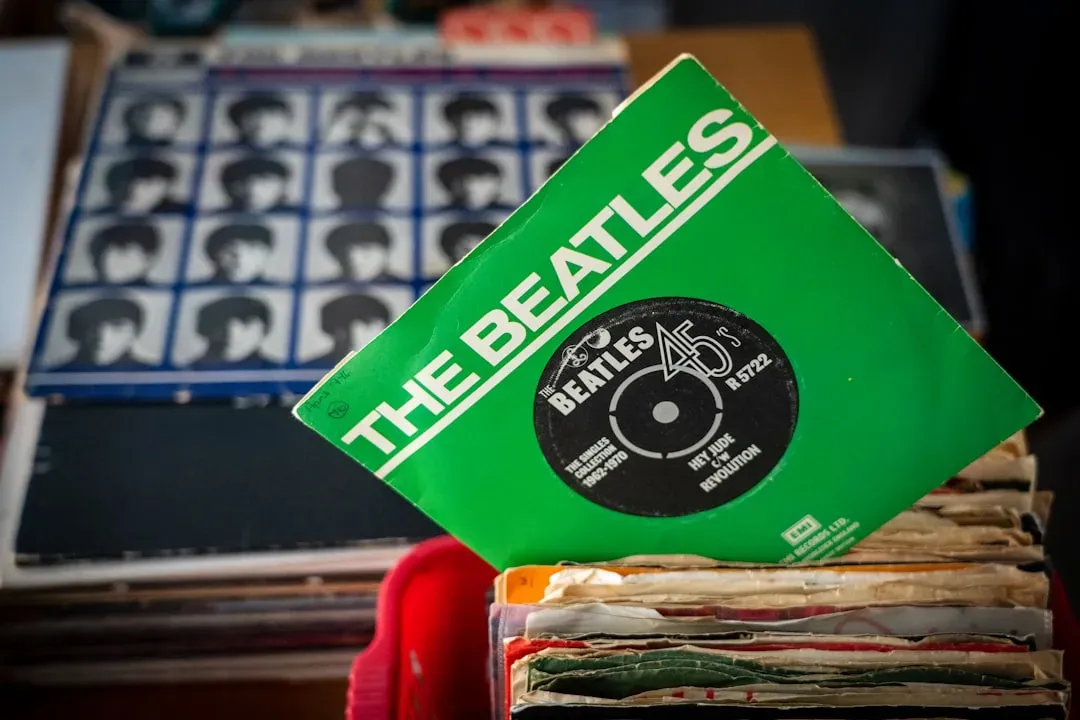
Picture this: 55,000 screaming fans in a baseball stadium, and the band literally cannot hear themselves play. The Beatles at Shea Stadium invented the stadium rock concert as we know it. Before this show, major acts performed in theaters or concert halls. The idea of filling a massive sports venue seemed absurd.
The sound system was completely inadequate for the space. John Lennon later admitted they were essentially faking it, going through the motions because nobody could hear them anyway over the screaming. But that didn’t matter. The spectacle itself was the point.
This performance proved that music could be a mass cultural event on an unprecedented scale. It opened the floodgates for stadium tours that would become the primary revenue source for major artists. Think about it – every arena show, every festival, traces its DNA back to this moment.
The concert grossed over $300,000, a staggering sum for 1965. Suddenly music wasn’t just art or entertainment. It was big business with massive economic potential.
Jimi Hendrix at Monterey Pop Festival, 1967
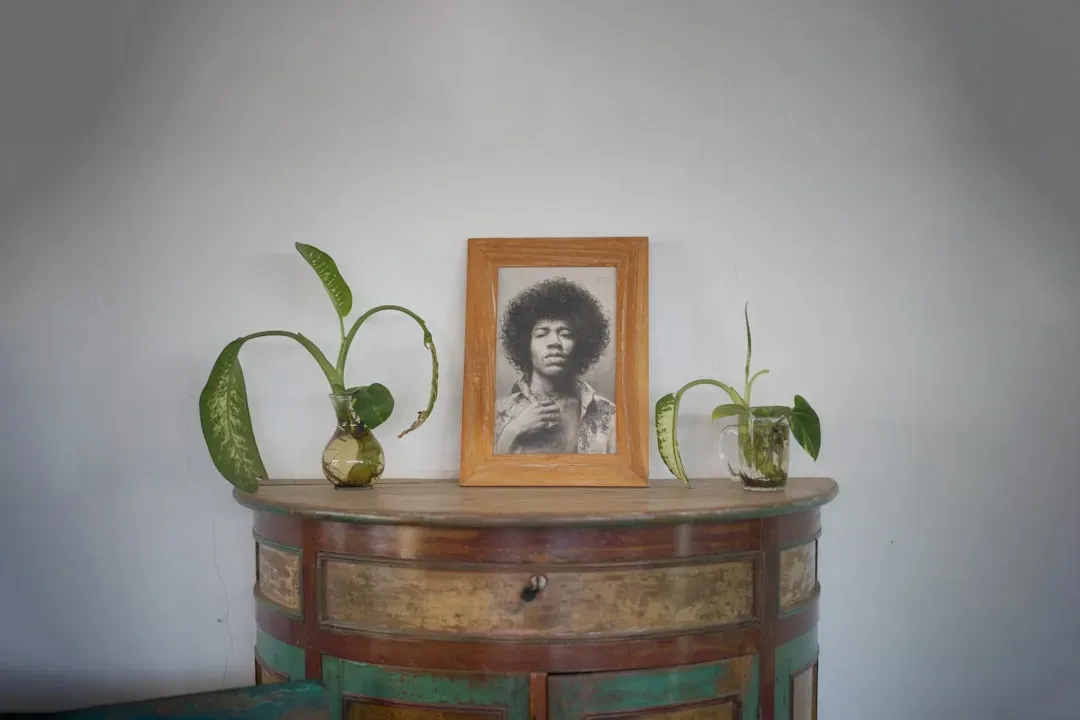
Hendrix set his guitar on fire. Literally doused it with lighter fluid and burned it on stage as a sacrifice to the music gods. But that infamous moment overshadows what made the performance truly revolutionary. Most of America had never seen or heard anything like Jimi Hendrix before Monterey.
His technical mastery combined with theatrical showmanship redefined what a guitar could do. He played it behind his head, with his teeth, and created sounds nobody knew were possible. This wasn’t just skill – it was alchemy. The audience sat in stunned silence during parts of his set, trying to process what they were witnessing.
Monterey launched Hendrix into American consciousness overnight. Before that weekend, he was practically unknown in his home country despite already being famous in Britain. After Monterey, he became the blueprint for guitar heroes everywhere.
The performance also demonstrated how festivals could serve as launching platforms for artists. Monterey proved that the right performance at the right festival could change an entire career trajectory in a single afternoon.
Woodstock Festival, 1969

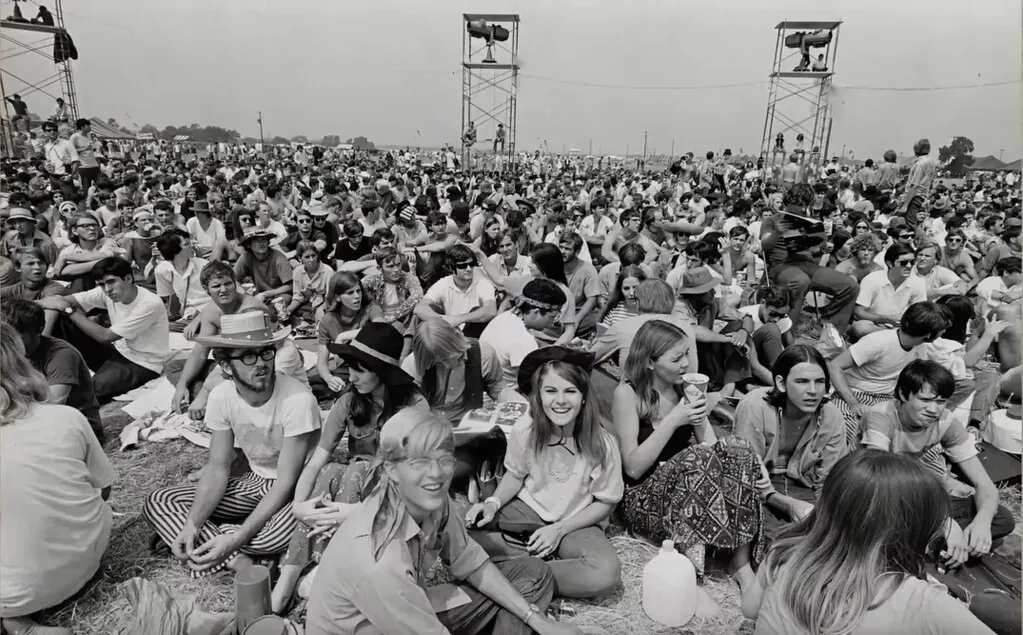
Woodstock wasn’t a single performance but rather an entire weekend that became mythology. Half a million people converged on a farm in upstate New York for three days of peace, music, and mud. The festival became shorthand for an entire generation’s values and aspirations.
Santana, a relatively unknown band at the time, delivered a performance that launched them to stardom. Their Latin rock fusion introduced mainstream audiences to rhythms and sounds they’d never encountered. Sly and the Family Stone got the massive crowd dancing with an integrated band that embodied the festival’s idealistic spirit.
The Who performed their rock opera Tommy in its entirety, proving that rock could be ambitious and conceptual. Crosby, Stills, Nash & Young came together as a supergroup for only their second performance ever. These weren’t just concerts – they were cultural statements.
Woodstock fundamentally changed the music industry’s approach to festivals. It proved that massive multi-day events could work, creating a template that’s still followed today. Every modern music festival owes something to those muddy fields in 1969.
The documentary film released the following year spread Woodstock’s influence even further. People who weren’t there could experience the magic, cementing its place in history and making it feel like a pivotal moment for an entire generation.
Queen at Live Aid, 1985

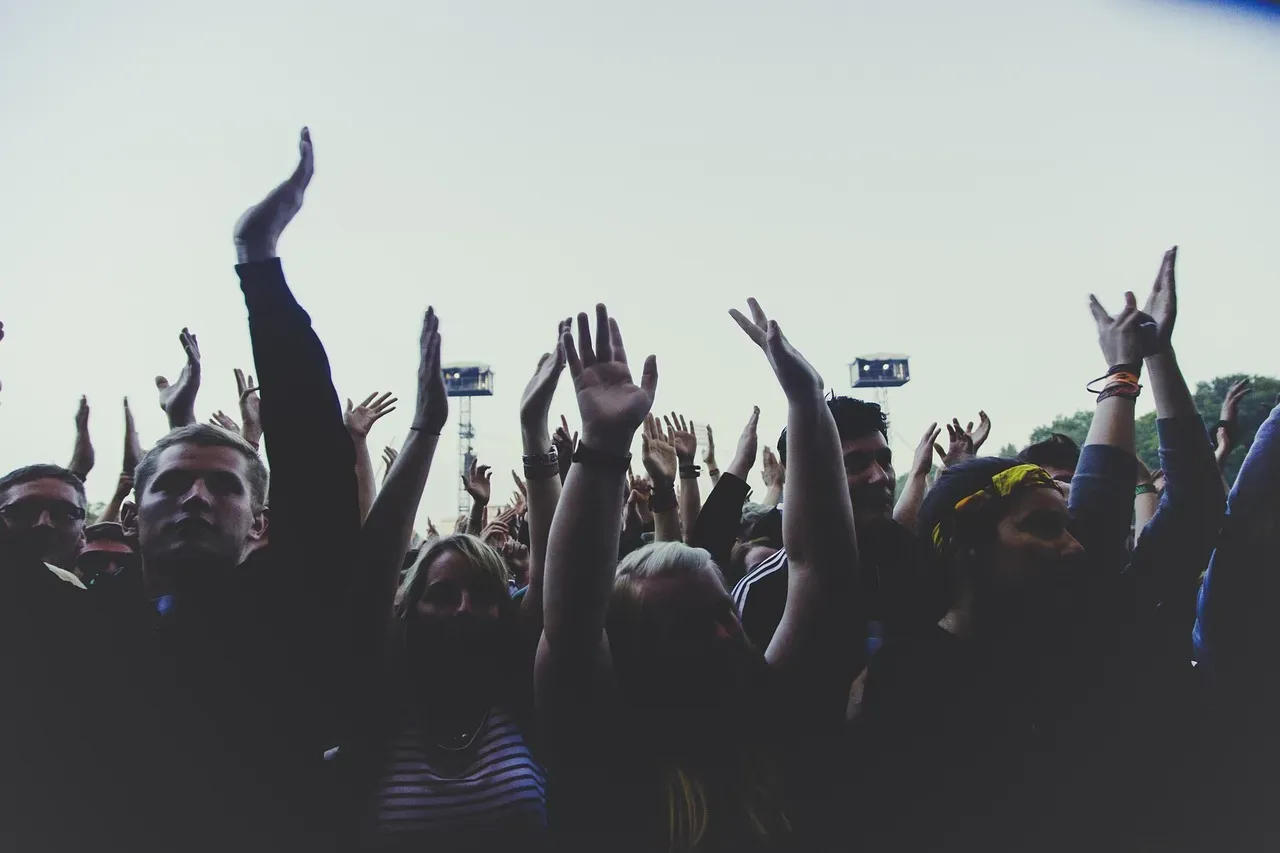
Twenty minutes. That’s all Queen had during the Live Aid benefit concert broadcast to nearly two billion people worldwide. They used those twenty minutes to deliver what many consider the greatest live rock performance ever captured on film.
Freddie Mercury commanded that Wembley Stadium crowd like a puppeteer. The call-and-response vocal exercises, the piano pounding, the sheer theatrical presence – everything clicked perfectly. Other legendary acts performed that day, but Queen stole the entire show.
This performance resurrected Queen’s career at a time when they’d fallen slightly out of favor. Younger audiences who’d dismissed them as dinosaurs suddenly understood what the fuss was about. The band’s record sales skyrocketed in the weeks following Live Aid.
Beyond Queen’s personal triumph, Live Aid proved that music could mobilize global audiences for humanitarian causes. The concert raised over $125 million for famine relief in Ethiopia. It established the template for benefit concerts that continues today.
Nirvana on MTV Unplugged, 1993

Kurt Cobain’s haunted, raw performance on MTV Unplugged stripped away all the noise and fury that defined grunge. The acoustic setting seemed like an odd choice for Nirvana, a band known for explosive, distorted rage. But that creative tension made the show unforgettable.
Cobain’s voice wavered with genuine emotion as he worked through deep cuts, covers, and rearranged hits. The setlist deliberately avoided their biggest mainstream songs. They covered Meat Puppets and Lead Belly, introducing alternative rock fans to influences they might never have discovered otherwise.
The staging featured flowers, candles, and church-like atmosphere that felt almost like a funeral – eerily prescient given Cobain’s death just five months later. That context added tragic weight to an already powerful performance, but even without that, the show stood as a masterpiece.
MTV Unplugged as a series had been moderately successful, but Nirvana’s episode elevated it to cultural phenomenon. Suddenly every rock band wanted to prove they could strip down and deliver emotional intimacy without the production. The episode showed that vulnerability could be as powerful as volume.
Johnny Cash at Folsom Prison, 1968

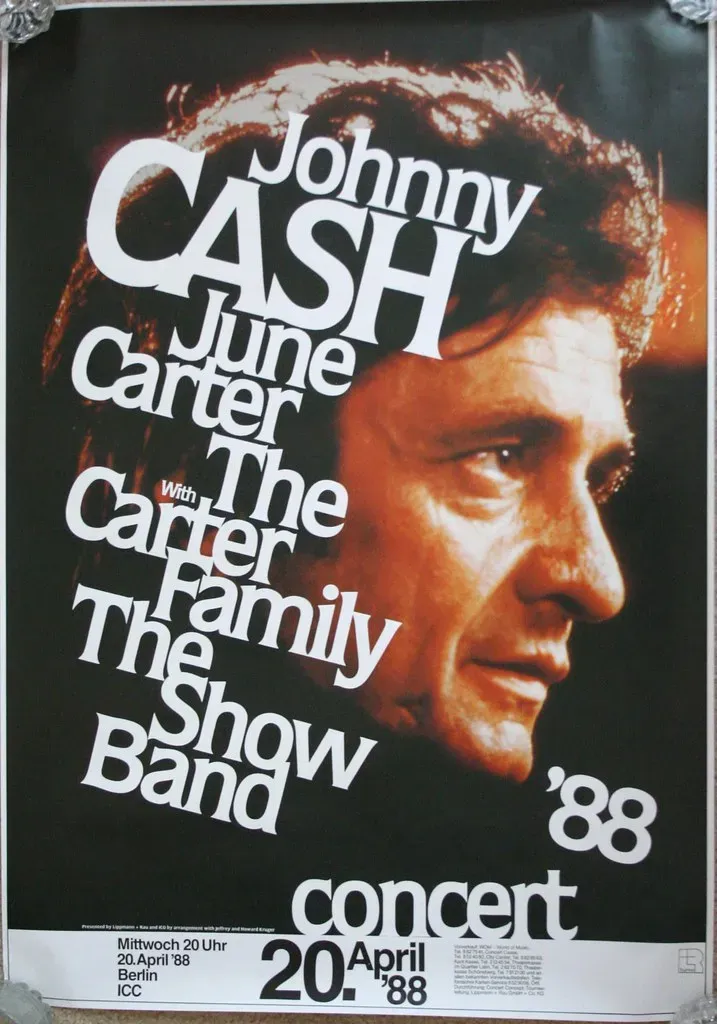
Playing for an audience of inmates at Folsom State Prison was a risky move that paid off spectacularly. Cash had performed in prisons before, but this time he brought recording equipment to capture the raw energy. The prisoners responded to Cash’s outlaw image with genuine enthusiasm, creating an atmosphere you simply cannot manufacture in a regular venue.
The performance revitalized Cash’s career, which had been struggling. His rebellious image resonated authentically because he’d lived it – the arrests, the addiction struggles, the darkness. When he sang about Folsom Prison blues, the inmates knew he understood something about desperation and redemption.
The live album became one of Cash’s best-selling records, topping the country charts and crossing over to pop audiences. It proved that authenticity and taking risks could still matter in an increasingly polished music industry. Cash showed that the most compelling performances often happen in the most unlikely places.
This concert also opened doors for prison reform advocacy through music. It brought attention to the humanity of incarcerated people at a time when that wasn’t a popular perspective. Cash continued performing in prisons for years, using his platform for something beyond entertainment.
Bob Dylan Goes Electric at Newport Folk Festival, 1965

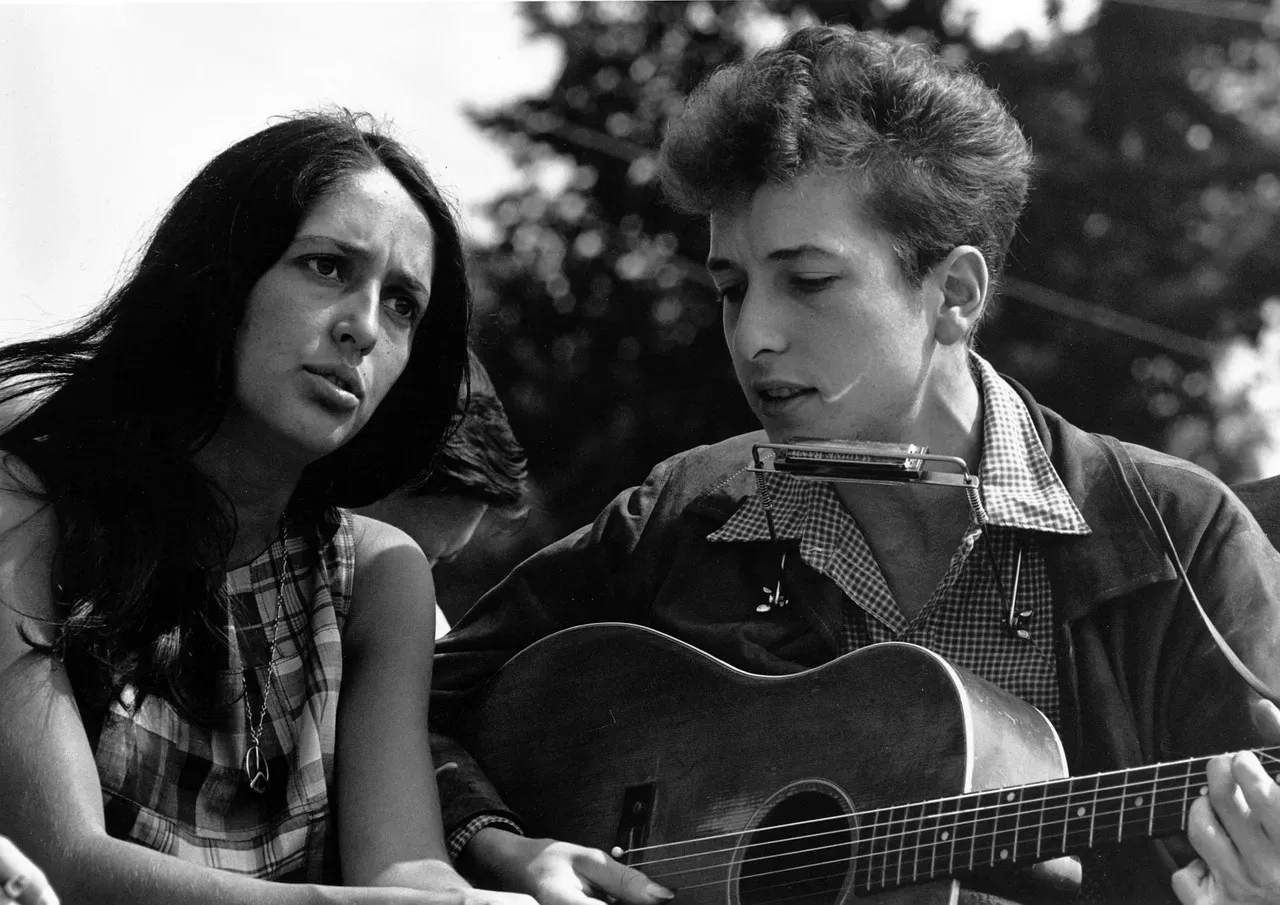
When Dylan plugged in an electric guitar at Newport, folk purists felt betrayed. Pete Seeger allegedly tried to cut the power cables with an axe. The crowd booed. Dylan walked off after just three songs, clearly shaken by the hostile reception.
Yet this performance became the moment folk music had to reckon with rock and roll. Dylan refused to be confined to acoustic guitar and protest songs. He was evolving, pushing forward, and the tradition-bound folk establishment couldn’t accept it. Their rejection only made Dylan’s point stronger.
Going electric wasn’t just about instrumentation. It represented a philosophical shift – a rejection of folk purity in favor of artistic freedom and experimentation. Dylan’s courage to alienate his core audience gave permission to countless other artists to follow their creative instincts over fan expectations.
Looking back, we can see this as the birth of folk rock as a legitimate genre. The Byrds, Buffalo Springfield, and countless others followed Dylan’s lead, blending traditional songwriting with electric energy. Newport 1965 was the flashpoint where everything changed.
Michael Jackson’s Motown 25 Performance, 1983
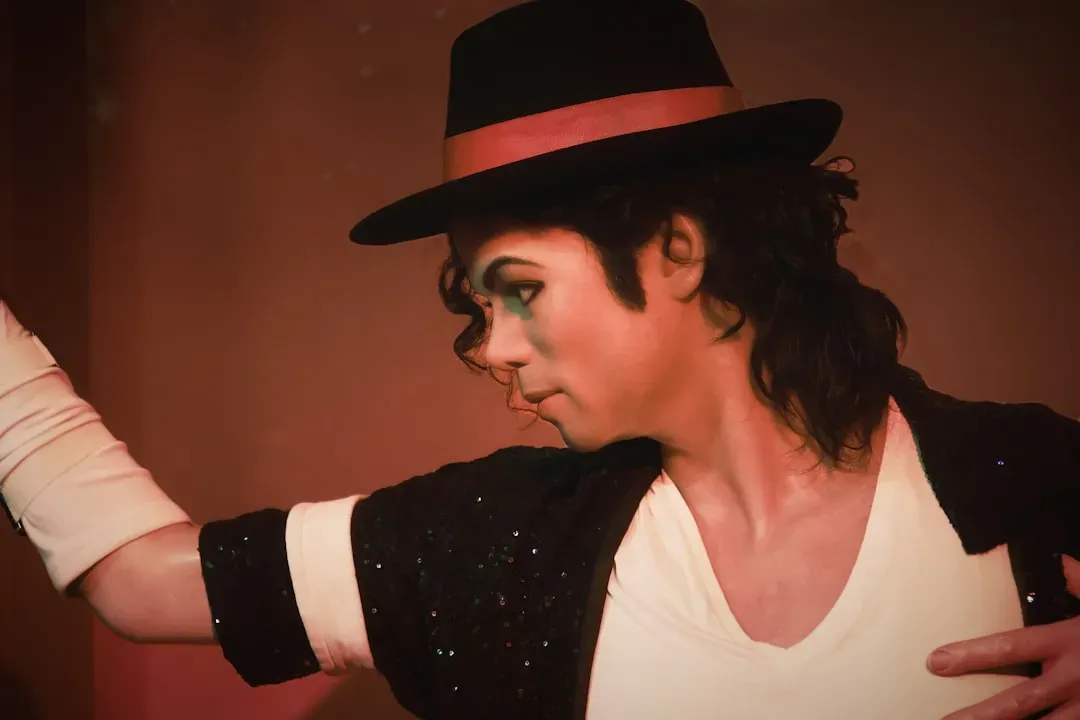
The moonwalk. That’s what everyone remembers from Michael Jackson’s performance of Billie Jean at Motown 25. In reality, dancers had done similar moves before, but Michael owned it completely. He glided backwards across that stage and the world lost its collective mind.
But the moonwalk was just the most visible element of a performance that redefined pop showmanship. The precision, the timing, the single white glove – every detail was calculated for maximum impact. Michael transformed pop performance from mere singing into a full theatrical experience.
This show aired on television to 47 million viewers, introducing Jackson as a solo superstar distinct from his Jackson 5 roots. The Thriller album sales exploded after this performance. MTV, which had been hesitant to play videos by Black artists, suddenly couldn’t ignore Michael Jackson.
The performance raised the bar for every pop artist who followed. Suddenly choreography, wardrobe, and visual presentation became as important as vocal ability. Michael showed that a pop star needed to be a complete entertainer, not just a singer.
The Night Music Changed
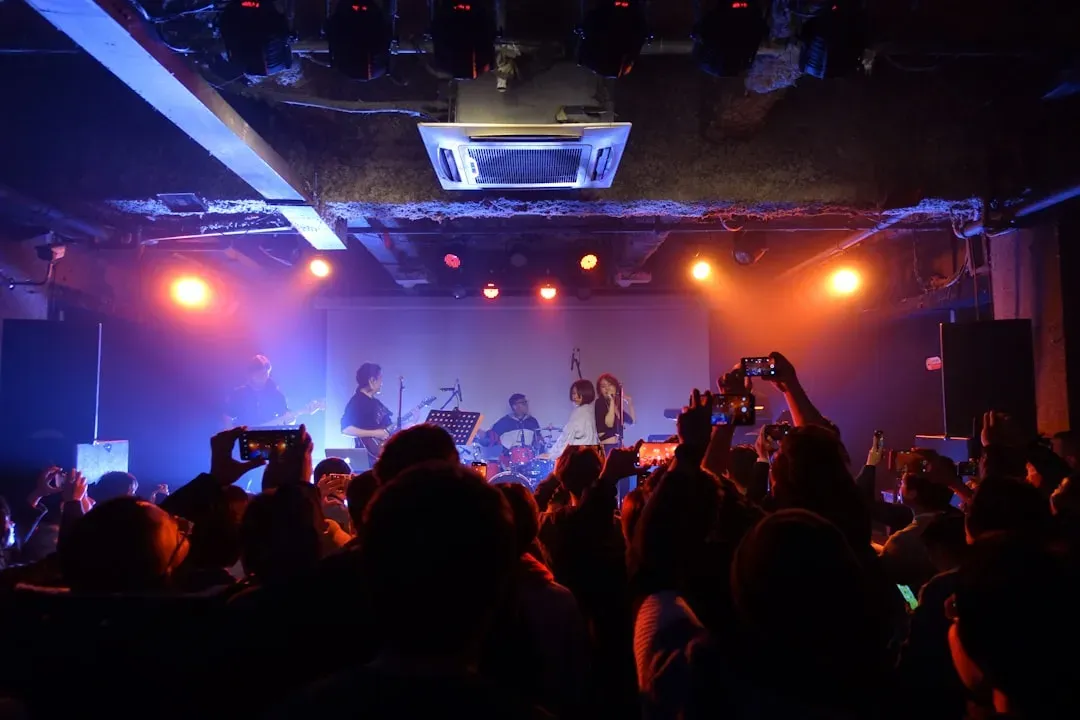
These ten performances represent more than just great shows. They’re the moments when artists took risks, when audiences experienced something genuinely new, and when the trajectory of music shifted course. Some were embraced immediately, others faced hostility before eventual vindication. But all of them left permanent marks on how we create, perform, and experience music.
What strikes me about this list is how many of these performances were controversial or unexpected at the time. The truly transformative moments often involve someone breaking rules or defying expectations. That’s where innovation lives – in the uncomfortable space where tradition meets audacity.
These shows remind us that recorded music only tells part of the story. Live performance remains where music truly lives and breathes, where artists and audiences create something together that can never be exactly replicated. The magic happens in those unrepeatable moments when everything aligns perfectly and history shifts right there on stage. Which of these performances do you wish you could have witnessed in person?