
Think about the last time a story moved you. Maybe it was a moment when a character faced impossible odds or made a sacrifice that left you speechless. There’s something almost magical about how fictional heroes can reach through the pages or screens and touch something real inside us. These aren’t just entertainers passing time. They’re teachers without classrooms, mentors we never asked for but desperately need.
What makes this connection so powerful? Recent research published in the Journal of Personality and Social Psychology in October 2023 found that when people view their life stories through the lens of a hero’s journey, it causally increases meaning in life and helps create meaningful narratives. The study reveals something fascinating about our brains and hearts working together.
Embrace Your Inner Strength Even When You Feel Weakest
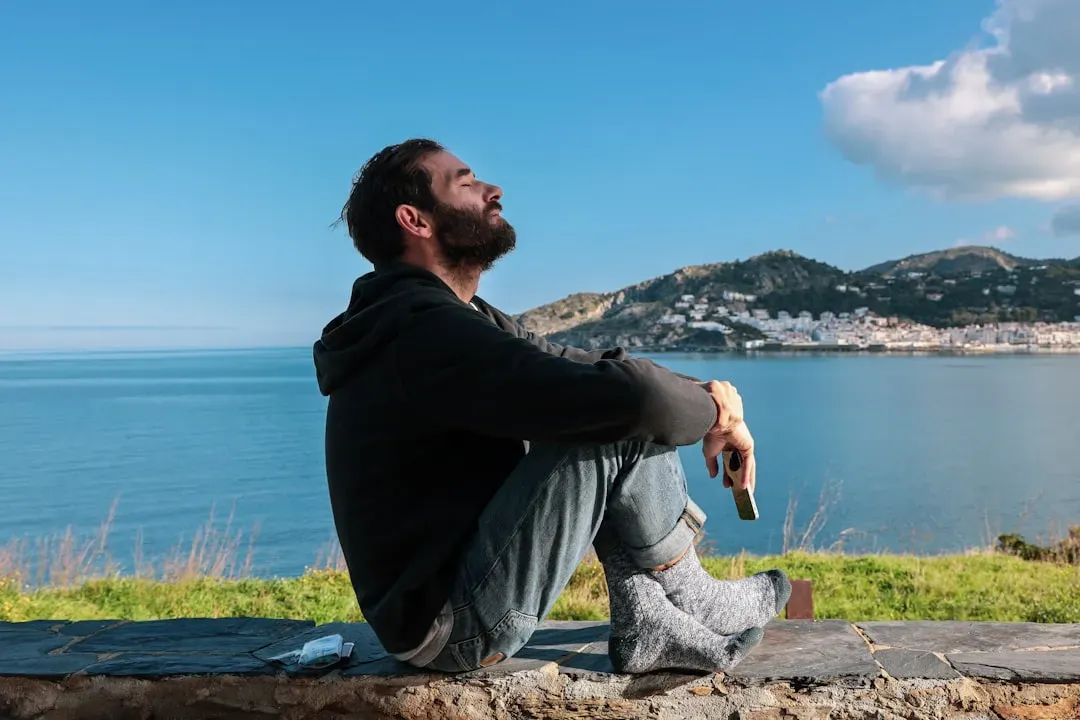
Let’s be real, we all have those days when getting out of bed feels like climbing Everest. Heroes teach us that strength isn’t about never feeling weak. It’s about moving forward anyway. Characters like Frodo in The Lord of the Rings discover unexpected inner strength through transformation, eventually returning home changed to help those left behind. This isn’t some fantasy nonsense divorced from reality.
Research from Ohio State University shows that when we lose ourselves in fictional characters’ experiences, it can lead to real changes in our own lives, even if only temporary. People who strongly identified with a fictional character overcoming obstacles to vote were significantly more likely to vote in real elections days later. That’s not coincidence. That’s our psychology working through storytelling to reshape behavior.
Actions Define Us More Than Intentions Ever Will

Here’s the thing about Batman that nobody talks about enough. He constantly reminds us through his actions that who we are isn’t determined by our circumstances or our trauma. Batman’s assertion that actions define character holds significant truth, and research in the Journal of Personality and Social Psychology supports this by indicating that consistent behavior shapes identity over time. You can have all the good intentions in the world, but if you’re not acting on them, are they even real?
It’s easy to say we care about something. Actually doing something about it? That’s where the rubber meets the road. Think about the last time you said you’d help someone and didn’t follow through. Heroes constantly put themselves in uncomfortable positions because the alternative, doing nothing, is worse than any discomfort they might face.
Fear Is Not Your Enemy, It’s Your Teacher

Every superhero story features moments of paralyzing fear. What separates heroes from everyone else isn’t the absence of fear. It’s their relationship with it. A study in the Journal of Experimental Psychology found that facing fears can lead to increased resilience and personal development. Fear acts as a compass pointing toward growth opportunities we’d otherwise avoid.
When Tris from Divergent talks about fear, she’s not dismissing it or pretending it doesn’t exist. She’s reframing it as information rather than a stop sign. Your heart racing before a presentation? That’s your body preparing you to perform. The nervousness before asking someone out? That’s showing you what matters. Heroes understand that courage isn’t fearlessness but action despite fear.
Small Actions Create Massive Ripples Over Time

Mulan’s story illustrates the profound impact of small actions, as research from Harvard Business Review highlights that consistent, small efforts can lead to substantial transformations over time. We’re obsessed with grand gestures and dramatic moments. Real change? It happens quietly, one small decision at a time.
Think about compound interest but for character development. Every tiny choice to be kind instead of cruel, every moment you choose honesty over convenience, it all adds up. The heroes who inspire us most didn’t usually start with superpowers or destiny. They started with one small brave choice, then another, then another. Eventually those choices became who they were.
Your Story Isn’t Over Until You Say It Is

Research shows that interventions helping people view their lives as a hero’s journey increase resilience to life’s challenges and enhance the extent to which people perceive meaning even in ambiguous situations. The narrative you tell yourself about your life matters more than almost anything else. Heroes constantly rewrite their stories mid-stream.
Iron Man started as a selfish weapons manufacturer. Captain America began as a scrawny kid from Brooklyn. Their journeys weren’t about having perfect origins but about choosing better chapters. Studies developed restorying interventions that lead people to see events of their lives as a hero’s journey, which causally increases meaning in life by prompting reflection on important elements and connecting them into coherent, compelling narratives. You’re the author here. The pen’s in your hand.
Connection and Community Trump Individual Heroics

The most common positive themes in superhero television shows were associated with service, teamwork, and encouragement, and children who are frequently exposed to positive themes may learn important life lessons from characters’ situations and translate these lessons into their own lives. Nobody saves the world alone, not really. Even Superman needs the Justice League sometimes.
The Avengers wouldn’t exist without each member bringing their unique strengths. Frodo needed Sam. Harry needed Hermione and Ron. The lesson isn’t that you can’t be strong individually but that multiplying strengths through genuine connection creates something greater than any solo act ever could. We’re wired for community even when modern life tries to convince us otherwise.
Moral Complexity Makes Us Better Human Beings
The best fictional heroes aren’t perfect. While villainy is often rooted in suffering and pain, heroes also possess vulnerabilities and may cross into moral gray zones, and recognizing positive and negative traits in both heroic and villainous characters deepens audience engagement. This complexity isn’t a flaw in storytelling. It’s teaching us to hold nuance in a world that demands we pick sides.
Media research shows that content can distinctly influence separate moral values and get kids to place more or less importance on those values depending on what is uniquely emphasized, while previous studies focused on broad conceptualizations rather than specific moral value influences. Real ethical decisions rarely come with clear right or wrong answers. Heroes show us that struggling with difficult choices, questioning yourself, and still trying to do better, that’s the actual work of being good.
Vulnerability Is Courage, Not Weakness

Spider-Man cries. Wonder Woman doubts herself. Superheroes may wear capes and have superhuman powers, but at their core they’re just like us, with vulnerabilities, fears, and doubts that we can all relate to. The moments when heroes are most human, most breakable, those are often when they teach us the most valuable lessons about authentic strength.
Research shows that the beliefs, behaviors, and attitudes of our favorite characters can influence our own, and fictional people can give us a sense of belonging, while new fMRI studies find that lonelier people process fictional characters similarly to real friends. Opening up about struggles isn’t weakness. It’s the bravest thing you can do in a culture that demands constant strength and perfection.
Justice Requires Action, Not Just Agreement

Captain America doesn’t just believe in doing the right thing. He acts on it regardless of cost. Katniss Everdeen’s journey demonstrates the power of choice, showing that we aren’t mere pawns but active participants with agency to shape destinies, and the American Psychological Association notes that individuals who feel in control of their lives experience greater happiness and less stress. Passive agreement with justice doesn’t create change. Active participation does.
How many times have you seen injustice and done nothing? Not because you agreed with it but because getting involved seemed complicated or risky? Heroes remind us that neutrality in the face of injustice is itself a choice, just not an admirable one. They show us that standing up matters more than standing safely aside.
Hope Is a Choice You Make Every Single Day
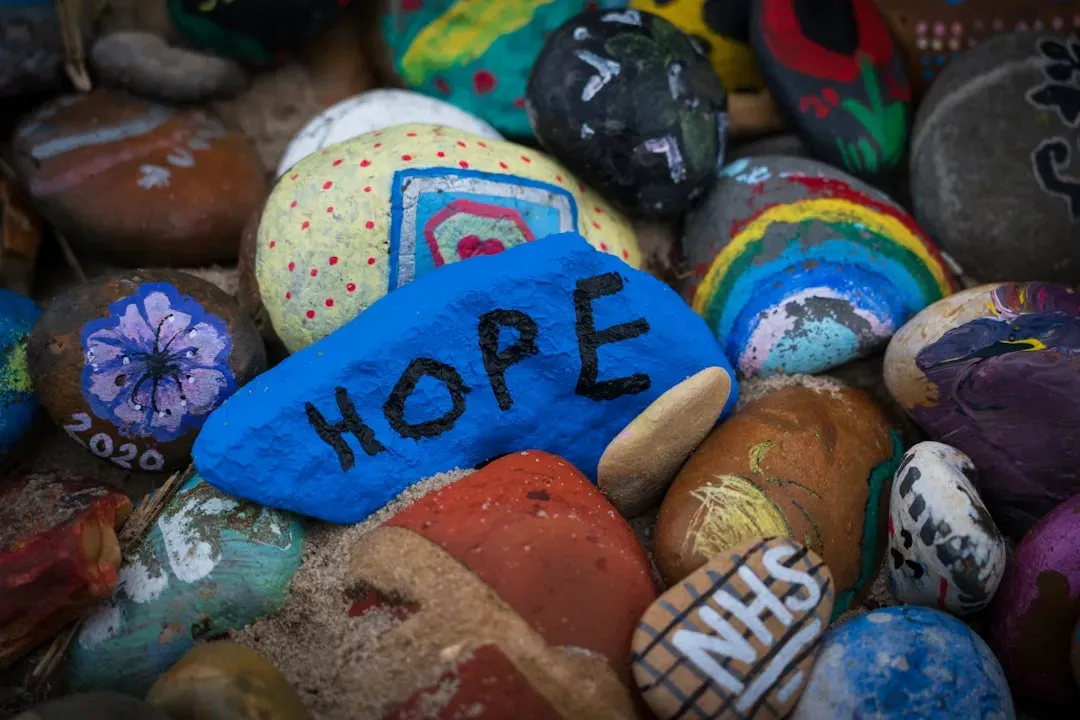
The World Happiness Report 2023 highlights that societies with higher levels of hope tend to have better mental health outcomes. Hope isn’t naive optimism or denial of harsh realities. It’s the deliberate decision to believe better outcomes are possible even when evidence suggests otherwise. Every superhero story is fundamentally about hope triumphing over despair.
Superman could easily become cynical seeing humanity’s worst impulses daily. Instead he chooses to focus on our potential for good. Researchers discovered that viewing life as a hero’s journey, a narrative of overcoming challenges and transformation, enhances life’s meaning. That choice to maintain hope despite everything isn’t weakness or foolishness. It’s the most radical act of courage available to any of us.
Conclusion

These fictional heroes aren’t just entertaining distractions. They are role models for personal growth and development, embodying qualities such as bravery, determination, and selflessness that we can all aspire to, and through the power of storytelling and character development, superheroes provide us with inspiration that can help us overcome adversity and achieve our own personal victories. They’re mirrors reflecting our best possible selves back at us, teachers offering lessons we desperately need but rarely receive elsewhere.
The real magic happens when we stop seeing these lessons as belonging to fictional worlds and start recognizing them as blueprints for our own lives. There are countless examples of narrative fiction altering the course of people’s lives by influencing their attitudes, values, and even major decisions, and when individuals experience stories as if they were one of the characters, that character becomes intertwined with the self. Every day presents opportunities to be braver, kinder, and more connected than we were yesterday. What will you do with yours?