


We’re living through something extraordinary. Artificial intelligence isn’t just a futuristic concept anymore; it’s embedded in everyday life, quietly transforming how we work, heal, and understand around us. From discovering new medicines to predicting the weather with uncanny accuracy, AI is rewriting the rules faster than most of us can keep up. Some of these breakthroughs sound almost too good to be true. Others are already saving lives. What’s remarkable is how quickly these innovations have moved from lab experiments to real-world applications.
Here’s where things get really interesting. The scale of impact varies wildly across different fields, yet one thing is clear: AI is no longer just assisting humans – it’s beginning to lead in ways we never imagined. So let’s dive into the innovations that are genuinely changing our world right now.
1. AI Boosts Workplace Productivity in Ways We Never Expected

A 2023 study from MIT and Stanford examined over 5,000 customer support agents and found something striking: those with access to generative AI tools became 14% more productive on average. What caught researchers off guard was how the benefits were distributed. Less experienced workers saw productivity improvements of up to 34%, while seasoned professionals experienced minimal gains. It’s almost like AI is acting as a shortcut to expertise, helping newcomers climb the learning curve at breakneck speed.
The technology also improved customer satisfaction and reduced requests to speak to managers by 25%. Think about that for a second. Workers became not just faster but better at their jobs, which in turn made customers happier. Separate research on highly skilled workers found that when AI is used within its capabilities, performance can jump by nearly 40% compared to those not using it. These aren’t marginal improvements; they’re game-changing shifts in how work gets done.
2. An AI-Designed Drug Just Reached Advanced Clinical Trials

Insilico Medicine made history by bringing the first drug discovered and designed by generative AI into Phase II clinical trials, dosing the first patients in June 2023. The drug, targeting idiopathic pulmonary fibrosis, represents a moonshot moment for artificial intelligence in medicine. IPF is a rare lung disease affecting roughly five million people worldwide, and patients typically die within two to five years of diagnosis.
What’s truly mind-blowing is the speed. The entire process from target identification to preclinical candidate took just 18 months. Traditional drug discovery can drag on for years, often decades, with astronomical costs. In 2025, results from a Phase IIa trial involving 71 patients showed the drug was safe and effective for treating this devastating lung condition. This isn’t science fiction – it’s happening now, and it could fundamentally change how we develop new medicines.
3. Protein Structures Unlocked at Unprecedented Scale

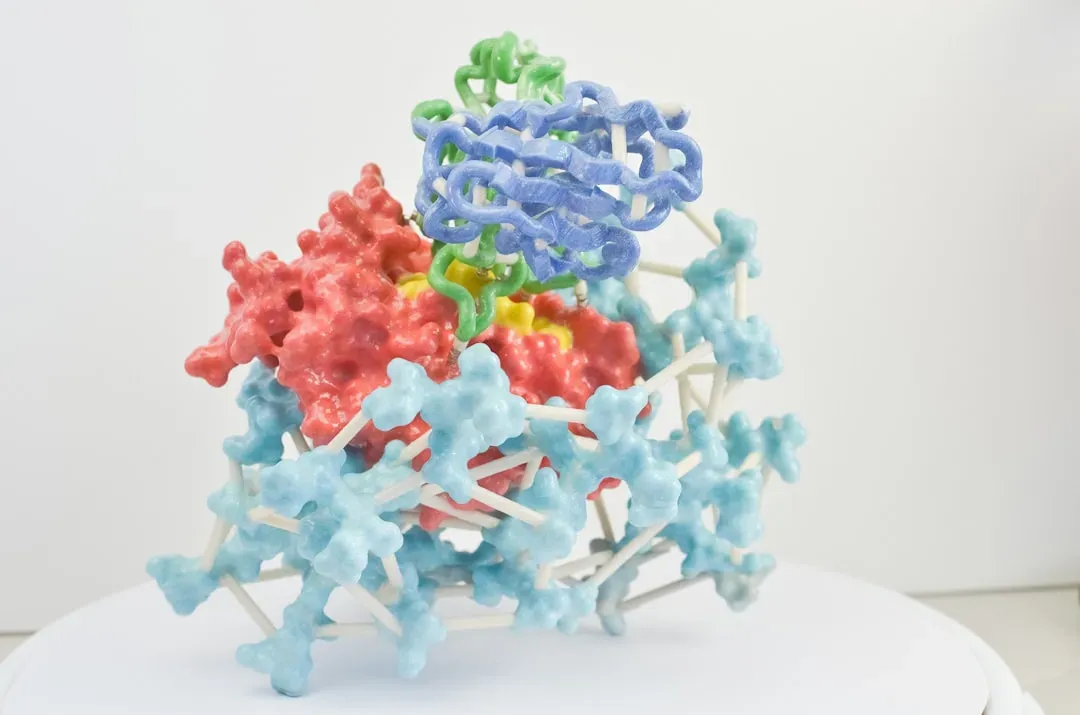
DeepMind’s AlphaFold database now provides open access to over 200 million predicted protein structures, providing broad coverage of nearly all catalogued proteins known to science. Let that sink in. Experimental methods identified around 170,000 protein structures over six decades. Then, in July 2022, AlphaFold uploaded structures for roughly 200 million proteins from one million species.
Over 2 million researchers in more than 190 countries are now using the AlphaFold Protein Structure Database. It’s being used to accelerate research into diseases, understand biological processes, and design new drugs. The implications ripple across every corner of biology. An independent analysis found that researchers using AlphaFold 2 saw an increase of over 40% in their submission of novel experimental protein structures. AI didn’t just solve a problem; it unlocked an entire universe of possibilities.
4. Self-Driving Cars Are Outperforming Human Drivers

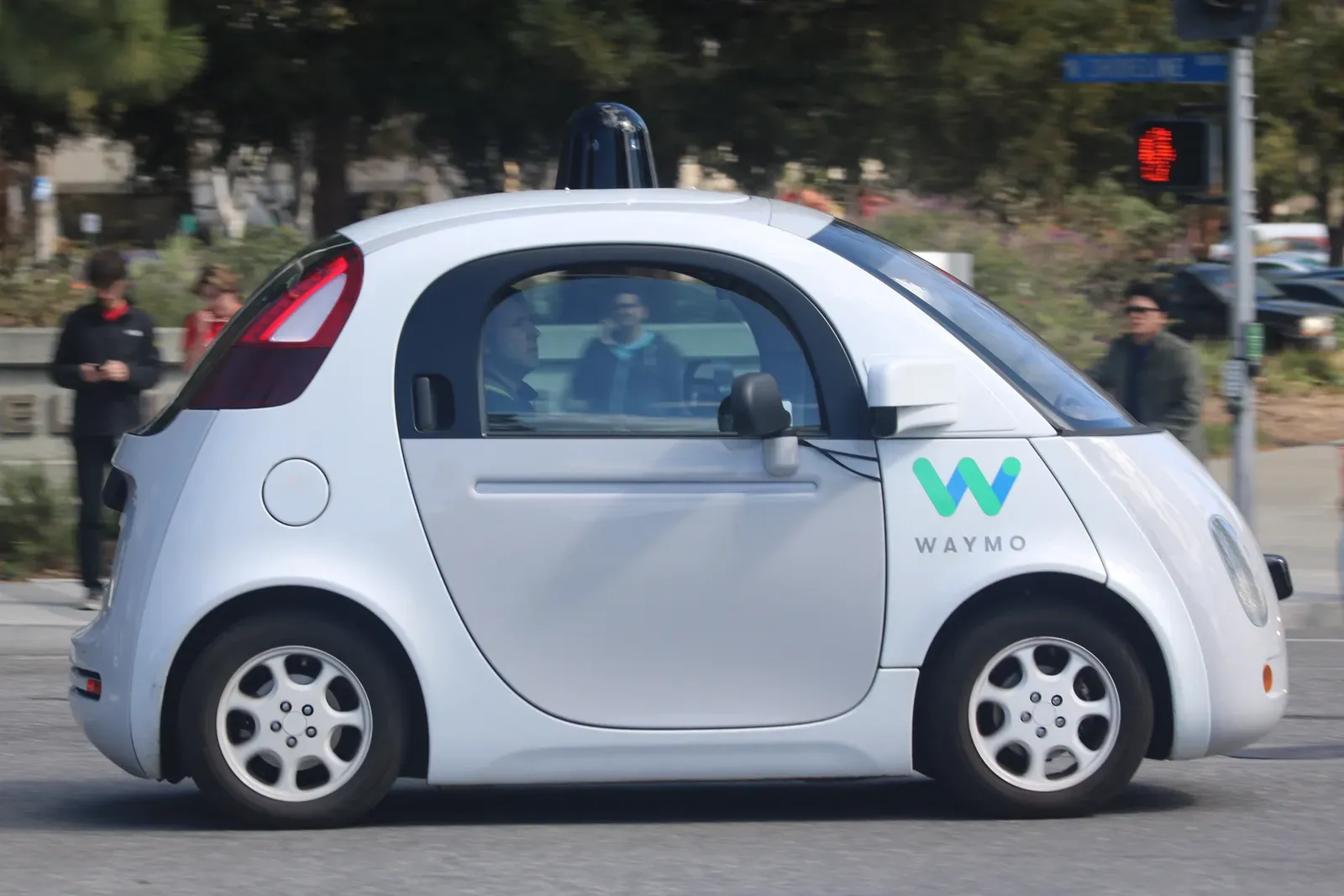
Over 22 million rider-only miles driven through the end of June 2024, Waymo’s autonomous vehicles were involved in 84% fewer crashes with airbag deployment, 73% fewer injury-causing crashes, and 48% fewer police-reported crashes compared to human drivers. Those numbers are staggering. A 2024 Swiss Re study found an 88% reduction in property damage claims and a 92% reduction in bodily injury claims.
Critics have long questioned whether machines could truly be safer than people behind the wheel. The research demonstrates that as Waymo scaled operations across Phoenix, San Francisco, Los Angeles, and Austin, the Waymo Driver significantly outperformed both the overall driving population and the latest generation of human-driven vehicles equipped with advanced driver assistance systems. Honestly, the data speaks for itself. Autonomous vehicles aren’t just matching human performance – they’re surpassing it in meaningful, measurable ways.
5. AI Matches Radiologists in Detecting Cancer

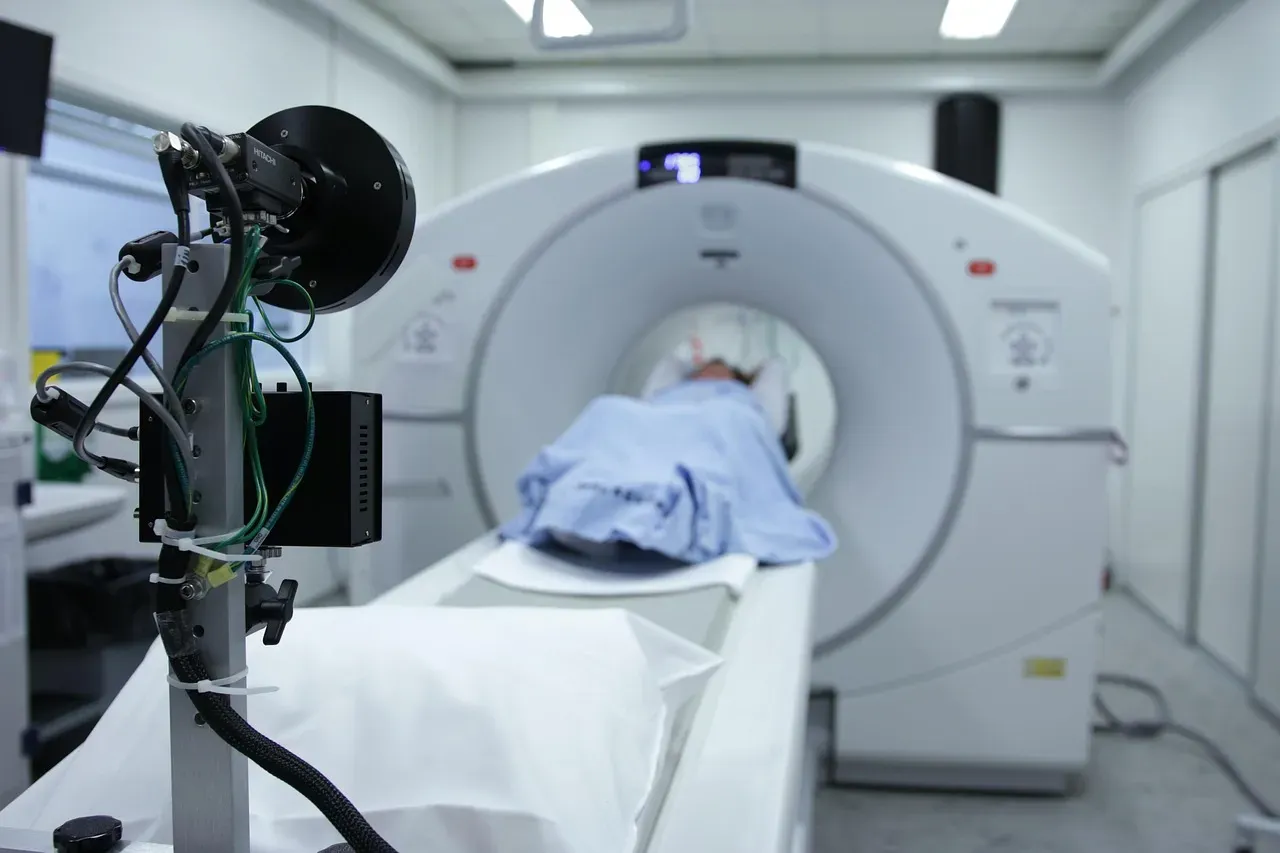
Medical imaging has always been a domain requiring years of training and sharp human intuition. Yet AI systems are now rivaling that expertise. A 2019 systematic review and meta-analysis published in The Lancet Digital Health compared deep learning performance against healthcare professionals in detecting diseases from medical imaging. The results showed AI could match or exceed doctors in identifying conditions like breast cancer and lung nodules.
Partner offer

A 2025 study evaluating screening mammograms with one human reader and AI found it led to increased breast cancer detection compared with double human reading. Think about what that means for early detection and survival rates. These systems don’t get tired, don’t have bad days, and process images with relentless consistency. They’re not replacing radiologists – they’re enhancing their capabilities in ways that could save countless lives.
6. Weather Forecasting Leaps Forward with AI


Google DeepMind’s GraphCast AI model demonstrated in 2023 that it could predict extreme weather events more accurately and faster than conventional numerical weather models. Traditional forecasting relies on massive computational resources and complex physics equations. AI takes a different approach, learning patterns from decades of historical data to make predictions in minutes rather than hours.
The implications go far beyond knowing whether to bring an umbrella. Accurate forecasts save lives during hurricanes, floods, and heatwaves. They help farmers plan planting seasons, airlines optimize routes, and emergency services prepare for disasters. Achieving what would take hundreds of millions of years to solve experimentally, AI accomplished this feat in record time. It’s hard to overstate how crucial better weather prediction is for a world facing increasingly volatile climate conditions.
8. Nearly Half of All New Code Is Written with AI Assistance

GitHub revealed in 2023 that over 40% of new code on its platform was being written with AI assistance. Tools like GitHub Copilot have become embedded in daily programming workflows, suggesting entire functions, debugging errors, and even explaining complex code snippets. Developers aren’t just writing faster – they’re learning faster, too, as AI offers real-time guidance.
Some worry this will deskill programmers, making them dependent on machines. Others see it as democratizing software development, allowing people with less experience to build sophisticated applications. The reality is probably somewhere in between. What’s undeniable is that coding, one of the most in-demand skills of the 21st century, is being fundamentally reshaped by artificial intelligence. The question isn’t whether AI will change programming – it already has.
9. Data Centers Slash Energy Use with AI Optimization

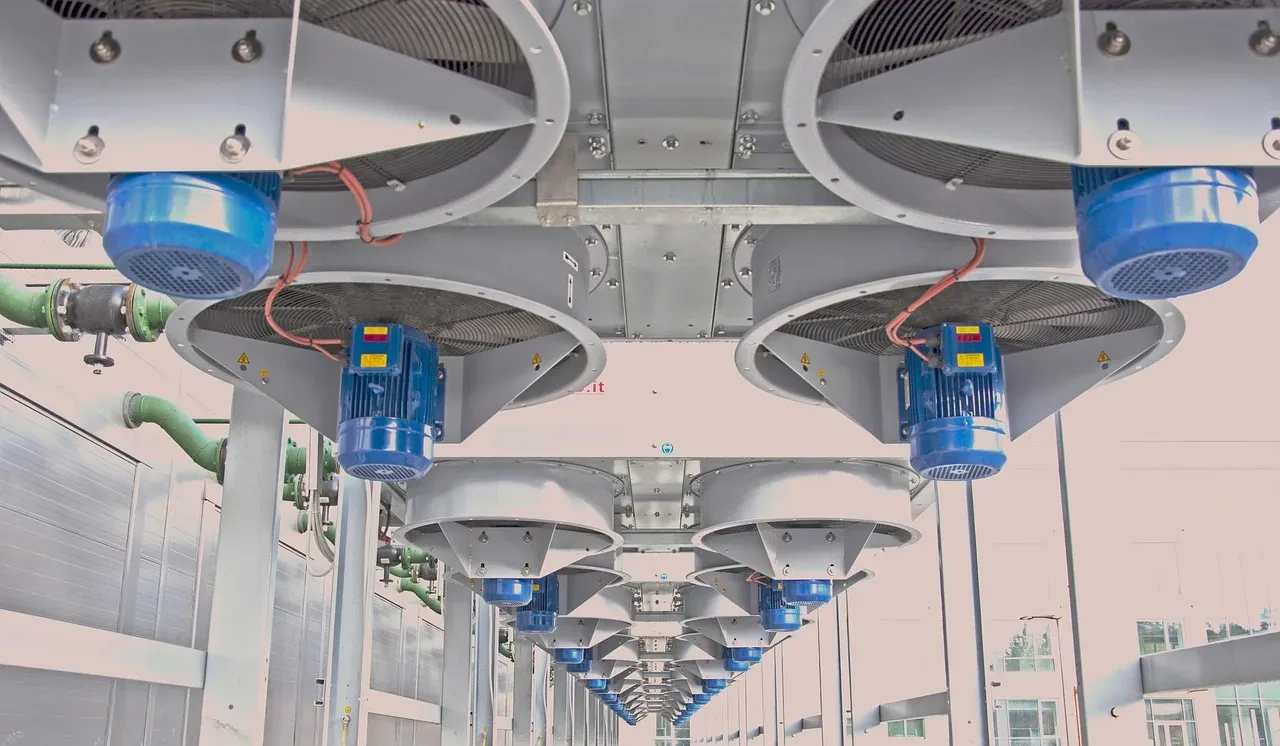
Google reported that its AI-based cooling systems reduced data center energy use by up to 30%. Data centers are voracious energy consumers, powering everything from cloud storage to streaming services. As our digital footprint expands, so does the environmental cost. AI is stepping in to optimize cooling systems, predict equipment failures, and balance workloads in ways that minimize waste.
This isn’t just about cutting costs; it’s about sustainability. Energy efficiency improvements of this magnitude can significantly reduce carbon emissions, especially as more industries move operations to the cloud. The irony, of course, is that AI itself requires substantial computing power. Yet when applied thoughtfully, it can help offset its own environmental impact and make our digital infrastructure greener. It’s a small but crucial piece of the climate puzzle.
10. AI Tutors Deliver Results Comparable to Human Teachers
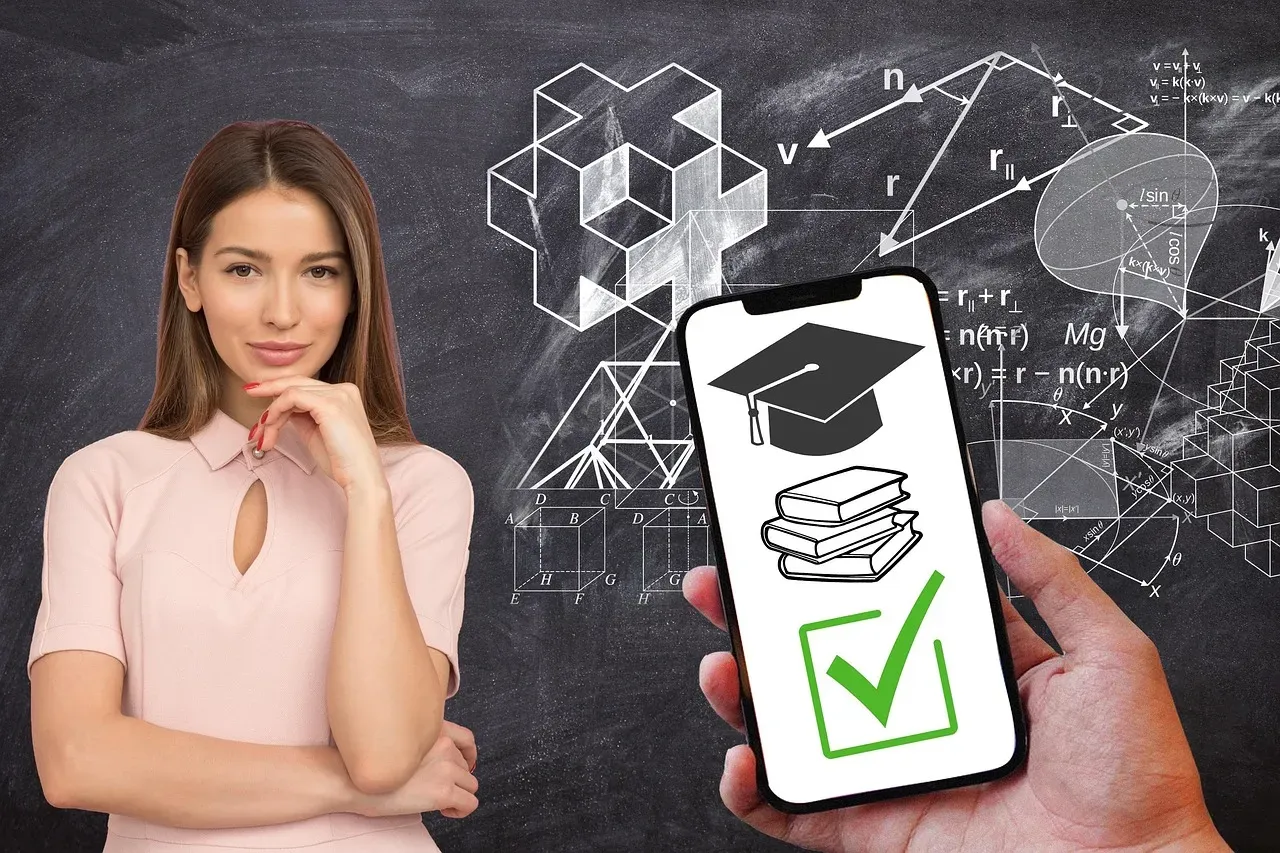
A 2024 randomized study published by Harvard researchers found that AI tutoring systems produced learning outcomes similar to one-on-one human tutoring, especially in math and science subjects. One-on-one tutoring has long been considered the gold standard of education, yet it’s prohibitively expensive and inaccessible for most students. AI is changing that equation.
These systems adapt to each student’s pace, identify knowledge gaps, and provide instant feedback. They’re patient, never judgmental, and available around the clock. Critics rightfully point out that education involves more than just transmitting information – there’s mentorship, inspiration, and emotional support that machines can’t replicate. Still, for students lacking access to quality instruction, AI tutors represent a genuine opportunity to level the playing field. The technology won’t replace great teachers, yet it might ensure more students get the help they need.
Conclusion

AI’s impact is no longer theoretical or tucked away in research labs. It’s tangible, measurable, and accelerating across industries. From the drugs we develop to the code we write, from the weather forecasts we trust to the cars that drive themselves, artificial intelligence is reshaping the contours of modern life. Some innovations inspire awe, others raise difficult questions about jobs, ethics, and equity. What’s undeniable is that we’re witnessing a transformation as profound as any technological revolution in history.
What do you think about these breakthroughs? Are you excited, cautious, or somewhere in between? Tell us in the comments.
Partner offer
Planning a trip to Vegas?
Compare hotel rates and show tickets on VEGAS.com.


