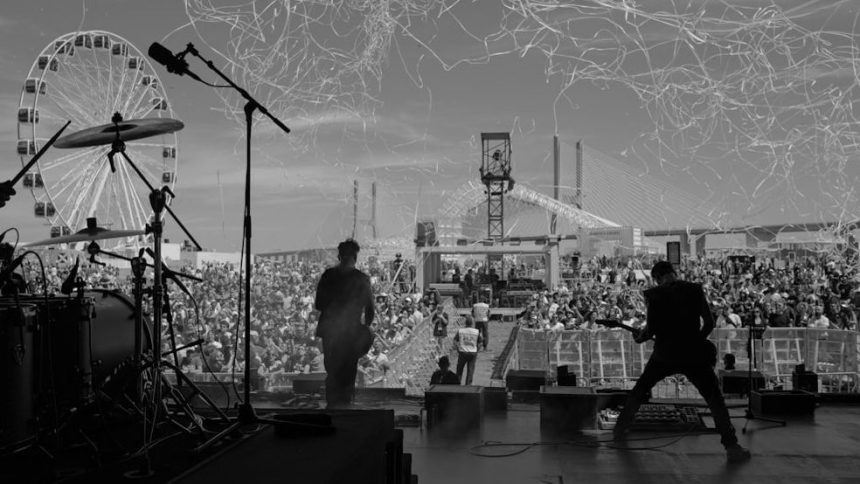
There is something almost irrational about booking a flight halfway around the globe just to stand in a field, sweating under a blazing sun, surrounded by thousands of strangers. And yet, millions of people do exactly that every single year. Honestly, it makes perfect sense once you’ve experienced it.
Festival travel has become one of the fastest-growing segments of global tourism, with over 30 million people worldwide traveling each year primarily to attend festivals. In 2024 alone, the global event tourism market was valued at $1.52 trillion, a figure that highlights just how powerful cultural gatherings have become. These are not just concerts. They are pilgrimages. Let’s dive in.
1. Glastonbury Festival – Somerset, England
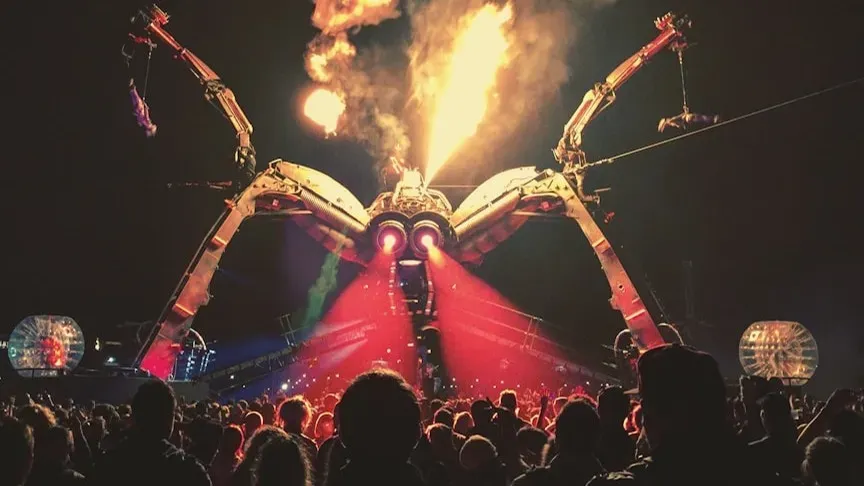
If there is one festival that has transcended the idea of a festival, it is Glastonbury. What began as a simple party at a farm has transformed into arguably the world’s most popular music festival and has inspired an entire generation of greenfield festivals. The farm in question is Worthy Farm in Pilton, Somerset, and it has hosted some of the greatest live performances in modern history.
The official licensed capacity for Glastonbury stands at 210,000 people – more than the entire population of Salt Lake City, Utah. The 2024 headlining acts were Dua Lipa, Coldplay, and SZA, with Shania Twain performing in the traditional Sunday Legends slot. In 2025, tickets sold fast. General admission tickets went on sale on November 17, 2024. The tickets, costing £373.50 for the full weekend, sold out in thirty-five minutes.
During Glastonbury 2025, the Eavis family announced that the festival would not be organised in 2026 to allow the natural environment to recover, with the festival due to return in 2027. So the next opportunity to attend is 2027. Missing it would feel, for many fans, like a genuine loss. Glastonbury Festival generates roughly £100 million for local businesses in Somerset.
2. Tomorrowland – Boom, Belgium
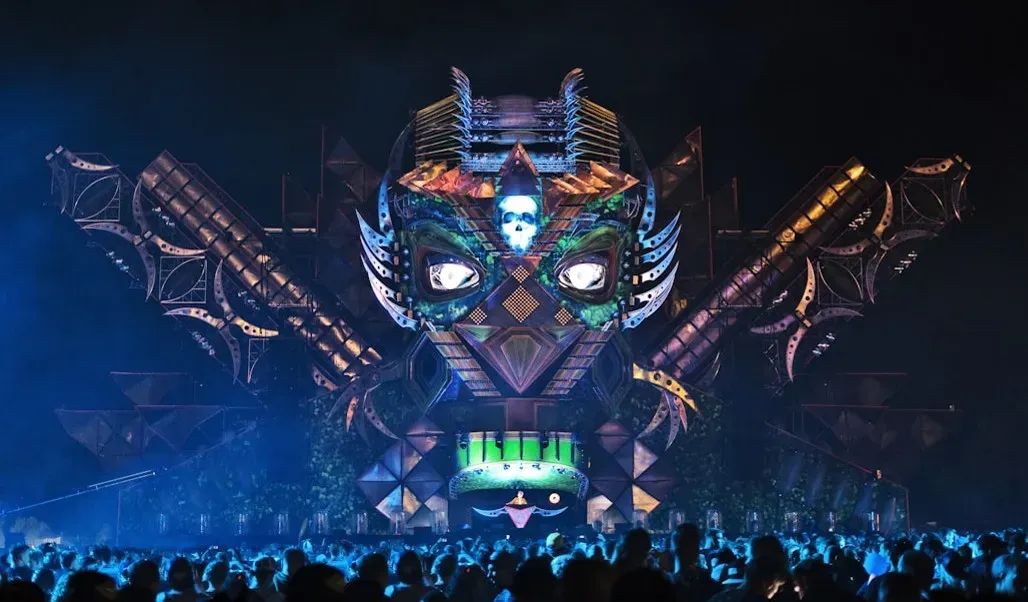
No festival on Earth builds a world quite like Tomorrowland. The Belgian spectacle has set new parameters for what’s possible, pairing truly groundbreaking stage production with heavyweight lineups and magical themes for two bumper weekends every July. In 2024, the festival raised the bar once again, debuting its new ‘LIFE’ mainstage, which was christened by Swedish House Mafia with their first Tomorrowland set in 12 years.
Tomorrowland might take place on Belgian soil, but the festival is truly global in every other sense, welcoming attendees from over 200 countries. Tomorrowland in Belgium attracts around 400,000 visitors annually, generating an estimated €100 million for the local economy. Those numbers are staggering for a festival tucked in a small Belgian municipality.
Tickets for the 2024 Tomorrowland summer festivals sold out in under a day when they went on sale in February. Tomorrowland topped DJ Mag’s Top 100 poll again in 2025, a reader-voted ranking that carries serious weight in the electronic music world. Tomorrowland offers more than just music – it’s an experience. With its elaborate stage designs and themed areas, the festival creates a fantasy world for attendees, making it a bucket-list event for EDM fans.
3. Coachella Valley Music and Arts Festival – Indio, California, USA
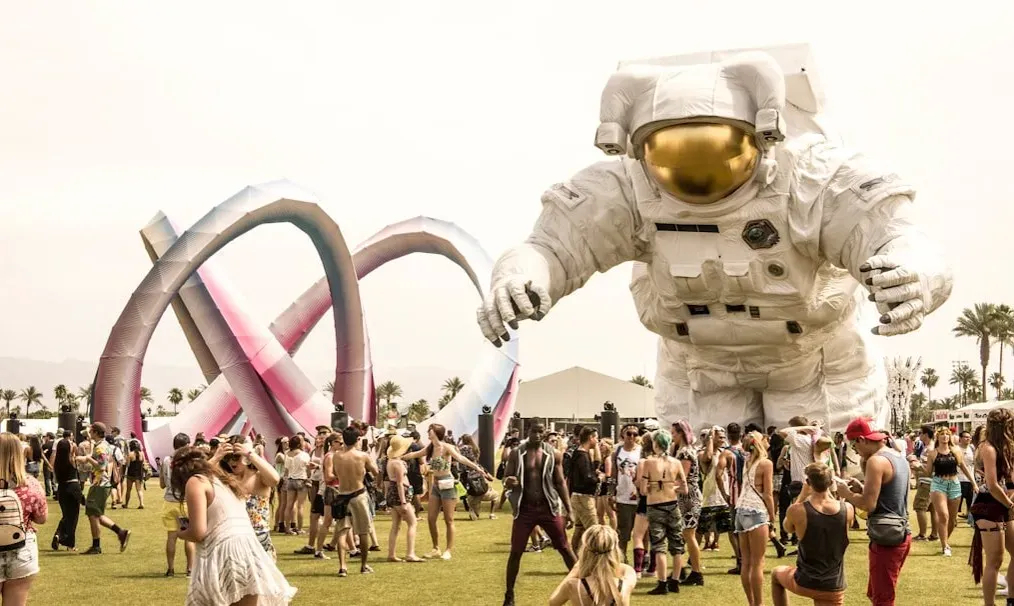
Coachella is arguably the most culturally influential music festival on the planet right now. Established in 1999, the Coachella Valley Music and Arts Festival has grown into one of the world’s most iconic music festivals. Held annually at the Empire Polo Club in Indio, California, it features a diverse lineup of artists spanning various genres, along with large-scale art installations and sculptures. Think of it less as a festival and more as a cultural moment you either witnessed or didn’t.
Coachella 2025 featured headline performances from Lady Gaga, who previously headlined in 2017, Green Day, and Post Malone. Travis Scott also received headline billing. Gaga became just the second woman to headline Coachella twice, following Björk. That is the kind of historic moment that only Coachella delivers.
On April 12, 2025, the Los Angeles Philharmonic, conducted by Gustavo Dudamel, became the first major orchestra to perform at Coachella. That moment alone tells you everything about how Coachella keeps reinventing itself. Coachella’s economic effect reaches $700 million each year through its influence on the region’s economy.
4. Rock in Rio – Rio de Janeiro, Brazil
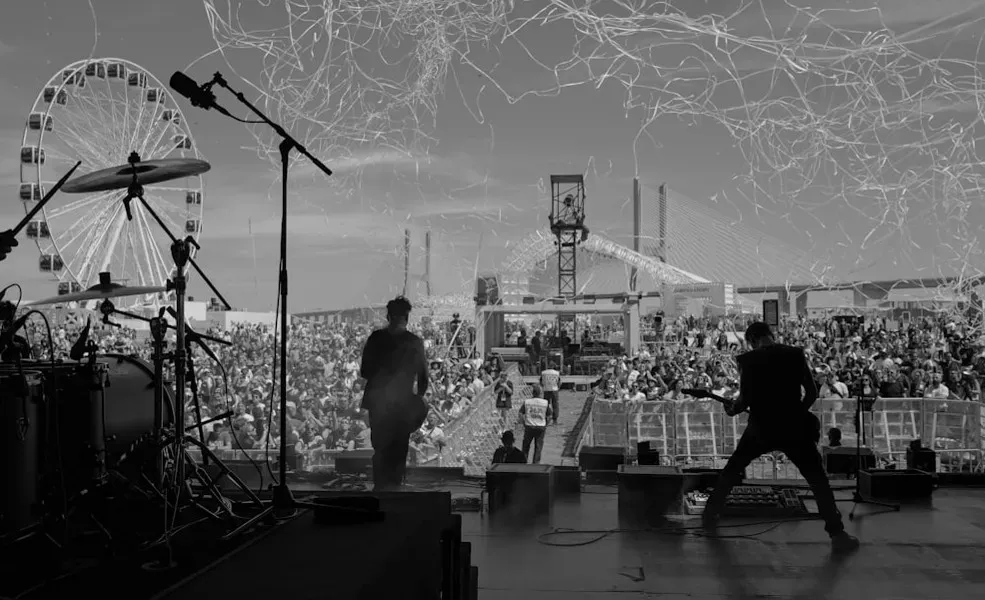
South America has its own giant, and it is Rock in Rio. Brazil’s Rock in Rio is a powerhouse of rock, pop, and electronic beats. Since 1985, it has drawn millions – with 1.38 million attendees in its debut year alone, and legends like Queen and Rihanna gracing its stages. Few festivals anywhere in the world can boast that kind of history and that scale simultaneously.
Rock in Rio has attracted more than 10 million people since its inception in 1985. Let that sink in for a moment. That is an entire nation’s worth of fans. Rock in Rio returned to form in 2025, pulling in 730,000 fans to Rio de Janeiro.
The “City of Rock” pulses with carnival rides and vibrant crowds, all set against Rio’s stunning beaches and mountains. It’s a destination where music meets South American flair. Honestly, few festivals in the world have a backdrop this cinematic. You could watch any performance with mountains on one side and ocean on the other. It is simply unfair.
5. Primavera Sound – Barcelona, Spain
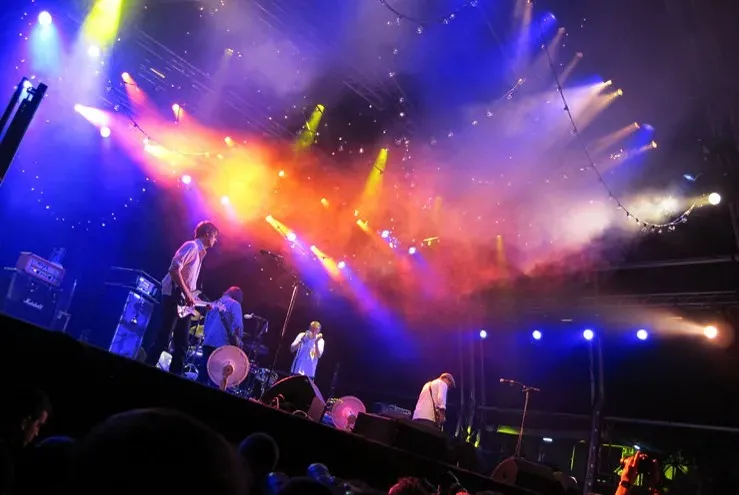
Here’s the thing about Primavera Sound: it gets it right in a way few city-based festivals manage. Set in the Parc del Fòrum overlooking the Mediterranean Sea, Primavera Sound is a haven for lovers of indie, alternative, and experimental music. The lineup tends to be sharper and more daring than almost any other major festival on the calendar.
Primavera Sound 2025 broke records with 293,000 attendees in one week, boosting Barcelona’s economy by over €300 million. That economic punch is remarkable, but it also reflects how deeply integrated the festival has become with the city’s identity. Barcelona and Primavera Sound feel made for each other.
Barcelona itself is a draw – many visitors combine the festival with sightseeing, including La Sagrada Família, beaches, and nightlife. The synergy of music and tourism is strong here. Performers often play at both Primavera and the Barcelona pool parties that happen in early June, making it a full city-plus-festival experience. It is hard to say for sure, but this might be the best all-round travel-and-festival package on the entire list.
6. Fuji Rock Festival – Niigata Prefecture, Japan
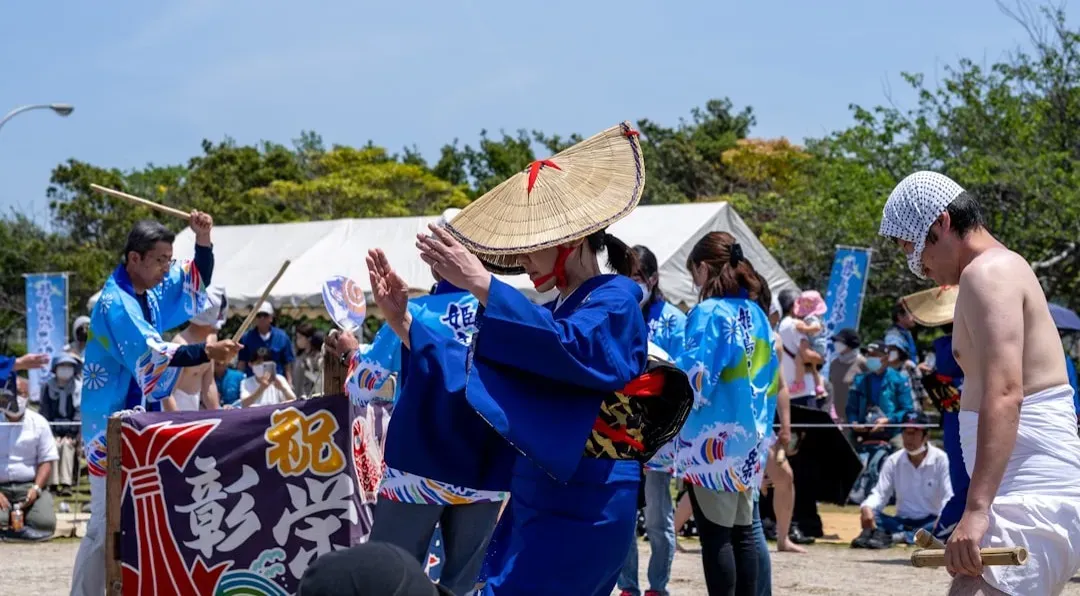
Fuji Rock is unlike every other festival on this list. Where others compete on scale or production budgets, Fuji Rock wins on atmosphere and setting. Set against the backdrop of the Naeba Mountains, Fuji Rock Festival combines world-class music with breathtaking natural scenery. It’s a haven for those seeking a tranquil yet vibrant festival experience.
Japan’s Fuji Rock Festival, held at Naeba Ski Resort, blends over 200 international and local acts with a serene alpine setting. Headliners like Fred Again and Vampire Weekend have rocked the stages, framed by lush forests and onsens (hot springs) for post-festival relaxation. Its eco-friendly ethos and scenic beauty make it a unique escape for music fans craving nature and sound.
Fuji Rock Festival in Japan attracts approximately 130,000 attendees annually. That is a smaller crowd than most other festivals on this list, but that is genuinely part of its charm. Think of it like a boutique restaurant compared to a stadium banquet – smaller, more deliberate, more memorable. The Japanese approach to festival organisation is also famously orderly, making it a stress-free experience in a way Glastonbury’s legendary mud simply cannot match.
7. Sziget Festival – Budapest, Hungary
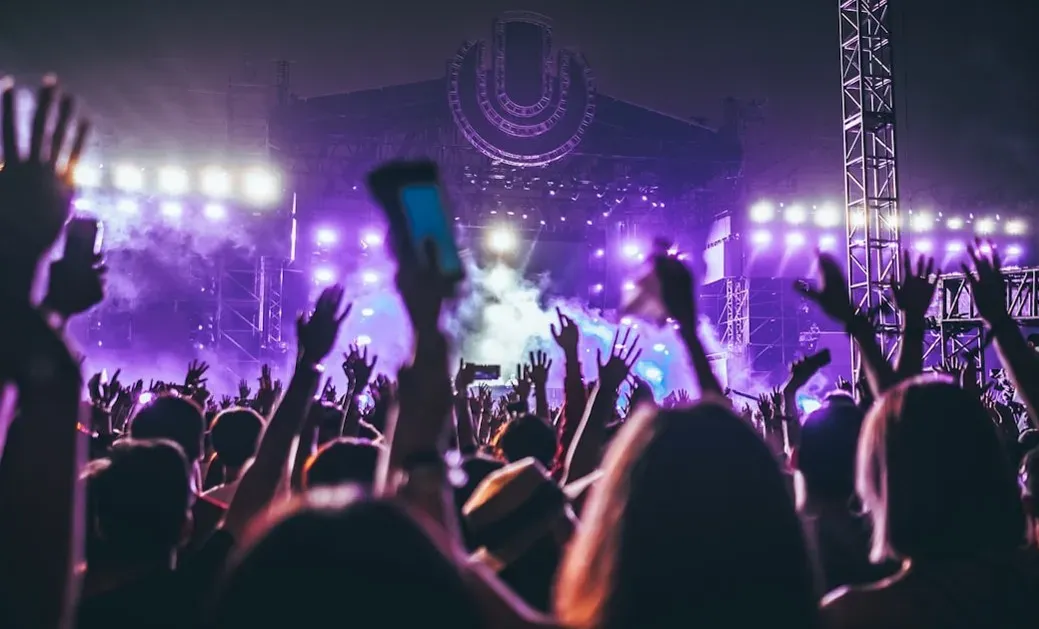
Let’s be real: Budapest alone is reason enough to book a trip to Europe in summer. Add Sziget Festival to the equation, and it becomes almost impossible to justify staying home. Sziget is one of the biggest music festivals in Europe, hosting over a thousand performances every August in Budapest. It earned the top ranking score in a major 2024 global festival index, and it deserved every bit of it.
When it comes to stages, Tomorrowland has 16 stages for visitors, whereas Sziget boasts 60 stages – the highest number in the world. Sixty stages. That number is almost laughably generous. About 60,000 to 70,000 people flock to Sziget on each day, which means the festival attracted between 360,000 and 420,000 attendees in 2024.
Sziget Festival in Budapest is one of the largest and most diverse cultural festivals in Europe. With a vast lineup covering all genres from rock and pop to electronic music, Sziget has become a key tourism event for travelers seeking a multicultural experience. Set on Óbuda Island, the festival offers not only live performances but also art exhibitions, theater performances, and unique cultural events.
8. Lollapalooza – Chicago, USA
Lollapalooza started as something genuinely weird and countercultural, and somehow became one of the most recognisable festival brands in the world. What started as a farewell tour for Jane’s Addiction in 1991 is now a four-day annual event in Chicago’s Grant Park. Known for its wide-ranging lineup, Lollapalooza showcases everything from hip-hop to indie rock to electronic music. With over 170 performances across multiple stages and satellite festivals in Brazil, Argentina, and Europe, it draws over 400,000 attendees yearly.
You got to hand it to Perry Farrell, the bizarre and quirky visionary who reinvented the American music festival with Lollapalooza, first taking it on the road in the last century and then putting down stakes in Chicago. Despite a firm home base in the Windy City, Lollapalooza hasn’t forgotten its traveling roots with editions in South America and Europe. That global expansion is quite remarkable for what started as one man’s farewell road trip.
Chicago itself is a fantastic city to explore if you are visiting from abroad, with world-class architecture, food, and the blues and jazz scene baked into the city’s DNA. The festival takes place right in the heart of Grant Park, meaning the city skyline literally frames the stage. That is a view that festival sites carved out of remote fields simply cannot compete with.
9. UNTOLD Festival – Cluj-Napoca, Romania
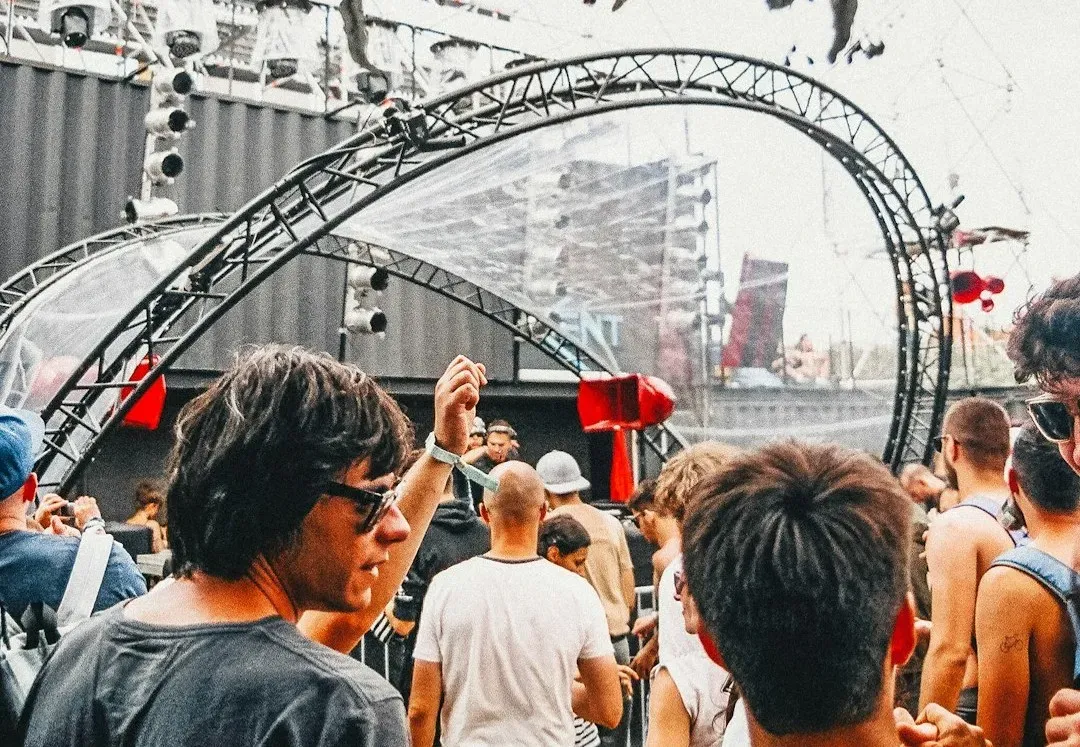
UNTOLD might be the most impressive success story in modern festival history. Ten years ago, in the heart of Transylvania when Cluj-Napoca was named the European Youth Capital, Romania’s UNTOLD welcomed over 240,000 attendees to its inaugural event. The festival’s world-class production drew attention from the industry, landing it the Best Major European Festival award that year.
The 2024 edition hosted 250 artists across eight stages, attracting some 427,000 visitors. That growth from 240,000 to over 400,000 in under a decade is extraordinary. In DJ Mag’s 2024 poll it was ranked 3rd worldwide, behind Tomorrowland and Awakenings. For a festival that barely existed a decade ago, that ranking is genuinely astonishing.
Music and production aside, UNTOLD is known for its charity and educational work. Its Blood Network, a campaign which encourages blood donations across Romania in return for a day festival ticket, has received tens of thousands of donations – and saved tens of thousands of lives as a result. How many other festivals can say their existence has literally saved lives? That kind of purpose makes UNTOLD something genuinely special in a crowded landscape.
10. Roskilde Festival – Roskilde, Denmark
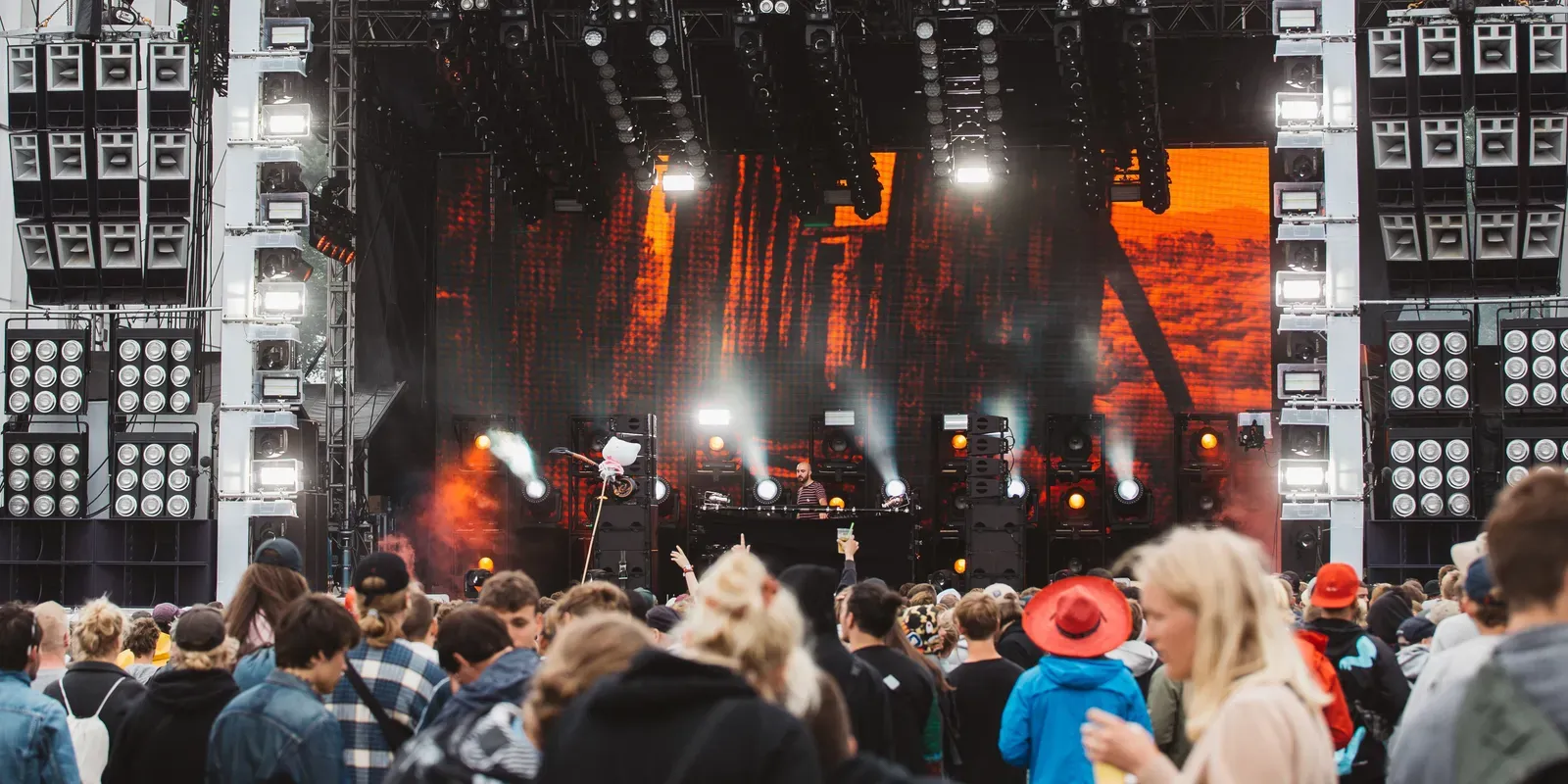
Roskilde is perhaps the most principled festival on this entire list. Denmark’s Roskilde Festival lasts eight days and occurs annually just outside the small city of Roskilde, near Copenhagen. Eight days. That alone separates it from virtually everything else – it is not a long weekend, it is a full week of music and community. The experience is genuinely immersive in a way that shorter festivals cannot be.
Roskilde is one of Europe’s oldest festivals, emphasising non-profit values and cultural diversity. Every single krone of surplus goes to humanitarian and cultural causes. The festival is technically run by a charitable foundation, which means attending Roskilde is, in a very real sense, a small act of generosity as well as a party. Roskilde Festival in Denmark builds a temporary city for 130,000 people every summer.
The lineup at Roskilde is consistently one of the most eclectic in the world, mixing global superstars with emerging artists across rock, hip-hop, electronic, and experimental genres. Copenhagen is just a short train ride away, making it easy to combine the festival with one of Scandinavia’s most beautiful and design-forward cities. For travellers who want substance alongside spectacle, Roskilde is genuinely hard to beat.
Why Festival Travel Is Worth Every Mile
Fueled by social media, FOMO, and the demand for unique experiences, festivals are no longer side activities during vacations – they are the main reason people plan international trips. That shift in travel motivation is real, and it reflects something deeper about what people want from their time and money. A hotel and a city tour can wait. A once-in-a-year headliner set cannot.
The music tourism market alone is expected to grow from $96.7 billion in 2024 to $267.8 billion by 2030. That trajectory suggests the world is only getting more serious about festival travel, not less. Millennials and Gen Z account for over roughly three quarters of festival travelers worldwide. These are generations that value experience over things – and festivals deliver exactly that.
Each of the ten festivals above offers something genuinely different. Some are about spectacle, some about scale, some about community, some about the destination surrounding them. The best approach, honestly, is to pick the one that reflects who you are as a traveller. Then book the flight before the tickets sell out. Which one of these would you travel across the world for?