Music, much like fashion or language, is never static. It breathes, shifts, and sometimes vanishes into thin air. But here’s the thing: just because a genre fades from the mainstream doesn’t mean it loses its value. These musical movements captured specific moments in cultural history, reflecting technological shifts, social tensions, and audience desires. They shaped the sounds we hear today, even if we don’t immediately recognize their fingerprints.
So why bother looking back? Because understanding what disappeared helps us grasp what survived and what might return. Let’s dive into ten music genres that once dominated airwaves, dance floors, and record stores but eventually slipped away.
Disco’s Combustible Exit

Disco’s end was as dramatic as any rock opera. On July 12, 1979, at Chicago’s Comiskey Park, a promotional stunt called Disco Demolition Night turned into a full-blown riot. According to historian Gillian Frank, the event “triggered a nationwide expression of anger against disco that caused disco to recede quickly from the American cultural landscape.” The genre’s popularity plummeted significantly in late 1979 and 1980, with many disco artists forced to rebrand their recordings as “dance music.”
The backlash wasn’t just about the music, honestly. Disco had emerged as an underground dance movement spearheaded by LGBTQ, Latino, and Black communities, and by 1979, some white heterosexual men felt excluded by the genre’s cultural associations. Yet disco’s influence never truly died. In Chicago, it went underground and was reborn several years later as house music.
Ragtime’s Quiet Fade Into Jazz
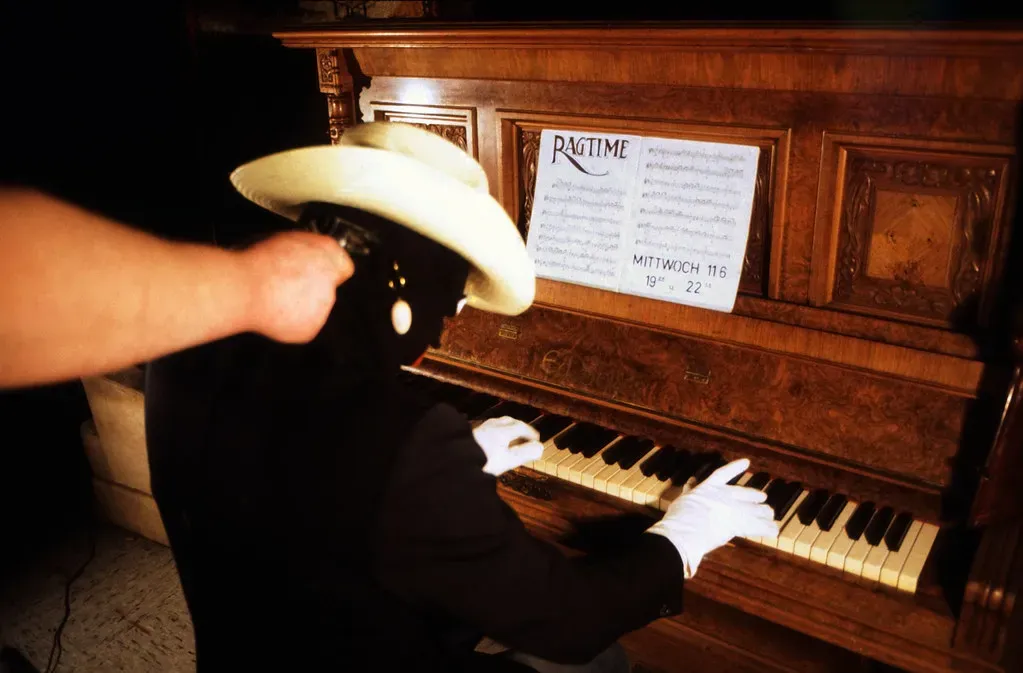
Ragtime was the predominant style of American popular music from about 1899 to 1917. Characterized by its syncopated rhythms and piano-driven melodies, the genre represented a foundational moment in American music. It began to decline in popularity around 1917.
While ragtime could be used for foxtrot dancing, the new music composed for this dance trend was increasingly popular. Jazz was emerging as a genre distinct from ragtime, and though ragtime’s heyday was relatively short-lived, the music influenced the later development of jazz. The Library of Congress archives demonstrate just how vital this genre was to American musical theory, even if audiences moved on. Ragtime experienced occasional revivals, most notably in the 1970s, when pianist Joshua Rifkin’s album Scott Joplin: Piano Rags became acclaimed and Marvin Hamlisch adapted Joplin’s music for the film The Sting.
Hair Metal’s Sudden Collapse
Ask anyone who lived through the early nineties, and they’ll tell you: one album changed everything. Nirvana’s Nevermind, released in 1991, found unexpected mainstream success and is credited for ending the popularity of hair metal, with the album eventually certified 13× Platinum in the US. Nevermind brought grunge and alternative rock to a mainstream audience while accelerating the decline of hair metal, drawing similarities to the early 1960s British Invasion.
Let’s be real: hair metal was already showing cracks. By 1991, many hair metal bands were either imploding or swapping key members, and Twisted Sister frontman Dee Snider himself admitted that “hair metal did it to itself” by becoming “too commercialized” and filled with “nothing but power ballads.” Still, Nirvana’s raw, anti-establishment sound made spandex and excess feel instantly dated. The shift was seismic and unforgiving.
New Jack Swing’s Brief Reign
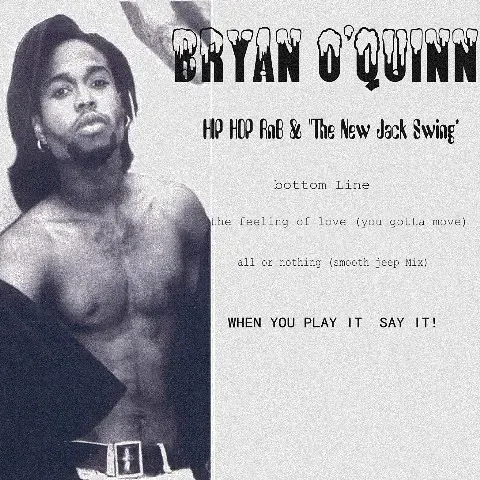
The height of new jack swing’s popularity was 1988–1993, with the sound spearheaded by producers Teddy Riley, Bernard Belle, Jimmy Jam and Terry Lewis, and Dallas Austin. New jack swing was a fusion genre combining the rhythms and production techniques of hip hop and dance-pop with the urban contemporary sound of R&B.
In 1995, Montell Jordan had a number one new jack swing hit with “This is How We Do It,” but after its release, the genre’s popularity declined as hip-hop became more dominant and R&B evolved. By the mid-1990s, hip hop soul and neo-soul shifted R&B toward grittier sampling or organic instrumentation, and pure new jack swing receded from the charts. The slick production and swingbeat rhythms gave way to rawer, more street-oriented sounds. New jack swing’s DNA, though, lives on in countless R&B tracks that followed.
Big Beat’s Commercial Burnout

Big beat achieved mainstream success during the 1990s and reached its critical and commercial peak between 1995 and 1999, with releases such as the Chemical Brothers’ Dig Your Own Hole and Fatboy Slim’s You’ve Come a Long Way, Baby, before quickly declining from 2001 onwards. This electronic genre relied on heavy breakbeats, distorted synths, and funk samples.
Why did it disappear? The genre began to gradually decline in popularity by 2001 due to the novelty of the genre’s formula fading. According to Skint label founder Damian Harris, the big beat sound lost its edge after being “licensed to death in action movie trailers, advertisements, video games and sporting events,” making the music repetitive and less inspired. Basically, it became a caricature of itself. EDM diversified into niche subgenres, and big beat’s arena rock grandiosity felt increasingly out of step.
Yé-Yé’s Lost Youth Movement
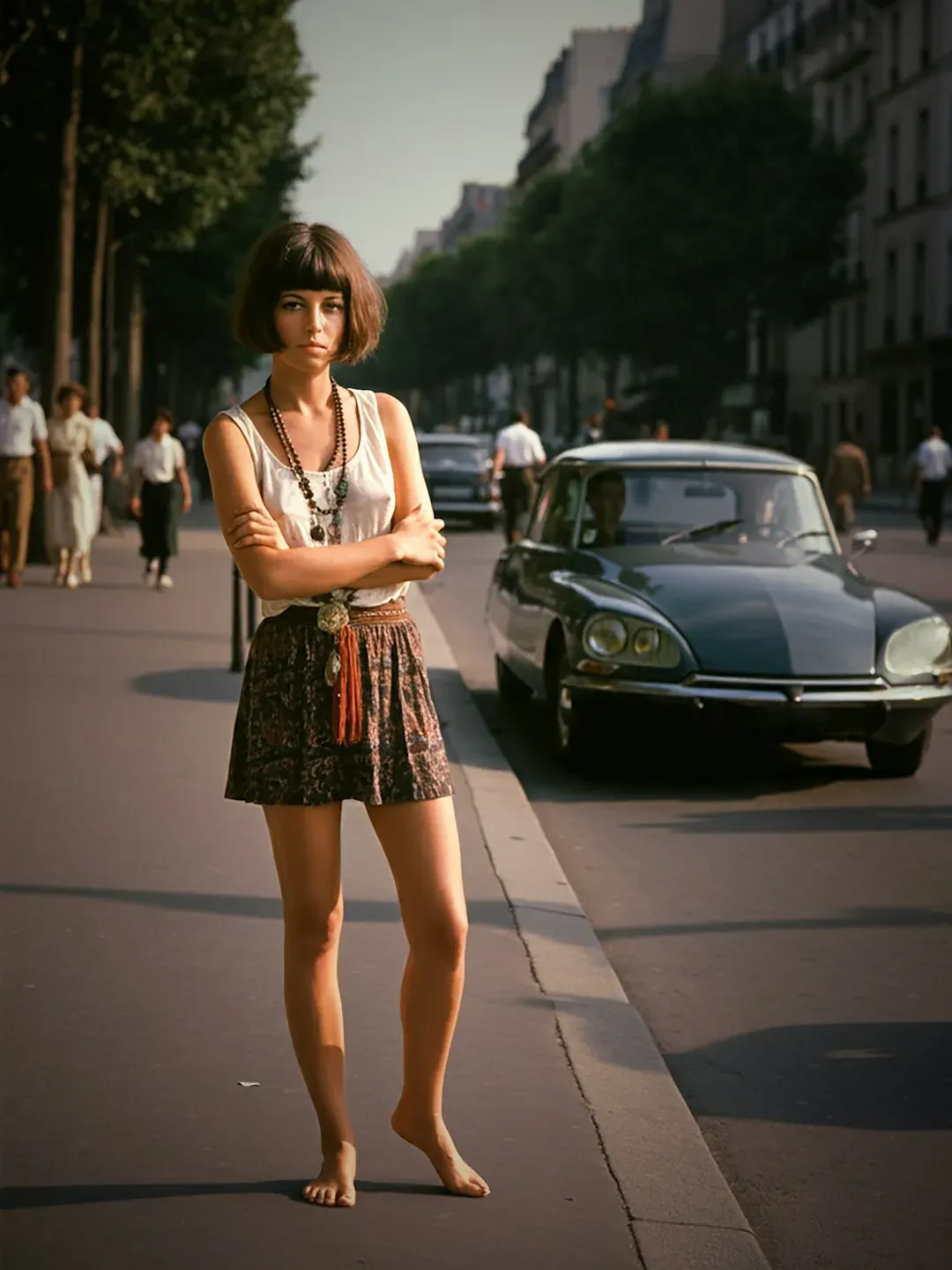
France’s Yé-Yé pop movement flourished in the 1960s as a distinctly French take on British and American rock. Think breezy melodies, catchy refrains, and stylish youth rebellion set to a Parisian backdrop. Artists like Françoise Hardy and France Gall became icons of the era.
The movement faded by the late 1960s as youth culture shifted toward psychedelia and politically charged protest music, according to BBC Culture and French National Archives. The Vietnam War, student uprisings, and counterculture movements demanded heavier, more introspective sounds. Yé-Yé’s lightness couldn’t compete with the times, and French pop evolved into more experimental territory.
The Swing Revival’s Fleeting Comeback
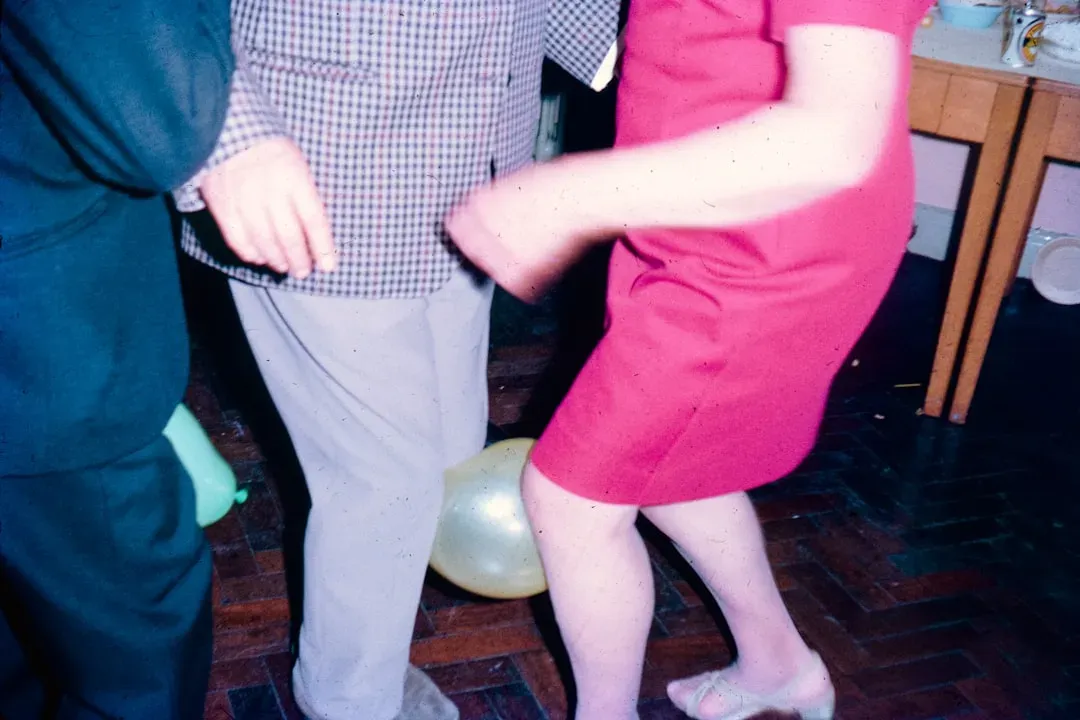
The 1990s swing revival faded after brief mainstream success, as record labels shifted investment back to pop and hip-hop, according to Rolling Stone and NPR Music. Bands like the Cherry Poppin’ Daddies and Big Bad Voodoo Daddy brought swing dancing and zoot suits back into vogue for a hot second.
It was fun while it lasted. Swing clubs popped up in major cities, and Hollywood even got in on the action with films like Swingers. Yet the novelty wore thin. Hip-hop and pop dominated the cultural conversation, and swing’s retro aesthetics couldn’t sustain commercial momentum. The revival proved that nostalgia alone can’t support a genre indefinitely.
Vaudeville’s Final Curtain
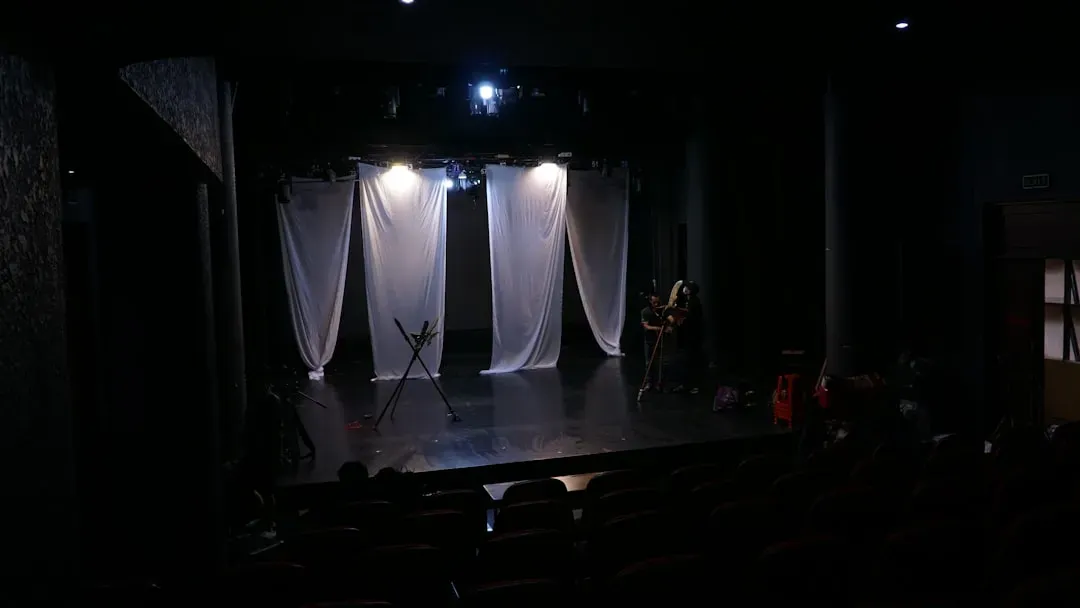
Vaudeville disappeared as film and radio replaced live variety performance in the early 20th century, according to the Smithsonian Institution and American Theatre Wing. Vaudeville was America’s premier entertainment format for decades, offering comedy, music, dance, and novelty acts on a single bill.
Technology killed the vaudeville star. Once audiences could see movies in theaters and hear radio broadcasts at home, the appeal of traveling variety shows diminished rapidly. The economic realities were brutal: why pay for live performers when cinema offered spectacle at scale? Vaudeville’s death wasn’t gradual; it was swift and definitive, reshaping American entertainment forever.
Britpop’s Brittle Legacy

Britpop declined after the mid-1990s as globalization and electronic music reshaped the UK music scene, according to NME and The Guardian. Bands like Oasis, Blur, and Pulp had defined mid-nineties Britain with anthemic guitar rock and lyrical wit. The rivalry between Oasis and Blur became tabloid fodder.
But the genre’s insularity became its downfall. As electronic music and American hip-hop gained traction, Britpop’s guitar-centric nationalism felt increasingly dated. The scene fragmented, and many of its key players evolved or faded. Globalization meant British youth were listening to the same music as everyone else, and Britpop’s moment passed.
Eurodance’s Chart Retreat

Eurodance faded from mainstream charts by the early 2000s as pop production became more R&B and hip-hop influenced, according to Billboard Europe archives and Music Industry Research Association. Think high-energy beats, catchy hooks, and unforgettable vocal refrains. Artists like 2 Unlimited, Snap!, and Haddaway dominated the nineties.
The genre’s decline was tied to shifting production aesthetics. As Timbaland, Pharrell, and other producers brought hip-hop’s syncopation and R&B’s sensuality into pop, Eurodance’s four-on-the-floor simplicity felt stale. The rise of more sophisticated electronic subgenres also fragmented the dance music audience. Eurodance didn’t disappear entirely, but it retreated from the pop mainstream into nostalgic playlists.
These ten genres remind us that music is never just sound. It’s culture, identity, and economics wrapped in rhythm and melody. Their disappearances were rarely arbitrary; technology, audience shifts, and industry economics all played roles. Yet their influence persists, woven into the fabric of what came next. So, what genre do you think will be the next to vanish? And which one deserves a comeback?