Think about creating a masterpiece before you could even drive a car. Sounds impossible, right? Throughout history, there have been extraordinary young people who’ve managed to do exactly that, reshaping entire genres and influencing millions with their talent. These weren’t just kids with a knack for playing instruments. They were genuine revolutionaries who changed how we think about music itself.
The stories behind these prodigies are fascinating. Some came from musical families, while others stumbled into greatness almost by accident. What connects them all is an undeniable gift that emerged so early, it’s almost hard to believe. Let’s dive in.
Wolfgang Amadeus Mozart: The Original Child Genius
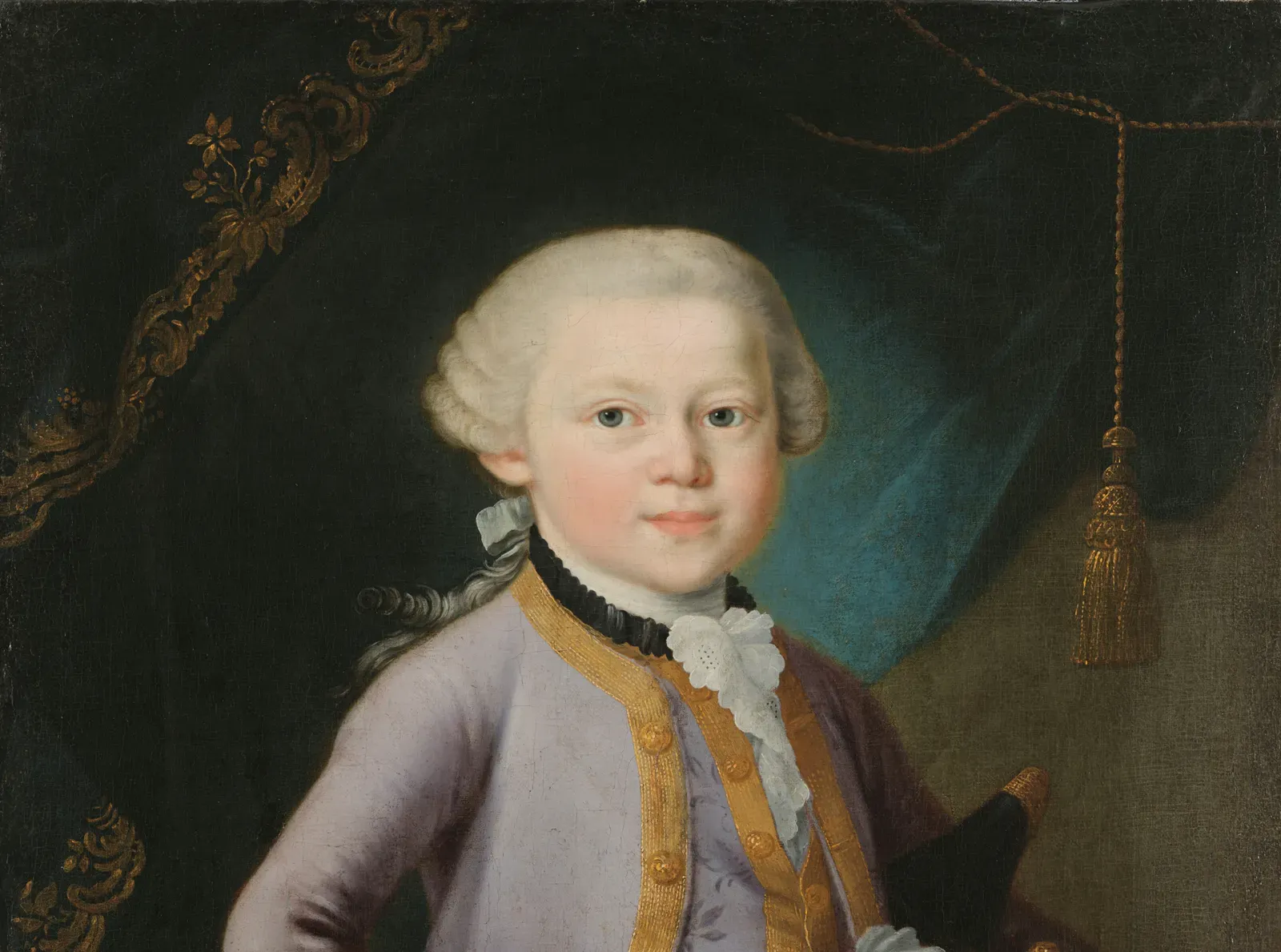
Mozart composed his first piece of music in 1761, at age five, and honestly, that’s just the beginning of an unbelievable journey. At five Wolfgang composed his first original piece of music, which his father Leopold carefully wrote down in what became known as the Nannerl Notebook. By age six, he had performed before two imperial courts, dazzling royalty across Europe with his keyboard skills and compositions.
By the time he was six he had composed dozens of remarkable pieces for the keyboard as well as for other instruments. He went on to spend almost all of his youth, from the ages of seven through seventeen, on tour as a musical prodigy. The sheer volume of work Mozart produced before turning eighteen is staggering. He produced his first real operas: the German Singspiel Bastien und Bastienne in 1768, when he was just twelve years old.
Stevie Wonder: Multi-Instrumental Phenomenon
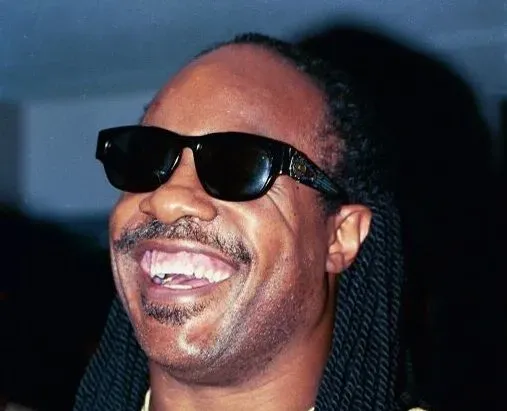
Wonder was a child prodigy who signed with Motown’s Tamla label at the age of 11, becoming Little Stevie Wonder almost overnight. He learned to play the harmonica, piano and drums by age 9, and by the time he reached ten, his neighborhood already knew about his incredible skills.
His continual efforts and improvement brought him some notoriety with the release of Fingertips in 1962. Hitting #1 on the Billboard Hot 100, Wonder became the youngest person to top the charts at only 12 years old. When Little Stevie Wonder/The 12 Year Old Genius hit the peak in its seventh week on the Top LP’s chart, Wonder became the youngest artist ever to score a Number One album. He quickly established himself as a serious musician who combined creative songwriting and mastery of disparate styles of music including rhythm and blues, soul, funk, rock, and jazz. By his 21st birthday he had written or cowritten more than a dozen hit songs.
Frédéric Chopin: Piano’s Revolutionary Voice
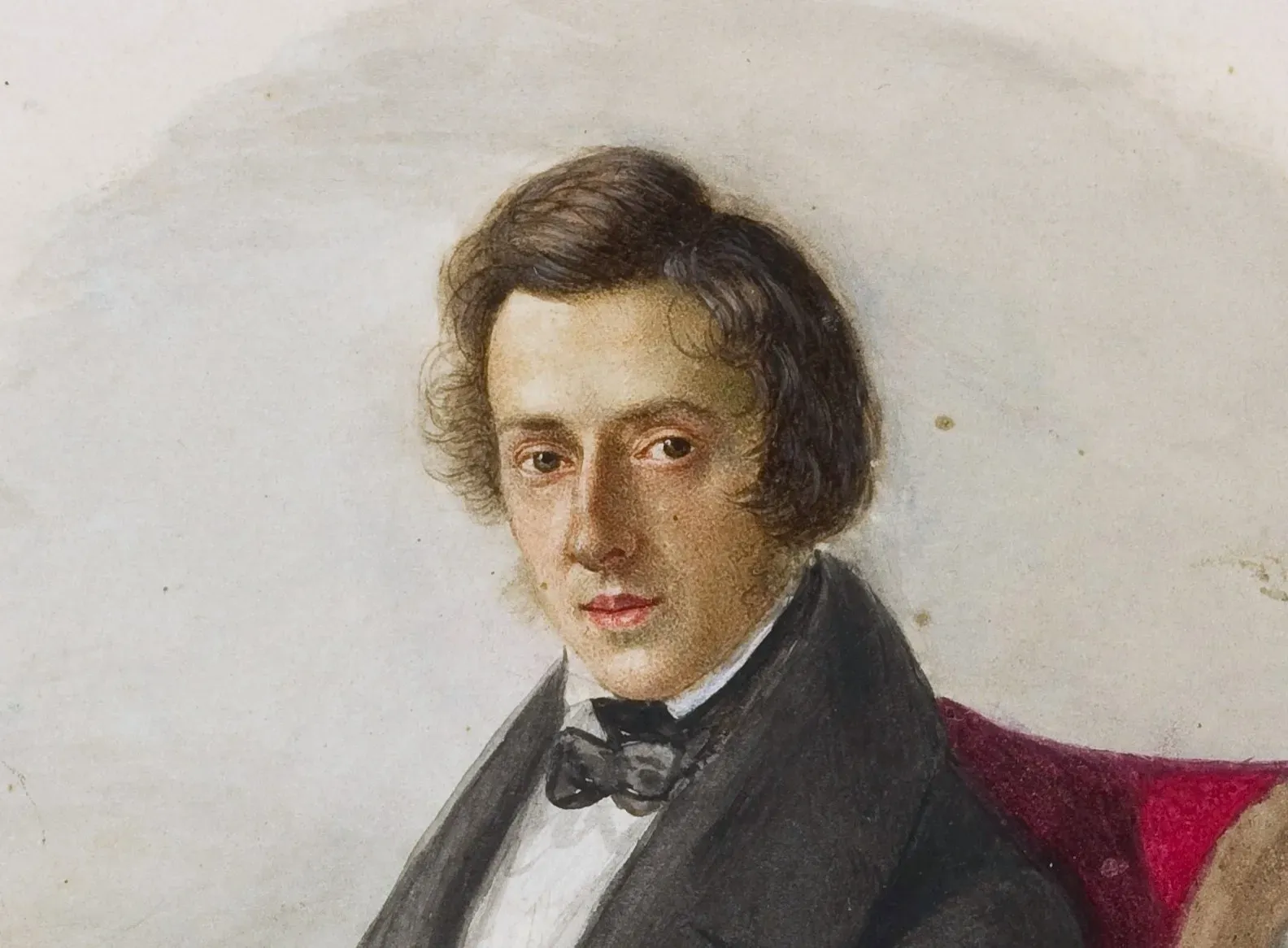
Frédéric Chopin’s journey as a musical prodigy began when he published his first composition at just 7. As a pre-teen, he was already giving public concerts, astonishing audiences with his poetic touch and fluid technique. What made Chopin remarkable wasn’t just technical skill but the emotional depth he brought to every performance.
Chopin’s early works weren’t just impressive for his age – they were revolutionary, introducing new ways of playing and thinking about the piano. By 18, he had already transformed piano music with pieces that demanded both technical brilliance and deep feeling. His use of rubato, delicate ornamentation, and daring harmonies created a new, intensely personal sound. Pianists worldwide still study his early compositions today, marveling at how someone so young could express such complexity.
Michael Jackson: Pop Music Redefined

He joined The Jackson 5 at just 5 years old, astonishing audiences with his voice, charisma, and dance moves. By 14, he had already become a global superstar, with hits like “I Want You Back” and “ABC” dominating the charts. Michael wasn’t just performing. He was crafting a completely new vision of what entertainment could be.
Michael’s music broke records, but it was his boundary-pushing performances – full of energy, emotion, and originality – that truly set him apart. He redefined what it meant to be a pop star, blending elements of soul, R&B, funk, and even rock into a sound all his own. Stevie Wonder describes meeting Michael Jackson when the singer was around ten years old, showing how early Jackson was already absorbing everything around him and learning from legends.
Billie Eilish: Gen Z’s Dark Pop Sensation
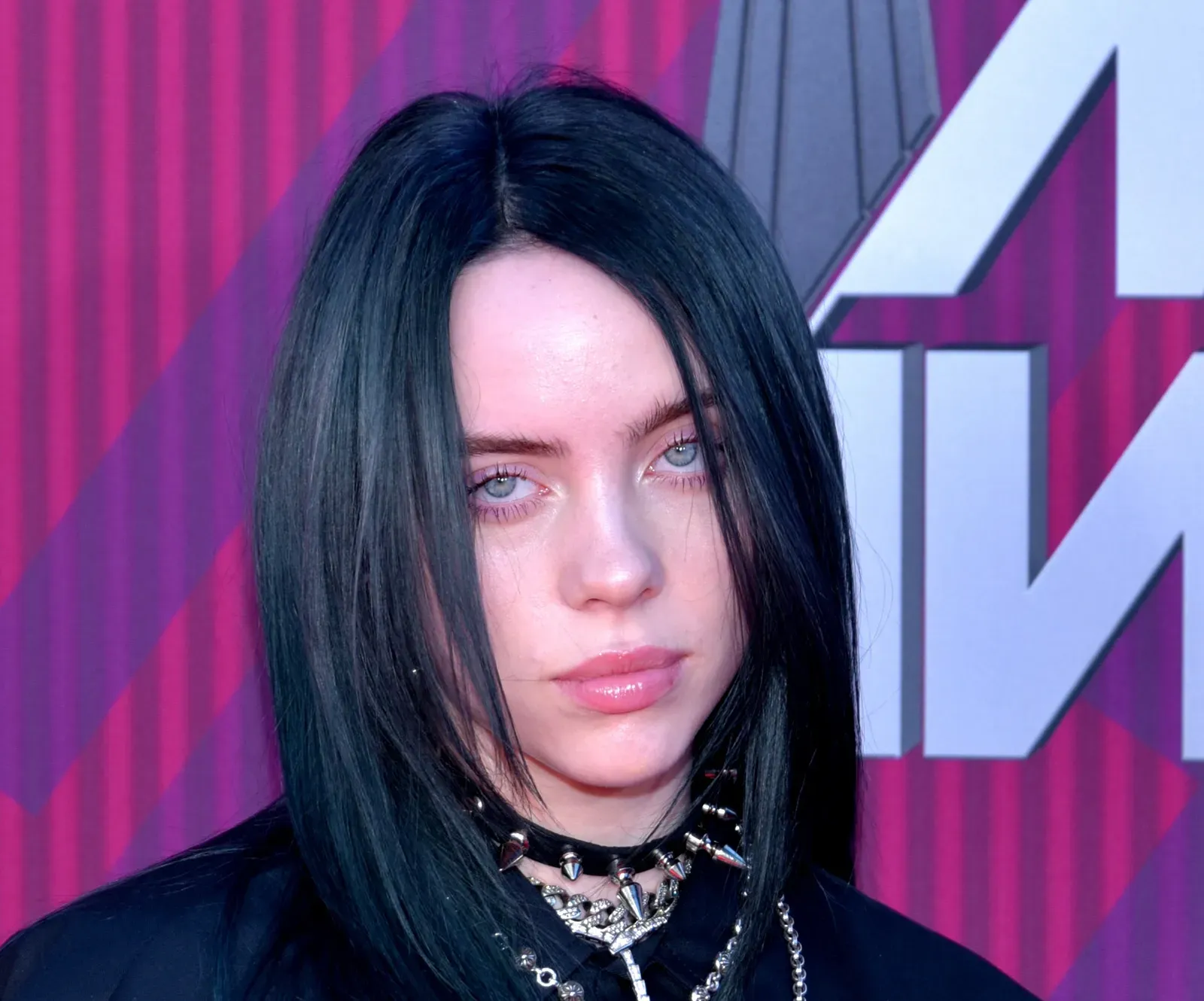
Billie Eilish was just 13 when she uploaded “Ocean Eyes” to SoundCloud – and it changed her life. Known for her haunting voice and genre-defying sound, Billie redefined pop culture with her authenticity. In 2019, she was titled Billboard’s “Woman of the Year” at 17 years of age, making her the youngest recipient in history.
She made history by being the youngest person to be nominated for, and to win, awards in all four general-field categories (album of the year, record of the year, song of the year and best new artist) in the same time period. Eilish is also the only woman to win the big four awards in the same night, and the second artist ever to do so, after Christopher Cross in 1981. That night she also became the youngest ever winner of Album of the Year, Record of the Year, and Best Pop Vocal Album, as well as the second-youngest winner of Song of the Year and Best New Artist, at 18 years old.
Felix Mendelssohn: Romantic Era Wunderkind
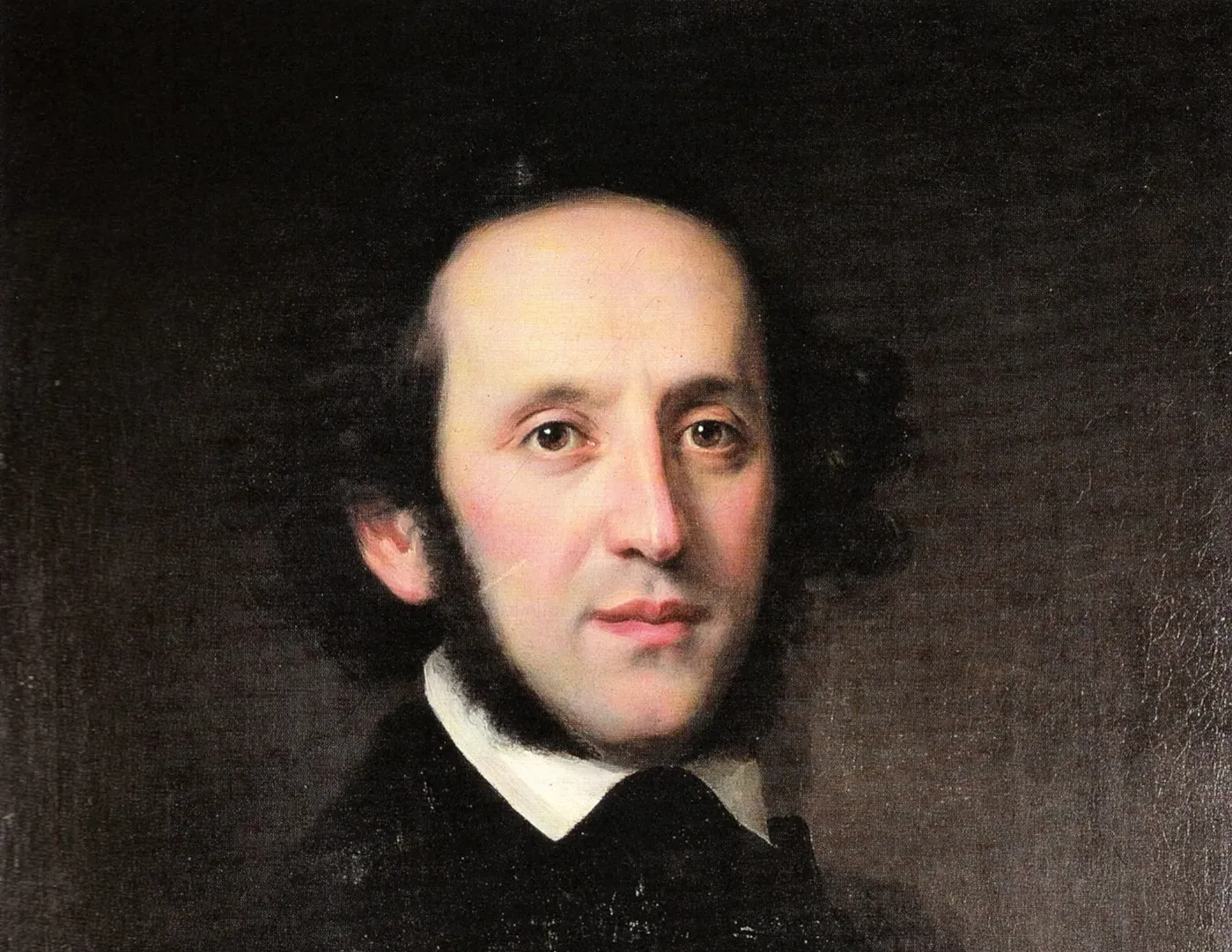
When he was just 16, the composer Felix Mendelssohn wrote his exceptional Octet, a piece of music that many agree marks the beginning of his maturity as a composer, and one that orchestras – including the ACO – still perform regularly on stages all over the world. This wasn’t just a talented kid writing music. Mendelssohn was composing works that professional musicians centuries later would struggle to master.
His sister Fanny was equally talented. Fanny Mendelssohn, a pianist and composer who memorised JS Bach’s whole Well Tempered Clavier by the age of 13. She wrote numerous songs and piano works, and performed as often as her brother, making a real name for herself as a pianist. The Mendelssohn household was essentially a factory of musical genius. Felix’s compositions before age eighteen showed a sophistication that many composers never achieved in their entire lifetimes.
Jacqueline du Pré: The Cello’s Emotional Force
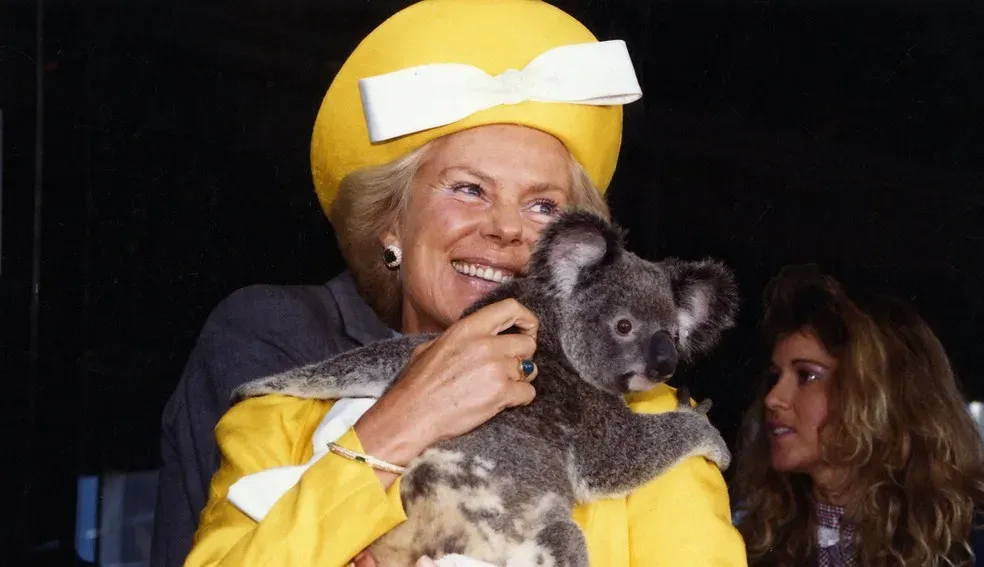
Jacqueline du Pré’s professional cello debut at 16 was nothing short of spellbinding. Almost immediately, critics and audiences recognized her as a once-in-a-generation talent. Her performances of Elgar’s Cello Concerto in particular became legendary, full of emotion and intensity that left listeners breathless.
Du Pré’s approach to music was both technically brilliant and deeply heartfelt, as if she poured her entire soul into every note. Her career rocketed forward, and she became a symbol of the cello’s expressive power. Despite being struck by illness in her twenties, Jacqueline’s recordings from her teen years remain benchmarks for cellists worldwide. Her ability to channel raw emotion through her instrument transformed how people thought about classical performance.
Joey Alexander: Jazz’s Young Maestro
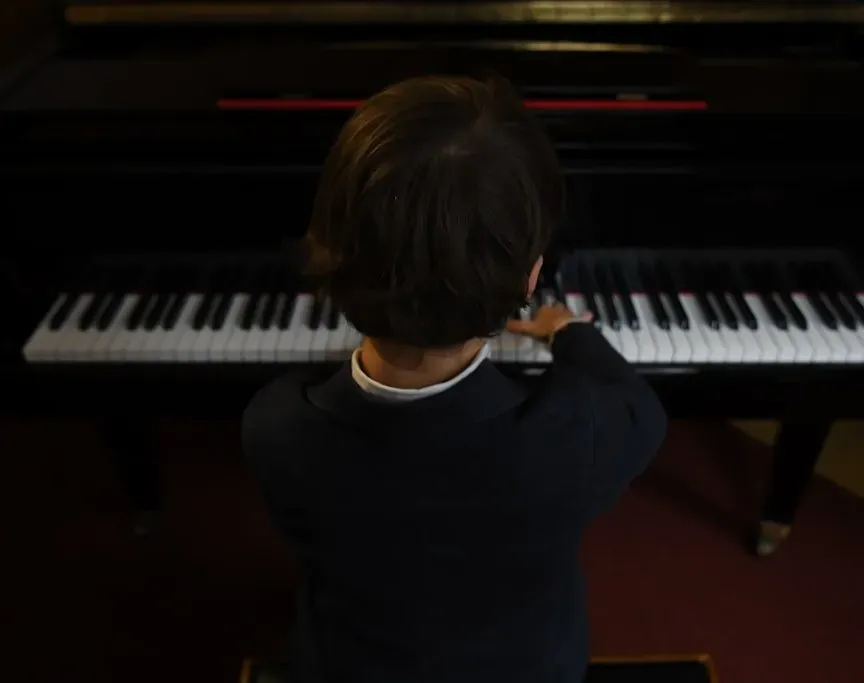
Joey Alexander turned heads in the jazz world when, at just 11, he took the stage at the Newport Jazz Festival. His improvisations, full of maturity and inventiveness, left veteran musicians and critics stunned. By 12, he had earned a Grammy nomination, making him one of the youngest artists ever recognized by the Recording Academy.
Joey’s playing draws on the greats – Monk, Coltrane, Hancock – yet he brings something unmistakably his own to every performance. His technical skill is matched by an emotional depth rare even among much older jazz musicians. What makes Joey remarkable is how he doesn’t simply mimic the legends. He absorbs their influence and creates something entirely fresh. Joey’s rise has inspired a new generation of young players, proving that talent knows no borders or age limits.
Alma Deutscher: Modern Classical Composer
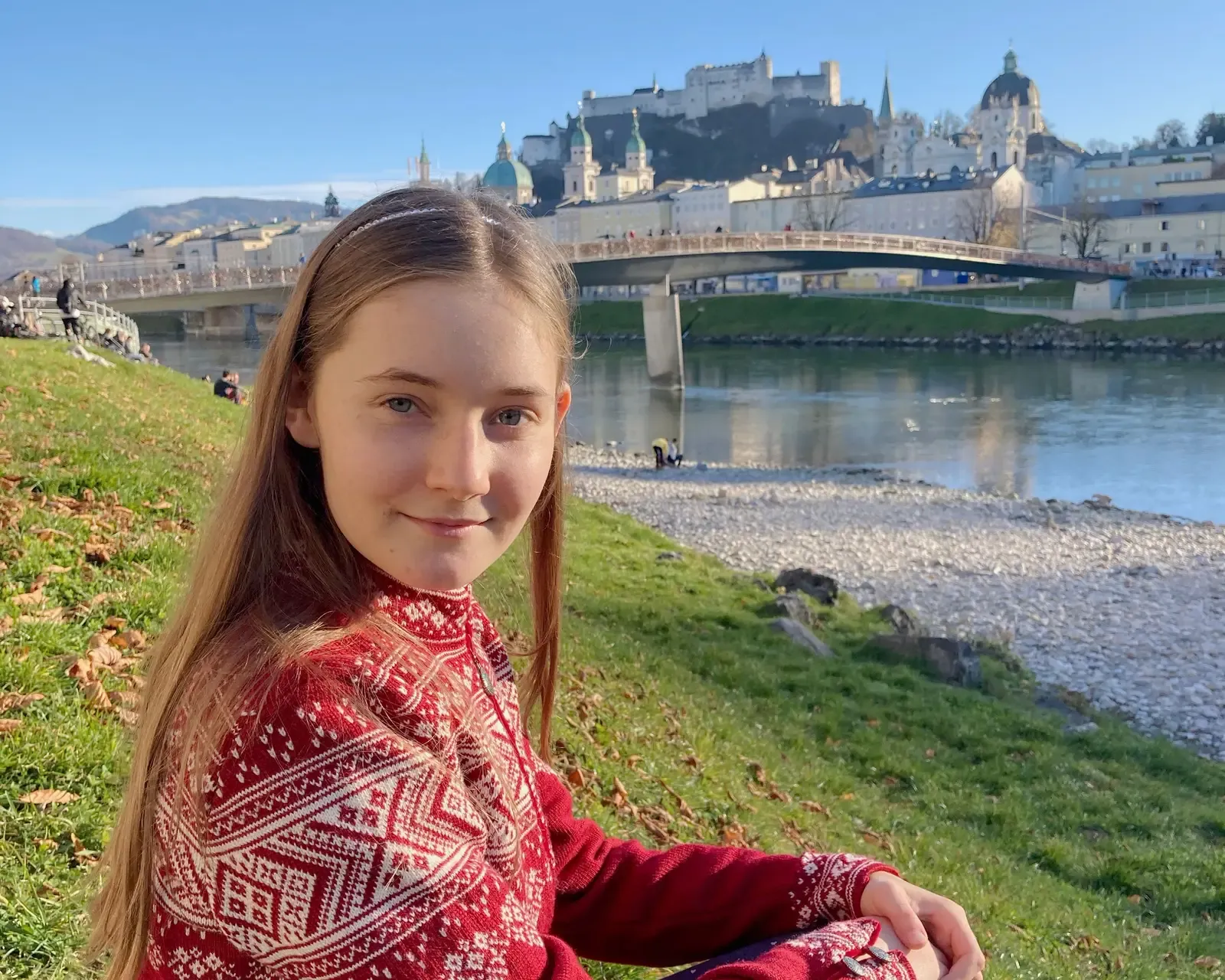
British composer, pianist, violinist and conductor Alma Deutscher is 19 years old at the time this is being written, and she has already had a mind-blowing musical career: she wrote a piano sonata when she was 5, an opera – The Sweeper of Dreams – when she was 7, and a Violin Concerto by the time she was 9. This level of accomplishment would be impressive for someone in their forties, let alone a child.
Her opera, Cinderella, was premiered by Zubin Mehta in Vienna in 2016 – that means she would have been 11… 12 possibly – and she made her debut at Carnegie Hall in 2019 in a concert dedicated to her own compositions. Deutscher represents a new generation of prodigies who prove that classical music composition isn’t a lost art. She channels influences from Mozart and other Romantic composers while maintaining her own distinctive voice, creating works that feel both timeless and contemporary.
Taylor Swift: Songwriter Extraordinaire
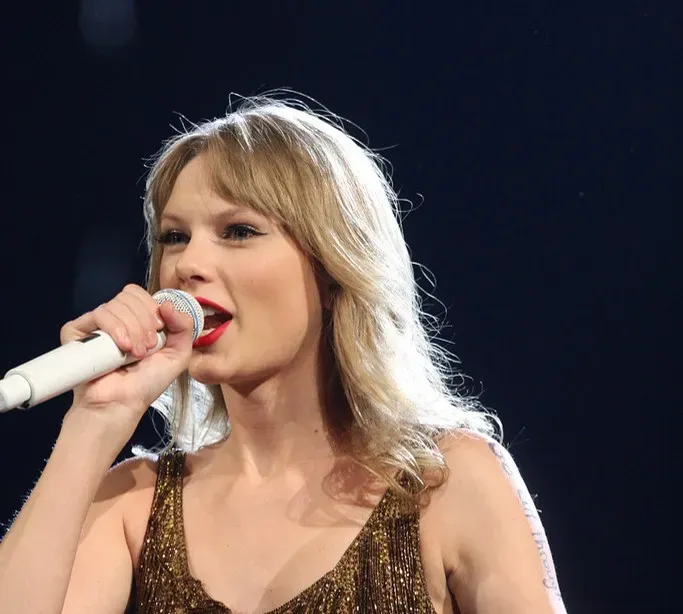
At 14, she became the youngest songwriter ever signed by Sony/ATV Music Publishing. Taylor Swift started performing in fairs and local competitions at age 10. Her songwriting skills developed early, reflecting her natural talent for storytelling. Swift’s ability to craft relatable narratives set her apart from other young musicians immediately.
By the time she was seventeen, Swift had already released her debut album and was touring extensively. Her songs about teenage heartbreak and growing up resonated with millions because they came from genuine experience. Taylor’s early dedication to music allowed her to seamlessly transition from country to pop, demonstrating versatility and perseverance. What makes Swift’s teenage years particularly remarkable is how she maintained creative control over her music from such a young age, writing or co-writing nearly every song she released.
These ten prodigies didn’t just make music before turning eighteen. They fundamentally altered how we understand musical possibility. From Mozart’s timeless compositions to Billie Eilish’s modern dark pop revolution, each one proved that age is no barrier to genius. Their early achievements remind us that creativity doesn’t follow a timeline, and sometimes the most revolutionary ideas come from the youngest minds. What do you think makes these young talents stand out? Could their early start be both a gift and a burden?