Ancient civilizations have always captured our imagination. From towering pyramids to mysterious stone circles, the remnants of these long-gone societies whisper tales of incredible achievements and lost knowledge. But here’s the thing: a lot of what we think we know about them is actually complete nonsense.
Pop culture, old textbooks, and even some well-meaning documentaries have spread stories that sound amazing but fall apart under scrutiny. These myths have been repeated so often that they’ve become accepted as fact. Let’s be real though, the truth is often far more interesting than the fiction. Ready to have some of your assumptions challenged? Let’s dive in.
Vikings Wore Horned Helmets

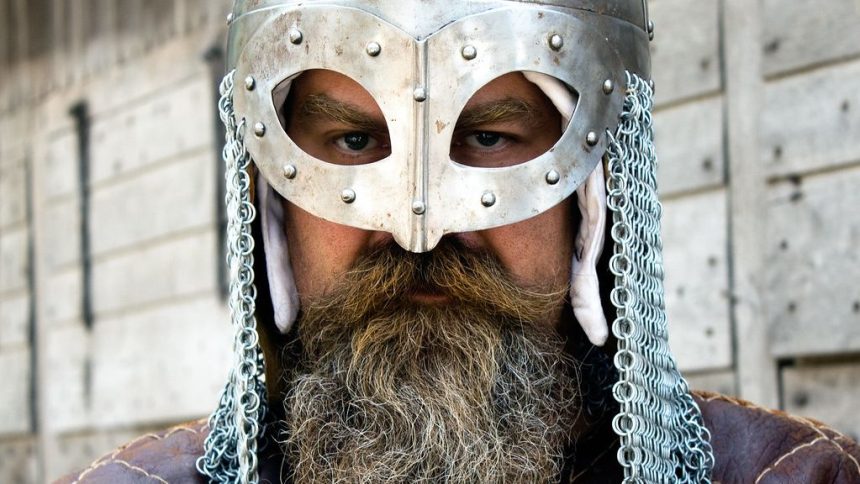
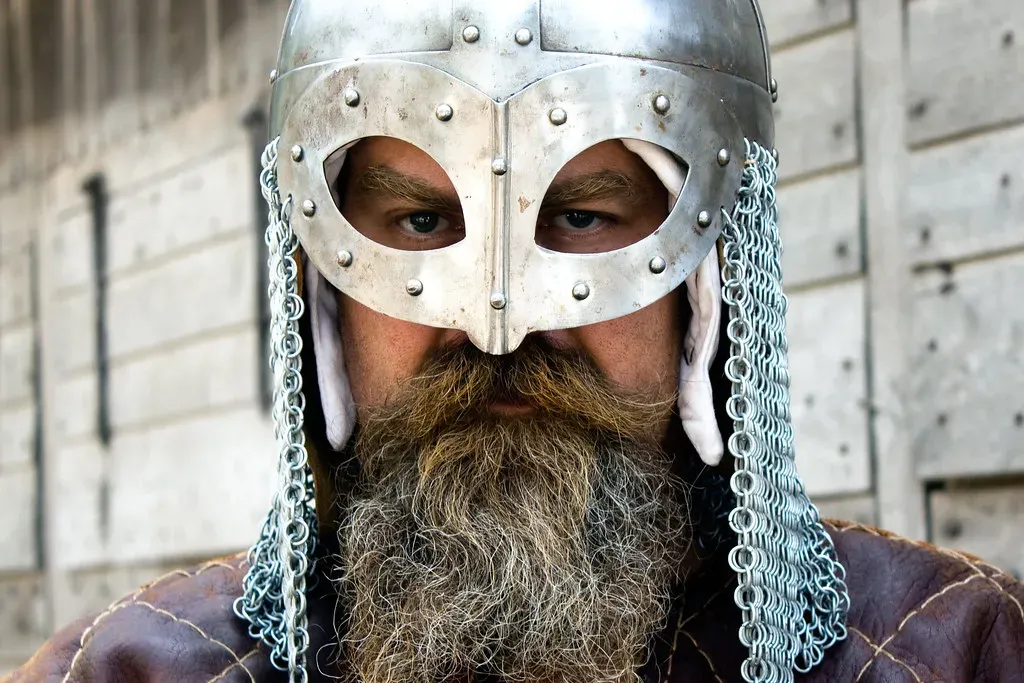
This one’s probably the most famous misconception out there. Those iconic horned helmets we associate with Norse warriors? They never existed in actual Viking culture. Not a single archaeological dig has ever uncovered a horned helmet from the Viking Age.
The myth actually started in the 1800s when Scandinavian artists began depicting Vikings this way for dramatic effect. It caught on like wildfire, especially after costume designers used horned helmets in Wagner’s opera productions. The real Vikings wore simple, practical iron helmets, sometimes with a nose guard.
Wearing horns into battle would’ve been incredibly impractical anyway. They’d catch on everything, throw off your balance, and give your enemy something to grab onto. The Vikings were fierce warriors, sure, but they weren’t stupid.
Cleopatra Was Egyptian
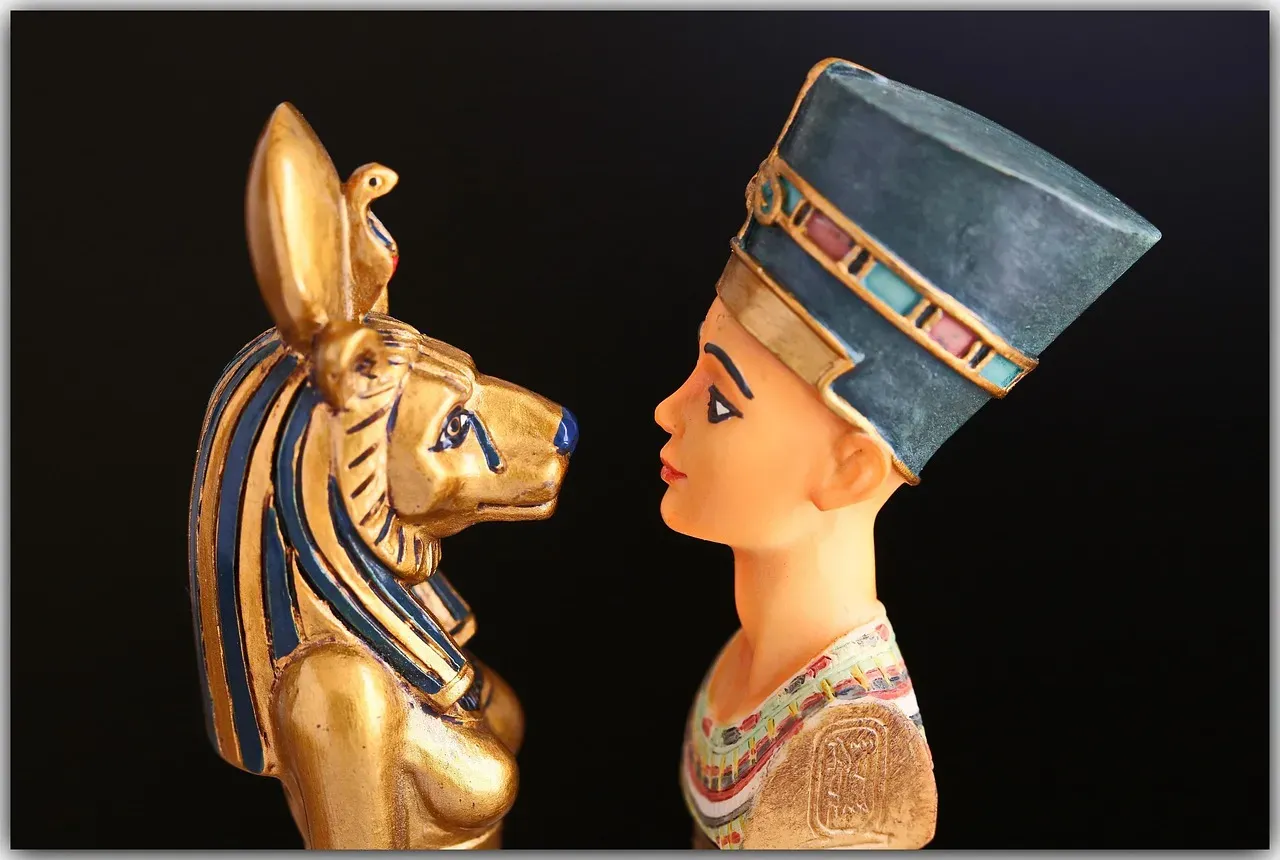
Most people picture Cleopatra as a native Egyptian queen, but she was actually Greek. Her family, the Ptolemies, descended from one of Alexander the Great’s generals who took control of Egypt after Alexander died. They ruled for nearly three centuries without ever really integrating into Egyptian culture.
Cleopatra was actually the first of her dynasty to even bother learning the Egyptian language. Her predecessors spoke Greek exclusively and maintained Macedonian customs throughout their rule. She was born in Alexandria, which was more of a Greek city than an Egyptian one at the time.
What made Cleopatra remarkable wasn’t her ethnicity but her intelligence and political savvy. She spoke multiple languages, was highly educated, and knew how to navigate the treacherous waters of Roman politics. That’s way more impressive than any Hollywood depiction.
The Pyramids Were Built By Slaves

This myth has been around forever, probably thanks to biblical stories and old Hollywood movies. The idea of thousands of enslaved people toiling under the whip to build monuments for pharaohs makes for dramatic storytelling. It’s also completely wrong.
Archaeological evidence from workers’ villages near the pyramids shows that the builders were actually paid laborers. They received regular wages, medical care, and were given proper burials near the monuments they constructed. These weren’t enslaved people but skilled craftsmen and seasonal workers.
Many of the laborers came from farming communities and worked on the pyramids during the Nile’s flood season when their fields were underwater anyway. They took pride in their work and saw it as serving their god-king. The whole operation was more like a massive public works project than a slave labor camp.
Columbus Proved The Earth Was Round

Here’s a shocker: educated people in Columbus’s time already knew the Earth was round. The ancient Greeks had figured it out centuries earlier, and medieval scholars had access to that knowledge. Nobody seriously believed in a flat Earth during the 1400s.
The real dispute wasn’t about the Earth’s shape but its size. Columbus thought the world was much smaller than it actually is, which is why he believed he could reach Asia by sailing west. The scholars who opposed his voyage did so because they correctly understood the distance was too far.
This myth got popularized in the 1800s by writers who wanted to portray the medieval period as backward and superstitious. Washington Irving’s biography of Columbus really pushed this narrative, and it stuck around in textbooks for way too long. Columbus was brave and ambitious, but he wasn’t fighting against flat-Earth believers.
Ancient Romans Used Vomitoriums To Purge Food
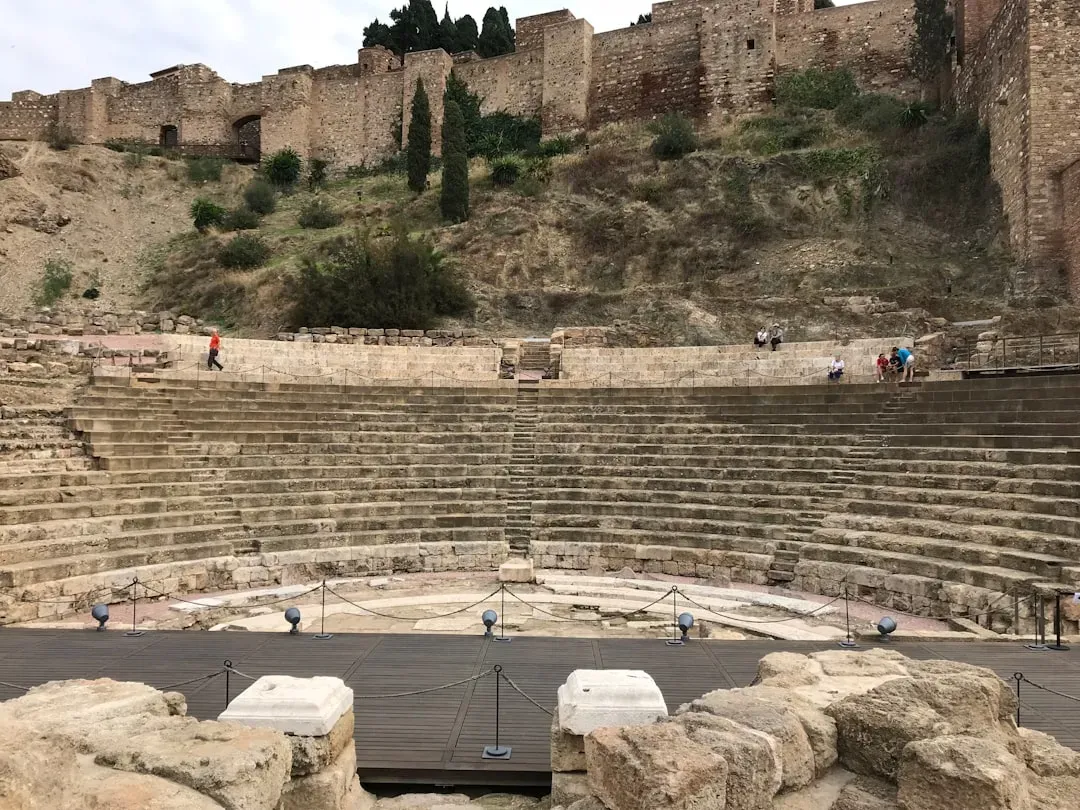
The image of decadent Romans feasting, then rushing to a special room to vomit so they could eat more has become legendary. It’s also totally made up. The word “vomitorium” is real, but it has nothing to do with throwing up.
A vomitorium was actually a passageway in amphitheaters and stadiums that allowed large crowds to exit quickly. The name comes from the Latin word meaning “to spew forth,” referring to how people would pour out of these exits. Think of it like the tunnels fans use to leave a modern sports arena.
Romans did occasionally indulge in elaborate feasts, and some wealthy individuals may have induced vomiting, but it wasn’t a standard practice or part of dining culture. This misconception probably arose from misunderstanding historical texts and confusing architectural terminology with dining habits. The truth is way less gross.
Medieval People Thought Tomatoes Were Poisonous

This one’s a bit tricky because there’s a grain of truth buried in the myth. When tomatoes first arrived in Europe from the Americas, some wealthy people did get sick after eating them. But the tomatoes weren’t the problem at all.
Rich Europeans ate from pewter plates, which contained lead. The acidic tomatoes would leach the lead from the plates, causing lead poisoning. Poor people, who ate from wooden plates, had no such problems. So it wasn’t that tomatoes were considered poisonous, it was that eating them off fancy plates could kill you.
The aristocracy eventually figured this out, but the myth persisted much longer than it should have. Meanwhile, common folk in Italy and Spain were happily incorporating tomatoes into their cuisine without any issues. Sometimes being poor has its advantages.
The Great Wall Of China Is Visible From Space
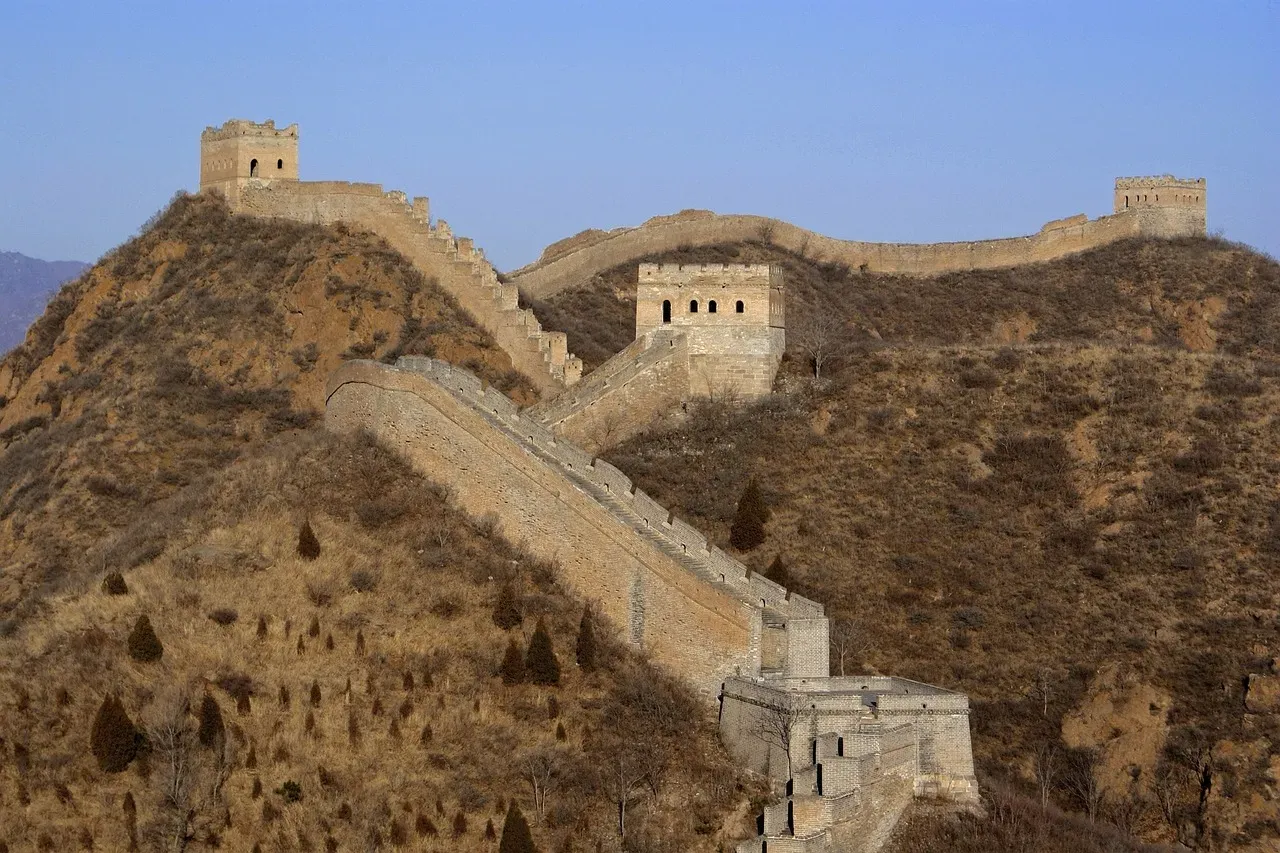
This claim appears in countless books and has been repeated by teachers for generations. It sounds plausible since the Great Wall stretches for thousands of miles. But astronauts have consistently debunked this myth.
From low Earth orbit, you can’t see the Great Wall with the naked eye. It’s too narrow and blends in with the surrounding landscape. Chinese astronaut Yang Liwei specifically stated he couldn’t see it during his 2003 mission. What you can see from space are cities, large bodies of water, and sometimes highways.
The myth probably gained traction because it sounds impressive and plays into our sense of wonder about ancient achievements. The Great Wall is absolutely incredible, but not because aliens could spot it. Its actual engineering and historical significance are fascinating enough without the exaggeration.
Vikings Discovered America And Settled Permanently
Vikings did reach North America around 1000 CE, that part’s true. Leif Erikson and his crew established a settlement at L’Anse aux Meadows in what’s now Newfoundland. But the idea that they colonized the continent or had lasting influence is wishful thinking.
The Norse settlement lasted only a few years before being abandoned. Relations with indigenous peoples were hostile, resources were scarce, and the location was simply too far from Greenland to maintain. They left behind some artifacts but no permanent presence.
Some people have pushed theories about Vikings settling throughout North America, but there’s zero archaeological evidence for it. They made it to the continent first among Europeans, which is impressive enough. We don’t need to inflate their achievement with false claims of widespread colonization.
Ancient Egyptians Cursed King Tut’s Tomb
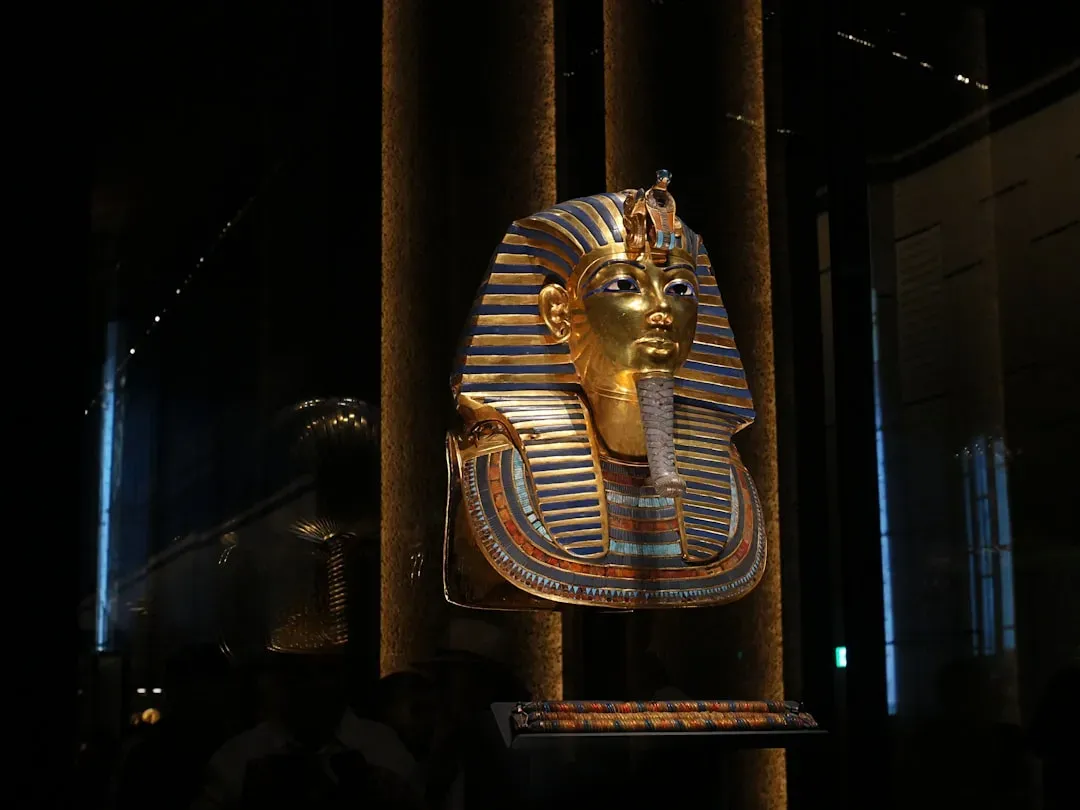
The “curse of the pharaohs” makes for great horror movie material. When Lord Carnarvon died shortly after the tomb’s opening in 1922, newspapers went wild with stories about an ancient curse. Supposedly, everyone involved in the excavation died under mysterious circumstances.
Except they didn’t. Howard Carter, who actually discovered and opened the tomb, lived for another 17 years and died at age 64. Most of the excavation team lived to old age. Lord Carnarvon died from an infected mosquito bite, which had nothing to do with any curse.
A study of everyone present at the tomb’s opening found they lived an average of 23 years afterward. That’s pretty normal for people in the 1920s. The whole curse story was sensationalized journalism that took on a life of its own. There was no inscription warning of a curse either, that detail was completely fabricated by newspapers.
Medieval Europeans Never Bathed
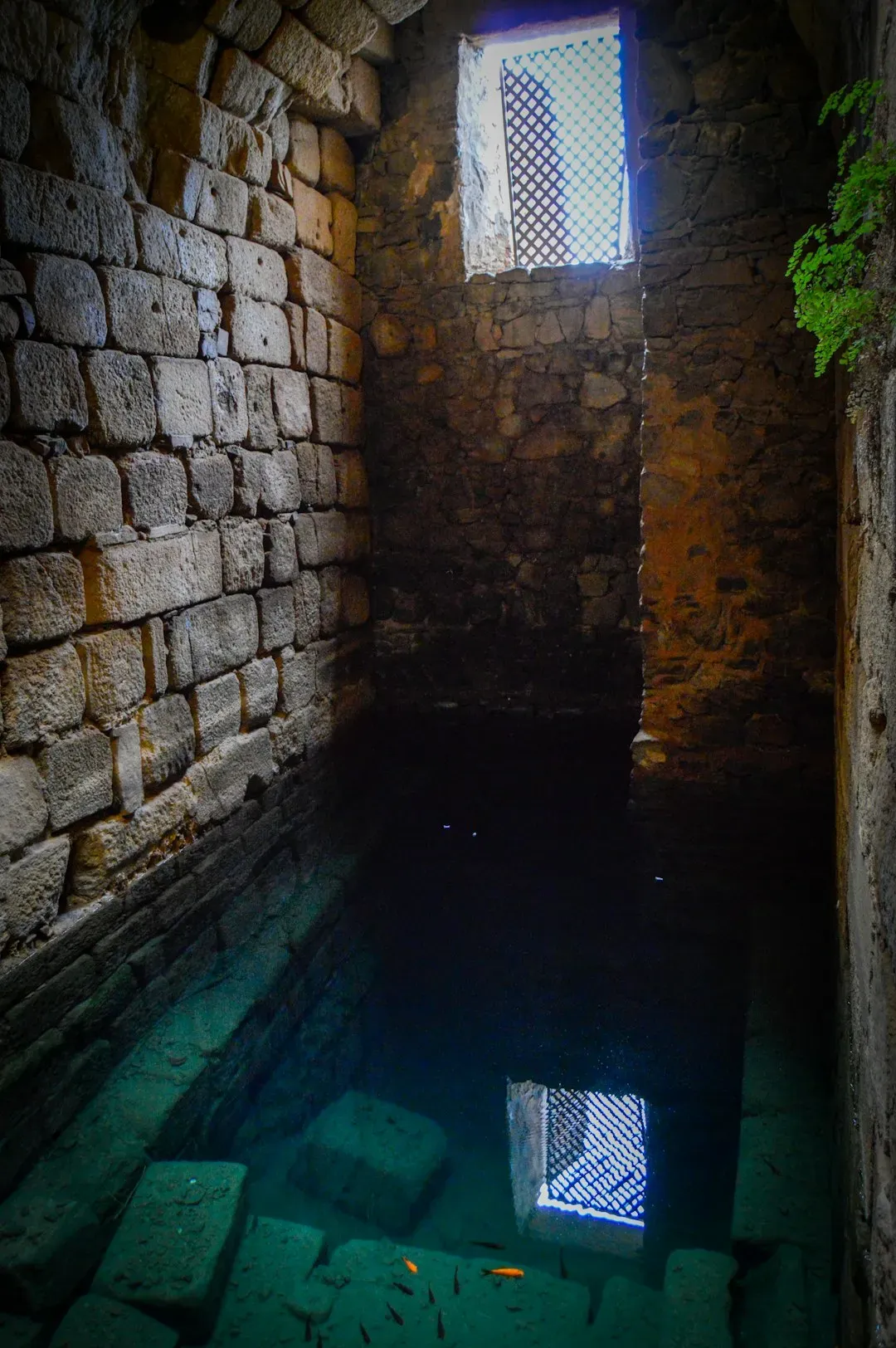
This misconception paints medieval people as filthy and disease-ridden, shuffling through muddy streets without ever cleaning themselves. It’s not even close to reality. Medieval Europeans took hygiene seriously, though their methods differed from ours.
Public bathhouses were common in medieval towns and cities. People bathed regularly, washed their hands before meals, and changed their undergarments frequently. They used herbs, flowers, and other natural substances to stay fresh. The idea of the perpetually dirty medieval peasant is largely Victorian propaganda.
Bathing habits did decline somewhat during certain plague outbreaks when people feared bathhouses spread disease. But for most of the medieval period, cleanliness was valued and practiced. This myth probably persists because it makes us feel superior to our ancestors. Honestly though, they’d probably be horrified by some of our modern habits too.
Wrapping Up
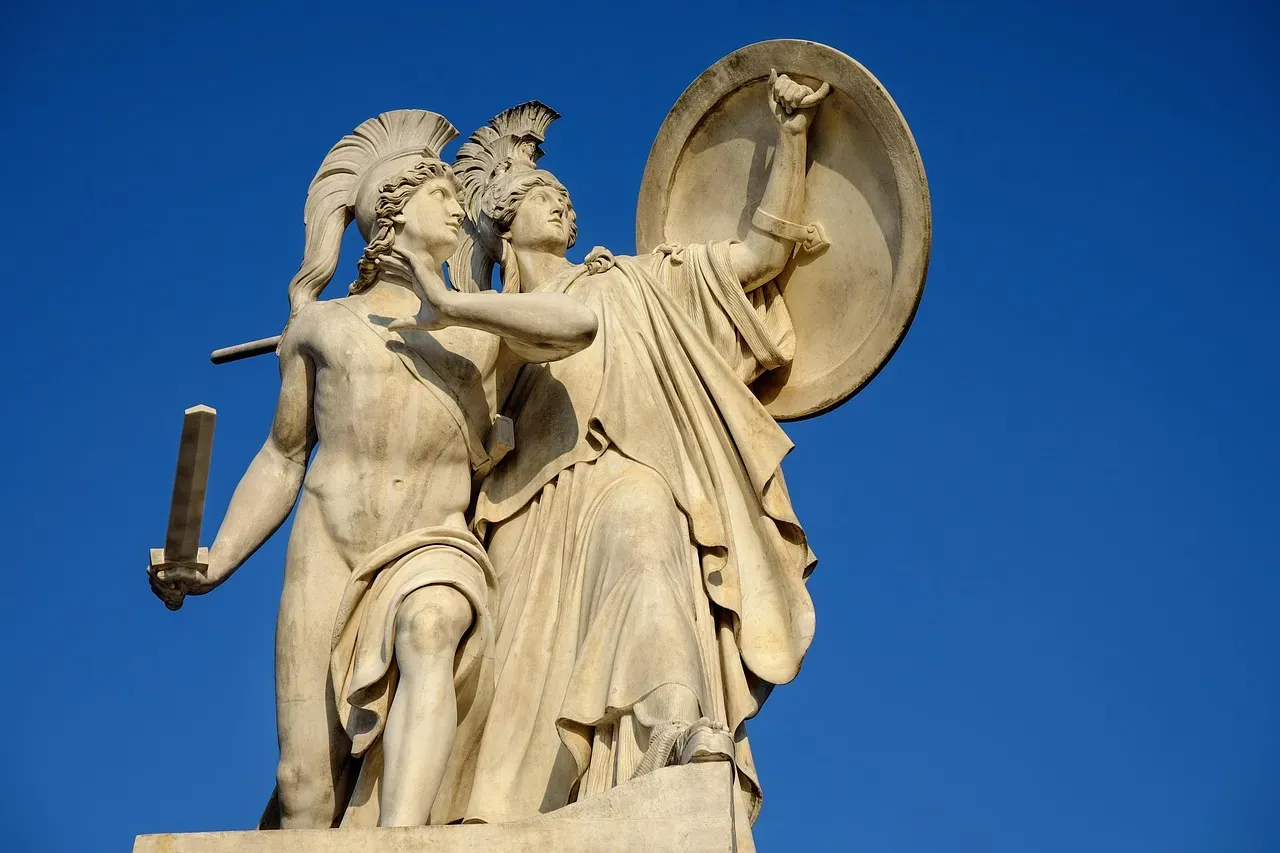
These myths have shaped how we view ancient civilizations for decades, if not centuries. Some emerged from innocent misunderstandings, while others were deliberate fabrications designed to sell newspapers or push particular narratives. The real stories behind these civilizations are complex, messy, and often more fascinating than the simplified versions we grew up with.
What strikes me most about these myths is how persistent they are. Even when archaeologists and historians debunk them repeatedly, they keep appearing in movies, books, and casual conversations. Maybe that’s because we prefer neat, dramatic stories to complicated historical realities. Whatever your favorite period of ancient history, there’s probably at least one cherished belief that doesn’t hold up to scrutiny.
Which of these myths surprised you the most? Did any of them challenge what you learned in school? Drop your thoughts in the comments below.