Walk into almost any American high school English classroom in the fall, and there’s a good chance you’ll spot at least a few of the same spines lined up on a shelf. Some of these books have been assigned for generations, surviving shifting curricula, changing state standards, and plenty of debate over what students should read. Here’s a look at ten novels that continue to show up on reading lists, and the reasons teachers keep returning to them.
1. To Kill a Mockingbird by Harper Lee

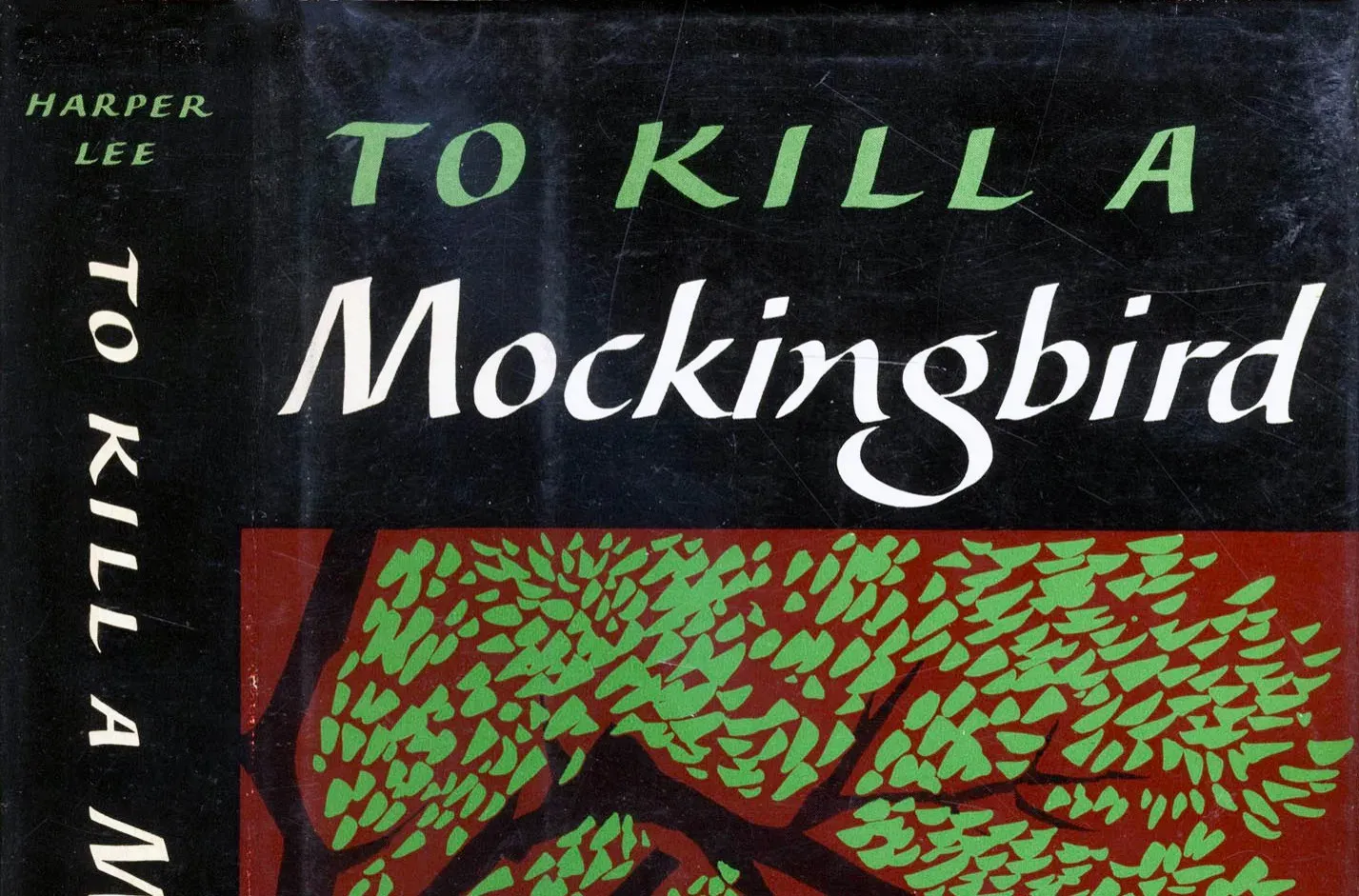
Harper Lee’s 1960 novel remains one of the most frequently assigned books in American classrooms, often taught in ninth or tenth grade. Set in Depression-era Alabama, it follows young Scout Finch as her father, lawyer Atticus Finch, defends a Black man falsely accused of rape. The book’s exploration of racial injustice, moral courage, and childhood innocence gives teachers a way to open discussions about civil rights history and empathy.
Its straightforward prose style also makes it accessible for younger high schoolers while still carrying enough thematic weight for deeper analysis. Some districts have reconsidered its place on required lists in recent years, citing concerns about its perspective and language, yet it continues to appear widely across state and district curricula. Its staying power comes partly from how directly it invites classroom conversation about justice and bias.
2. The Great Gatsby by F. Scott Fitzgerald

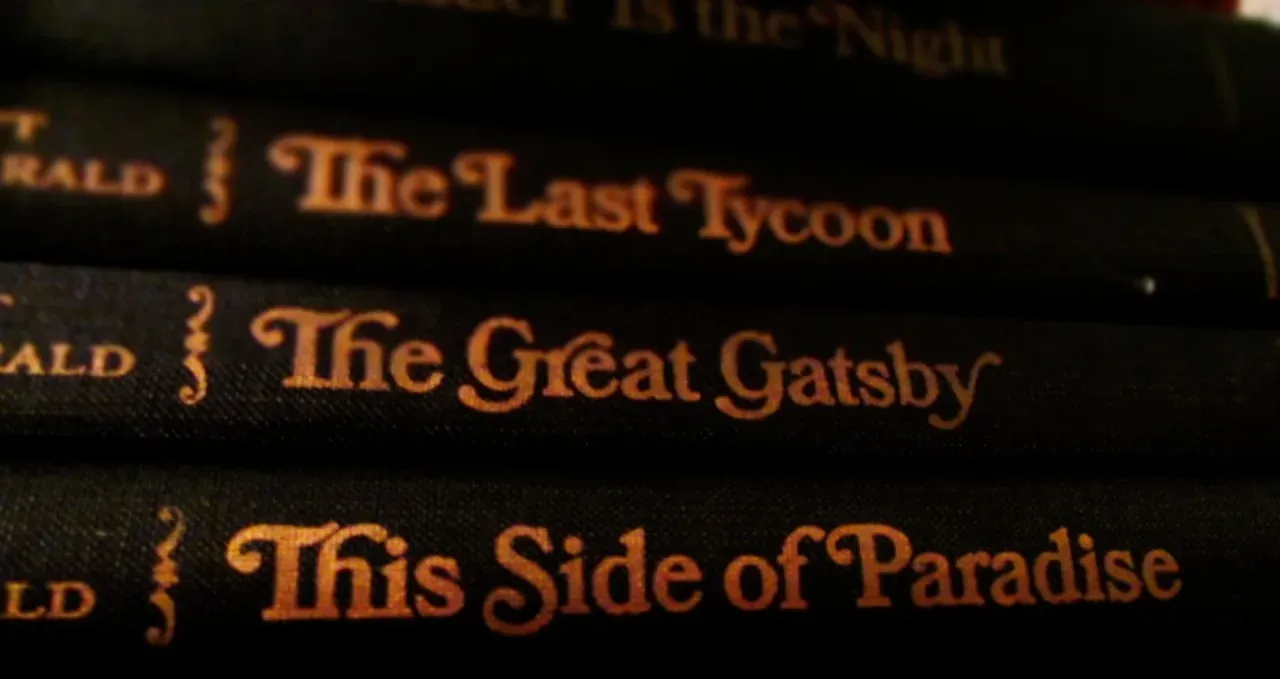
Fitzgerald’s 1925 novel is a fixture of eleventh-grade American literature courses, often paired with units on the Jazz Age and the American Dream. The story of Jay Gatsby’s obsessive pursuit of wealth and lost love gives students a compact, symbol-rich text to practice close reading. Teachers frequently use it to introduce concepts like unreliable narration, through Nick Carraway’s perspective, and extended metaphor, particularly the green light across the bay.
Its relatively short length, under two hundred pages in most editions, makes it manageable within a single unit. The novel’s critique of materialism and class also resonates with ongoing conversations about economic inequality, giving it a contemporary hook despite its 1920s setting. Many state-recommended reading lists still include it as a core American literature text.
3. Of Mice and Men by John Steinbeck

John Steinbeck’s novella, published in 1937, is a common choice for ninth and tenth graders partly because of its brevity and clear prose. It follows George and Lennie, two displaced ranch workers during the Great Depression, and explores themes of friendship, loneliness, and the limits of the American Dream. Its short length, typically well under two hundred pages, makes it practical for teachers working within tight semester schedules.
The book also lends itself to discussions about disability, given Lennie’s characterization, and about economic hardship during the 1930s. Some schools have removed it from required lists over concerns about racial slurs and ableist language present in the text, leading to varied policies from district to district. Even so, it remains widely taught, often alongside supplementary materials addressing its more difficult content.
4. Romeo and Juliet by William Shakespeare


While technically a play rather than a novel, Romeo and Juliet is almost universally included in high school reading lists and often discussed alongside prose fiction in broader literature units. Most students encounter it in ninth grade, partly because its themes of young love, family conflict, and impulsive decision-making align with teenage experience. Shakespeare’s language remains a challenge, which is precisely why teachers use it to build skills in interpreting archaic vocabulary and iambic pentameter.
The play’s compact five-act structure also makes it useful for teaching dramatic form and tragedy conventions. Modern adaptations, from film versions to graphic novels, give teachers flexible ways to make the text accessible to different learners. Its continued presence in curricula reflects both tradition and the practical reality that Shakespeare remains a required element of most state English standards.
5. The Catcher in the Rye by J.D. Salinger


J.D. Salinger’s 1951 novel follows Holden Caulfield through a few disillusioned days in New York City after leaving prep school. Its first-person, conversational narration makes it a frequent choice for teaching voice and characterization, particularly in eleventh-grade American literature courses. The novel’s themes of alienation and resistance to adult phoniness continue to resonate with teenage readers navigating their own identity questions.
The book has also faced periodic challenges over its language and content, and some districts have dropped it from required reading in favor of newer texts. Still, it remains a recognizable title in American literature units, often taught with historical context about postwar youth culture. Its influence on later coming-of-age fiction gives teachers a useful reference point when discussing literary tradition.
Partner offer

6. Fahrenheit 451 by Ray Bradbury


Ray Bradbury’s 1953 dystopian novel imagines a future where books are banned and burned, and it remains a staple of ninth and tenth grade curricula. Its themes of censorship, conformity, and the value of critical thinking give teachers natural entry points into discussions about media literacy and free expression. The novel’s relatively short length and accessible prose also make it approachable for students newer to dystopian fiction.
Bradbury’s warnings about passive consumption of media have taken on renewed relevance amid ongoing conversations about screen time and misinformation. Teachers often pair it with discussions of real historical instances of censorship, connecting fiction to nonfiction research projects. Its continued relevance as a cautionary tale keeps it in rotation even as newer dystopian titles have entered the genre.
7. Animal Farm by George Orwell


George Orwell’s 1945 allegorical novella uses a farm of rebelling animals to critique totalitarianism, specifically referencing the Russian Revolution and Stalinist Soviet Union. Its short length, often under one hundred fifty pages, makes it a practical text for teaching allegory and political satire within a compressed timeframe. Many social studies and English departments coordinate its teaching with world history units covering the early twentieth century.
The book’s clear cause-and-effect structure helps students grasp how propaganda and manipulation function within power structures. Teachers frequently use it as an entry point before assigning Orwell’s longer and more complex 1984 in later grades. Its accessibility and direct political commentary keep it a reliable choice for introducing students to dystopian and allegorical literature.
8. Lord of the Flies by William Golding


William Golding’s 1954 novel, about British schoolboys stranded on an island who descend into savagery, remains common in ninth and tenth grade classrooms. Its exploration of human nature, group psychology, and the fragility of civilization gives teachers rich material for discussions about morality and social order. The novel’s stark symbolism, including the conch shell and the signal fire, makes it useful for teaching literary analysis techniques.
Its themes have taken on new dimensions in classroom discussions about bullying, peer pressure, and mob mentality among teenagers. The relatively small cast of characters and single setting also make it easier for students to track plot and character development. Its enduring presence in curricula reflects how directly its questions about human behavior connect to adolescent social dynamics.
9. The Odyssey by Homer


Homer’s epic poem, often taught in prose translation, remains a foundational text in ninth-grade world literature courses across the United States. Its story of Odysseus’s decade-long journey home after the Trojan War introduces students to the epic form, including devices like invocation of the muse, in medias res structure, and epithets. Teachers use it to establish a baseline understanding of Western literary tradition before moving into other classical or mythological texts.
The episodic structure, with distinct encounters like the Cyclops or the Sirens, makes it easier to teach in manageable sections rather than requiring students to track a single continuous plot. Its themes of perseverance, temptation, and homecoming also translate well to modern life discussions. Various accessible translations, including recent ones aimed at younger readers, have helped keep the text approachable for contemporary classrooms.
10. The Adventures of Huckleberry Finn by Mark Twain

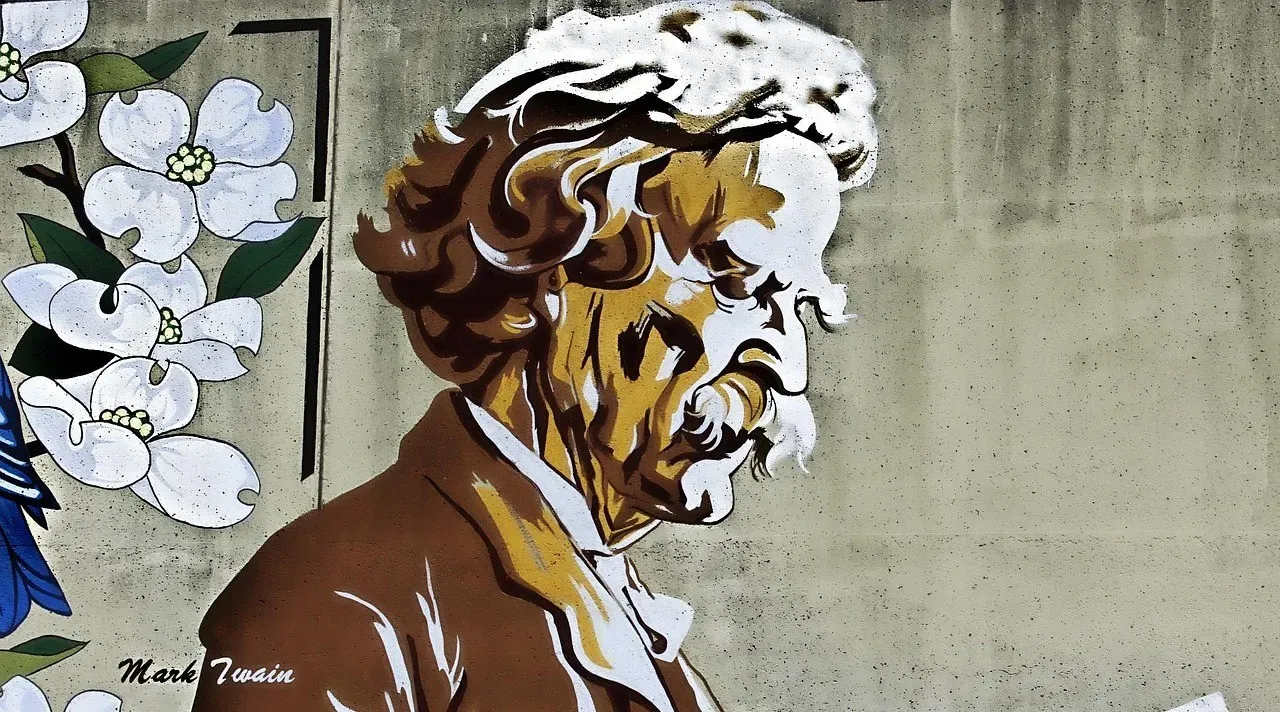
Mark Twain’s 1884 novel follows Huck Finn and the enslaved Jim as they travel down the Mississippi River, and it remains a fixture of American literature units, typically in eleventh grade. The novel is often taught for its satirical critique of pre-Civil War Southern society and its complex treatment of race, freedom, and moral growth. Twain’s use of vernacular dialect also gives teachers material for discussing regional voice and narrative authenticity.
The book’s frequent use of a racial slur has made it one of the most challenged texts in American schools, prompting many districts to pair it with careful historical framing or, in some cases, remove it from required lists entirely. Teachers who continue to assign it often emphasize Twain’s satirical intent and provide context about the era’s language and attitudes. Its ongoing presence, alongside its ongoing controversy, makes it a frequent subject of debate at school board meetings and curriculum reviews.
These ten titles represent only a slice of what students encounter across different states, districts, and even individual classrooms, since reading lists vary considerably based on local standards and teacher discretion. Some of these books have faced increased scrutiny or removal from required reading in certain districts over the past few years, reflecting broader debates about which stories deserve a place in required curricula. Even so, their combined presence across decades of American education says something about how schools have tried to balance literary tradition with evolving conversations about race, censorship, and what today’s students need from the books they’re asked to read.Partner offer
Planning a trip to Vegas?
Compare hotel rates and show tickets on VEGAS.com.