


There’s something almost theatrical about a novel that refuses to leave a single day. Stripped of the usual sprawl of months or years, these books have to work harder in a smaller space, packing entire lives, marriages, wars, and revelations into the space between sunrise and midnight. The result is often more intense than a multi-year saga, since every hour counts and nothing can be skipped over. What follows are ten novels that commit fully to this constraint, each using the ticking clock to different effect. Some are quiet and interior, others frantic and plot-heavy, but all of them prove that a single day, handled well, can hold as much weight as a lifetime.
1. Ulysses by James Joyce

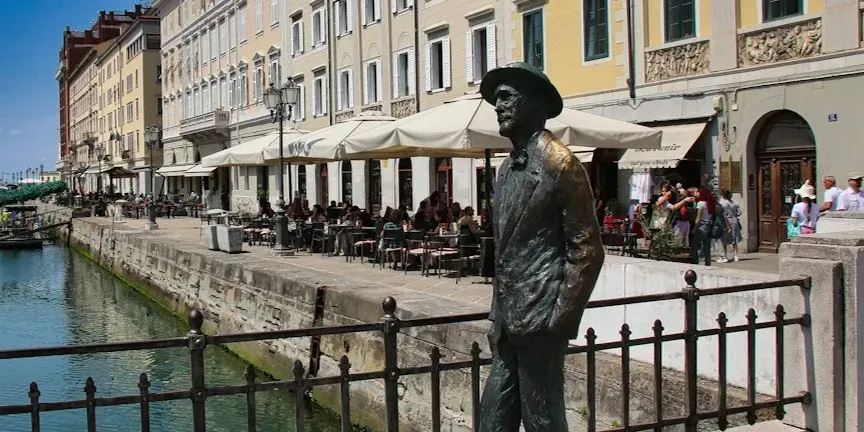
Joyce’s 1922 novel follows Leopold Bloom, Stephen Dedalus, and Molly Bloom through Dublin on June 16, 1904, a date now celebrated annually as Bloomsday. The book mirrors the structure of Homer’s Odyssey, with each chapter loosely corresponding to an episode from the ancient epic, though the setting is thoroughly modern and unglamorous.
What makes Ulysses so demanding and so rewarding is its shifting style, moving from straightforward narration to stream of consciousness to newspaper parody within a single chapter. It remains one of the most studied novels in English literature, largely because it manages to turn one ordinary day into a meditation on memory, guilt, and the body itself.
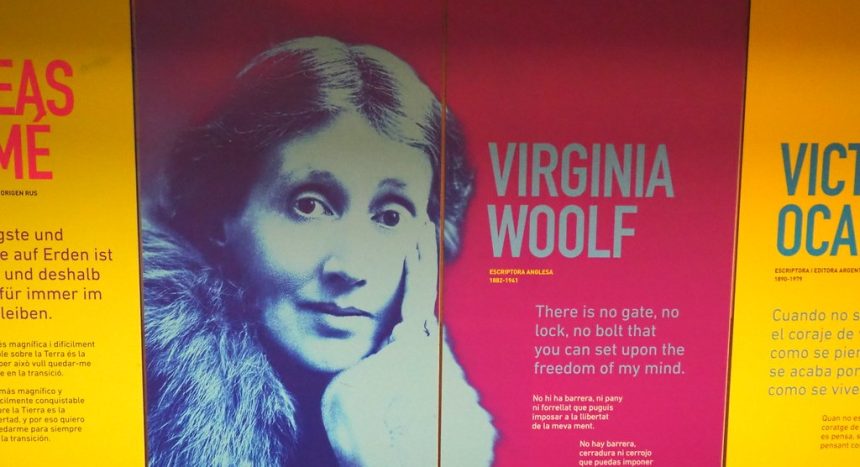
2. Mrs Dalloway by Virginia Woolf

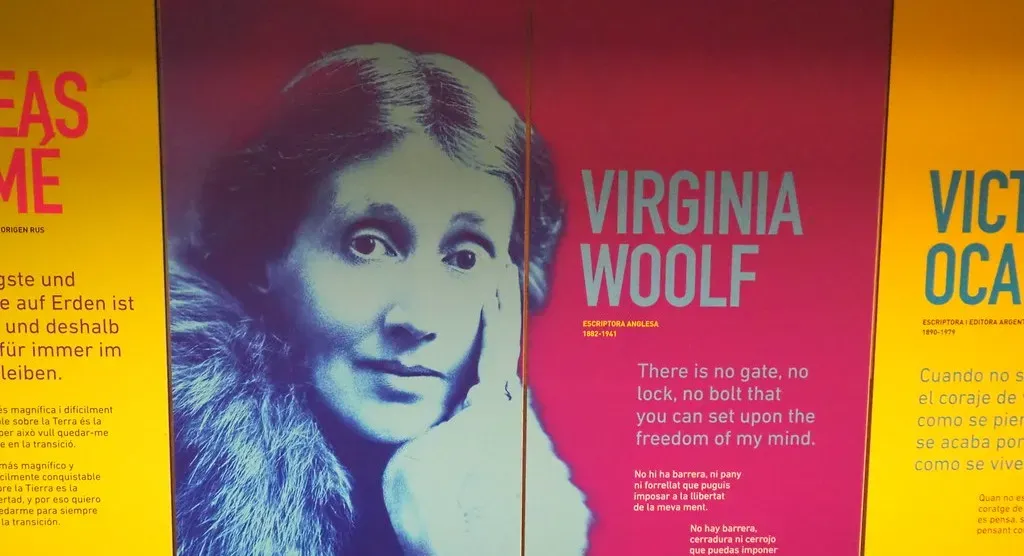
Published in 1925, Mrs Dalloway tracks Clarissa Dalloway through a single day in London as she prepares to host a party that evening. Running parallel to her story is that of Septimus Warren Smith, a shell-shocked war veteran whose day ends in tragedy, and Woolf weaves the two narratives together using her signature free indirect style.
The novel was directly influenced by Joyce’s Ulysses, though Woolf gives the single-day structure a distinctly English, domestic texture. Big Ben chiming throughout the book acts almost like a second narrator, reminding readers that time is passing whether the characters notice or not.
3. Saturday by Ian McEwan


McEwan’s 2005 novel follows Henry Perowne, a London neurosurgeon, through a single Saturday in February 2003, the same day as a massive real-world protest against the Iraq War. The day begins with an ordinary sense of calm, a squash game and a family dinner planned, before a chance encounter on the road spirals into a home invasion.
Critics often point to the novel’s setting on that specific historic protest date as a deliberate choice, letting McEwan comment on post-9/11 anxiety and the fragility of domestic security. The tight timeframe forces Perowne’s medical precision and personal fear into constant collision.
4. The Hours by Michael Cunningham

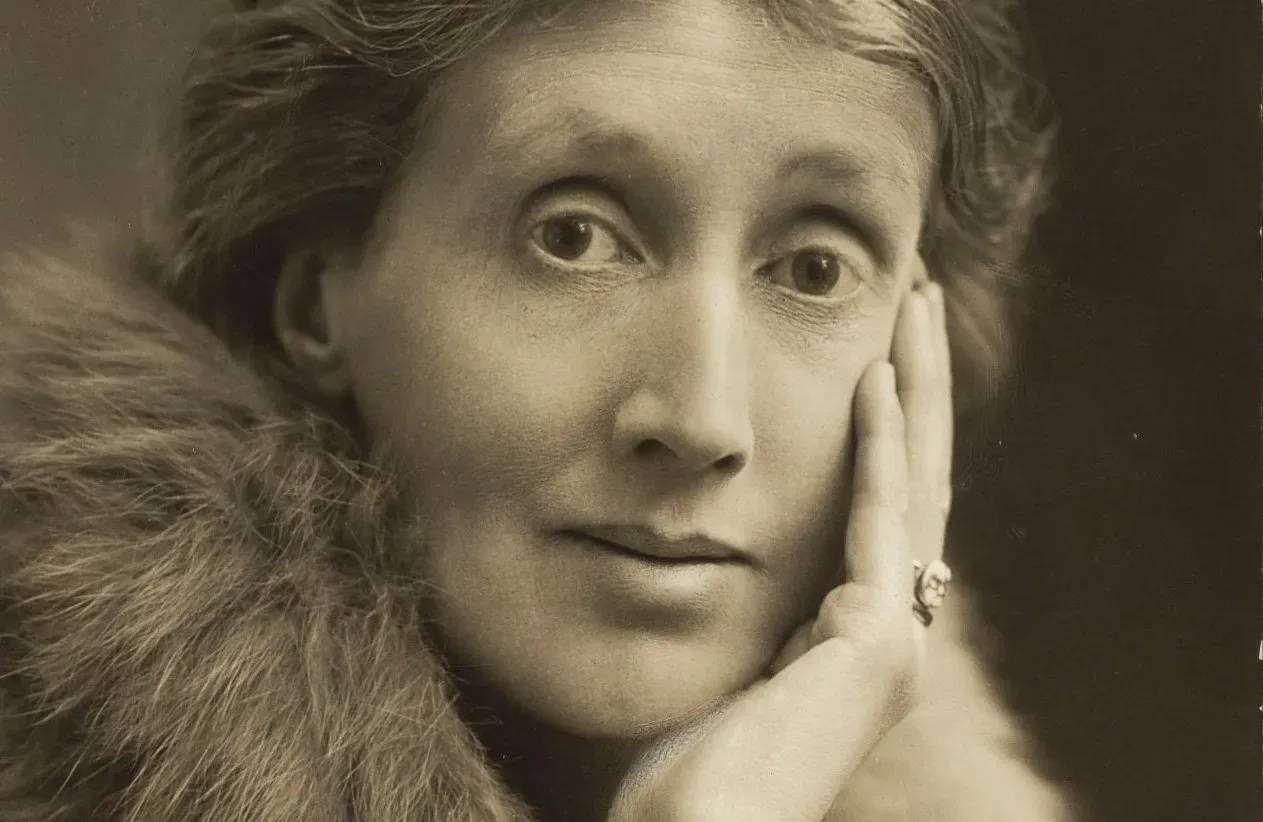
Cunningham’s 1998 novel, which won the Pulitzer Prize for Fiction in 1999, actually braids together three single days across different decades, one of which belongs to Virginia Woolf herself as she writes Mrs Dalloway. The other two threads follow a 1950s housewife and a modern-day woman in New York, each living out their own version of Woolf’s fictional day.
The structure is a direct homage to Woolf’s original novel, and the book’s title refers to an early working title Woolf considered for Mrs Dalloway. Its layered timeline shows how the single-day format can be multiplied without losing its emotional focus.
5. On Chesil Beach by Ian McEwan


Another McEwan entry, this 2007 novella covers the wedding night of Edward and Florence in 1962, set largely in a hotel room on the Dorset coast. The narrative moves back and forth between the tense present moment and the couple’s shared history, showing how a few awkward hours can be shaped by years of unspoken anxiety.
The book was shortlisted for the Booker Prize and later adapted into a 2017 film starring Saoirse Ronan. Its power comes from how much emotional distance McEwan covers while barely moving the clock forward at all.
Partner offer

6. Nineteen Minutes by Jodi Picoult


Picoult’s 2007 novel centers on a school shooting that unfolds over nineteen minutes, though the book itself expands outward through flashbacks to explore the years of bullying and isolation that preceded it. The single violent event becomes the anchor point around which the entire story is organized.
This structure lets Picoult examine cause and consequence from multiple angles, jumping between the perspectives of the shooter, victims, and the town’s residents. The tight core event gives the sprawling backstory its urgency and its sense of inevitability.
7. The Bloody Chamber’s structural cousin: One Day by David Nicholls

Nicholls’s 2009 novel takes a clever variation on the single-day premise, checking in on Emma and Dexter on the same date, July 15, every year for two decades. While the book spans twenty years, each chapter is confined to that single day, making the format feel like a series of tightly bound snapshots rather than a continuous narrative.
This repeated-day structure became widely known after the novel’s 2011 film adaptation starring Anne Hathaway and Jim Sturgess. The gimmick works because it forces readers to fill in the gaps themselves, turning absence into part of the storytelling.
8. Twenty-Four Hours by Greg Iles


Iles’s 2000 thriller unfolds over a single kidnapping ordeal, with a family given roughly a day to comply with a criminal scheme or lose their daughter. The compressed timeframe is used here purely for suspense, ratcheting up tension with every passing hour rather than for the introspective purposes seen in literary fiction.
The novel later inspired the 2008 film Trespass, though it retained the tight, clock-driven structure of the source material. It’s a useful contrast to the Woolf and Joyce tradition, showing how the same structural device can serve a completely different genre.
9. Morvern Callar by Alan Warner

Warner’s 1995 debut novel opens with its young Scottish narrator waking up next to her dead boyfriend, and much of the opening section unfolds over that single disorienting day as she processes what has happened. The compressed timeframe mirrors her numbness, with mundane details of her supermarket job intruding oddly against the horror of the situation.
The novel was adapted into a 2002 film starring Samantha Morton, which helped bring wider attention to Warner’s stark, dialect-heavy prose style. The single-day opening sets a tone of dissociation that colors the rest of the book even as the timeline eventually expands.
10. Second Place by Rachel Cusk


Cusk’s 2021 novel isn’t confined entirely to one day, but its most charged sequences, particularly the arrival and unsettling presence of the painter L, are built around single, intensely observed days that carry disproportionate emotional weight. The narrator’s account is retrospective, filtered through memory, which gives even brief moments a compressed, almost theatrical quality.
The novel was loosely inspired by Mabel Dodge Luhan’s memoir about hosting D.H. Lawrence, and Cusk uses the single-day scenes to stage confrontations between art, ego, and domestic life. It’s a reminder that the single-day structure doesn’t always need to be announced outright to shape a novel’s rhythm.
Taken together, these ten books show how differently writers can use the same basic constraint. Some, like Joyce and Woolf, use the single day to slow time down and examine consciousness itself. Others, like Iles and Picoult, use it to compress action and heighten stakes. Either way, the limitation of twenty four hours turns out to be less of a cage and more of a lens, sharpening whatever the author points it at.Partner offer
Planning a trip to Vegas?
Compare hotel rates and show tickets on VEGAS.com.


