Most design movements have a clear origin story: a manifesto, a movement, a famous name attached. But some of the most enduring aesthetic sensibilities of the late 20th century came from far humbler sources. They came from bedroom floors, school backpacks, and Saturday morning routines. Objects that kids carried, collected, and obsessed over without thinking twice about their visual language turned out to be quietly doing something profound.
Everyone remembers where they were for iconic moments from the 80s and 90s, whether it was music videos on MTV, the shows everyone discussed at school the next day, or the movies that defined a generation. That shared pop culture created collective memories and cultural touchstones that bound kids together in a way today’s fragmented media landscape struggles to replicate. These ten objects are a large part of the reason why.
1. The Sony Walkman
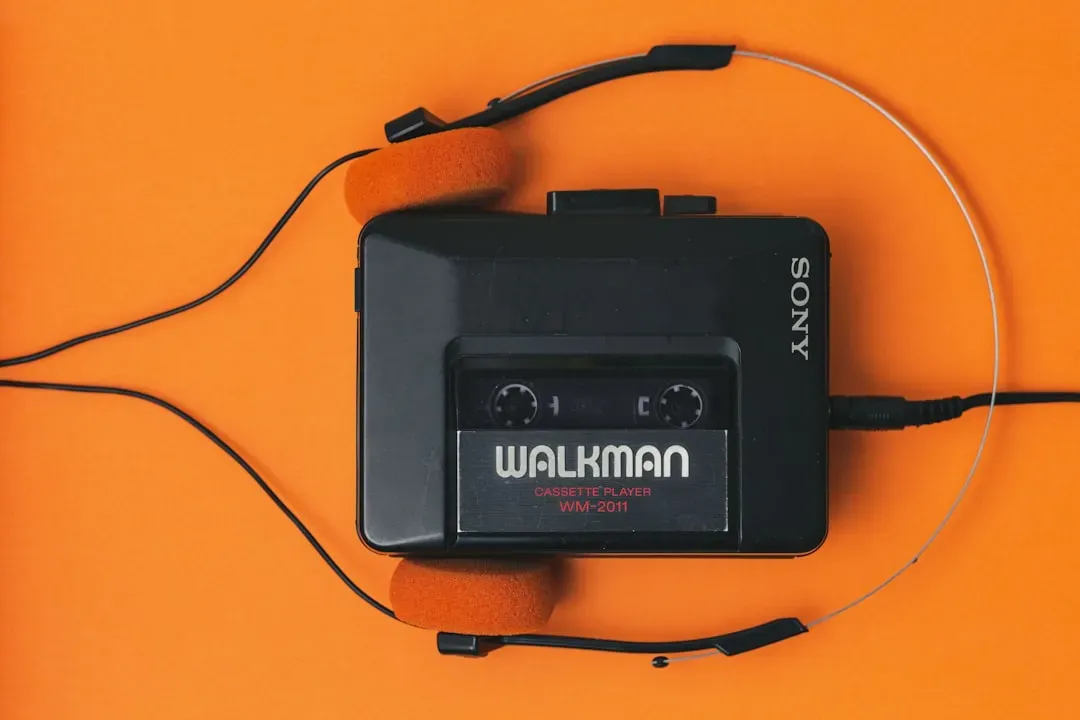
In 1979, when Sony introduced the Walkman, a 14-ounce cassette player, blue and silver with buttons that made a satisfying chunk when pushed, even the engineers inside Sony weren’t impressed. It seemed like a minor novelty. What happened next was anything but. By the early 1980s, the Walkman had become synonymous with youth culture. Its bright, colorful designs, often in metallic or neon finishes, made it a fashionable accessory as much as a technological gadget.
The Walkman had a profound impact on fashion and personal style. As the device became more popular, it became associated with a particular kind of urban, youthful identity. The visual presence of the Walkman with its sleek design and headphones became an iconic part of 1980s fashion. In 2025, a cassette Walkman from 1979 was included in “Pirouette: Turning Points in Design,” an exhibition at the Museum of Modern Art featuring widely recognized design icons highlighting pivotal moments in design history. That says everything.
2. Lisa Frank Stationery
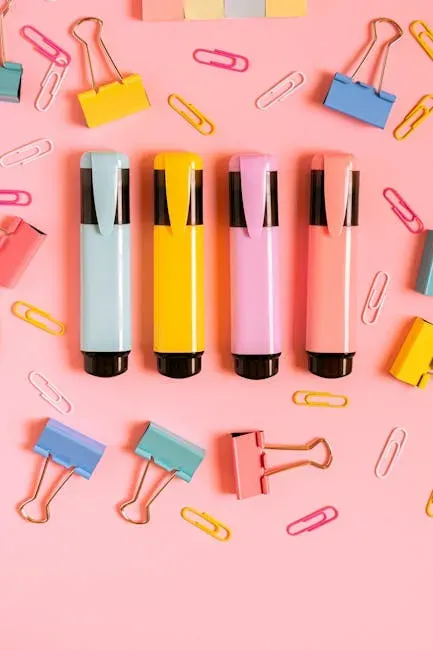
The Lisa Frank image stands as a defining symbol of late 20th-century consumer culture, blending whimsical aesthetics with bold visual storytelling. Originally emerging from the mind of sculptor and designer Lisa Frank in the 1980s, these intricate illustrations transformed children’s products and packaging into vibrant works of art. A folder was no longer just a folder. The brand hit its stride in the 1980s and 1990s, becoming a global phenomenon synonymous with an explosion of neon colors, whimsical animal characters, and a pervasive sense of optimistic fantasy.
The hyper-saturated colors and wild, sparkly visuals became a visual language for a whole generation. Even now, Lisa Frank’s Instagram boasts over a million followers, proof that the love for her brand’s wild aesthetic never really faded. Lisa Frank’s designs played a significant role in shaping 90s pop culture aesthetics, influencing fashion, school supplies, and even digital art. The maximalist color philosophy she pioneered never fully went away.
3. The Nintendo Game Boy
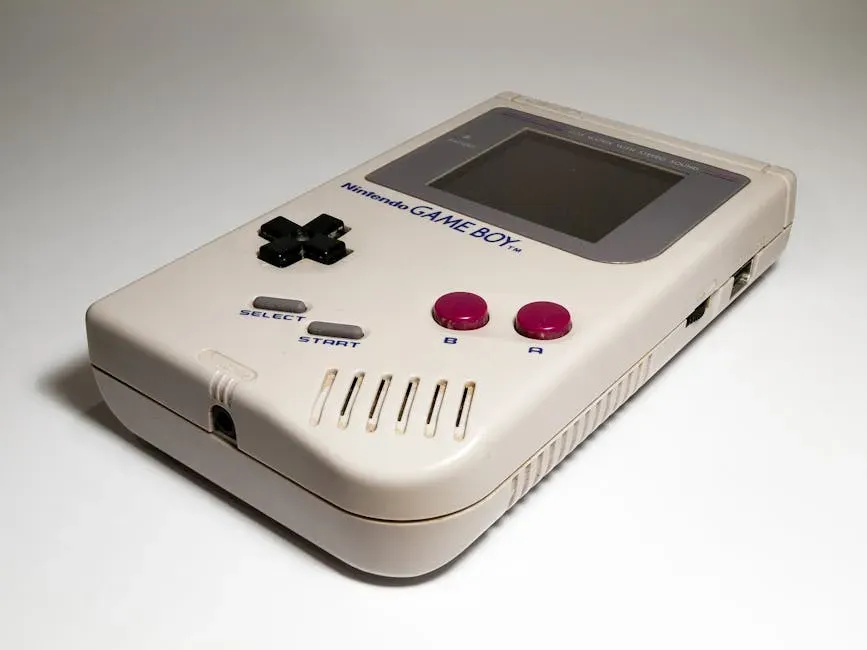
The Nintendo Game Boy, released in 1989, was a game-changer for portable gaming. It allowed a generation to enjoy video games on the go, becoming a staple for kids and teens alike. With its iconic design and library of classic games, the Game Boy represents a significant shift in gaming culture. The chunky gray brick with its pea-green screen was not beautiful by any classical standard. Yet it somehow felt exactly right. According to Nintendo, more than 118 million Game Boy units were sold globally, a clear sign of its cultural grip.
The Game Boy Color wasn’t just a gaming device; it was a statement piece for an entire generation. Its translucent and brightly colored shells, like the iconic Atomic Purple, made technology feel cool and approachable. When it arrived in 1998, kids everywhere suddenly had the power of portable gaming in their pockets, and it looked nothing like the boring gray gadgets of their parents. The playful colors and chunky buttons inspired a wave of tech products that put fun and design front and center. Even today, you can see echoes of its style in gadgets that dare to be bold and bright.
4. VHS Tapes and Their Clamshell Cases
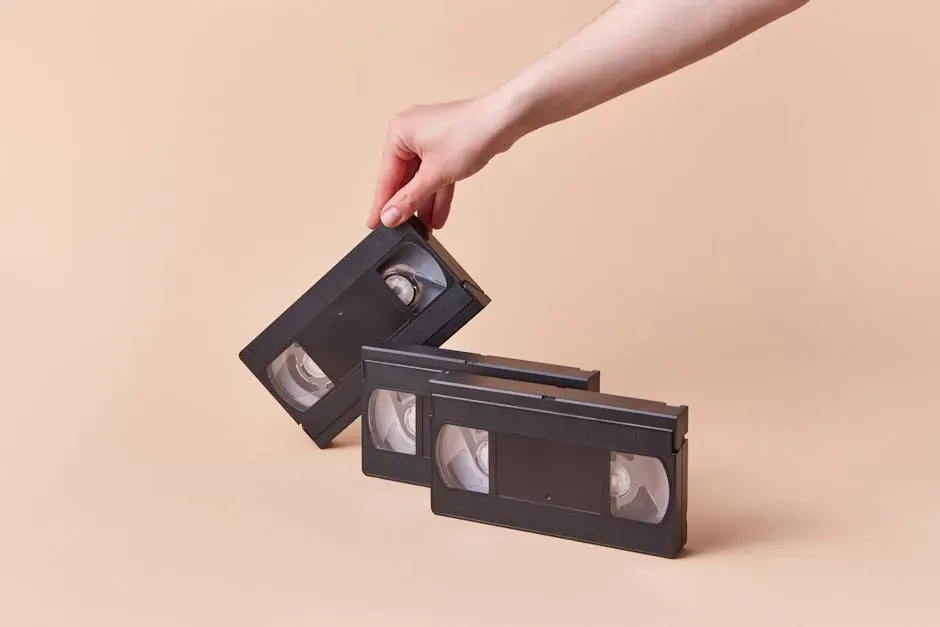
VHS tapes transformed home entertainment, allowing a generation to enjoy movies in the comfort of their homes. This format popularized video rental stores and home movie collections, shaping the way films were consumed. There was a whole ritual to it. The trip to the video store. The moment of choosing. The satisfying clunk of the clamshell case. The ritual of popping open a chunky VHS clamshell case, especially those pastel-colored Disney ones, was a sensory experience all its own.
Design historians have noted that home entertainment furniture in the 1980s reflected a cultural shift: the living room became both a performance space and a family hub. The VHS cassette, with its boxy rectangular shape and satisfying weight in the hand, was the centerpiece of that shift. Vintage Game Boys, floppy disks, and VHS aesthetics are now consumed, remixed, and shared online, creating a communal sense of longing that transcends actual experience. The format’s visual language has become shorthand for warmth and memory.
5. The Tamagotchi
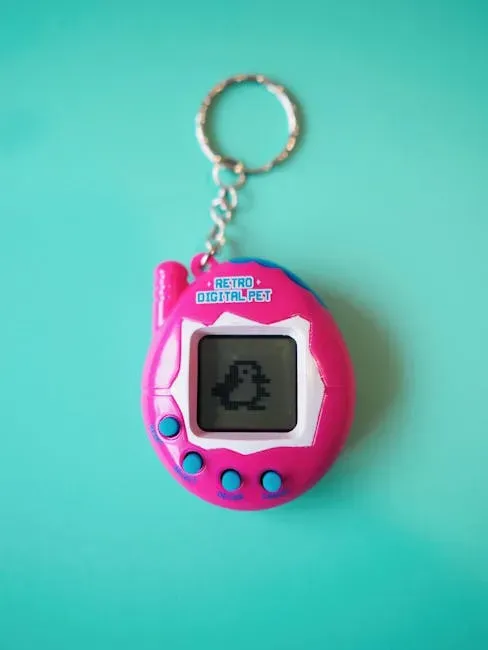
The Tamagotchi craze swept through the 90s, captivating kids everywhere with digital pets that fit in the palm of your hand. This keychain-sized toy required constant care, teaching responsibility in an engaging way. Feeding, playing, and cleaning up after these pixelated companions was a daily ritual. It was, in design terms, beautifully austere: a tiny egg-shaped shell housing a low-resolution screen, a handful of buttons, and an incessant beeping that somehow made you care deeply. Many claim the Tamagotchi helped shape the generation for future technology use. With the 24/7 notification system and interaction time, the player needed to keep their pet alive through regular use.
For many, the use of Tamagotchi potentially shaped their interactions with their smartphones and other technology today, having a lasting impact on their lives. That is a remarkable legacy for a piece of plastic not much larger than a matchbook. The Tamagotchi quietly invented the logic of the always-on notification before anyone knew that was a thing they were learning to live with.
6. Lisa Frank Folders (and the Whole Sticker Economy)

From Pogs and slap bracelets to building blocks and board games, playtime involved physical objects that encouraged hands-on creativity and face-to-face social interaction. Kids gathered around game boards, traded collectibles at recess, and used their hands to build, create, and compete. Stickers were their own currency in this world. School supplies transformed mundane homework into a psychedelic adventure, stickers became currency on the playground, and stationery made every note feel like a precious treasure.
Stickers and collectibles became a form of self-expression and a way for children to connect with their peers. The phenomenon of collecting and trading toys created a sense of community and camaraderie among children, fostering social interactions and creativity. The sticker economy of the late 80s and 90s classroom wasn’t just fun. It was a crash course in aesthetics, in scarcity, and in the social power of visual design. Kids understood intuitively which stickers were rare, which were desirable, and why.
7. Inflatable Furniture
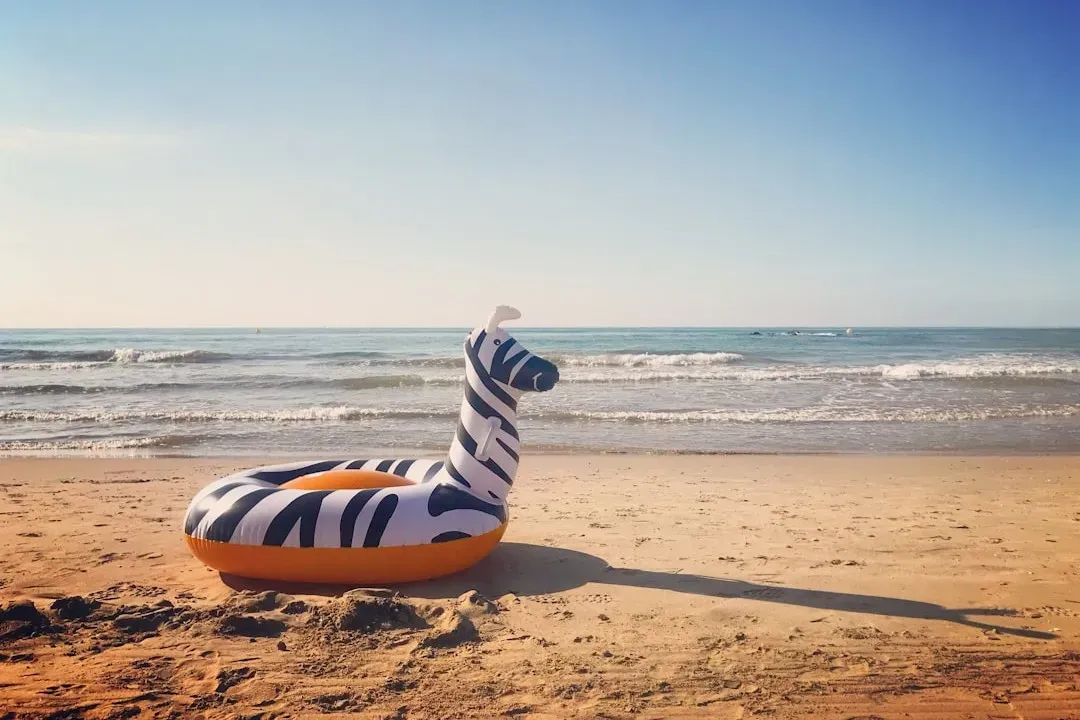
Inflatable chairs and sofas, especially in translucent pinks and blues, were the ultimate bedroom status symbol. These quirky, bouncy pieces were fun, affordable, and easy to move, making them perfect for ever-changing kid spaces. A 1998 survey pegged inflatable furniture sales at over $100 million, showing just how deep the craze ran. That is a genuinely staggering number for furniture made of air and vinyl. The playful, futuristic design set the tone for a generation that wanted furniture to be as flexible as their imaginations. Today’s modular and experimental furniture owes a debt to those blow-up chairs.
Inflatable furniture made it okay for décor to be both practical and playful, and its aesthetic influence is still felt in bold, contemporary interiors. The translucent material was also strangely ahead of its time. The see-through aesthetic, that sense of revealing the inner workings of a thing rather than hiding them, would resurface decades later in everything from sneaker design to consumer electronics. The inflatable chair did it first, albeit accidentally.
8. The Windows 95/98 Desktop Interface
The blue-gray taskbars, chunky pixel icons, and unmistakable startup chime of Windows 95 and 98 made computers feel like magic boxes. These early desktops taught millions of kids how to navigate technology, with interfaces that were both functional and comforting. Over 7 million copies of Windows 95 were sold in the first five weeks alone, according to Microsoft, a testament to its impact. For an entire generation, this was their first encounter with a designed digital environment.
The look and feel of those desktops, simple, approachable, and a little bit quirky, influenced today’s minimalist tech design. Many designers still reference those early UIs, chasing the same balance of clarity and nostalgia. For a generation, the Windows desktop was their first digital playground. There is evidence that today’s younger generations are nostalgic for the 1990s and 2000s, given the popularity of aesthetics such as grunge, Y2K, and Frutiger Aero among this cohort. Frutiger Aero in particular draws directly from that early desktop visual language.
9. The Polaroid Camera
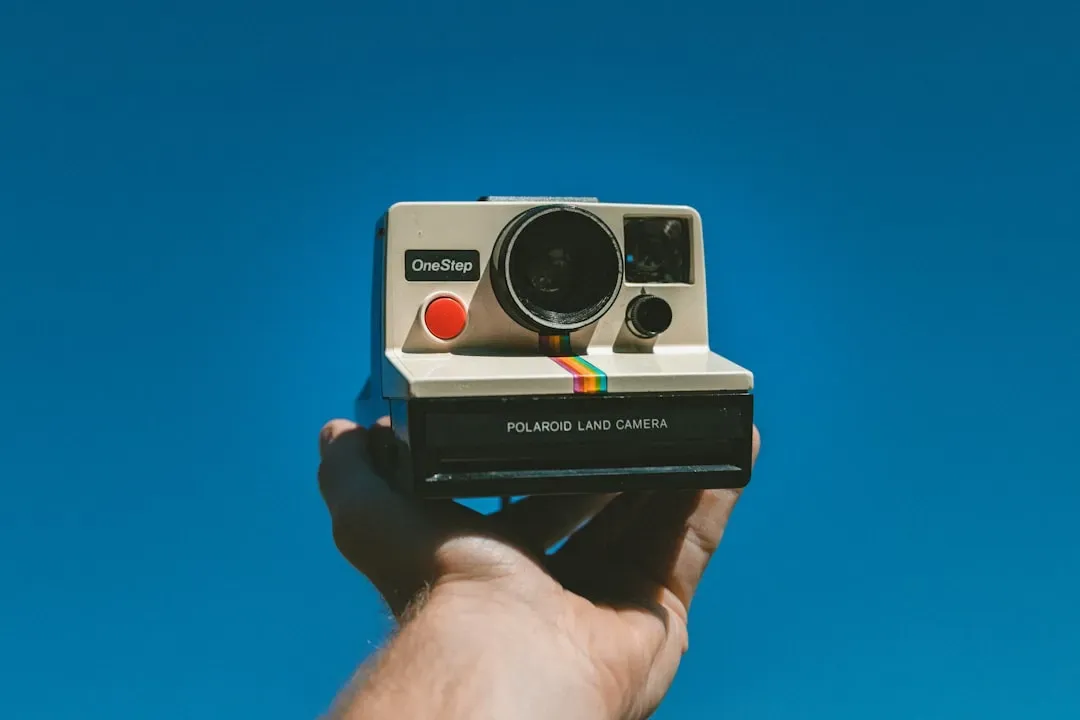
The Polaroid camera became an essential part of a generation’s social experiences, allowing friends to capture moments instantly. No waiting, no negatives, no mystery about whether the shot worked. You shook it. You watched something emerge. The thrill of waiting for a picture to develop was unmatched, a mix of anticipation and excitement. Each Polaroid told a story, a snapshot of life’s fleeting moments. This was the era where every picture was a keepsake, treasured for its imperfection and authenticity.
The same Polaroid filters and retro fashion statements that Millennials once experienced firsthand are now consumed by Gen Z as a kind of curated, aestheticized memory. A retro revival is underway in the design world: mushroom-shaped lamps, walnut stereo consoles, daisy dishware, neon Polaroid cameras. The Polaroid’s distinctive square format, its white border and soft color rendering, became one of the most mimicked visual styles in digital photography history, from Instagram’s early filters to the lo-fi photo trend that still circulates on social platforms today.
10. The Rubik’s Cube

A great deal of 1980s youth culture was largely influenced by popular games, fashion, and television, much like today’s world. One of the greatest iconic things of the 80s that made such a rave even until this day is the Rubik’s Cube. Invented by Hungarian architect Ernő Rubik in 1974 and released internationally in 1980, it became the defining object of a decade that worshipped puzzles and primary colors in equal measure. Its geometry was its own kind of visual statement: six faces, six colors, endlessly rearranged. Whether kids were building epic battles with action figures, solving puzzles that tested their patience, or racing cars around the track, the toys of the 80s left a lasting impression.
It was a different aesthetic in the 80s, one dripping with materialism, consumerism, and the emergence of yuppie culture. Neon colors, bold patterns, and vibrant fashion choices defined the era, and there’s genuine affection for that still. The Cube crystallized all of it: bright, geometric, satisfying in the hand, and maddeningly complex beneath a deceptively simple surface. It was designed to be solved, yet most people simply carried it around, half-scrambled, as a kind of accessory. That paradox, an object defined as much by its unsolvedness as its solution, feels very much like the generation it shaped.
What’s interesting, looking back at all ten of these objects, is how little any of them were designed with legacy in mind. As generations reminisce about nostalgic things from their early years, they easily connect with others without necessarily having specific shared memories. These experiences throughout childhood were more formative than anyone may have realized, even now. The objects were practical, affordable, sometimes cheaply made. Yet they carried an aesthetic logic that turned out to be durable far beyond their original materials.