Every reader knows the feeling of a first line that lands perfectly. “Call me Ishmael.” “It was the best of times, it was the worst of times.” Lines like these feel inevitable, as though no other beginning was ever possible. The truth is usually messier.
Most iconic opening sentences went through at least one earlier version, sometimes many more. Manuscripts got scrapped, drafts multiplied, and entire novels were reconceived before the right words arrived. What we now consider literary destiny was, in most cases, a second or third guess.
1. The Great Gatsby – F. Scott Fitzgerald

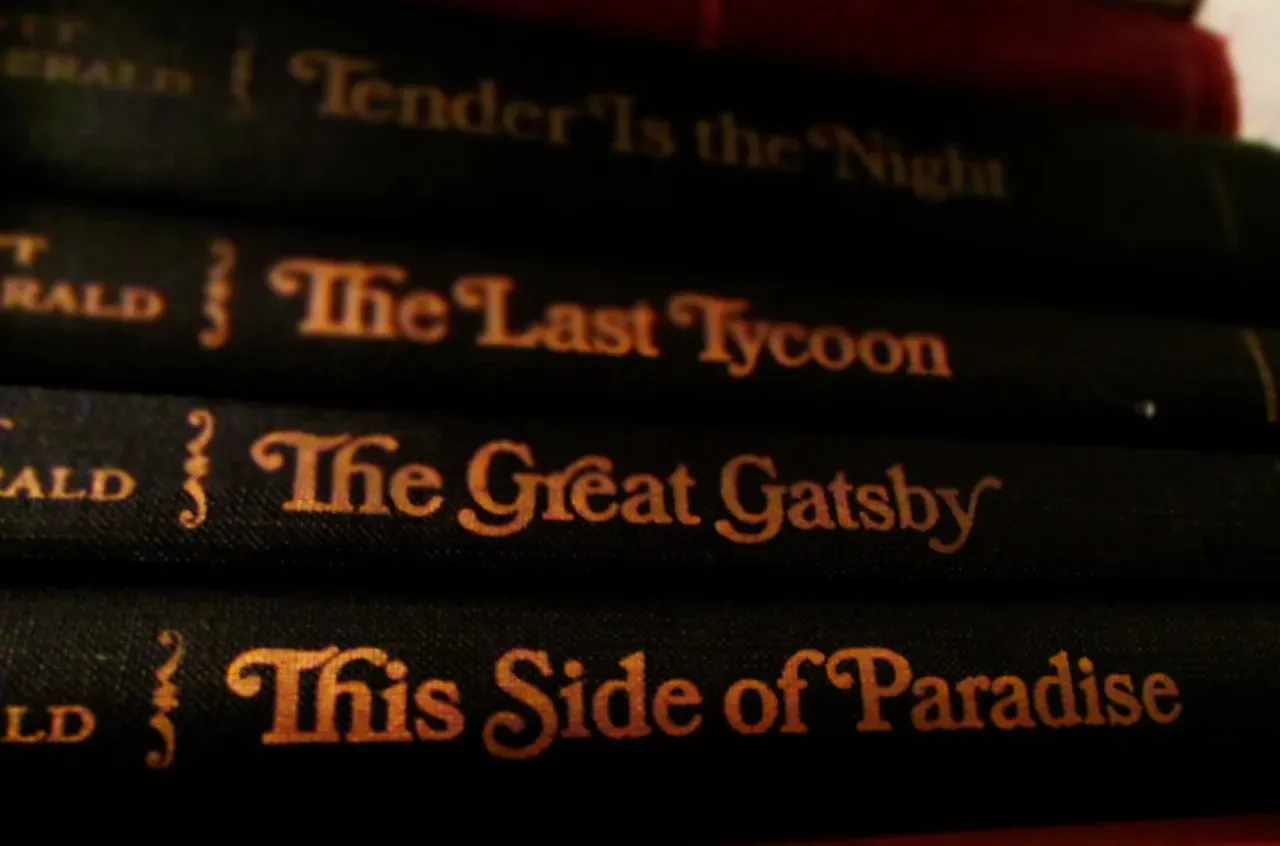
The famous opening of The Great Gatsby begins with Nick Carraway reflecting on advice his father gave him in his “younger and more vulnerable years.” It reads as graceful and measured, the voice of a man looking back with earned distance. Yet that ease came at a cost. The original Trimalchio manuscript begins: “In my younger and more vulnerable years my father told me something that…” The switch from “told” to “gave me some advice” shifts the whole register, softening a transactional delivery into something warmer and more philosophical.
Study of the surviving manuscript reveals much about the composition of the novel and the development of its characters and themes. Fitzgerald reworked the manuscript, putting it through several drafts and continuing to edit until a few weeks before publication. The galleys of the novel, then called “Trimalchio” or “Trimalchio in West Egg,” were sent to Fitzgerald in Rome, where he corrected and revised them during the first two months of 1925. By the time readers first held the book in April of that year, the opening had been quietly, crucially transformed.
2. Anna Karenina – Leo Tolstoy

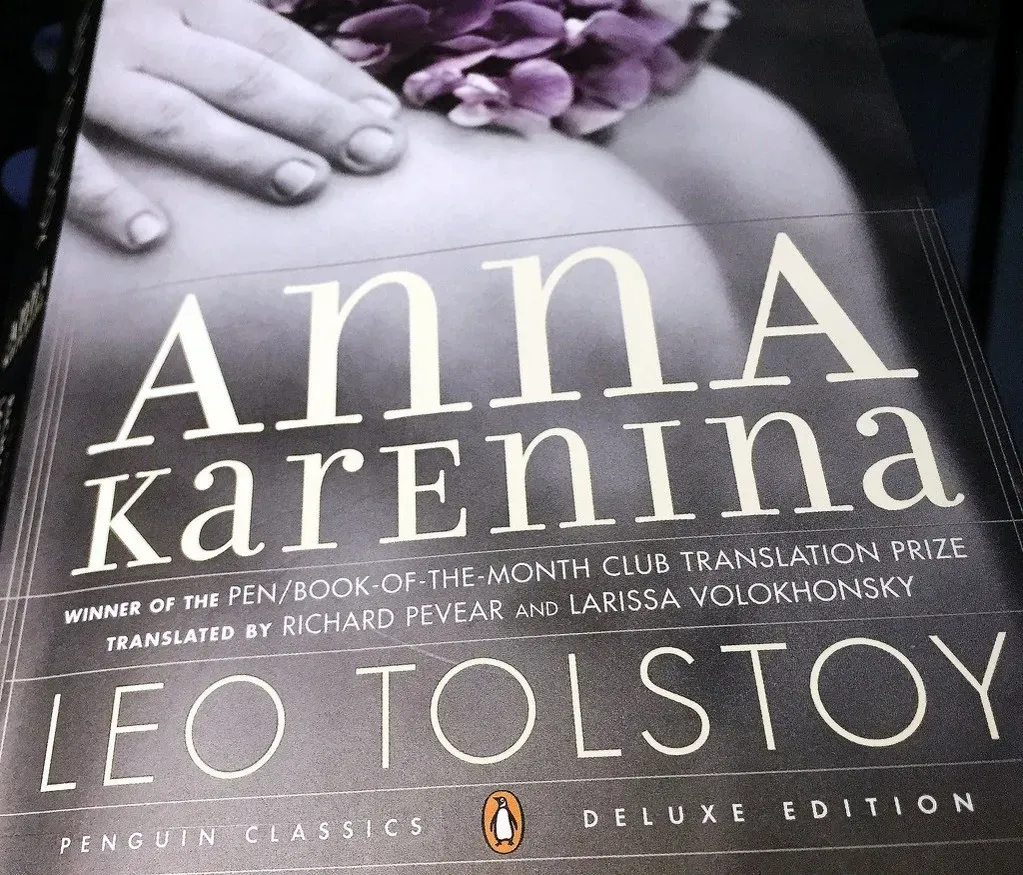
Tolstoy’s famous declaration that “all happy families are alike” is now one of the most quoted sentences in world literature. It feels authoritative and final. Tolstoy started writing Anna Karenina in early 1873, and while he finished a first draft in May of that year, many drafts would follow as he searched for the perfect opening line. Several of those drafts opened with a scene at a farm fair, where the future character Levin is exhibiting his livestock and by chance meets the future Stiva.
While the novel is told in past tense, the final opening sentence is in present tense, a declaration that holds through time. Because of this, it can be read as a thesis for the story to come, taking on qualities of a greater philosophical statement. Tolstoy completed five different drafts of the novel before it reached its final form. The farm fair opening would have grounded the story in a very different kind of realism. The sentence that replaced it operates on an entirely different plane.
3. Moby-Dick – Herman Melville

“Call me Ishmael.” Three words. The American Book Review featured a list of 100 best opening lines of novels, with editors contacting reviewers, critics, literature professors, writers, and readers to vote and rank them. Melville’s three-word opener claimed the top position. What most readers don’t know is that early manuscript evidence suggests Melville originally opened with a more conventional narrative establishment. The brevity and intrigue of the final opening line give little away about the depth and density of the novel to come, but it gives the reader enough to form several questions: who is this Ishmael, and is he even called Ishmael, or does he just want us to call him that?
The provocative ambiguity of “Call me Ishmael” was not inevitable. Earlier drafts placed the whale and the sea at the center from the first paragraph, but Melville shifted focus to the narrator, making the relationship between storyteller and reader the foundational mystery. The second line then gives the reader some answers: “Some years ago – never mind how long precisely – having little or no money in my purse, and nothing particular to interest me on shore, I thought I would sail about a little and see the watery part of the world.” That deliberate vagueness in the second line would not have carried the same weight without the perfectly cryptic first.
4. A Tale of Two Cities – Charles Dickens

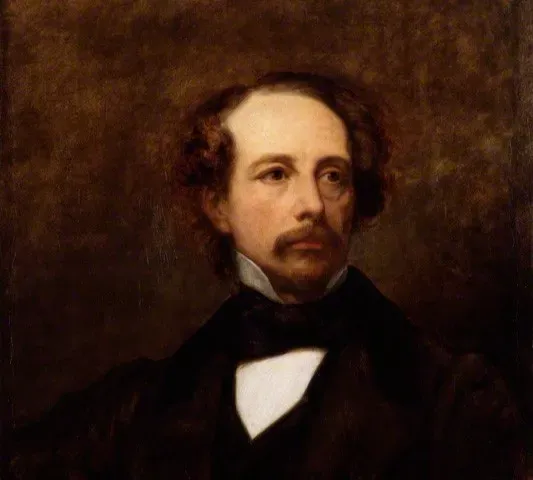
The thunderous opening of A Tale of Two Cities is built on paradox and repetition, stacking contradiction upon contradiction across one enormous sentence. With well over 200 million copies sold, the opening lines of A Tale of Two Cities rank among the most famous in the history of English literature. What’s less widely known is that Dickens spent considerable time working out how to frame the French Revolution for a serial-reading public. Early outlines for the novel placed the action more immediately at street level before Dickens shifted to the grand rhetorical gesture.
Originally printed in serialized form in Dickens’ weekly periodical All the Year Round, the novel cemented the author as a vital social commentator of the times he was living through. The decision to open with a panoramic philosophical sweep rather than a scene-setting moment was a calculated one. In a survey from Amazon Literary Partnership, British book lovers voted for the opening of A Tale of Two Cities as their favorite. The irony is that a line born from revision became the standard by which all other opening lines are now judged.
5. Pride and Prejudice – Jane Austen

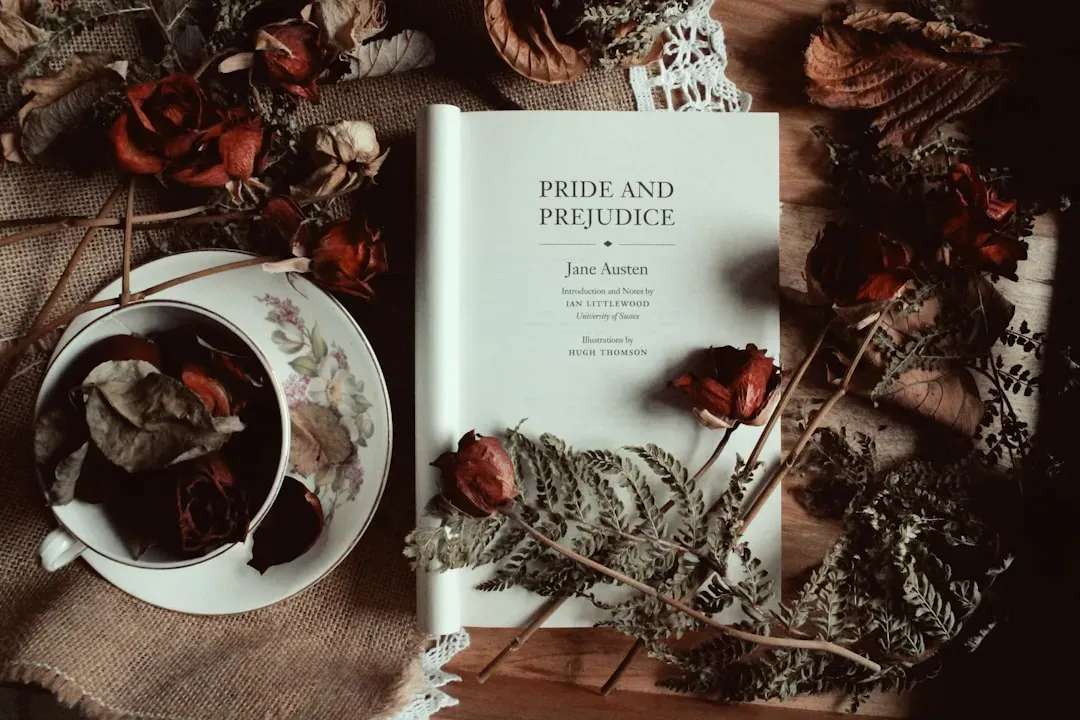
Jane Austen’s “truth universally acknowledged” is one of the most ironic sentences in the English language, and its irony is so precise that it can seem as though it arrived fully formed. It didn’t. Pride and Prejudice was a favourite among readers for the way Austen dealt with issues of manners, upbringing, morality, and marriage in the society of the landed gentry of early 19th-century England, and some two hundred years after first publication it continues to top polls of the most loved books. But the novel existed for years under a different title – “First Impressions” – and in its early manuscript form the satirical sharpness of the opening was considerably blunter.
A poll of 2,000 Amazon readers found that nearly two thirds of respondents have stopped reading a book if the opening lines didn’t capture their attention, while over two fifths believe that the opening lines can make or break a novel. Austen clearly understood this. The shift from a more straightforward statement about social expectations to an ironic one reversed the power dynamic of the sentence entirely. Readers who missed the irony felt welcomed. Readers who caught it felt seen.
6. 1984 – George Orwell
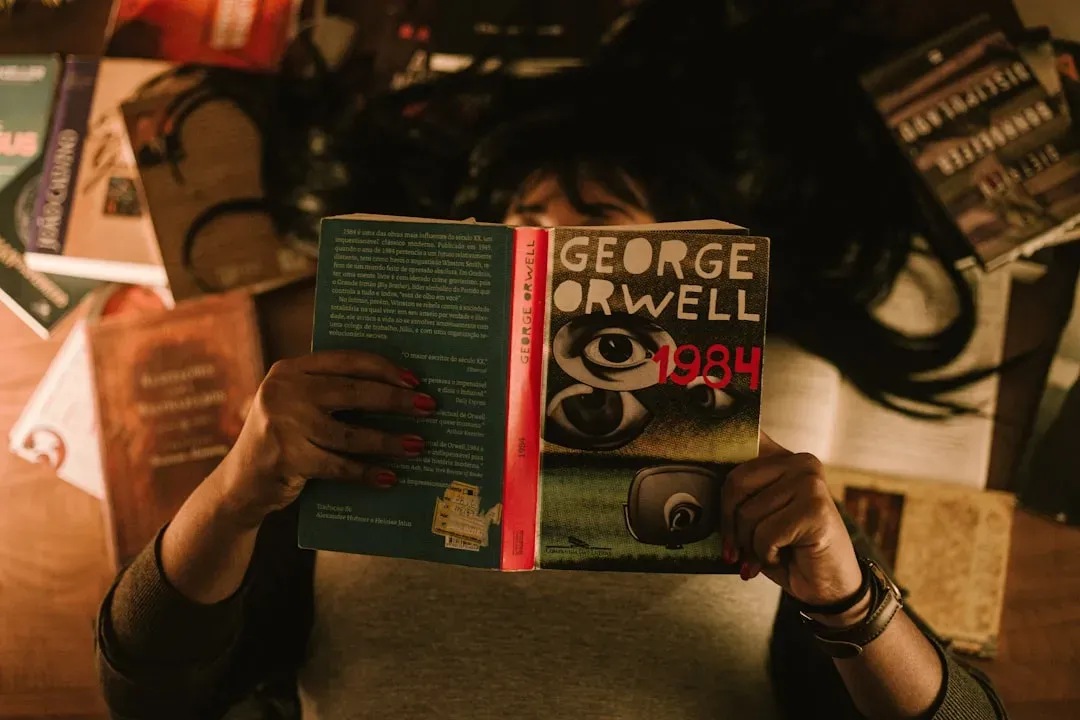
The opening of 1984 – “It was a bright cold day in April, and the clocks were striking thirteen” – is remarkable for slipping a single impossible detail into an otherwise ordinary sentence. The wrongness of “thirteen” is everything. The immediate reaction for most readers is some version of: “thirteen? But clocks don’t strike thirteen.” The fact that they don’t makes these opening words unsettling and ominous. Something is wrong. What archival drafts of Orwell’s manuscript show is that earlier versions attempted to establish the dystopia more directly from the first sentence, describing the grey oppressive atmosphere without that crucial cognitive glitch.
Orwell reportedly cycled through multiple approaches to the opening before landing on the understated strangeness that makes the final version so effective. In the Amazon Literary Partnership poll, George Orwell’s opening received nearly a quarter of all votes from 2,000 surveyed readers. The brilliance is precisely in what the line does not say. An earlier, more explicit opening would have announced the horror. This version lets the reader discover it themselves, in the gap between “April” and “thirteen.”
7. The Catcher in the Rye – J.D. Salinger

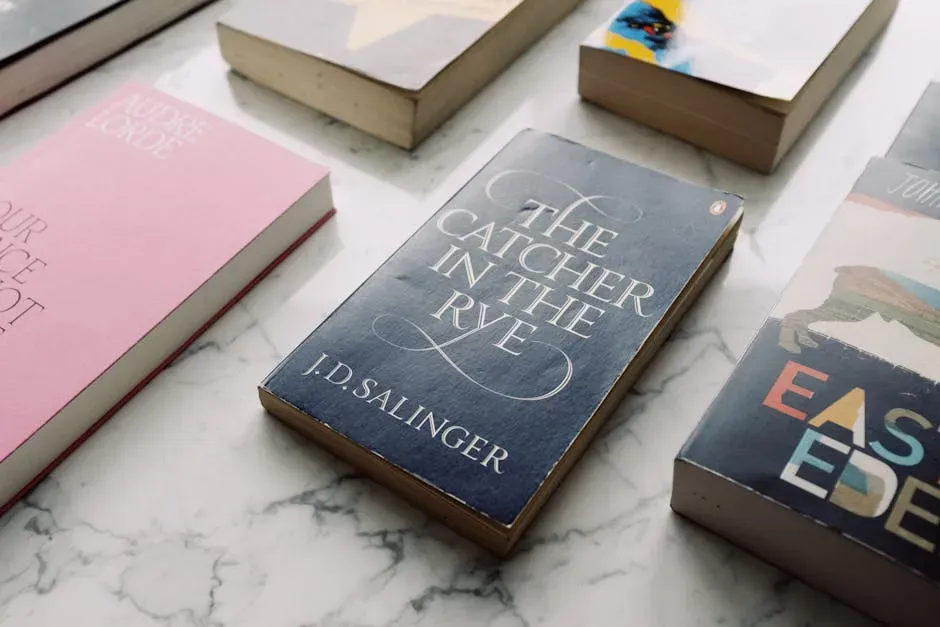
Holden Caulfield’s rambling, defiant refusal to give a conventional biography at the start of The Catcher in the Rye is now the defining voice of mid-century American adolescent fiction. It sounds spontaneous, almost accidental. It was anything but. J.D. Salinger spent ten years writing The Catcher in the Rye, which was published in 1951. As a soldier landing in Normandy on D-Day, he had carried with him six unpublished short stories that would form the core of the novel.
During that decade of work, Salinger tried multiple framings for Holden’s voice. Earlier drafts positioned the narrator in a more straightforwardly sympathetic light, with a tone that was less combatively evasive. Popular on school syllabuses for its themes of teenage angst and alienation, The Catcher in the Rye has been translated into almost all of the world’s major languages. The novel was included in Time’s 2005 list of the 100 best English-language novels written since 1923. The decision to open with Holden explicitly refusing to tell his story in the expected way was Salinger’s master stroke, turning a conventional narrative device into a declaration of identity.
8. The Hitchhiker’s Guide to the Galaxy – Douglas Adams

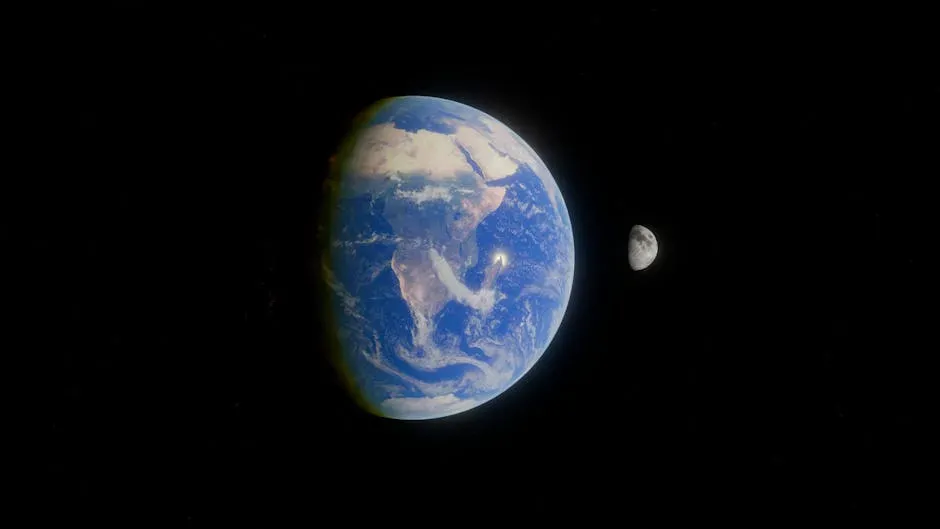
Douglas Adams’ opening line places the entire planet Earth in the most humbling cosmic perspective imaginable: a “small unregarded yellow sun” at the unfashionable end of the galaxy. The comedic effect is immediate and total. In Douglas Adams’ The Hitchhiker’s Guide to the Galaxy, Earth is held in such low regard that it is demolished to make way for a “hyperspace bypass.” The novel began as a BBC radio series in 1978, and the transition from audio script to prose gave Adams room to rework his opening considerably.
The radio version of the opening placed more emphasis on Arthur Dent’s domestic situation before pulling out to the cosmic view. Adams inverted this in the novel, establishing scale first and the human drama second. In the Amazon poll, roughly one in eight readers voted for Adams’ opening as one of their favorites. That inversion changed the whole tone of the book. It told readers immediately that the cosmos was the real subject, and that humanity was the comic footnote.
9. Peter Pan – J.M. Barrie

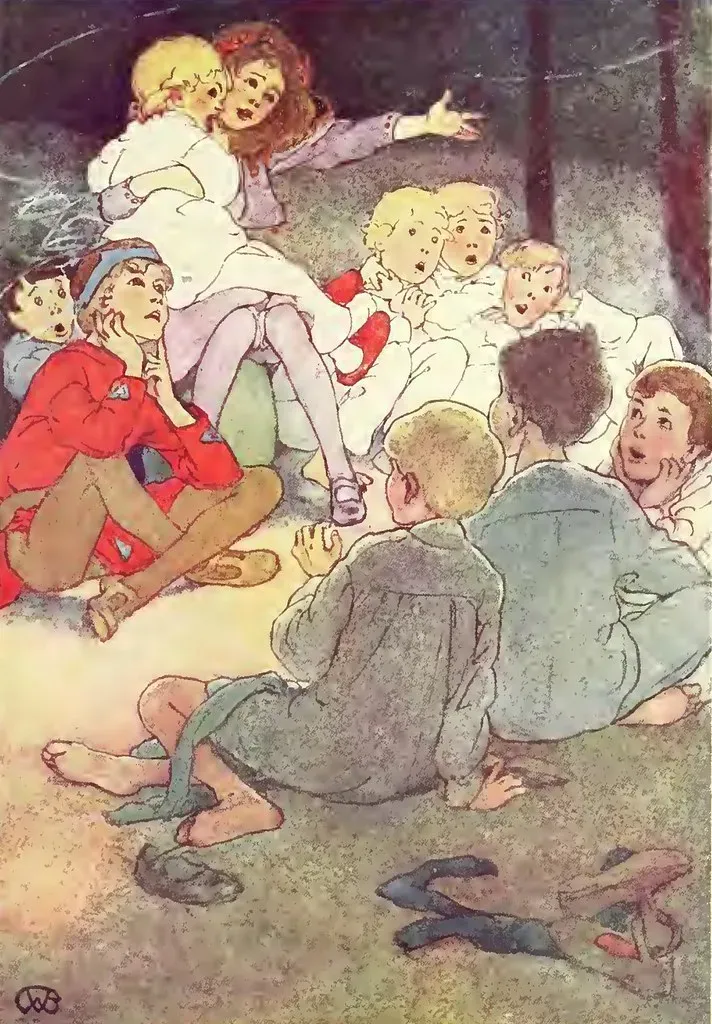
“All children, except one, grow up.” In six words, J.M. Barrie creates a fairy tale exception that contains an entire universe of implication. Author J.M. Barrie’s opening line “All children, except one, grow up” received roughly one in five votes in the Amazon reader poll. The story of Peter Pan evolved through several forms: a character in an earlier novel, then a stage play, and finally the prose narrative published in 1911. Each transformation required Barrie to rethink his entry point.
Earlier versions of the story opened more conventionally with the Darling household, establishing Wendy and her brothers before introducing the magical premise. In some later printings, the novel is titled simply Peter Pan. The shift to the universal statement about childhood and the exception to the rule was a late decision, and it changed everything. It turned a story about a boy who flies into a philosophical inquiry about the nature of growing up – something no amount of tinkering with the Darling nursery could have achieved.
10. Fahrenheit 451 – Ray Bradbury

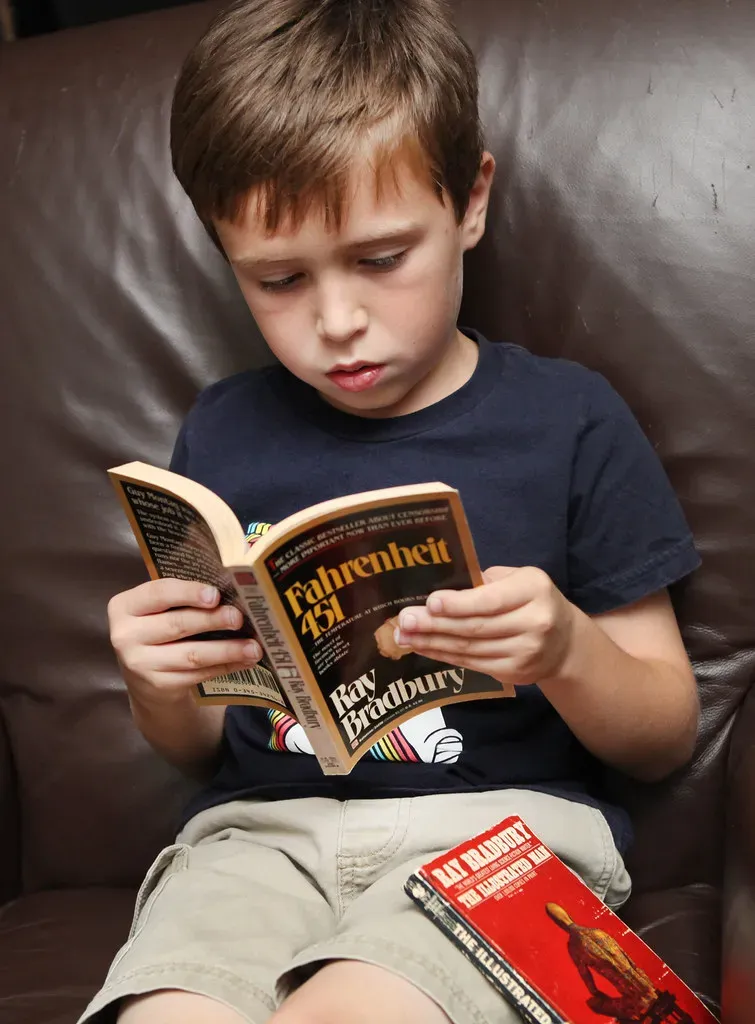
“It was a pleasure to burn.” Ray Bradbury’s five-word opening is one of the most compressed reversals in American fiction. Burning is destruction, yet the sentence begins with pleasure. Books are unwelcome in the dystopian future of Fahrenheit 451. Author Ray Bradbury consulted a Los Angeles fire chief to find out the temperature at which paper in a book would ignite without the presence of an open flame; the actual temperature is about 480 degrees Fahrenheit.
Earlier drafts of the novella, which Bradbury famously wrote on a rented typewriter in the UCLA library basement, opened with Montag already in conflict with his profession, or established the world’s book-burning rules more explicitly before letting the reader meet the protagonist. The dystopian novel about a book-burning society is brilliantly written and has relevance today, many decades after it was written. The final decision to open mid-action, inside Montag’s pleasure rather than outside his world, was the change that made the book. It implicates the reader in the joy of destruction before the moral reversal can begin – which is precisely the point.
What these ten examples share is not so much the story of revision itself, but what revision reveals: that the opening line of a great novel is almost never an accident. It’s a position arrived at through doubt, discarding, and the occasional stroke of clarity. The line that sounds inevitable usually had a predecessor that didn’t. That gap between the two drafts is where the real writing happened.