Retirement should be a time of relaxation and freedom. Yet for millions of people, it becomes a source of stress and financial worry. The difference often lies not in how much you earned during your working years, but in the choices you made along the way.
Let’s be real, planning for retirement feels overwhelming. There are countless decisions to navigate, and each one carries weight. One wrong move could mean the difference between living comfortably and struggling to cover basic expenses. Here’s the thing: many of these mistakes are entirely avoidable once you know what to watch for.
Starting Too Late
According to Fidelity’s 2025 State of Retirement Planning Study, 38% of retirees surveyed said they would have prioritized saving earlier if they had the chance to go back in time. That statistic hits hard because it reveals a truth nobody wants to face until it’s too late. Time is your most powerful asset when it comes to retirement savings.
Starting early gives your money decades to grow through compound interest. Even small contributions in your twenties can balloon into substantial sums by retirement. Think of it like planting a tree: the sooner you plant it, the more shade you’ll enjoy later. Waiting until your forties or fifties means you’ll need to save far more aggressively to catch up.
According to a 2023 report by Capitalize, a company that helps workers stay invested in retirement plans when they change employers, Americans have left behind or forgotten 29.2 million accounts and a total of $1.65 trillion in assets. This staggering number shows just how much money sits abandoned simply because people didn’t take action early enough or lost track along the way.
Not Maximizing Employer Contributions
Free money exists, yet countless people walk away from it every single day. If your employer offers a 401(k) match, failing to contribute enough to capture it fully is like turning down a raise. The most common formula, according to Vanguard’s 2025 How America Saves report, is 50% of every dollar an employee contributes, up to 6% of their salary.
This means if you earn fifty thousand dollars annually and contribute six percent, your employer might add another three percent on top. That’s an immediate return on your investment before the market even enters the picture. You won’t find that kind of guaranteed gain anywhere else.
The average annual employee 401(k) contribution was 7.7% of their income in 2024, according to Vanguard. While that sounds reasonable, it often falls short of what experts recommend for a secure retirement. Plus, the 401(k) contribution limit for 2025 is $23,500 for employee salary deferrals, giving high earners plenty of room to save aggressively.
Underestimating Healthcare Costs

Healthcare in retirement is expensive, shockingly so. A 65-year-old retiring in 2024 can expect to spend an average of $165,000 in health care and medical expenses throughout retirement, according to Fidelity’s 2024 estimate. That number doesn’t even include long-term care, dental work, or over-the-counter medications.
A healthy 65-year-old male retiring in 2024 is projected to spend approximately $281,000 on healthcare expenses during his retirement. Women face even steeper costs. The difference between these figures and Fidelity’s estimate comes down to which Medicare plans you choose and what coverage gaps you face.
Many retirees assume Medicare will cover everything. It won’t. Assisted living costs $5,190 per month, memory care runs $6,200 per month, independent living averages $3,145 per month, and in-home care can hit $30 per hour. These 2025 costs can drain a nest egg faster than most people anticipate. Planning for these expenses now, perhaps through a Health Savings Account or dedicated fund, can save you from devastating financial strain later.
Claiming Social Security Too Early

You can start collecting Social Security at age 62, but that doesn’t mean you should. The benefit you receive will be up to 30% less than it would be if you waited until what the Social Security Administration deems “full retirement age”, which is 67 for anyone born in 1960 or later.
Here’s where it gets even more interesting: if you can afford it, consider delaying your application for these benefits until age 70 when your benefit will be about 32% higher than it would be at FRA. That’s a massive difference in lifetime income, especially if you live into your eighties or nineties.
The average benefit in 2024 is $1,783 a month. If you claim benefits at age 62 instead, your benefit will decrease by approximately 30% to $1,248, meaning you’d miss out on $6,420 a year. For married couples, this gap compounds. The decision to claim early might seem appealing when you’re eager to retire, but it could haunt you for decades.
Ignoring Contribution Limits and Tax Advantages
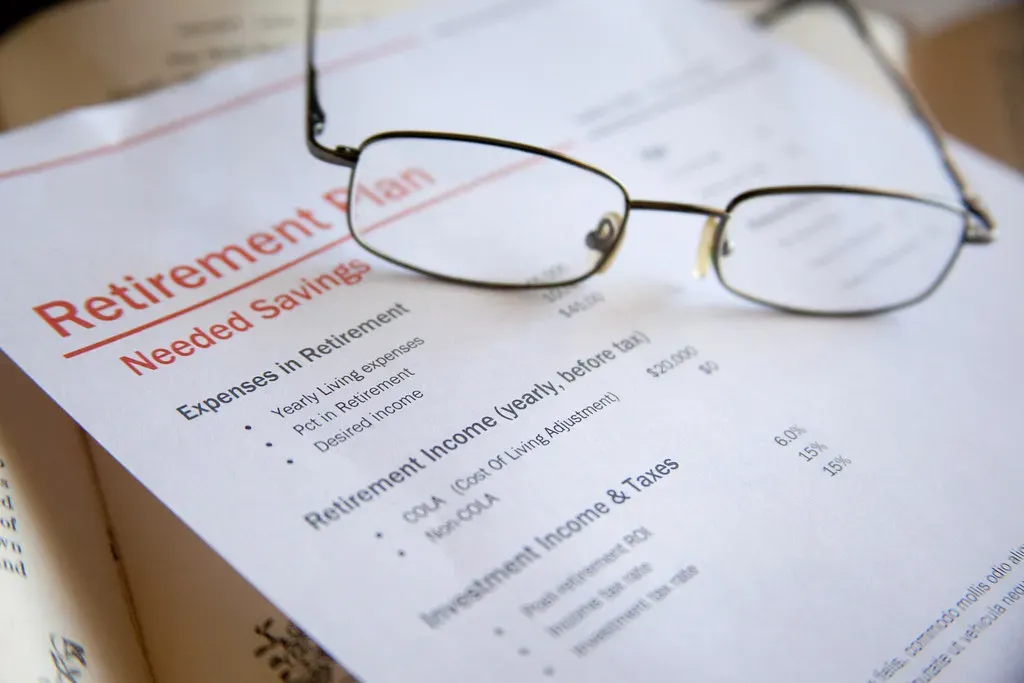
The IRS adjusts retirement contribution limits annually to keep pace with inflation. For 2025, understanding these limits matters immensely. The 401(k) contribution limit for 2025 is $23,500 for employee salary deferrals, and $70,000 for the combined employee and employer contributions.
If you’re over fifty, catch-up contributions become available. Those between ages 60 and 63 are eligible to contribute up to $11,250 as a “super” catch-up contribution, meaning those 60 to 63 are able to contribute up to $34,750 in 2025, if your plan allows. These provisions exist specifically to help people who got a late start boost their savings in the final stretch before retirement.
Honestly, most people don’t take full advantage of these opportunities. They contribute just enough to snag the employer match and call it a day. While that’s better than nothing, it leaves tremendous potential on the table. Maxing out contributions, especially in high-earning years, can dramatically alter your retirement trajectory.
Leaving Money Behind When Changing Jobs
Job changes happen, sometimes frequently. A 2024 report from Vanguard found that between the ages of 25 and 64, U.S. workers have an average of nine employers. Each transition presents a critical decision point: what happens to your retirement savings?
Americans have left behind or forgotten 29.2 million accounts and a total of $1.65 trillion in assets. That number bears repeating because it’s staggering. People simply forget about old 401(k) accounts or cash them out prematurely, triggering taxes and penalties while sacrificing future growth.
Rolling over funds into your new employer’s plan or an IRA keeps your money working for you. It consolidates your accounts, making them easier to manage and track. The median job switcher sees a 10 percent increase in pay but a 0.7 percentage point decline in their retirement saving rate when they switch employers. This trend compounds over time, slowly eroding retirement security without people even realizing it.
Failing to Adjust Investment Strategy as You Age

What worked for your portfolio at thirty won’t necessarily serve you well at sixty. As retirement approaches, most financial advisors recommend shifting toward more conservative investments to protect your gains. The logic is simple: you have less time to recover from market downturns.
As you get older, adopting a more conservative investment strategy is generally advisable with the percentage of equity holdings (stocks) invested in your retirement accounts ideally decreasing over time. The aim is to reduce risk, which becomes increasingly important as you may not have the luxury of awaiting a market bounce-back following a downturn.
Yet many people either stay too aggressive or swing too far in the opposite direction, missing out on growth opportunities. Finding the right balance requires regular portfolio reviews and potentially working with a financial advisor who understands your risk tolerance and timeline. It’s hard to say for sure, but staying too aggressive right before retirement can be catastrophic if the market crashes at the wrong moment.
Not Planning for Longer Life Expectancy

People are living longer than ever before. That’s wonderful news, except it also means your retirement savings need to stretch further. The current U.S. life expectancy is 79.1 years, up from 68.1 in 1950. Many people will live well into their eighties or nineties.
No one knows how long they might live. It can be a good idea to make sure you’re planning for a retirement that lasts longer than expected. Running out of money in your final years is a nightmare scenario nobody wants to face. Building a buffer into your calculations, perhaps planning as if you’ll live to 95, provides peace of mind.
Planning for longevity also means considering long-term care insurance or setting aside dedicated funds for potential care needs. Let’s be real: most people don’t want to think about needing assisted living or nursing care, but preparing for these possibilities protects both your finances and your family.
Relying Too Heavily on Social Security Alone

As of 2024, the average Social Security check is around $1,800, which works out to less than $23,000 per year, or the equivalent of working full-time at $11/hour. That’s simply not enough for most people to maintain their standard of living. Yet for over three out of five (61%) of beneficiaries, Social Security is more than half their total income, and for one in three (33%), it is all or nearly all of their income.
Social Security was designed to supplement retirement income, not replace it entirely. Building additional income streams through 401(k)s, IRAs, pensions, or other investments is essential. The program itself faces uncertainty. The 2024 Trustees Report estimates Social Security will be fully funded until 2033 and able to pay 100% of benefits to current and future retirees. Thereafter, absent any changes from Congress, benefits could be cut by 21%.
This doesn’t mean Social Security will disappear, but it does suggest changes are coming. The majority of retired adults (80%) say they are concerned about receiving their promised benefits, up from 71% in 2024. Diversifying your retirement income protects you regardless of what happens politically.
Neglecting to Account for Inflation

If you’re 35 and comfortably live on $75,000 per year, don’t assume you can do that in retirement. If the Consumer Price Index (CPI) keeps up for the next 30 years the way it has for the last 30, you’ll need an income of $160,000 to enjoy the same buying power. That’s more than double, and it illustrates inflation’s devastating impact over time.
Many people calculate their retirement needs based on today’s dollars without factoring in how much things will cost decades from now. Healthcare, housing, food – everything increases in price gradually, and those increases compound. Investing in a way that at least keeps up with inflation can help ensure that you’re able to keep up with increasing prices. Your retirement planning likely included saving a certain amount, so nobody wants to see inflation erode that saving’s buying power over time.
This means your investment strategy needs to include growth components even in retirement. Being too conservative might protect you from market volatility, but it also exposes you to the very real risk that inflation will outpace your returns, slowly diminishing your purchasing power year after year.
Final Thoughts

Retirement planning mistakes aren’t just numbers on a spreadsheet. They represent lost opportunities, unnecessary stress, and potentially years of financial insecurity. The good news? Nearly all of these errors are preventable with the right knowledge and action.
Start saving early, maximize every contribution opportunity, plan for healthcare costs, and make informed decisions about Social Security. Regularly review and adjust your strategy as life changes. Nobody gets everything perfect, but avoiding these common pitfalls puts you miles ahead of where you’d be otherwise. What mistakes are you most concerned about making? The time to address them is now.