Once a film hits theaters, it’s easy to assume the cast was always meant to be that way. The chemistry looks inevitable, the faces feel permanent, and it’s hard to picture anyone else delivering those lines. Yet behind almost every iconic performance sits a paper trail of other names, contracts that fell apart, and actors who said no before someone else said yes. Some of the most celebrated films in modern cinema were only days, or even weeks, away from looking entirely different.
Back to the Future: Eric Stoltz almost became Marty McFly

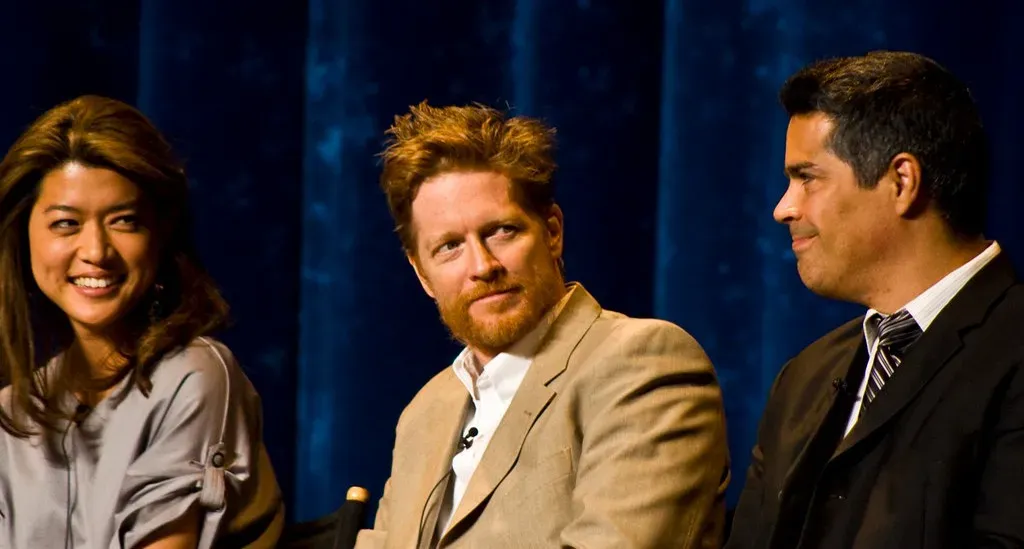
Before Michael J. Fox ever stepped onto the DeLorean set, Marty McFly was played by Eric Stoltz. Director Robert Zemeckis and co-writer Bob Gale reportedly wanted Fox from the beginning, but scheduling conflicts with Family Ties initially kept him unavailable, so Universal executive Sid Sheinberg pushed for Stoltz instead, after being impressed by his previous performances. Stoltz spent weeks on set fully committed to the part before anything changed.
The trouble surfaced once footage came back from the lab. Stoltz brought a heavier, more dramatic energy to a role that needed comic timing, and co-star Lea Thompson later observed that he saw drama in situations rather than humor, which was not quite the tone the film needed. After more than a month of shooting, Zemeckis and Gale ultimately made the difficult decision to replace Stoltz with Fox and reshoot much of the movie. It remains one of the most expensive recasting decisions in Hollywood history, and also one of the most justified.
The Matrix: Will Smith turned down Neo before Keanu Reeves signed on

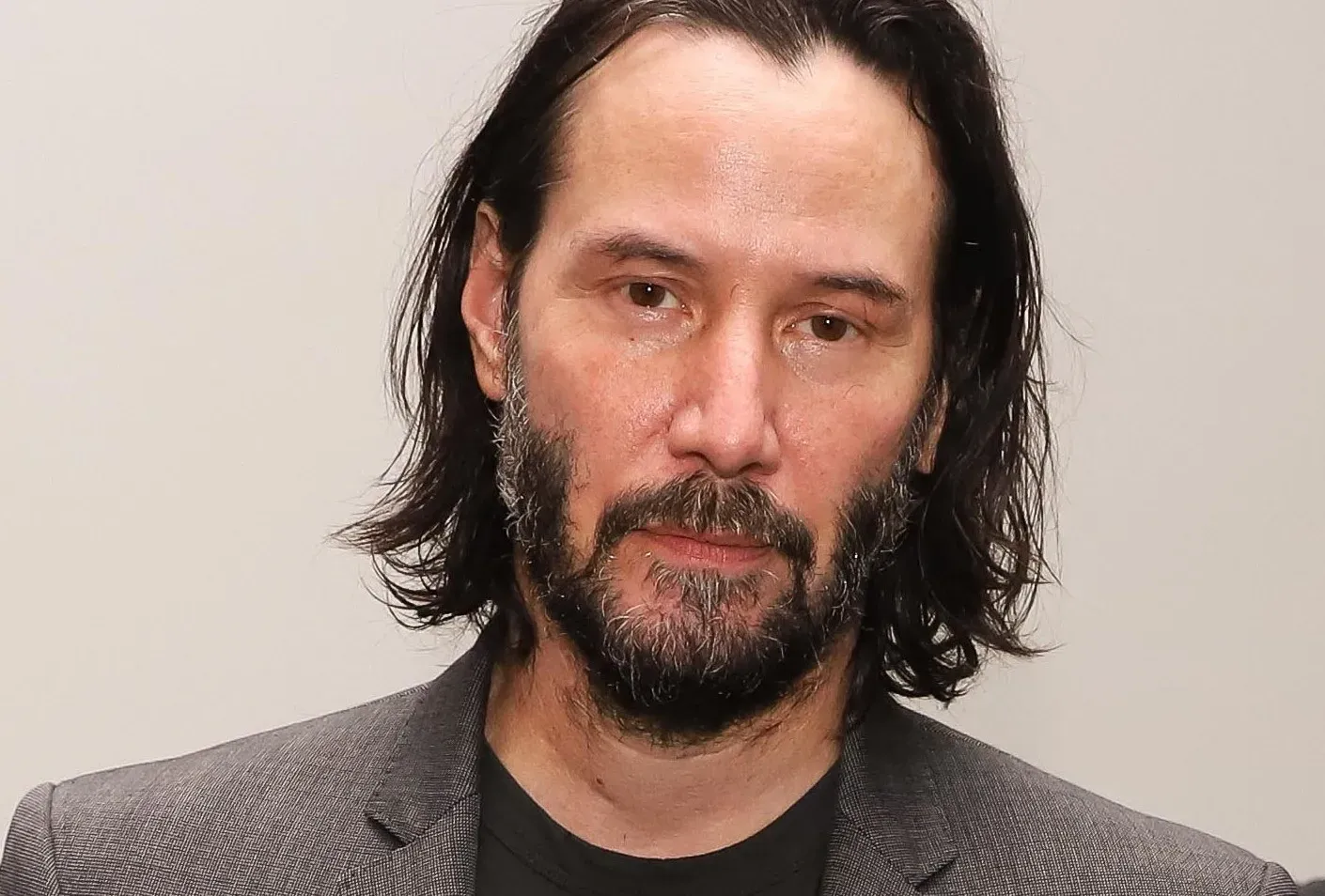
Long before he became a fixture of the John Wick franchise, Keanu Reeves was not the Wachowskis’ first choice for Neo. Lily and Lana Wachowski, the writers and directors of the first Matrix movie, offered the role of Neo to Will Smith. At the time, Smith was still building his film career and weighing his options carefully.
Ultimately, Smith was unsure about the Wachowskis’ pitch for The Matrix and decided to turn down the leading role, choosing Wild Wild West instead. Smith has since said the casting worked out for the best, noting that had he taken the part, the studio’s preference for a white costar would likely have shifted Morpheus away from Laurence Fishburne, who was reportedly considered for Val Kilmer at one point. Reeves stepped into the role and it reshaped both his career and the science fiction genre.
X-Men: Dougray Scott was cast as Wolverine before Hugh Jackman

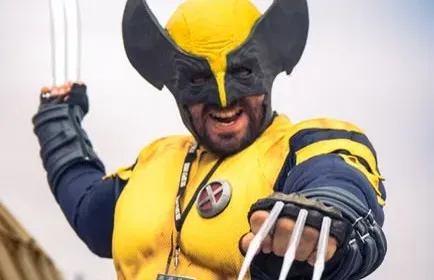
Hugh Jackman is now inseparable from the character of Wolverine, but he was not the studio’s original pick. Actor Dougray Scott, star of Ever After and Mission: Impossible II, had originally signed on to play Wolverine in X-Men, and had every intention of doing so. Bryan Singer’s team had a full production plan built around him.
Fox wanted Dougray Scott for the part, but after a scheduling conflict with Scott’s role in Mission: Impossible 2, they had to settle with Jackman. Adding to the mess, Dougray had been in a motorcycle accident filming the climax of MI2, leaving him pretty messed up, and it was a real shame he couldn’t do it. Jackman, then a relative unknown, went on to play the role for nearly two decades.
Lord of the Rings: Stuart Townsend was fired as Aragorn just before filming began

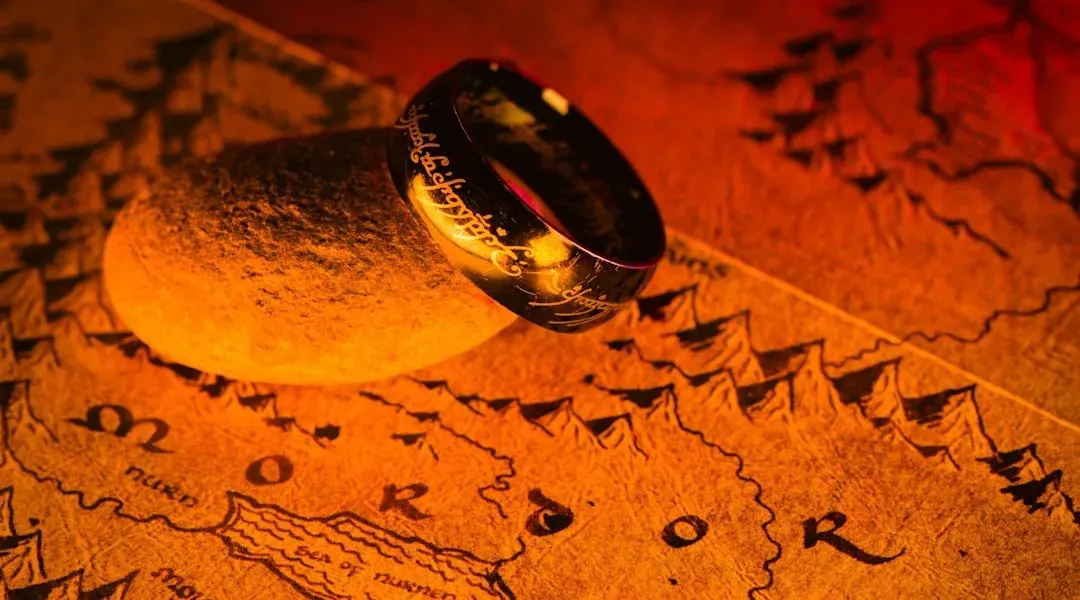
Long before Viggo Mortensen became synonymous with Aragorn, the role belonged to Irish actor Stuart Townsend. Before Viggo Mortensen played Aragorn, Stuart Townsend was cast in the role, and after a rigorous round of casting, Peter Jackson and the other producers at New Line Cinema officially offered Townsend the role and flew him out to New Zealand to commence filming. Townsend spent months training and preparing for the part.
Then, almost without warning, everything changed. He was replaced by Viggo Mortensen after just days of shooting because director Peter Jackson felt that he was too young to convincingly portray the character. Mortensen accepted the role on short notice and flew to New Zealand almost immediately, turning a last minute scramble into one of the defining performances of the trilogy.
Die Hard: Frank Sinatra had the first legal right to play John McClane

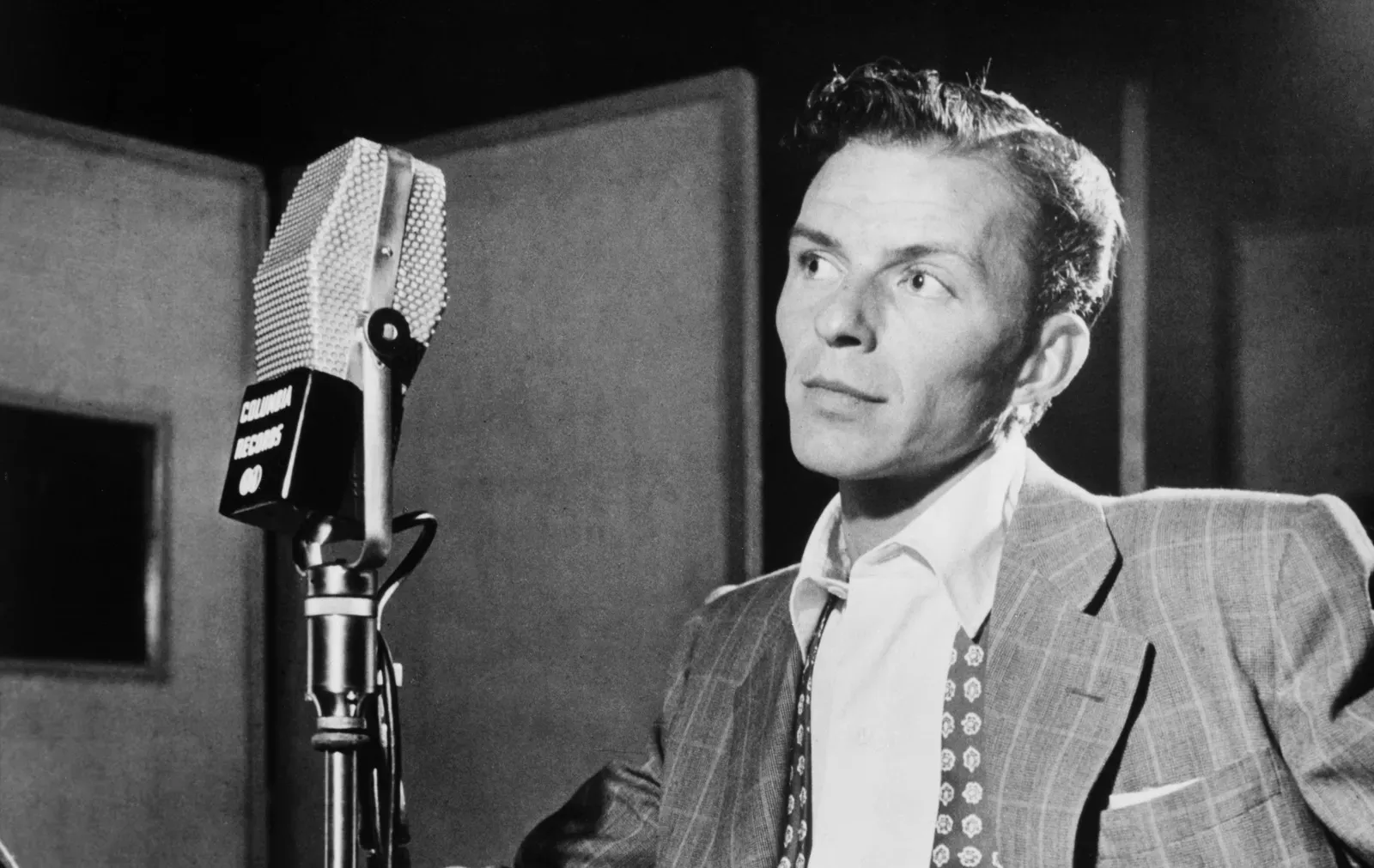
Bruce Willis is now inseparable from John McClane, but he was nowhere near the first name attached to Die Hard. For contractual reasons, Frank Sinatra was top of the list for Die Hard, since Ol’ Blue Eyes had first refusal as he’d been the star of 1968’s The Detective, which like Die Hard was based on author Roderick Thorp’s thriller novels. That clause existed purely because of a decades old book deal, not any real interest in casting a seventy year old action lead.
Once Sinatra passed, the search widened considerably. Producers went straight to Arnold Schwarzenegger, who said no, preferring to try his hand at comedy alongside Danny DeVito in Twins, and the rejections kept coming from Richard Gere, Burt Reynolds, Harrison Ford, Sylvester Stallone, Nick Nolte, Don Johnson and Mel Gibson. Willis himself initially turned it down too, and he was only able to play McClane after his Moonlighting costar Cybill Shepherd became pregnant, which led to a filming hiatus on the series.
Raiders of the Lost Ark: Tom Selleck was locked in as Indiana Jones

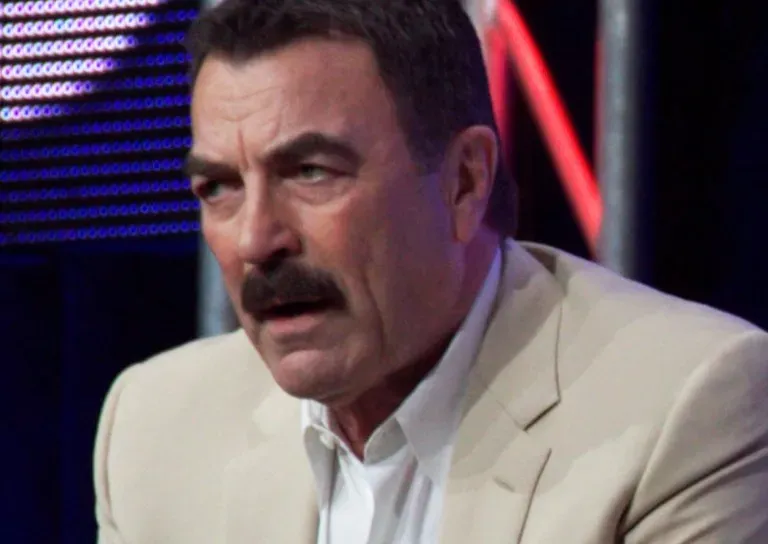
Before Harrison Ford ever picked up the whip, Steven Spielberg and George Lucas had their sights set on Tom Selleck for the role of Indiana Jones. Selleck reportedly tested well and was formally cast, with the production moving forward under the assumption he would headline the film.
Partner offer

The problem was a television contract. Selleck was tied to CBS for Magnum, P.I., and the network refused to release him in time for the Raiders shoot, forcing the producers to look elsewhere. Ford, who had already worked with Lucas on Star Wars, stepped in and turned Indiana Jones into one of the most recognizable characters in adventure cinema.
Forrest Gump: John Travolta walked away before Tom Hanks won an Oscar for it

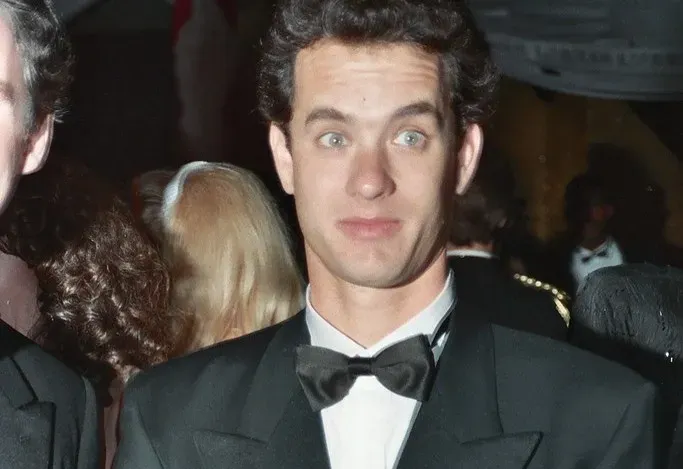
Tom Hanks earned an Academy Award for playing Forrest Gump, but the role had circulated among other actors first, most notably John Travolta. Reports from the production era describe Travolta passing on the script, unconvinced it would resonate with audiences the way it eventually did.
Hanks took the part and delivered one of the defining performances of his career, turning a modest sounding premise into a cultural touchstone. Travolta has spoken candidly over the years about miscalculating certain scripts during that stretch of his career, and Forrest Gump is often cited as one of the clearer examples of a near miss.
Lord of the Rings: Sean Connery said no to Gandalf before Ian McKellen took the staff

Gandalf feels inseparable from Ian McKellen today, yet Peter Jackson and New Line Cinema first approached Sean Connery for the role. Connery was one of the biggest names in the world at the time, and landing him would have given the trilogy an enormous marketing boost before a single frame was shot.
Connery ultimately turned the part down, reportedly finding the source material difficult to connect with and unconvinced by the scale of the production being described to him. McKellen accepted instead, and his portrayal became one of the most beloved wizard performances in film history, later extending into the Hobbit trilogy as well.
Pretty Woman: Molly Ringwald passed on the script before Julia Roberts became a star

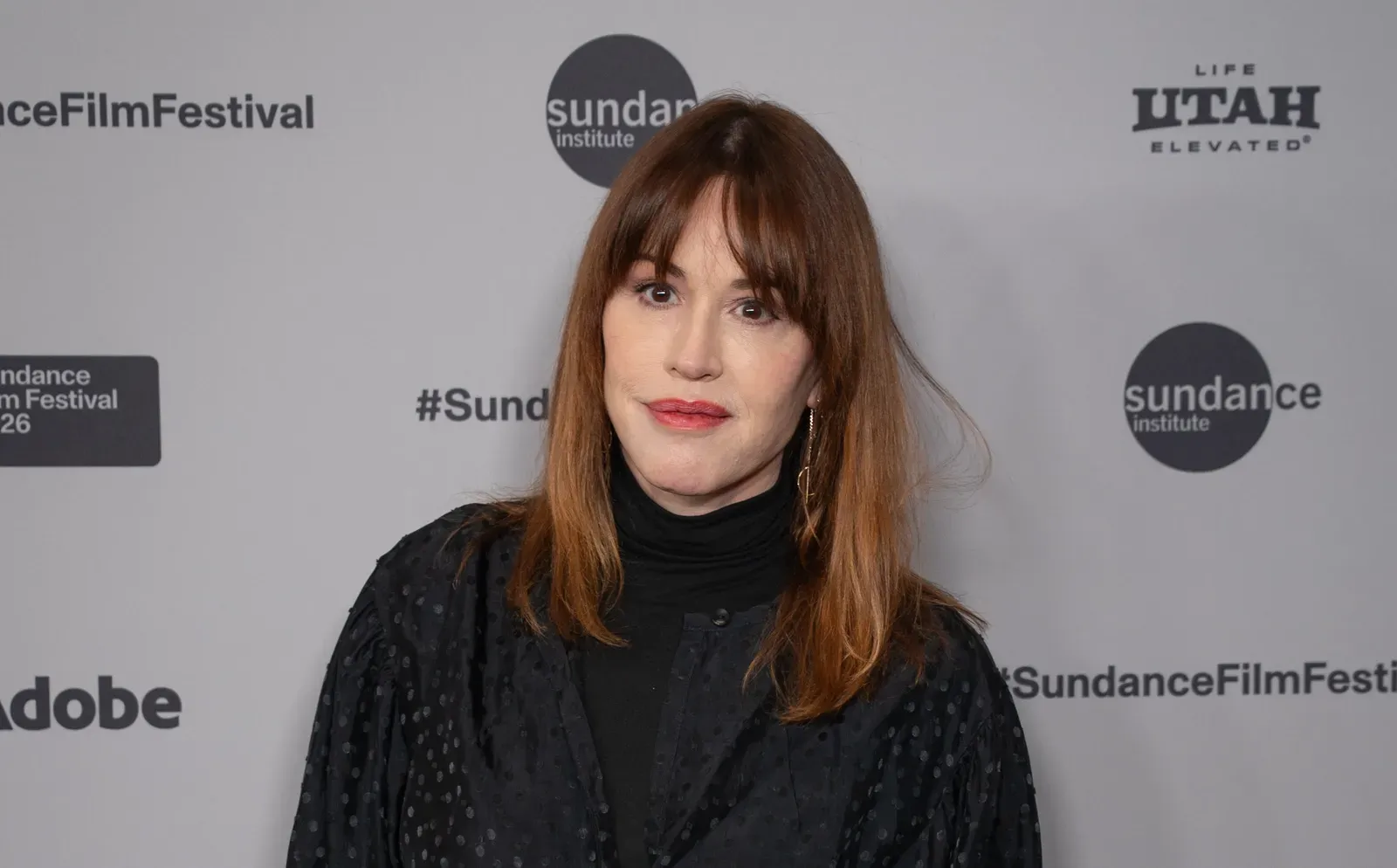
Pretty Woman began life under a much darker working title and a much bleaker ending, and several actresses considered the project before Julia Roberts. Molly Ringwald, one of the defining faces of teen cinema in the previous decade, was among those who turned the role down.
Roberts took the part after rewrites softened the story into the romantic comedy audiences eventually saw, and the film turned her into one of the biggest stars of the following decade. Ringwald has spoken since about steering her career away from certain roles during that period, and Pretty Woman is frequently mentioned as one of the more consequential choices.
La La Land: Emma Watson dropped out before Emma Stone won an Oscar

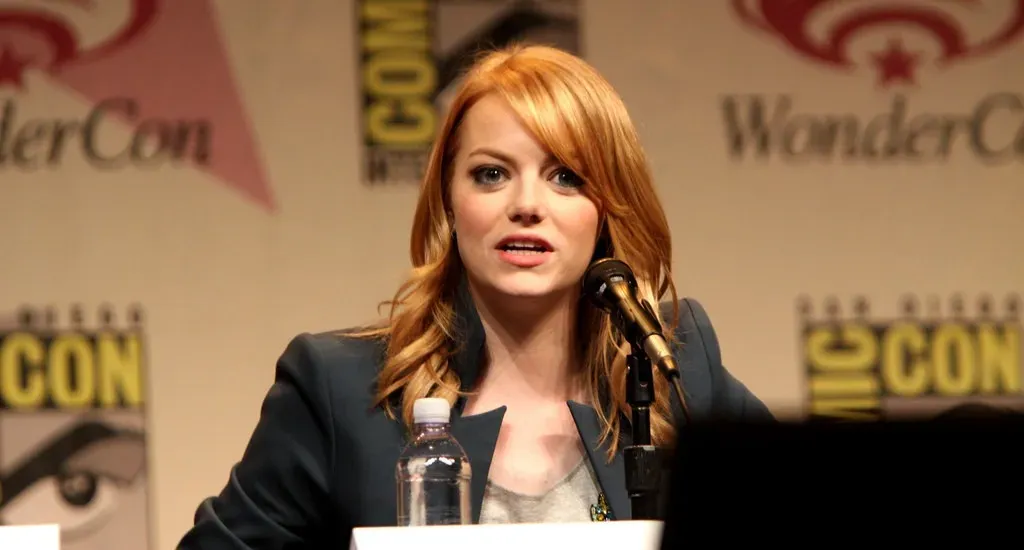
Before Emma Stone earned an Academy Award for playing Mia, Emma Watson was attached to the role in early development of La La Land. Watson’s schedule became a problem once Disney’s live action Beauty and the Beast locked its production dates, and something had to give.
Watson stepped away to honor the Beauty and the Beast commitment, opening the door for Stone to join Damien Chazelle’s musical alongside Ryan Gosling. The film went on to dominate awards season, and Stone’s performance became one of the most celebrated of her career, closing out a casting shuffle that barely made headlines at the time.
Casting decisions like these rarely feel dramatic in the moment. A scheduling conflict, a contractual clause, a director’s change of heart, and a film heads down an entirely different path than anyone expected. Looking back at these near misses is a reminder that the movies audiences know by heart were never quite as inevitable as they now appear.
Partner offer
Planning a trip to Vegas?
Compare hotel rates and show tickets on VEGAS.com.