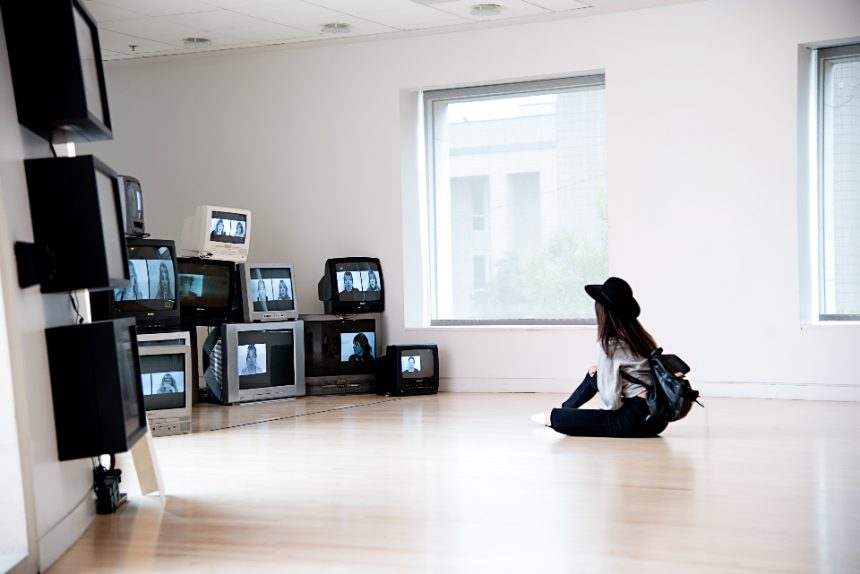
There’s something about the sound of real laughter that no laugh track can quite fake. For decades, network sitcoms relied on actual crowds packed into bleachers on a studio soundstage, reacting in real time to jokes as they happened. As streaming reshaped comedy toward quieter, single camera formats, a handful of shows stuck with the old three camera, live audience model right up until the final episode aired.
These aren’t shows that started with an audience and quietly dropped the format partway through, which happened more often than fans realize. The ten series below kept a crowd in the room from the pilot to the finale, giving each one a consistent rhythm and energy that studio audiences bring to a script.
1. The Big Bang Theory

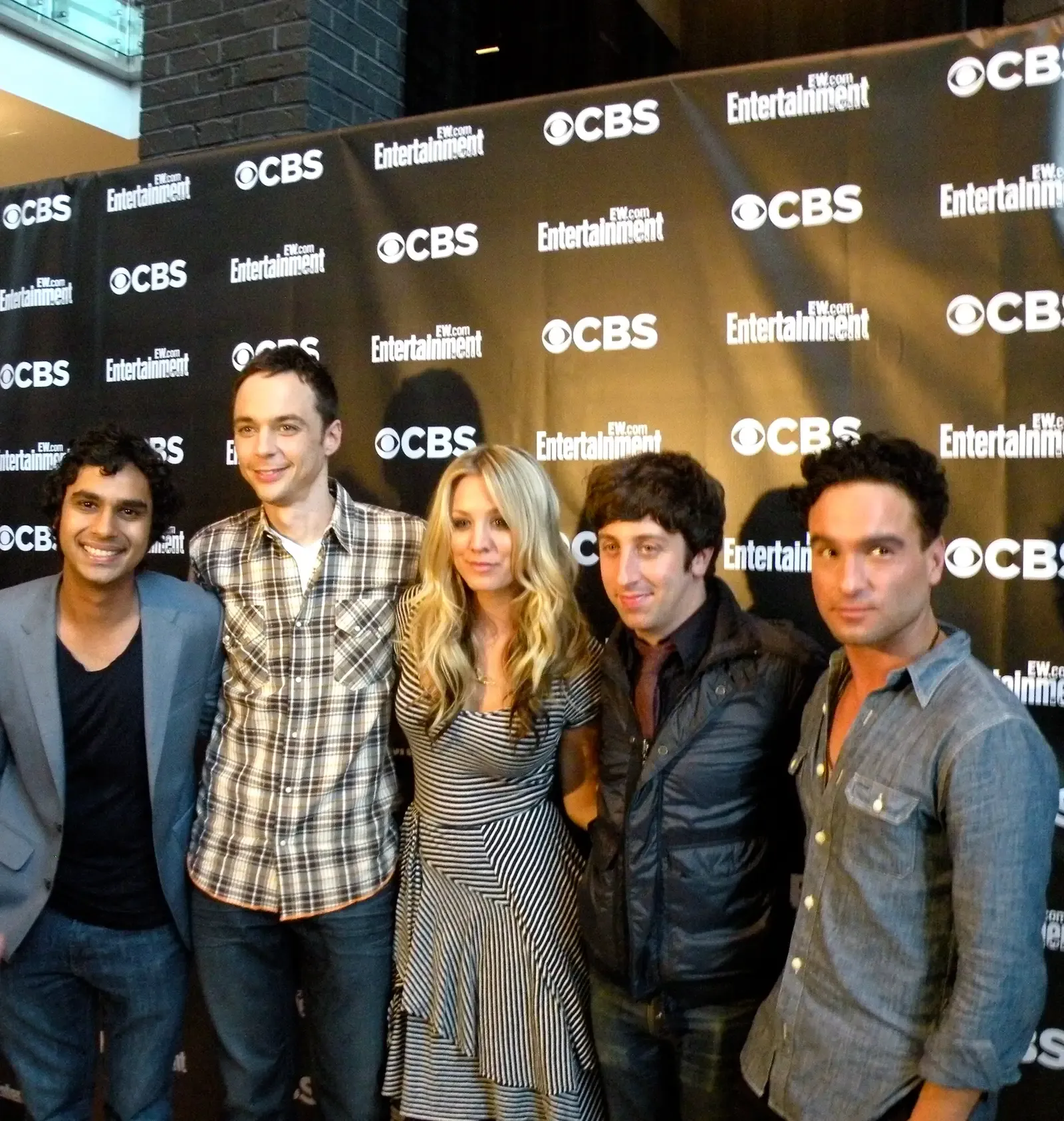
When The Big Bang Theory wrapped its twelve year run in 2019, it did so the same way it started, with a crowd of fans, friends, and family packed into the bleachers of Warner Bros’ Stage 25. The cast rehearsed an episode that hints at some upcoming transitions with barely a flub, having made 279 episodes by the time it all ended in May. The show’s connection to its live audience became something of a point of pride among the cast and crew.
Mayim Bialik, who played Amy Fowler, once gave a tour of the audience seats saying, “These are the stairs that lead to the audience that make our show what it is. We are one of the last shows to film in front of a live studio audience.” The finale itself carried extra weight because, as reported at the time, Kaley Cuoco revealed the finale episode was shot beforehand because it was too emotional for the cast, but to get that live audience experience, they ran the finale tape on the last day.
2. Cheers


Long before Big Bang Theory borrowed the tradition, Cheers set the template for the modern multi camera sitcom finale. The Boston bar comedy ran for eleven seasons on NBC, from 1982 to 1993, without ever abandoning its live audience setup. Ted Danson, Shelley Long, and later Kirstie Alley performed in front of a crowd every single taping night for over a decade.
The show’s final episode drew one of the largest audiences in American television history, a fitting sendoff for a series built on the immediacy of live reactions. Cheers proved that a bar set with a rotating cast of regulars could sustain a live studio audience format across a full decade run without losing its comedic timing or crowd energy.
3. Seinfeld

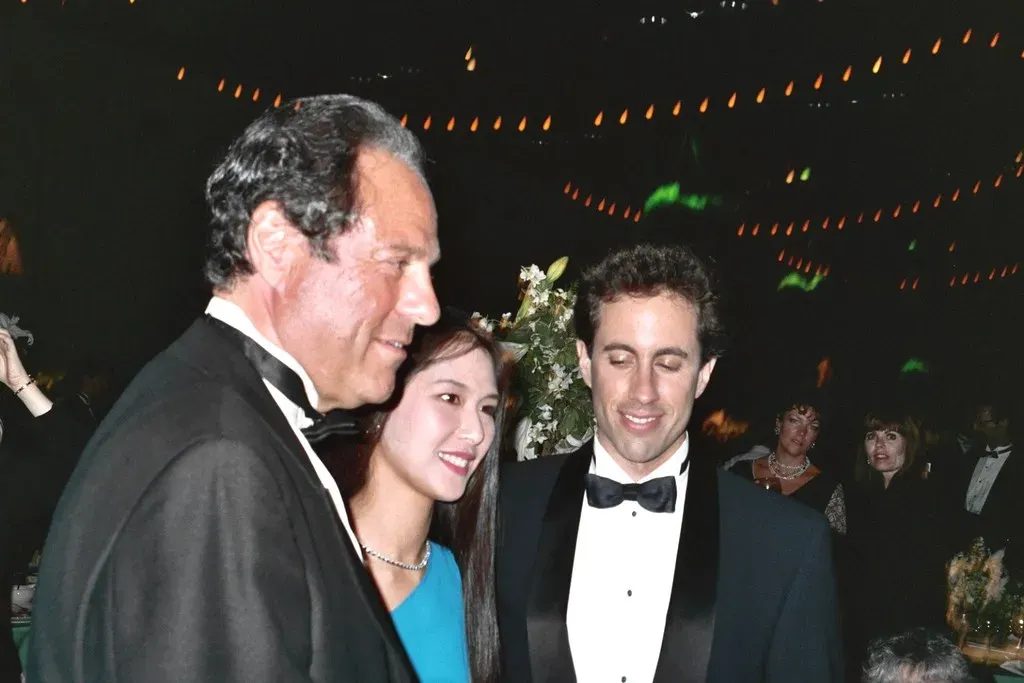
Seinfeld remains one of the most influential sitcoms of the 1990s, and it never strayed from the live audience format that defined its nine season run on NBC. The show about nothing was, in production terms, very much about the room full of people reacting to Jerry, Elaine, George, and Kramer’s misadventures. Tapings became legendary events among New York and Los Angeles television fans hoping to score tickets.
One writer recalling the era described turning down a rare chance to see one of the very last tapings, noting one of my greatest disappointments was the time I had to turn down tickets to go see one of the very last tapings of Seinfeld, after putting in for tickets months earlier but couldn’t ask for a day off right away. The finale in 1998 was filmed the same way as every other episode, in front of the same energetic crowd format the show relied on from day one.
4. Frasier (original run)

The original Frasier, which aired on NBC from 1993 to 2004, kept its live studio audience intact across all eleven seasons. Kelsey Grammer’s Frasier Crane held court in his Seattle apartment set while a crowd watched every scene unfold, laughing along at the show’s blend of highbrow wit and physical comedy. It was a Cheers spinoff that managed to outdo its predecessor’s critical reputation while sticking with the same production philosophy.
The finale, which aired in 2004, closed out the series in front of the same kind of studio crowd that had watched Frasier stumble through radio call in shows and family dinners for over a decade. It remains one of the most decorated sitcoms in Emmy history, and much of its comedic pacing depended on that audience feedback loop shaping how scenes were timed and edited.
5. Everybody Loves Raymond

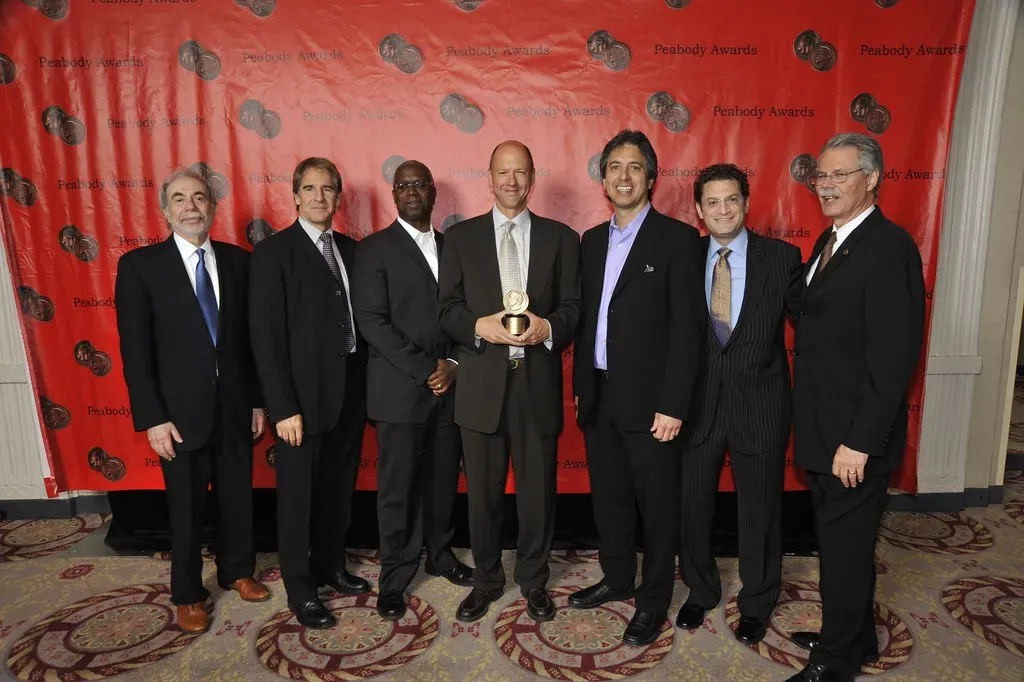
Everybody Loves Raymond ran on CBS from 1996 to 2005, and it never departed from its live audience roots. Ray Romano’s semi-autobiographical family comedy, filmed with the classic three camera setup, relied heavily on a live crowd to gauge how well its family bickering and in-law tension landed with viewers. The show became one of the most awarded sitcoms of its era, taking home multiple Emmys for writing and acting.
By the time its ninth and final season wrapped in 2005, the format hadn’t changed since the pilot. The Barone family’s dinner table arguments and Marie’s meddling played out in front of the same kind of studio audience that had been laughing along since the mid 1990s, giving the finale a sense of continuity that matched its long, steady run.
Partner offer

6. The King of Queens

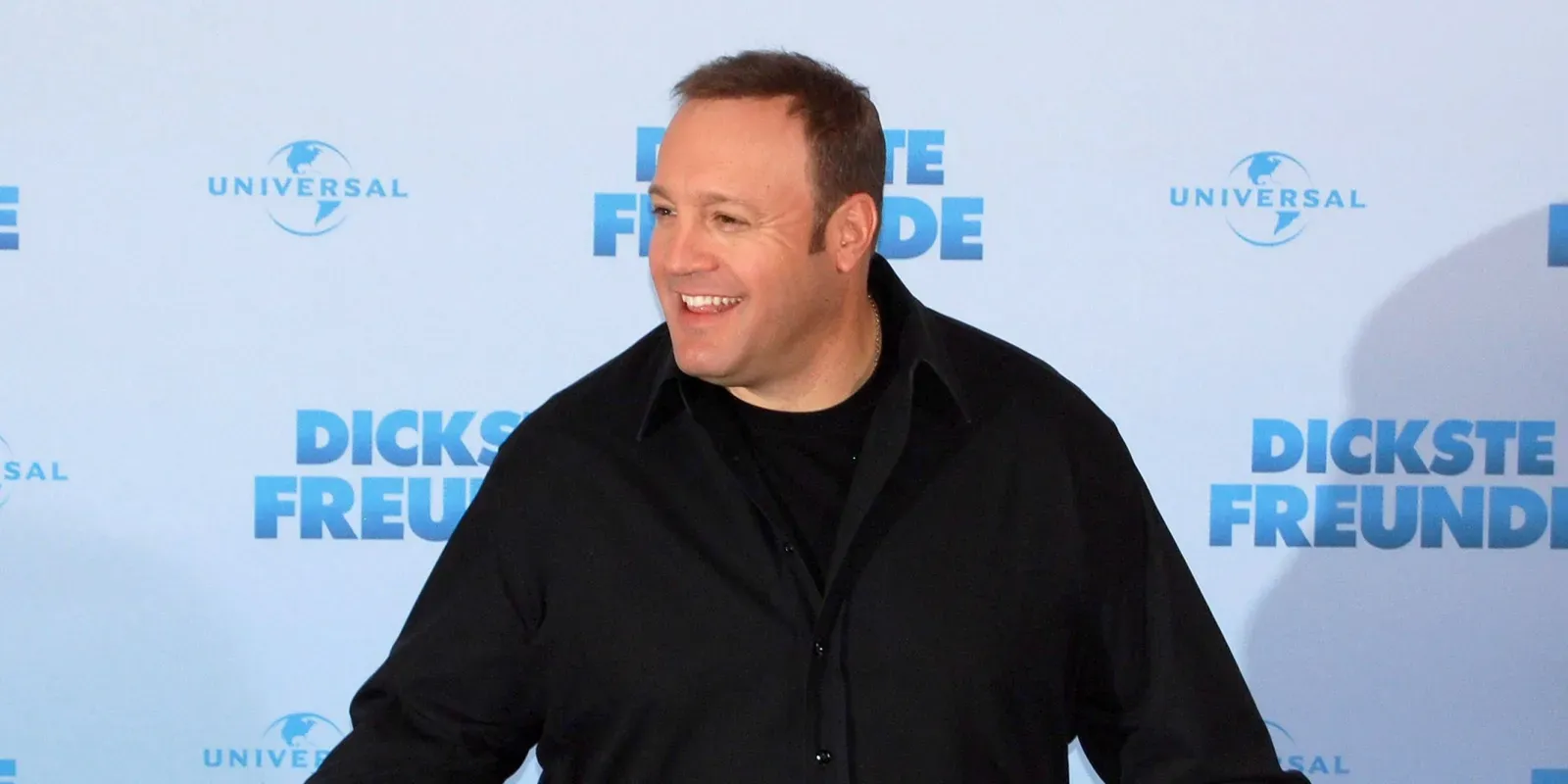
The King of Queens, starring Kevin James and Leah Remini, aired on CBS from 1998 to 2007 and stayed loyal to the live audience sitcom format for its entire nine season run. Set in a working class Queens neighborhood, the show leaned into the physical comedy and rapid fire dialogue that live audience feedback tends to reward. It never achieved the same critical acclaim as some of its CBS peers, but it built a loyal following that stuck with it through its finale.
Doug and Carrie Heffernan’s marriage comedy closed out its run in 2007 with the same crowd based production style that had defined the show from the start. The consistency in format helped the show maintain its comedic rhythm across nearly a decade on air, even as other CBS comedies experimented with different styles.
7. Two and a Half Men

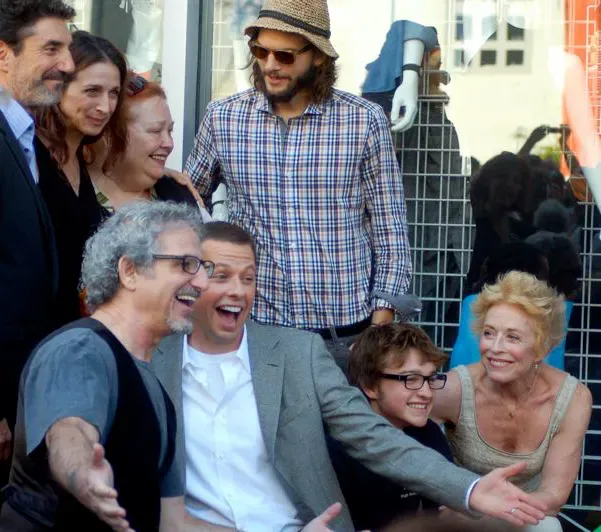
Two and a Half Men ran for twelve seasons on CBS, from 2003 to 2015, and kept its live studio audience through significant cast changes, including the departure of Charlie Sheen and the arrival of Ashton Kutcher. The show, created by Chuck Lorre, shared a production lineage with several other series on this list. Its Malibu beach house set became one of the more recognizable sitcom locations of the 2000s.
Notably, Warner Bros only has a handful of studios with a similar plaque for series that filmed there, with others named for Two and a Half Men, ER, Friends, and Ellen, a detail that speaks to how significant the show’s live audience taping legacy was considered within the studio itself. The finale in 2015 stuck with the same crowd based format the series had used since its earliest days.
8. Mike & Molly

Mike & Molly, another Chuck Lorre production, ran on CBS from 2010 to 2016 and never deviated from its live studio audience roots across all six seasons. Starring Billy Gardell and Melissa McCarthy, the show followed a Chicago police officer and a schoolteacher who meet at an Overeaters Anonymous meeting. Its comedic tone leaned on the same crowd reaction dependent pacing common to Lorre’s other multi camera shows.
The series wrapped in 2016 following McCarthy’s departure to focus on her film career, but the production format remained unchanged right through the final taping. Like its CBS sibling shows, Mike & Molly relied on the studio audience’s real time laughter to shape comedic timing in the editing room.
9. Mom
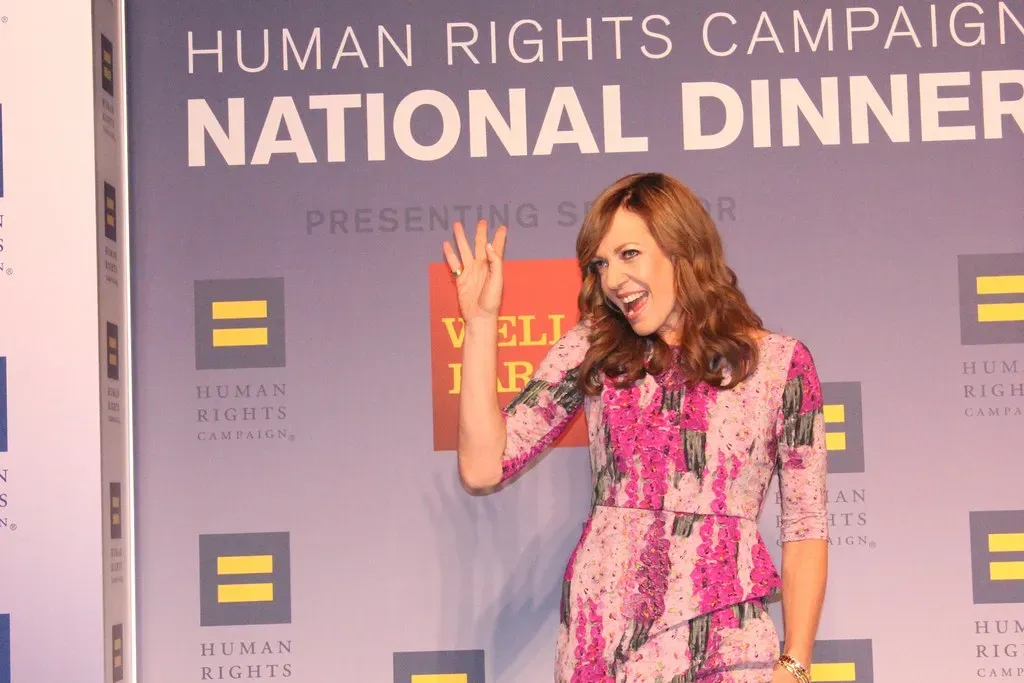
Mom aired on CBS from 2013 to 2021, and its eight season run maintained the live studio audience format throughout, even as production became more complicated during the pandemic. The series aired for eight seasons on CBS from September 23, 2013, to May 13, 2021, with the series finale airing on that date. The show, led by Allison Janney and later without original co-star Anna Faris, tackled addiction and recovery storylines while still filming with a crowd in the room.
The eighth and final season proved especially challenging because, as one report noted at the time, the series is filmed in front of a live studio audience, which presented a huge obstacle for production in the midst of a pandemic, delaying the season’s premiere from September 2020 to November. Despite those hurdles, the finale kept the same live audience format the show had used since 2013, closing out its run the way it began.
10. The Conners

The Conners, the continuation of the Roseanne revival that launched in 2018 after Roseanne Barr’s departure from the franchise, has kept its live studio audience format across its multi season run on ABC. Starring John Goodman, Laurie Metcalf, and Sara Gilbert, the show carries forward the working class Illinois family sitcom tradition that Roseanne originally established back in the late 1980s. It remains one of the few network sitcoms still committed to the classic multi camera, live audience approach heading into its later seasons.
As of the show’s most recent seasons, ABC has continued to air The Conners with its studio audience intact, making it one of the last holdouts of a production style that once dominated primetime comedy. Whether the series concludes in its currently airing season or is extended further, its commitment to the live audience format has remained a defining and consistent feature of its run.
Taken together, these ten shows represent a fading but resilient tradition in American television comedy. The live studio audience format demands a different kind of performance, one built on timing, energy, and the unpredictability of real people reacting in the room. As more networks lean toward single camera, audience free comedies, the shows that kept a crowd laughing along until their very last episode stand as a reminder of how much that format shaped the rhythm of American sitcoms for generations.
Partner offer
Planning a trip to Vegas?
Compare hotel rates and show tickets on VEGAS.com.