
Music is one of the oldest forms of human connection we have. It crosses borders, language barriers, and time itself. Yet what most people don’t fully appreciate is that certain songs have done something far more extraordinary than top the charts or win a Grammy. They have pulled people back from the very edge.
These are not metaphors. These are documented, verified, real-world moments where a three-minute song changed everything for someone. Some of them are backed by peer-reviewed research. Others are woven into thousands of personal testimonies shared by real people in the darkest moments of their lives. Be prepared to see music in a completely different light. Let’s dive in.
1. “1-800-273-8255” by Logic ft. Alessia Cara and Khalid
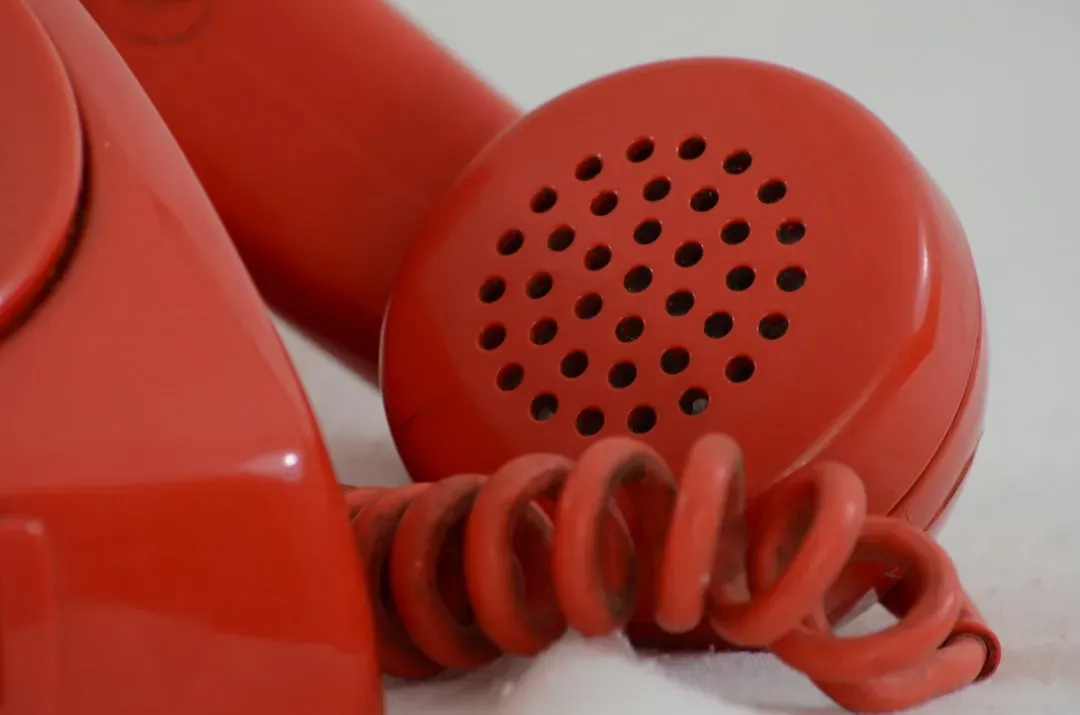
This is probably the most scientifically documented case of a song literally saving lives in modern music history. In 2017, rapper Logic named a song after the National Suicide Prevention Lifeline phone number: “1-800-273-8255.” The song was a hit, detailing a conversation between its subject and an operator on a hotline, and it cracked the Top 3 of the Billboard Hot 100.
When Logic sang the song on MTV’s Video Music Awards in 2017, calls to that number soared by 50% after the performance, according to the Lifeline. That’s not a small ripple. That’s a wave. During the 34 days of highest public attention around the song, the Lifeline received an additional 9,915 calls over the expected number, and researchers found a reduction of 245 suicides below the expected number.
A formal conclusion published in the BMJ stated that Logic’s song was associated with a large increase in calls to the Lifeline, and a reduction in suicides was observed in the periods with the most social media discourse about the song. One of those real people was Josh Dominguez of California. A longtime fan of Logic, Dominguez listened to the song shortly after its release in April 2017, when he was dealing with a recent breakup and the emotions of graduating from high school. “I felt like I was at my lowest point, and it led me to call the number because I felt so lost,” he said. Speaking to one of the call operators was therapeutic, and years later, he wrote a note to Logic telling him that his music saved his life.
2. “Not Afraid” by Eminem
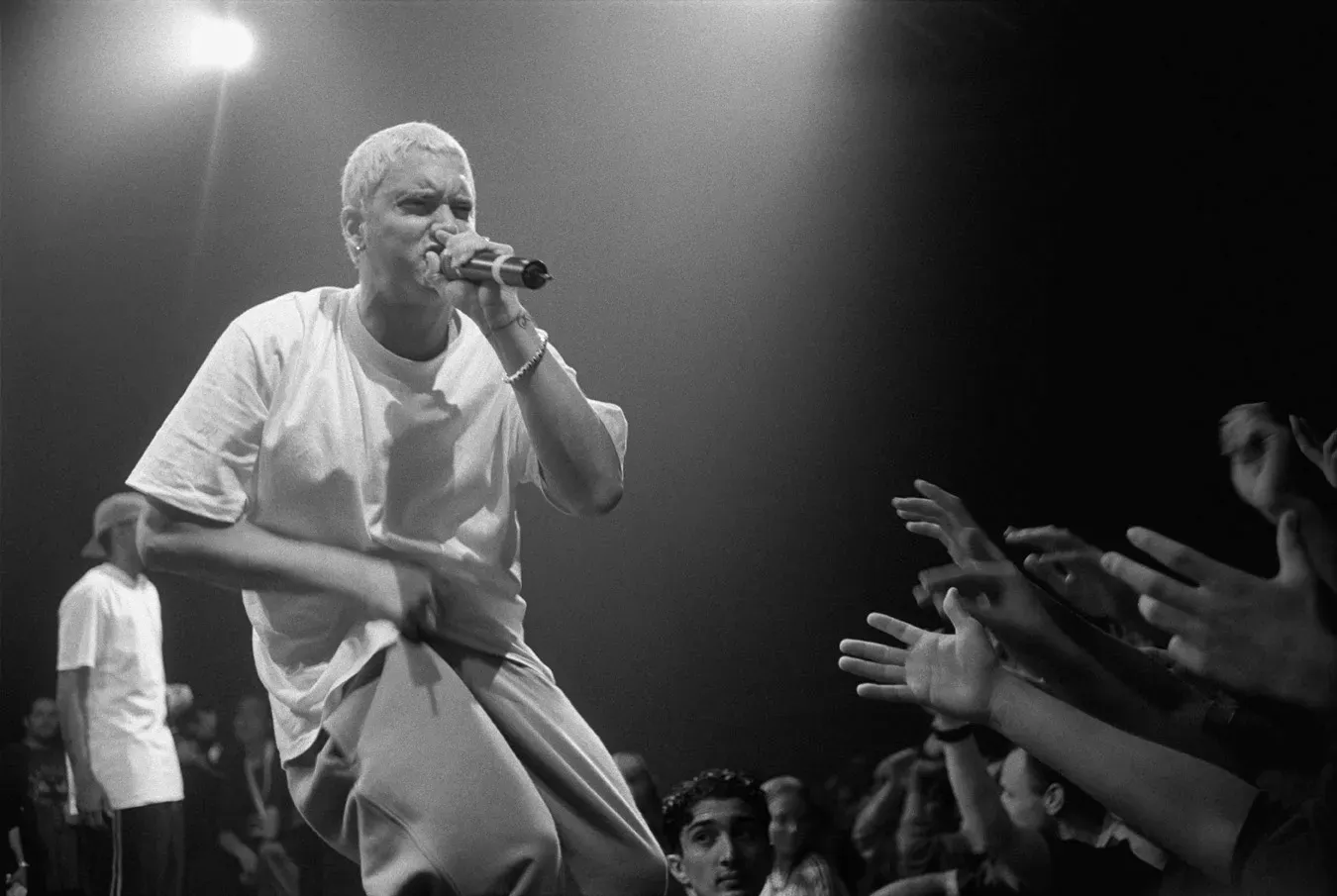
Eminem’s personal story of survival is inseparable from this track. In 2007, Eminem nearly died from a methadone overdose, swallowing a handful of pills he had scored from an acquaintance without even knowing what they were. He survived, but the road back was long and brutal.
Between the profanity and catchy choruses, Eminem used his “Recovery” album to set the stage for a new him, verbalizing the era of a recovering addict who found solace, motivation, and confidence from sobriety. The song “Not Afraid” became the rallying cry for that transformation. Its first single, “Not Afraid,” was released on April 29, 2010, and debuted atop the Billboard Hot 100.
As a celebrity and artist, Eminem has helped fans all over the world connect to his messages and stories of abuse, addiction, violence, and more. His experiences are real, and he’s had ups and downs in terms of recovery. Countless fans have documented in forums and social media posts how hearing a fellow human being, however famous, admit to fear, pain, and the desire to keep fighting gave them permission to do the same. Honestly, that kind of permission can be everything.
3. “Everybody Hurts” by R.E.M.

Released in 1993, this song has had an almost miraculous staying power when it comes to mental health awareness and suicide prevention. R.E.M.’s “Everybody Hurts” was written to comfort those on the edge, with a gentle melody and Michael Stipe’s reassuring voice offering solace to anyone struggling with overwhelming sadness.
The song can resonate deeply with young people who have suicidal thoughts. In 2001, the Nevada legislature formally commended R.E.M. for encouraging teen suicide prevention with this song. That’s a state government recognizing a rock track for saving young lives. Let that sink in for a moment.
The song is often recommended by therapists as a reminder that pain is universal and temporary. People facing loss, depression, or anxiety have found comfort in its message, and its lyrics encourage reaching out for support, a theme that has saved lives according to fan testimonials. “Everybody Hurts” is frequently included in suicide prevention campaigns. For a song now over three decades old, that longevity is remarkable.
4. “Fix You” by Coldplay

There’s a reason this song shows up at funerals, in hospital waiting rooms, and in the most desperate late-night Google searches for comfort. Coldplay’s “Fix You” has become a global anthem for those wrestling with grief, depression, or loss. Its gentle melody and Chris Martin’s soothing vocals have a magical way of providing comfort when words fail, and fans often share deeply personal stories of listening to this song during hospital stays, funerals, or times of heartbreak.
In mental health forums and support groups, “Fix You” is repeatedly recommended as a song that helps people hold on. Its legacy is not just in chart success, but in the countless lives it has touched, offering solace when nothing else could. Think of it like a musical first-aid kit that fits inside a pair of earbuds.
Members of The Mighty’s mental health community have been especially vocal about this song’s power. One community member wrote about “Fix You” by Coldplay: “Makes me cry every time thinking about the loss of my family member. But also it feels like a light at the end of the tunnel song for me as a survivor.” That phrase, “a light at the end of the tunnel,” keeps coming up around this song no matter where you look.
5. “Lullaby” by Nickelback

Nickelback gets a lot of jokes thrown their way. Here’s the thing, though: this song is deadly serious and has carried real people through real darkness. Nickelback’s “Lullaby” was inspired when singer Chad Kroeger and his brother witnessed their babysitter crying her eyes out after finding out her boyfriend had died. The song starts by relating to someone who feels like they want to jump off the ledge, and Kroeger says he has been in that person’s shoes before, reaching out to tell them they are not alone.
The message embedded in the song is that it can get better, it does get better, and there is always a reason to give life a chance. The singer relates to feelings of despair and reminds listeners they are not alone, nudging them to remember that there are people who care. That simple, direct message has resonated with thousands who needed to hear it most.
Stories from listeners battling depression and suicidal ideation consistently reference this song as a soundtrack to their decision to seek help. It may not be the coolest song on this list, but in terms of raw emotional impact on vulnerable people, it holds its own. Sometimes the most ordinary-sounding song does the most extraordinary work.
6. “You Will Be Found” from Dear Evan Hansen
A song from a Broadway musical might seem like an unlikely addition to a list like this, but the reach of this number far exceeded the theatre walls. The musical “Dear Evan Hansen” begins with a character ending his own life, and “You Will Be Found” is sung as a tribute, sending the message of hope and repeatedly reminding listeners that “you are not alone.”
The song starts off asking if you feel invisible and whether anyone would notice if you disappeared. It responds with the assurance that if you feel like you cannot get up, someone will help you up, and that if the world feels dark, eventually you will be found. Every day is a new day, and there is always hope when the journey grows dark.
When the film adaptation arrived in 2021, this song cascaded across social media platforms and was widely shared among teenagers, particularly those dealing with isolation during the pandemic years. I think what makes it so powerful is that it asks the exact question that suicidal people are silently asking, and then answers it honestly. It does not minimize the pain. It simply refuses to let it have the final word.
7. “Hold the Hope” – A Song Born from Crisis Support

This is a less famous entry on this list, but perhaps the most quietly powerful. When Jo Lambert first found out that a loved one was feeling suicidal, she had no idea what to do. She felt out of her depth, powerless, and completely ill-equipped to help. She was so panicked by the fear of grief that it prevented her from giving her loved one what they actually needed.
A couple of years later, Lambert cofounded a project alongside others with lived experience of suicidality. The group wanted to make a short educational film about preventing suicide, informed by their collective experiences, and Lambert wrote a poem she called “Hold the Hope,” using it to narrate the film. Eventually, she had the poem set to music. She recruited a group of volunteers, students, health care workers, and people with lived experience to record the song together.
Lambert now works for the UK’s National Health Service Trust in southwest London, coordinating suicide prevention awareness training for schools, health care settings, and first responders. Her song is now being used in those training sessions, changing not just individual lives but institutional practices around crisis care. Featuring those lived experiences in the song, researchers say, is a reminder that with the right help, people can and do choose life despite feeling suicidal.
8. Songs by the U.S. Army’s “Preventing Moral Injury” Initiative
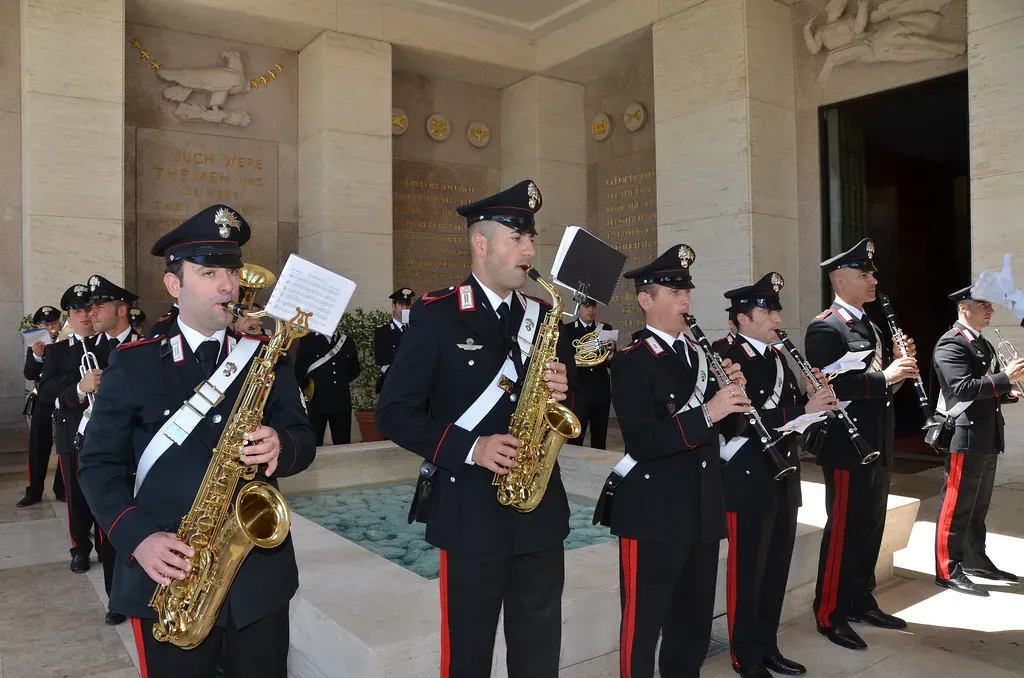
Here’s a story that most people outside military communities have never heard. U.S. Army Sergeant First Class Todd Freeman was inspired to write a seven-part music series that shares a complex and deeply human story about soldiers’ mental health struggles. The songs chart an emotional journey from despair to hope, from isolation to connection and help-seeking, and from vulnerability to renewal. The lyrics are based on interviews with battle buddies who have post-traumatic stress and sought therapy.
After he lost a friend to suicide at a young age, Freeman made it his mission to support suicide prevention program initiatives as a songwriter, vowing to help people struggling through hardship. His shift from supporting the Army band to the Suicide Prevention Program helped him fulfill that goal.
The songs highlight the incredible resilience of Army community members to thrive and grow through challenges. The Army’s evidence-based policies and programs to prevent and respond to suicide are being integrated year-round, and novel initiatives like this music series can reduce stigma and encourage help-seeking. It’s hard not to be moved by the image of soldiers writing songs to keep each other alive. That’s a kind of courage that often goes unsung, quite literally.
9. “Fight Song” by Rachel Platten

In the mid-2010s, this song became the unofficial anthem for people fighting battles that had nothing to do with sports. Rachel Platten’s “Fight Song” became a personal anthem for people undergoing cancer treatment and other tough recoveries, with its uplifting message and soaring chorus pushing listeners to keep fighting no matter the odds.
Hospitals, oncology wards, and rehabilitation centers across the U.S. and UK began reporting that patients were requesting the song during treatment. It became a kind of shared rally cry. People going through chemotherapy listened to it before entering infusion rooms. Veterans in recovery played it on repeat. The song became a container for the kind of defiant hope that is genuinely hard to find anywhere else.
Music has been clinically shown to have a positive impact on mental health, and the right song can affect our psychobiological stress system and create feelings of motivation, happiness, and relaxation. “Fight Song” seems almost designed to do exactly that. It is short, direct, and relentlessly optimistic in a way that never tips over into being naive or hollow.
10. “Songs That Saved My Life” – A Collective Movement
This final entry is not just one song. It’s a movement that proves the concept behind this entire article is not just anecdotal. Songs That Saved My Life is a compilation album by American record label Hopeless Records, in partnership with Sub City Records. The album contains various studio covers from post-hardcore, pop punk, and alternative rock bands made in honor of suicide prevention.
The album features bands covering songs that helped them through a difficult time in their lives, in the hopes that these versions would help those who also struggle find a voice and speak out. A portion of the proceeds went to many charities that focus on suicide prevention and mental health.
Songs That Saved My Life is a project built around impactful music that has played an important role in the lives of both artists and fans, while supporting mental health and suicide prevention charities. What makes this entry so important is that it proves the saving power of music is not limited to a single song or a single artist. Being suicidal can be one of the most isolating experiences a person goes through, and what kind of support a person receives during this time is critical. While in this dark space, some people turn to music, whether as a temporary distraction, or to give them something to hold onto.
Conclusion

It would be easy to dismiss all of this as coincidence or sentiment. But the research does not allow for that dismissal. A peer-reviewed analysis in the British Medical Journal suggests that Logic’s song alone was associated with a noticeable increase in calls to the Lifeline and a simultaneous small reduction in suicides, highlighting the potential population health benefits of creative media that promotes stories of help-seeking.
Music cannot replace therapy, medication, or human connection. The aftermath of grief and crisis is complex and different for each individual experiencing it. While music cannot cure the pain, for many individuals it can be a comfort, and sometimes songs can meet us right where we are in our struggle and give us hope for the future.
That, right there, is the whole point. A song does not have to fix everything. It just has to hold you long enough for something else to reach you. And sometimes, that is the most powerful thing in the world. Which song has ever pulled you back when you needed it most?
If you or someone you know is struggling, please reach out to the 988 Suicide and Crisis Lifeline by calling or texting 988 (U.S.). Help is available 24 hours a day, seven days a week.