There’s a quiet social contract that comes with buying a movie ticket. You’re not just paying for a seat and a screen – you’re entering a shared space with strangers who all came for the same reason: to get lost in a story for a couple of hours. Most people understand this intuitively, even if they’d struggle to put it into words.
Cinema etiquette is essentially a set of social norms observed by patrons of a movie theater, covering a wide variety of potential distractions – from cell phone usage and talking to the rustling of food packaging and the behavior of children in the audience. What’s changed in recent years is how often those norms get ignored. Here are ten things that genuinely considerate moviegoers simply don’t do.
1. Use Their Phone During the Film

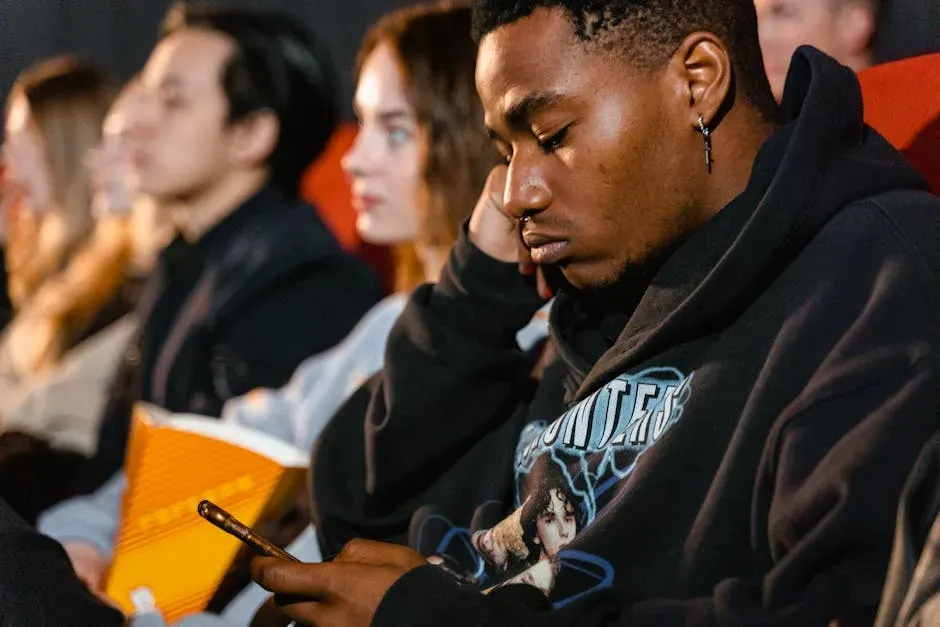
Americans are more likely than the international average to consider phone use during a movie unacceptable, with roughly two thirds of U.S. respondents calling it an unacceptable behavior. The frustration is widespread and well-documented. Phone use in theaters has been a growing issue since pandemic restrictions were lifted, with some researchers believing the behavior stems from years of interacting primarily through social media, which has led users to prioritize capturing content instead of living in the moment.
Taking a phone out and posting a picture from the theater takes away from the shared experience of watching a movie together, with researchers noting that phones are “impacting behavior etiquette, including becoming a distraction, violating boundaries in shared spaces.” Even a brief screen glow is enough to yank nearby viewers out of the story entirely. Polite moviegoers know this, and they keep their phones tucked away from the moment the lights go down.
2. Talk or Whisper Constantly Throughout the Movie


A 2024 YouGov survey found overwhelming agreement among Americans that loud talking during a film is simply unacceptable. It seems obvious, yet it remains one of the most common complaints from regular theatergoers. The problem isn’t just volume – even persistent low-level whispering pulls people’s attention away from dialogue they’re actively trying to follow.
For those who returned to theaters after the pandemic, the effects of extended streaming habits have become apparent: some people act like they’re still sitting in their living rooms when they’re at the theater. Commenting on scenes, predicting plot twists aloud, and narrating the action for a companion all fall into the same category. A genuinely considerate moviegoer saves the commentary for the parking lot.
3. Arrive Late and Disrupt the Entire Row

Arriving on time is a basic courtesy – nobody wants to be that person brushing past people to get to their seat ten minutes into the film. Late arrivals force entire rows to shift, stand, and lose focus at precisely the moment the story is getting started. It’s one of those disruptions that feels minor to the person causing it and significant to everyone already seated.
Polite moviegoers plan ahead. They account for parking, ticket lines, and snack queues before the feature begins. Most Americans favor theaters implementing rules to curb disruptive behaviors, though a policy specifically barring late arrivals is considered more divisive than phone or talking restrictions. Still, the considerate choice is clear: if you’re running late, slip in quietly and take the nearest available seat rather than climbing over a dozen people to reach your preferred spot.
4. Leave Their Trash Behind

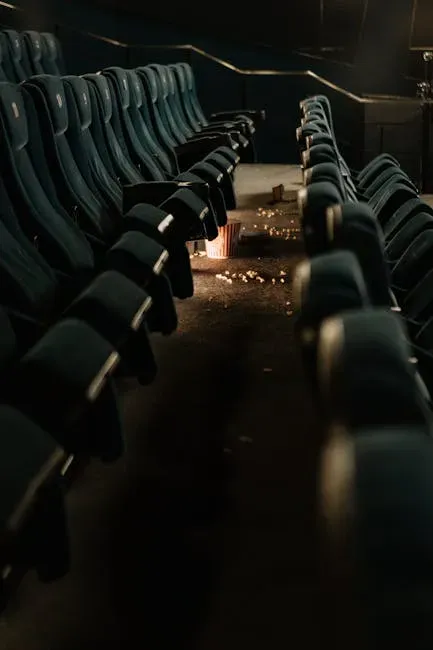
Among the most widely disliked movie theater behaviors, each voted down by at least four out of five Americans, are talking or video chatting, leaving trash when exiting, spoiling plot points, putting feet on the seat in front, and bringing a dog that is not a service animal. Leaving popcorn buckets, drink cups, and candy wrappers on the floor or in the seat cup holders is a habit that directly affects cleaning crews on tight schedules.
Although there are clean-up crews who come in after every movie to tidy up, they have limited time to get the theater ready for the next showing. A respectful patron gathers their trash and drops it in a bin on the way out. It takes about fifteen extra seconds and makes a real difference for the staff and for the next audience filing in immediately after.
5. Photograph or Record the Screen
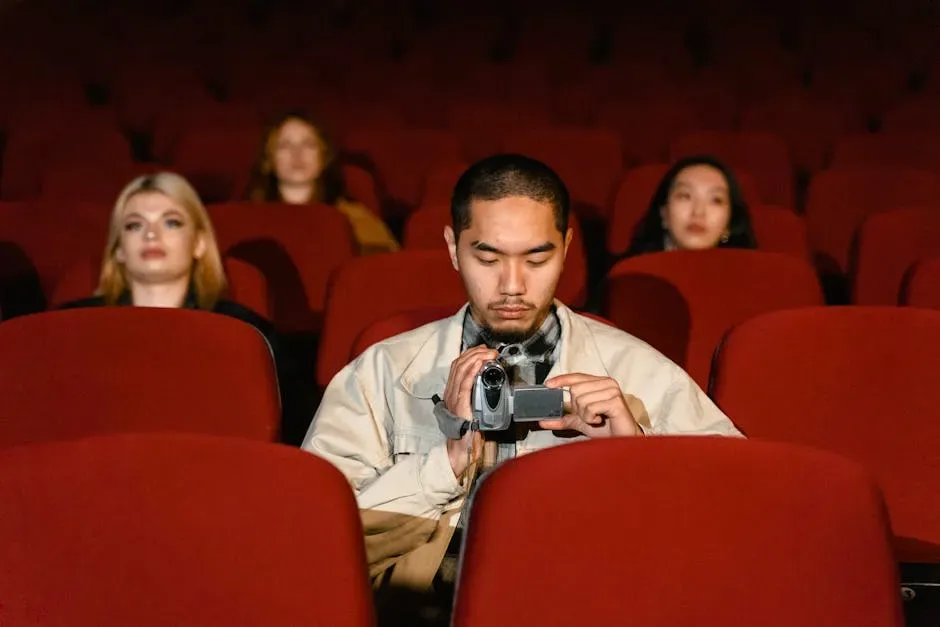
Phone use at the movies became a particularly visible problem during the release of “Wicked” in 2024, when fans of the film were taking pictures during the screening and posting them across social media. Beyond being disruptive to fellow audience members, recording film content in a theater is actually illegal in many countries, including the United States, under anti-piracy laws. The glowing screen and raised arm of a recording phone are among the most jarring interruptions a seated audience can experience.
What made the situation worse was that those who asked picture-takers to simply stop were often met with haughty disregard, reflecting a broader pattern of people seemingly forgetting that when they patronize an establishment, they’re agreeing to follow its policies and rules. A polite moviegoer understands that the memory of a great film lives in the experience of watching it fully, not in a blurry screenshot shared online.
6. Spoil the Plot for Others
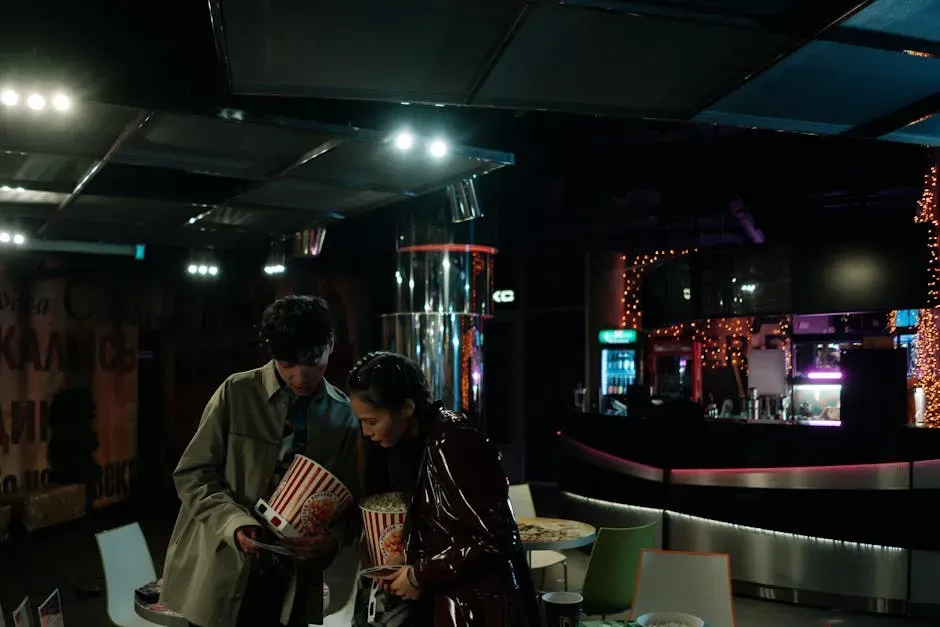
YouGov’s 2024 survey found that while Americans hold mixed opinions on various theater behaviors, there is overwhelming agreement that spoiling plot points is unacceptable. This applies both during the film and immediately after, when conversations in the lobby can reach people who are just arriving for the next showing. Casually revealing key plot details on the way out – even with excitement – is a rude habit, since there will always be people nearby who are headed to that same movie or planning to see it soon.
The unwritten rule is simple: keep your reactions to yourself until you’re well clear of the building. Enthusiastic post-film discussion is one of the great pleasures of moviegoing, but that conversation belongs outside, not in the corridors or lobby where the next wave of audience members is passing through. Considerate people wait.
7. Put Their Feet on the Seat in Front of Them
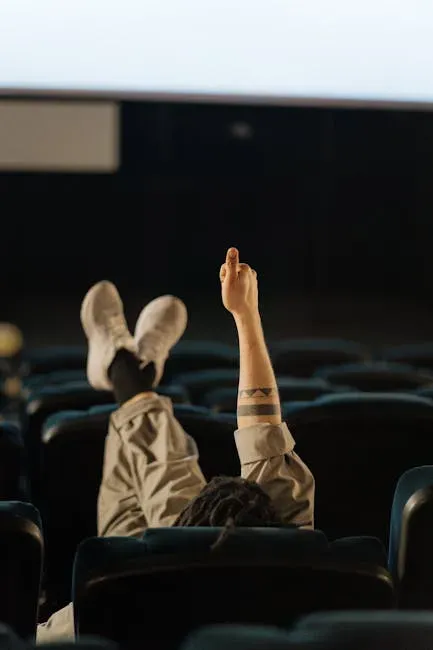
Putting feet on the seat in front is consistently ranked among the most disliked behaviors by the vast majority of Americans surveyed on theater etiquette. It’s a habit that might feel harmless from the perspective of the person doing it, but it physically intrudes into another patron’s space – pushing forward on their seat back, potentially making it uncomfortable to sit, and showing a general disregard for the shared environment.
The theater seat is not a recliner at home. Polite moviegoers keep their feet on the floor and their legs in their own personal footprint. This is especially important in crowded showings, where every inch of personal space matters more and any physical contact with someone else’s seat is immediately noticeable. It costs nothing to simply sit up straight.
8. Bring Disruptively Loud Snacks and Open Packaging Slowly

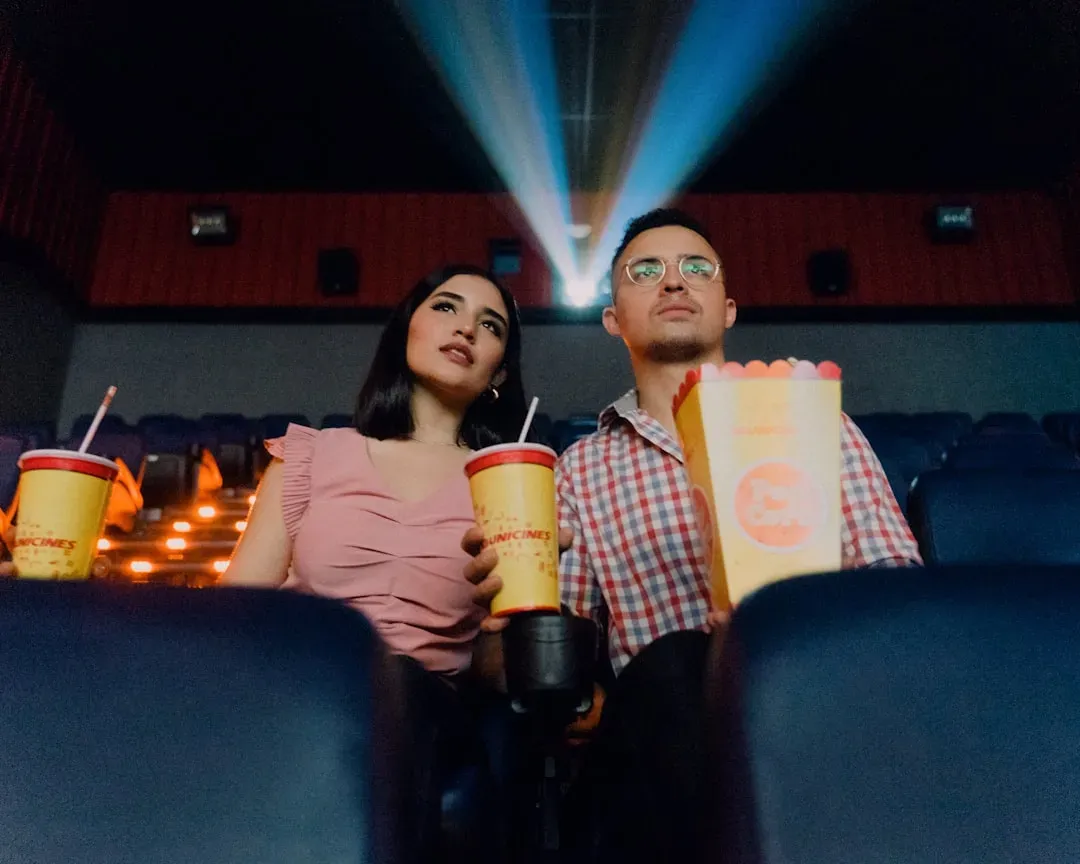
The rustling of food packaging is specifically recognized as one of the distractions that can hinder other patrons’ enjoyment of a film. There’s a meaningful difference between quietly enjoying popcorn or candy and aggressively crinkling a chip bag or tearing open packaging for several long seconds during a quiet, tense scene. The acoustic environment of a darkened theater amplifies noise in ways that a living room simply doesn’t.
Polite moviegoers make a point of opening their snacks before the film begins or during the louder moments of the movie. They choose quieter options when they can and handle wrappers with care when they can’t. From noisy snackers to glowing phone screens, the actions of fellow moviegoers elicit strong opinions from Americans visiting theaters – and the snack crinkle, minor as it seems, is a recurring sore point for a reason.
9. Take Phone Calls Without Stepping Out

Roughly one third of survey respondents in a 2024 study admitted to answering the phone in a movie theater, with men being more likely than women to have done so. Taking a call inside the auditorium is a significant step beyond simply having the screen light up. It introduces a one-sided conversation into a shared silent space, forcing everyone within earshot to listen to something they didn’t come to hear.
The polite move, when a call truly can’t wait, is to step quickly into the hallway and handle it there. About two thirds of moviegoers say they always use silent mode in the theater, which is the sensible baseline. Genuinely considerate patrons go further and set their phones to do-not-disturb before the previews even begin, rather than scrambling to silence a ringing phone mid-scene.
10. Sing Along, Commentate, or Otherwise Perform for the Room

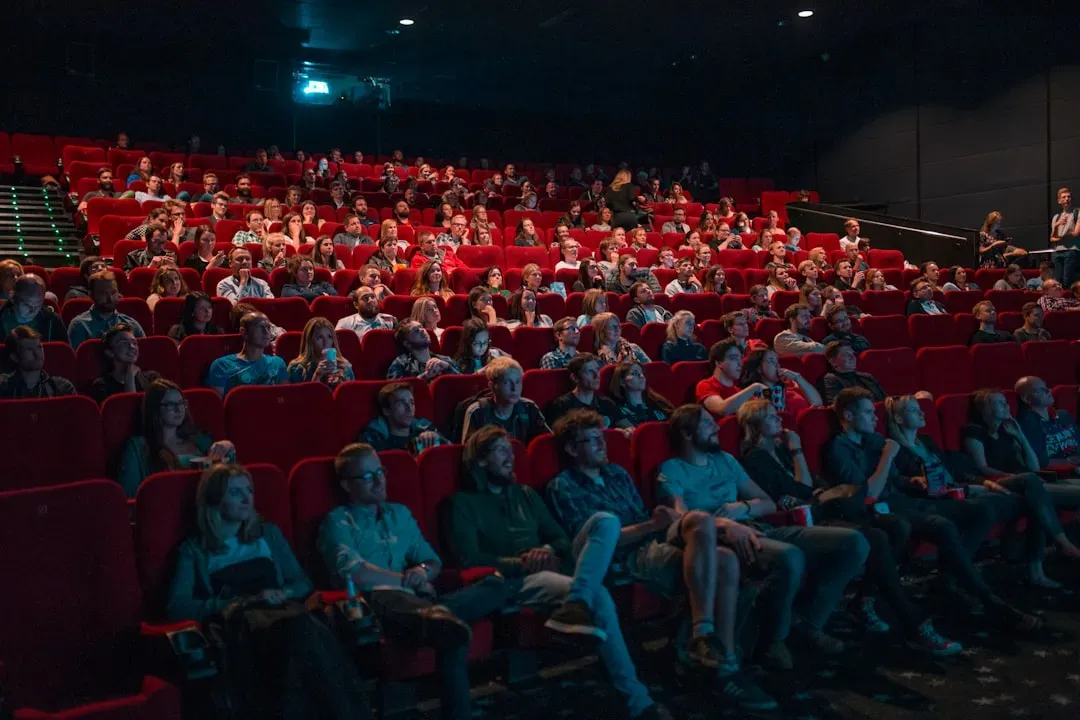
A notable etiquette debate emerged in 2024 around whether it was appropriate for patrons to sing along to popular songs in musicals, with a number of cinemas issuing warnings to viewers of “Wicked” not to sing during screenings on the grounds that it disrupted the experience for other patrons. The issue extended beyond musicals too. Enthusiastic audience members who commentate on action scenes, react loudly to every twist, or essentially narrate the film for the row around them shift the experience from communal to uncomfortable.
A survey of cinemagoers found that roughly two thirds of respondents could recall objecting to another patron’s poor etiquette but had not spoken up for fear of causing a scene, while the vast majority of those polled favored the adoption of an official cinema code of conduct. The irony is that truly enthusiastic film lovers tend to be among the most disciplined audiences, because they understand what’s at stake. Genuine appreciation for cinema means protecting the experience for everyone in the room, not just expressing your own feelings about it out loud.
Movie theaters occupy a rare place in public life – they’re communal without being social, shared without requiring interaction. The rules that govern them aren’t arbitrary. They exist because a group of strangers choosing to be present in the same dark room, focused on the same story, creates something genuinely worth protecting. The ten behaviors above aren’t just pet peeves. They’re the difference between a movie that stays with you and one you barely remember because the night around it was so distracting. Polite moviegoers know which experience they’re there to have, and they make sure everyone else gets to have it too.