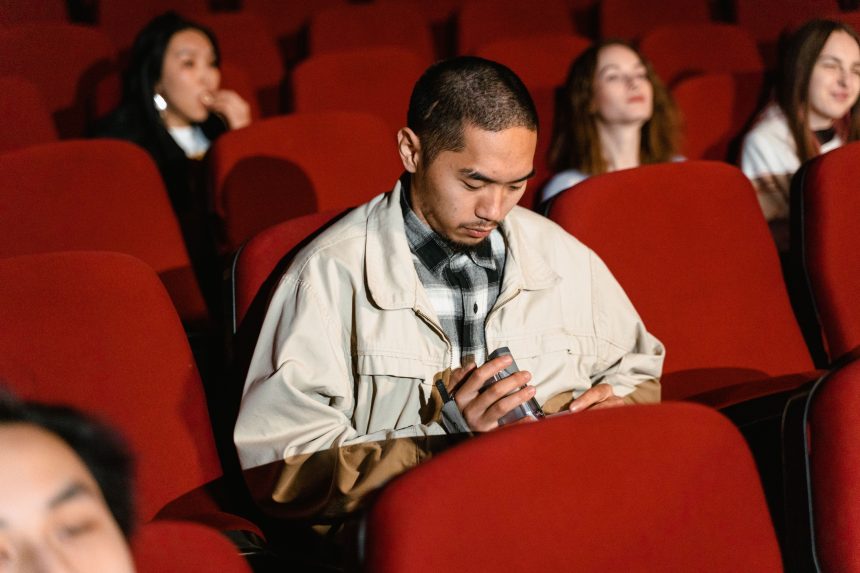
Going to the movies used to feel like a pretty simple social contract. You buy a ticket, find a seat, and stay quiet until the credits roll. Lately, though, that contract seems to get renegotiated every time the lights go down, and the people who spend years working on a film are noticing the shift just as much as everyone else sitting in the dark.
Actors rarely get to watch their own movies the way regular audiences do, but when they slip into a back row screening or attend a premiere, they see the same behavior the rest of us complain about online. Some of it is harmless. Some of it, according to the people who make these films, chips away at the very experience they spent months building.
1. Talking through the quiet scenes

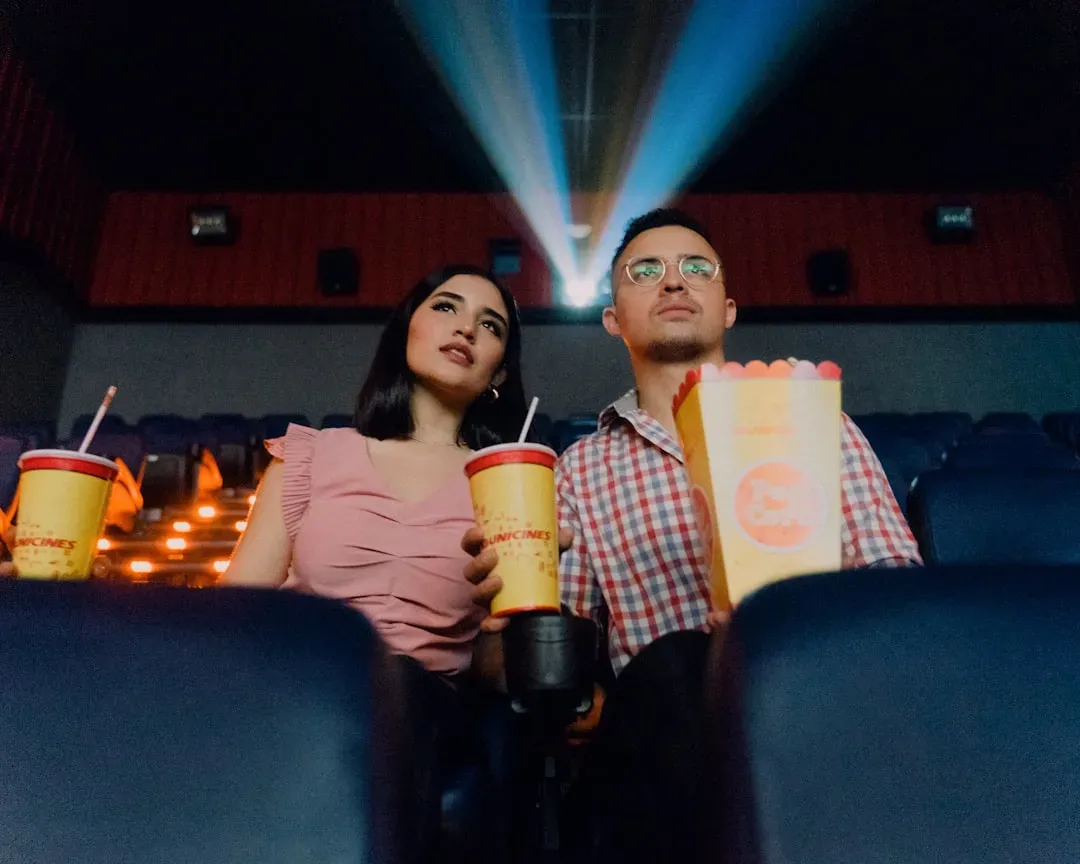
Nothing dates a moviegoer faster than assuming their commentary is welcome during a film’s most delicate moments. Survey data backs up just how widespread the irritation is, since American movie-goers don’t like people talking during movies at the theater, whether on the phone or otherwise. That frustration does not disappear once someone has acting credits to their name.
Quiet dramatic beats depend on silence to land, and a running commentary from two rows back undercuts pacing that took an editor weeks to fine tune. It is easy to forget that the hush in a theater is doing real narrative work. When that hush breaks, so does the illusion everyone paid to sit inside for two hours.
2. Letting your phone glow through the whole runtime

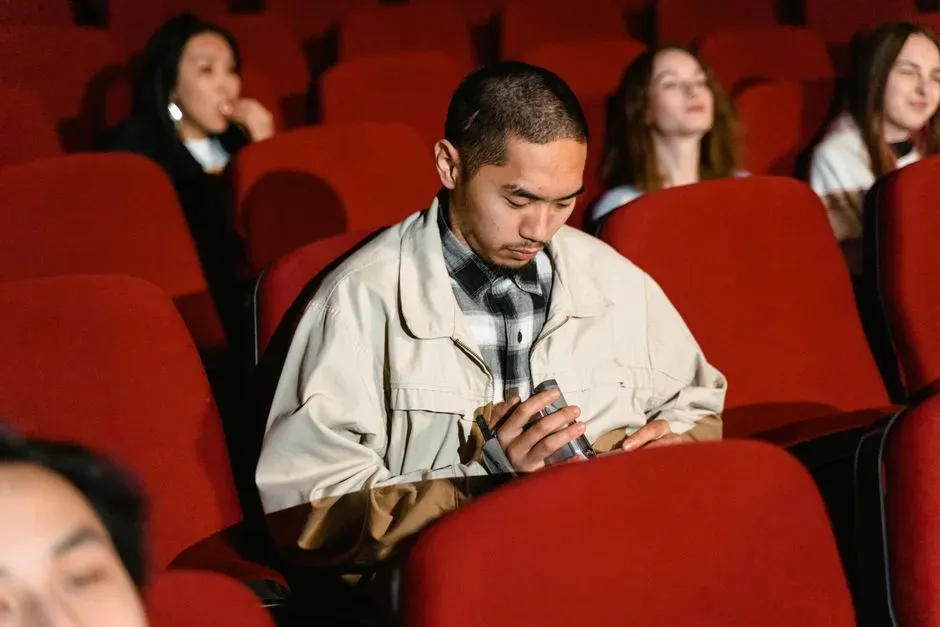
Phone use has become the defining etiquette battle of modern moviegoing, and it flared up hard around a recent horror release. In July, after Neon’s excellent marketing successfully made a whole bunch of potential moviegoers curious about “Longlegs,” there were complaints all over X about people on their phone for the entirety of the film. That is not a fringe complaint either, since Americans are considerably more likely than average to view phone use during a screening as flatly unacceptable.
Cinemas have leaned on reminder trailers for years, and the practice has only grown more elaborate as the problem persists, with newer promos playfully warning audiences not to act like the phone thieving characters on screen. Actors put in performances meant to be watched, not half seen between glances at a group chat. A glowing screen two seats away is a small thing, until it multiplies across a packed auditorium.
3. Filming or photographing scenes mid movie
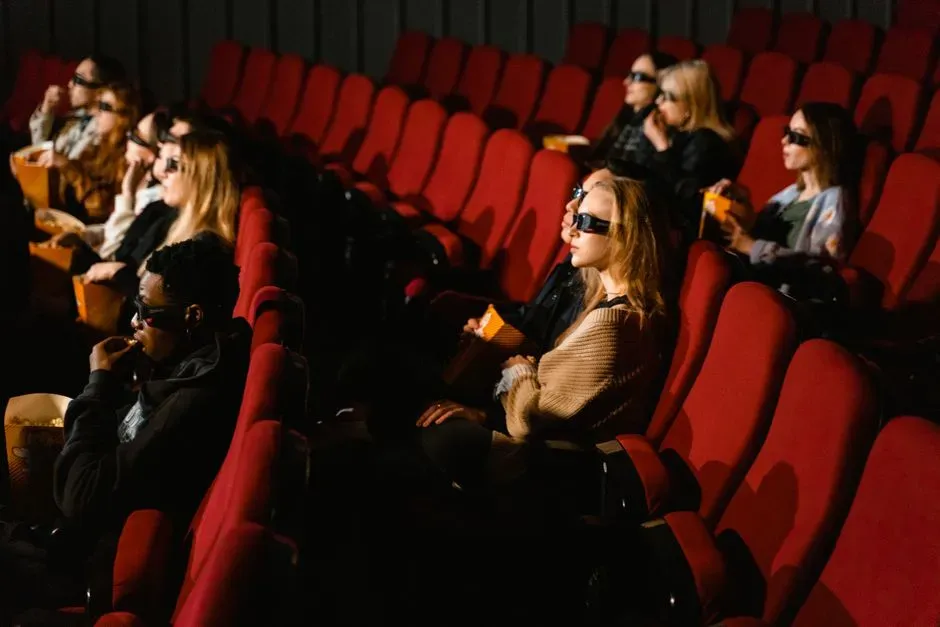
The urge to capture a favorite moment for social media has turned into one of the more contentious trends in cinemas recently. The magic of “Wicked” has been spoiled for some moviegoers, who say too many people are taking photos and recording videos during their screenings. What started as a rare, sneaky habit has become almost routine for certain releases.
Industry voices have pushed back hard against the trend, with one strict no phones chain simply telling patrons on social media not to do it. Phones are “impacting behavior etiquette, including becoming a distraction, violating boundaries in shared spaces.” For performers, a phone raised toward the screen during their scene is a reminder that the moment is being repackaged for someone else’s feed rather than experienced as intended.
4. Turning a screening into a singalong


Musicals invite a certain amount of enthusiasm, but the line between joy and disruption got tested in a big way recently. These are just a few of the talking points that followed the arrival of Wicked in November 2024, when one American cinema chain even went so far as to screen a 30-second PSA forbidding audience members from singing along. Many people ignored it anyway.
The reaction split audiences cleanly down the middle, and that divide says a lot about how differently people define a good time at the movies. Many didn’t listen. Wicked fans wanted to wail and nobody was going to stop them. Actors who poured months into vocal performances understand the enthusiasm, but a chorus of amateur backup singers can bury the very vocal work an audience came to hear.
5. Spoiling the ending before anyone else has seen it

Filmmakers guard plot twists for a reason, and audiences leaking them casually undoes that effort in seconds. Even the people closest to a production have caused this exact headache, since Twitter era slip ups from cast members have repeatedly forced studios into damage control mode. Once a spoiler escapes a theater lobby or a social feed, there is no putting it back.
Loud reactions inside the auditorium create a smaller version of the same problem, tipping off everyone nearby before a scene finishes playing out. A gasped “no way” or a whispered “I knew it” at the wrong second robs the row behind you of a reveal an actor rehearsed for weeks to deliver with precise timing. The frustration is not really about noise. It is about theft of a moment that was supposed to belong to everyone equally.
6. Kicking seats and blocking the view

Some complaints about cinema behavior have barely changed in decades, which says something about how basic the ask really is. Etiquette writers Debrett’s released a guide to correct cinema behaviour in 2008, after research showed that 66% of moviegoers wanted to see an improvement in cinema etiquette. The most common objections from those polled were having their view blocked by a tall patron in front, or having their own seat kicked from behind.
These physical annoyances rarely make headlines the way phones do, yet they are just as disruptive to the viewing experience actors hope audiences have. A performance built around subtle facial expressions loses all its power if half the row cannot see the screen clearly. Restlessness in a seat is understandable during a slow scene, but it becomes someone else’s problem the second a foot connects with the chair in front.
7. Walking out before the film finishes

Leaving mid movie sends a blunt message, and audiences have not been shy about doing it publicly at recent screenings. One filmmaker was dismayed when he went to a screening of the movie and watched people walking out or booing. That kind of visible reaction is hard for anyone involved in the production to ignore.
Walkouts happen for all sorts of reasons, from graphic content to simple boredom, and horror releases in particular have become known for triggering them. Confirmed exits at premieres, sometimes numbering in the double digits, have become their own strange marketing footnote for certain genre films. For an actor sitting quietly in the back of that same theater, watching people head for the exits during their own scenes is not an easy thing to sit through.
8. Reciting famous lines back at them in public
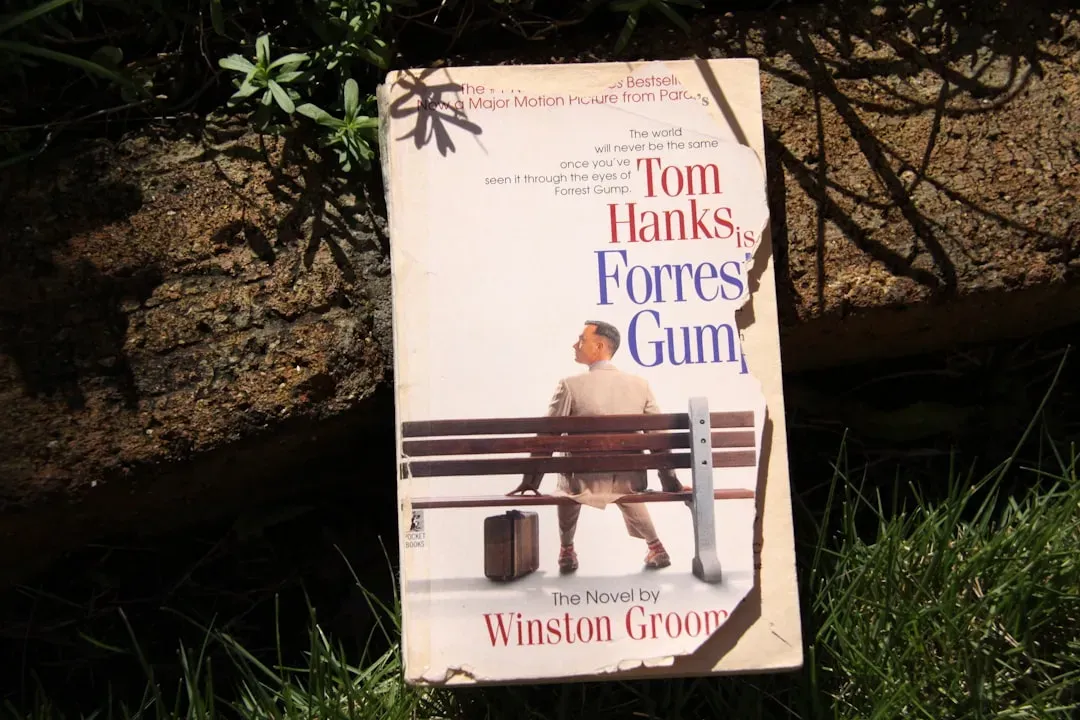
Fans often assume repeating a favorite quote is the ultimate compliment, but the reality is more complicated once you hear it from the actor’s side. Tom Hanks has talked openly about the phenomenon, noting simply that “people yell a bunch of stuff at me, you know? I get, ‘Wilson!’ a lot,” referencing the volleyball from Cast Away. He also gets shouted lines from Apollo 13, Sully, and several other films whenever he steps outside.
Hanks has taken it in good humor, saying the constant callbacks are ultimately something he appreciates rather than resents. Not every performer feels the same warmth about it, especially when the same three words get shouted at them in every grocery store and airport line for years on end. A line that took one take on set can follow an actor for the rest of their career, whether they still find it funny or not.
9. Bringing very young children to films that are clearly not for them


Age appropriateness sounds like an obvious rule, yet it remains one of the most consistent complaints from moviegoers surveyed on cinema behavior. Seeing people bring babies to movies not meant for their age is also a source of upset for a similar share of Americans, at seventy eight percent. That number has stayed stubbornly high for years.
A crying infant or a restless toddler during a tense scene does more than distract nearby patrons. It fractures the concentration an actor’s performance depends on to build tension in the first place, especially during dialogue heavy or slow burn sequences where every line matters. Parents often have limited options for childcare, which makes the complaint feel unfair in individual cases, but the disruption itself is real regardless of the reason behind it.
10. Laughing over dialogue instead of at it
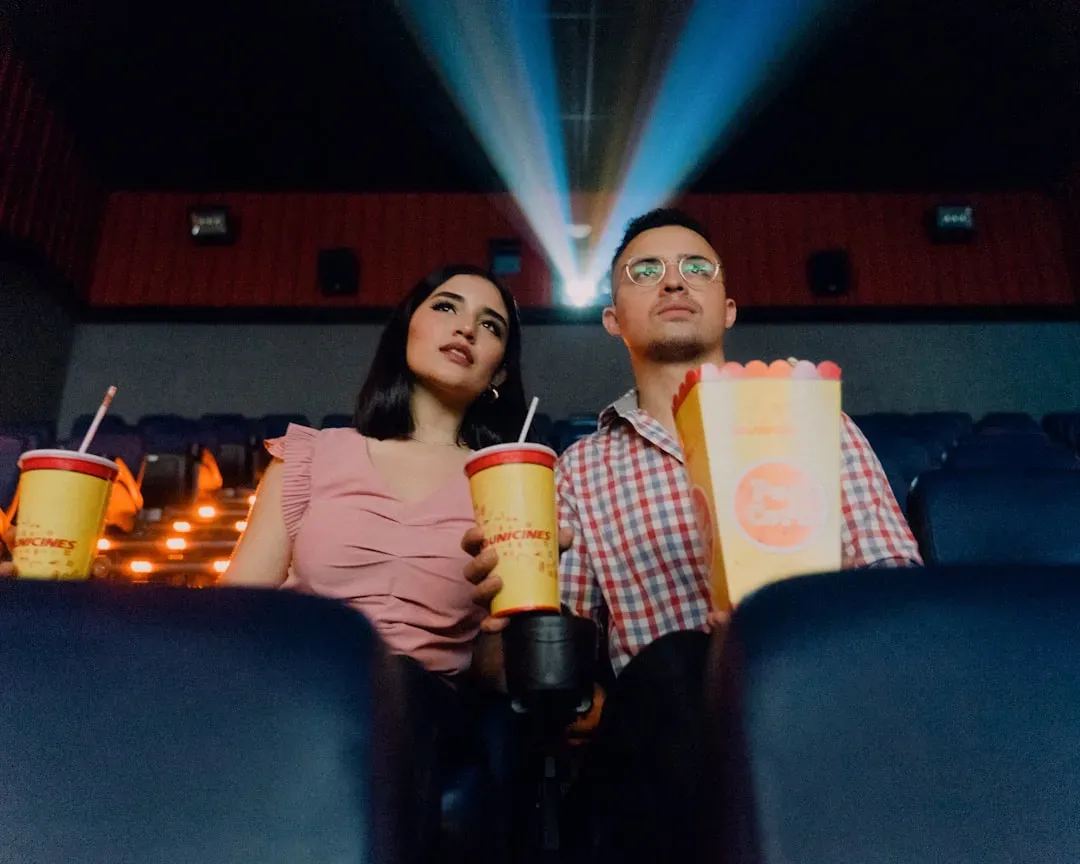
There is a difference between laughing at a joke and laughing over the next line before it lands, and audiences do not always notice the gap. Loud group reactions can drown out dialogue that was carefully timed to land in silence, especially in comedies where punchlines are stacked close together. A joke that gets buried under laughter from the previous one never gets the reaction it earned.
This is trickier than most etiquette complaints because laughter itself is not the problem, it is the timing. Comedic actors in particular rely on a beat of quiet before delivering a follow up line, and a rowdy crowd can accidentally erase that beat entirely. The irony is that the audience having a great time can occasionally be the very thing standing between them and the next great moment on screen.
None of this amounts to a case against enjoying a night at the movies the way you want to enjoy it. Cinemas have always been social spaces, and a little noise, a little reaction, a little shared energy is part of why people still choose a theater over a couch. The habits that actually wear on performers tend to be the ones that take something away from everyone else in the room, not the ones that simply show enthusiasm for the story unfolding in front of them.
The next time the lights dim and a phone screen flickers on somewhere in your row, it is worth remembering there is a whole chain of people, actors included, hoping that two hours of work gets the quiet attention it was built for.