There’s something fascinating about the speed at which technology reshapes our lives. Think about it – what was normal just 15 years ago now feels like ancient history. Gen Z, the generation roughly spanning ages 13 to 28 in 2026, grew up in a world where smartphones were already everywhere, streaming was the default, and social media was as natural as breathing. Approximately 98% of Gen Z individuals use the Internet regularly, and a 2023 Gallup survey found that Gen Z youth ages 13 to 19 spend nearly 5 hours a day on social media.
They missed out on some truly unique experiences that defined earlier childhoods. The waiting, the tangible connections, the sheer patience required for everyday tasks. Let’s dive into the moments and objects that previous generations took for granted but now seem almost mythical.
Physical Media Collections That Actually Meant Something
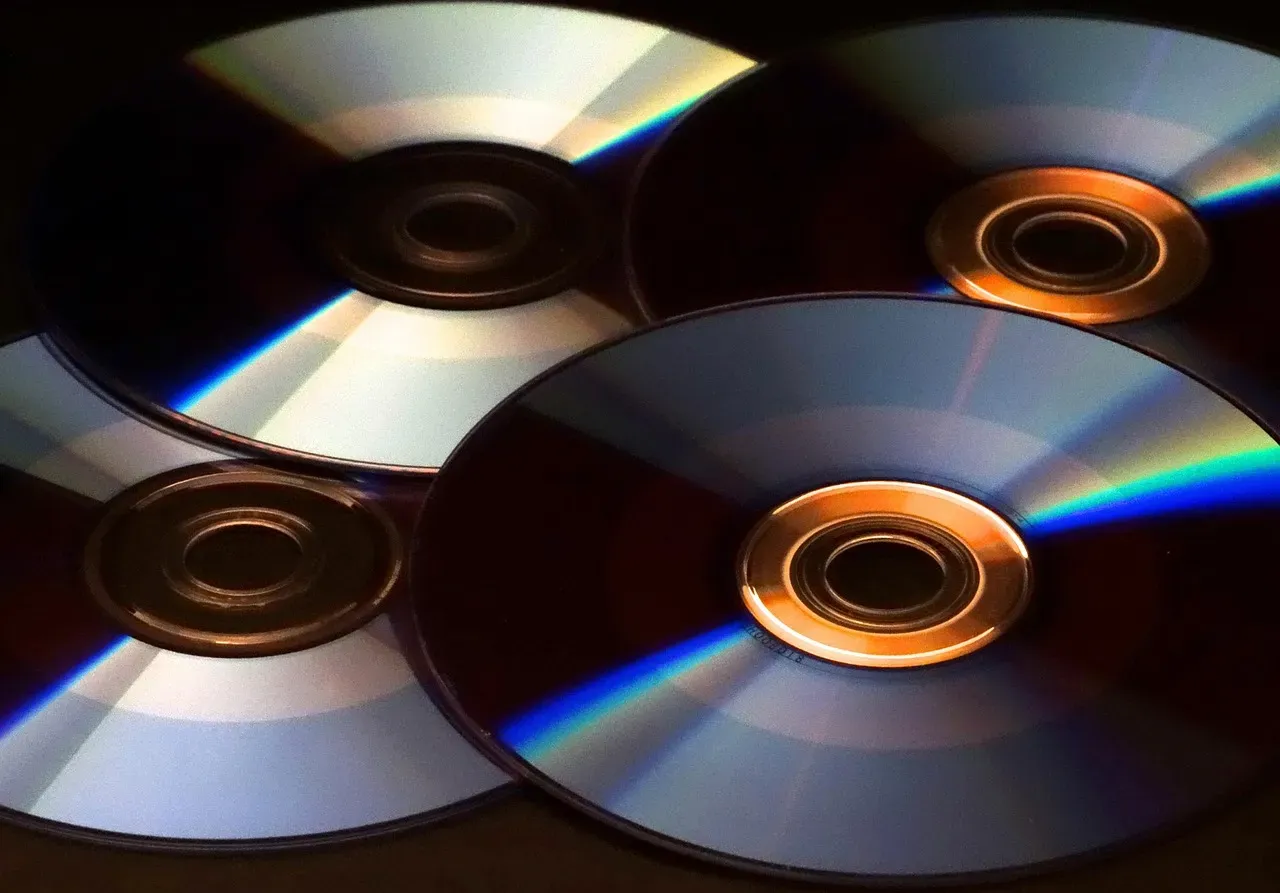
Walking into someone’s home and seeing shelves packed with DVDs or CDs told you something about them. Those collections were curated over years, each purchase deliberate. Physical disc sales in the U.S. declined 23% from 2023’s $1.3 billion, to $959.6 million in 2024 – a 94.2% decrease from DVD sales’ all-time high of $16.6 billion in 2006.
Best Buy stopped carrying physical media entirely in 2024, and Netflix shut down its legendary DVD-by-mail service in 2023. Gen Z might not understand why anyone would want to own a movie when you can just stream it. The thing is, you actually owned that disc. No licensing expiration, no surprise removal from a platform. It was yours forever.
The Dial-Up Internet Symphony
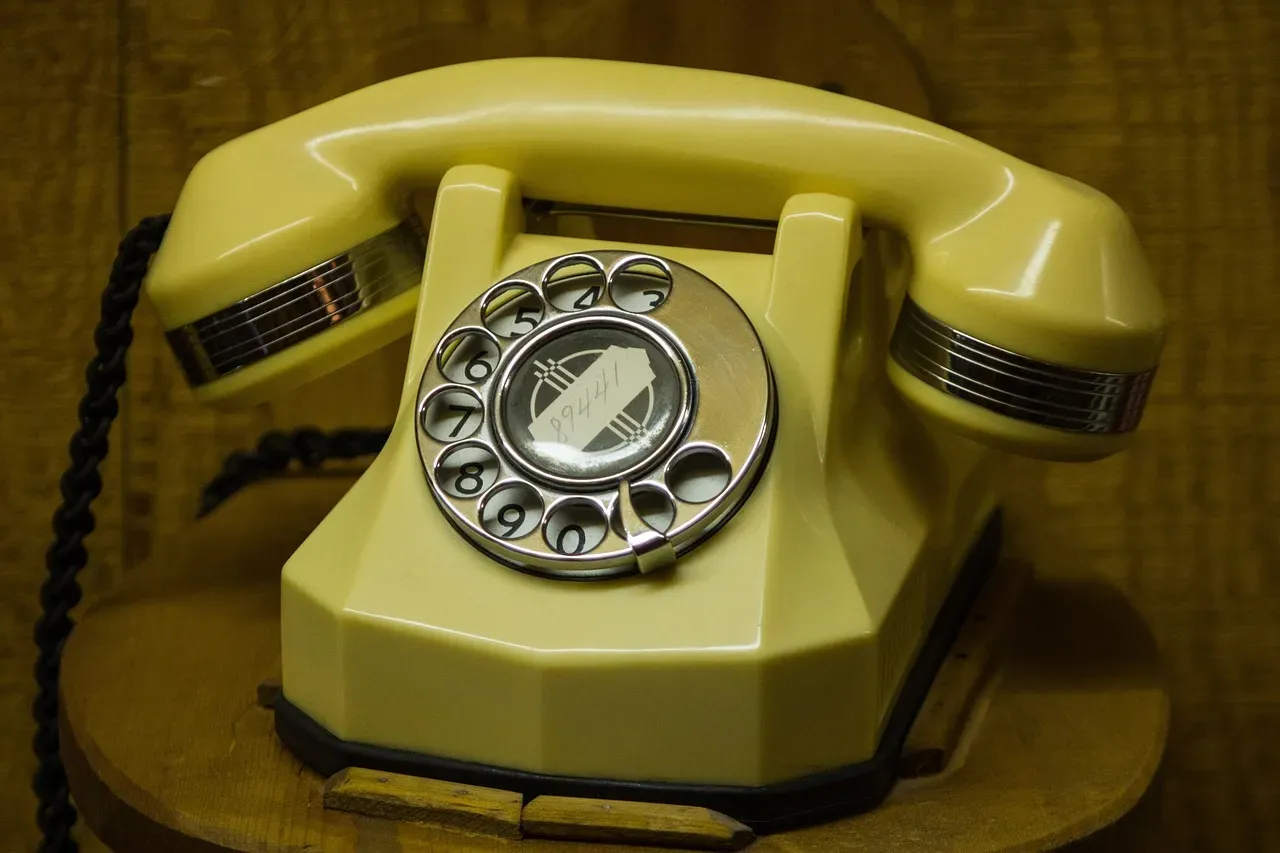
That screeching, crackling sound of dial-up internet connecting was the soundtrack of the early internet era. You couldn’t use the phone while someone was online. Downloading a single song could take 20 minutes, and if someone picked up the landline mid-download, you’d have to start all over again.
The patience this required feels almost superhuman now. Gen Z has only known instant connectivity. They’ve never experienced the agony of being kicked offline because Mom needed to make a call, or the strategic family negotiations about who got to use the internet at what time.
Landline Phones and Memorizing Numbers
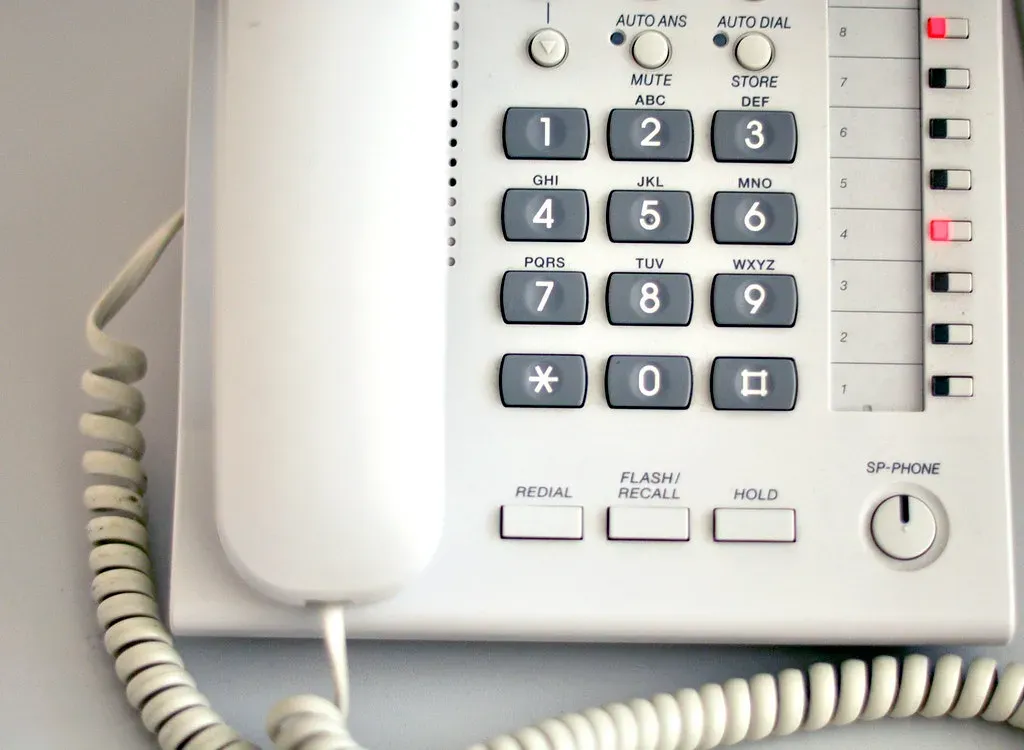
As of the end of 2022, the NCHS estimates that 73.2% of adults in the US live in homes without a landline. For Gen Z, this makes perfect sense – why would you need a phone attached to your wall when everyone has a cell phone? What they miss is the entire ecosystem around landlines.
You had to memorize phone numbers. You’d call your friend’s house and talk to their parents first. There were no caller IDs in the early days, so answering the phone was always a minor adventure. Honestly, the anxiety of calling someone’s house and having to ask, “Is Sarah there?” shaped an entire generation’s social skills.
Waiting a Week for the Next Episode
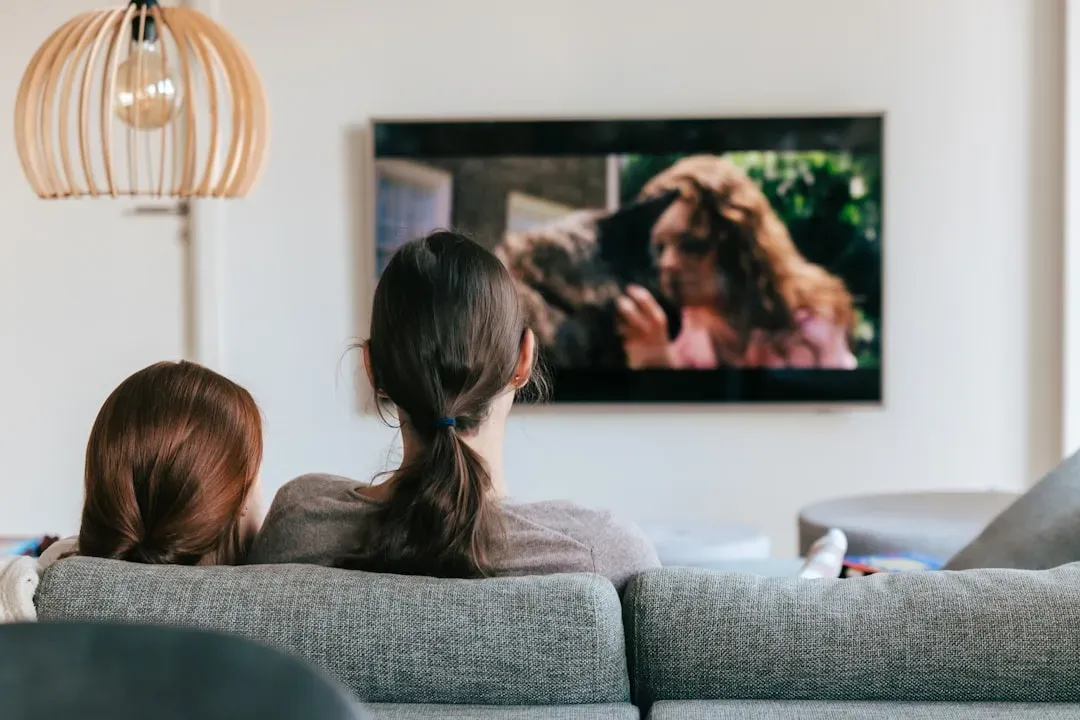
Binge-watching wasn’t an option. When your favorite show aired on Thursday at 8 PM, you had to be there, planted on the couch. Miss it? You might catch a rerun in a few months if you were lucky. Everyone watched the same episode at the same time, which meant the next day at school or work, everyone was talking about what happened.
More than half (57%) of viewers 13-24 say they spend less time watching “regular TV” because of the time they spend watching services like YouTube and TikTok. Gen Z has entire seasons at their fingertips instantly. The collective anticipation, the water-cooler discussions the next morning – that communal experience just doesn’t exist in the same way anymore.
Blockbuster Nights and Late Fees
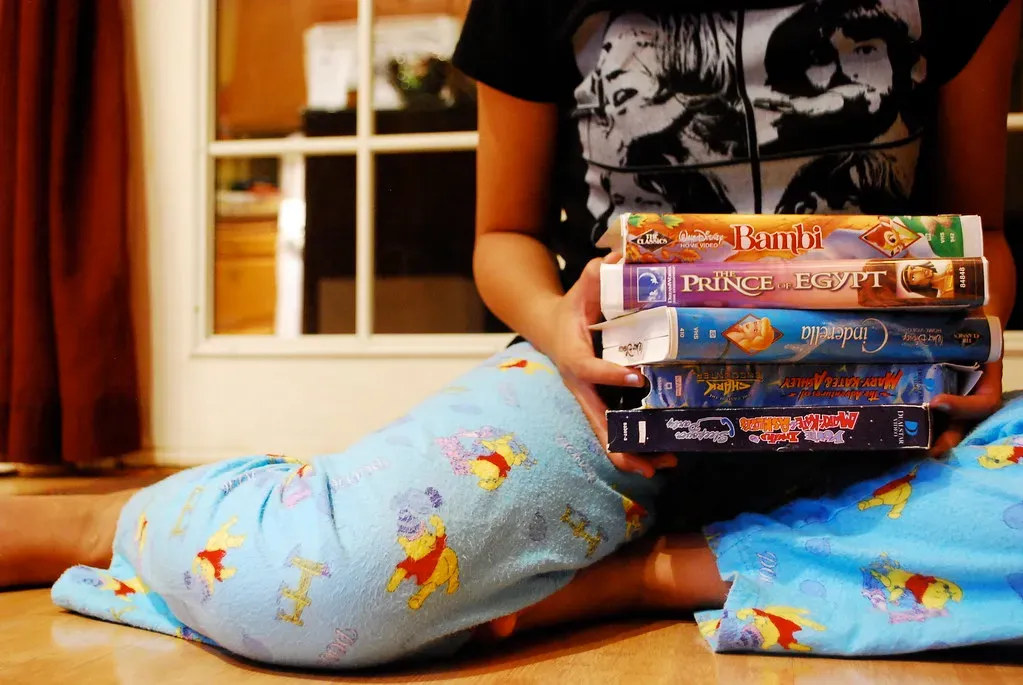
Friday night meant a trip to Blockbuster or your local video rental store. You’d wander the aisles, reading the backs of VHS tapes or DVDs, debating which movie to rent. Sometimes your first choice was already checked out, forcing you to adapt. The late fees were legendary – return your movie a day late and you’d pay dearly.
There was something magical about that physical ritual. Gen Z can scroll through thousands of titles on Netflix without leaving their couch, but they’ll never know the thrill of finally snagging that new release everyone wanted, or the panic of rewinding a VHS tape before returning it.
Paper Maps and Getting Genuinely Lost
Navigation before GPS meant unfolding a massive paper map across your dashboard and actually reading it. U.S. sales of print maps and road atlases had a five-year compound annual growth rate of 10%, according to NPD BookScan, and in 2019, year-over-year sales climbed 7%. Surprisingly, some people still buy them, perhaps out of nostalgia or practical backup.
Getting lost was a genuine possibility, even expected on road trips. You’d ask for directions at gas stations. Couples would argue over whether to turn left or right. Gen Z has grown up with turn-by-turn GPS navigation that recalculates instantly when you miss a turn. They’ve never experienced that particular blend of frustration and adventure that came with navigating by paper.
Film Cameras and Waiting for Photos
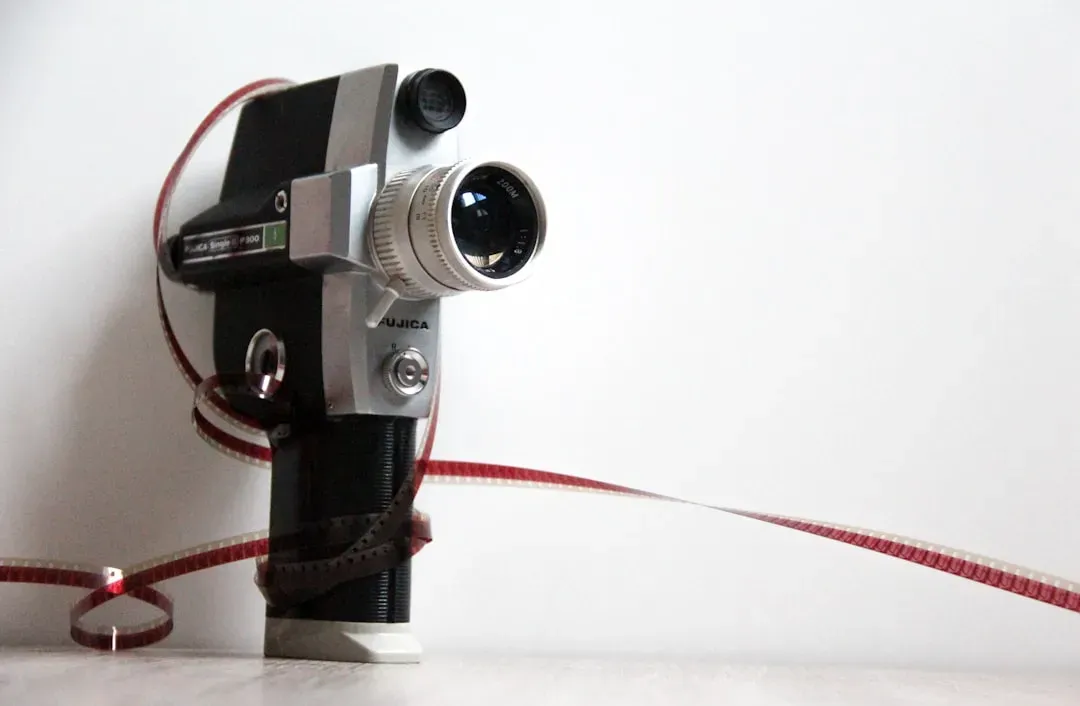
Taking photos with a film camera meant you had a limited number of shots – usually 24 or 36 per roll. You couldn’t see the photo right away. You had to finish the entire roll, take it to a store, and wait days to get the prints back. Sometimes you’d discover that half your photos were blurry or someone had their eyes closed, but by then, the moment was long gone.
Digital natives have never known this uncertainty. Gen Z takes hundreds of photos, deletes the bad ones instantly, and applies filters before posting. The delayed gratification of waiting for film to develop, the surprise of seeing how photos turned out – that’s completely foreign to them.
Phonebooks and Information Operators
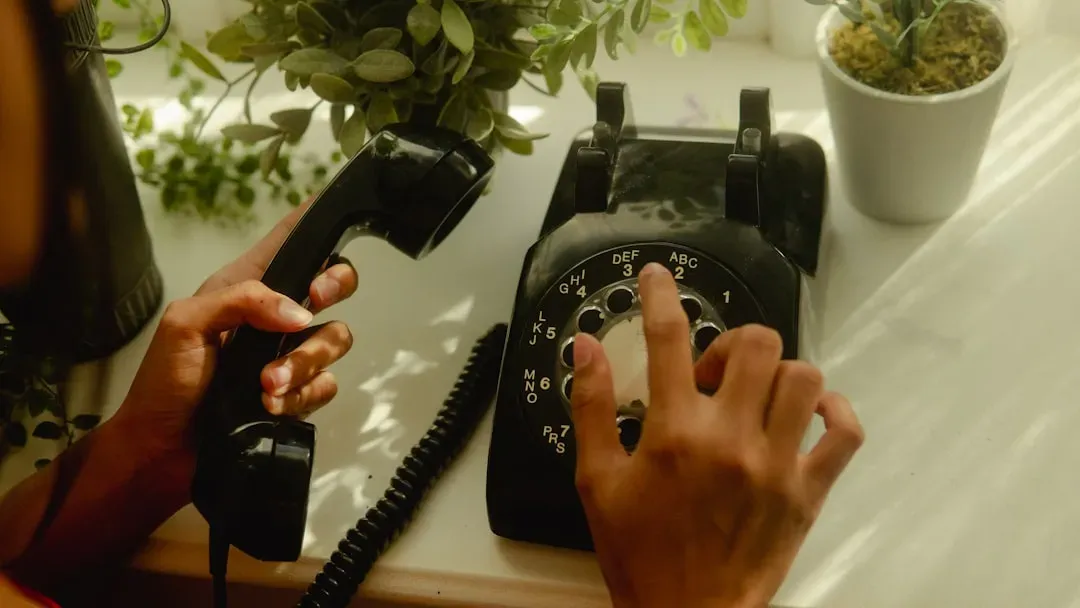
Need a phone number? You grabbed the massive Yellow Pages. Need to find a business? You flipped through pages of tiny print. Before smartphones, calling 411 to reach an information operator who could look up numbers for you was completely normal, though it cost money.
Gen Z has only known Google. They search for everything instantly, find reviews, compare options, and call with one tap. The idea of using a physical book to find a phone number probably sounds absurd. Yet phonebooks were delivered to every home annually, and people actually used them daily.
Mix Tapes and Burning CDs
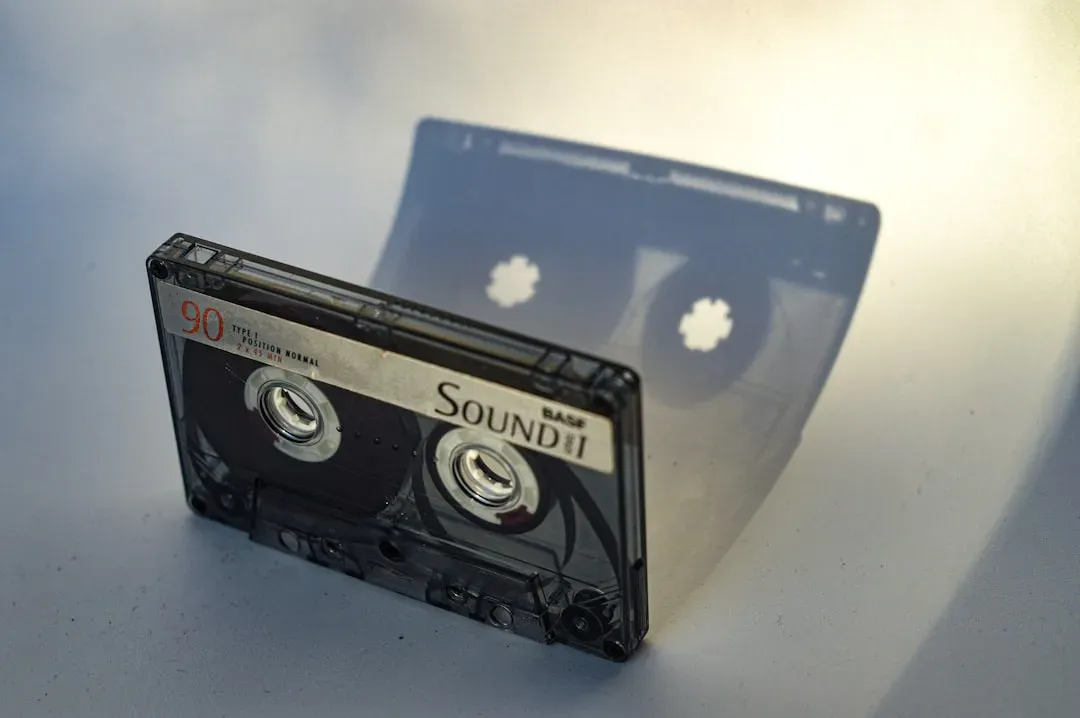
Creating a mixtape or burned CD for someone was an act of love. You’d carefully select each song, arrange them in the perfect order, and record them onto a blank cassette or burn them onto a CD. The process took time and thought. Giving someone a mixtape meant something – it was a curated piece of your soul set to music.
Gen Z shares Spotify playlists with a few taps. Sure, they can create playlists too, but there’s no physical artifact, no artwork drawn on the CD case, no deliberation over track order because you only had 80 minutes of space. The commitment was different.
Encyclopedia Research Projects
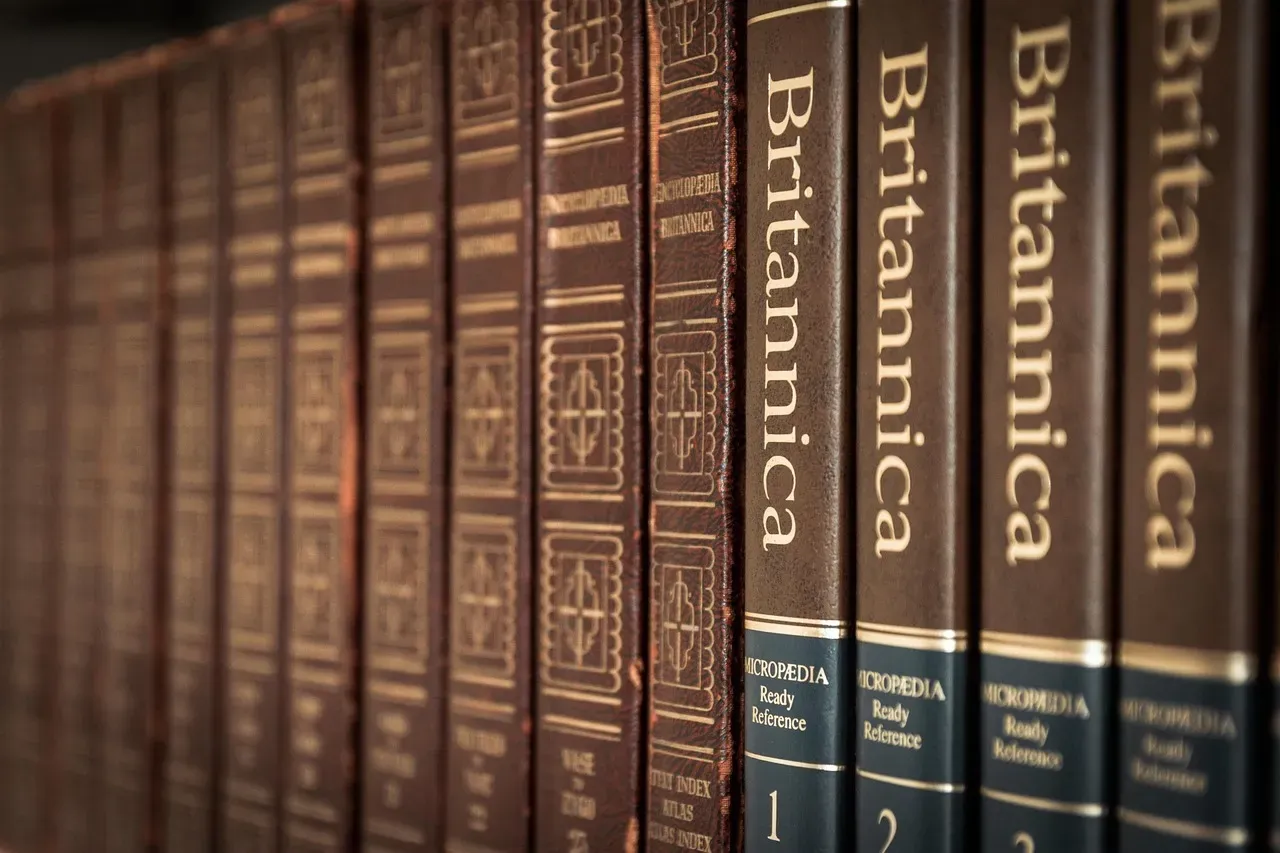
Before Wikipedia, school research meant trips to the library to pull heavy encyclopedia volumes off shelves. You’d flip through pages, take handwritten notes, and actually cite books. Sometimes the information was years out of date because encyclopedias weren’t updated frequently. The effort required for a basic research paper was monumental compared to today.
Gen Z has instant access to more information than any generation in history. They’ve never had to use a card catalog system or wait for another student to return the volume you needed. Knowledge literally at their fingertips has always been their reality.