Music changes in strange ways. Sometimes it happens so slowly you barely notice, like watching grass grow. Other times, an entire genre flips upside down in what feels like a heartbeat.
Honestly, ten years doesn’t seem like much when you’re living through it. A decade passes and you look back thinking everything was gradual. Then you actually compare the sounds, the culture, the whole vibe, and it hits you: everything’s different. Let’s dive into ten moments when genres didn’t just evolve but completely reinvented themselves.
Hip-Hop’s Explosive 1990s Globalization
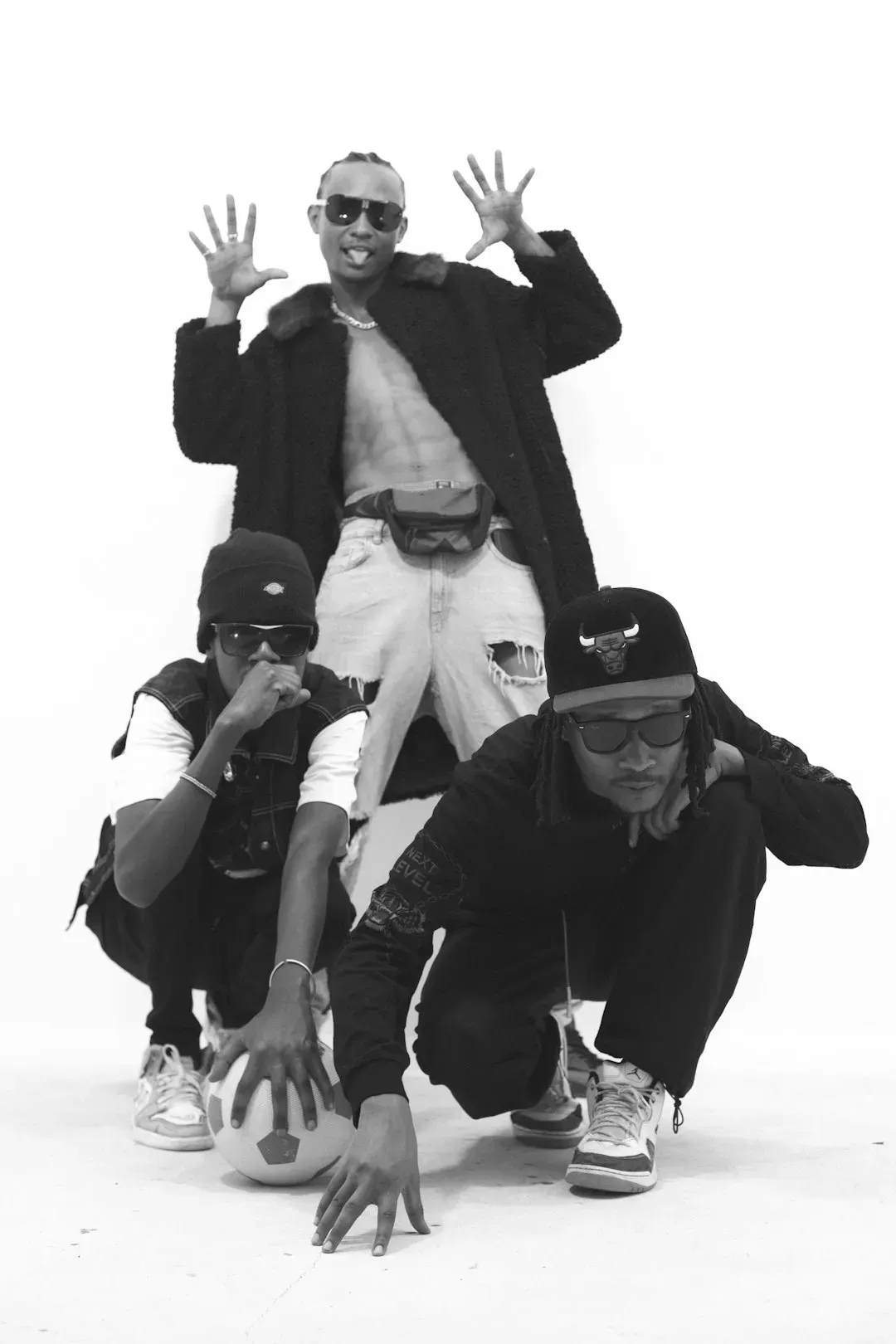
Hip-hop became the top-selling music genre by the late 1990s, completely commercialized after spending the 1980s as a largely underground movement. The transformation was staggering. Filmmaker Peter Spirer’s documentary Rhyme & Reason chronicled hip-hop’s evolution from a DIY culture into a billion-dollar global industry. Different regional styles emerged such as West Coast hip hop, gangster rap, Southern rap, rap rock, and various other genres. What started in the Bronx spread across continents, absorbing local influences and reshaping youth culture everywhere. The commercialization wasn’t just about money. It fundamentally altered how hip-hop artists were perceived, what they could express, and who controlled the narrative.
From Disco’s Ashes Rose Electronic Dance Music
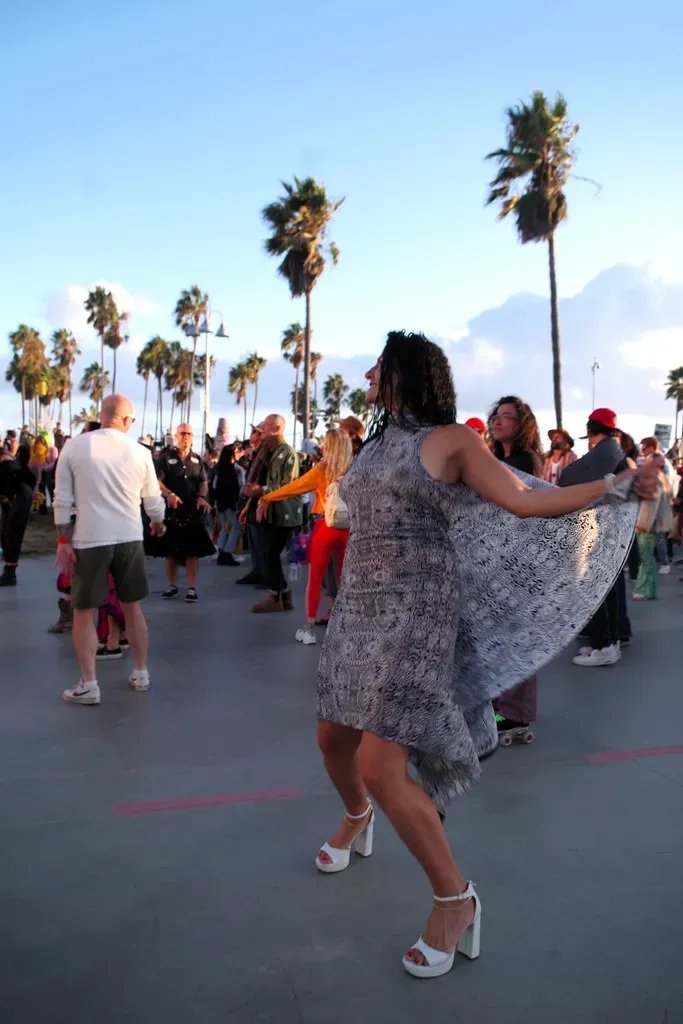
Disco declined sharply in the United States following Disco Demolition Night on July 12, 1979, but it would eventually become a key influence in the development of electronic dance music, house music, hip-hop, new wave, dance-punk, and post-disco. The transition was messy. In Chicago and Detroit, disco mutated into house and techno, respectively. The 1980s are considered by some as the decade which saw the most significant rise of electronic dance music, with genres like house and techno as products of the eighties club scene. What seemed like a death became a rebirth. DJs in underground clubs took disco’s rhythmic foundation, stripped it down, added drum machines, and created something entirely new that would dominate dance floors for decades.
Rock Goes Digital in the Synthesizer 1980s
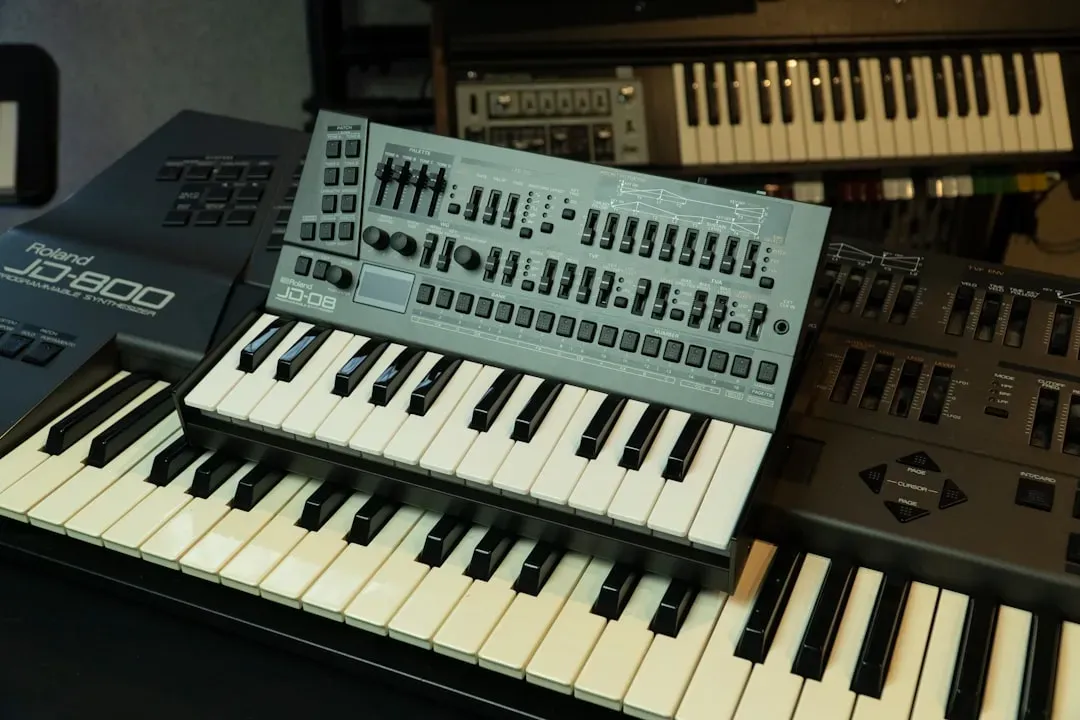
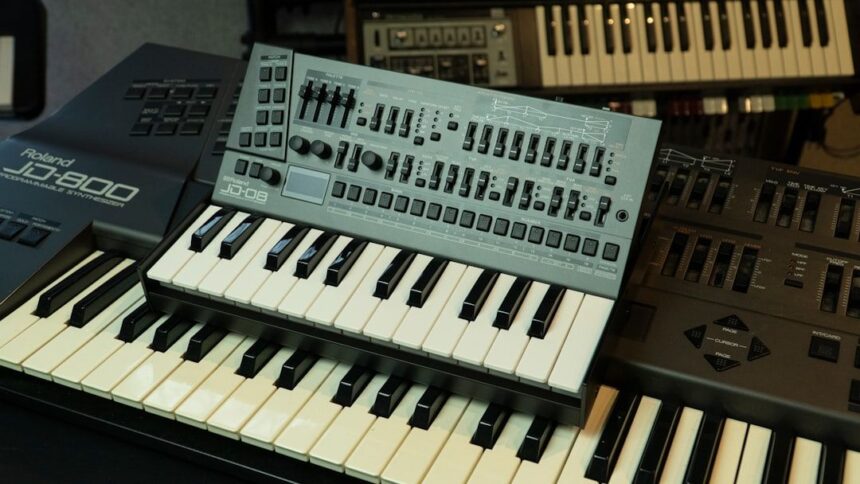
The 1980s fundamentally changed how rock music sounded. Popular music was completely transformed by advancements in technology, with synthesizers and drum machines ushering in a new era defined by cutting-edge electronic sounds. The synthesizer market grew dramatically in the 1980s, with 1982 seeing the introduction of MIDI, a standardized means of synchronizing electronic instruments that remains an industry standard. Yamaha released the first commercially successful digital synthesizer, the DX7, in 1983, characterized by its harsh, glassy sounds compared to the warm and fuzzy sounds of analog synthesis. Suddenly rock bands that had relied on guitar riffs were layering keyboard sounds over everything. The change wasn’t subtle.
Country Music’s Pop Crossover Explosion
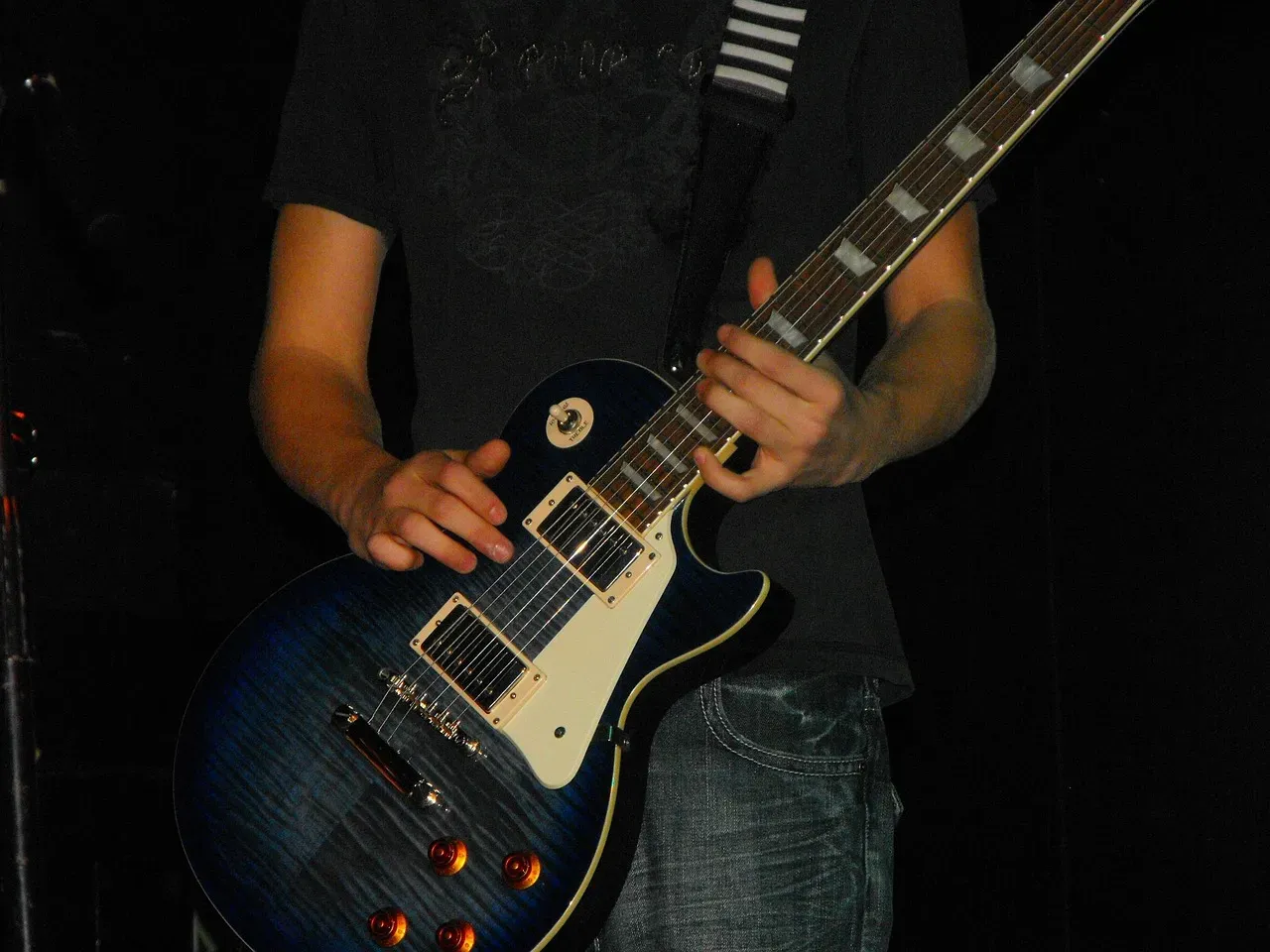
Country pop enjoyed a resurgence in the 1990s, primarily because of the proliferation of country music to the FM radio dial, aided by the increase of FCC licenses for suburban and rural FM stations in the late 1980s. Incorporating elements of pop into country music became extremely popular by the late 90s, producing many crossover hits and artists, especially on the adult contemporary charts. Artists like Shania Twain and Faith Hill dominated not just country stations but pop radio too. Faith Hill reigned over the music industry in the late 1990s and early 2000s, with “Breathe” becoming the most popular single of the year on both the pop and country charts in 1999. The sound became smoother, more polished, less rooted in traditional country storytelling. Some purists hated it. Radio didn’t care.
Grunge’s Meteoric Rise and Swift Collapse

Grunge basically lived and died within a single decade. Grunge’s popularity plateau lasted from 1991 to 1994, with decline from 1994 to 1997 after Kurt Cobain died, and death in 1997 when Soundgarden broke up. In 1991, the Seattle sound exploded with four seminal grunge-era albums released over six months, sending grunge culture into the ether with a wall of sound that would upend music charts and galvanize a depressed concert ticket market. Kurt Cobain’s struggles with fame and addiction ultimately led to his tragic death in 1994, marking a decline in the grunge era. The genre burned bright, then faded almost as quickly as it arrived. You could argue grunge succeeded too well for its own good, becoming the very commercial thing it originally rejected.
EDM’s Festival Culture Transformation
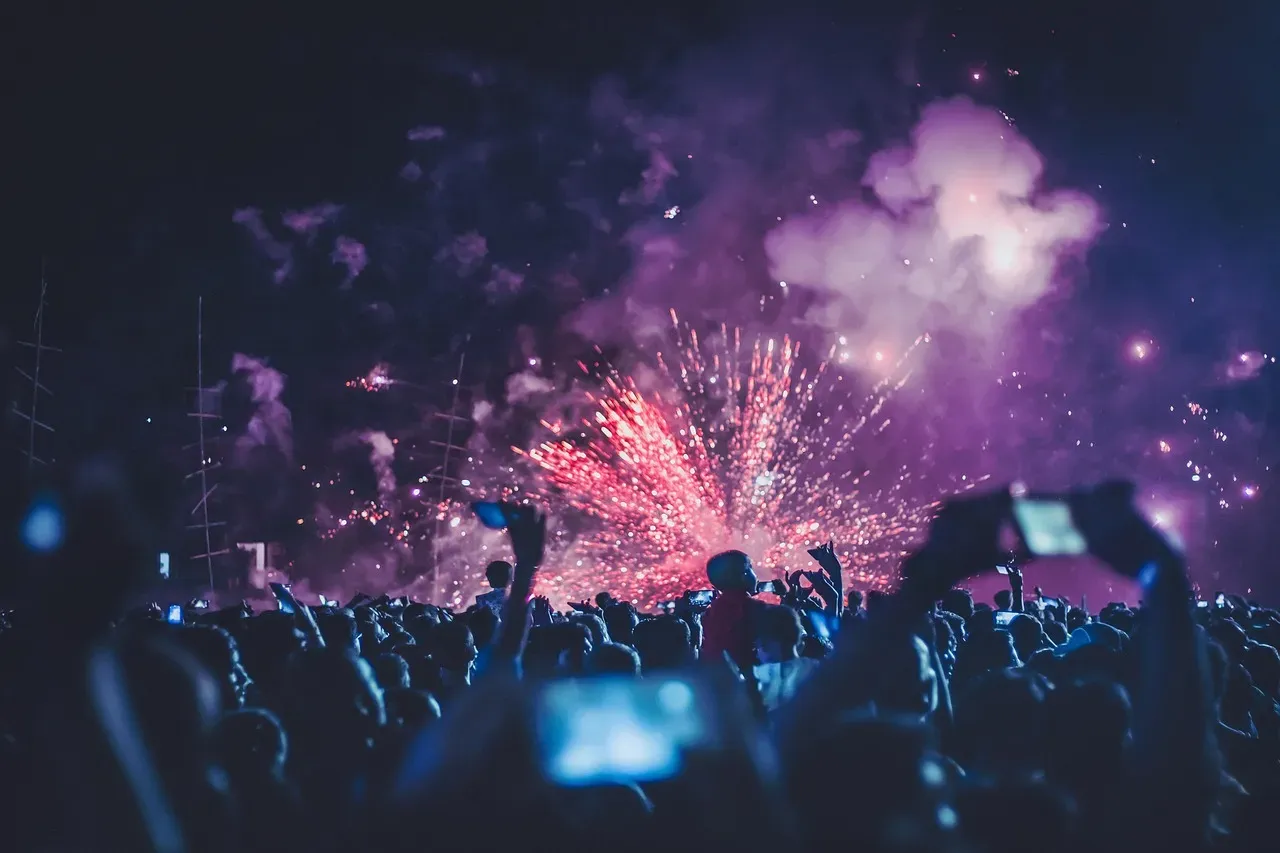
Electronic dance music went from underground warehouse raves to massive festival spectacles in barely more than a decade. The shift between 2010 and 2020 was dramatic. What had been a relatively niche club culture exploded into mainstream consciousness. Festivals like Electric Daisy Carnival and Tomorrowland drew hundreds of thousands of fans. The music itself evolved too, incorporating more pop elements, bigger drops, and stadium-ready production. Artists became brand names. DJs commanded fees comparable to rock legends. The intimacy of early rave culture gave way to corporate-sponsored extravaganzas, for better or worse.
Streaming Reshapes Genre Boundaries Entirely
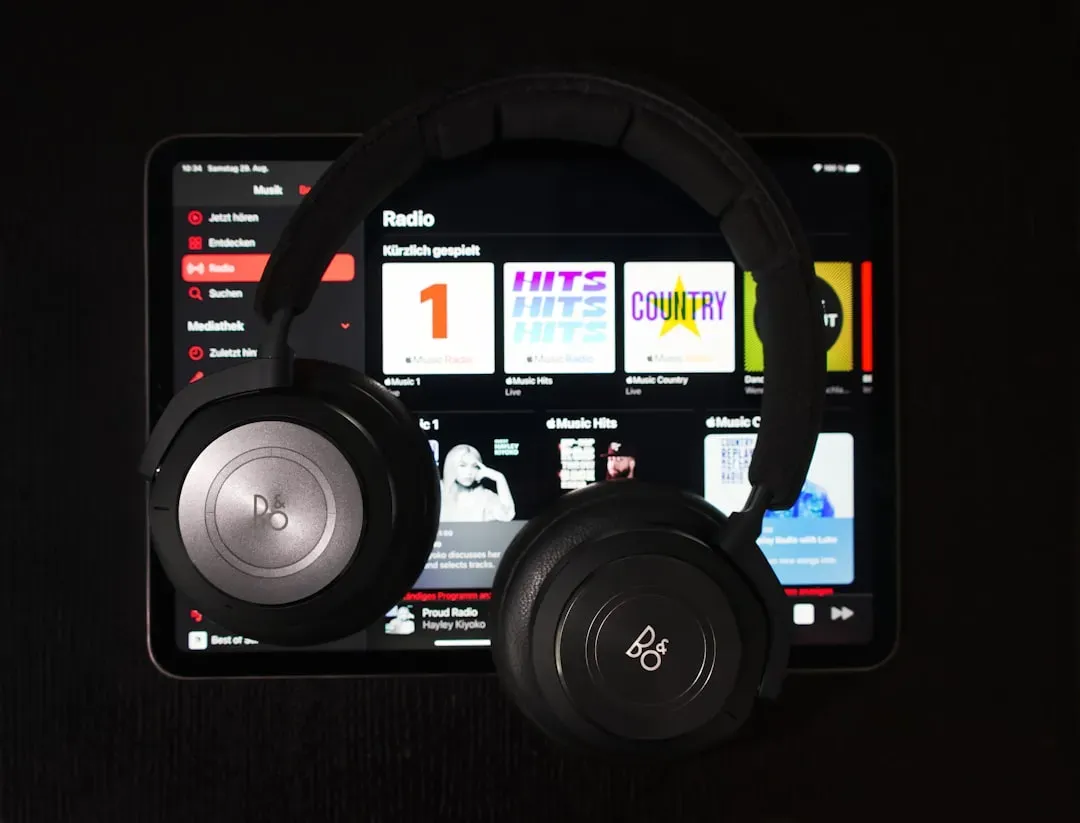
The 2010s didn’t just change one genre. Streaming platforms fundamentally altered how all genres function. Artists started blending sounds that traditional radio would never have mixed. Spotify playlists mattered more than radio programmers. Genres became tags, not rigid categories. Musicians could release a trap song, then a folk ballad, then an electronic experiment, all under the same artist name without confusing their audience. The decade saw genre fluidity become the norm rather than the exception. Music scholars by the 2020s noted that genres increasingly function as flexible identities rather than fixed categories.
Latin Music’s Global Streaming Breakthrough
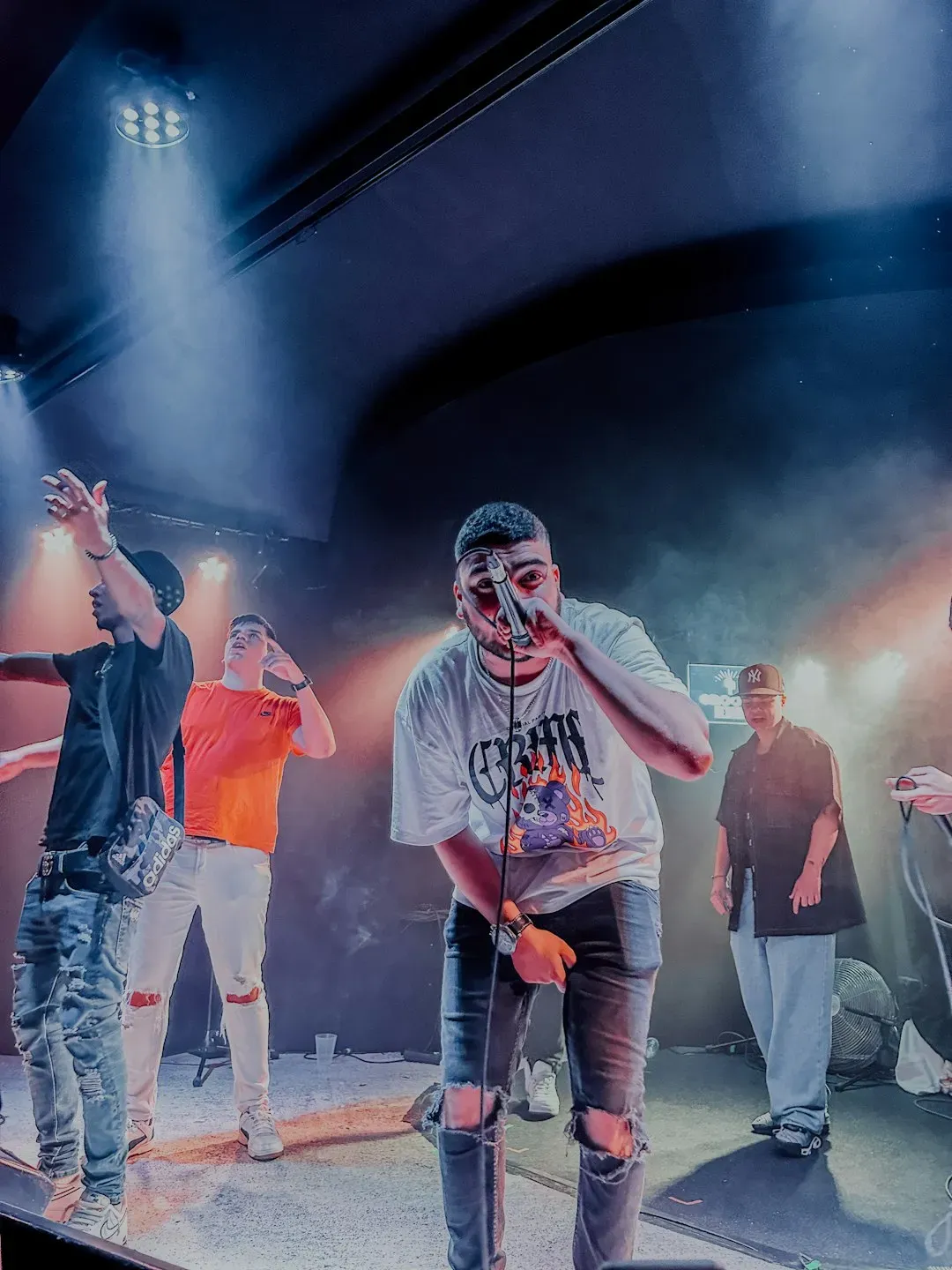
Latin music transformed from a regional or niche market into a global mainstream force during the 2010s. Streaming platforms played a massive role. Songs like “Despacito” crossed language barriers in ways traditional radio never allowed. Bilingual hits became chart dominators. Artists like Bad Bunny and J Balvin weren’t just Latin stars, they were global superstars. The decade saw reggaeton, bachata, and other Latin genres infiltrate pop charts worldwide. What had always been popular within Spanish-speaking communities suddenly commanded attention everywhere. The transformation wasn’t just commercial, it was cultural.
Afrobeats Rises from Regional to Worldwide Phenomenon
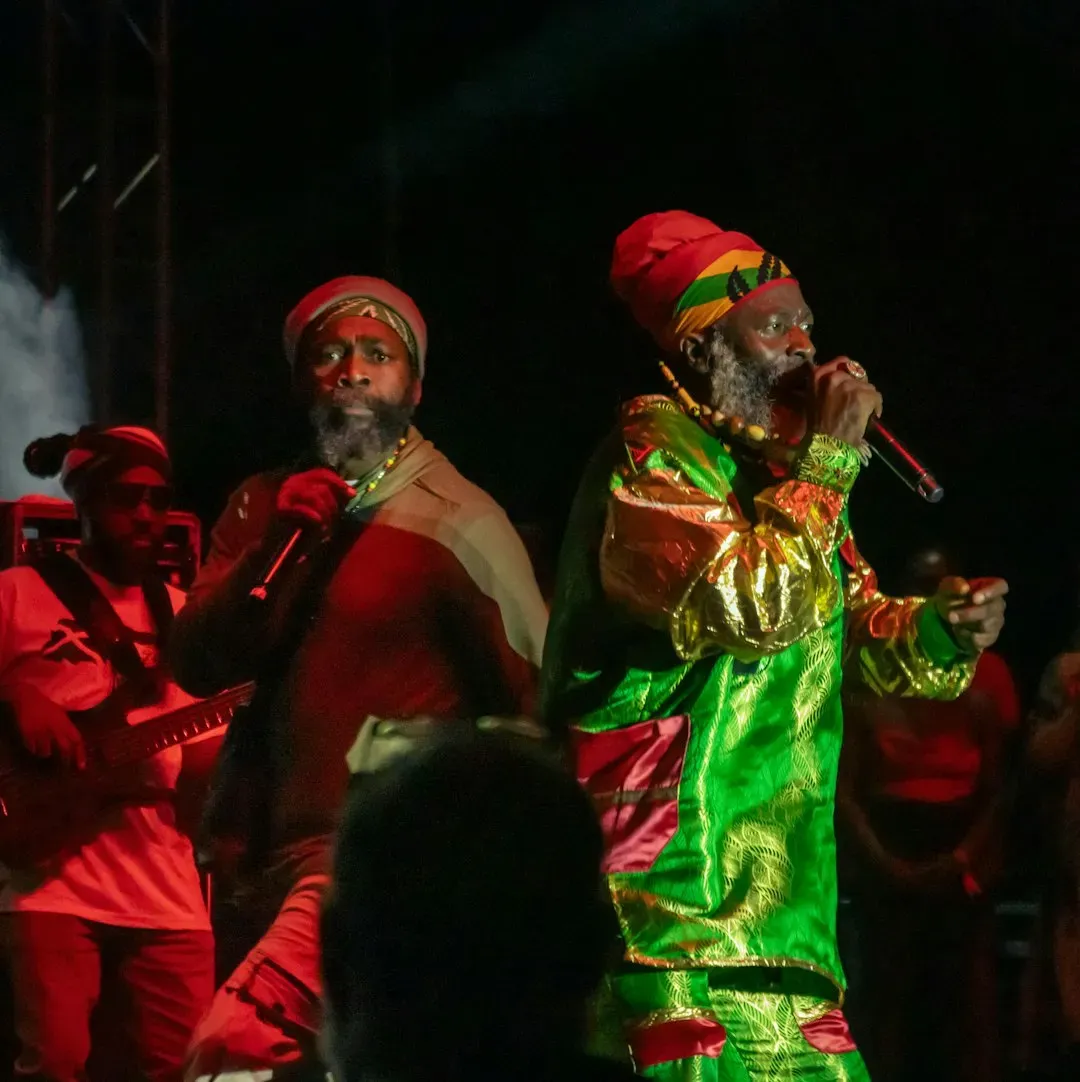
Afrobeats evolved from African regional popularity into global mainstream recognition within the 2010s. Artists like Burna Boy, Wizkid, and Davido went from playing local venues to headlining international festivals. The sound, blending traditional African rhythms with contemporary production, found massive audiences on streaming platforms. Collaborations with Western pop and hip-hop artists accelerated the process. By the end of the decade, Afrobeats wasn’t an exotic curiosity but a legitimate force in global music markets. The genre’s transformation showed how digital platforms could bypass traditional industry gatekeepers and bring regional sounds to the world stage.
The Ongoing Genre Meltdown of the 2020s
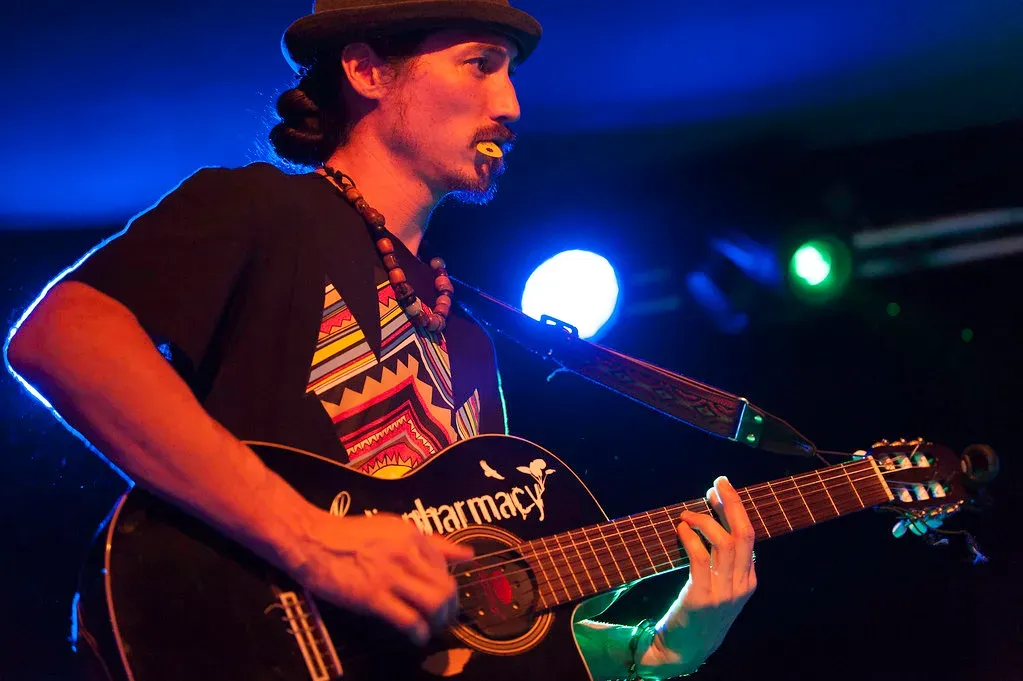
We’re living through another transformation right now. The 2020s are witnessing what might be the final dissolution of traditional genre boundaries. Artists refuse categorization. TikTok virality matters more than genre purity. A bedroom producer can blend country twang, trap beats, and indie rock vocals, and nobody bats an eye. Record labels scramble to keep up. The decade isn’t over, yet the changes feel seismic. Genres that once defined entire cultural movements now feel like loose suggestions. Whether this is liberation or chaos depends on who you ask. Either way, the transformation is undeniable.
What do you make of these rapid genre shifts? Did any of them catch you off guard, or do you think music will keep shapeshifting this fast? The pace doesn’t seem to be slowing down.