There’s something quietly humbling about looking back at the medieval world. The people who built Gothic cathedrals, developed early universities, and copied manuscripts by candlelight also believed things that would get you laughed out of a modern doctor’s office. That tension – between genuine intellectual achievement and breathtaking credulity – is what makes medieval belief systems so fascinating to revisit.
What follows isn’t a list of crude inventions or secondhand jokes about ignorant peasants. These are documented beliefs, recorded in manuscripts, church texts, medical treatises, and royal chronicles. Some of them shaped laws. Some of them got people killed. A few of them, strangely, are still echoing in customs we practice today without ever knowing why.
1. A Royal Touch Could Cure Disease

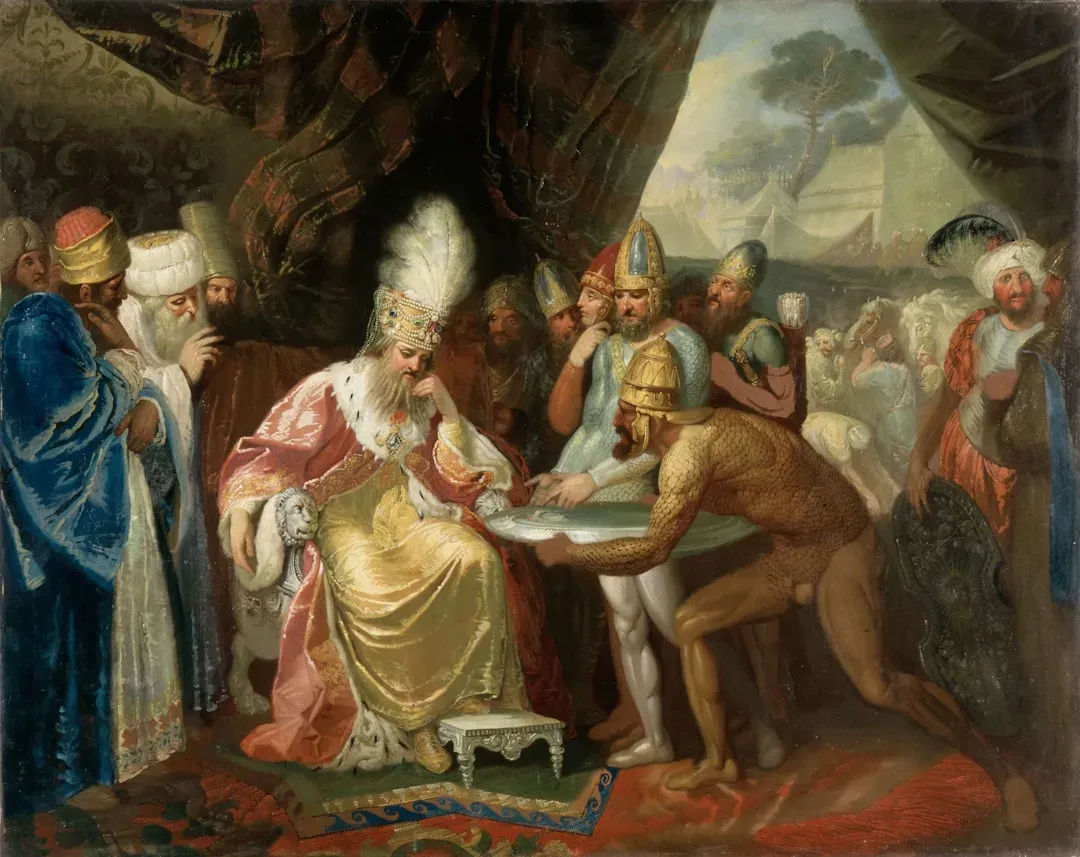
In the Middle Ages, the divine rights of kings were taken as a given, and so was their divine and healing touch. For roughly half a millennium, people genuinely believed their monarch had the power to cure disease with their noble hand. Scrofula, a disease resulting from tubercular, inflamed lymph glands in the neck, was something you were expected to bring to the king himself. The 11th-century King Edward the Confessor is generally credited as the first monarch to formally perform this healing ritual for commoners.
Grand ceremonies were held in which the ruler touched hundreds of people afflicted with scrofula, or the “King’s Evil,” and those people then received special gold coins called “touchpieces” that they regarded as amulets. The practice didn’t fade quietly. English and French monarchs continued touching for scrofula well into the 18th century, making this one of the longest-running medically motivated royal rituals in Western history.
2. Sneezing Let the Devil Inside Your Body


One of the most well-known superstitions believed to come from the Middle Ages is the custom of saying “bless you” after someone sneezes. There was a sincere belief that sneezing gave Satan the opportunity to enter the body, and the person who sneezed needed the help of God to exorcise the devil. Saying “God bless you” was understood to be a way to keep the Devil from entering and save the soul of the sneezer.
There was also a prevailing belief that a person could simply “sneeze out their soul.” This was counteracted by saying “God bless you” or covering the face to keep the soul in. The superstition gained traction during periods of rampant illness, when there was little else people could do to help one another. It’s worth noting that the phrase “bless you” has survived every scientific revolution since. We still say it, mostly out of politeness, with almost no memory of the demonology that started it.
3. Salamanders Were Born from and Fed by Fire


For roughly 1,500 years, people believed the humble salamander was somehow fireproof. This is made all the more remarkable by the fact that, for those entire fifteen centuries, everyone understood perfectly well what fire did to living things. Nonetheless, this persistent belief gave rise to salamanders as a mythical beast. Pliny the Elder insisted the cool flesh of the salamander could actually extinguish fire, a claim that probably killed quite a few salamanders forced to prove it.
Augustine believed they lived in fire. Leonardo da Vinci insisted the creatures ate fire instead of food. Paracelsus went further and swapped fire out of the four primal elements entirely, replacing it with the salamander. Scholars speculate the belief may trace back to the salamander’s habit of sheltering inside rotting logs. If a log was tossed onto a fire, the salamanders hiding inside would scuttle out of the flames, making it appear as though they were emerging from the fire itself.
4. Babies Could Not Feel Pain

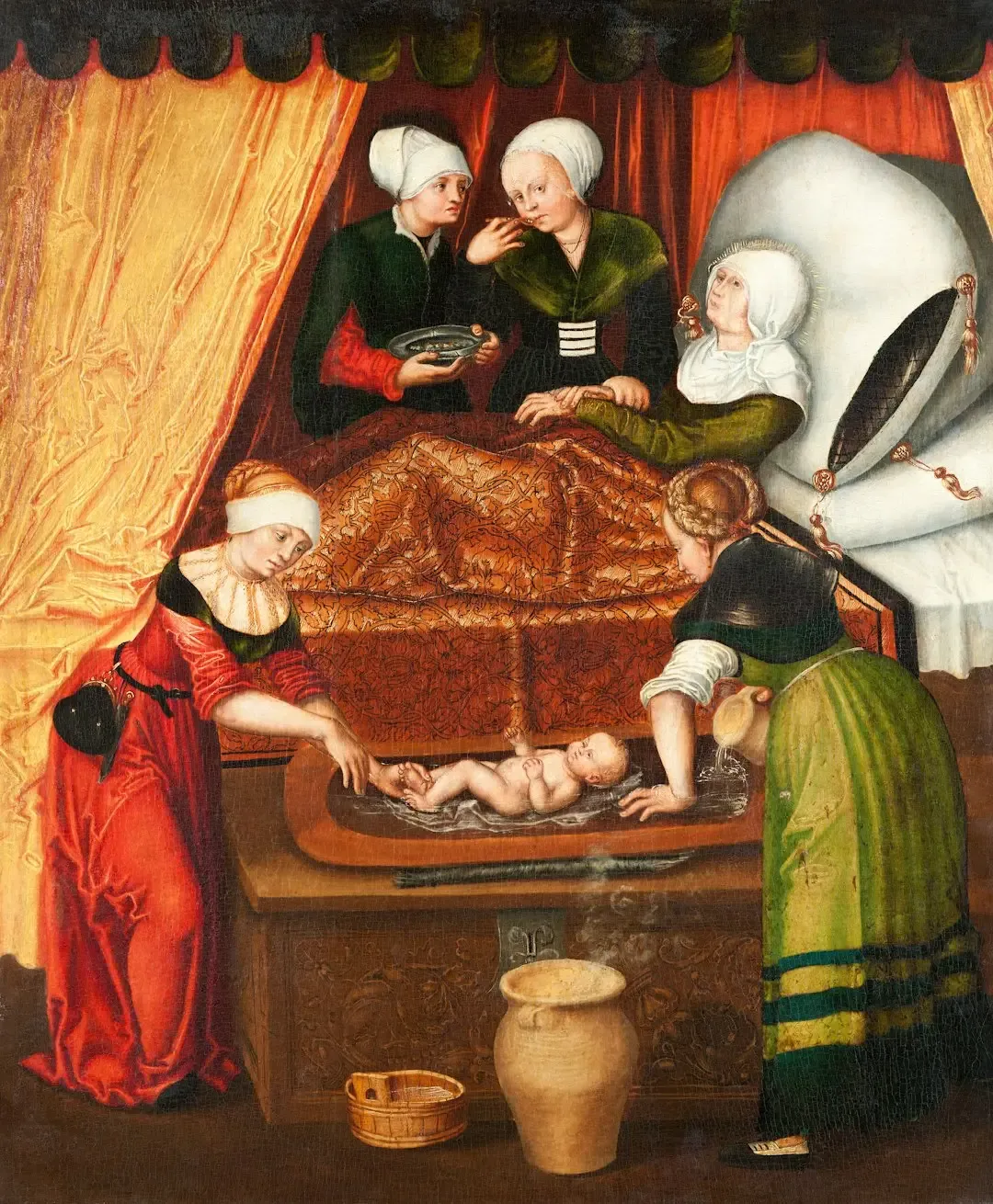
During the Middle Ages, many people believed that babies had no ability to feel pain. As a result, surgeries were sometimes performed on infants without any form of anesthesia. The notion that “babies feel pain” is, in fact, a very recent belief in historical terms. In earlier centuries, people thought babies were simply too underdeveloped to sense physical distress, and any crying during a procedure was attributed to ill-mannered childishness rather than the surgery itself.
This wasn’t casual cruelty. It was a formally held medical position repeated and passed on through scholarly texts. The heartbreaking irony is that infants feel pain more acutely than adults in many respects, not less. It took until the late 20th century for medical science to conclusively overturn this view and bring about routine infant anesthesia.
5. Raw Fruit Was Dangerous and Could Make You Fatally Ill


Fruits and vegetables were generally not eaten raw in the Middle Ages, because it was widely believed that raw produce caused disease. Fruits that grew on trees were considered more wholesome than those on the ground, because treetops were physically closer to heaven. Watermelon and strawberries, being low-growing, were seen as lowly fruits better suited for poor people.
People in medieval times thought raw fruit was dangerous, so they boiled it before eating. Boiling, of course, destroys vitamin C. This habit is considered one of the reasons why rates of scurvy were so high in medieval communities. One of the symptoms of scurvy is hallucinations, and scurvy-induced hallucinations are now thought to be one reason why so many people in the medieval period were documented to have experienced religious visions. The fear of fruit, in other words, may have fueled centuries of mysticism.
6. Thirteen People at a Table Was a Death Sentence for Someone

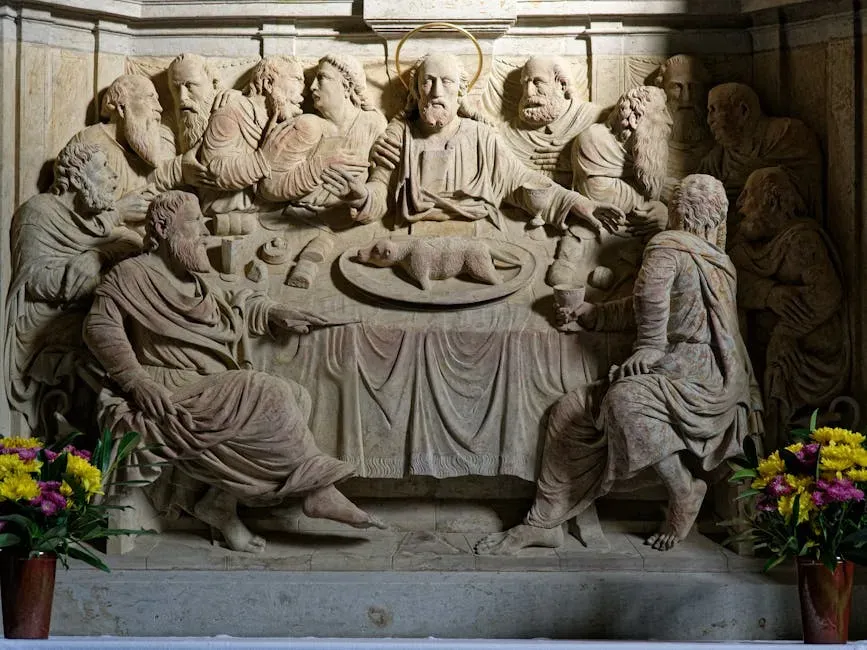
The belief that the number 13 is cursed had a firmly religious basis during the Middle Ages. There were 13 people present at the Last Supper, and therefore it was believed that 13 people gathered together constituted a terrible omen. Many believed that if a gathering was held for 13 people, whoever stood up first would be dead within the year.
The superstition became even more pronounced as time passed. Since Judas was the first to rise from the table at the Last Supper, and he was the one to betray Jesus, it followed logically to the medieval mind that the first person to stand from a table of 13 would meet with death or grave misfortune. By the 16th century, assembling 13 people under one roof could actually be cited as evidence of witchcraft. The fear of the number 13, known today as triskaidekaphobia, is a direct inheritance from this medieval religious reasoning.
7. Sperm Contained a Tiny, Fully Formed Human Being

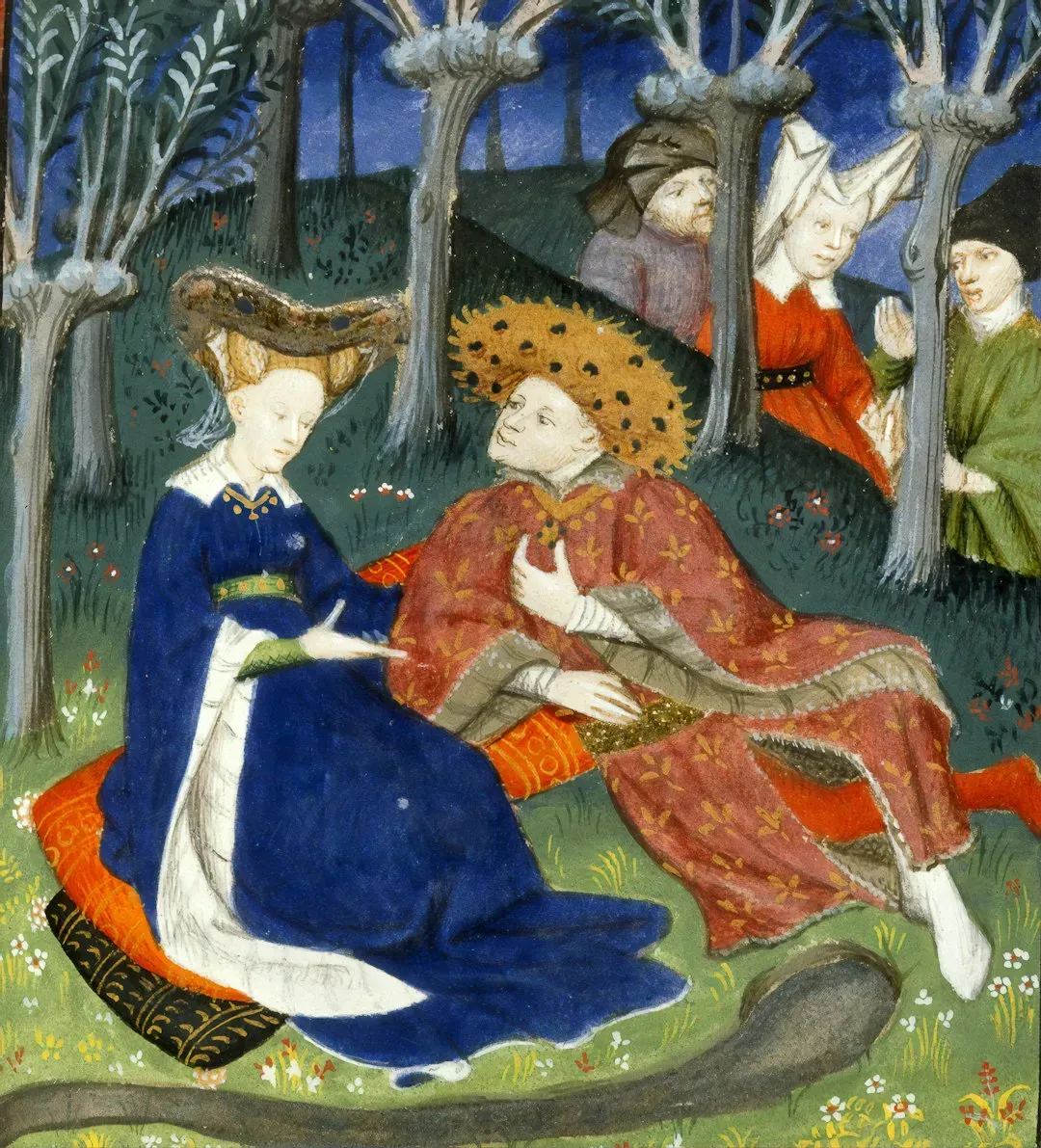
Medieval thinkers believed that a man’s sperm cells contained a fully formed human being already inside them, and that it was simply a woman’s role to act as an incubator to grow the tiny person to full size. This idea, rooted in ancient Greek thought and carried forward through medieval scholarship, positioned women as passive vessels rather than biological contributors to reproduction. It shaped not only medicine but law and theology for hundreds of years.
In the 13th century, a female orgasm was considered a necessary part of the process of human conception. This created an odd contradiction: women were thought to contribute nothing biologically, yet their physical response was considered mechanically essential. Physicians debated these ideas in scholarly Latin, entirely confident in their conclusions. It wasn’t until the 17th century, with the development of early microscopy, that the science began to unravel these assumptions.
8. Fairies Stole Newborn Babies and Left Impostors Behind

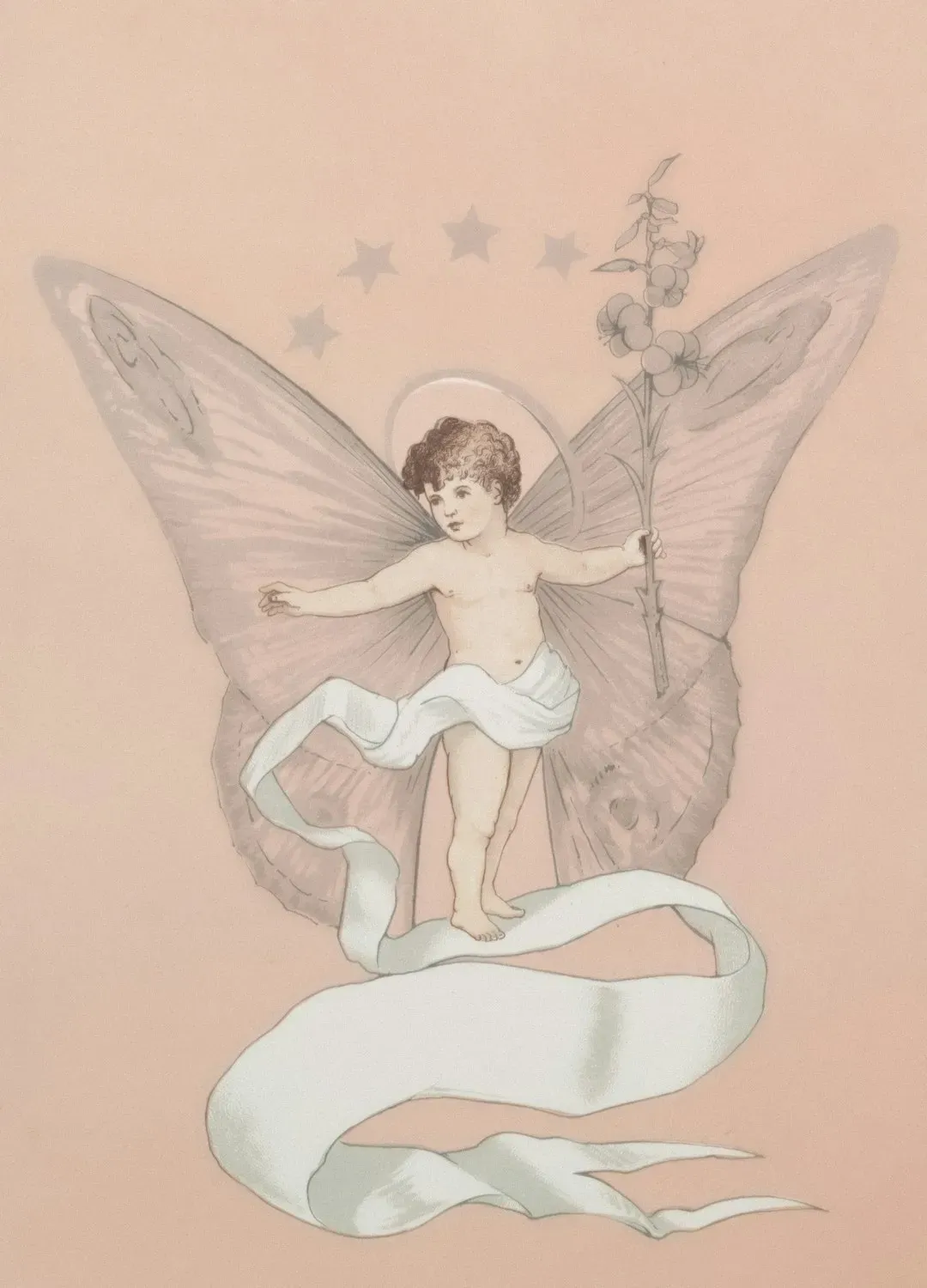
One prevalent superstition in medieval Britain was the fear that a child could be taken and replaced with a changeling. Stories circulated of parents who noticed their child suddenly becoming lethargic and wasting away, only to be told that their true child had been stolen and an impostor left in its place. Today, historians believe this belief arose out of a need to explain sudden childhood illnesses or children born with disabilities or deformities.
The changeling belief wasn’t confined to England. It appeared across Ireland, Scandinavia, Germany, and much of continental Europe, each region adding its own rituals for detecting and reversing the swap. Iron was commonly placed near cradles as a ward, since iron was a metal believed to ward off evil spirits. The psychological function of the belief is almost poignant in hindsight: it gave grieving parents a narrative framework for a loss or a change they could not otherwise explain.
9. Urine Was a Legitimate and Effective Medical Treatment

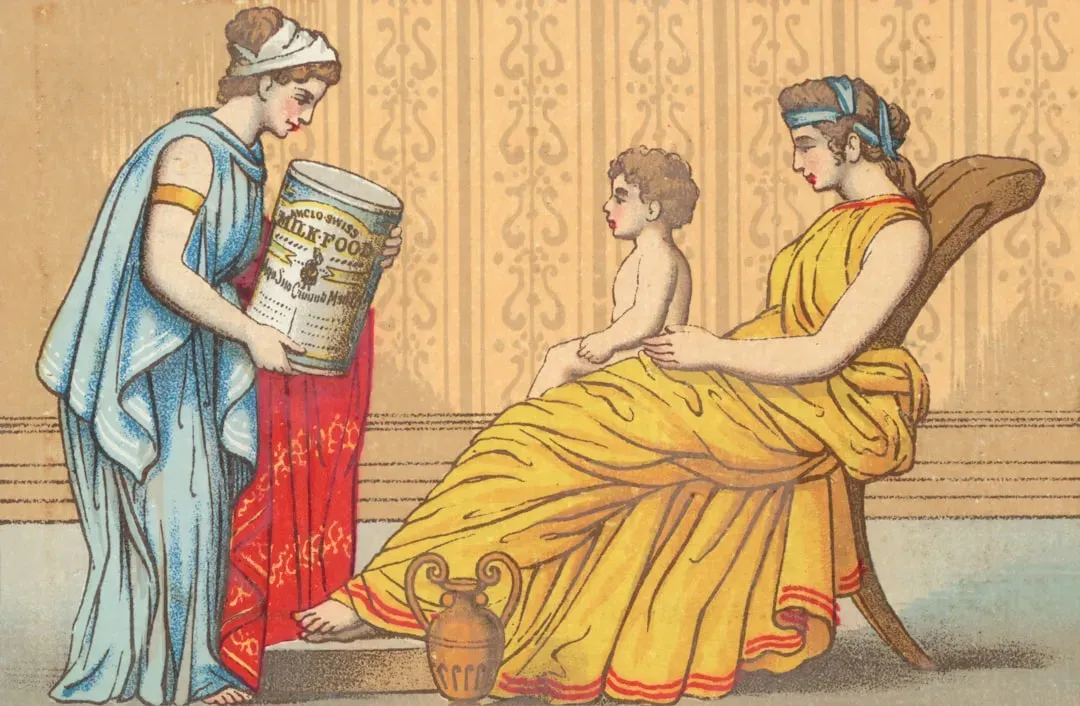
People used urine as an antiseptic during medieval times. Henry VIII’s surgeon actually believed that every single battle wound should be rinsed out with it. This wasn’t a fringe view held by quacks on the margins of society. Urine therapy appeared in respected medical texts across Europe and the Islamic world, and was used to treat everything from skin conditions to infected wounds. Fresh urine is, in fact, sterile, which means this practice wasn’t entirely without some accidental basis.
Medieval physicians also studied urine as a diagnostic tool in a practice called uroscopy, examining its color, smell, and consistency to identify illness. Charts mapping urine colors to specific diseases were printed and distributed to doctors. The practice was so central to medieval medicine that a doctor holding a flask of urine became one of the era’s defining visual symbols. What started as limited observation had, by the high Middle Ages, grown into an elaborate pseudoscientific system with almost no real diagnostic value.
10. A Demon Named Titivillus Was Responsible for Scribes’ Spelling Mistakes

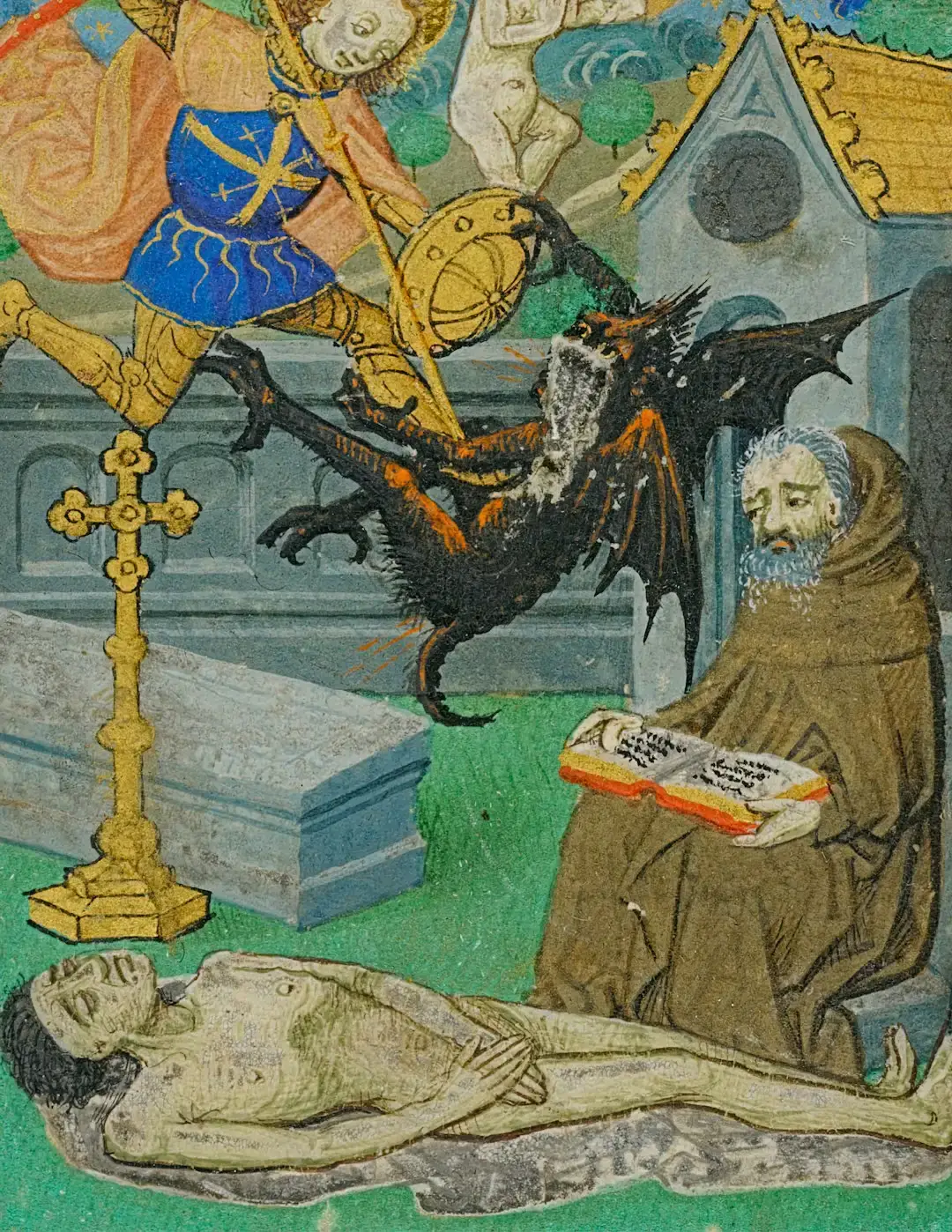
When monks had to copy texts entirely by hand, a spelling mistake was a serious matter. There was no way to simply undo an error. Rather than hold the scribe accountable, medieval culture invented a patron demon of scribes known as Titivillus, and any mistake found in a manuscript could be blamed on his interference rather than on the monk who made it. Titivillus was described as collecting these scribal errors in a bag, which he would then present to the Devil as evidence of human sloppiness and sin.
What makes this belief particularly well-documented is that Titivillus appears in multiple surviving sermons, morality plays, and theological texts from the 13th century onward. He wasn’t simply a folk joke. He was a serious figure in the moral imagination of the literate medieval class, cited by name in written works. While some creatures and customs described in medieval books of this kind are based in reality, most are not – the authors crafted stories from a combination of folklore, ancient sources, dubious firsthand accounts, and mythical tales. Titivillus fit perfectly into that world: a named, documented, theologically integrated explanation for a very human problem.
What’s striking about all ten of these beliefs isn’t their strangeness in isolation. It’s that they were held with complete sincerity by intelligent, literate, often deeply learned people. They weren’t gaps in thinking so much as the thinking itself, the best available framework for making sense of a confusing world. That’s a useful reminder, and a slightly unsettling one, about the relationship between confidence and accuracy in any era.