
Some things from the ancient world simply refuse to fit neatly into the timeline we’ve built for human civilization. They show up out of nowhere, defy the tools and knowledge we thought existed at the time, and leave even the most seasoned researchers scratching their heads. These are artifacts of historical and archaeological interest found in unusual contexts, and they challenge conventional historical chronology in ways that demand serious attention. Some appear too advanced for the technology known to have existed at the time.
Honestly, some of what’s on this list made me question everything I learned in school. What you’re about to read is not fringe fantasy – it’s documented history that simply hasn’t found a clean explanation yet. Let’s dive in.
1. The Antikythera Mechanism: The World’s First Computer
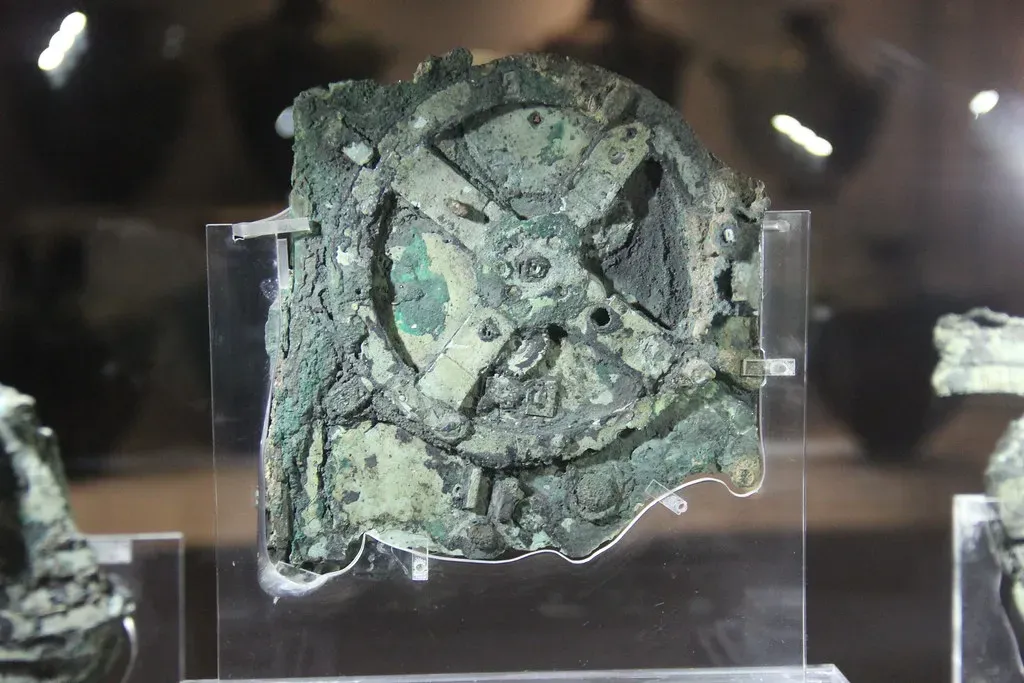
Imagine pulling a corroded bronze box out of a 2,000-year-old shipwreck and realizing it’s a fully functional astronomical calculator. The Antikythera mechanism was discovered in 1901 by sponge divers exploring a sunken shipwreck off the Greek island of Antikythera, and dates back approximately 2,200 years. This shoebox-sized device, constructed of intricate bronze gears, was used to model the motions of the sun, moon, and planets.
Decades of research and analysis have established that the mechanism dates from the second century BCE and functioned as a kind of hand-operated mechanical computer. Exterior dials connected to the internal gears allowed users to predict eclipses and calculate the astronomical positions of planets on any given date with an accuracy unparalleled by any other known contemporary device. That’s jaw-dropping for any era, let alone one without electricity.
The Antikythera Mechanism was so advanced that it wasn’t until the 14th century that similar mechanisms began to be developed in Europe. In a remarkable 2024 study, astronomers from the University of Glasgow cast new light on the mechanism, using statistical modeling techniques developed to analyze gravitational waves to establish the likely number of holes in one of its broken rings. Their results provided fresh evidence that one component was most probably used to track the Greek lunar year.
A newer study suggests the mechanism may not have worked perfectly. The issue may have been the mechanism’s triangular-shaped gear teeth. Computer simulations which reproduced the device’s current design suggested that the gear’s teeth may have routinely disengaged, causing the machine to jam – and it could only be cranked about four months into the future before the gears slipped and required resetting. Still, even a flawed ancient computer is a marvel beyond explanation.
2. The Voynich Manuscript: A Book Nobody Can Read
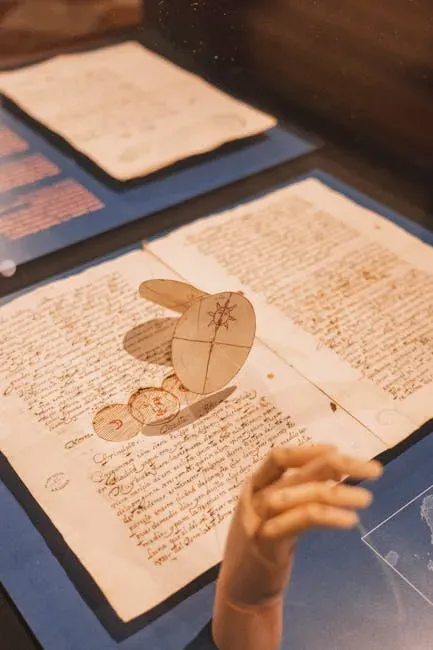
The Voynich manuscript is an illustrated codex, hand-written in an unknown script referred to as Voynichese. The vellum on which it is written has been carbon-dated to the early 15th century, between 1404 and 1438. Stylistic analysis has indicated the manuscript may have been composed in Italy during the Italian Renaissance.
This late-medieval document is covered in illustrations of stars and planets, plants, zodiac symbols, naked women, and blue and green fluids. The text itself – thought to be the work of five different scribes – is enciphered and yet to be understood. Every codebreaker who has ever touched it, from World War II intelligence analysts to modern AI systems, has walked away empty-handed.
In September 2024, a researcher studying multispectral images of the Voynich Manuscript identified previously hidden columns of letters on its first page. The three columns – two bearing letters of the alphabet and one of unreadable Voynichese characters – appear to have been added by one of the manuscript’s early owners to decrypt its mysterious writing. So someone from centuries ago tried to crack the code too, and failed.
A 2025 study proposed a historically plausible verbose substitution cipher called “Naibbe” that can encode Latin and Italian as ciphertext, would be possible with 15th century supplies, and exhibits many of the manuscript’s known statistical properties – though the author stresses it is a proof of concept and does not claim it is the manuscript’s actual cipher. The mystery endures, bold and completely intact.
3. The Baghdad Battery: Ancient Electricity?
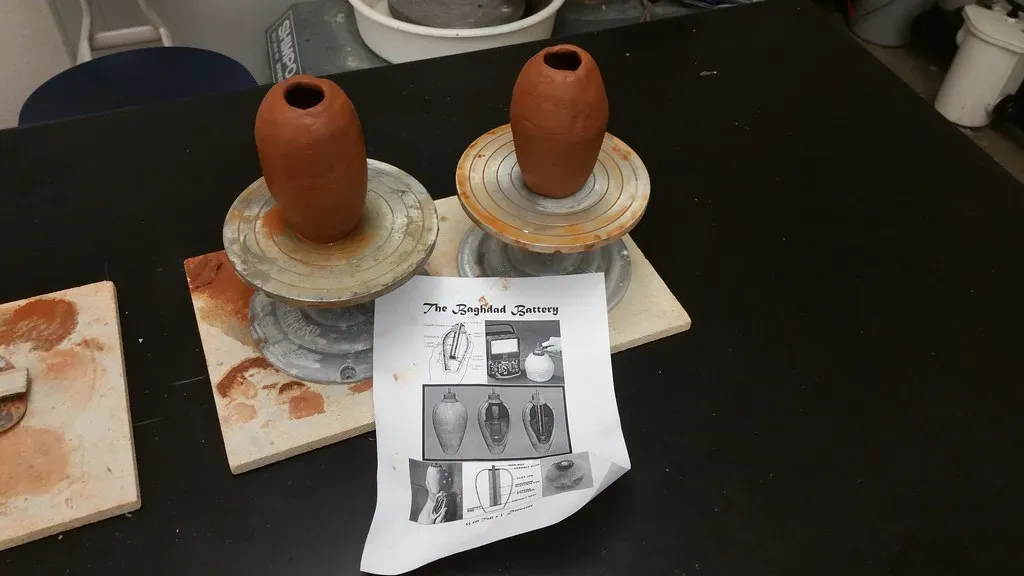
Here’s the thing – when archaeologists near Baghdad found a collection of ancient clay jars, copper cylinders, and iron rods in the 1930s, nobody expected them to be staring at what might be the world’s oldest battery. In the scorching hills near Baghdad, clay jars dating back to roughly 250 BCE were unearthed, each containing a copper cylinder and iron rod. Some researchers, including German archaeologist Wilhelm König, proposed in the 1930s that these jars could have functioned as primitive batteries, possibly for electroplating gold onto silver.
If true, this would mean people in ancient Mesopotamia had a grasp of electrical concepts 2,000 years before Benjamin Franklin. Recent scientific experiments have shown these jars can generate a mild voltage when filled with vinegar or grape juice – yet there is no direct evidence they were ever used as batteries, and no traces of electroplated objects have been found from that period.
While the true purpose of the Baghdad Battery remains uncertain, the possibility that it was used to generate electricity challenges our understanding of ancient technological capabilities. Debate continues over its function, with some scholars suggesting it might have been used for electroplating or medicinal purposes. It’s hard to say for sure, but the ambiguity itself is extraordinary.
4. The Stone Spheres of Costa Rica: Perfect Geometry in the Jungle
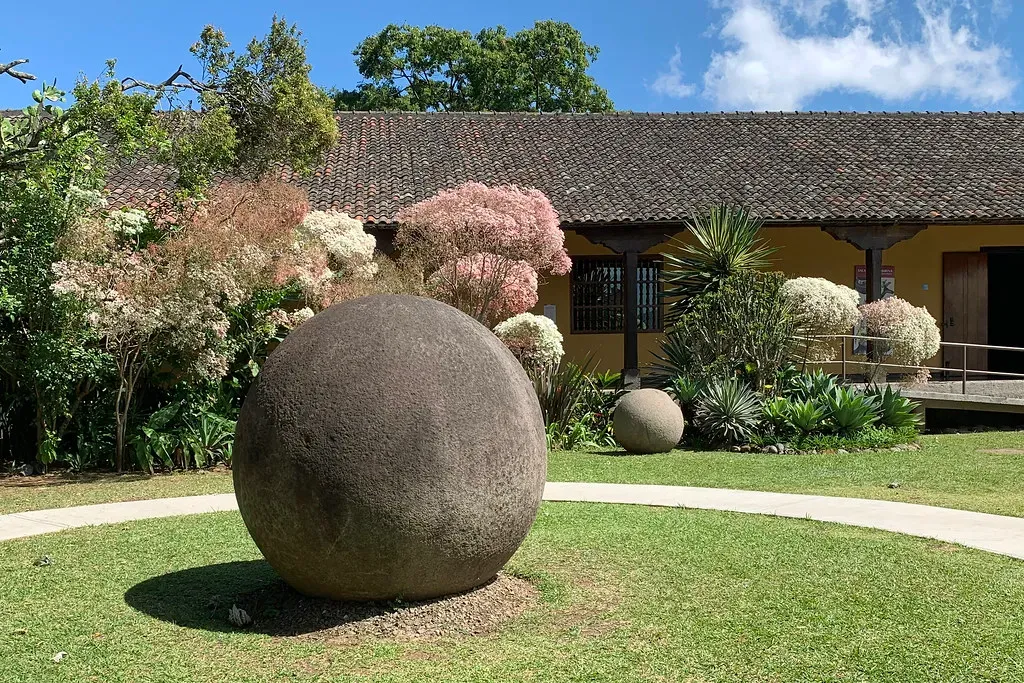
Picture this: workers clearing jungle for a banana plantation in 1939 suddenly encounter massive, perfectly round stone balls scattered across the forest floor. The Stone Spheres of Costa Rica, known also as bolas de piedra, are a collection of over 300 petrospheres, ranging from a few inches to over six feet in diameter, with the largest weighing up to 16 tons.
Known locally as bolas de piedra, the enormous stone spheres are man-made sculptures believed to date between 200 BC and 800 AD. Archaeologists believe they could be a creation of the extinct Diquís culture, a pre-Columbian indigenous culture that grew in Costa Rica from 700 AD to 1530 AD, making them the most important sculptures of the Isthmo-Colombian area.
The source of the gabbro material was several kilometres away from the final installation site, and the indigenous peoples who created these stones did not possess adequate leverage, wheels, or animals strong enough to lift and relocate the materials to such a distance. Originally, there may have been hundreds of these spheres around the Diquís Delta, with some scholars believing they may have been used to mark the approach to houses owned by chiefs.
The spheres remain a mystery due to the lack of written records from the Diquís culture. The culture of the people who made them became extinct shortly after the Spanish conquest, so there are no myths, legends, or stories told by indigenous people of Costa Rica about why they made these spheres. They just vanished, leaving perfect stone balls and zero explanations.
5. The Piri Reis Map: Charting Continents Before They Were Found
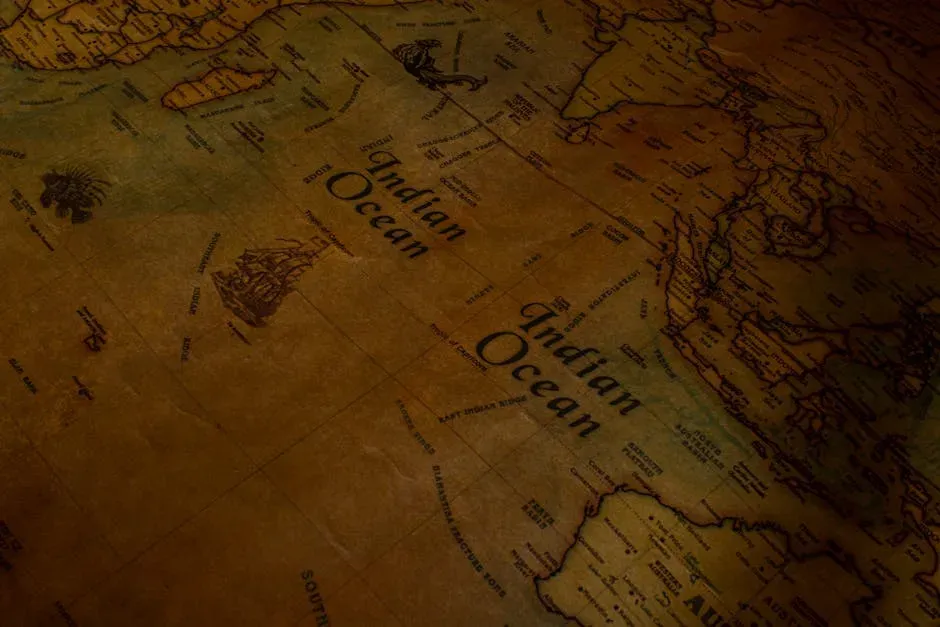
In 1513, an Ottoman admiral drew a map. That alone isn’t unusual. What is unusual is that the map appears to show the coastline of Antarctica – a continent not officially discovered until 1820. The Piri Reis Map is a navigational chart created in 1513 CE by Ottoman cartographer Piri Reis. What makes this map particularly fascinating is its depiction of the South American coastline and a landmass resembling Antarctica – about 200 years before the continent was officially discovered.
Scholars have debated whether the map was based on now-lost ancient sources, as Piri Reis himself claimed to have used “twenty charts and mappae mundi” including some from the era of Alexander the Great. That claim alone opens a rabbit hole so deep it’s unsettling.
Let’s be real though – skeptics have a strong counter-argument here. While the map is a genuine and priceless historical document, the notion that it depicts an ice-free Antarctica is widely refuted. The most accepted explanation is that the landmass is not Antarctica at all, but a highly distorted extension of the South American coast, bent to fit onto the animal-skin parchment. Cartographers of the era also frequently included the purely theoretical southern continent known as Terra Australis Incognita, largely for philosophical balance.
Whether it’s a coincidence of cartographic imagination or a copy of a truly ancient source map, the debate keeps serious scholars busy. The accuracy of the Piri Reis Map has led to speculation about how ancient civilizations may have possessed advanced knowledge of geography and cartography. Debate or not, this thing refuses to be dismissed.
6. The Saqqara Bird: Ancient Aeronautics or Ritual Object?
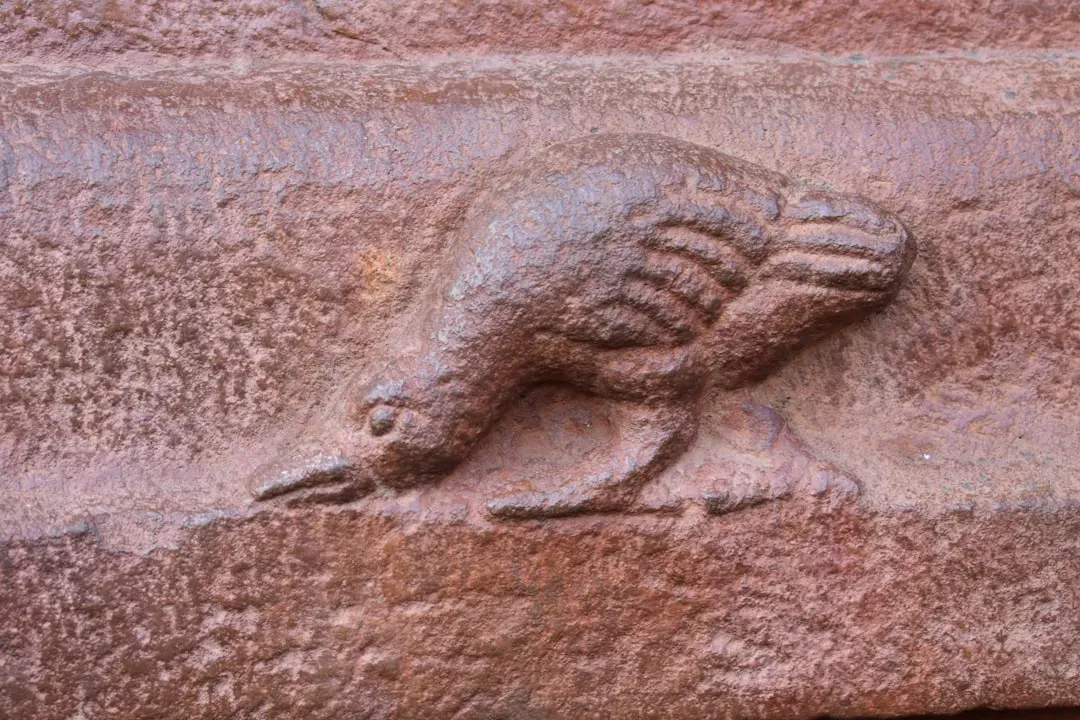
In 1898, archaeologists excavating a tomb near Saqqara in Egypt made a peculiar find: a carved wooden bird, small enough to hold in one hand, with a body and wing shape that looks suspiciously like a modern glider. The Saqqara Bird is a wooden artifact discovered in 1898 in a tomb near the ancient Egyptian city of Saqqara. It is believed to be a model of a bird and has been dated back to around 200 BC. The artifact is made of sycamore wood and measures 18.1 cm in length.
The Saqqara Bird intrigues with its uncanny resemblance to a modern glider. Crafted from sycamore wood, its true function remains debated – was it a child’s toy, a ritual object, or evidence of ancient aeronautical knowledge? The mystery endures, as no definitive proof exists for any theory.
Some believe it is evidence of ancient flight, while others think it was merely a child’s toy. However, there is no evidence to suggest the Saqqara Bird was ever used for flight. Another theory is that the artifact was used in religious ceremonies and may have represented the soul of the deceased, which was believed to be able to fly to the afterlife.
7. The Shroud of Turin: History’s Most Debated Relic
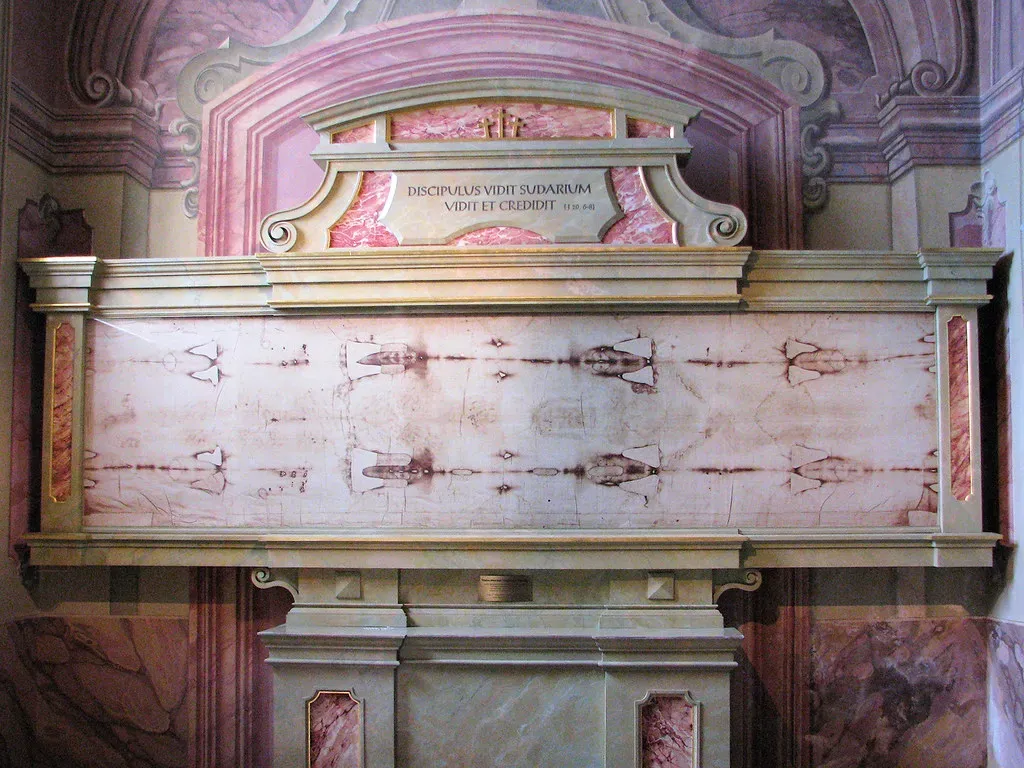
Few artifacts in human history have sparked as much passionate argument as a single piece of linen kept in a cathedral in northern Italy. The Shroud of Turin is a centuries-old linen cloth bearing the faint image of a man, believed by some to be Jesus Christ. Housed in the Cathedral of Saint John the Baptist in Turin, Italy, the shroud has been the subject of intense scientific and religious scrutiny.
The shroud is traditionally identified as the burial shroud in which Jesus of Nazareth was wrapped after crucifixion. It contains an image that resembles a sepia photographic negative, with radiocarbon dating establishing it was produced between the years 1260 and 1390. Mention of the shroud first appeared in historical records in 1357.
Radiocarbon dating has provided conflicting results, fueling further intrigue. The shroud has been both revered as a religious relic and scrutinized as a possible medieval forgery. The image’s mysterious qualities, including its photographic negative properties, add to its enigma.
The actual method that resulted in the image has not yet been conclusively identified; hypotheses about a medieval proto-photographic process, a rubbing technique, natural chemical processes, or some kind of radiation have not convinced many researchers. Centuries of debate and the image on that cloth remains stubbornly unexplained.
8. The Nazca Lines: Messages to the Sky
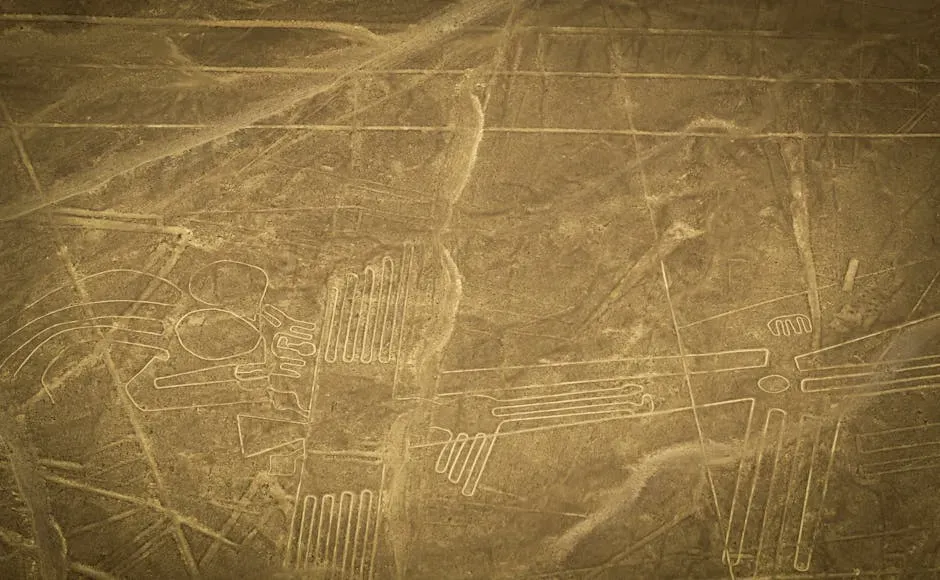
Etched into a dry, remote plateau in southern Peru are hundreds of enormous drawings – spiders, hummingbirds, monkeys, geometric spirals – so large they can only be properly seen from the air. That’s not a metaphor. The Nazca Lines stretch across Peru’s arid plains, forming massive shapes of animals, plants, and intricate geometric patterns. Visible only from high above, these ancient geoglyphs present historians with a compelling enigma: how and why were they made? Theories abound, from astronomical calendars to communication with deities.
The lines were created by the Nazca culture, who lived in the region between roughly 500 BCE and 500 CE. What’s remarkable is that the lines have survived at all. The extreme dryness of the Peruvian plateau – one of the driest places on Earth – and the absence of wind at ground level has preserved them for nearly two thousand years.
Theories about the lines’ function range from astronomical calendars to religious offerings. Despite extensive study, the full significance of the Nazca Lines remains a mystery, continuing to captivate researchers and tourists alike. Think about it – an ancient culture invested enormous labor into artwork that only makes sense from hundreds of feet in the air. Why?
9. The Phaistos Disc: An Undeciphered Bronze Age Spiral
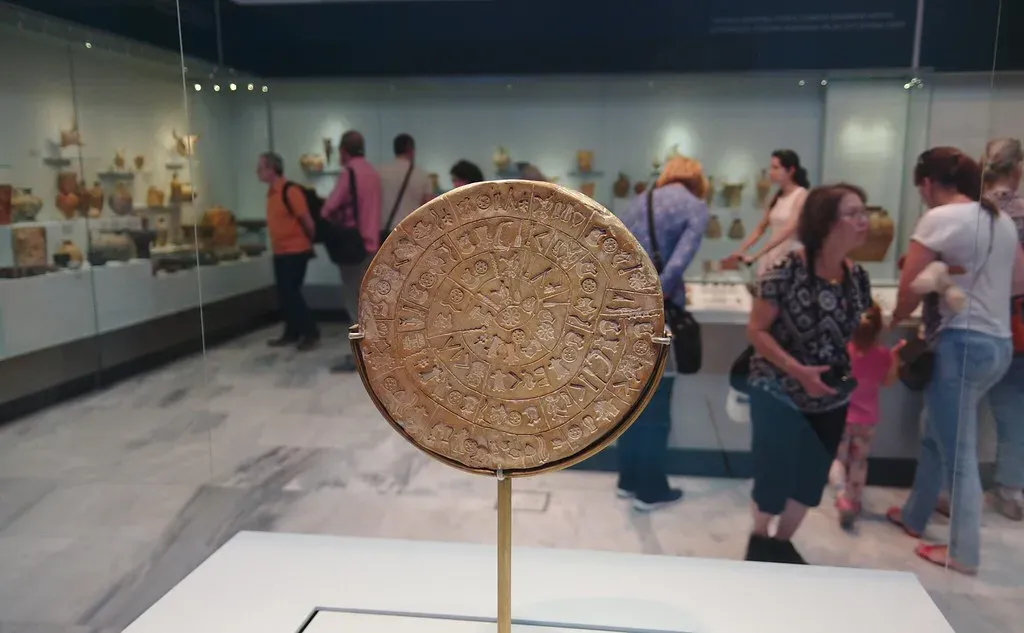
Pull a small clay disc out of the ruins of a Minoan palace on Crete, and you’d expect to puzzle over it for a few years before someone figures it out. Over a century later, nobody has. Unearthed in 1908 at the Minoan palace of Phaistos on the island of Crete, the Phaistos Disc is a circular clay tablet inscribed with mysterious symbols. The disc’s purpose and the meaning of its inscription remain unknown, despite extensive study. Some scholars suggest it could be an ancient form of writing, while others believe it might be a game board or calendar. The lack of similar discoveries makes it difficult to contextualize the disc within Minoan culture, further adding to its mystique.
The disc is roughly 15 centimeters in diameter and bears 241 tokens made from 45 distinct signs, stamped in a spiral pattern on both sides. What makes it especially unusual is the technique. The symbols appear to have been made using pre-formed stamps – essentially a kind of movable type – thousands of years before Gutenberg’s printing press. Whether that was a fluke or evidence of forgotten knowledge, we simply don’t know.
No other artifact from the same era or region uses anything resembling this writing system. There is no Rosetta Stone equivalent to help decode it. Some artifacts and monuments remain shrouded in mystery, defying even the most advanced research. These enigmatic finds ignite our curiosity, fueling debates and inspiring theories that range from plausible to the fantastic. The Phaistos Disc is the perfect example of that.
10. Gobekli Tepe: A Temple That Predates Civilization Itself
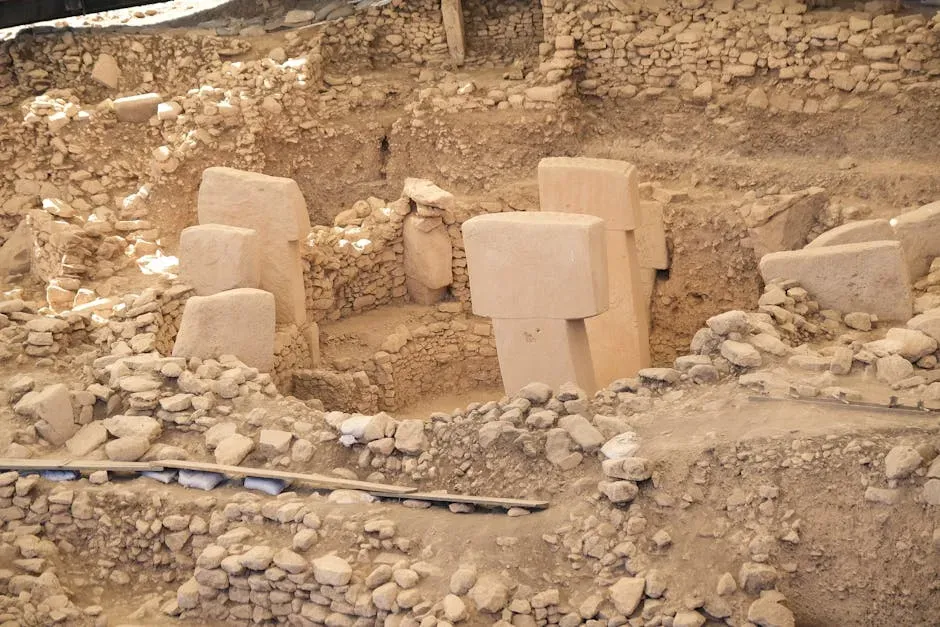
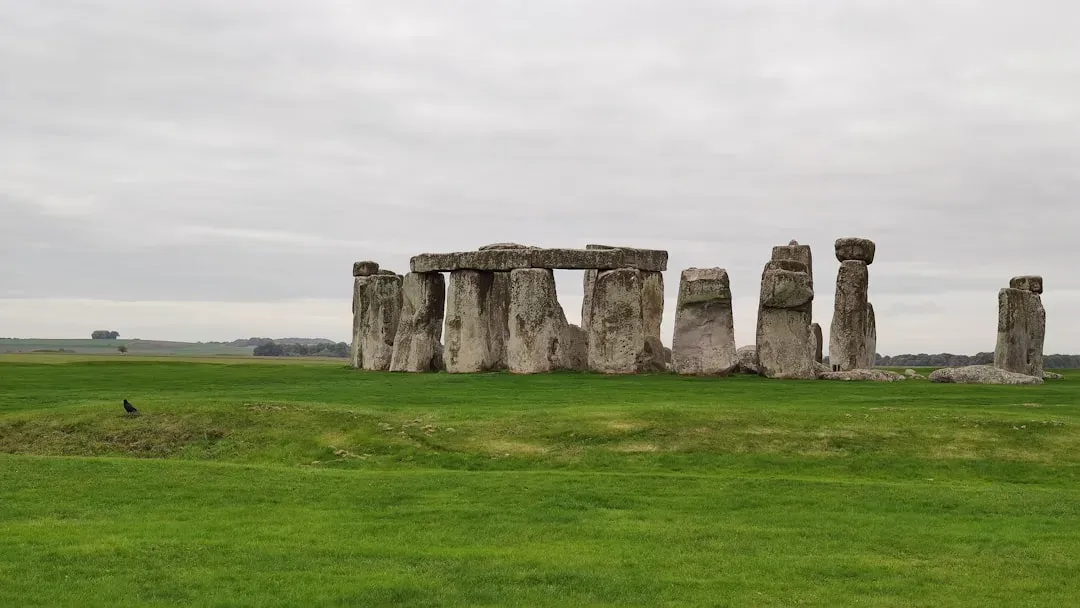
Let’s end on perhaps the most mind-bending artifact complex of all. Not a single object this time, but a site full of carved stone pillars so old that finding it forced historians to rewrite the very origins of human civilization. Located in modern-day Turkey, Gobekli Tepe is a prehistoric archaeological site that dates back to around 9600 BCE. The site consists of massive stone pillars arranged in circles, adorned with intricate carvings of animals and abstract symbols. What makes Gobekli Tepe particularly fascinating is its age and complexity, predating Stonehenge by several thousand years.
The pillars, some standing over five meters tall and weighing up to 10 tons, were carved and arranged by hunter-gatherers. People who, according to what we previously believed, were too busy surviving to build monumental architecture. That assumption crumbled the moment the first T-shaped pillar was unearthed. Taken together, the Karahantepe material further challenges longstanding narratives about the shift from nomadic hunter-gatherer life to early settlements, showing that complex social organization and communal monumental architecture predate the establishment of agricultural communities.
Ongoing excavations at nearby Karahantepe have only deepened the mystery. Thousands of years older than classical counterparts, circular structures point to organized group gatherings. Sculpted human faces join T-shaped pillars with carved faces to form one of the largest concentrations of human face depictions in the Neolithic era. Elsewhere at the site, a set of stone figurines representing a wild boar, a vulture, and a fox were deliberately arranged, suggesting intentional storytelling.
The site’s purpose is still debated, with theories ranging from a temple complex to a communal gathering place. What we know for certain is that people over 11,000 years ago built something extraordinary – and then, deliberately, buried it.
A World Still Full of Unanswered Questions
These ten artifacts are not curiosities for fringe enthusiasts alone. They sit in museums, peer-reviewed journals, and university research programs worldwide. Each one points to the same uncomfortable conclusion: our map of human history has enormous blank spaces still waiting to be filled.
Archaeologists and historians have uncovered countless ancient artifacts that defy conventional explanations. These discoveries challenge the general understanding of ancient civilizations, suggesting lost knowledge, advanced technologies, or alternative interpretations of history. That’s not mysticism. That’s science acknowledging its own limits.
What strikes me most is not the mystery itself – it’s the humility these artifacts demand from us. Every time we think we have the past figured out, something like the Antikythera Mechanism or Gobekli Tepe surfaces to remind us how little we actually know. The story of humanity is far older, stranger, and richer than any textbook can contain.
Which of these artifacts surprised you the most? Drop it in the comments – the conversation is just getting started.