Artificial Intelligence Supercharges Workplace Productivity

Let’s be real, we’re in the middle of an AI revolution. In 2024, 78% of organizations reported using AI, up from 55% the year before, which is honestly a staggering leap in just twelve months. Workers utilizing these tools are seeing real differences in their daily routines. Employees using AI report an average 40% productivity boost, with controlled studies showing 25-55% improvements depending on function, according to multiple research sources from 2024 and 2025.
The impact stretches across different fields in fascinating ways. Developers who use AI tools for coding are 88% more productive than those who do not, based on GitHub data. Think about what that means – almost double the efficiency. Sales professionals aren’t left behind either, with significant time savings that translate to tangible business outcomes. Over 90% of workers say automation increases their productivity, and companies investing in automation see an average 22% reduction in operating costs.
Here’s the thing though – this isn’t just about raw numbers. Real people are completing tasks faster, focusing on creative work instead of repetitive chores, and fundamentally reshaping how work gets done in 2026.
Smart Home Technology Reaches Critical Mass
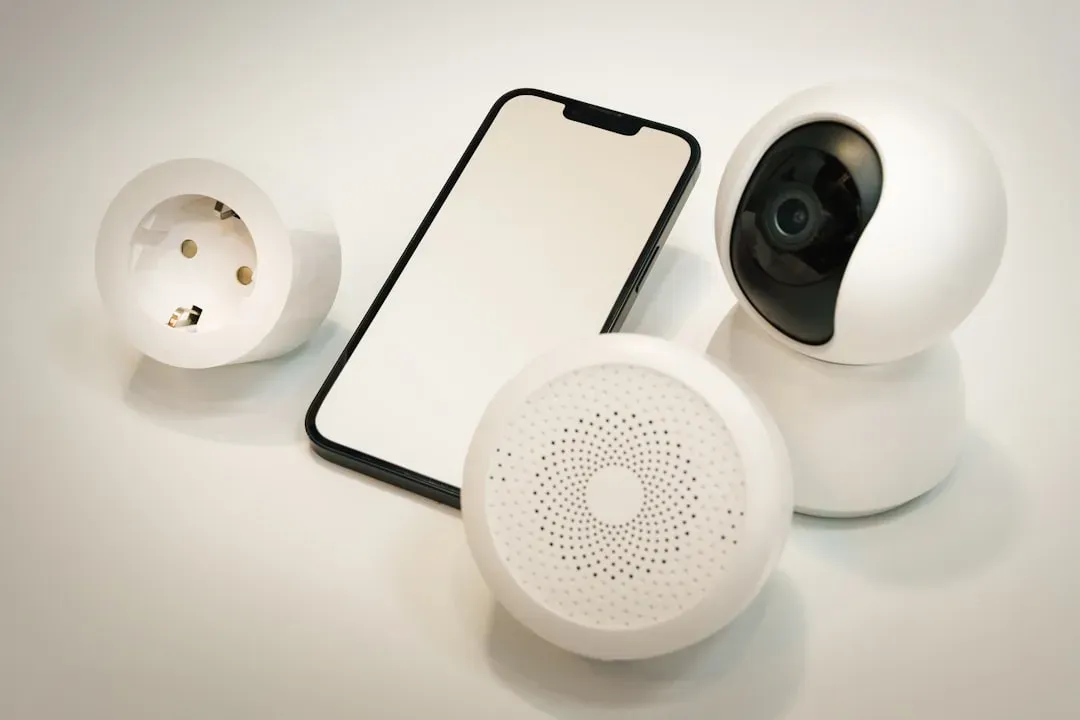
A remarkable 93% of Americans now own at least one smart home device, and 42% report that the majority of their home devices are now ‘smart’, according to a 2024 survey. We’ve officially hit a tipping point where smart technology has moved from luxury to mainstream necessity.
What’s driving this surge? Convenience tops the list, naturally. Smart speakers are widely adopted, with 79% of households having them installed. Security cameras, smart thermostats, and lighting systems follow closely behind. The financial commitment is substantial too – Americans have spent an average total of $3,026 on smart devices – but the majority feel it’s worth every penny.
Household penetration will be 77.6% in 2025 and is expected to hit 92.5% by 2029 globally, according to Statista projections. The numbers paint a clear picture: smart homes aren’t the future anymore; they’re the present, fundamentally changing how we interact with our living spaces daily.
Telemedicine Transforms Healthcare Access

Healthcare delivery has been completely reimagined over the past few years. Among all patients surveyed, 41% reported receiving medical care virtually in the last year (from October 2023 to October 2024), and the convenience factor cannot be overstated.
In 2024, there were over 116 million users of online doctor consultations worldwide, up from around 57 million in 2019. That’s more than doubling in just five years. Mental health services particularly benefited – in 2023, 36.8% of mental health visits were conducted through telehealth, making therapy more accessible to people who might have previously struggled to find care.
Chronic illness patients are seeing especially strong benefits. Among patients with chronic illnesses, three-fourths (75%) reported they have used virtual care, with 50% doing so in the past year. No waiting rooms, no travel time, no complicated logistics – just direct access to medical professionals from wherever you happen to be.
Mobile Payments Accelerate the Cashless Revolution
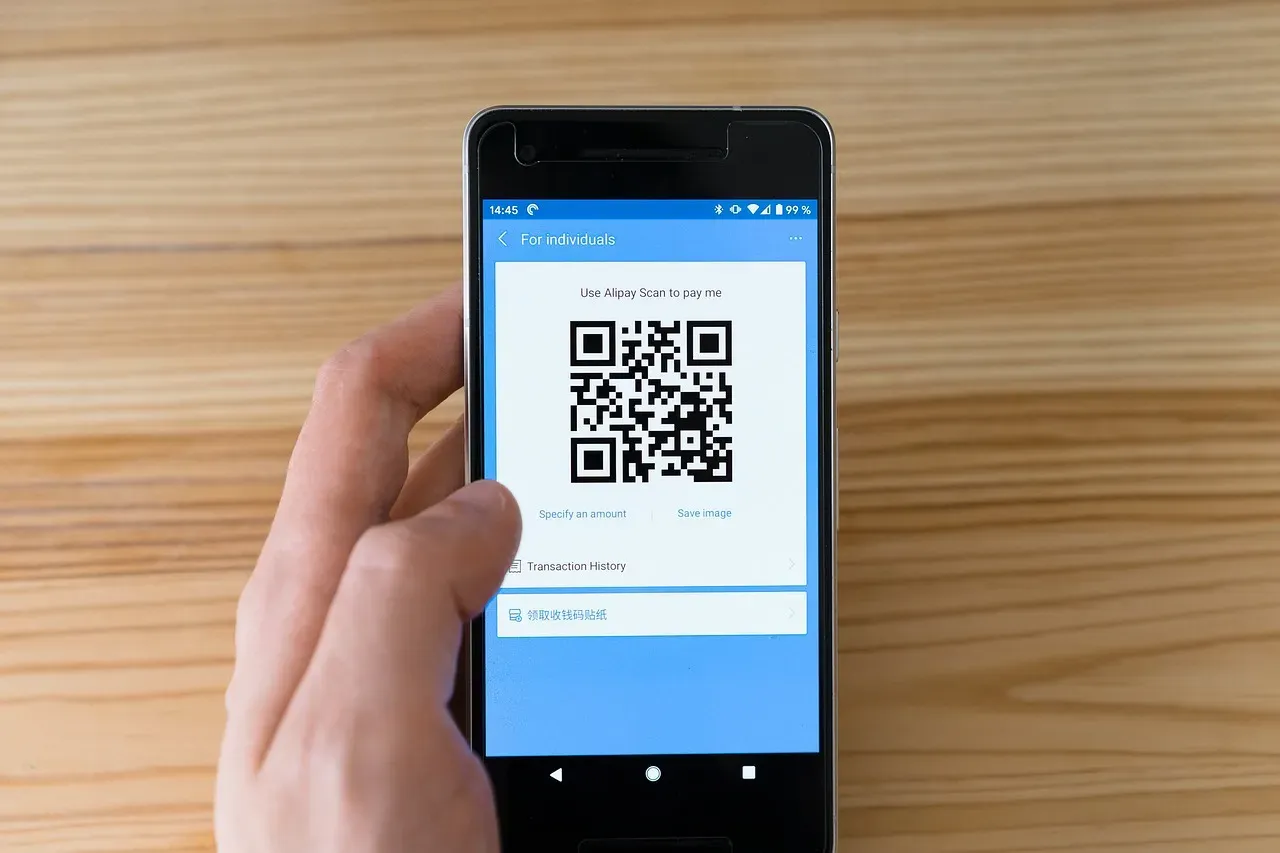
Mobile payments transaction volume reached $8.1 trillion in 2024, a 9.4% annual increase, with billions of people worldwide now ditching their wallets for their smartphones. The shift is happening faster than many predicted.
The global mobile payment market size was valued at USD 82.89 billion in 2024 and is expected to grow from USD 96.94 billion in 2025 to reach USD 335.79 billion by 2033, growing at a CAGR of 16.82% during the forecast period. These aren’t just incremental changes – this is exponential growth reshaping how commerce functions at every level.
Over 2.7 billion people used mobile payments in 2024. Whether it’s paying for coffee, splitting dinner bills with friends, or conducting business transactions, mobile payment platforms like Apple Pay, Google Pay, and various regional solutions have made financial transactions faster, more secure, and infinitely more convenient than fumbling for cash or cards.
Remote Work Technology Reshapes Employment

The way we work has fundamentally shifted. 36.2 million workers will work remotely by 2025, which is an 87% increase from the pre-pandemic numbers, according to workplace technology statistics. This massive change required equally massive technological support to make it viable.
Cloud computing, video conferencing platforms, collaborative software, and project management tools have all matured rapidly. Post-pandemic, 60% of businesses will opt for a hybrid work model, and these technologies are what make that flexibility possible. Workers can attend meetings from anywhere, access files seamlessly, and collaborate across continents as if they were in the same room.
The efficiency gains are tangible. Workplace productivity statistics indicate that people who work from home are just as productive as their in-person peers. Almost 35% of hiring managers say that productivity has increased since they introduced remote working models in 2020. Technology didn’t just enable remote work – it made it work effectively.
Internet of Things Creates Connected Ecosystems
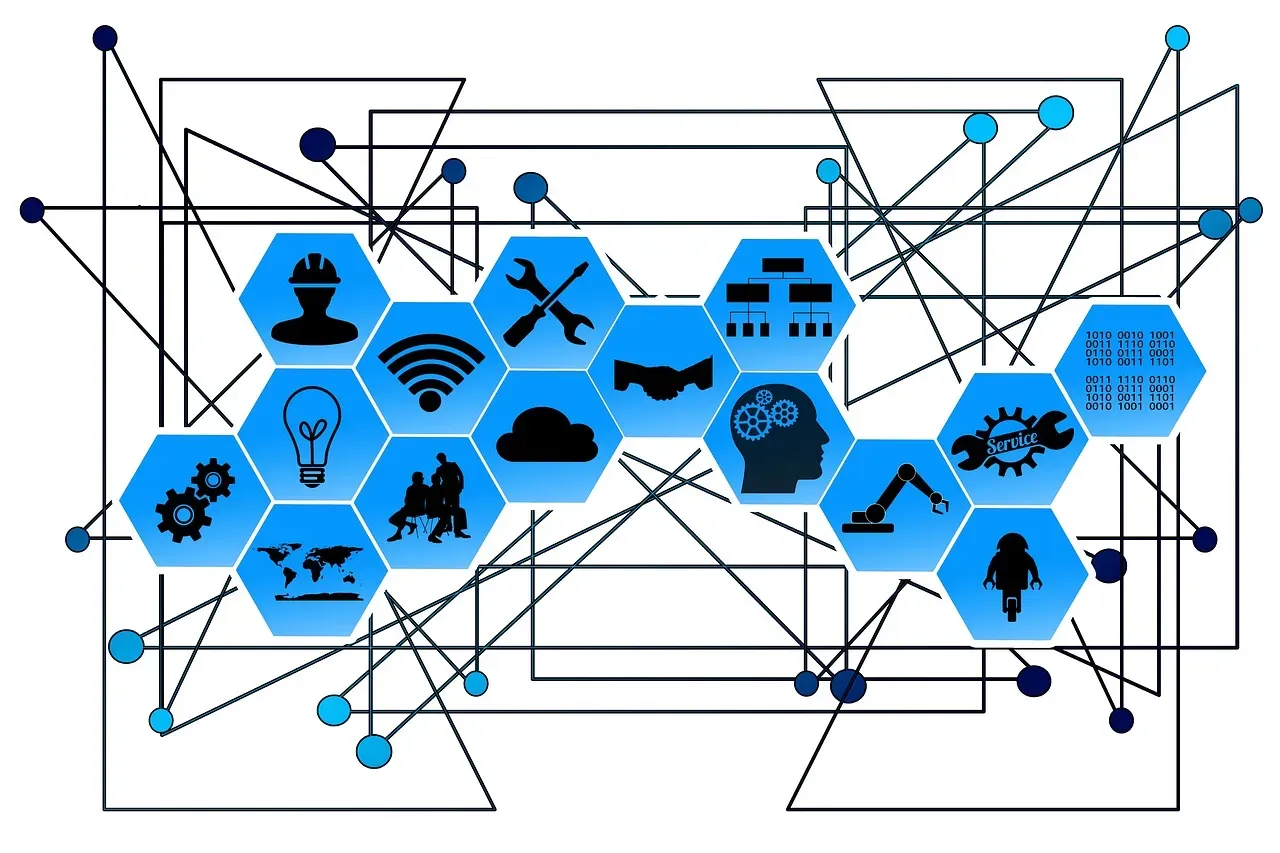
Everything’s getting connected. There will be 75 billion connected devices globally by 2025, according to technology reports. That’s roughly ten devices for every person on Earth, all communicating with each other to make life smoother.
The surge in IoT technology can be attributed to increased connectivity and the need for a more efficient and automated lifestyle. With IoT, everyday devices can be controlled and managed remotely, creating a more comfortable and convenient environment. Your refrigerator can tell you when you’re out of milk, your car can schedule its own maintenance, and your thermostat learns your temperature preferences without you touching a button.
The economic potential is staggering. The Internet of Things has the potential to generate up to $11 trillion in economic value annually by 2025. This is due to the many benefits that the IoT brings to different industries, including increased productivity, reduced costs, and the creation of new employment opportunities. We’re witnessing interconnectedness on a scale that was pure science fiction just two decades ago.
E-commerce and Digital Shopping Reach New Heights

Shopping has permanently moved online in ways that are accelerating year after year. Digital wallets account for 50% of global e-commerce transactions, reflecting their growing importance in online shopping, fundamentally changing retail dynamics.
In e-commerce, digital payments are projected to rise from 66% in 2024 to 79% in 2030, while cash and cards decline from 34% to 21%, according to analysis from financial industry sources. This isn’t just a temporary trend – it’s a complete restructuring of how commerce operates.
Honestly, who wants to drive to a store, hunt for parking, and wander aisles when you can compare prices, read reviews, and have products delivered within hours? The convenience factor combined with technological sophistication in recommendation algorithms, secure payment systems, and logistics tracking has made online shopping not just easier, but genuinely superior for most purchases. The retail landscape will never look the same again.
Cloud Computing Delivers Unprecedented Access and Flexibility

Recent technology statistics projected that global spending on IT systems would surpass $5.6 trillion in 2025. If these projections prove correct, it will represent a rise of around 10% from 2024 and mark the second consecutive year that global spending has exceeded $5 trillion. A significant portion of this investment flows directly into cloud infrastructure.
Cloud services have democratized access to powerful computing resources. Small businesses can now leverage the same technological capabilities as Fortune 500 companies without massive upfront investments. Files, applications, and entire business operations can run from anywhere with an internet connection. Collaboration happens in real-time across continents. Data backup is automatic and secure.
The flexibility is game-changing. Need more storage? Scale up instantly. Launching a new project? Spin up servers in minutes rather than weeks. This level of agility was unimaginable in the era of physical servers and local storage. Cloud computing hasn’t just made things easier – it’s enabled entirely new ways of working that simply weren’t possible before.
Educational Technology Transforms Learning
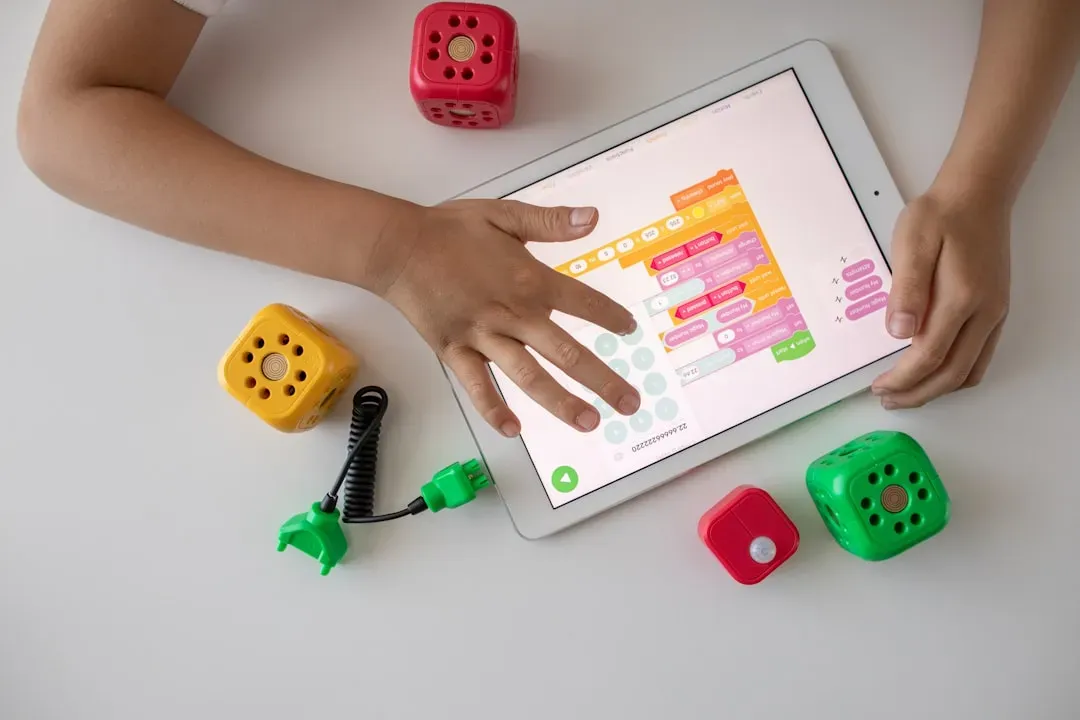
The classroom has expanded far beyond four walls. In 2024, research found that AI-based learning programs increased knowledge retention by 25%. Teachers rely on AI for research (44%), lesson planning (38%), summarizing materials (38%), and creating tests and assignments (37%), according to Microsoft surveys across schools and universities.
60% of K-12 teachers used AI during 2024-2025 school year, marking a dramatic shift in educational methodology. Online learning platforms, virtual classrooms, adaptive learning software, and educational apps have made quality education accessible to millions who previously lacked access. Students can learn at their own pace, revisit difficult concepts, and access world-class instruction regardless of geographic location.
It’s hard to say for sure, but the long-term implications could be profound. Education technology isn’t just supplementing traditional teaching – it’s creating entirely new models of learning that might prove more effective than centuries-old classroom structures. We’re watching education evolve in real-time.
Energy Management Systems Optimize Resource Usage
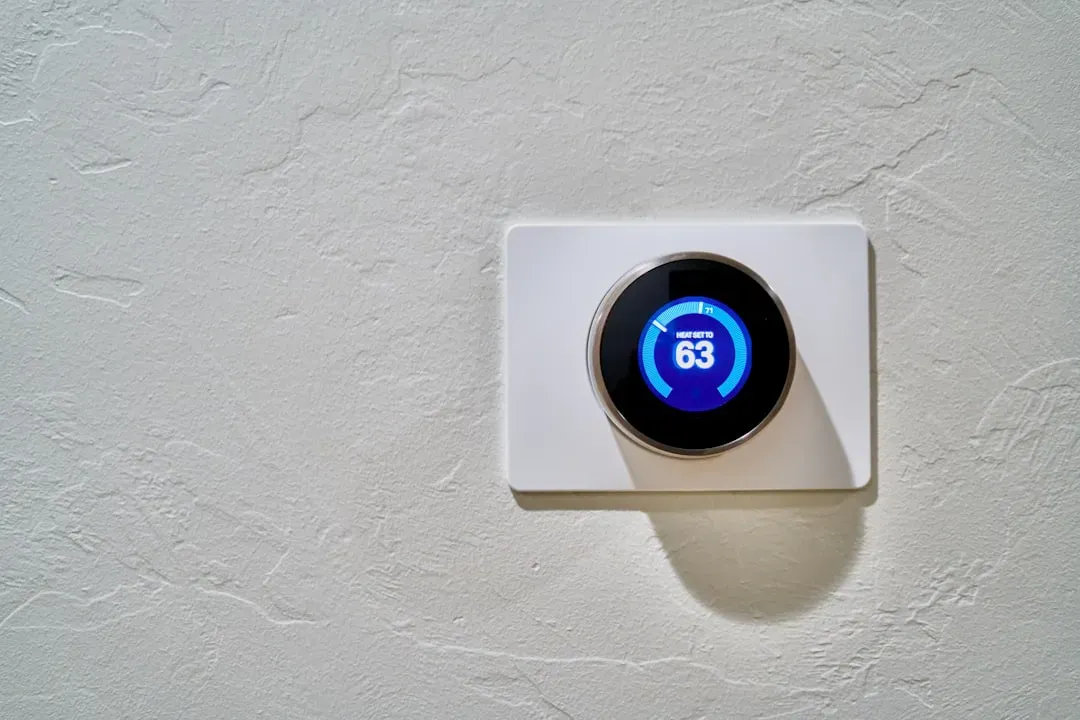
Technology is making us greener, whether we realize it or not. Smart thermostats, energy monitoring systems, and AI-powered grid management are reducing waste and lowering costs simultaneously. Energy management smart home devices will see the largest growth rate, with that subset of the market growing 77% from 2023 to 2028.
These systems learn usage patterns, optimize heating and cooling based on actual occupancy, and provide detailed insights into consumption. Many utility companies now offer real-time energy monitoring through apps, allowing consumers to see exactly where their power goes and make informed decisions. Solar panel integration, battery storage systems, and smart appliances all communicate to minimize waste and maximize efficiency.
The environmental impact matters, obviously, but so does the financial one. Households using smart energy management report significant reductions in utility bills. Technology has made conservation both easier and more economically compelling than ever before. Sustainability and savings finally align perfectly.
Conclusion

Technology’s transformation of daily life in 2026 is undeniable and accelerating. From AI tools boosting workplace productivity by up to 40% to nearly every American household embracing smart devices, we’re living through a period of unprecedented technological integration. Mobile payments processing over $8 trillion annually, telemedicine serving hundreds of millions worldwide, and IoT devices creating ecosystems of interconnected efficiency – these aren’t distant future predictions. They’re current realities reshaping how we work, communicate, shop, learn, and live.
The numbers tell a compelling story, though challenges certainly remain around privacy, access equity, and adaptation. Still, the trajectory is clear: technology continues making life measurably easier and more efficient across nearly every dimension. What seemed revolutionary just five years ago is now ordinary, and what seems cutting-edge today will likely be commonplace tomorrow. Which technological advancement has changed your daily routine the most? The answer probably reveals just how deeply these innovations have woven themselves into the fabric of modern life.