There’s something almost unsettling about picking up a book written decades, even centuries ago, and feeling like it was written specifically about the world you woke up in this morning. Not just timeless in the vague, polite sense. Genuinely, almost disturbingly current.
The books on this list were not written for 2026. Yet here we are, recommending them like fresh releases. Some shot back onto bestseller lists following recent political events. Others predicted technologies we now live with daily. A few of them are making readers uncomfortable in ways their authors couldn’t have fully imagined. Let’s dive in.
1. 1984 by George Orwell (1949)
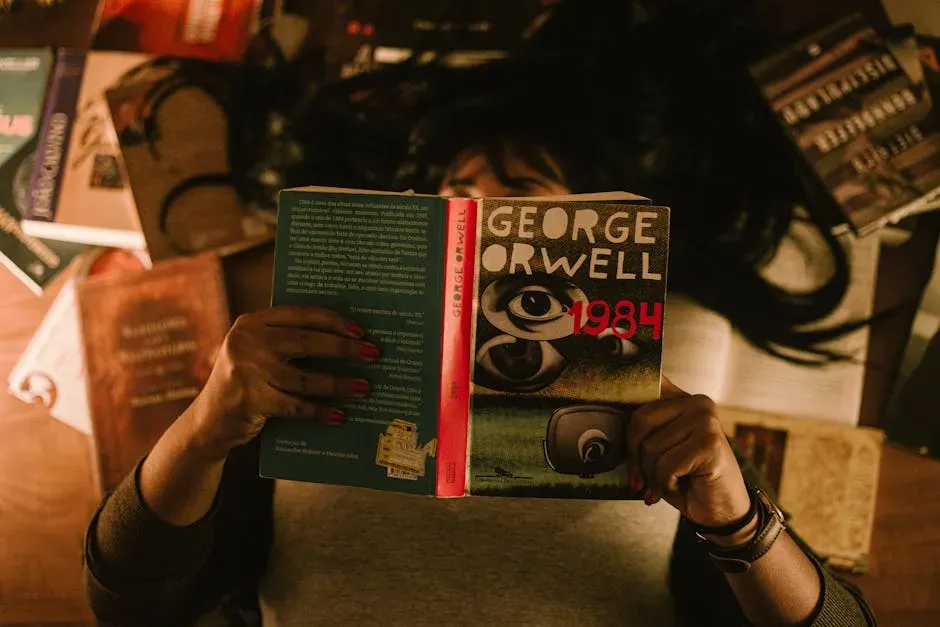
Here’s the thing: few books have ever had this kind of staying power, and fewer still have this kind of sales data to back it up. The book has sold around 30 million copies, and it keeps climbing. Sales of 1984 have historically spiked during times of political tension, most notably after the 2013 revelations of NSA surveillance, the 2017 inauguration of Donald Trump, and again after the 2025 presidential inauguration.
The terms the book introduced into the English language, like “Big Brother” and “thought police,” are common parlance today. That alone says something remarkable. 1984-like surveillance is now possible through a range of tracking technologies, and the contortion of truth is realizable via artificial intelligence deepfakes. Orwell didn’t predict the algorithm. He predicted the impulse behind it.
George Orwell has increasingly come to be regarded as a modern oracle, a gifted soothsayer who predicted with terrifying accuracy how fragile and fallible our political systems were, and his body of work has become a compass to help us navigate our way in times of democratic recession and backsliding. I think that’s exactly right. This one never really left the shelf.
2. The Handmaid’s Tale by Margaret Atwood (1985)
The numbers here are honestly staggering. Margaret Atwood’s novel was the number two slot on Amazon’s best sellers list the week after the 2024 U.S. election, up from number 209 ahead of the election. After Trump’s win, sales shot up nearly 6,866%, CNN reported. That’s not just a book trend. That’s a cultural reflex.
Set in a near-future dystopia where women have lost their rights, The Handmaid’s Tale is a chilling cautionary tale about oppression, feminism, and power. Margaret Atwood’s novel has become increasingly relevant, reflecting ongoing debates about gender roles and autonomy. It’s hard to read passages today without the distinct feeling that Atwood wasn’t imagining the future. She was mapping it.
Originally published in 1985, The Handmaid’s Tale has gained renewed relevance in recent years. Set in the totalitarian Republic of Gilead, where women are stripped of autonomy, the novel is a chilling critique of patriarchy, religious extremism, and reproductive control. Through the perspective of Offred, Atwood delivers a powerful feminist narrative that continues to spark dialogue globally.
3. Fahrenheit 451 by Ray Bradbury (1953)
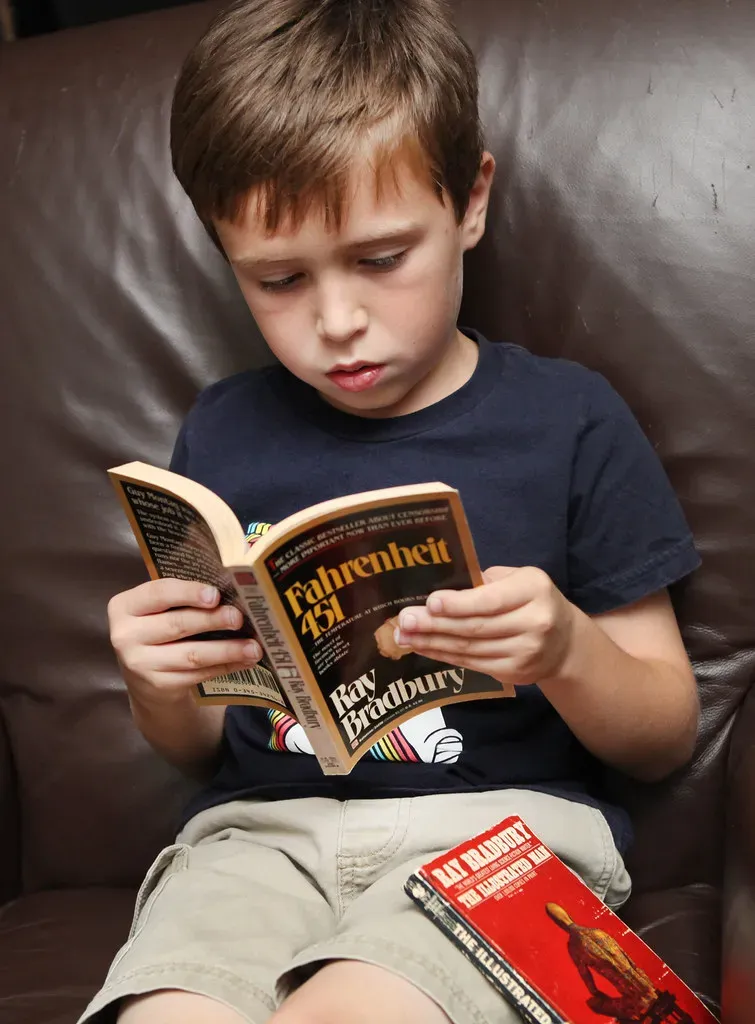
Did you know that Fahrenheit 451 topped the bestseller charts in 2025? According to Bookscan data, Fahrenheit 451 was the number one best-selling backlist fiction title of 2025 by units sold. That means it outsold Animal Farm, 1984, and To Kill a Mockingbird. A book about burning books, leading in the year when book bans hit record levels in American schools.
In the current climate marked by debates over free speech and digital censorship, Fahrenheit 451 feels more pertinent than ever. The rise of social media platforms has created new avenues for information dissemination but also poses challenges regarding misinformation and echo chambers. Bradbury wrote about firemen who start fires, not put them out. Honestly, the metaphor has never been more alive.
Nearly seventy years after its original publication, Ray Bradbury’s internationally acclaimed novel Fahrenheit 451 stands as a classic of world literature set in a bleak, dystopian future, and today its message has grown more relevant than ever before. Short sentences, but they carry enormous weight when they’re that true.
4. Brave New World by Aldous Huxley (1932)
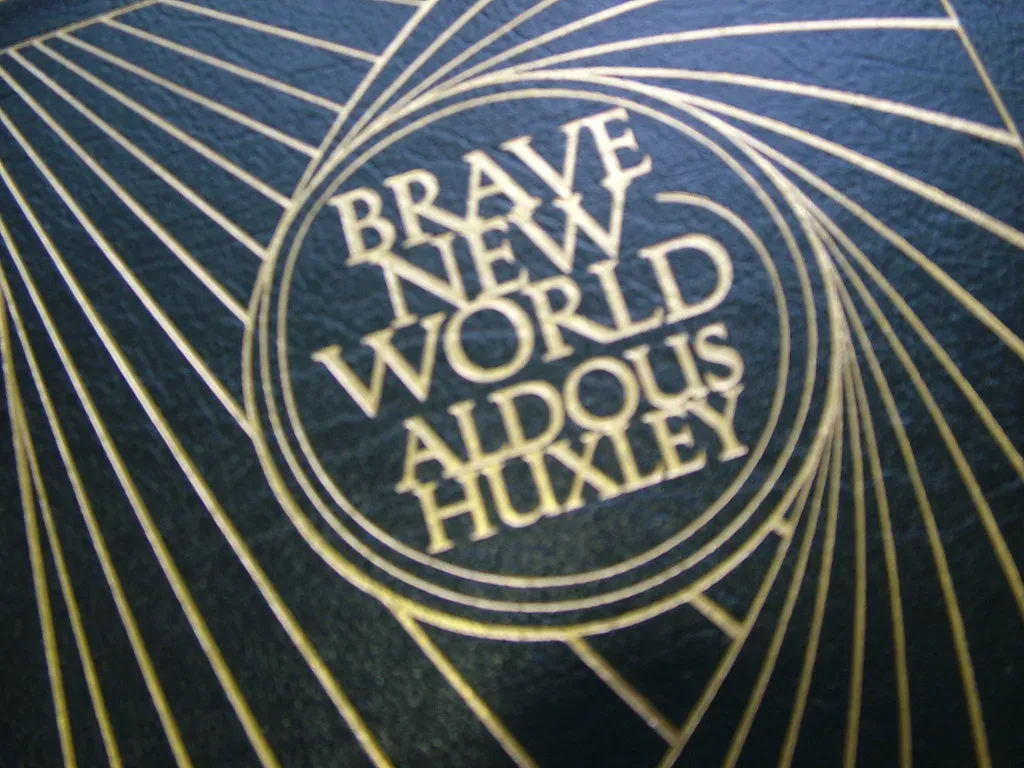
If 1984 is about control through fear, Brave New World is about control through pleasure. Aldous Huxley’s Brave New World is a searching vision of an unequal, technologically-advanced future where humans are genetically bred, socially indoctrinated, and pharmaceutically anesthetized to passively uphold an authoritarian ruling order. Scroll through social media for ten minutes and tell me that doesn’t sound familiar.
Now reissued in a new edition and described as “one of the most prophetic dystopian works of the 20th century” by the Wall Street Journal, Huxley’s masterpiece became a bestseller once again after the American election. The book’s themes resonate because distraction, not oppression, is the dominant mechanism of our age. Think TikTok, not Gestapo.
Brave New World is about attempting to live a meaningful life in a world that no longer has any interest in doing that. Like Fahrenheit 451, people in Huxley’s world are completely apathetic to living lives where they can love, feel pain, and live an authentic experience. That is the quiet horror of this book. It doesn’t feel like fiction anymore.
5. Frankenstein by Mary Shelley (1818)
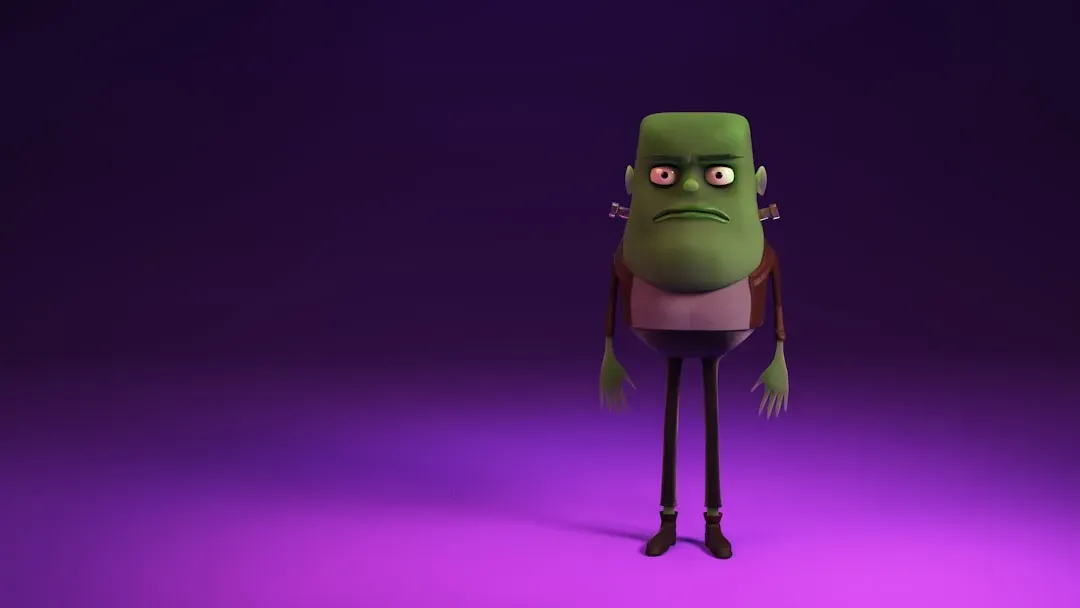
A 19th-century novel about a scientist who plays God, loses control of his creation, and is ultimately destroyed by his own ambition. Sound familiar? It should. Victor Frankenstein’s reckless pursuit of knowledge leads to terrifying consequences in Mary Shelley’s Frankenstein. Obsessed with unlocking the secrets of life, the young scientist creates a living being from the dead, only to recoil in horror at his creation. Swap “the dead” for “training data” and you’ve basically described the AI industry’s current situation.
In our age of genetics and the advancements of science, maybe Mary Shelley was on to something with her dark and far-fetched work. There’s nothing far-fetched about it now. For over two hundred years, Mary Shelley’s Frankenstein has been in the public consciousness, and it took only five years for the first adaptation to be staged in 1825. Two centuries of continuous cultural relevance is not a coincidence.
The book’s cultural pull is so strong that in 2025, Guillermo del Toro brought it back to the screen. Frankenstein premiered at the 82nd Venice International Film Festival on August 30, 2025, where it received a 10-minute standing ovation. Critics praised the film’s emotional storytelling, performances, and visual craftsmanship. Netflix released the film in select theaters on October 17, 2025, followed by a global streaming debut on November 7, 2025.
6. To Kill a Mockingbird by Harper Lee (1960)
First published in 1960, To Kill a Mockingbird remains a powerful exploration of racial injustice in the American South. Through the eyes of young Scout Finch, Harper Lee addresses themes of morality, empathy, and systemic prejudice. Decades of progress and yet, here we are, still using this book as a mirror.
To Kill a Mockingbird was among the top ten best-selling backlist fiction titles of 2025 by Bookscan units. It sat comfortably between Animal Farm and The Alchemist on the chart. The fact that it keeps selling tells you more about American society than any news headline. To Kill a Mockingbird is a firm favourite on school reading lists and arguably as relevant today as the day it was written.
Think about it this way. Atticus Finch stood up in a courtroom for a man the system had already decided to condemn. The injustice was obvious to the children watching. Yet the adults looked away. Some things, it seems, do not change quickly enough. That’s precisely why this book still hurts to read.
7. Animal Farm by George Orwell (1945)
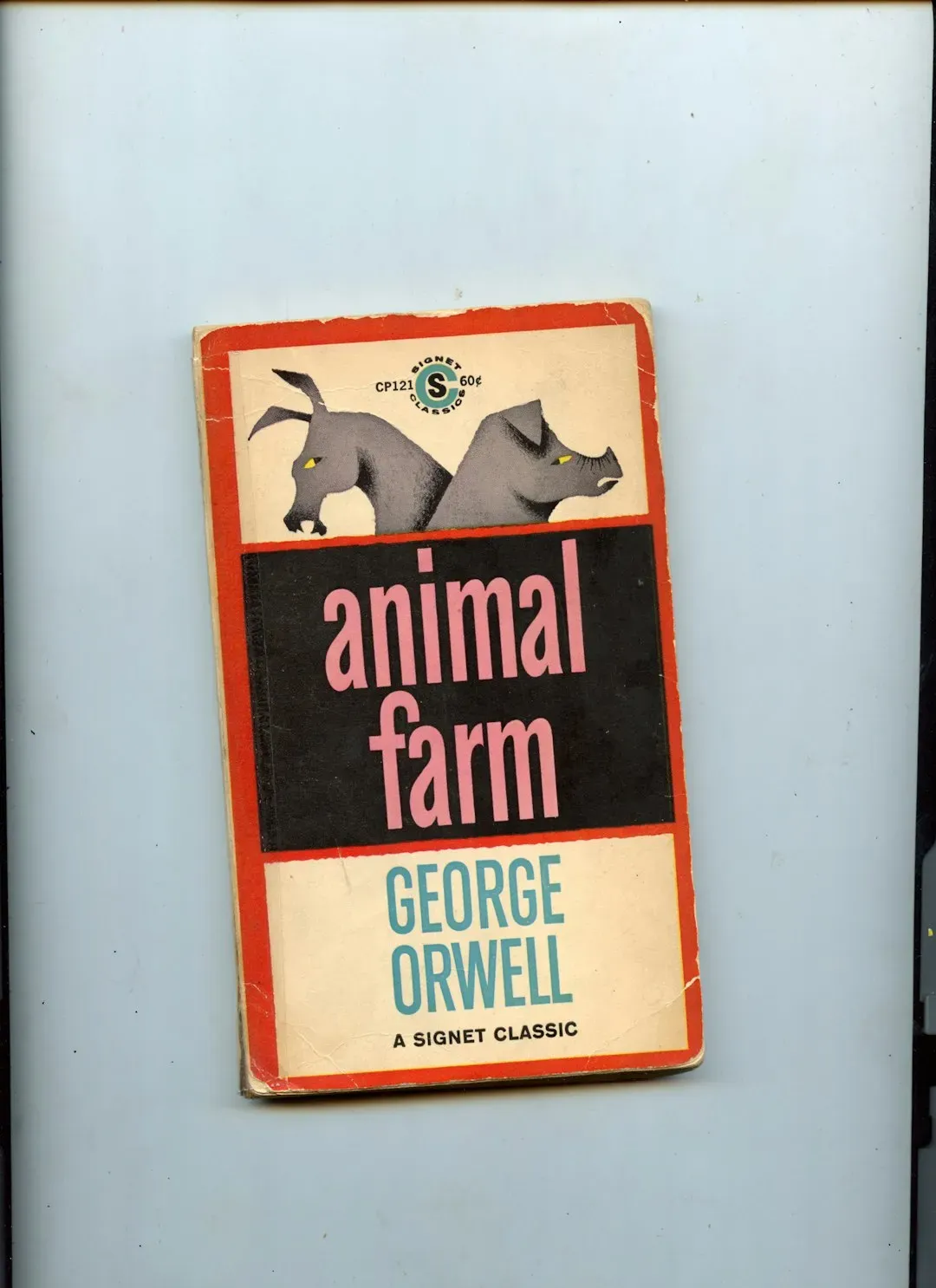
Orwell managed something extraordinary with this slim little fable. Animal Farm is Orwell’s immortal satire written against Stalin, and with its piercing clarity and deceptively simple style it is no surprise that this novel is required reading for schoolchildren and politicians alike. The pigs taking over the farm is one of the most enduring political metaphors in all of literature.
Animal Farm was the second best-selling backlist fiction title of 2025 by Bookscan units. That is an astonishing fact for a book published in 1945. This fable of the steadfast horses Boxer and Clover, the opportunistic pigs Snowball and Napoleon, and the deafening choir of sheep remains an unparalleled masterpiece. One reviewer wrote that in a hundred years’ time, Animal Farm may simply be a fairy story, but today it is a fairy story with a good deal of point. Over sixty years on in the age of spin, it is more relevant than ever.
8. It Can’t Happen Here by Sinclair Lewis (1935)

This is the sleeper on the list. Written in 1935, most people haven’t heard of it. Yet in the current political landscape, it reads like a news article you forgot to close. The novel tells the story of fictitious Senator Berzelius “Buzz” Windrip, a charismatic and power-hungry politician who wins the presidential election on a populist platform, promising to restore the country to prosperity and greatness. It’s among the novels selling well today.
The inclusion of Sinclair Lewis’s “It Can’t Happen Here” in collections of relevant books provides a critical examination of technological dominance and political authoritarianism, issues that continue to resonate in the public consciousness. That was noted as recently as 2024, and honestly, nothing has changed to make it less accurate. The title alone is the punchline.
Lewis wrote it as a warning, not a prediction. The dark irony is that the warning keeps being ignored. A politician who promises to make things great, dismantles institutions once elected, and surrounds himself with loyalists? It’s so familiar that reading the 1935 version feels like historical fiction set in the present. That’s either brilliant writing or terrifying reality. Most likely both.
9. The Picture of Dorian Gray by Oscar Wilde (1891)
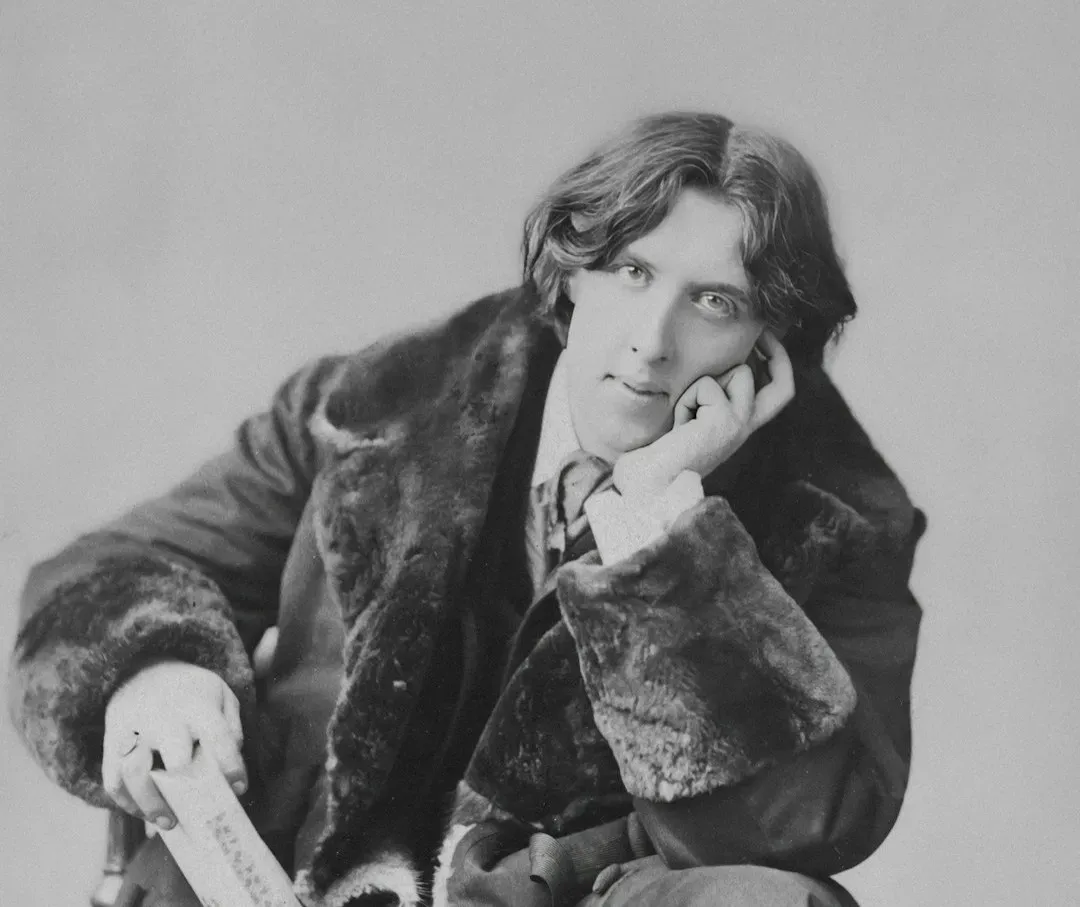
Honestly, I don’t think Oscar Wilde could have dreamed that a novel about vanity and the corruption of a beautiful young man’s soul would become a defining text for the Instagram era. In the age of social media and the “selfie,” The Picture of Dorian Gray is maybe than when it was published. There’s a portrait in the attic of every heavily filtered social profile.
Wilde’s novel is about a man whose image remains perpetually young and perfect while his actual self rots behind closed doors. The metaphor maps almost perfectly onto modern influencer culture. We curate an image. We present a flawless surface. Meanwhile, the gap between who we pretend to be and who we actually are keeps widening. Dorian’s portrait is just a 19th-century algorithm.
The themes of social performance, obsession with appearance, and the moral cost of vanity are not historical curiosities. They are the architecture of modern social media culture. Wilde understood something fundamental about human nature, which is that people will sell their souls for admiration. He just couldn’t have predicted they’d do it for likes.
10. Mrs. Dalloway by Virginia Woolf (1925)
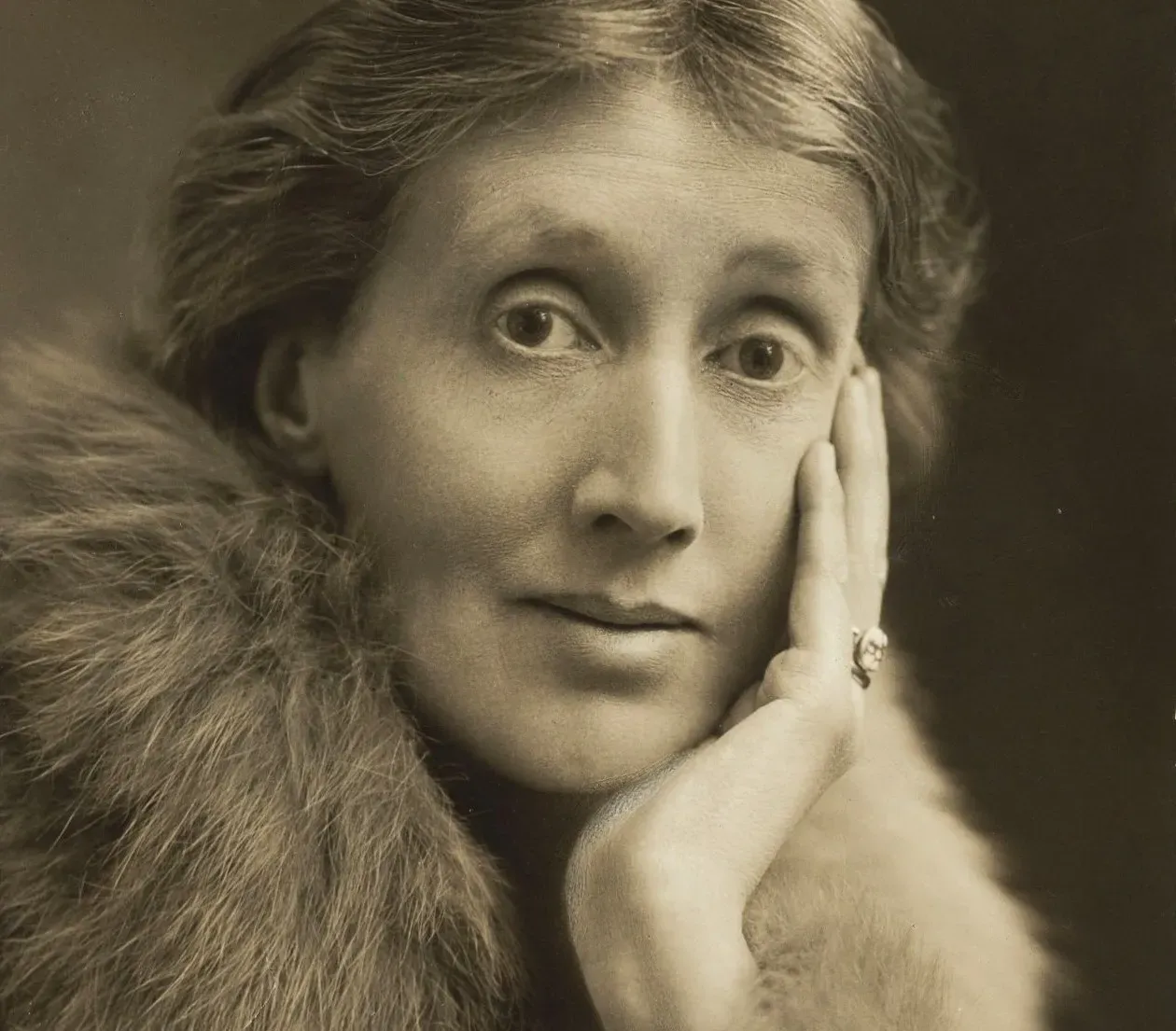
A defining work of literary modernism, Mrs. Dalloway follows Clarissa Dalloway over the course of a single day. With its stream-of-consciousness style, Woolf’s novel explores mental health, social structure, and the impact of World War I. Nearly a century after its publication, it remains a masterful study of interior life and temporal perception.
What makes Mrs. Dalloway genuinely startling in 2026 is how it handles mental health. The novel weaves between the cheerful party preparations of Clarissa and the PTSD-shattered interior life of Septimus Warren Smith, a veteran nobody knows how to help. The medical establishment fails him completely. The social system has no language for his pain. Replace “shell shock” with any modern mental health crisis and the story updates itself seamlessly.
In a world still learning to talk about mental illness without shame, Woolf’s century-old novel remains a quiet act of advocacy. She gave inner experience the weight and detail that fiction usually reserved for action and plot. That was radical in 1925. It still feels radical now, which is the saddest part.
11. Beloved by Toni Morrison (1987)
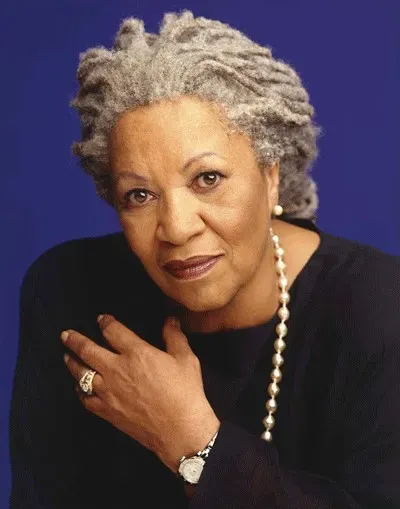
A deeply moving and harrowing novel, Beloved tells the story of a former slave, Sethe, who is haunted by the trauma of her past and the ghost of her lost child. Toni Morrison’s lyrical writing and exploration of memory, history, and identity make this novel a profound and unforgettable literary achievement. It won the Pulitzer Prize in 1988, and it has never stopped being necessary.
In the context of ongoing global conversations about race, generational trauma, and the weight of history, Beloved operates on an almost unbearable frequency. Morrison understood that trauma doesn’t end with the event. It doesn’t end with the generation that lived through it. It haunts. The novel’s very structure mirrors how trauma actually works in the human mind. Non-linear, intrusive, impossible to fully face.
These towering literary achievements give readers new ways to understand history, culture, and society. They grapple with the urgent issues of our time from climate change to racial inequality to the fate of democracy, as well as the ever evolving nature of the human experience. Beloved belongs at the center of that conversation. It always has. The question is whether we’re finally ready to listen to what it’s been saying all along. What do you think? Which of these books surprised you most?