Some books are written in a feverish burst of inspiration – a few weeks, a few months, and done. Then there are the other kind. The ones that seem to consume an author’s entire life, outlasting careers, wars, heartbreaks, and entire political regimes. Honestly, there is something almost mythological about the idea of a writer spending ten, twenty, or even thirty years chasing a single story.
What drives a person to keep going? Fear, obsession, perfectionism? Maybe all three. The books on this list did not arrive quickly or easily, but when they finally did, they changed literature forever. Be surprised by what patience and stubborn dedication can produce.
1. Don Quixote by Miguel de Cervantes (1605 / 1615)
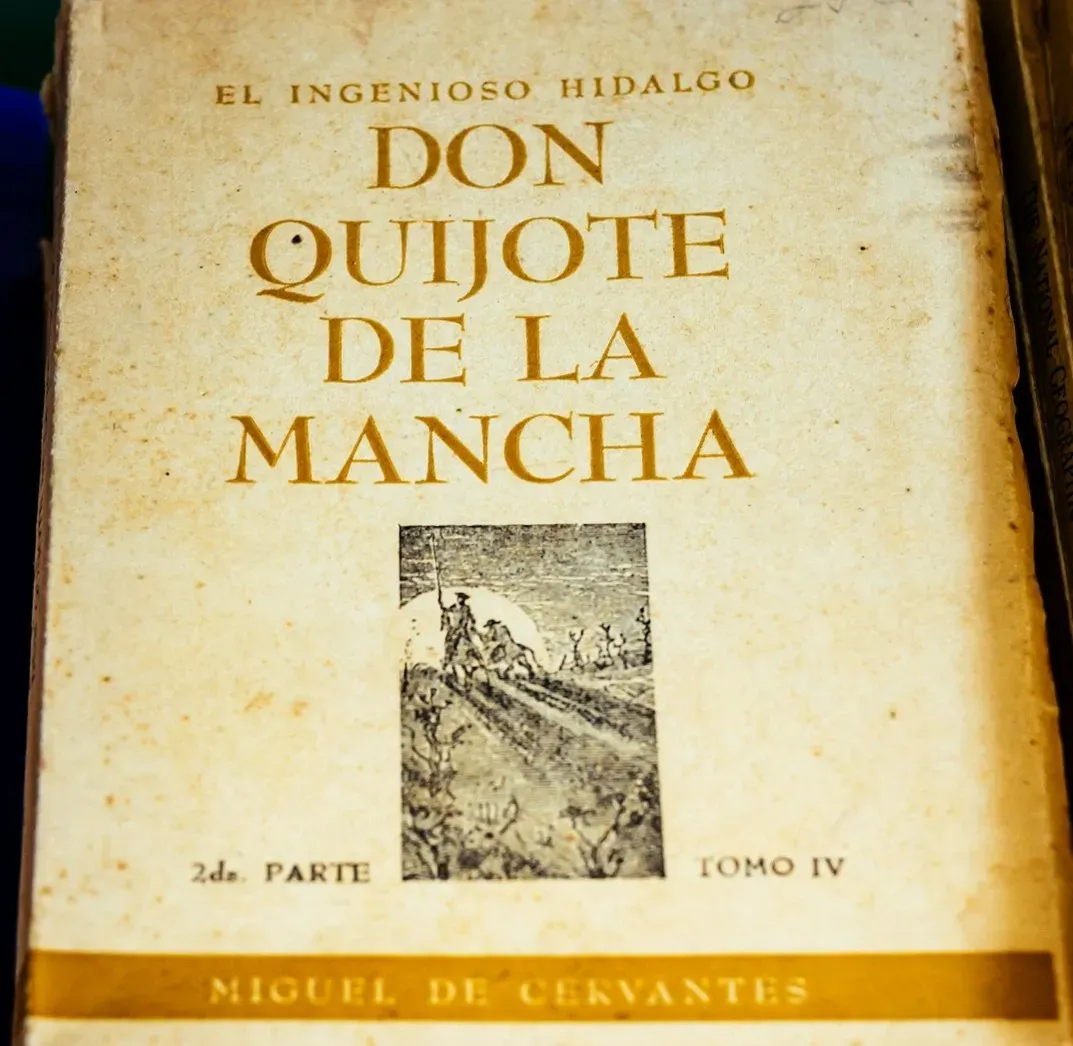
Originally published in two parts in 1605 and 1615, Don Quixote is considered a founding work of Western literature and the first modern novel. That gap between the two parts alone spans a full decade, and scholars believe Cervantes may have begun early drafts even earlier, possibly while imprisoned.
It is possible that he began writing it at the end of the 16th century during one of the periods he spent in prison. The story of a deluded knight charging at windmills was, in many ways, as turbulent and strange as the life of its author.
Don Quixote is one of the most-translated books in the world and one of the best-selling novels of all time. The plot revolves around the adventures of a minor noble named Alonso Quijano, who reads so many chivalric romances that he loses his mind and decides to become a knight-errant. The wait – across centuries now – was more than worth it.
2. Les Misérables by Victor Hugo (1845–1862)
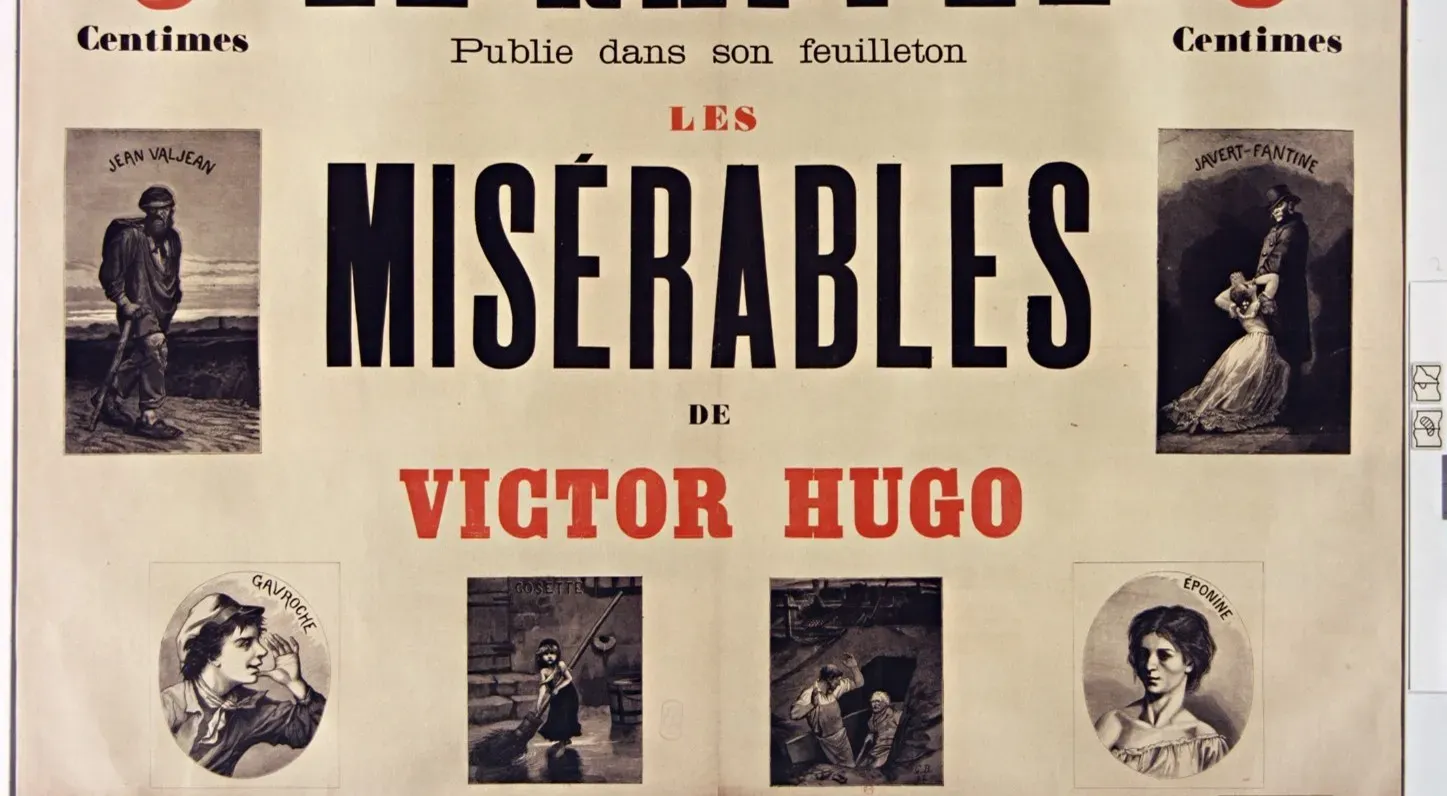
Victor Hugo started planning out Les Misérables in the 1830s, and he didn’t start writing it until 1845, a long way from its 1862 publication date. Political exile and the turbulence of French society interrupted his work for years, forcing him to set the manuscript aside for extended periods.
Hugo reportedly began working on the historical novel in 1845 but was forced to put it aside due to political tension and exile for a time, until he was able to continue working on it and it was eventually published in 1862. The finished result was monumental in every sense.
Les Misérables is one of the longest novels in history, at 1,900 pages in the original French, or around 1,400 in English. Think about that for a moment. Over a decade of work, exile included, and the end result is nearly two thousand pages of human sorrow and grace. I think that qualifies as time well spent.
3. The Lord of the Rings by J.R.R. Tolkien (1937–1954)
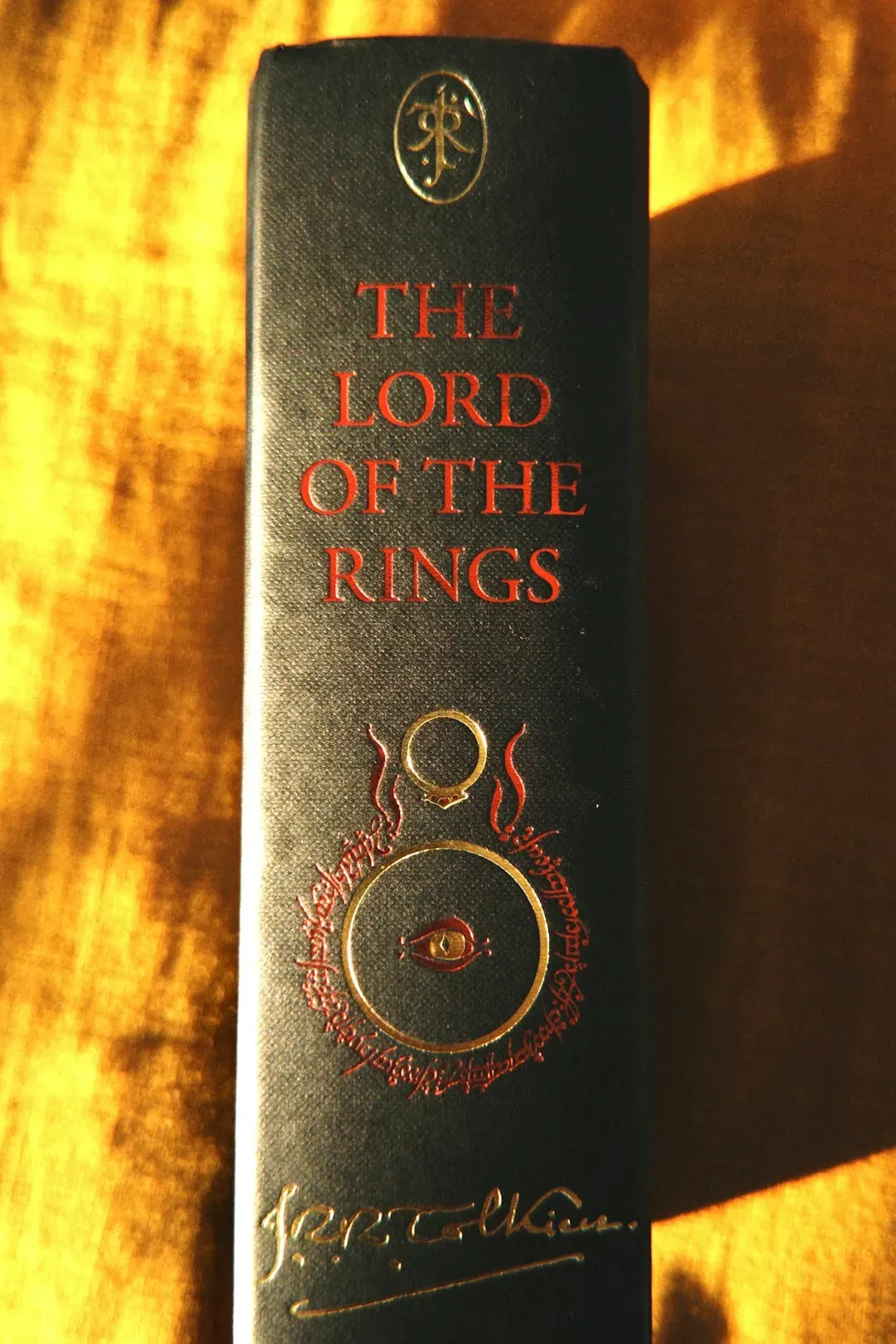
Tolkien started work on The Lord of the Rings when he was 45 years old and the book didn’t see print until he was 63. That is an entire stretch of midlife poured into one story. Along the way, he held a demanding academic post and periodically abandoned the manuscript for nearly a year at a time.
Tolkien’s process was painstaking, involving the creation of entire languages, histories, and cultures for his world of Middle-earth. The first volume hit shelves in 1954, quickly becoming a sensation that redefined the fantasy genre.
His years and years of effort were clearly worth it, as The Lord of the Rings is now one of the most popular and beloved works of epic fantasy in existence – and the third bestselling book in the world. A fully invented world, complete with its own linguistics and mythology. Let’s be real – there has never been anything quite like it.
4. Gone with the Wind by Margaret Mitchell (1926–1936)
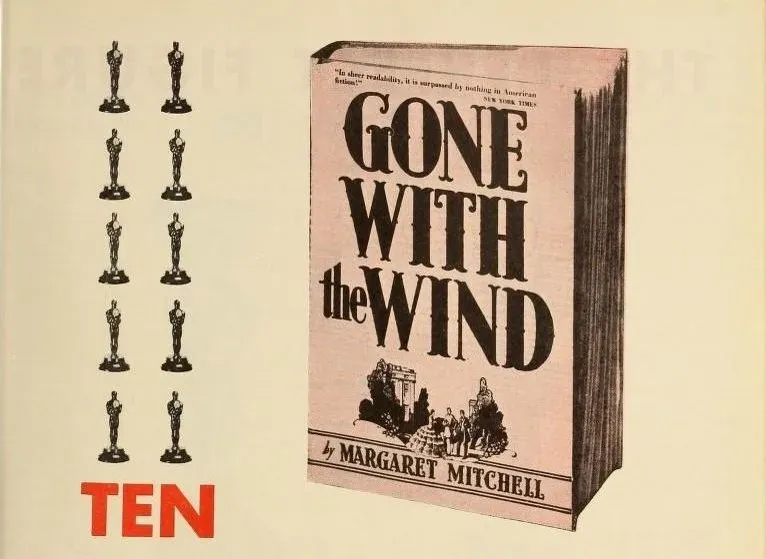
Mitchell started the book to pass the time while recovering from an ankle injury. That’s one of the most extraordinary origin stories in literary history. What began as a distraction became a decade-long obsession she kept mostly hidden from the world.
Margaret Mitchell went through nearly as many drafts of Gone with the Wind as the years it took for her to finish it – nine drafts of a thousand pages. That’s some thorough revision work for a book she didn’t intend to publish, until someone provoked her.
It took author Margaret Mitchell a decade to complete her Pulitzer Prize-winning novel. It sold over a million copies within its first year of publication and remains one of the best-selling novels ever written. Honestly, it’s hard to imagine that it almost never happened at all.
5. Finnegans Wake by James Joyce (1922–1939)
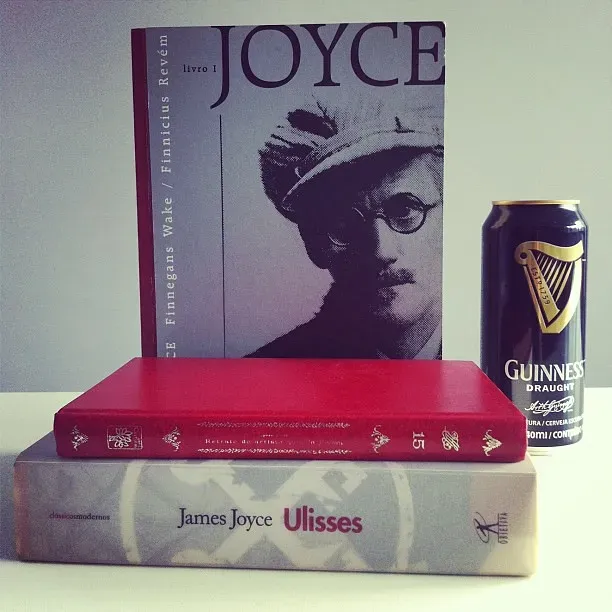
It took James Joyce 17 years to finish Finnegans Wake. 17 years. Joyce began the work while still basking in the success of Ulysses, and the new project immediately became the most ambitious and bewildering thing he had ever attempted.
James Joyce completed Finnegans Wake over the course of 17 years while in Paris, only two years before his death. The book is constructed in a language that is part English, part invented dream-speech, woven through with puns across dozens of languages simultaneously. It is a work designed to be read for a lifetime.
Given the novel’s complexity, intricate language, and use of allusions, it’s no wonder it took the author a long time to write it. Joyce allegedly predicted that it would take readers an equal amount of time to read it, and it looks like he was right. Whether or not you find it impenetrable, its ambition is breathtaking.
6. The Master and Margarita by Mikhail Bulgakov (1928–1940)
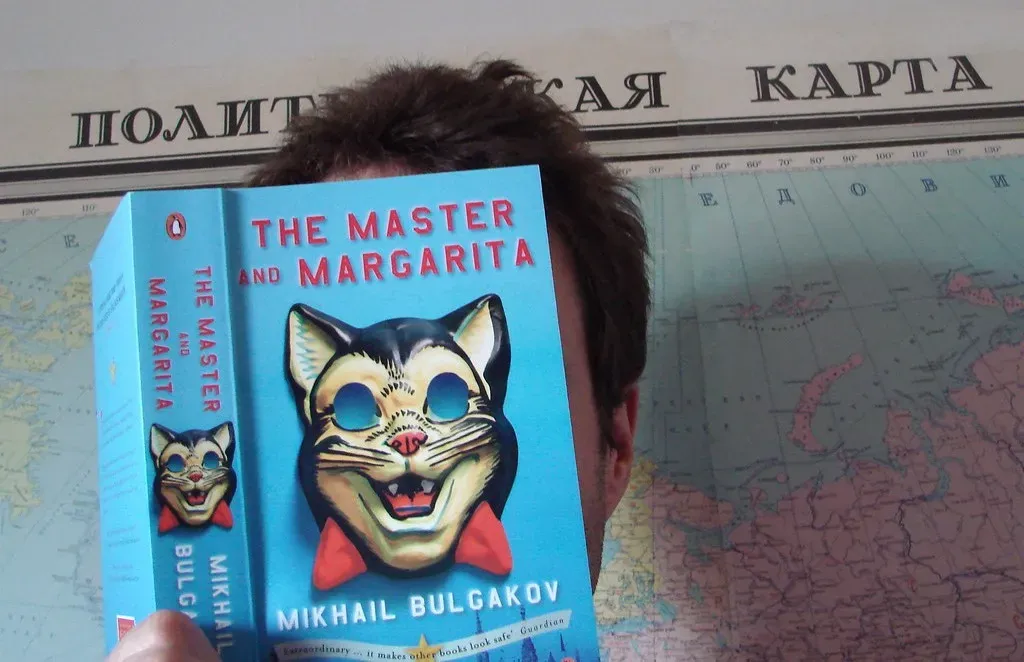
Bulgakov started writing The Master and Margarita in 1928, but burned the first manuscript in 1930, facing the harsh reality that he could not see a future as a writer in the Soviet Union at a time of widespread political repression. He restarted the novel in 1931. The fact that he kept going at all feels like an act of extraordinary courage.
In his final weeks, as he lay dying, Mikhail Bulgakov continued to dictate changes for The Master and Margarita to his wife. He had been working on the book for twelve years, through eight versions, and he meant it to be his literary legacy.
Mikhail Bulgakov completed his novel just before his death in 1940, but it remained officially unpublished until 1966, whereupon it achieved the status of an underground masterpiece. Sentences from the novel have since inspired Russian proverbs, and “Manuscripts don’t burn” has a special resonance for the generations who endured the worst of Soviet totalitarianism. Few stories about the act of writing itself are this harrowing or this moving.
7. The Catcher in the Rye by J.D. Salinger (1941–1951)
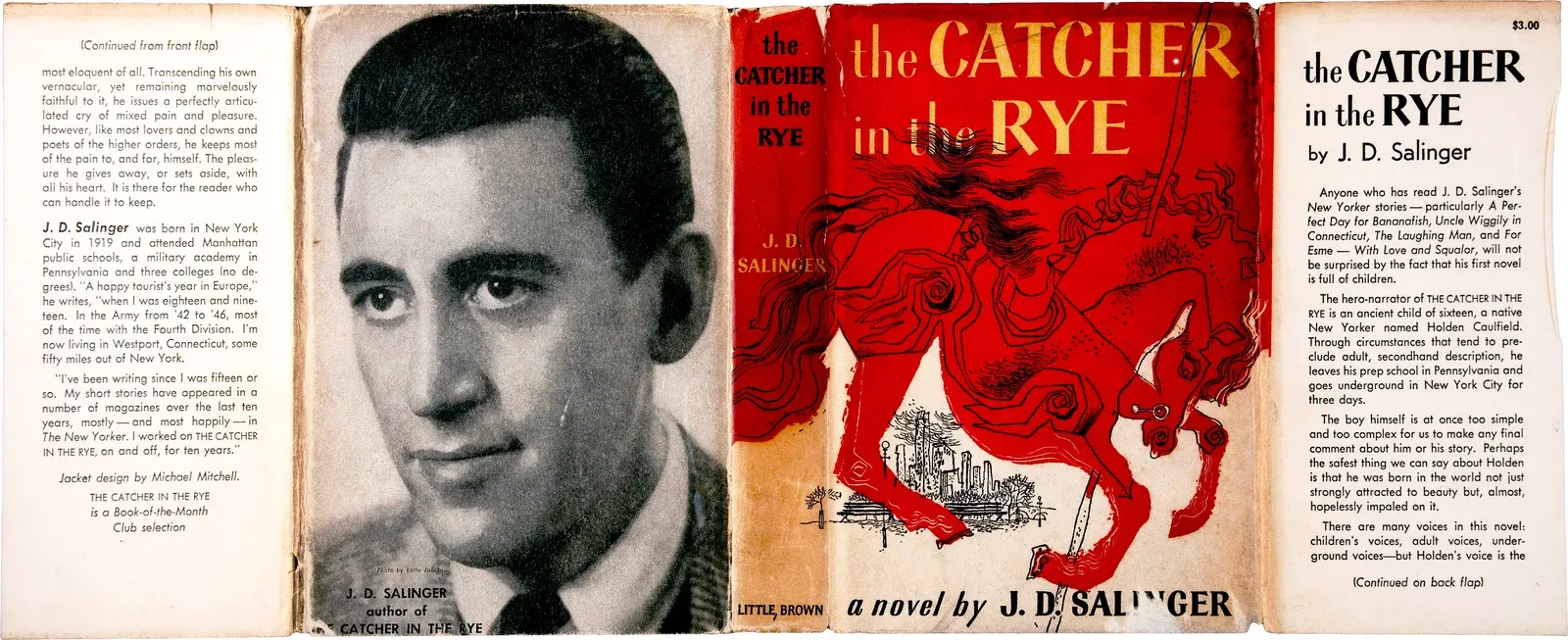
Though The Catcher in the Rye is Salinger’s only novel, and fairly short, it took the author 10 years between the time he started writing it and the time it was published. A decade for a slim, deceptively simple story about a teenage boy wandering New York. Here’s the thing – the simplicity is entirely the point.
It didn’t start as a novel – Salinger originally wrote it as a series of short stories, because he was a short story author unfamiliar with writing longer fiction. Being drafted into World War II also interrupted his work significantly, adding years to the project’s timeline.
The book was published in 1951 and became an almost instant cultural touchstone for alienated youth everywhere. Sarcastic, poetic, and heartfelt, protagonist Holden Caulfield is one of the most famous literary characters of all time. The Catcher in the Rye brilliantly captures the lonely teen experience of having to grow up and leave the innocence of childhood behind.
8. No Great Mischief by Alistair MacLeod (1986–1999)
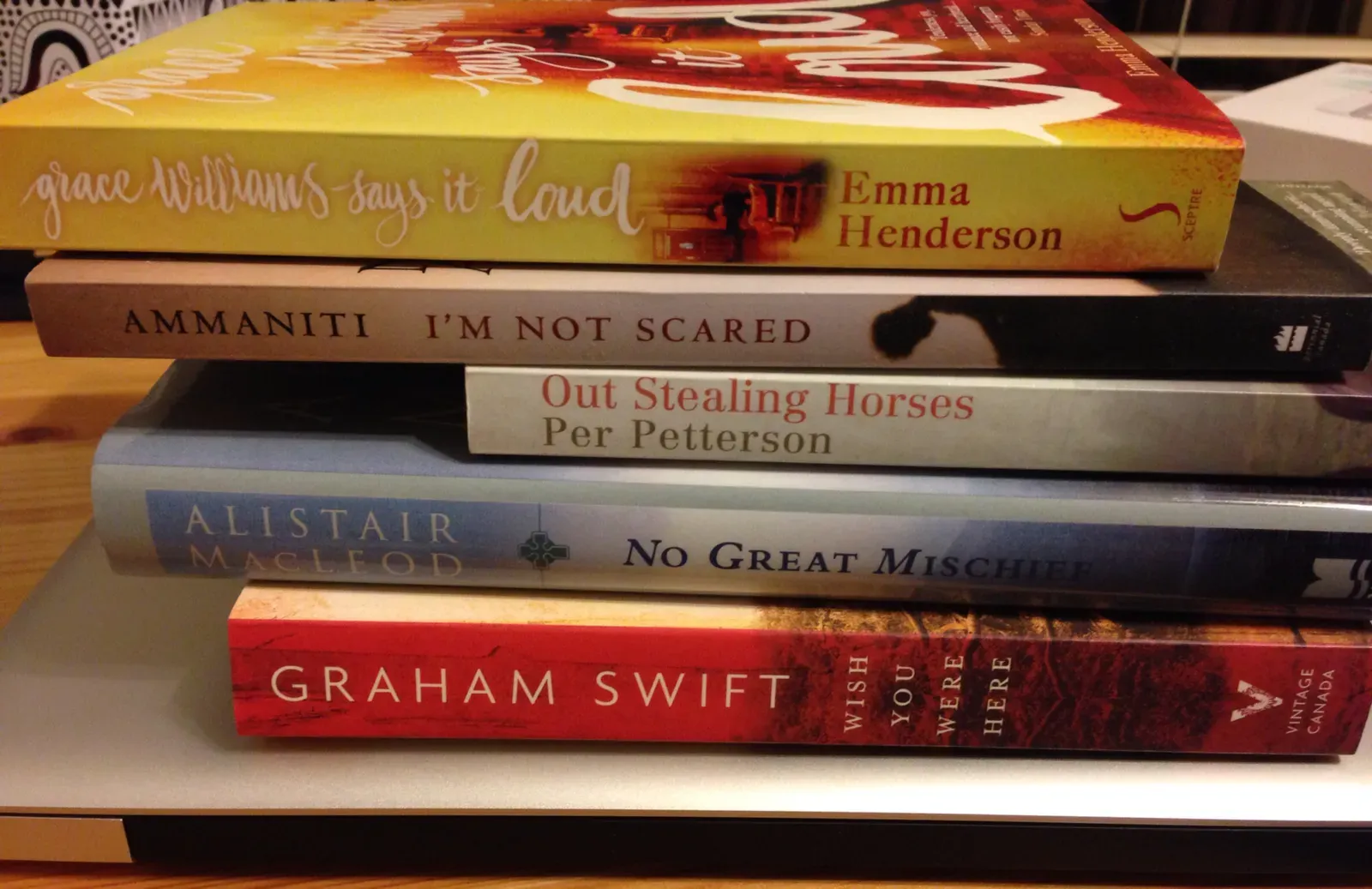
Author Alistair MacLeod’s first novel, No Great Mischief, has been celebrated as a work of great literary skill and grace – and it also took MacLeod 13 years to complete the book. Thirteen years for a debut novel, written by a man already celebrated for his short fiction. The pressure alone would have broken most people.
This was partly due to the fact that MacLeod was a perfectionist who preferred writing in longhand. His habit of writing only a single sentence at a time and then reading it aloud to make sure the words were “just right” probably also contributed towards the lengthy process.
No Great Mischief is a Marquez-esque story of a family consumed by their history of conflict and violence, substance abuse, and theft. Through it all, they remain painfully loyal to one another. The novel has received numerous awards and award nominations. Sadly, MacLeod died before he could write another novel. What he left behind was extraordinary enough.
9. The Brief Wondrous Life of Oscar Wao by Junot Díaz (1997–2007)
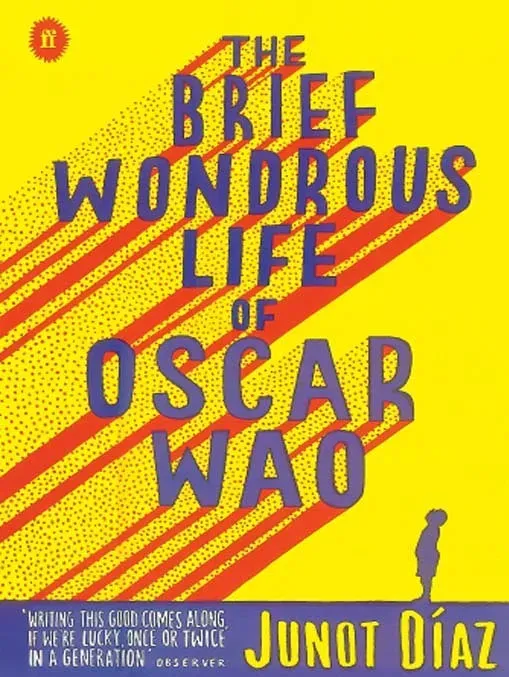
There are oodles of novels that took a decade or longer to write, including some famous examples, like Junot Díaz’s The Brief Wondrous Life of Oscar Wao. Díaz had been celebrated as a short story master for years before his debut novel finally arrived, and the literary world had been waiting with barely concealed impatience.
The Brief Wondrous Life of Oscar Wao is a 2007 novel written by Dominican American author Junot Díaz. The novel deals with the Dominican Republic’s experience under dictator Rafael Trujillo. It chronicles the life of Oscar de León, an overweight Dominican boy growing up in New Jersey, who is obsessed with science fiction and fantasy novels.
The novel was awarded the Pulitzer Prize for Fiction in 2008. It also won the National Book Critics Circle Award for Best Fiction of 2007, the Mercantile Library Center’s John Sargent Prize for First Novel, the Anisfield-Wolf Book Award, and was nominated for an NAACP Image Award. Over a decade of struggle produced one of the most awarded novels of the 21st century so far.
10. Pachinko by Min Jin Lee (1989–2017)

It took nearly 30 years from the first spark of the idea for Pachinko in 1989 until Min Jin Lee would publish the book in 2017. That is not a typo. Thirty years. The seed of the story was planted when Lee was a college senior at Yale, and it grew slowly, stubbornly, through a legal career and four years living in Japan.
Min Jin Lee has described the 28 years spent writing Pachinko – beginning with the novel’s inception during her student days at Yale to publication in 2017 – as “far too long.” During a four-year stay in Japan, after interviewing Japanese Koreans in Osaka, Lee came to realize she’d “been wrong about everything,” and soon after rewrote the manuscript from the beginning.
In 2024, it was listed at number 15 on The New York Times’ 100 Best Books of the 21st Century list. The Apple TV+ adaptation’s second season also aired in 2024. Thirty years of waiting, and the world is still not done discovering this book. That says everything.
11. A Dance to the Music of Time by Anthony Powell (1951–1975)

Anthony Powell’s A Dance to the Music of Time is a monumental 12-volume series that took 25 years to complete. Powell began the project in 1951 and finished the final volume in 1975, tracing the lives of a group of English friends from the 1920s to the 1970s. This is not a novel – it is an entire life’s work, a complete portrait of a century.
The series is celebrated for its subtle wit, keen social observation, and intricate character development. Powell’s style is understated yet incisive, capturing the ebb and flow of time and change within British society.
The books have been praised for their ability to blend the personal and the historical, providing a panoramic view of the 20th century. A Dance to the Music of Time is often compared to Proust’s work for its exploration of memory and the passage of years. It’s hard to say for sure whether any writer has ever been more patient, or more rewarded for that patience, than Powell. Twelve volumes. Twenty-five years. A literary universe built sentence by sentence.
Conclusion: Slow Is Not the Same as Lost

What unites every book on this list is not just the length of time it took, but the quality of the obsession behind it. These authors were not dawdling. They were building something so carefully, so honestly, that rushing simply was not possible. This immersion over years, or even decades, what George Saunders calls “rigorous, iterative engagement,” can be fruitful, but it can also make a book’s endpoint more difficult to see.
Some of the most celebrated novels in human history were written slowly, painfully, and against enormous odds. Wars, censorship, exile, injury, self-doubt – none of it stopped these writers in the end. The books survived, and so did their authors’ visions.
Next time you feel impatient for something great, remember Bulgakov dictating final edits from his deathbed, or Lee realizing after two decades that she had to start over completely. Greatness, it turns out, rarely arrives on schedule. What would you choose – a book written in three weeks, or one that took a lifetime? The answer, clearly, is right here on this list.