History books love their heroes. We all know Einstein, Edison, and Marie Curie. But what about the people who worked in the shadows, the ones who changed everything without ever becoming household names? These are the quiet revolutionaries who shaped our world in ways most of us never realize.
Some invented things we use every day. Others prevented disasters we’ll never know about. A few changed how we think, even though we’ve forgotten their names. Let’s dive into the stories of eleven remarkable people who deserve way more recognition than they’ve gotten.
Stanislav Petrov: The Man Who Prevented Nuclear War
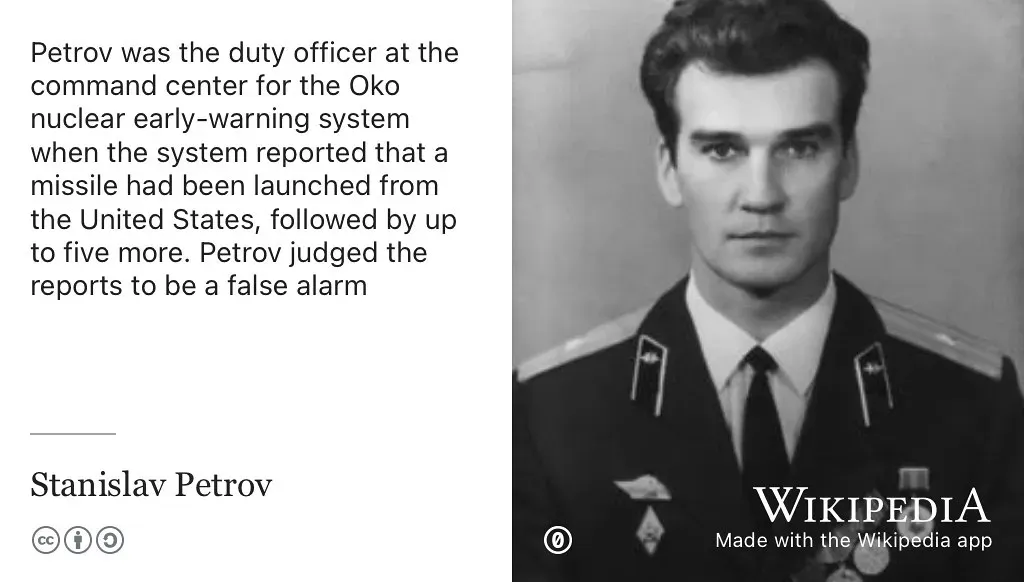
In September 1983, a Soviet lieutenant colonel named Stanislav Petrov sat at his monitoring station when alarms screamed that five American nuclear missiles were heading toward the USSR. Protocol demanded he report the attack immediately, triggering a devastating counterattack. The fate of millions hung on his decision in those terrifying minutes.
Petrov trusted his gut instead of the computers. Something felt wrong about the data. He reported the alarm as a system malfunction, and he was right. A satellite had mistaken sunlight reflecting off clouds for missile launches. His choice to doubt the technology potentially saved the world from nuclear annihilation, yet he lived in relative obscurity until his death in 2017.
Moscow didn’t even acknowledge his actions for years. No grand medals, no public celebrations. Just a regular guy who made the right call when it mattered most.
Rosalind Franklin: The Forgotten Pioneer of DNA
Everyone learns about Watson and Crick discovering DNA’s double helix structure. But Rosalind Franklin’s crucial X-ray crystallography work made their breakthrough possible. Her Photo 51 essentially revealed DNA’s helical structure, yet her contribution was systematically overlooked.
Franklin died of ovarian cancer at just 37, likely from radiation exposure during her research. Watson and Crick received the Nobel Prize in 1962, four years after her death. The Nobel isn’t awarded posthumously, so she never got the recognition she deserved while alive.
Her story shows how scientific history often erases women’s contributions. Modern researchers now credit her as equally important to understanding DNA’s structure. Franklin’s meticulous work laid the foundation for everything from genetic medicine to criminal forensics.
Norman Borlaug: The Agronomist Who Fed a Billion People
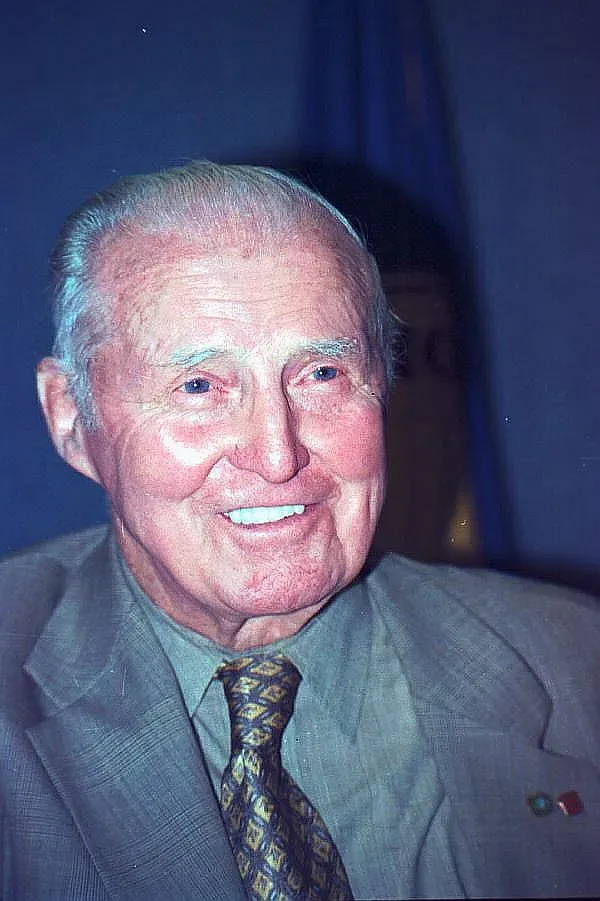
Norman Borlaug developed high-yield, disease-resistant wheat varieties that sparked the Green Revolution. His work in Mexico, India, and Pakistan during the 1960s and 70s saved roughly a billion people from starvation. A billion. Let that sink in.
He won the Nobel Peace Prize in 1970, but most people today couldn’t pick him out of a lineup. Borlaug spent decades in fields, literally getting his hands dirty to solve world hunger. His wheat varieties increased crop yields by massive amounts in countries facing devastating famines.
Critics later questioned some environmental impacts of industrial agriculture, but there’s no denying the immediate humanitarian impact. Borlaug himself acknowledged the need for sustainable practices while maintaining that feeding people came first. He died in 2009, having lived to see his legacy feed generations.
Henrietta Lacks: Unwitting Contributor to Modern Medicine

Henrietta Lacks never knew she’d become one of medicine’s most important contributors. When she died of cervical cancer in 1951, doctors took her cells without permission. Those cells, labeled HeLa, became the first immortal human cell line. They just kept dividing and living outside her body.
HeLa cells have been used in countless medical breakthroughs. Polio vaccine development, cancer research, AIDS research, gene mapping. Scientists have grown over 50 million metric tons of her cells. Her family didn’t even know about it until the 1970s.
The ethical nightmare of taking her cells without consent sparked major changes in medical ethics. Lacks’ story raises uncomfortable questions about who owns our biological material. Her contribution was immeasurable, but she never benefited from it, and neither did her family for decades.
Maurice Hilleman: Developer of Over 40 Vaccines
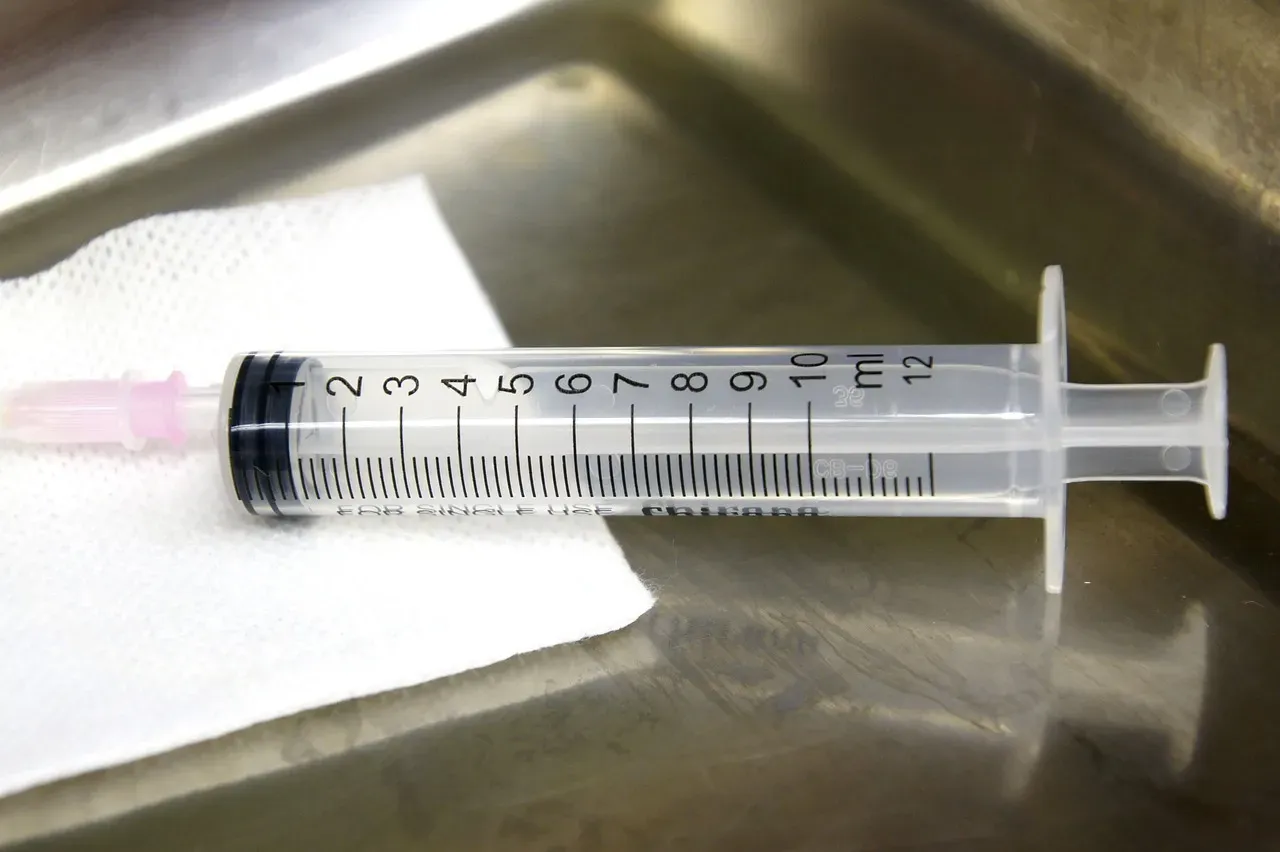
Maurice Hilleman created more vaccines than any other scientist in history. Measles, mumps, rubella, chickenpox, hepatitis A and B, meningitis. The list goes on. His vaccines have saved millions of lives, yet most people have never heard his name.
The MMR vaccine alone prevents roughly 95% of measles cases in vaccinated populations. Hilleman once developed a mumps vaccine in record time using his daughter’s throat culture when she got sick. Talk about dedicated parenting.
He worked at Merck for decades, driven by an intense focus on preventing childhood diseases. Hilleman was famously gruff and didn’t care about fame or glory. He just wanted to save kids from preventable illnesses. By that measure, he succeeded beyond almost anyone in medical history.
Vasili Arkhipov: Another Man Who Prevented Nuclear War

October 1962, Cuban Missile Crisis. A Soviet submarine, running deep to avoid American detection, lost contact with Moscow. The crew believed war had started. The captain and political officer wanted to launch their nuclear torpedo at American ships above them.
Vasili Arkhipov, a brigade chief of staff, was the third officer whose approval was needed. He refused. He convinced the captain to surface and await orders instead of starting World War III. The submarine surfaced, tensions eventually eased, and nobody knew about Arkhipov’s decision for decades.
Think about that. One man’s refusal prevented a nuclear exchange that would have killed millions. Arkhipov died in 1998, relatively unknown outside Russia. His widow didn’t learn about his role until after his death, when Soviet archives opened.
James Harrison: The Man with the Golden Arm
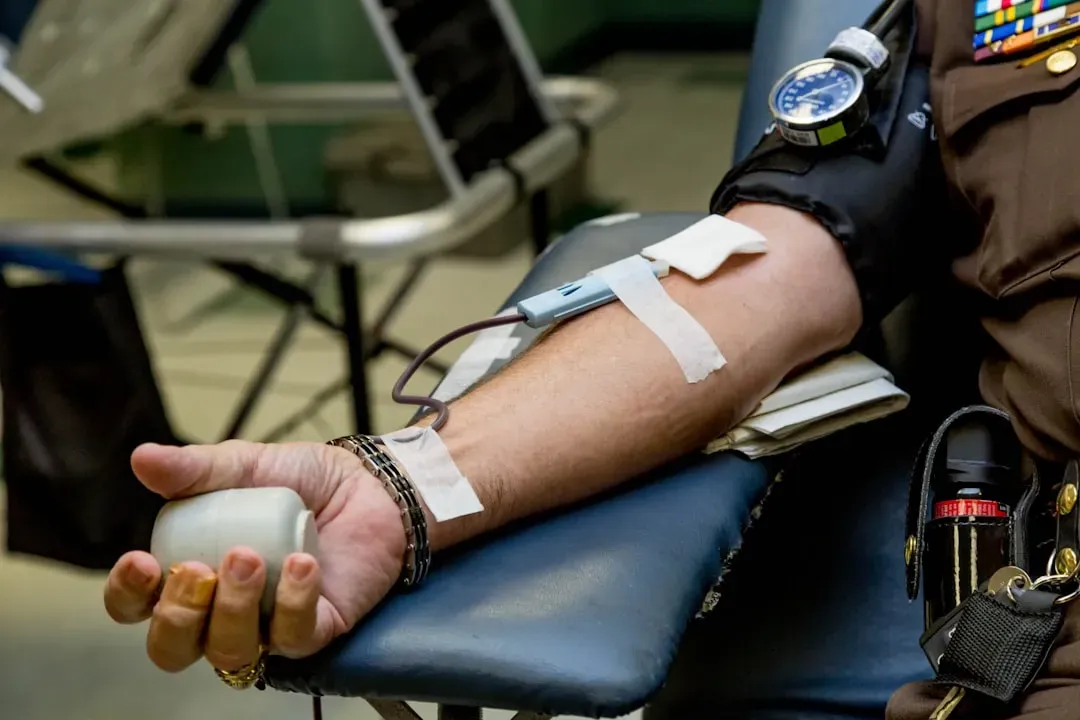
James Harrison’s blood plasma contains a rare antibody that prevents Rhesus disease in newborns. After receiving a blood transfusion as a teenager, he started donating regularly. Over 60 years, he donated over a thousand times, saving an estimated 2.4 million babies in Australia.
His plasma was used to develop Anti-D injections that prevent Rhesus disease, a condition where a mother’s blood attacks her baby’s blood cells. Before this treatment, thousands of babies died or suffered brain damage each year. Harrison’s donations made the treatment possible.
He retired from donating in 2018 at 81, when Australian regulations required him to stop. Harrison never wanted recognition or payment. He just kept showing up, rolling up his sleeve, and saving babies. That’s the definition of a quiet hero.
Viktor Zhdanov: The Man Who Eradicated Smallpox

Everyone credits the WHO for eradicating smallpox, but Soviet virologist Viktor Zhdanov actually started the global campaign. In 1958, he convinced the World Health Assembly to launch a worldwide eradication effort. Before that, smallpox killed roughly 2 million people annually.
Zhdanov understood that partial vaccination efforts wouldn’t work. The disease had to be eliminated everywhere or it would keep coming back. His strategy of intensive surveillance and ring vaccination eventually worked. Smallpox was declared eradicated in 1980.
The Soviet Union provided massive amounts of vaccine doses for free during the Cold War. Zhdanov’s vision saved countless lives, yet he’s rarely mentioned in histories of disease eradication. Sometimes the architects get forgotten while the institutions get remembered.
Gertrude Elion: Groundbreaking Drug Developer

Gertrude Elion revolutionized drug development without ever having a formal PhD. She developed drugs to treat leukemia, herpes, malaria, gout, and organ transplant rejection. Her innovative approach to drug design changed pharmaceutical research forever.
Elion couldn’t get into graduate school initially because she was a woman. She worked as a lab assistant and high school teacher before getting her breakthrough opportunity. Her work on immunosuppressive drugs made organ transplants viable, saving countless lives.
She finally shared the Nobel Prize in Medicine in 1988 at age 70. Even after retirement, she mentored young scientists and advocated for women in science. Elion proved you don’t need traditional credentials when you’ve got brilliant insights and determination.
Percy Julian: Synthetic Chemistry Pioneer
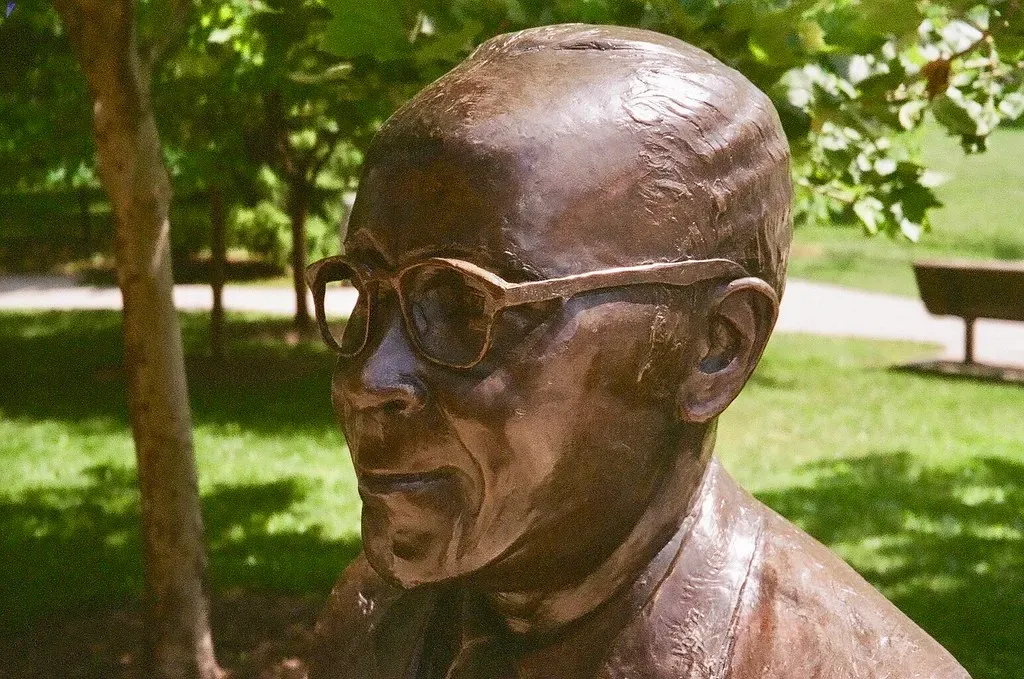
Percy Julian synthesized chemicals from soybeans to create affordable drugs for arthritis and glaucoma. He also developed fire-retardant foam used extensively in World War II. As a Black chemist in early 20th century America, he faced constant discrimination while making groundbreaking discoveries.
Julian’s synthesis of cortisone made the drug affordable for treating rheumatoid arthritis. Previously, it cost hundreds of dollars per gram. His process brought the price down dramatically, making treatment accessible to regular people. He held over 130 chemical patents.
Despite his achievements, Julian couldn’t join professional societies or work at many universities because of segregation. His home in Oak Park, Illinois was firebombed twice by neighbors who didn’t want a Black family in their neighborhood. He persevered anyway, leaving a legacy that touches millions.
Chiune Sugihara: The Japanese Schindler
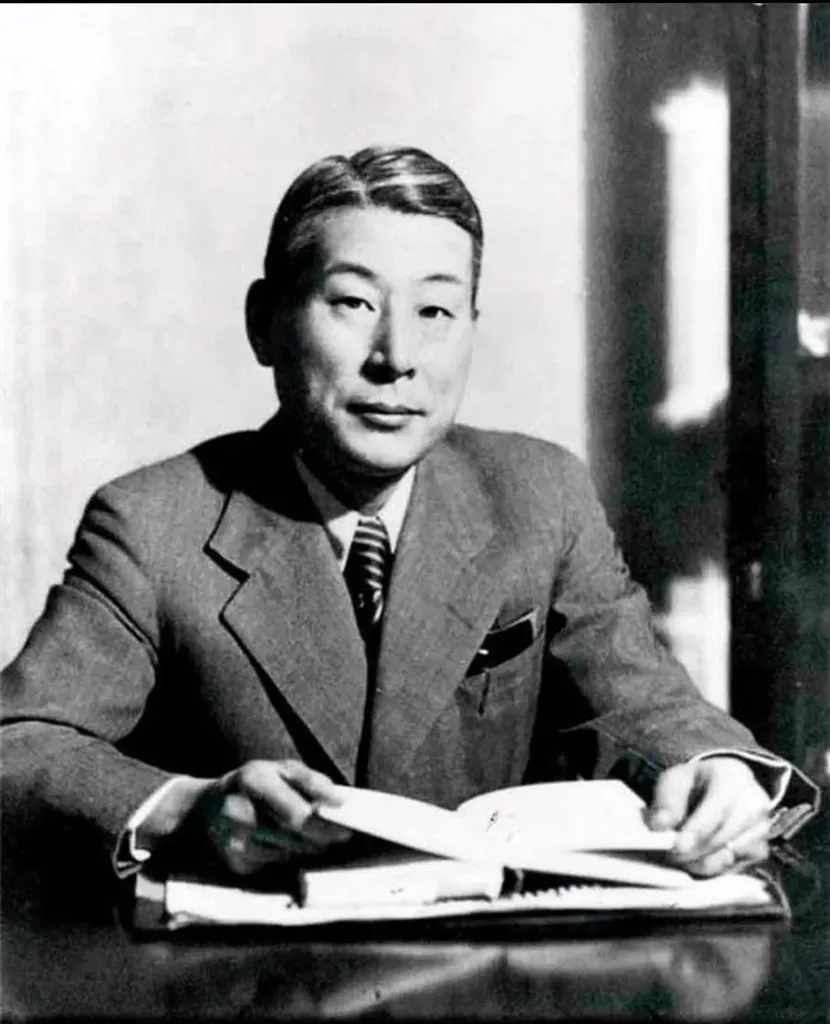
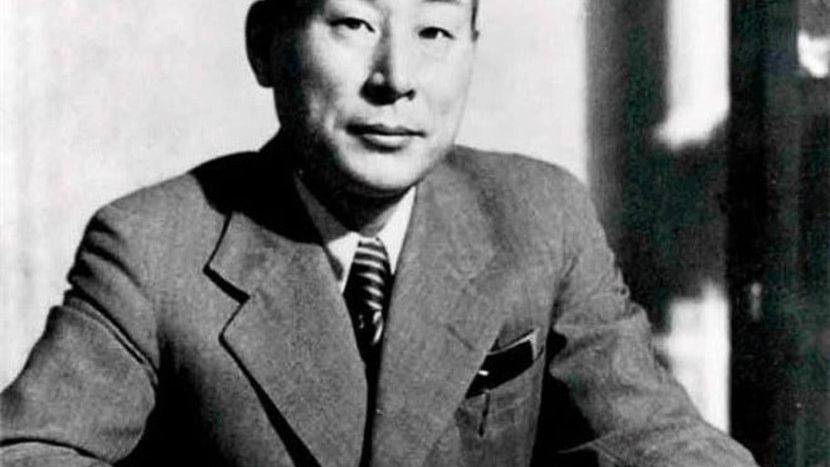
Japanese diplomat Chiune Sugihara served in Lithuania during World War II. When Jewish refugees desperately sought visas to escape the Nazi advance, he ignored Tokyo’s orders and issued thousands of transit visas. He wrote visas for 18 to 20 hours daily, continuing even as his train pulled away from Lithuania.
Sugihara issued visas to roughly 6,000 Jews, though that number likely saved even more family members. He lost his diplomatic career because of his disobedience. For decades, he lived in obscurity, working odd jobs to support his family.
Israel named him Righteous Among the Nations in 1985, a year before his death. His widow spent years tracking down survivors to document his actions. Today, an estimated 40,000 people owe their existence to Sugihara’s moral courage. He sacrificed everything to do what was right.
The Quiet Power of Unknown Heroes
These eleven people without seeking fame or fortune. They made split-second decisions that prevented catastrophes, developed innovations that saved millions, or showed extraordinary courage when it mattered most. Their stories remind us that history isn’t just made by the famous names we all recognize.
The next time you get vaccinated, enjoy disease-free crops, or benefit from modern medicine, remember the unknown scientists and brave individuals who made it possible. Real heroes often work in obscurity, driven by purpose rather than recognition. Their legacy lives on in every life they touched and every disaster they prevented.
Makes you wonder who’s out there right now, quietly changing the world without anyone noticing. What do you think? Tell us in the comments.