Music moves fast. Faster than it ever has, really, thanks to algorithms that can turn an unknown bedroom demo into a global phenomenon overnight. That velocity is exciting, but it also has a downside: the industry has gotten very good at recycling formats, aesthetic shortcuts, and business practices that stopped serving anyone years ago.
Some of what follows is about the music itself. Some of it is about the machinery surrounding it. All of it, in one way or another, has overstayed its welcome.
1. AI-Generated Music Flooding Streaming Platforms

Deezer alone is receiving over 30,000 fully AI-generated tracks every single day, accounting for more than twenty-eight percent of total daily delivery to the platform. That is not a creative revolution. That is a content dump. While AI-generated music currently accounts for only a small fraction of actual streams on Deezer, roughly half a percent, up to seventy percent of those streams are found to be fraudulent.
Every time a song’s play count is manipulated, it skews the platform’s recommendation algorithm and makes it harder for real artists to get their music heard. The problem is not that AI tools exist. It’s that they’re being used primarily to game royalty systems rather than to make interesting music. In April 2024, over two hundred prominent artists signed an open letter specifically targeting AI music generators, with signatories including Billie Eilish, Nicki Minaj, Stevie Wonder, and Katy Perry. That kind of broad, cross-genre consensus says something.
2. The 30-Second Song Structure Built for TikTok

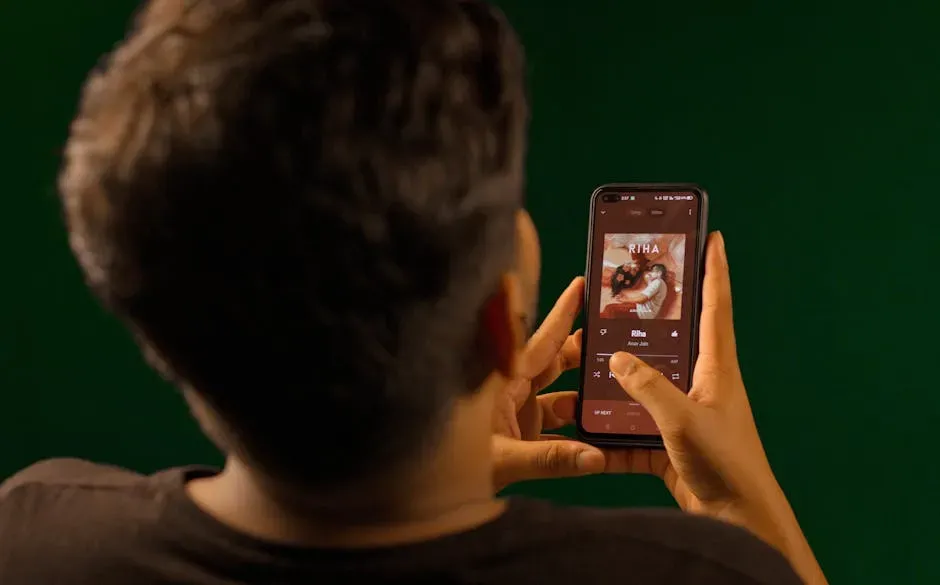
Many music lovers now primarily engage with music through social media, hearing a clip of a track soundtracking a viral trend rather than listening to a full song on a streaming platform. Artists and labels noticed, and a generation of songs followed that are essentially structured around one viral-bait moment, usually in the first fifteen to twenty seconds, with little musical development after that.
The result is a catalogue of songs that feel more like trailers than actual tracks. Music in 2024 has become ever harder to define, with streaming platforms and social media disrupting the barriers between genres and making traditional release formats redundant. That disruption has creative potential, but engineering every song specifically for a fifteen-second clip is a creative ceiling, not a floor. Music can do more than go viral.
3. Outrageously Priced Concert Tickets
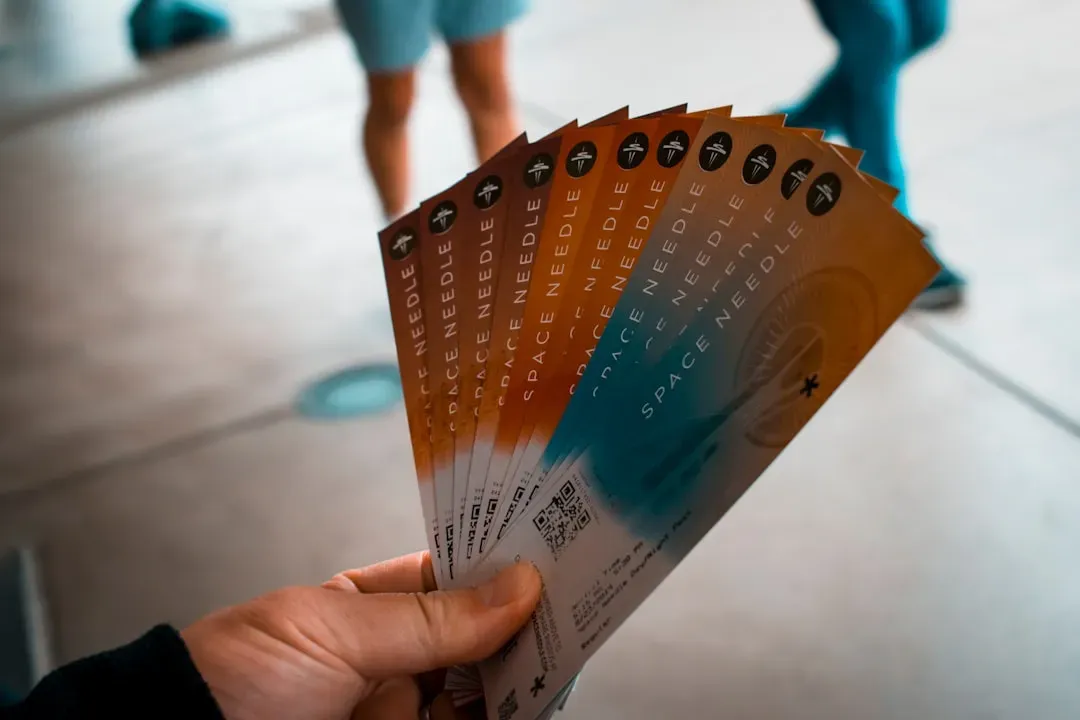
Concert ticket prices for the top one hundred worldwide tours hit a record-high average of $135.92 in 2024, marking a forty-one percent increase from 2019. The average dipped slightly in 2025 to $132.62, still well above both 2022 and 2023 levels. These are averages. Fans attending stadium shows from major artists frequently pay far more before fees are even added.
The increasing price of live events is the largest barrier to entry for music fans, with nearly seven in ten live music goers citing ticket cost as something keeping them from attending concerts, the highest percentage in the history of Luminate’s audience reporting. As prices rise, Live Nation blames demand and artists, artists blame fees and consolidation, and fans grow increasingly frustrated. No single party accepts full responsibility, leaving the industry at a stalemate while costs continue to increase.
4. Dynamic Pricing That Punishes Loyal Fans


Ticketmaster first introduced an early version of dynamic ticket pricing back in 2011, and it has since become the standard for live music ticketing sales. The idea was to capture revenue that would otherwise go to scalpers. In practice, it largely just means fans now pay scalper prices directly to the official seller. Dynamic pricing adjusts ticket costs based on demand, supposedly to cut out scalpers and redirect profits to artists and promoters. While it makes sense on paper, the results can be brutal for fans.
Average ticket prices increased by more than twenty-three percent in 2023, a trend that Pollstar says continued, with the average ticket price for a stadium show rising by eighteen percent between 2024 and 2025. The system has gone far beyond recapturing speculative value. It has become a mechanism that prices out casual fans and turns concert-going into something resembling a luxury purchase, which is not what live music was ever supposed to be.
5. Streaming Fraud and Fake Stream Manipulation

In September 2024, North Carolina resident Michael Smith was charged by federal authorities with wire fraud, conspiracy, and money laundering after allegedly orchestrating a seven-year scheme that generated over ten million dollars through AI music and bot-driven streaming manipulation. His case made headlines, but it was not an anomaly. Industry analysts estimate that streaming fraud represents a multi-billion dollar problem, with conservative estimates suggesting fraud accounts for one to three percent of all streams, though some fraud detection specialists argue the actual figure approaches ten percent on certain platforms.
Spotify reportedly eliminated seventy-five million spammy tracks in September 2025 as part of ongoing cleanup initiatives targeting low-quality filler content, fake artists, and bot-driven manipulation. That is an enormous number of removals from a single platform in a single sweep. Using armies of bots or forming entire streaming farms, fraudsters artificially inflate streaming numbers, diverting billions of dollars from the finite royalty pool, funds that should be allocated to actual music creators, artists, labels, and publishers. Every legitimate artist loses something every time this happens.
6. The Dominance of Holdover Hits Over New Music
Only three of Spotify’s top ten most-streamed songs in 2025 were released that same year, a reversal from 2024, when just three top tracks carried over from 2023. Chartmetric identified a slowdown in breakout hits, with only twenty-three songs reaching the top charts in the first half of 2025, compared to forty-nine during the same period in 2024. The charts have started to feel like a museum.
Chartmetric logged nearly 30,000 releases every single day last year, and as one analyst puts it, every new song is competing with every old song. Streaming’s infinite shelf life means catalog music never really ages out. That has real cultural value in some ways, but it also creates a dynamic where genuinely new voices have a harder time cutting through than ever before. The charts are beginning to reflect a kind of creative stagnation that nobody seems to have a clear solution for.
7. Lazy Nostalgia as a Default Creative Strategy

One of the defining developments in recent music has been the rise of retro futurism, where tracks evoke nostalgia for the eighties and nineties but pair it with cutting-edge production techniques. Done well, that’s genuinely interesting. Done lazily, it’s just aesthetic cosplay. Too many artists have leaned on vintage signifiers, synth tones, drum machine patterns, and visual references, as a substitute for genuine musical identity.
Possibly due to the cultural phenomenon of Stranger Things, there has been a fresh surge in popularity of synth-pop and other eighties-influenced styles, with artists like Conan Gray and Chappell Roan leaning into sawtooth synth lines, old-school electronic drum sounds, and an overall retro aesthetic. There’s nothing wrong with drawing from the past. The problem is when nostalgia becomes the entire argument, and there’s nothing new being said underneath the vintage packaging.
8. Oversaturated Genre Micro-Labeling
There may be further niche-fication of music in the form of playlists that aim to capture a very specific vibe. Similar to the “core” approach to fashion that rose with TikTok, music enthusiasts might seek further customization, and platforms like Spotify have found ways to leverage that impulse. The result is a naming culture that fragments music into increasingly absurd subcategories. Every sound now needs a compound descriptor, a micro-genre tag, or a “core” suffix to exist in the digital ecosystem.
Spotify introduced daylists, a feature that generates unique playlists for users daily based on streaming data, with highly specific names aimed at capturing an exact vibe. Examples include “No Wave Electropunk Afternoon” and “Goth Synthesizer Dark Wave.” There’s a genuine usefulness to mood-based curation. However, constantly needing to label and micro-categorize every sound removes the simple pleasure of just letting music be music without taxonomic anxiety attached to it.
9. The Album Announcement Cycle That Drags On for Months

In 2024, many producers found it harder than ever to get their music in front of listeners. Physical and download sales are now a niche market, and streaming platforms are tricky to crack. Even if a track rises high in playlists, it’s likely reaching passive listeners who might not check out other music, let alone become lasting fans. Despite this, major label marketing teams continue to stretch album campaigns across half a year or more, drip-feeding singles and teaser content until the actual release barely registers as an event.
The model made sense when albums were physical products that required significant lead time for manufacturing and distribution. In a streaming world where music can be released instantly, the endless pre-release campaign has largely become a way to fill calendar space and social media feeds. Listeners get fatigued, and the music itself can feel like an afterthought by the time it actually arrives.
10. Parasocial Superfan Monetization Gone Too Far
Fans are becoming increasingly aware of the challenges facing independent artists and are looking for ways to support them in a more intimate way, with platforms like Bandcamp, Ko-fi, and Patreon growing in relevance alongside merchandise sales. That kind of direct fan-artist connection is genuinely healthy. What’s less healthy is the industry-wide practice of layering subscription tiers, exclusive bundles, and limited-edition physical variants on top of already expensive concert tickets, treating fan loyalty as a revenue extraction opportunity rather than something to be earned and respected.
There has been a clear shift away from glorifying celebrities, linked to the rise of socioeconomic issues such as the increasing cost of living. People are becoming increasingly disillusioned with wealthy celebrities who embody capitalist values while their fans themselves struggle to make ends meet. Artists who recognize this and build genuine community rather than monetized fan pipelines tend to hold their audiences far longer. The ones who don’t are already starting to feel the friction.
11. Music Designed Primarily to Game Algorithms
In 2025 and beyond, listeners are likely discovering new artists primarily through algorithms on social media, where viral sounds pop up more frequently, and on streaming platforms through curated, personalized playlists. Algorithms are now such a dominant force in music discovery that a subset of artists and producers essentially design tracks with the algorithm in mind first and the listener second. Tempos, intro lengths, emotional hooks, and even lyric placement get calibrated to maximize playlist placement and retention metrics.
The catchiness of trending sounds is incredibly powerful for creators and brands on social media because users remember the song, and the algorithmic effect of being right on the cusp of a trending sound is significant. Nobody is pretending the algorithm doesn’t matter. The issue is when it becomes the sole creative brief. Music made primarily to satisfy a recommendation engine has a recognizable hollowness to it, and listeners, even casual ones, tend to feel it even if they can’t name it. The best music has always been made for people, not for machines ranking it.
None of this means the music world is broken beyond repair. Plenty of what’s happening right now, from the global rise of Afrobeats and amapiano to a renewed appetite for raw, unpolished sounds, suggests there’s still real creative energy moving through the industry. The trends listed here are the noise cluttering that signal. The sooner the industry lets them go, the more room there is for something worth keeping.