Most people know musicians for their music, not their hobbies. Yet plenty of rock stars, singers, and songwriters have spent decades quietly building collections that rival what you’d find in a museum or a specialist auction house. Some of these passions started as childhood curiosities and grew into serious, well documented pursuits worth studying in their own right. What makes these collections interesting isn’t just the price tags, though some of them are eye watering. It’s the fact that behind the stage personas are people who care deeply about occult manuscripts, vintage cars, antique photographs, or obscure comic books, often with the same intensity they bring to their music.
Jimmy Page and his occult book collection
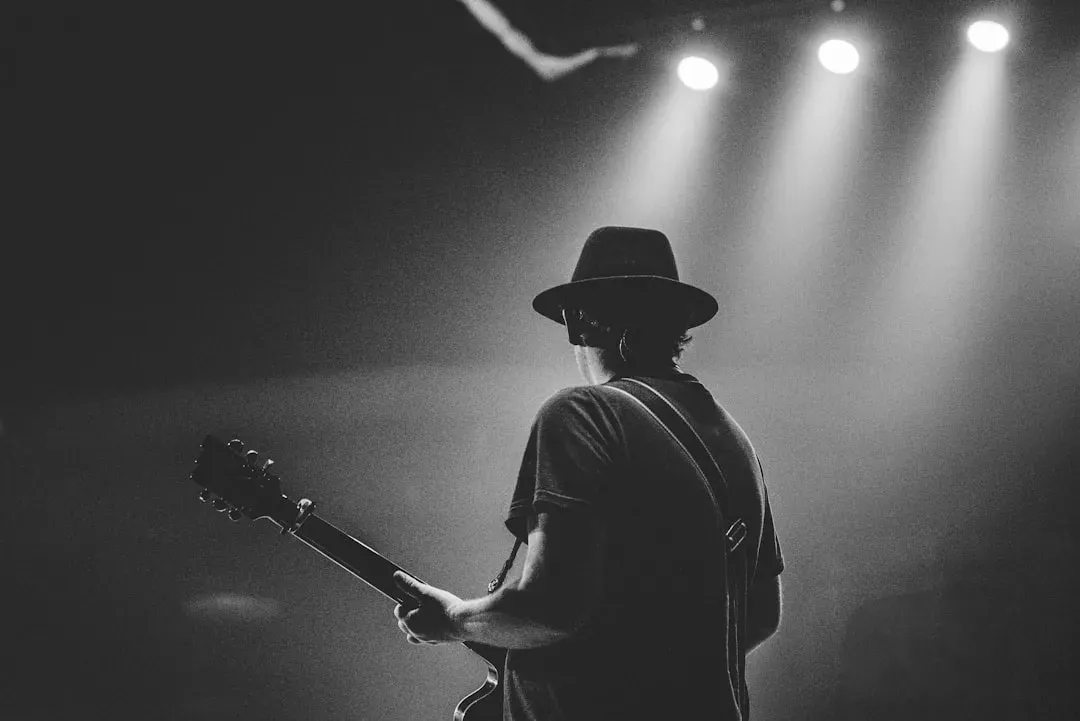
Led Zeppelin’s guitarist has long been associated with Aleister Crowley, the British occultist who founded the religion of Thelema in the early twentieth century. At one time, it was said that Page owned the biggest collection of first-edition books by the author, which went a long way toward helping his reputation as the biggest Crowley collector. He even financed a Crowley themed bookshop and bought Boleskine House, the occultist’s former home on the shores of Loch Ness.
Page always showed his interest in the occult when talking about Crowley’s work, and he bought the occultist’s manor in 1973, selling it only in 1992. The rare first editions, manuscripts, and Crowley memorabilia he accumulated over the decades are considered some of the most significant private holdings of occult literature in the world. Specialist dealers in esoteric texts still cite his collecting as a benchmark for what serious Crowley scholarship looks like outside academic institutions.
Brian May and his Victorian stereoscopic photography archive
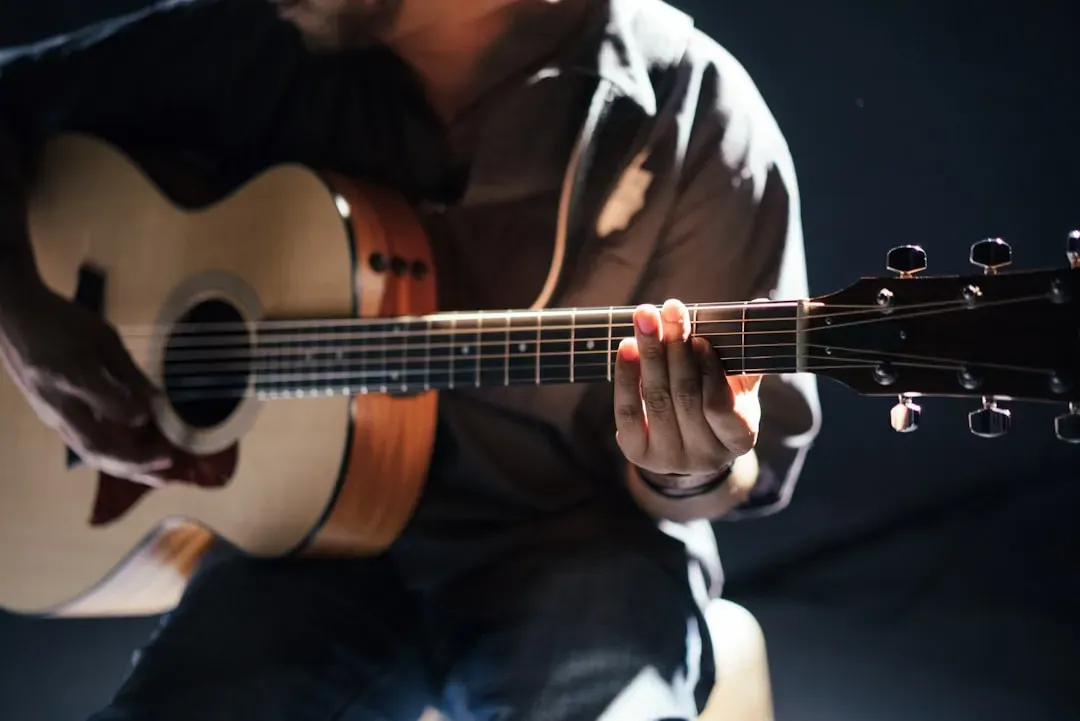
Queen’s guitarist is also an astrophysicist, but long before either of those pursuits took hold, a childhood cereal box gift sparked a lifelong obsession. Triggered by childhood cereal box giveaways, May has held a lifelong passion for 3D photos, and his 100,000-strong collection of stereoscopes is one of the biggest in the world. That hobby eventually led him to resurrect an actual Victorian company built around the format.
Over a decade ago, May resurrected the London Stereoscopic Company, which first came into existence in the 1850s as a seller of stereoscopes and stereo images. He has published multiple books drawing on his archive, including intimate 3D photographs of Queen taken from inside the band. Auction houses and photography historians regard his collection as one of the most complete surviving records of Victorian stereo imagery still in private hands.
Rod Stewart’s model railway empire

Rod Stewart’s passion for model trains started as a boyhood disappointment, when his father gave him a guitar instead of a train set. Measuring 1,500 square feet, Stewart named the fictitious 1940s-era American metropolis Grand Street And Three Rivers City, featuring hundreds of buildings, a railway station, period cars and lorries, surrounded by a rolling landscape. It took more than two decades to complete, much of it built during hotel stays while on tour.
The scale and craftsmanship involved make it one of the most valuable private model railway layouts ever documented, insured at a level most hobbyists could never dream of. Stewart even gave ten thousand pounds to a UK model railway club after its own thirty thousand pound display was destroyed by vandals, calling attention to just how seriously he takes the hobby. Model railway magazines have treated his layout as a genuine work of miniature urban history rather than a celebrity novelty.
Neil Young’s vintage train sets
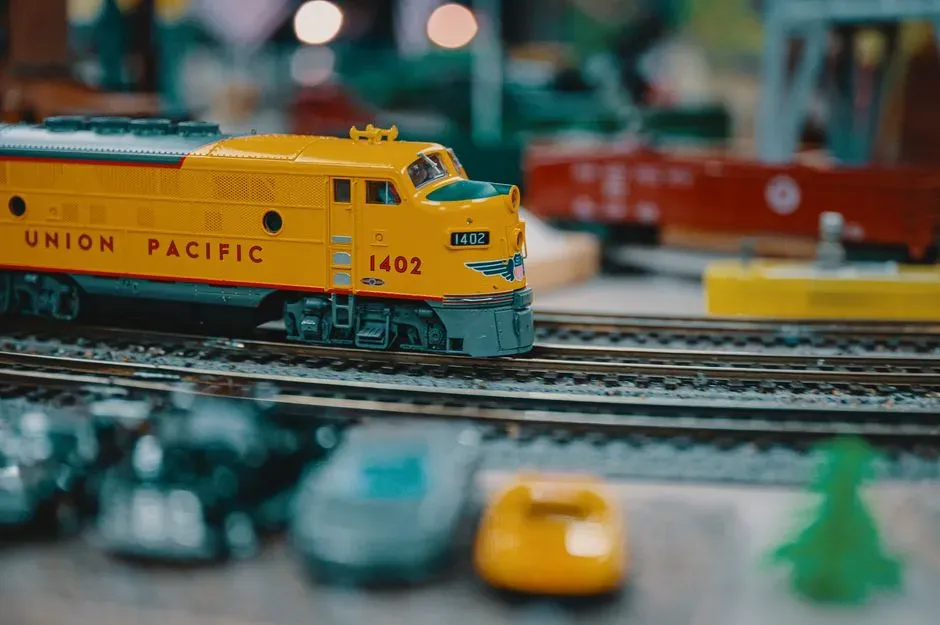
Neil Young shares Stewart’s fascination with model trains, though his path into the hobby came from a very personal place. Young is also a model railway enthusiast, and he even bought Lionel, the US model train company, when it was in financial difficulties, having started building model railways as a way of connecting with his disabled son. That purchase turned a private passion into genuine industry involvement.
Owning a controlling stake in a company as historically important as Lionel put Young in a different category from most celebrity collectors. He reportedly held patents related to model train technology developed with the company during his years of involvement. His collection combines vintage Lionel pieces with custom modifications, giving it both sentimental and genuine collector value among model railway enthusiasts.
Jay Kay’s supercar garage
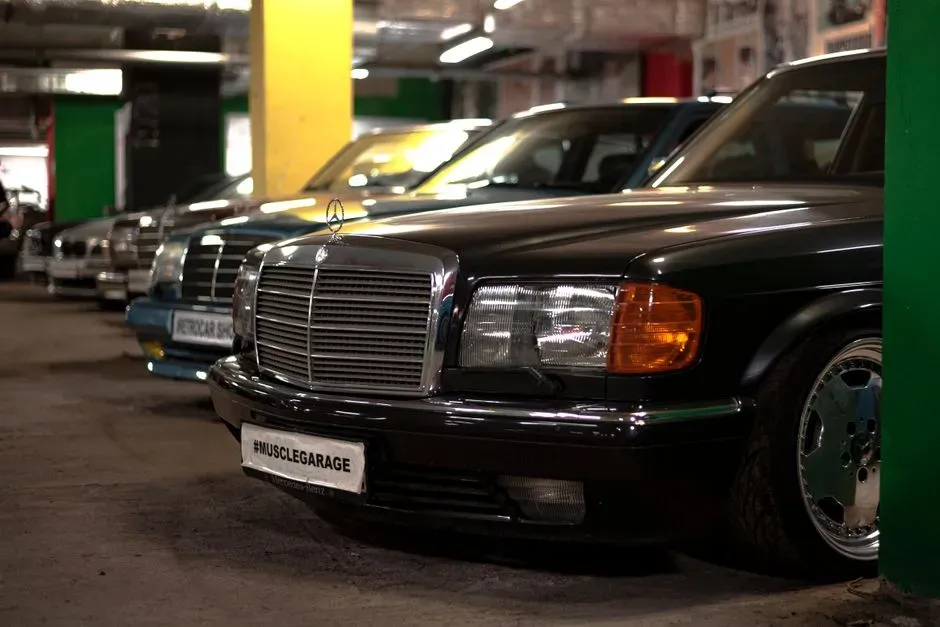
Jamiroquai frontman Jay Kay has built one of the most talked about car collections in the music world. Jay Kay’s car collection includes more than 70 cars and features rare and exquisite models from some of the biggest luxury car brands in the world, including Aston Martin, Mercedes-Benz, Ferrari, and Lamborghini. Some estimates put the number even higher, with different sources tracking different points in his ever changing garage.
He is known for buying rare or unique specification vehicles and later selling them at a profit, treating the hobby almost like an investment portfolio. He once bought a unique LaFerrari for just under one and a half million dollars and sold it for nearly double, though he still missed out on an even bigger profit as the model’s value climbed further. His cars have appeared in several Jamiroquai music videos over the years, blending his two great passions into one.
Nick Mason’s classic and racing cars

Pink Floyd’s drummer Nick Mason has spent decades assembling one of the most respected vintage car collections owned by any musician. His holdings reportedly include a Ferrari 250 GTO, widely regarded as among the most valuable cars ever produced, alongside other rare Ferraris and Maseratis from motorsport’s golden era. Mason has also competed in vintage racing events himself, treating his cars as functioning pieces of history rather than static trophies.
Partner offer
What separates his collection from many celebrity garages is the depth of his personal involvement in classic motorsport circles. He has written about car collecting and racing, and his cars regularly appear at prestigious events like the Goodwood Festival of Speed. Industry insiders often point to his collection as evidence that genuine expertise, not just money, drives some of the most respected private car holdings in the world.
John Mayer’s watch collection
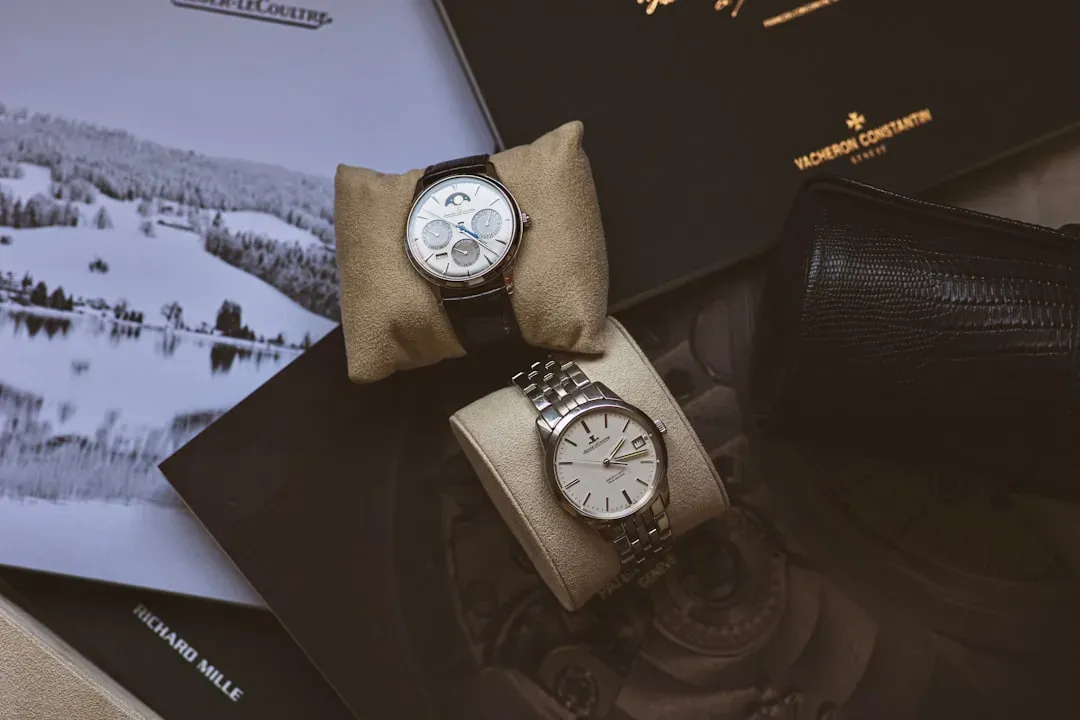
John Mayer has become one of the most recognized names in horology outside the traditional watch collecting world. He is widely regarded as one of the most influential watch collectors in the world, with a collection featuring exceptional pieces from Rolex, Patek Philippe, Audemars Piguet, and Richard Mille. His public visibility has actually shifted how certain models are perceived by collectors.
One striking example involves a rare Patek Philippe Nautilus he was photographed wearing. The watch retails at $37,800 but now commands an eye-watering $700,000 on the secondary market. A Rolex Daytona he praised on a watch focused interview series also saw demand spike so sharply that the comment alone sent the market into a frenzy, and the watch is now nicknamed the John Mayer Daytona.
Elton John’s photography collection
Elton John has spent decades quietly assembling one of the most significant private photography collections owned by anyone outside the museum world. His holdings reportedly span major twentieth century photographers, with a particular focus on modernist and portrait work from the early to mid 1900s. Portions of the collection have been exhibited publicly, including shows that toured major art institutions and drew attention from serious photography scholars.
What sets his collecting apart is the consistency and depth of his approach, treating photography with the same seriousness he brings to music curation. He has spoken publicly about visiting galleries and auctions long before it became fashionable for musicians to be seen as art collectors. The collection is often cited by photography historians as one of the more thoughtfully assembled private archives of its kind.
Gene Simmons and his comic book collection
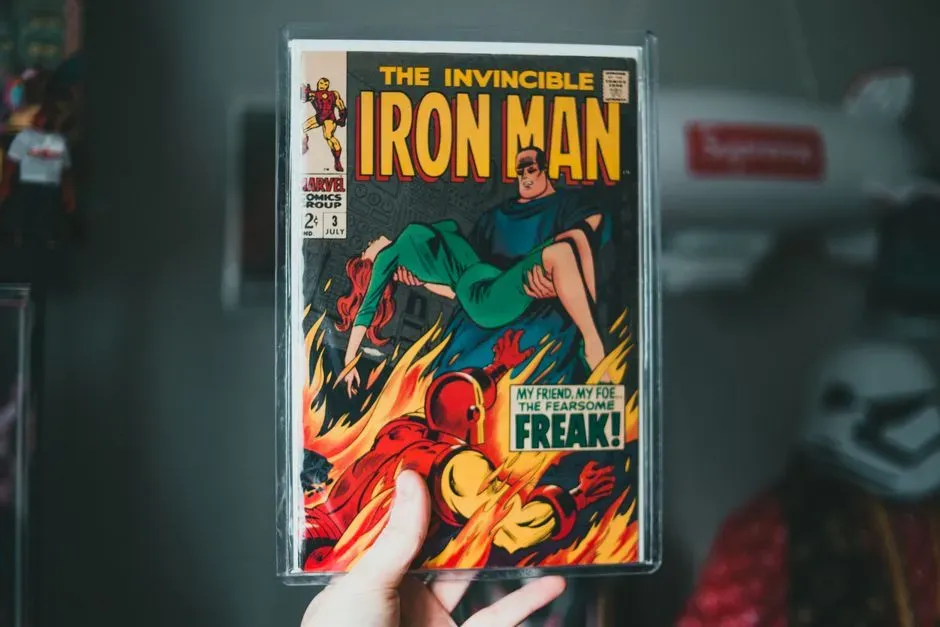
KISS frontman Gene Simmons has long been open about his love of comic books, a passion that predates his music career by years. He has spoken about growing up reading comics as a way of connecting with American pop culture after immigrating from Israel as a child, and that early fascination eventually turned into a genuine collecting habit. Over time, KISS itself became deeply intertwined with comic book culture, with the band appearing in Marvel comics and licensing countless collectible tie ins.
Simmons has held onto rare original issues alongside KISS related memorabilia, blending personal collecting with the band’s own merchandising empire. He has often described comics as an early form of the larger than life imagery that shaped KISS’s stage persona. His collection reflects a rare case where a personal hobby directly influenced the visual identity of an entire band.
David Bowie’s art collection
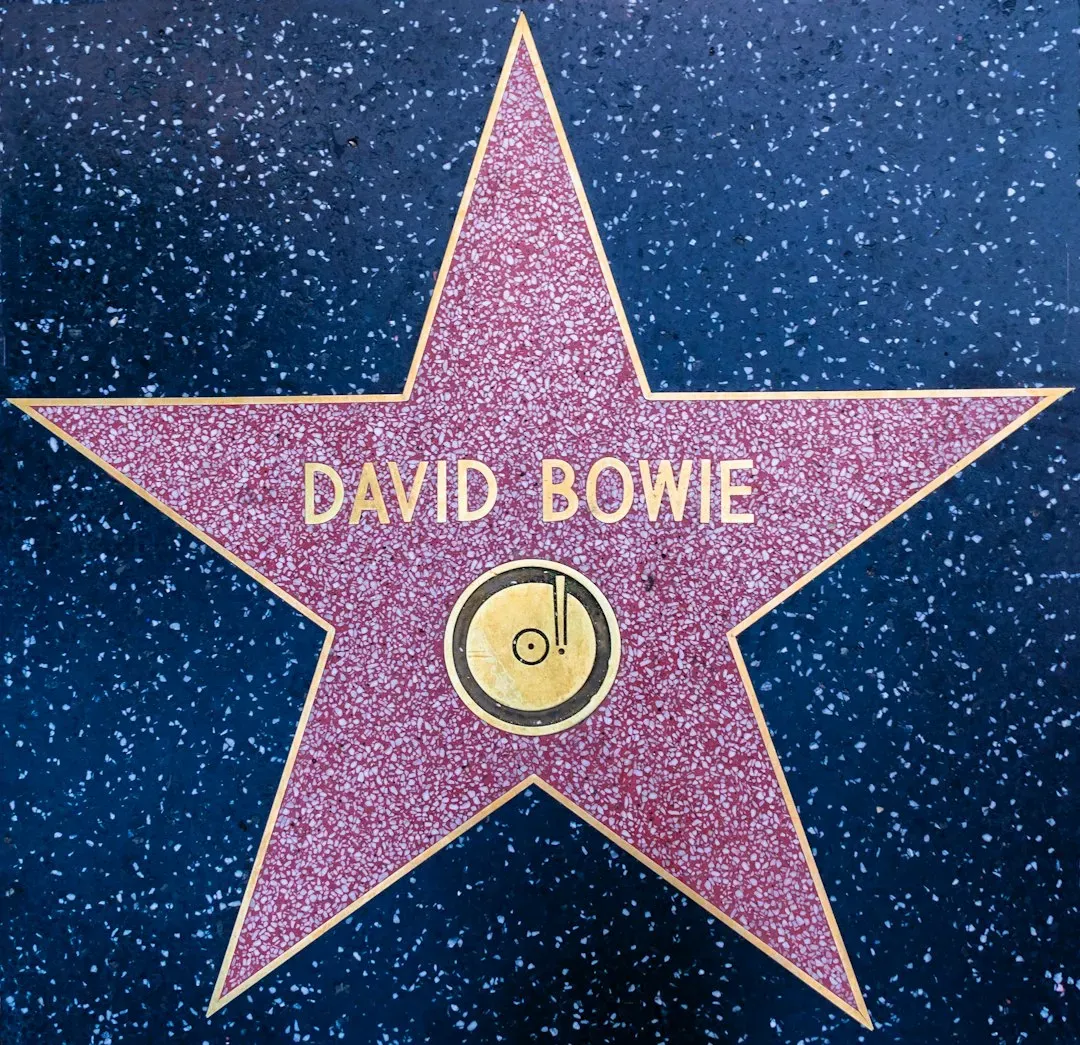
David Bowie was a serious and knowledgeable collector of modern and contemporary art throughout his life, a fact that became widely known only after his estate’s holdings went to auction. His collection included works by major twentieth century artists and reflected genuinely informed taste rather than casual celebrity purchasing. He reportedly spent years studying art history and even sat on the editorial board of an art magazine at one point.
When Sotheby’s auctioned pieces from his collection following his death, the sale drew enormous interest and achieved results well above initial estimates, confirming what close friends had said about his eye for emerging and underappreciated artists. Bowie often bought work from artists before they became widely recognized, a pattern that gave his collection both cultural and financial significance. The auction results ultimately cemented his reputation as one of the more serious artist collectors in music history.
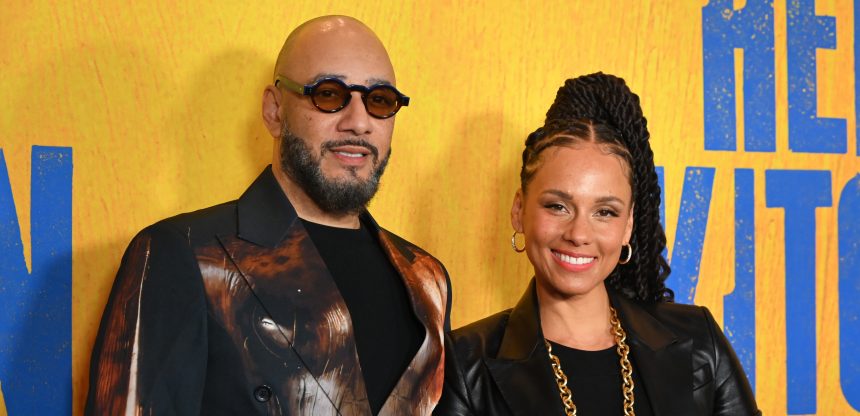
Swizz Beatz and his contemporary art collection
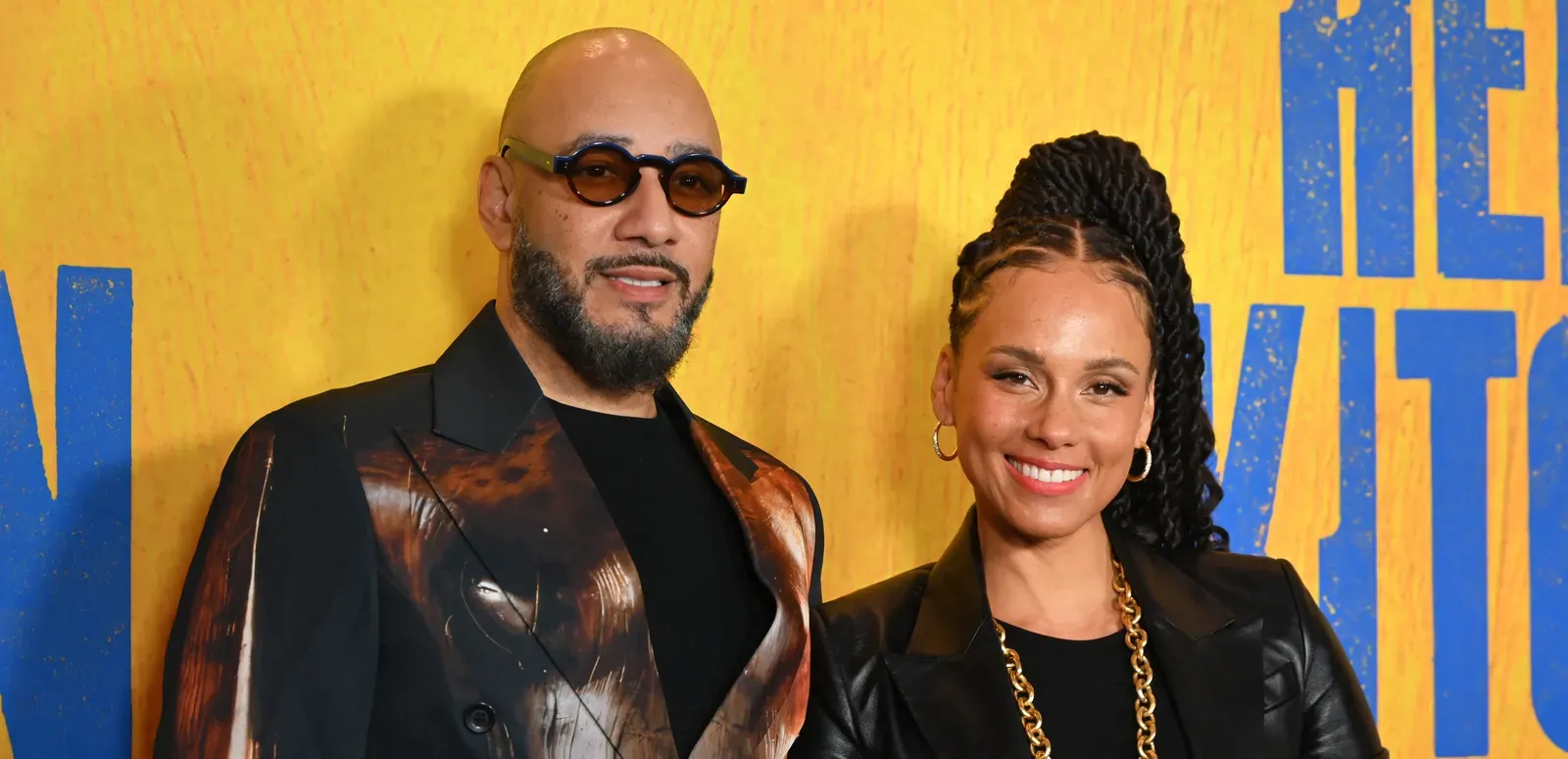
Producer and rapper Swizz Beatz, born Kasseem Dean, has become one of the most prominent art collectors in the music industry, with a particular focus on contemporary African and African American artists. He has spoken frequently about using his platform to support working artists directly, often buying pieces early in an artist’s career rather than waiting for market validation. His collection has grown large enough to be the subject of museum exhibitions and academic discussion around collecting and patronage.
Beyond simply acquiring art, he has positioned himself as an active advocate within the art world, working alongside institutions and other collectors to expand opportunities for underrepresented artists. His approach mirrors long standing patterns among serious collectors who treat acquisition as a form of cultural investment rather than pure luxury spending. Within art circles, his collection is frequently cited as an example of how musicians can meaningfully shape contemporary art markets rather than simply participating in them.
These eleven collections show a pattern that goes beyond simple celebrity spending. Each one reflects years, sometimes decades, of genuine curiosity that happened to intersect with resources most people never have access to. Whatever the subject, from occult manuscripts to Victorian photography to supercars, the common thread is patience, and a willingness to treat a personal passion as something worth taking seriously.Partner offer
Planning a trip to Vegas?
Compare hotel rates and show tickets on VEGAS.com.